Casale Panayiotis

Small Luxury Hotels of the World Member
A restoration project in the Troodos mountains, Casale Panayiotis transforms a cluster of traditional Cypriot stone buildings into a design-led rural retreat in Kalopanayiotis. The property sits in a category of heritage-conversion hotels that prioritise architectural integrity over contemporary reinvention, placing it closer to properties like Castello di Reschio than to Cyprus's coastal resort tier.

Pearl is the En Primeur Club membership app, where members save venues, book tables and use the concierge.
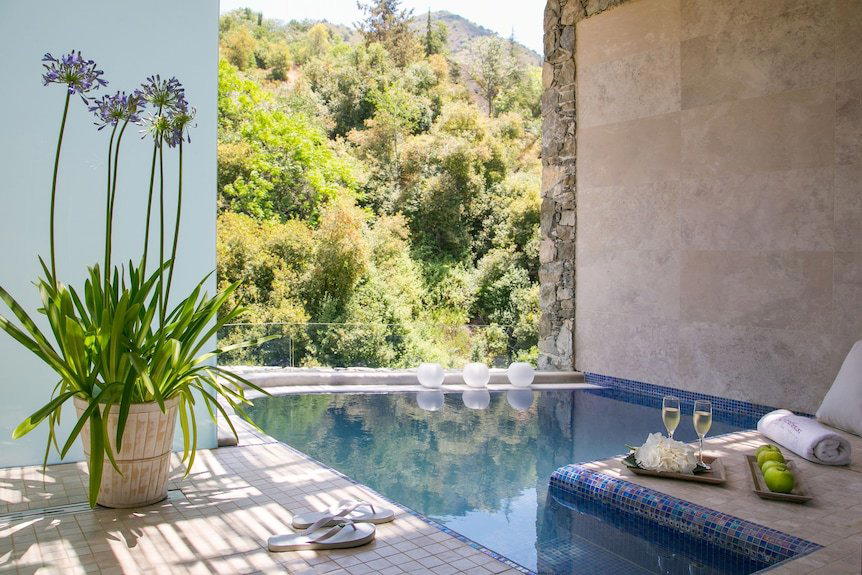
Stone, Silence, and the Architecture of Restoration
The Troodos mountain villages of Cyprus have long operated on a different register from the coastal resort belt. Where Limassol and Paphos compete on pools, beachfront, and international-brand recognition, the villages above 1,000 metres have a quieter, slower argument to make: that the built fabric itself is the attraction. Kalopanayiotis, a UNESCO-listed village in the Marathasa Valley, is one of the more compelling cases for that argument. Its Byzantine monastery, sulphur springs, and dense cluster of traditional stone houses sit largely intact, spared the kind of coastal development pressure that has altered much of the island.
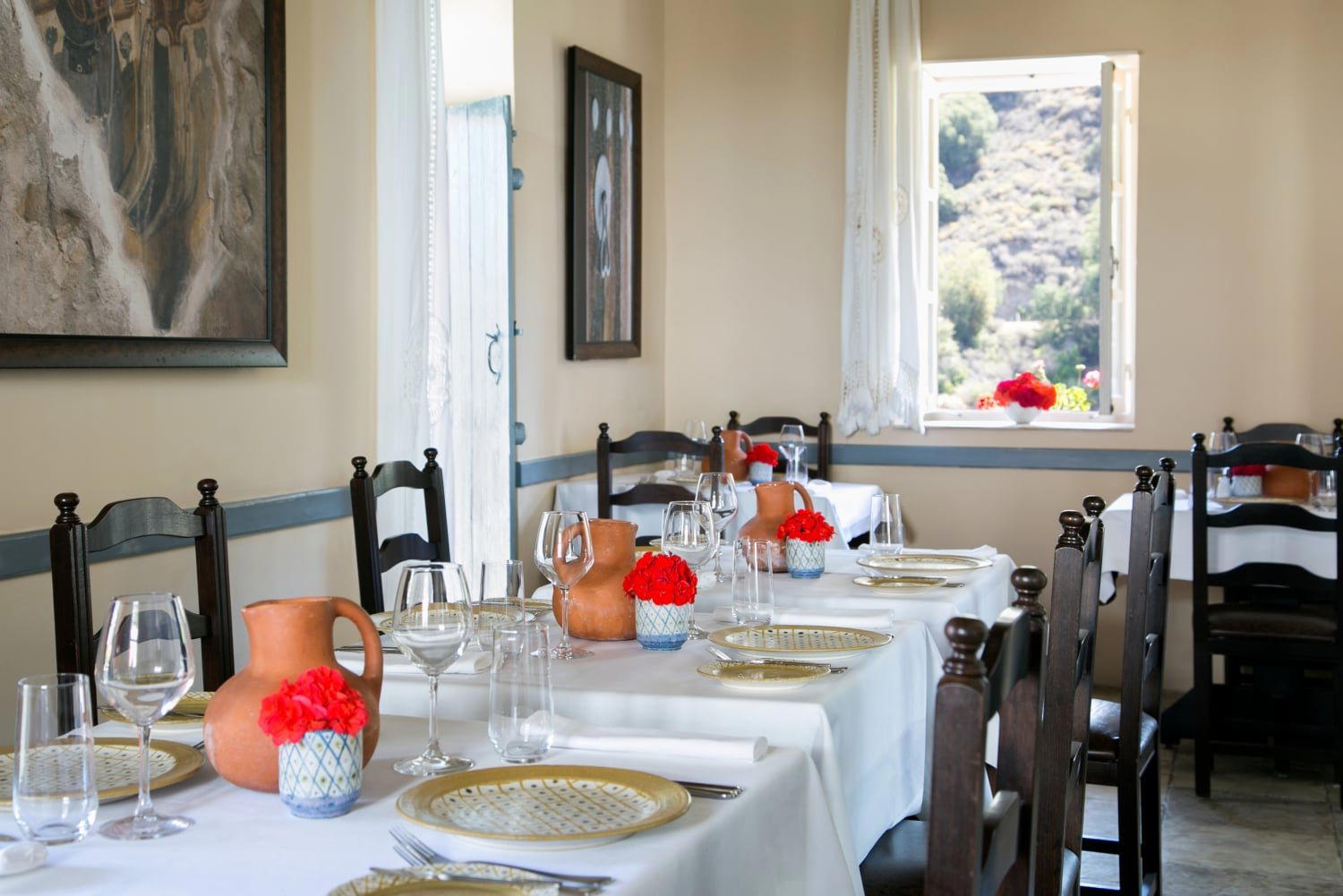
Casale Panayiotis occupies several of those traditional stone structures on Markou Drakou, and the hotel's identity is inseparable from that physical context. This is restoration-led hospitality, a category that has produced some of the more considered properties globally, from converted monasteries in Italy to Ottoman-era houses in Turkey. The premise is direct: the architecture precedes the hotel, and the hotel's job is to honour rather than overwrite it. What that means in practice at Casale Panayiotis is a built environment shaped by Cypriot vernacular construction, thick limestone walls, terracotta detail, and a village-scale footprint that reads as a neighbourhood rather than a single compound.
What the Building Tells You
Heritage-conversion properties split broadly into two camps. The first treats the original structure as scenery, a photogenic backdrop for contemporary interiors that could have been installed anywhere. The second treats the architecture as the primary guest experience, where the age of the masonry, the irregularity of the floor plans, and the weight of the history are precisely what justify the room rate. Casale Panayiotis belongs to the second camp, in the same general tradition as Castello di Reschio in Umbria, a property where the restoration logic is the editorial through-line. In Cyprus, this positions Casale Panayiotis well apart from the polished seafront offering of AMARA in Limassol or Almyra in Paphos, each of which operates in a coastal-resort mode with a contemporary design sensibility.
The Marathasa Valley setting reinforces the architectural premise. Arriving in Kalopanayiotis by road from Nicosia, roughly an hour's drive through the foothills, the landscape shifts progressively from dry lowland to forested valley. By the time the village appears, the visual register has changed completely: tile roofs, poplar trees, the river cutting through the lower village, the monastery of Agios Ioannis Lampadistis at the base of the slope. The hotel's buildings read as continuous with that setting, which is itself the point. You are not being delivered somewhere purpose-built for tourism. You are being placed inside a living architectural record.
Room Categories and the Logic of Choosing
In restoration hotels, room categories often matter more than at purpose-built resorts, because the original buildings impose genuine variation in configuration, light, and acoustic character. Not every room occupies the same position within the complex, and the differences are material rather than cosmetic. At Casale Panayiotis, the spread of structures across the village site means some rooms will carry more of the original fabric than others, and some will have more direct relationship to the valley views or the garden spaces between buildings.
For guests whose primary interest is the architecture rather than hotel amenities in the conventional sense, the more characterful rooms in older sections of the complex are generally the stronger choice, even if they carry a more irregular floor plan or less standardised light. This mirrors the logic that applies at properties like Hotel Sacher Wien or HOTEL THE MITSUI KYOTO, where heritage positioning makes the room itself a document of place. Guests seeking the full Casale Panayiotis experience should contact the property directly to discuss which room categories sit in the oldest or most architecturally distinctive sections of the complex.
Kalopanayiotis in the Wider Cyprus Context
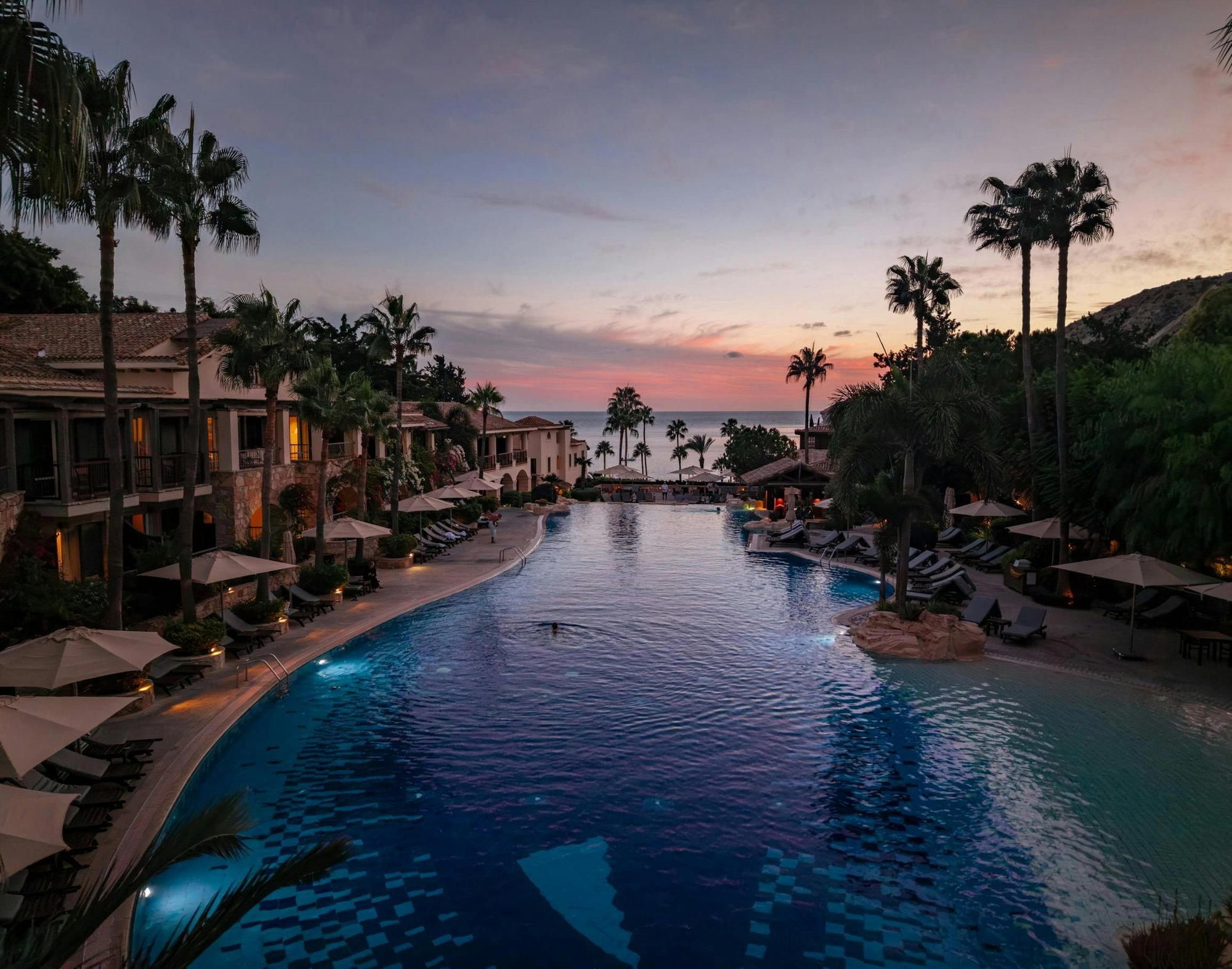
Cyprus's hotel sector has historically been weighted towards the coast. The island's largest luxury properties, among them Anassa in Neo Chorio and Columbia Beach Resort in Pissouri Bay, are beach-anchored, and the country's tourism infrastructure has been built largely around that model. The Troodos interior represents a smaller, more specialist strand: agrotourism, heritage village stays, and mountain walking. Casale Panayiotis sits at the premium end of that strand, where the investment in restoration and the quality of the physical fabric separate it from simple village guesthouses.
The comparison also extends to other inland Cyprus properties. The Agora Hotel in Pano Lefkara occupies a similar conceptual space, a village-embedded heritage property in a different part of the mountains, giving travellers a meaningful choice between two distinct village characters if the interior of the island is the priority. Kalopanayiotis carries the weight of its UNESCO recognition for the monastery complex, which brings a specific kind of cultural visitor, and the sulphur springs in the lower village add a wellness dimension that most mountain villages in Cyprus cannot match. For those exploring Nicosia as a base, Amyth of Nicosia is the closest city-level option before heading into the mountains, roughly an hour away.
For guests arriving from further afield, the airport transfer logic typically runs through Larnaca or Paphos. The drive from Paphos airport to Kalopanayiotis covers upland terrain that is part of the arrival experience itself. Our full Kalopanayiotis restaurants guide covers what to eat in and around the village.
The Broader Argument for Mountain Cyprus
The shift in how premium travellers approach rural heritage stays has been visible across southern Europe over the past decade. Properties that once positioned themselves defensively against coastal competition now lead with the interior as a positive reason to visit: lower summer temperatures, slower pace, architectural density that coastal resorts cannot replicate, and proximity to agricultural and food traditions that mass tourism has not yet standardised away. This pattern is legible from rural Tuscany to the Pelion peninsula in Greece and, increasingly, to the Troodos range in Cyprus.
Casale Panayiotis makes its case within that shift. The Marathasa Valley in late spring and early autumn offers conditions that the coast does not: cooler air, cherry orchards in bloom or harvest, the particular quality of mountain light in the late afternoon. These are the details that architecture-focused travel tends to seek out, and the property's positioning within Kalopanayiotis's intact village fabric is what makes the combination coherent. You are not choosing between a mountain hotel and a beach hotel. You are choosing between two fundamentally different accounts of what Cyprus is.
Planning a Stay
Casale Panayiotis is located at Markou Drakou 97, Kalopanagiotis 2862. Given the mountain road access and the village's relatively limited infrastructure compared to coastal resort towns, self-drive from Nicosia or the major airports is the practical approach for most guests. The property's position within the village means parking and arrival logistics differ from conventional hotel layouts, so advance communication with the property is advisable. Spring through early June and September through October represent the strongest windows for Troodos mountain stays, before and after the peak summer heat on the coast. Those travelling from Paphos may also wish to cross-reference the coastal offering at Almyra before committing to an itinerary that combines coast and mountains.
Quick Comparison
Comparable venues nearby, for context on price, style, and recognition.
| Venue | Cuisine | Price | Awards | Notes |
|---|---|---|---|---|
| Casale PanayiotisThis venue (the venue you are viewing) | Agrotourism village of restored traditional stone houses with contemporary luxury interiors | $100–200 | Small Luxury Hotels of the World Member | Not listed |
| Amyth of Nicosia | Revamped historic villa in the old town | $300–500 | 1 Michelin Key · Michelin Guide New Hotels New Hotel | Old Town |
| Hotel Indigo Larnaca | Contemporary boutique blending heritage restoration with modern luxury, celebrating local Cypriot craftsmanship and design. | $100–200 | Michelin Selected | Agios Lazaros |
| Apokryfo Traditional Guesthouse | Renovated traditional stone guesthouse cluster in a picturesque village. | $100–200 | Michelin Selected | Lofou |
| Aelia Wellness Retreat | Eco-resort wellness retreat | Not listed | Michelin Selected | Analiontas |
| Amathus Beach Hotel Limassol | Luxurious beachfront resort blending contemporary elegance with Cypriot hospitality | $200–300 | Leading Hotels of World Member | Ayios Tychonas |
Recognition history
Dated appearances from independent guides and award organizations, with the underlying list record or original source where available.
Small Luxury Hotels of the World Member
Small Luxury Hotels of the World
Continue exploring
More in Kalopanayiotis
Hotels in Kalopanayiotis
All hotels in Kalopanayiotis →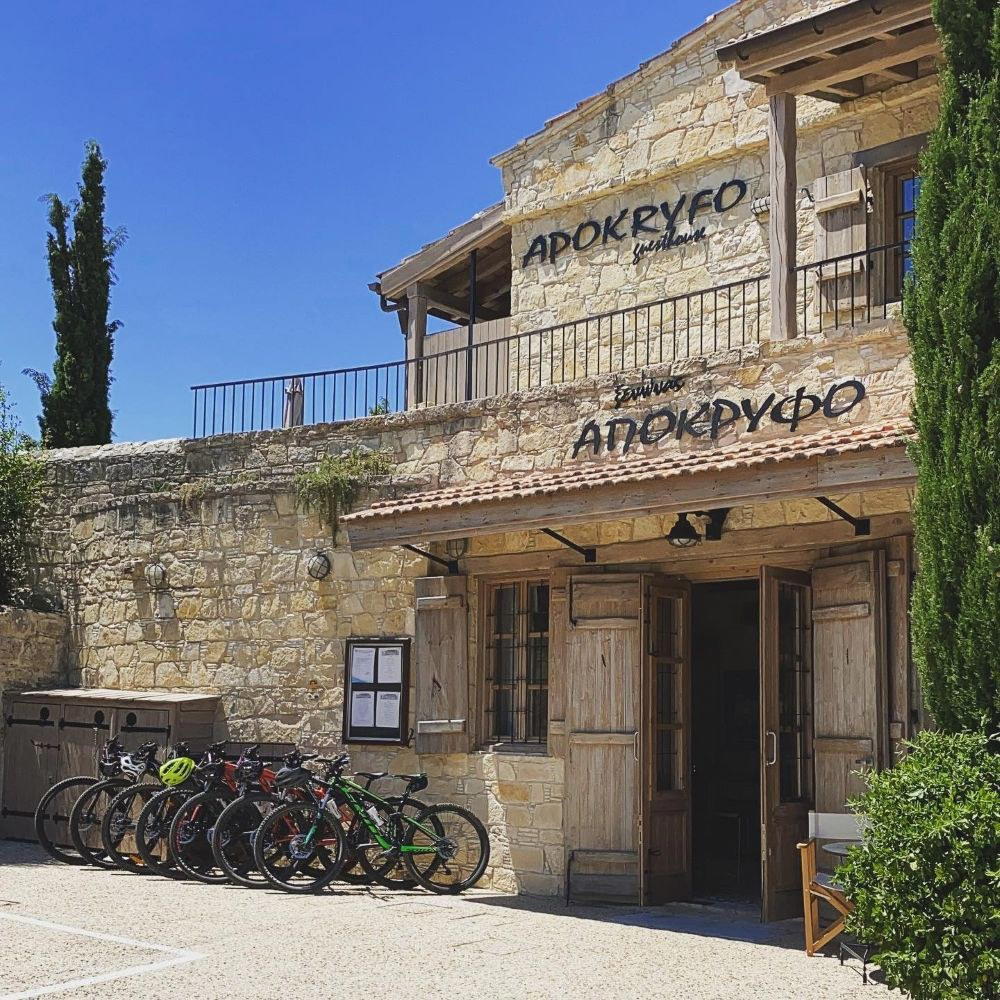
Bars in Kalopanayiotis
Browse all →

Details
- Romantic
- Quiet
- Rustic
- Scenic
- Cozy
- Elegant
- Romantic Getaway
- Wellness Retreat
- Anniversary
- Weekend Escape
- Historic Building
- Panoramic View
- Wi Fi
- Spa
- Sauna
- Pool
- Fitness Center
- Room Service
- Concierge
- Mountain
- Garden
- Elevator
- Step Free Entrance
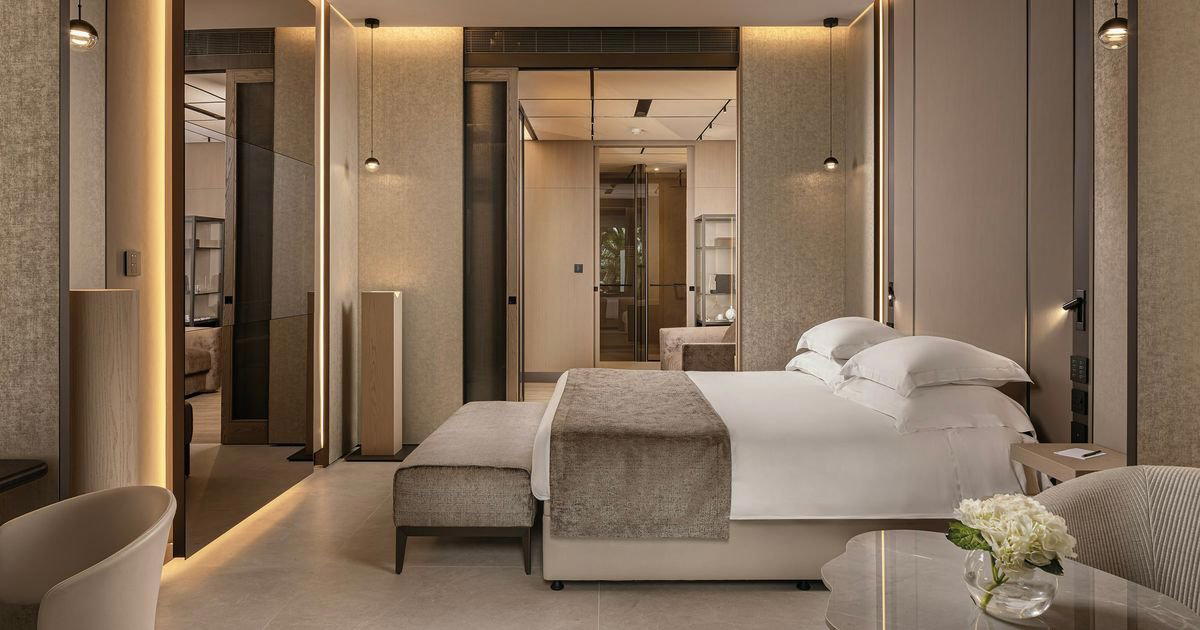
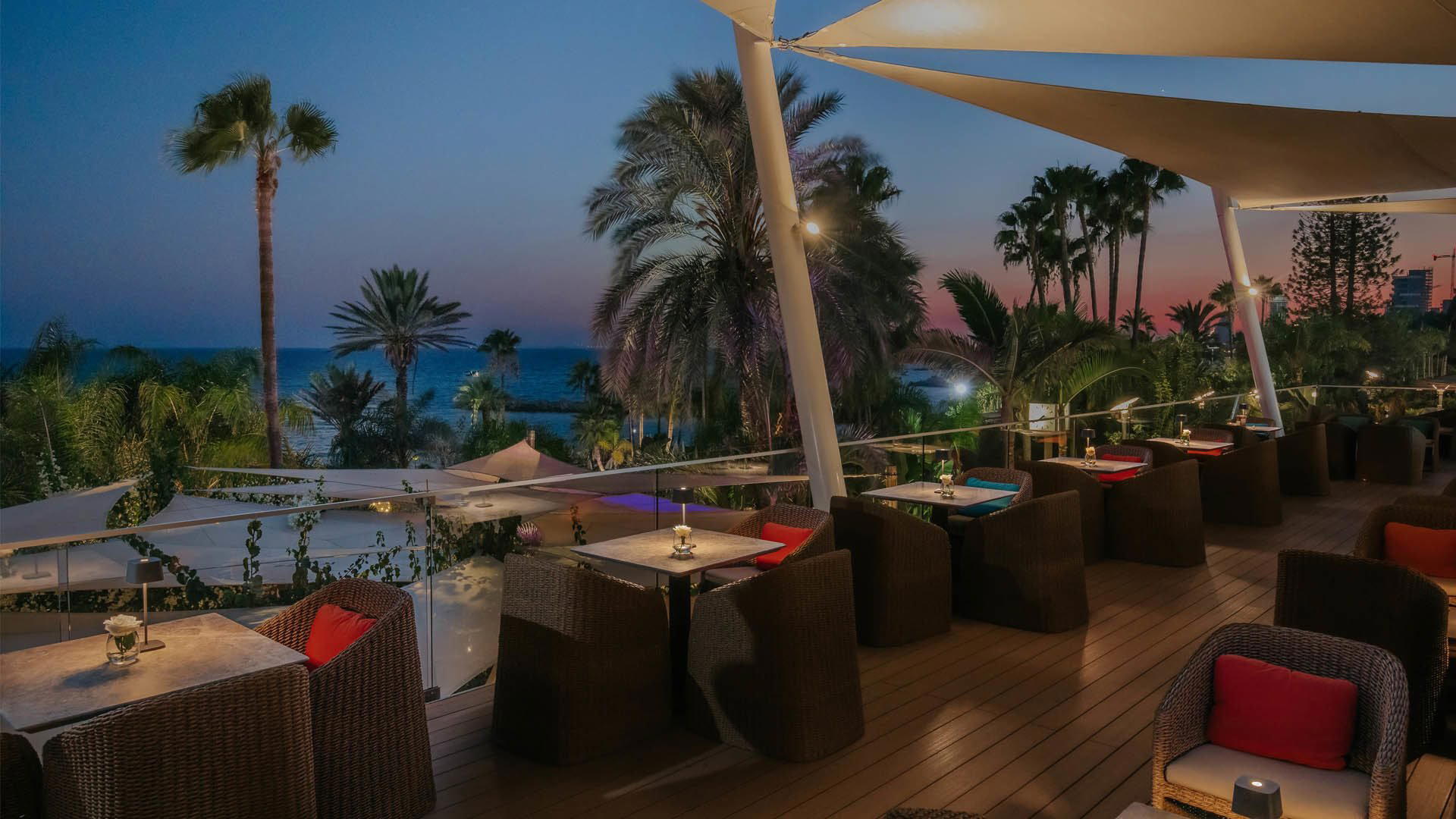
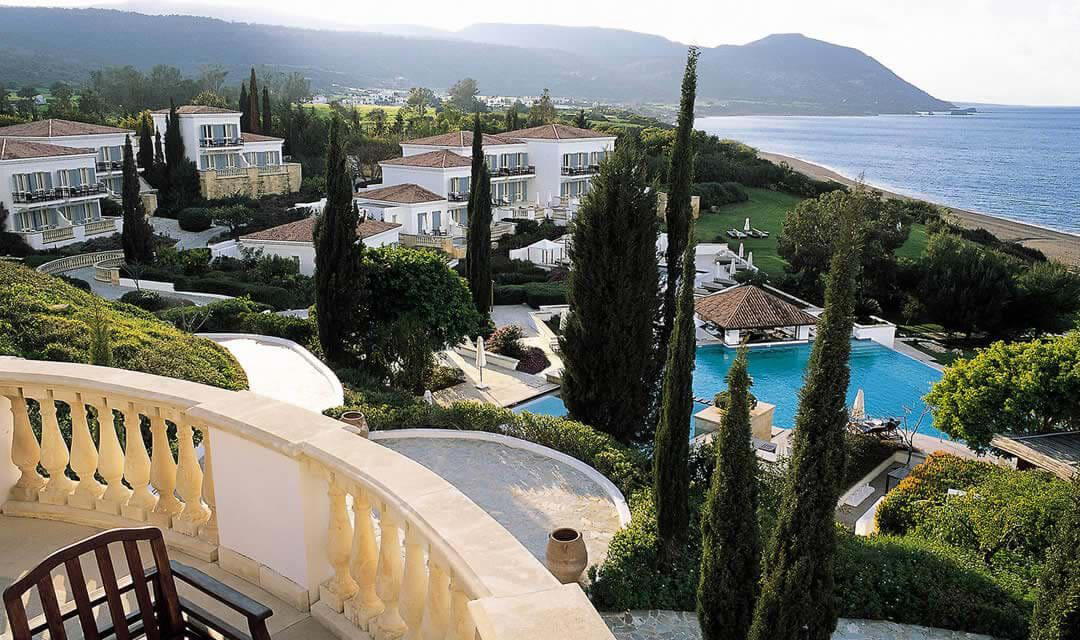
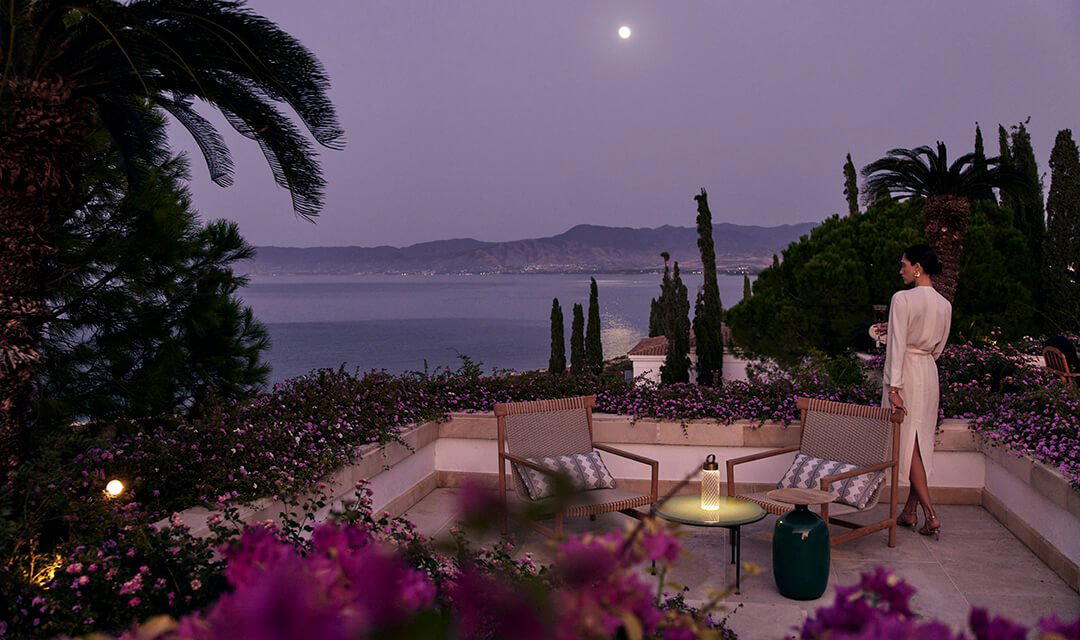
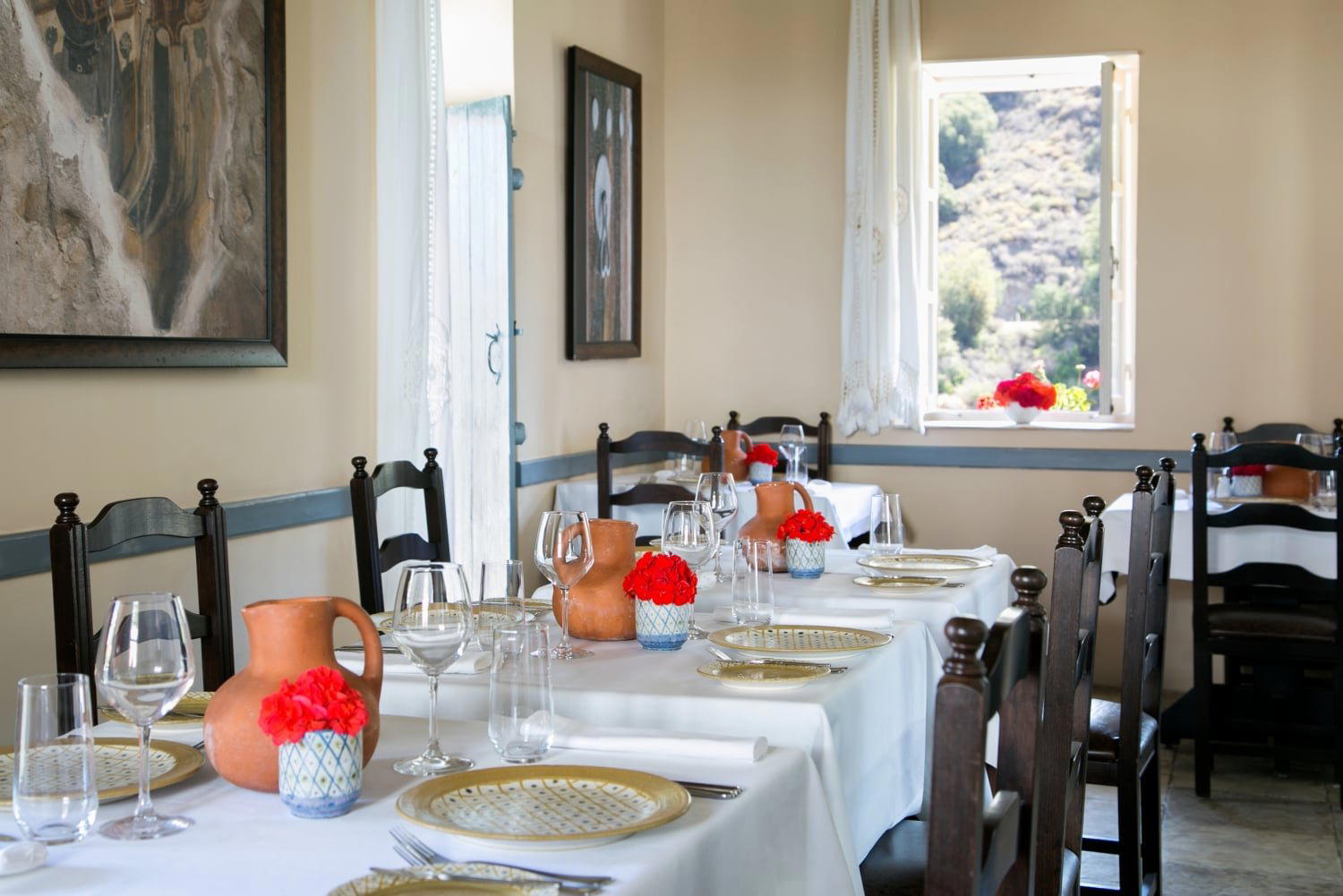
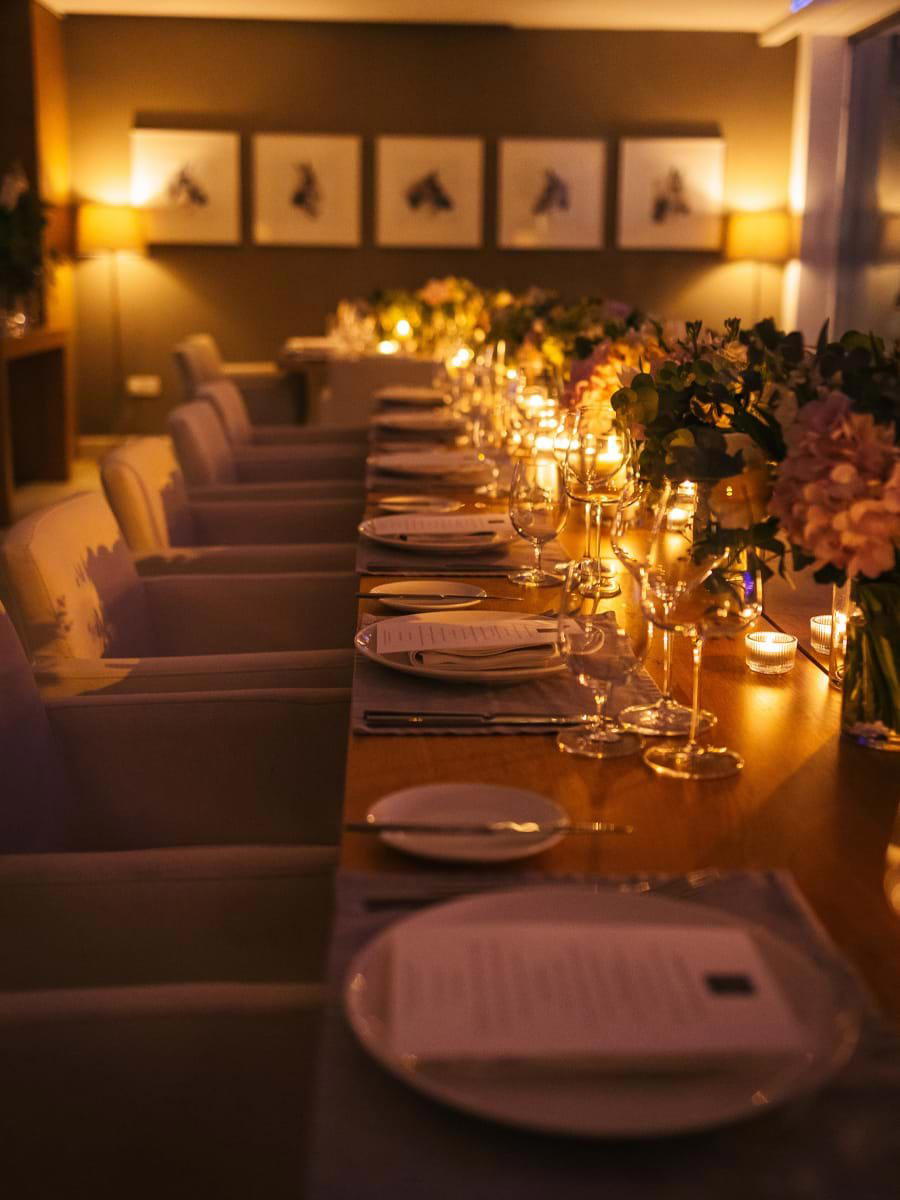
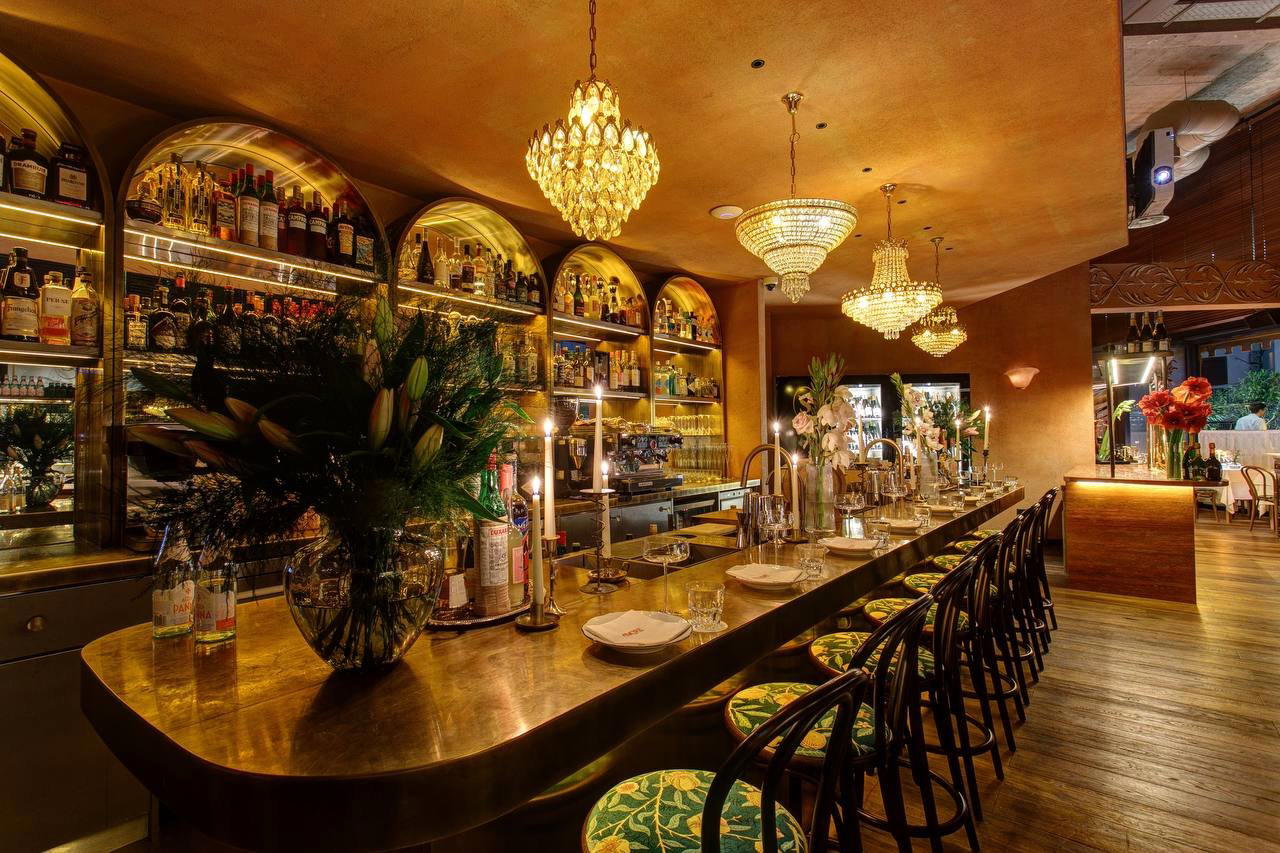
Cozy and tranquil atmosphere with warm lighting from fireplaces in rooms, soft natural light on stone walls and wooden furnishings, and a peaceful village setting praised for its relaxing serenity.