Caravan Outpost

Caravan Outpost is a Michelin Selected property in Ojai Valley, California, offering a desert-tinged, camp-style lodging experience on Bryant Street. The Michelin 2025 selection places it within a small cohort of independently spirited California stays that trade grand-resort scale for character and a strong sense of place.
Pearl is the En Primeur Club membership app — saves, bookings, and concierge access live there. Same editors, same standards.
- Address
- 317 bryant st, Ojai Valley, CA, USA
- Phone
- 5037069311
- Directions
- Get directions
 Saves & bookings on Pearl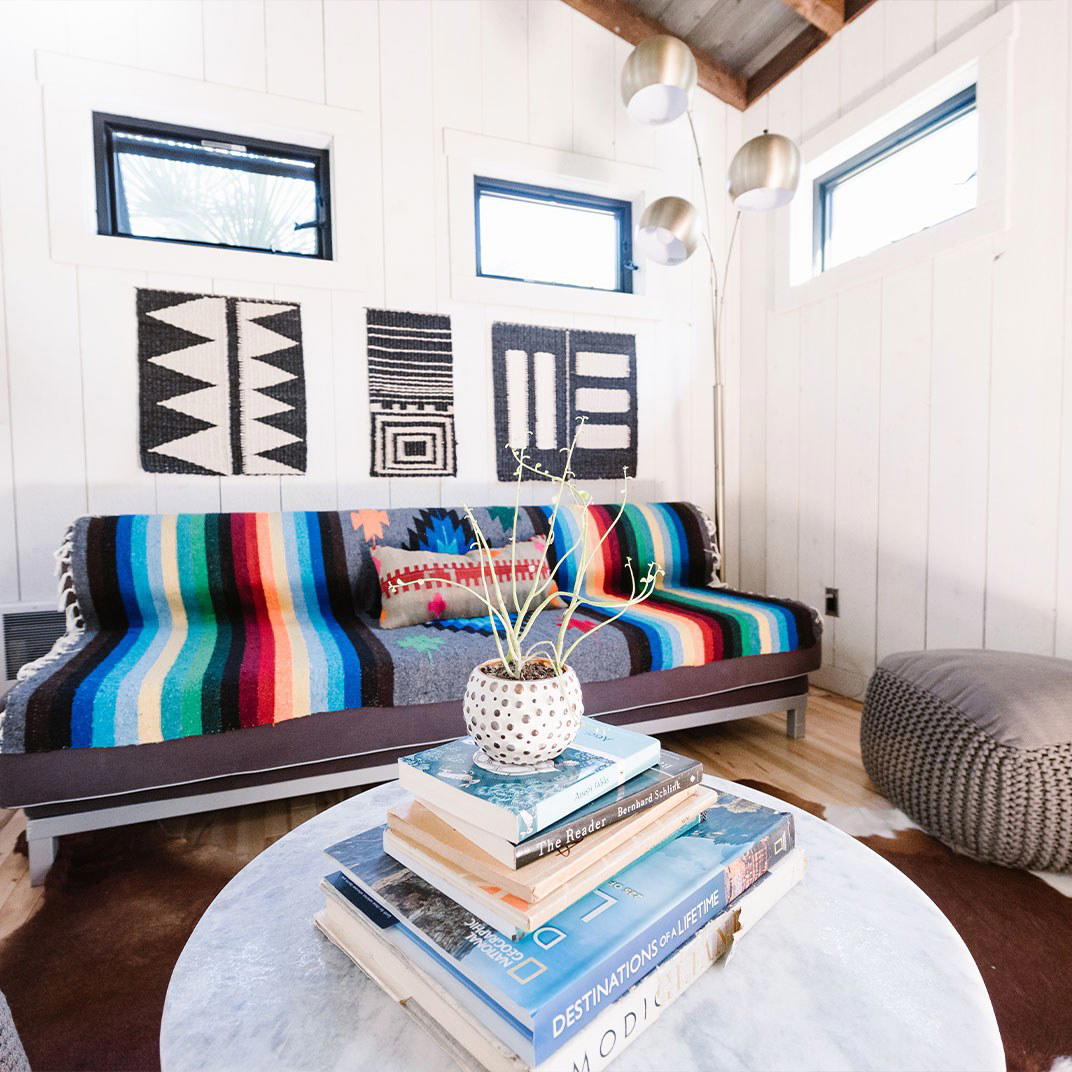
Ojai Valley's Unconventional Lodging Register
Ojai has long drawn a particular kind of traveller: one who finds the San Ysidro Ranch in Montecito too manicured, Big Sur too remote, and Palm Springs too scene-conscious. The valley sits roughly 90 minutes northwest of Los Angeles, tucked behind the Topa Topa Mountains, and its accommodation register reflects an ethos that prizes texture over thread count. Among the properties that define this sensibility, Caravan Outpost on Bryant Street occupies a specific and telling position: a Michelin Selected hotel in the 2025 guide to hotels and stays that earns its recognition not through ballroom square footage or a brigade kitchen, but through a concentrated, camp-inflected identity that most resort operators would find commercially counterintuitive.
The Michelin Selected designation, awarded through the same editorial process that governs the restaurant stars, functions here as a signal of craft and deliberateness rather than luxury tier. In California, the broader cohort of Michelin Selected hotels includes properties at sharply different price points and formats. What connects them is a quality of intention. Caravan Outpost belongs to a subset of that group, the kind of independently operated small property that positions itself against the experiential travel market rather than the conventional hotel market, sharing a competitive set with places like The Stavrand in Guerneville or Dunton Hot Springs in Dunton, rather than with the full-service resorts that anchor most regional tourism.
The Camp Aesthetic and What It Signals
The glamping and outpost-style lodging format has matured considerably over the past decade. What began as a novelty segment, a marketing pivot for landowners with attractive acreage and no appetite for conventional construction, has differentiated into a recognizable spectrum. At one end, there are properties where the canvas-and-wood aesthetic is largely cosmetic, layered over amenities indistinguishable from a midscale hotel room. At the other, there are places where the format is genuinely structural, shaping the guest experience in ways that a conventional room plan cannot replicate.
Caravan Outpost reads as the latter. The Bryant Street address places it within the walkable core of Ojai's small downtown, which means the outpost format here is not about wilderness immersion so much as about a particular relationship with the town itself. Ojai's commercial strip, with its working art galleries, independent restaurants, and the Arcade Plaza, is accessible on foot, which changes the logic of the stay. Where properties like Amangiri in Canyon Point or Sage Lodge in Pray derive their value from dramatic landscape isolation, Caravan Outpost's position within the town fabric makes it a base for engaging with Ojai's food and arts culture rather than an alternative to it.
Dining and Eating in the Ojai Context
The editorial angle assigned to properties in the Michelin Selected hotel category increasingly includes how a stay connects to its surrounding dining environment, not just what happens on the property itself. This matters more in Ojai than in cities where the hotel's own restaurant is the primary draw. Ojai's food scene runs independent and seasonal, shaped by proximity to the Ventura County agricultural corridor. The valley is known for its citrus, particularly the Pixie tangerine harvest each spring, and for a loosely organized farm-to-table culture that predates the branding by several decades.
For guests at Caravan Outpost, this means the dining programme is effectively external: the town's restaurants, the Ojai Farmers Market (held Saturday mornings on Meiners Oaks), and the surrounding orchards and roadside stands. This is a different proposition from staying at Meadowood Napa Valley in Napa or SingleThread Farm Inn in Healdsburg, where the culinary programme is inseparable from the property itself. Ojai's model, and by extension Caravan Outpost's implicit offer, asks the guest to be a participant in the town rather than a passenger inside a self-contained resort. For a full picture of what to eat and drink in the valley, see our full Ojai Valley restaurants guide.
The contrast with full-service California resort dining is worth spelling out. Properties like The Beverly Hills Hotel in Los Angeles or Post Ranch Inn in Big Sur anchor their identity substantially in their food and beverage operations. Caravan Outpost's Michelin selection suggests a different axis of quality entirely, one centred on the lodging experience and its relationship to place rather than on proprietary culinary infrastructure.
Placing Caravan Outpost in the Small-Hotel Typology
Across the American small-hotel market, a clear typology has emerged around design-led, independently operated properties that receive editorial recognition without the amenities profile of larger competitors. Troutbeck in Amenia, Washington School House Hotel in Park City, and Chicago Athletic Association in Chicago each operate within this framework, trading scale for specificity. Caravan Outpost belongs to this cohort, with the additional wrinkle that its format, the caravan and outpost aesthetic, is more overtly expressive than the adaptive-reuse or boutique-hotel approaches common to most of its peers.
Ojai's other accommodation options make the competitive picture clearer. Hotel El Roblar occupies the same valley and represents a different position in the market, closer to a conventional small hotel format. The two properties serve overlapping but distinct guest profiles: travellers who book Caravan Outpost are typically selecting the format as a primary reason, not a secondary consideration.
Planning the Stay
Bryant Street sits within easy walking distance of Ojai's main commercial corridor, which reduces the dependence on a car for day-to-day movement within town. Ojai itself requires a car to reach from Los Angeles, with the drive running through Ventura on the 101 before heading north on Highway 33. Spring, when the Pixie tangerine harvest is active and the valley temperatures are moderate before summer heat arrives, draws high demand, and smaller properties like this one tend to fill faster than large resorts during peak periods. Travellers considering a longer California itinerary that pairs Ojai with a city base should note that properties like 1 Hotel San Francisco in San Francisco or the broader luxury tier represented by Four Seasons at The Surf Club in Surfside serve entirely different ends of the hospitality spectrum. Caravan Outpost is a specific choice, not a default, and it works well when the traveller arrives with that understanding.
Pricing, Compared
Comparable venues nearby, for context on price, style, and recognition.
| Venue | Price | Awards | Notes |
|---|---|---|---|
| Caravan OutpostThis venue — the venue you are viewing | $$$ | 3-Star | Not listed |
| Hotel El Roblar | $$$$ | Not listed | Downtown Ojai, Restored historic Spanish Revival with early Californian roots and modern sensibility |
| Movie Colony Hotel | $$$ | 3-Star | Movie Colony, Historic modernist boutique hotel with Art Deco influences in a celebrity neighborhood. |
| Palihotel San Francisco | $$$ | 3-Star | Financial District/South Beach, Historic boutique hotel blending Spanish Colonial Revival architecture with modern California-centric updates. |
| The National Exchange Hotel | $$$ | 3-Star | Downtown Nevada City, Victorian heritage hotel with contemporary luxury restoration |
| Cuyama Buckhorn | $$$ | 3-Star | New Cuyama, Restored mid-century roadside resort with cowboy-modernist hybrid style |
Recognition history
Dated appearances from independent guides and award organizations, with the underlying list record or original source where available.
Michelin Selected
Michelin
Continue exploring
More in Ojai Valley
Hotels in Ojai Valley
Browse all →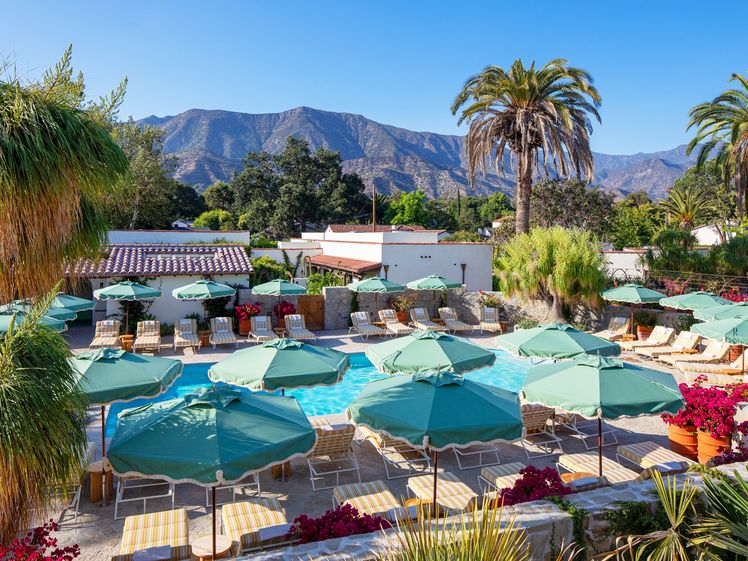
Bars in Ojai Valley
Browse all →
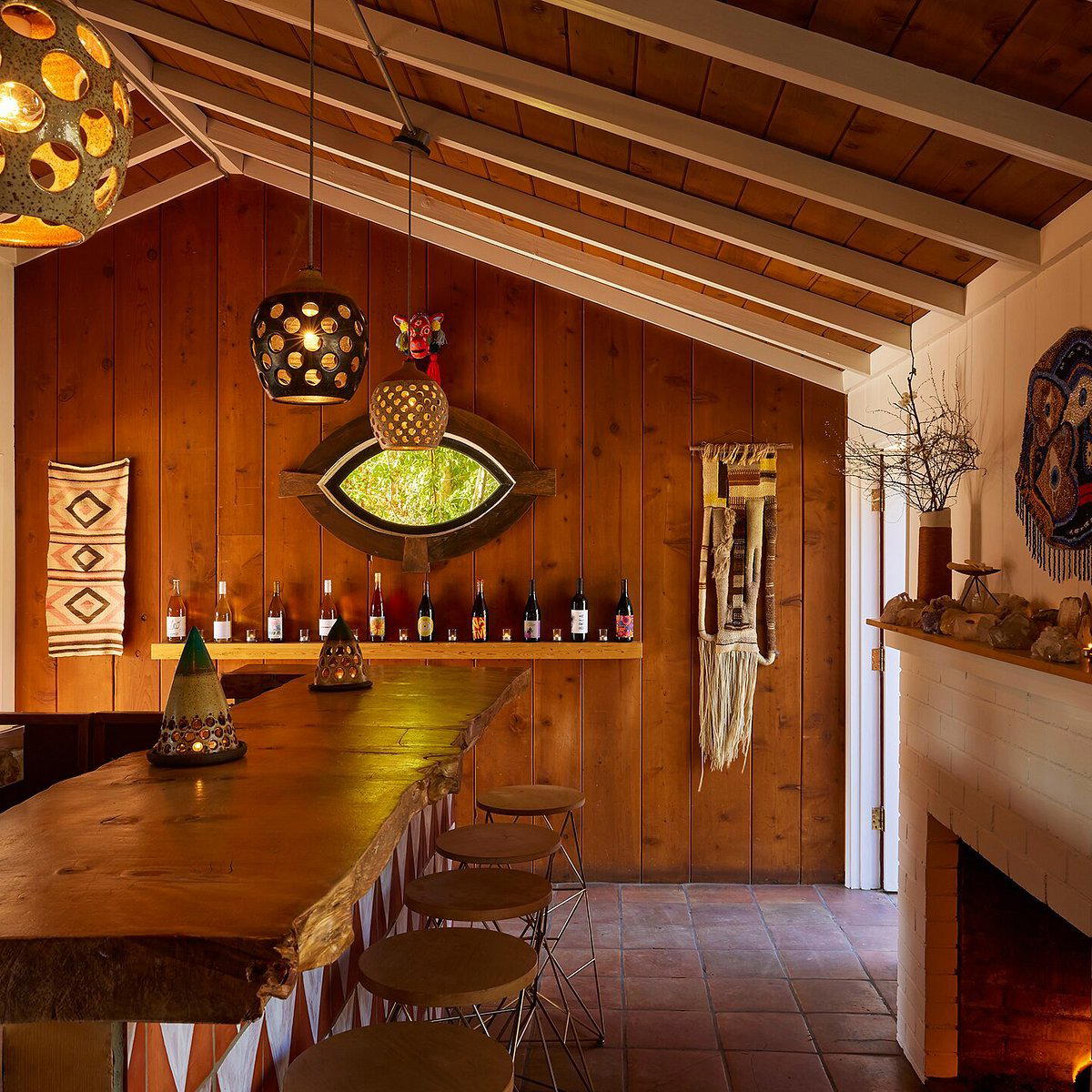
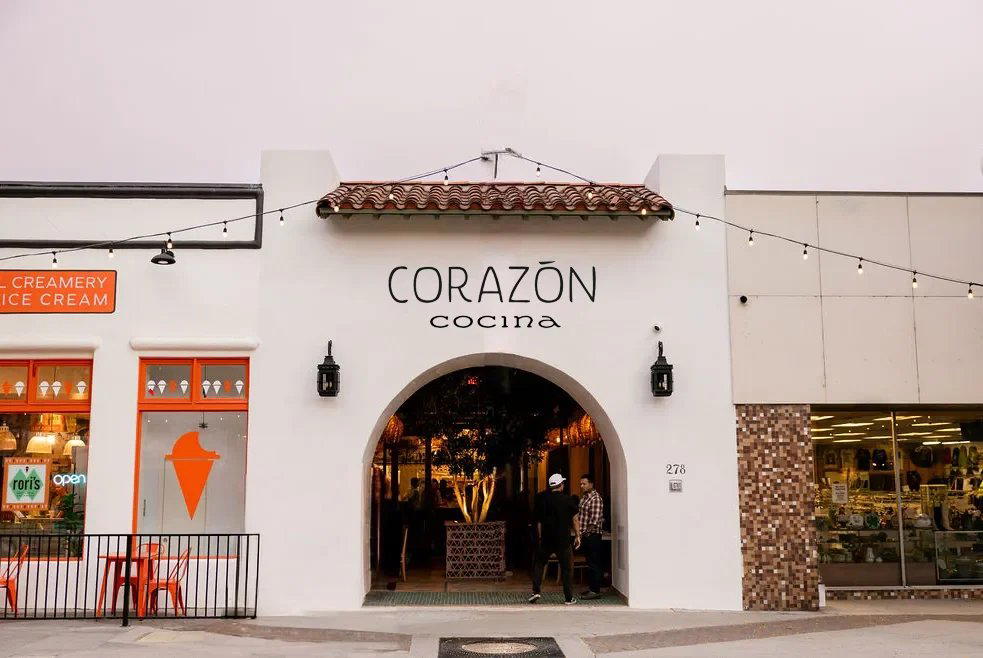

Restaurants in Ojai Valley
Browse all →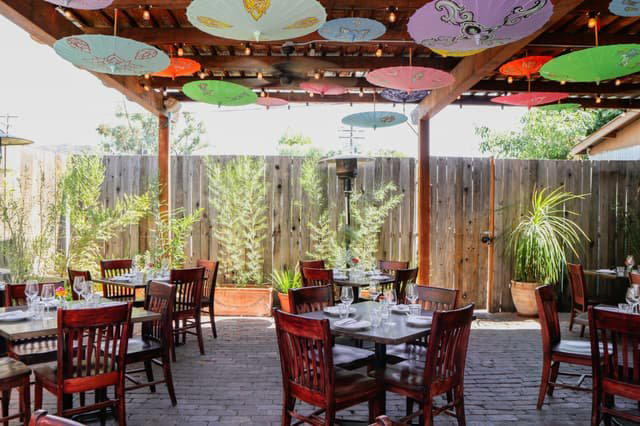
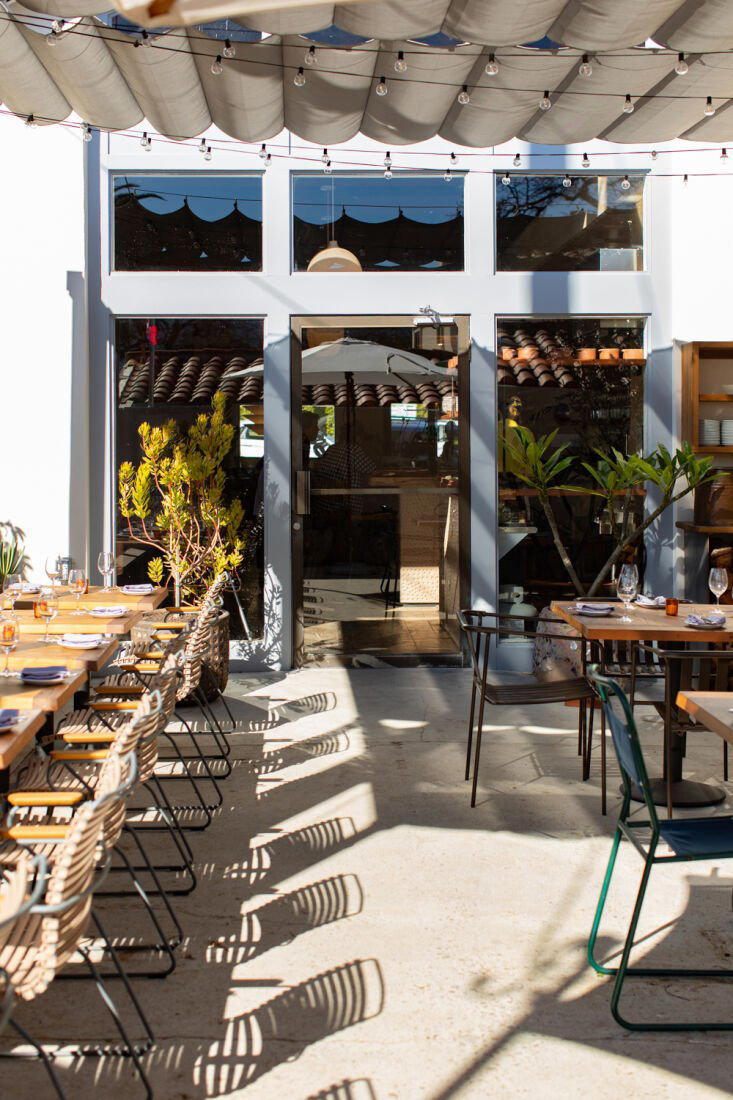



At a Glance
- Rustic
- Bohemian
- Scenic
- Cozy
- Romantic Getaway
- Weekend Escape
- Group Retreat
- Garden
- Wi Fi
- Garden
- Wi Fi
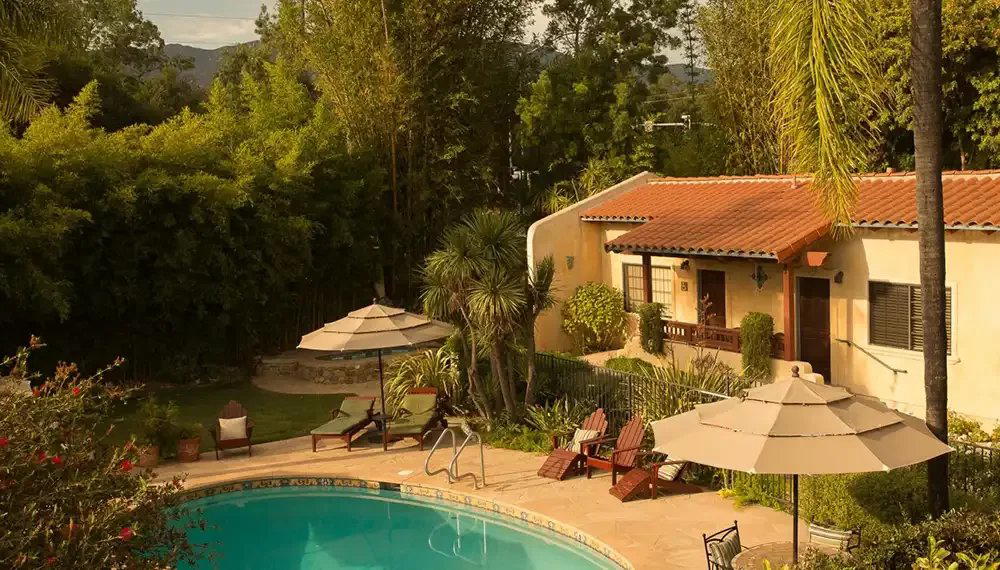
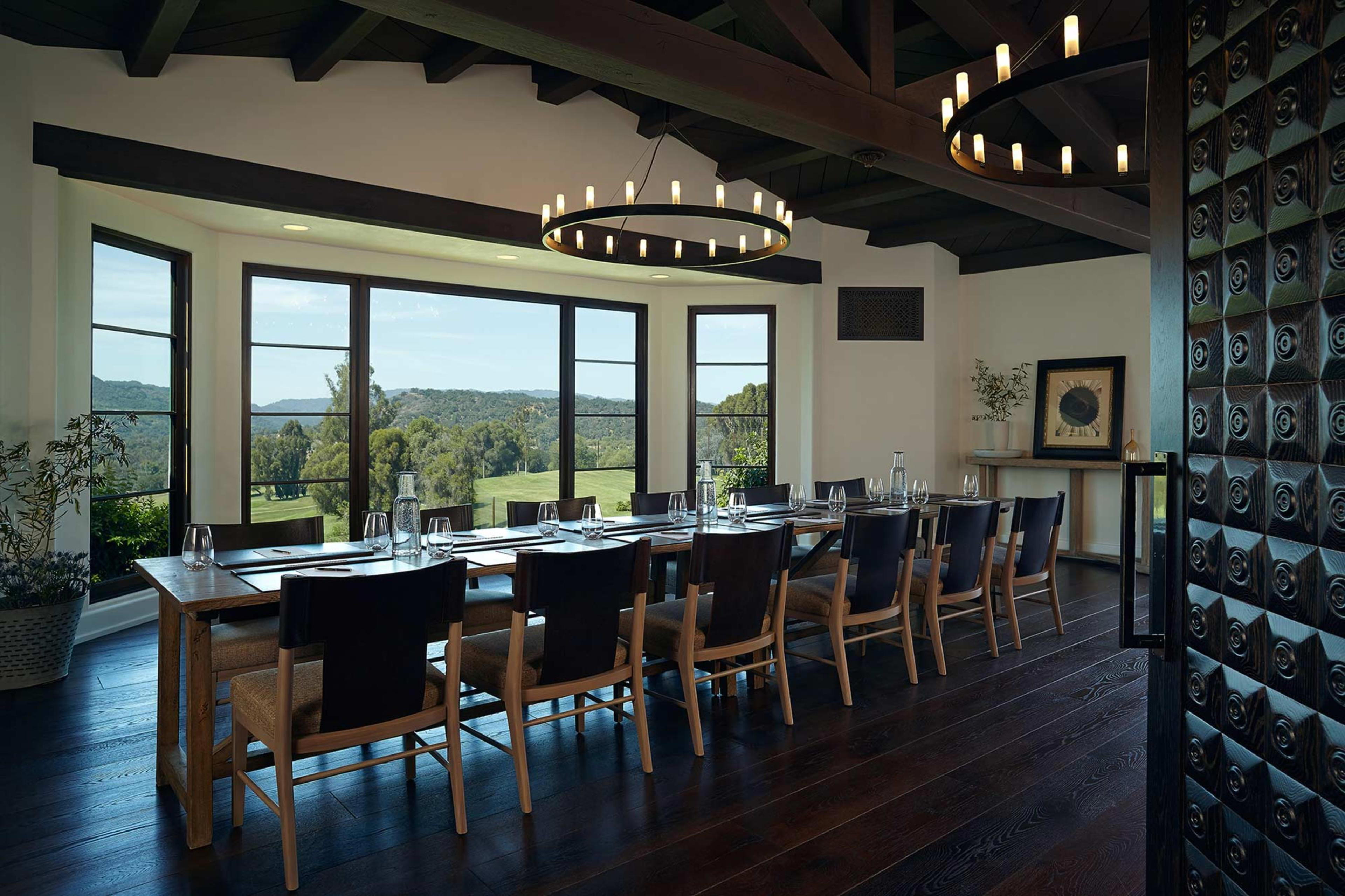
Peaceful and relaxing garden atmosphere with private outdoor spaces, greenery, and a nature-focused unplug vibe.
Know Before You Go
- Getting there
- 317 bryant st, Ojai Valley, CA, USA