


Al Baleed Resort Salalah by Anantara sits along Oman's southern coast in a city that receives monsoon rains when the rest of the Gulf bakes dry. The resort earned 93 points in the La Liste Top Hotels 2026 ranking, placing it among a recognised tier of Arabian Peninsula luxury properties. For travellers arriving during khareef season, it represents one of Salalah's most credentialed base camps.
Pearl is the En Primeur Club membership app — saves, bookings, and concierge access live there. Same editors, same standards.
- Address
- PC 214, Al Mansurah Street, Al Baleed, صلالة 360
- Phone
- +968 23 228222
- Website
- anantara.com
- Directions
- Get directions
 Saves & bookings on Pearl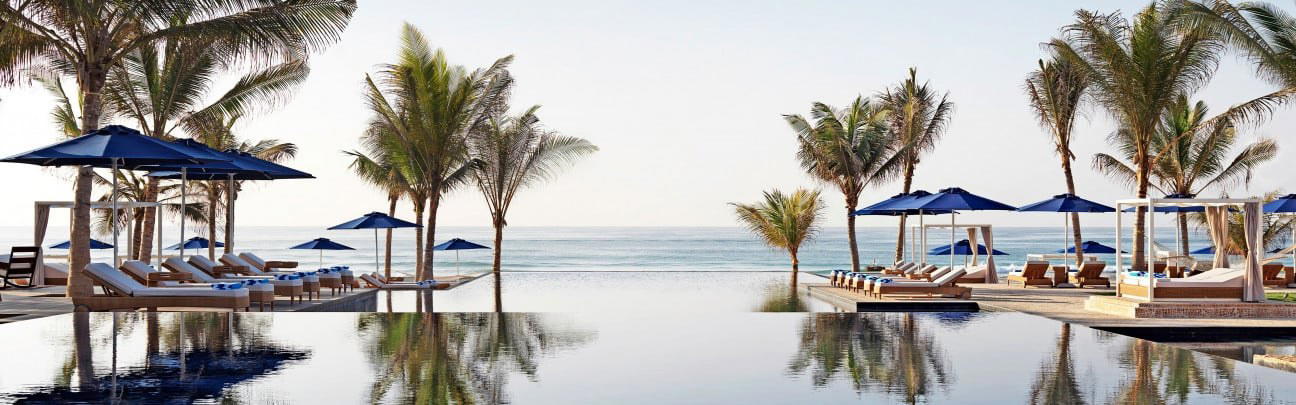
Where the Arabian Sea Meets a Different Oman
Salalah occupies a category of its own within Omani travel. While Muscat draws visitors with its mountain drives and capital-city hospitality, Salalah's appeal is more seasonal and more specific: the khareef monsoon, which arrives between June and September, turns the Dhofar region an improbable green, drawing Gulf residents who rarely see mist rolling off coastal escarpments. Al Baleed Resort Salalah by Anantara sits within this context, positioned on Al Mansurah Street in the Al Baleed district, named for the UNESCO-listed archaeological site of the ancient city that once made this port a stop on the frankincense trade route. The physical proximity to that history is not incidental. It frames everything about how the resort is experienced as a place.
Architecture as Dialogue with Landscape
The design approach that defines Anantara's Salalah property belongs to a broader pattern emerging across premium Arabian hospitality: properties that read the vernacular architecture of their region rather than importing a generic luxury vocabulary. Across the Arabian Peninsula, the most considered resort projects of the past decade have moved away from imported marble-and-glass templates toward low-rise compounds that borrow from local building traditions, use local stone and plaster textures, and let landscaping do the heavy atmospheric work. Al Baleed's placement in the Dhofar region gives designers material to work with that few other Omani locations provide: the coast, the lagoon, the proximity to frankincense-scented hills, and the unique light quality that comes when monsoon cloud cover softens the Gulf sun.
The resort's spatial logic follows a low-density model that has become the mark of the more serious end of Arabian resort design. Rather than consolidating guests into towers or dense wings, the property spreads across a landscaped coastal site where the relationship between indoor and outdoor space shifts depending on the time of year. During khareef, when temperatures drop and humidity rises to levels unusual for the Gulf, the landscape itself becomes the feature, and a resort that has invested in its grounds rather than its lobby makes more editorial sense. Compare this to the vertical ambition of city-adjacent properties, and the difference in intent becomes clear.
The logic in all three cases is similar: the architecture creates a frame, and the landscape fills it.
The La Liste Recognition and What It Signals
A score of 93 points in the La Liste Leading Hotels 2026 ranking is a meaningful data point, not because La Liste is the only arbiter of quality but because of what the scoring methodology implies. La Liste aggregates data from multiple review sources and applies a weighting system that rewards consistency across traveller feedback categories. A 93 puts Al Baleed in the upper tier of Arabian Peninsula resort properties recognised by the ranking, alongside a cohort of hotels that tend to share certain characteristics: reliable service delivery, physical plant maintenance, and a guest experience that holds across different room types and travel contexts.
For a property in Salalah, that recognition carries additional weight. The city does not benefit from the same level of international travel infrastructure as Muscat or Dubai, which means properties here work harder for their recognition without the automatic uplift that comes from being embedded in a major hub. The Six Senses Zighy Bay Resort on the Musandam Peninsula and Jumeirah Muscat Bay in Bandar Jissah operate in locations that attract a more established international visitor flow. Salalah's guest profile skews differently: Gulf residents and Oman-specialist travellers who come specifically for khareef, for the frankincense souqs, and for Dhofar's coastal and mountain landscape.
Salalah in the Arabian Peninsula Resort Context
Arabian Peninsula luxury hospitality has split into two recognisable tiers over the past decade. The first is the ultra-high-density urban model, concentrated in Dubai and Abu Dhabi, where room counts are high, F&B programming is elaborate, and the competitive set is measured in Michelin stars and celebrity chef signings. The second is the destination-resort model, where the property's location does more work than its programming, and where the premium is paid for access to a specific natural or cultural context rather than for entertainment within the hotel's own walls.
Al Baleed operates in the second model. Salalah's draw is geographic and seasonal, and the resort's position adjacent to the Al Baleed Archaeological Park, a site that documents the ancient Dhofari port of Zafar, gives it a cultural adjacency that beach resorts in more developed Gulf destinations cannot replicate. This is the kind of contextual richness that informs a stay without requiring the property to manufacture programming around it.
For travellers comparing options across Oman, the property sits in a distinct niche. Magic Camps Wahiba Sands in Sharqiya Sands offers a desert-immersion format at the opposite end of the landscape spectrum. Muscat-based properties occupy a different travel logic entirely. Salalah's argument is specifically the Dhofar coast, and Al Baleed is among the most credentialed properties making that argument.
Planning a Stay: What to Know
Salalah is served by Salalah International Airport, with direct connections from Muscat and several Gulf hubs. The khareef season, running roughly from June through early September, represents peak demand, when the region draws visitors from across the Gulf seeking cooler temperatures. Travellers visiting outside this window will find a drier, warmer coastal climate and a quieter property, with the trade-off of losing the monsoon landscape that defines Salalah's seasonal identity. Al Baleed's Al Mansurah Street address places it within reach of both the Archaeological Park and the city's frankincense markets, which means the resort functions as a practical base for the region's main cultural sites as well as a beach property in its own right. Given the resort's La Liste standing and Salalah's concentrated peak season, advance planning for khareef dates is the prudent approach. For broader context on eating and drinking in the city, our full Salalah restaurants guide covers the local dining picture in detail.
Recognition history
Dated appearances from independent guides and award organizations, with the underlying list record or original source where available.
La Liste Top Hotels
La Liste
Mr & Mrs Smith Smith Seal of Approval
Mr & Mrs Smith
World Spa Awards Oman's Best Wellness Retreat 2026 Nominee
World Spa Awards
Michelin Selected
Michelin
World Spa Awards Oman's Best Wellness Retreat 2025 Winner #1
World Spa Awards
World Spa Awards Middle East's Best Wellness Retreat 2025 Nominee
World Spa Awards
At a Glance
- Elegant
- Romantic
- Scenic
- Sophisticated
- Honeymoon
- Romantic Getaway
- Wellness Retreat
- Family Vacation
- Anniversary
- Beachfront
- Infinity Pool
- Private Villa
- Butler Service
- Destination Spa
- Private Dining
- Panoramic View
- Garden
- Wi Fi
- Pool
- Spa
- Fitness Center
- Room Service
- Concierge
- Restaurant
- Bar
- Beach Access
- Kids Club
- Tennis Court
- Bicycle Rental
- Waterfront
- Garden
- Wi Fi
- Pool
- Spa
- Fitness Center
- Room Service
- Concierge
- Restaurant
- Bar
- Beach Access
- Kids Club
- Tennis Court
- Bicycle Rental
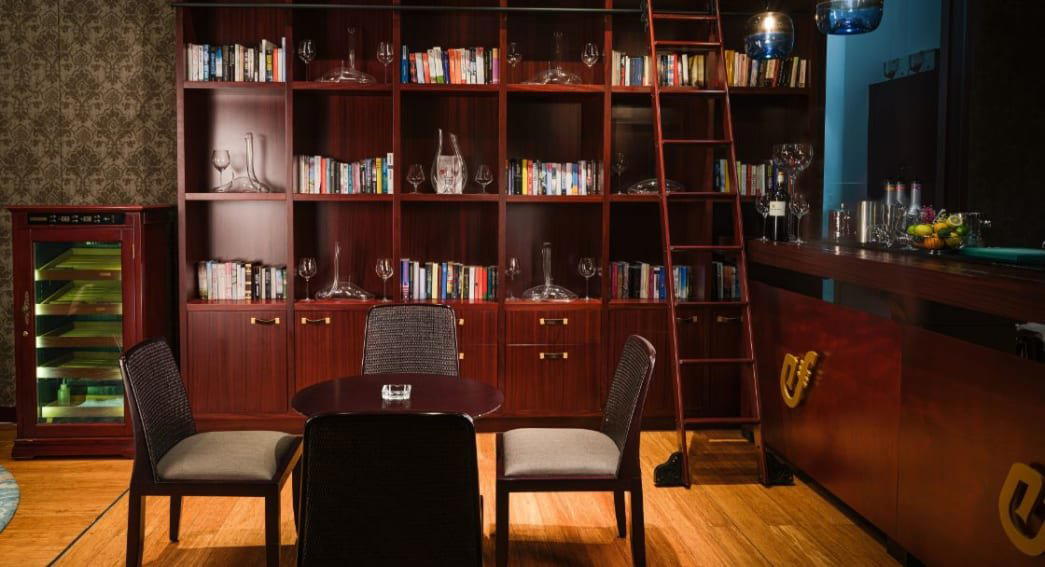
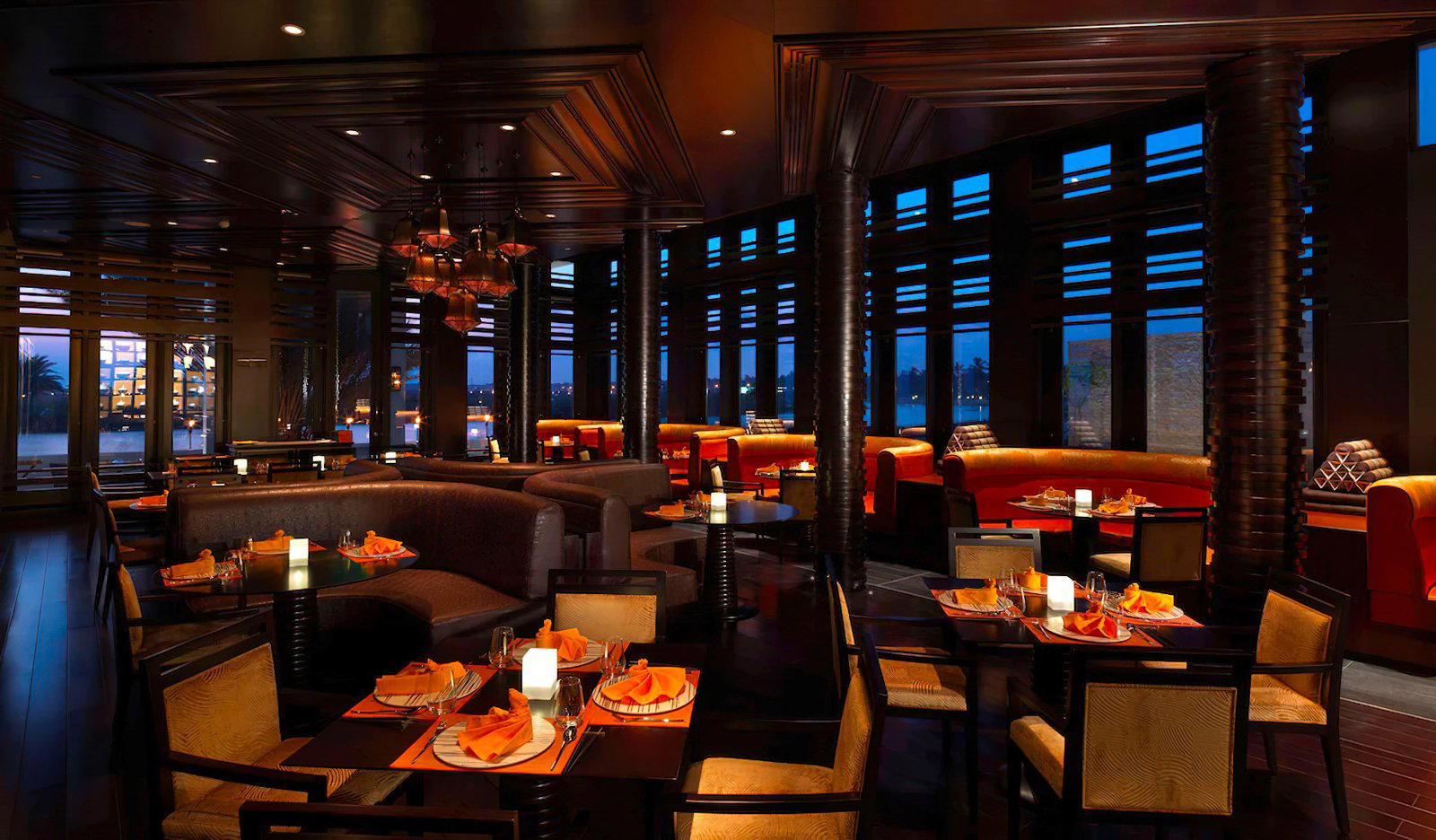
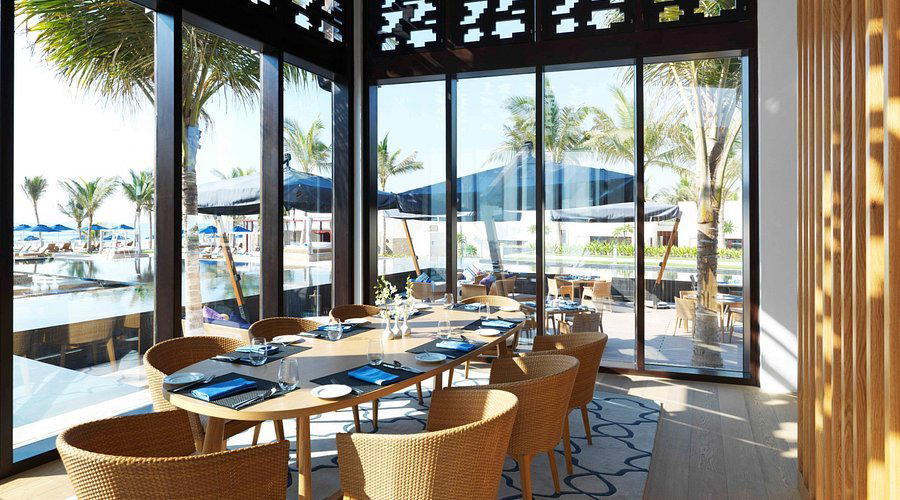
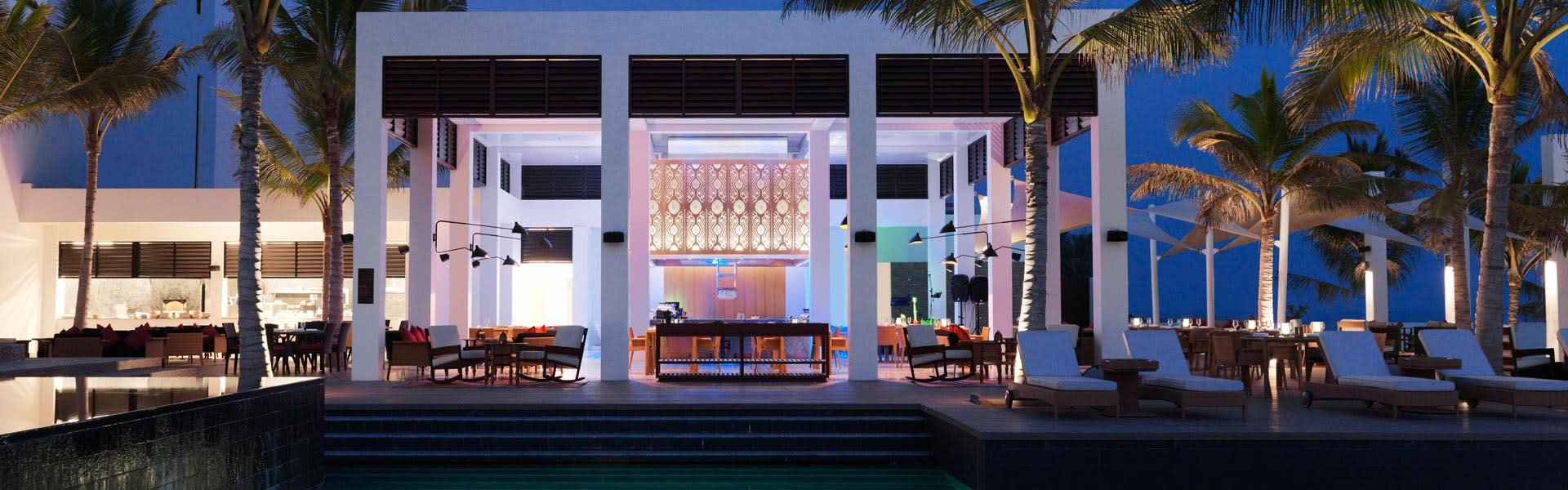
Serene and tranquil with towering palms, lush water features, and beachfront vistas creating an oasis atmosphere; sophisticated yet relaxed tropical elegance.
Know Before You Go
- Getting there
- PC 214, Al Mansurah Street, Al Baleed, صلالة 360