← Guides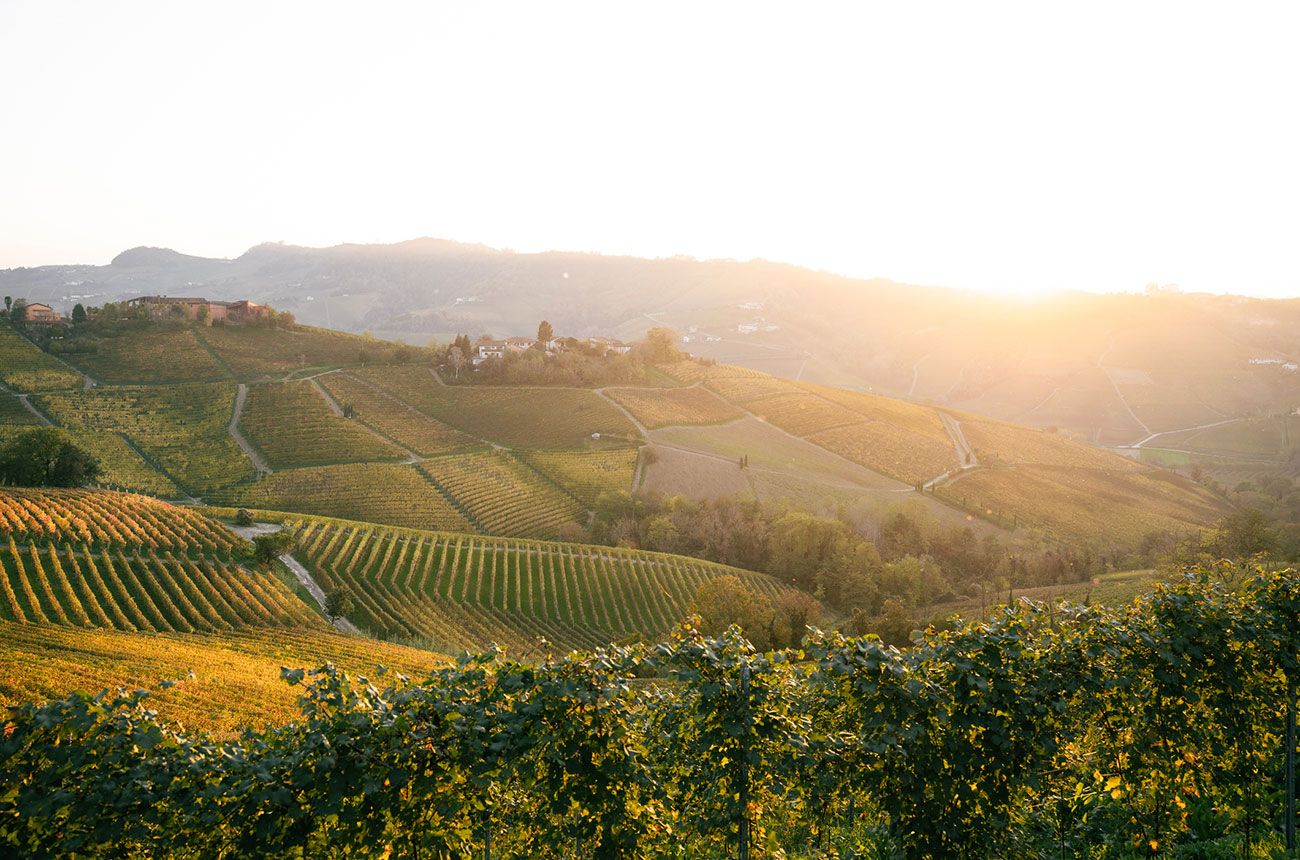
Michaela Morris’s Burgundy critique gives collectors a sharper way to talk about Etna, Barolo, Frappato and Italy’s native grapes.
Michaela Morris’s Burgundy critique gives collectors a sharper way to talk about Etna, Barolo, Frappato and Italy’s native grapes.
Michaela Morris’s Decanter provocation lands because every collector has heard an Italian Nebbiolo, Nerello Mascalese or Sangiovese praised as ‘Burgundian’ when the speaker means elegant, transparent or fine-boned. Italian wine identity is strongest when Barolo, Etna, Chianti Classico and Lazio’s Cesanese d’Affile are read through their own grapes, textures and regional signatures rather than through borrowed French language.
Morris argues that Italy’s native grapes and denominations should be treated as benchmarks in their own right, and that repeated Burgundian praise risks turning Italy’s range into a search for validation from France.
The phrase ‘Burgundian’ once signaled delicacy, perfume, a sense of place and a departure from heavy extraction in a tasting room. In the Italian context, Morris questions whether the word has become a reflex rather than a description. Morris rejects describing an elegant or finessed wine from Italy through Gevrey-Chambertin or restraint borrowed from Burgundy.
That habit flattens Italian wine identity when native grapes like Frappato, Pelaverga Piccolo, Rossese, Corvina, Sangiovese, Nebbiolo and Nerello Mascalese can speak for themselves. Morris points to a notable roster of native grapes, and the list alone shows why Pinot Noir cannot serve as the universal translator. Frappato, Pelaverga Piccolo, Rossese and Corvina can be light-to-midweight reds without tasting like Pinot Noir. Sangiovese, Nebbiolo and Nerello Mascalese can carry place with precision while keeping Italian texture and backbone.
Language changes buying behaviour. A sommelier who calls a wine ‘Burgundian’ gives the table a familiar frame; a merchant who uses the same word on a shelf-talker borrows a hierarchy. Burgundy sits near the upper end of that hierarchy for many drinkers, and Morris’s point is that Italian wine loses something when approval arrives through that route. The praise sounds flattering, but the structure of the sentence still makes Burgundy the measure.
Italian reds often move through bitterness, savour, sapidity, grip and appetite without needing Pinot Noir as a reference. Morris names salivating, succulent, sapid, savoury, raspy and bitter qualities as virtues to say aloud. Those words describe the wine in the glass. ‘Burgundian’ too often shifts attention from the wine to another region.
Words used at release tastings, restaurant tables and merchant previews shape which wines are cellared, poured young or misunderstood. A delicate Barolo described as Pinot-esque carries one expectation; a Nebbiolo described through its own tannic architecture carries another. The second framing gives a better basis for deciding whether to drink, hold or walk away.
Burgundy’s influence on Italian wine is real, and Morris acknowledges it. Many Italian winemakers have travelled to Burgundy and elsewhere to learn from producers they admire. That movement of people and ideas has contributed to the quality of Italian wine today, and it would be lazy to turn this debate into regional defensiveness.
Michael Hill Smith MW, a Decanter World Wine Awards Co-Chair, gives the useful distinction: ‘inspiration rather than emulation’. The phrase distinguishes inspiration from emulation for estates tempted to explain their wine by invoking the Côte d’Or. Inspiration can sharpen attention to parcel, extraction, élevage choices and the authority of place. Emulation can sand away the traits that made the wine worth opening.
The Langhe shows the line clearly. Morris cites debates over whether the current fashion for delicate extractions is making Barolo too soft and more Pinot-esque in structure. The argument is not that Barolo must always be stern. The argument is that Nebbiolo does not need to become a red-fruited whisper to prove sophistication. Its authority can sit in perfume, acidity, tannic line and the feel of the grape as much as in force.
Burgundy has also helped sharpen the Italian focus on specific place of origin. Morris notes that Barbaresco, Barolo, Soave, Chianti Classico and Etna have been carved into smaller geographical units to highlight diversity. That development matters for buyers who approach Italy with the same attention once reserved for cru names elsewhere. Smaller geographical units direct comparisons within a denomination rather than between nations.
A map is not a flavour. The fact that Barolo or Etna has been articulated through smaller zones does not make the wines Burgundian. It makes the wines more legible on their own terms. If a bottle from Etna speaks of a different contrada, or a Barbaresco cuvée articulates a particular place, the precision belongs first to Sicily or Piedmont. Burgundy may have offered a model for attention, but the resulting wine does not owe its identity to Burgundy.
The strongest counter-argument is practical: comparison helps sell unfamiliar wines. A diner who knows Chambolle-Musigny may need a bridge toward Nerello Mascalese; a Burgundy collector priced out of favourite domaines may ask for Italian bottles with analogous grace. There is room for a bridge in conversation. There is less room for turning the bridge into the destination, especially once the drinker has crossed it.
Marco de Grazia, the Italian-born US importer turned winery owner, dubbed Etna ‘the Burgundy of the Mediterranean’. Morris allows that the catchphrase may have helped a previously obscure region gain international attention. As a piece of early positioning, it gave merchants and collectors a quick way to understand why a Sicilian red could be subtle, site-sensitive and ageworthy.
Etna no longer needs to be introduced as ‘the Burgundy of the Mediterranean’. Morris describes vines thriving amid petrified lava flows on the slopes of a regularly spewing active volcano. That single image gives Etna more specificity than any imported analogy. The place has a physical drama that does not come from resemblance. It comes from lava, slope, old isolated plots and the daily fact of farming on an active volcano.
Alberto Graci gives the region’s challenge in one sentence. Asked by Morris about working on Etna, he did not frame the difficulty around eruptions, changing weather or tiny isolated plots of old vines. He answered: ‘To make wines that have their own personality, finesse and ability to last over time without copying a style emulated by other zones of the world.’
That sentence should retire the lazy Etna-Burgundy reflex. Graci names personality, finesse and longevity, the qualities that often trigger the Burgundy comparison, and then rejects copying as the route toward them. In other words, a wine can be fine, long-lived and place-driven without standing under a French banner. Etna’s case becomes stronger, not weaker, when Nerello Mascalese is allowed to taste like Nerello Mascalese.
The volcano also changes the travel experience for wine-focused visitors. Burgundy’s village-by-village grammar is one form of intimacy; Etna’s grammar starts with petrified lava and a mountain that still speaks. A tasting on Etna is a shock of difference, with wines that carry lift, grip and a sense of volcanic place without asking permission from another region’s canon.
For collectors, the phrase ‘Burgundy of the Mediterranean’ now risks obscuring the buying question. The question is which Etna producer, which expression of Nerello Mascalese, which release, which cellar plan. Morris’s argument emphasizes primary detail. Names like Graci and de Grazia matter because they anchor Etna’s own conversation, one that has outgrown the introductory analogy that once helped open doors.
Morris’s grape list is the clearest dismantling of the Pinot analogy. Frappato, Pelaverga Piccolo, Rossese and Corvina may sit in the light-to-midweight red register, but Morris states plainly that they do not taste like Pinot Noir. That distinction should be obvious, yet the market often treats weight as identity. Pale colour, lift and moderate body do not turn an Italian grape into a Burgundian stand-in.
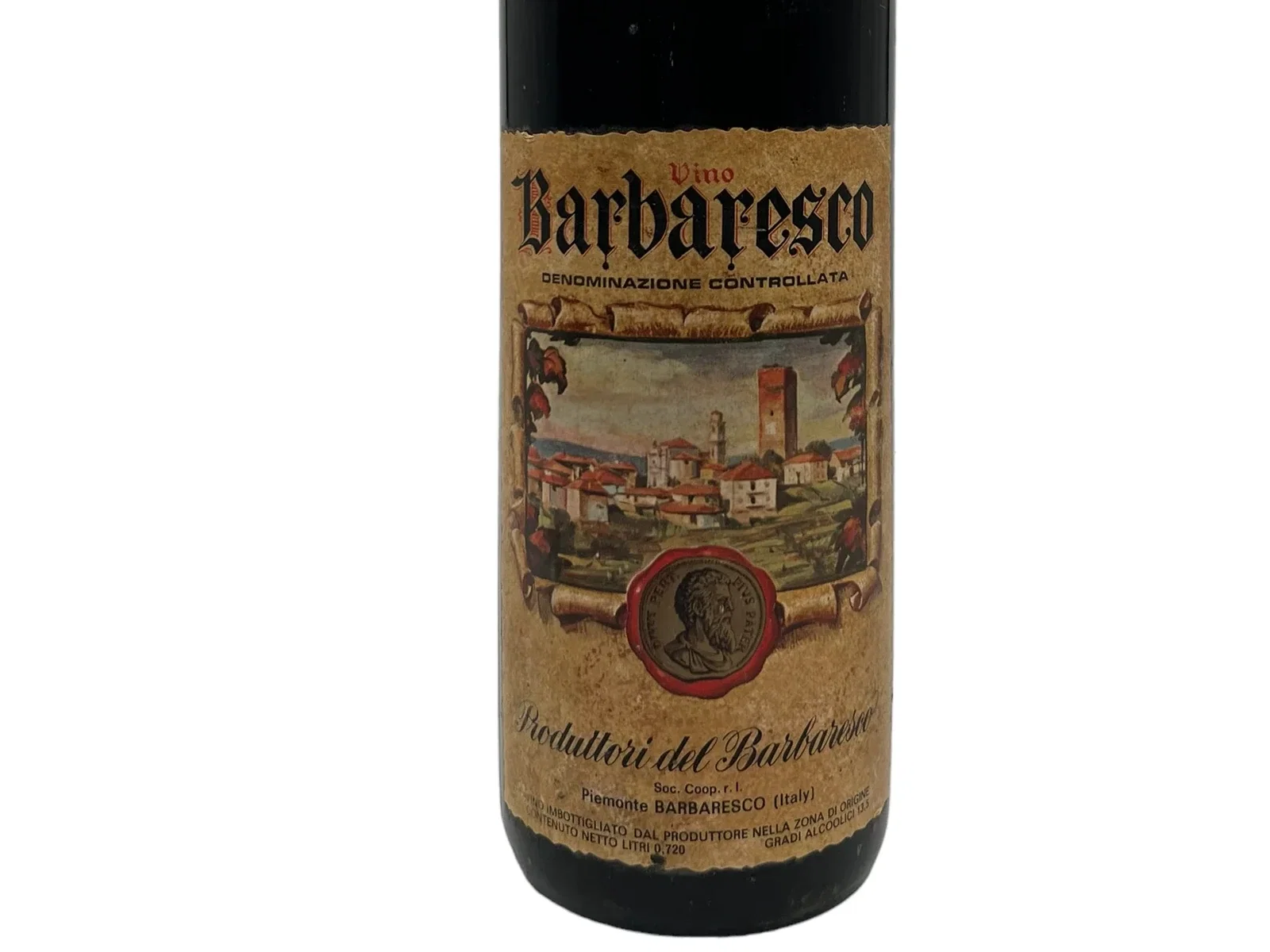
Frappato’s value in this argument lies in the category it disrupts. It can offer drinkability without becoming Pinot. Pelaverga Piccolo can be delicate without needing a French comparison. Rossese and Corvina can sit away from heavy extraction while keeping their own accents. Morris’s point is that Italian wine identity broadens when grapes are described by what each gives in the glass rather than sorted into French analogues.
The same principle applies to Sangiovese, Nebbiolo and Nerello Mascalese. Morris grants that these grapes may share Pinot Noir’s ability to translate place. That shared ability is not the same as shared flavour. Sangiovese, Nebbiolo and Nerello Mascalese remain rooted in Italy through texture and backbone, and those two words matter because they point to feel rather than silhouette.
Texture is where many Burgundy comparisons fail. Pinot Noir can transmit site with delicacy, but a Brunello, Chianti Classico, Barolo, Barbaresco or Etna red may carry site through acidity, tannin, savour, bitterness or a firm line across the palate. Calling that ‘Burgundian’ can erase the sensation that makes the wine Italian. It also teaches drinkers to admire Italian wines for resemblance rather than for structure.
This matters at the table as much as in the cellar. Italian wines often speak fluently with food because they carry appetite, bitterness and savour alongside fruit. Morris’s own list of descriptors, sapid, savoury, raspy, bitter, gives sommeliers a better set of tools. A wine can be refined and still finish with bite. A wine can be graceful and still ask for salumi, pasta, grilled meat, aged cheese or the next forkful.
Sagrantino’s power and vigour, Primitivo’s richness and generosity, and Grignolino’s rusticity all appear in Morris’s defence of Italy’s range. These wines are part of the country’s breadth. The country’s great strength is that finesse lives beside grip, bitterness, warmth, savour and rustic charm.
If the Burgundian shorthand is weak, the replacement has to be more precise. A more precise replacement starts with the grape, then the denomination, then the wine’s texture. For Barolo, the conversation moves toward Nebbiolo and extraction rather than a vague Pinot-like softness. For Etna, it moves toward Nerello Mascalese and volcanic context rather than a Mediterranean version of Burgundy.
Andrea Lonardi MW sharpens the argument in Italianity, the book co-authored with Jessica Dupuy and listed at US$50 from Greenleaf for June 2026. Morris cites Lonardi’s description of Italy as ‘a country that is searching for validation in someone else’s standards’. That line cuts close because it does not accuse outsiders alone. It asks Italian wine professionals, critics and buyers to consider how often French ideals still define success.
Lonardi’s conclusion is even more direct: ‘Italian wine must not lose itself in someone else’s idea of greatness.’ For a private cellar, that sentence provides discipline. If every Italian purchase is justified by proximity to Burgundy, the cellar becomes a hall of mirrors. The better Italian cellar reads across regions, grapes and textures, with Barolo, Barbaresco, Soave, Chianti Classico, Etna and Lazio each occupying its own space.
Burgundy can be loved without serving as the validation tool for every elegant Italian bottle. A collector can love Burgundy and still refuse to make Burgundy the validation tool for every elegant Italian bottle. A sommelier can use comparison briefly, then move into the Italian facts: grape, place, structure, bitterness, savour, ageability, food. A critic can praise finesse without relocating the wine to France.
Damiano Ciolli’s Silene, Olevano Romano 2024 gives the argument a practical final glass. Morris recommends this unoaked wine from Lazio’s Cesanese d’Affile grape, priced at £22-£24 through Bottle Apostle, Les Caves de Pyrene and Sip. She describes it as fragrant, juicy, light on its feet, subtly framed and suited to a chill, with a slightly amaro-like twist that wakes up the appetite.
That is the language Italian wine deserves. The note gives grape, place, vintage, price, vinification cue and appetite. It describes how the wine behaves without borrowing prestige. It also reminds collectors that the category includes bottles outside particularly famous denominations, wines that make sense through their own local grammar rather than through proximity to Burgundy.
Morris’s critique challenges how serious drinkers talk about Italy now. Burgundy can remain a place of admiration, study and pleasure, but it should stop functioning as the reflexive compliment for Italian elegance.
Barbaresco, Barolo, Soave, Chianti Classico and Etna have their own internal geographies; Frappato, Pelaverga Piccolo, Rossese, Corvina, Sangiovese, Nebbiolo, Nerello Mascalese and Cesanese d’Affile have their own textures; producers such as Alberto Graci and Damiano Ciolli give the conversation names and bottles rather than abstractions.
The next time an Italian wine seems transparent, poised or fine, the better question is whether you can name the Italian reason it tastes as it does.
Get the App
Take the shortlist into the En Primeur Club app for concierge access, saved places, and the next step after discovery.
Get Exclusive AccessMore from the editors