← Guides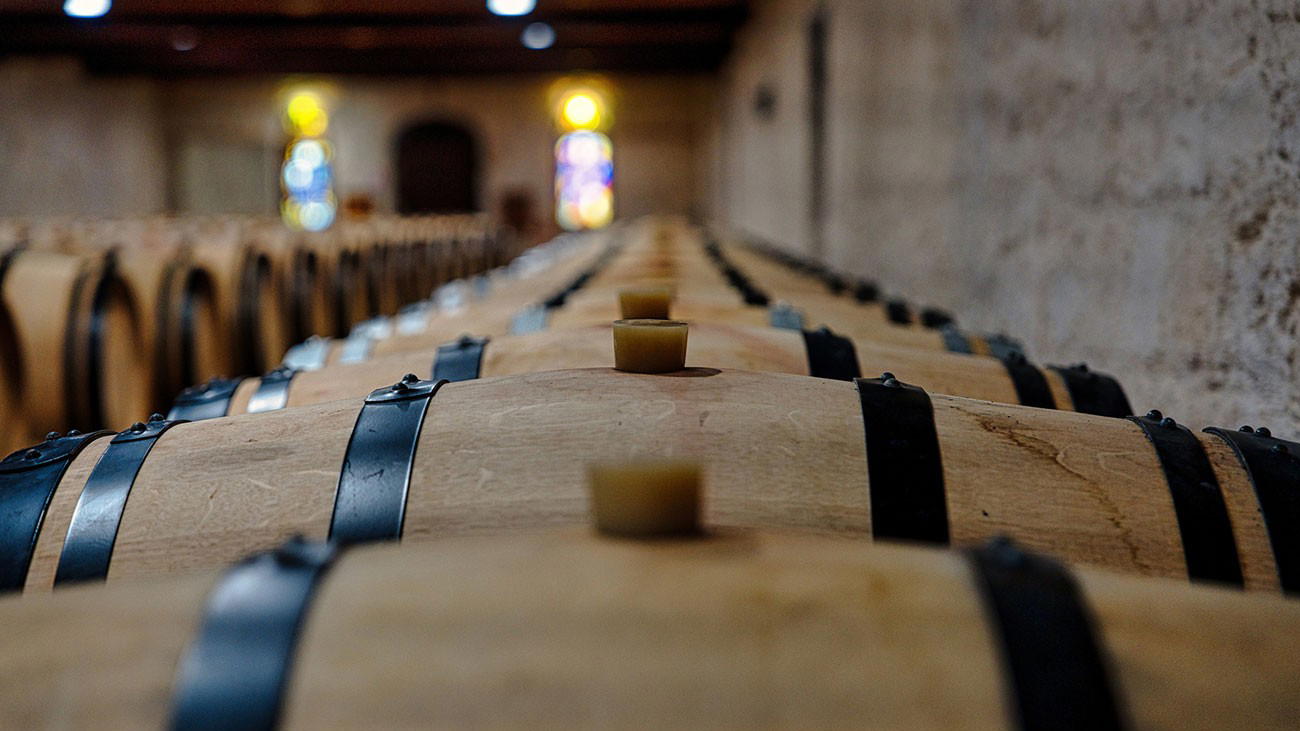
How to Visit Comtes Lafon in Meursault (and What It's Actually Like) Yes, you can visit Domaine des Comtes Lafon, but not by walking up to the gate on a Tuesday afternoon.
How to Visit Comtes Lafon in Meursault (and What It's Actually Like) Yes, you can visit Domaine des Comtes Lafon, but not by walking up to the gate on a Tuesday afternoon.
Yes, you can visit Domaine des Comtes Lafon,1 but the domaine's published practical information limits visits to wine professionals by appointment. Collectors should not assume that direct contact, purchase history, or an introduction overrides the stated professional-only policy. For most collectors, the practical plan is to treat the cellar as non-public unless the estate explicitly confirms otherwise.
Domaine des Comtes Lafon sits in Meursault, Côte de Beaune,2 farming 16.3 hectares2 across some of the appellation's most coveted parcels, Perrières, Charmes, Genevrières, and the monopole Clos de la Barre, plus holdings in Volnay and a small parcel of Montrachet. Annual production runs to approximately 80,000 bottles across all cuvées,2 modest by négociant standards, but the grand vin whites disappear almost entirely into a mailing list and a tight circle of long-standing merchant relationships before most collectors know a vintage has been bottled.
The domaine is now run by Léa Lafon and Pierre Lafon, the fifth generation, after Dominique Lafon officially retired in December 2021.3 The estate has never operated as a tourist destination. The cellar sits at 5 Rue Pierre Joigneaux in Meursault,2 not on a signposted Route des Grands Crus with a tasting room and a gift shop. The cellar is a working cellar. Visits happen when the team has capacity and when the visitor has a reason to be there beyond curiosity.
That scarcity is structural. The allocation list for the grand vin cuvées, Perrières, Charmes, Genevrières, the Volnay Santenots-du-Milieu, is effectively closed to new entrants without a merchant intermediary or a direct relationship. The same logic applies to visits: the domaine is not turning people away out of arrogance, it is simply running a small family estate where every hour in the cellar is an hour not spent farming.
There is no Resy page and no online form. Confirm directly with the estate before building a Burgundy itinerary around a specific date.
That said, the Burgundy calendar has rhythms that any collector planning a visit should know. The weeks immediately surrounding harvest, typically late September into October in the Côte de Beaune, are the worst time to request a cellar visit anywhere in Meursault; the team is in the vineyard and then in the cuverie around the clock. The same applies to the Hospices de Beaune weekend in November, when négociants, merchants, and press descend on the region and the domaine's attention is elsewhere.
The quieter windows, January through March, and again in June and early July before the summer rush, are when a politely worded, well-contextualized email is most likely to receive a positive reply. Spring is also when the previous vintage's whites are typically being assessed in barrel, which makes a visit genuinely useful for both parties if you are a serious buyer.
The domaine's contact details are publicly listed at comtes-lafon.com;4 reach them directly to inquire about availability rather than routing through a third party who may not have a current relationship.
The following are informal possibilities, not published or guaranteed access channels; the professional-only policy still applies.
Direct contact with a purchase history. If you have bought Comtes Lafon through a merchant who holds a direct allocation, Berry Bros. & Rudd, Corney & Barrow, and a handful of specialist Burgundy négociants hold relationships of this kind, ask your merchant to facilitate an introduction. A note from a trusted buyer carries more weight than a cold email from an unknown address. This is the route that insiders use almost exclusively. US-based collectors can also approach the trade: Becky Wasserman,5 the Burgundy-based broker and exporter, and the US importer Beaune Imports,4 both of which handle the domaine's wines and may be able to facilitate an introduction.
Direct email, cold but specific. A cold approach can work if it is specific: name the vintages you have cellared, the cuvées you are most interested in tasting, and the dates you will be in Meursault. Generic "we love your wines" emails are easy to decline. An email that reads like it was written by someone who has opened a 2014 Perrières and wants to understand the élevage decisions behind it is harder to ignore.
Through a Burgundy specialist or wine travel agency. Companies that run dedicated Burgundy itineraries, Cellar Tours, Arblaster & Clarke, and similar operators, sometimes hold standing relationships with estates that do not respond to individual cold approaches. If you are building a week-long Côte d'Or itinerary, this route can unlock doors that stay shut to solo inquiries. The trade-off is that the visit may be less personal and the tasting more structured around a group format.
There is no allocation signup page or mailing-list portal published by the domaine.
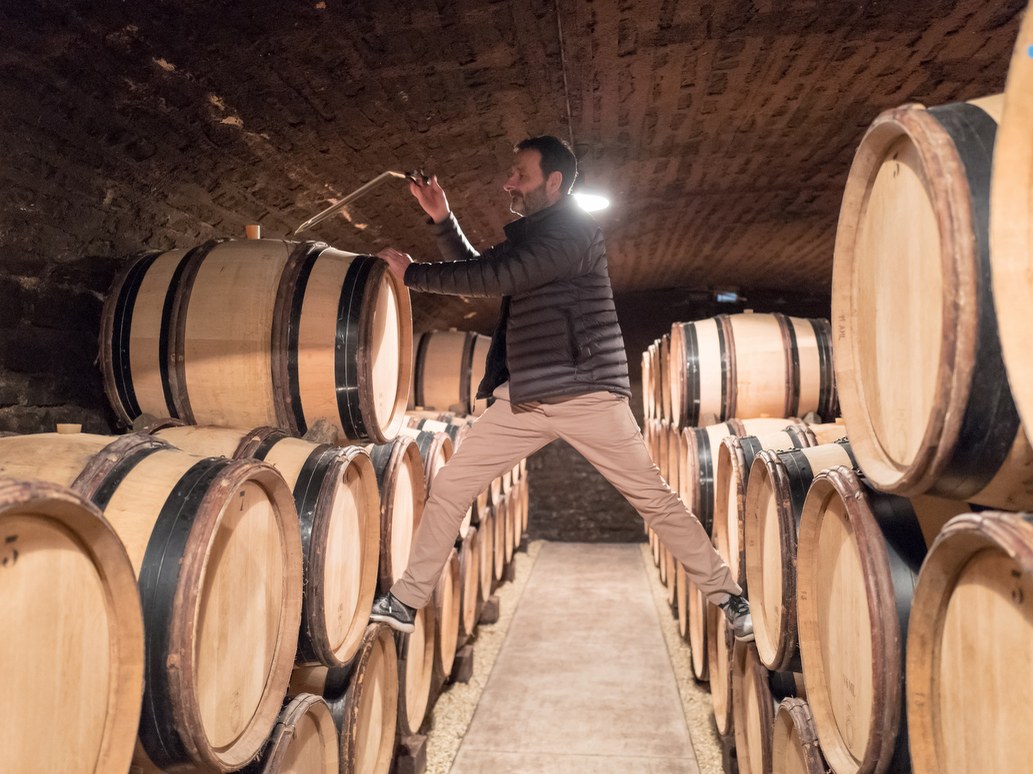
The domaine's cellars run beneath central Meursault, old Burgundian stone, cool and damp in the way that only a cellar dug before refrigeration existed can be. A 2015 visit account described a tasting with the domaine's directeur,6 Stéphane Thibodaux,6 but that historical account does not establish the domaine's current visit format or access policy.
Tastings are barrel-focused when you visit during élevage, the whites spend time in oak before bottling, with a proportion of new barrels that varies by cuvée and vintage, and tasting from barrel gives you a reading of the wine's architecture before it has resolved. Village Meursault alongside Charmes alongside Perrières in the same session is a lesson in how a single appellation stratifies across limestone subsoils and aspect.
The format is not a formal seated tasting with printed notes. It is a conversation in a cellar, conducted in French or English depending on the visitor, with samples pulled and decisions discussed, picking dates, how individual parcels responded to a difficult frost year, the shift in the Volnay Santenots toward earlier harvesting as the climate has warmed. Expect the session to run as long as the conversation warrants, and plan your day accordingly.
Bottles from recent releases are sometimes opened at the end of a visit, particularly if the relationship is established. Do not expect a vertical of back vintages on a first visit. That comes later, if it comes at all.
Who you'll share the cellar with: Almost no one. Comtes Lafon does not run group tastings open to the public. On any given visit, you are likely to be the only party in the cellar, or sharing it with one other small group at most. The visitors who do get in tend to be serious collectors, buyers for fine wine merchants, or journalists with a specific editorial purpose. The room is quiet, the focus is on the wine, and the conversation is between people who have done their homework.
The collectors who visit Comtes Lafon regularly did not get there by emailing once. They built a merchant relationship first, typically with a UK or European specialist who holds a direct allocation, and bought consistently across vintages, including the less-celebrated ones. Buying a village-level Meursault in a year when everyone is chasing the premier crus is the kind of behavior that establishes you as a committed buyer rather than an opportunist.
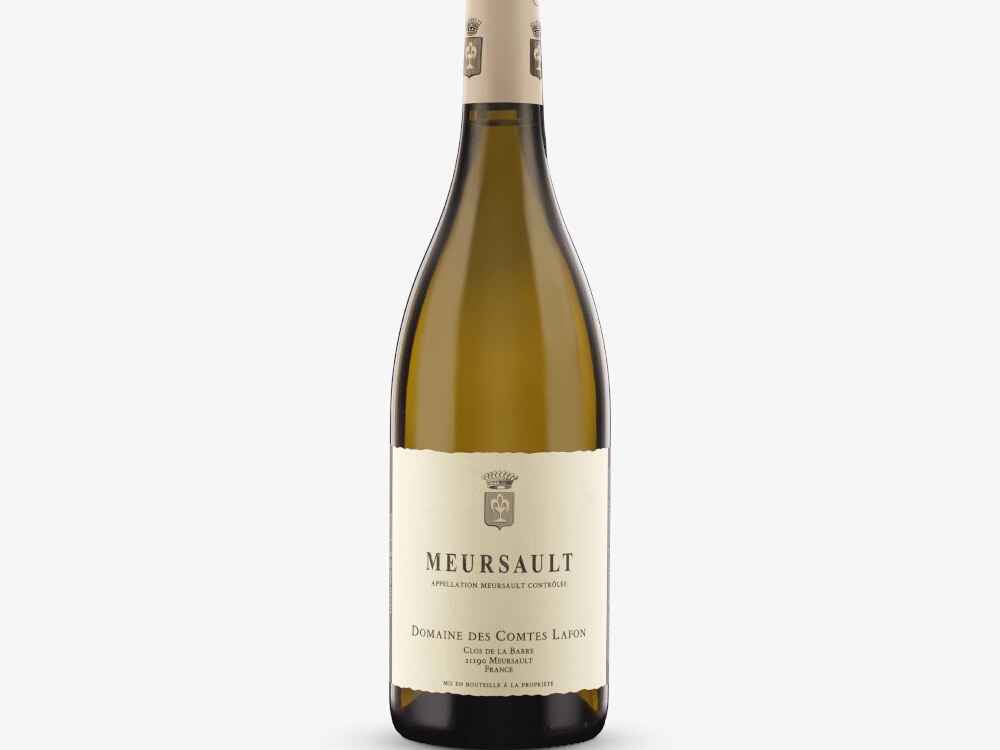
A few specific behaviors compound into access over time. First, buy the village-level wines. The Meursault Clos de la Barre is more available than the premier crus and establishes you as a buyer before you ask for anything harder to get. Second, engage with the domaine's output in writing, a thoughtful note to the estate after opening a bottle, referencing a specific vintage decision, is remembered. Third, visit Meursault during the quieter windows (January to March, June) rather than during harvest or the Hospices weekend, when the team has no bandwidth for visitors.
The insiders who have been visiting for a decade did not start with a request for Perrières. They started with a case of village Meursault and a sustained curiosity about the farming.
| Estate | Appointment Difficulty | How to Book | Tasting Format | Public Allocation/Mailing List |
|---|---|---|---|---|
| Domaine des Comtes Lafon | High, relationship or introduction required | Direct email or merchant introduction | Barrel tasting, cellar walk, conversation-led | No public portal; merchant-allocated |
| Domaine Roulot | high, effectively closed to cold approaches | Merchant introduction only | Barrel tasting by appointment | No public portal |
| Domaine Coche-Dury | Near-impossible for new visitors | Invitation only; no cold-approach route | N/A for most collectors | No public portal; allocation closed |
| Domaine Patrick Javillier | Moderate, welcomes serious visitors | Direct contact; more accessible than the grands noms | Cellar tasting, bottled wines | N/A, verify with estate |
| Maison Joseph Drouhin (Beaune) | Low, structured visits available | Online booking via estate website | Guided cellar tour + tasting, group format | Publicly available; négociant scale |
Domaine Roulot is the natural comparison, Jean-Marc Roulot's Meursaults from parcels like Tessons and Luchets are as sought-after as Lafon's, and the visit dynamic is similar: appointment only, relationship-dependent, barrel-focused. If you have a merchant who works with both estates, ask for both in the same trip.
Domaine Patrick Javillier offers a more accessible entry point into serious Meursault. The Cuvée Oligocène and the Meursault Cuvée Tête de Murger are made with the same attention to terroir expression, and Javillier is known to welcome visitors who approach with curiosity. A visit here is a useful calibration before you attempt the harder doors.
Maison Joseph Drouhin in Beaune runs structured cellar visits that are publicly bookable and give you a grounding in Côte de Beaune appellations across a range of crus, useful context, even if the intimacy of a domaine visit is absent.
A visit to Comtes Lafon is worth pursuing if you are a serious collector of white Burgundy who already has some bottles in the cellar and wants to deepen your understanding of how the wines are made. It is the right occasion for a dedicated Burgundy trip, not a day-trip from Paris, not a stopover between Beaune and Dijon. Plan two or three days in the Côte de Beaune, build the itinerary around the visit, and use the surrounding time to walk the vineyards and eat at Le Chevreuil or Le Soufflot in Meursault itself.
It is not the right visit for someone who wants a polished hospitality experience with a printed tasting menu and a gift shop. It is also not the right first stop for a collector who has never opened a bottle from the domaine, the conversation will be richer, and the welcome warmer, if you arrive having already spent time with the wines.
Yes, but only if you approach it correctly. A cold email with no purchase history and no specific context is unlikely to yield an appointment. The same email, sent after you have bought village Meursault through a merchant who knows the domaine, with a note that references a specific vintage's élevage decisions and names the dates you will be in Meursault, has a real chance.
The visit itself, barrel samples of Perrières and Charmes in a cellar beneath central Meursault, with the person who manages the estate pulling the pipette, is one of the more instructive hours available to a white Burgundy collector. Not because it is glamorous, but because it is direct: the wine, the limestone, the conversation. No intermediary, no hospitality script.
Build the merchant relationship first. Buy the village wines. Visit in January or June. The allocation list and the cellar door operate on the same logic: access follows commitment, and commitment is measured in years, not emails. For a domaine farming 16.3 hectares2 and producing roughly 80,000 bottles a year2 across all cuvées, that patience is simply the price of entry, and for collectors who pay it, the cellar door opens onto particularly instructive Chardonnay in Burgundy.
No. The domaine does not operate a walk-in tasting room. Published practical information limits appointment-only visits to wine professionals; it does not identify merchant introductions as a public visitor route. Arriving unannounced is unlikely to result in a visit and may complicate any future approach.
For serious Burgundy estates of this calibre, reaching out well in advance of your intended travel dates is advisable. Verify directly with the estate when you make contact, and avoid planning around harvest season or the Hospices de Beaune weekend in November.
No public mailing list or allocation portal is published by the domaine. Wines are allocated through a network of long-standing merchant and négociant relationships. To access allocations, one reliable route is to build a relationship with a specialist Burgundy merchant, such as Berry Bros. & Rudd or Corney & Barrow, who holds a direct allocation from the estate.
This depends on the timing of your visit and the stage of élevage. During barrel aging, visits typically include samples from multiple cuvées, potentially village Meursault, Charmes, Genevrières, and Perrières. Bottled wines from recent releases are sometimes opened at the end of a visit for established visitors. The exact lineup is at the discretion of the winemaker.
In practice, no. The visit is a working cellar conversation, not a structured introduction to the appellation. Visitors who get full value from it arrive having already spent time with the wines, ideally having opened bottles from the domaine and thought carefully about what they tasted. If you are newer to Meursault, a visit to a more accessible estate like Domaine Patrick Javillier first will give you the vocabulary and context to make a Comtes Lafon visit genuinely worthwhile.
Get the App
Take the shortlist into the En Primeur Club app for concierge access, saved places, and the next step after discovery.
Get Exclusive AccessMore from the editors