← Guides
On Monte Igeldo, Rekondo pours from a 100,000-bottle cellar with deep Rioja, Burgundy and an 1880 Marqués de Riscal.
On Monte Igeldo, Rekondo pours from a 100,000-bottle cellar with deep Rioja, Burgundy and an 1880 Marqués de Riscal.
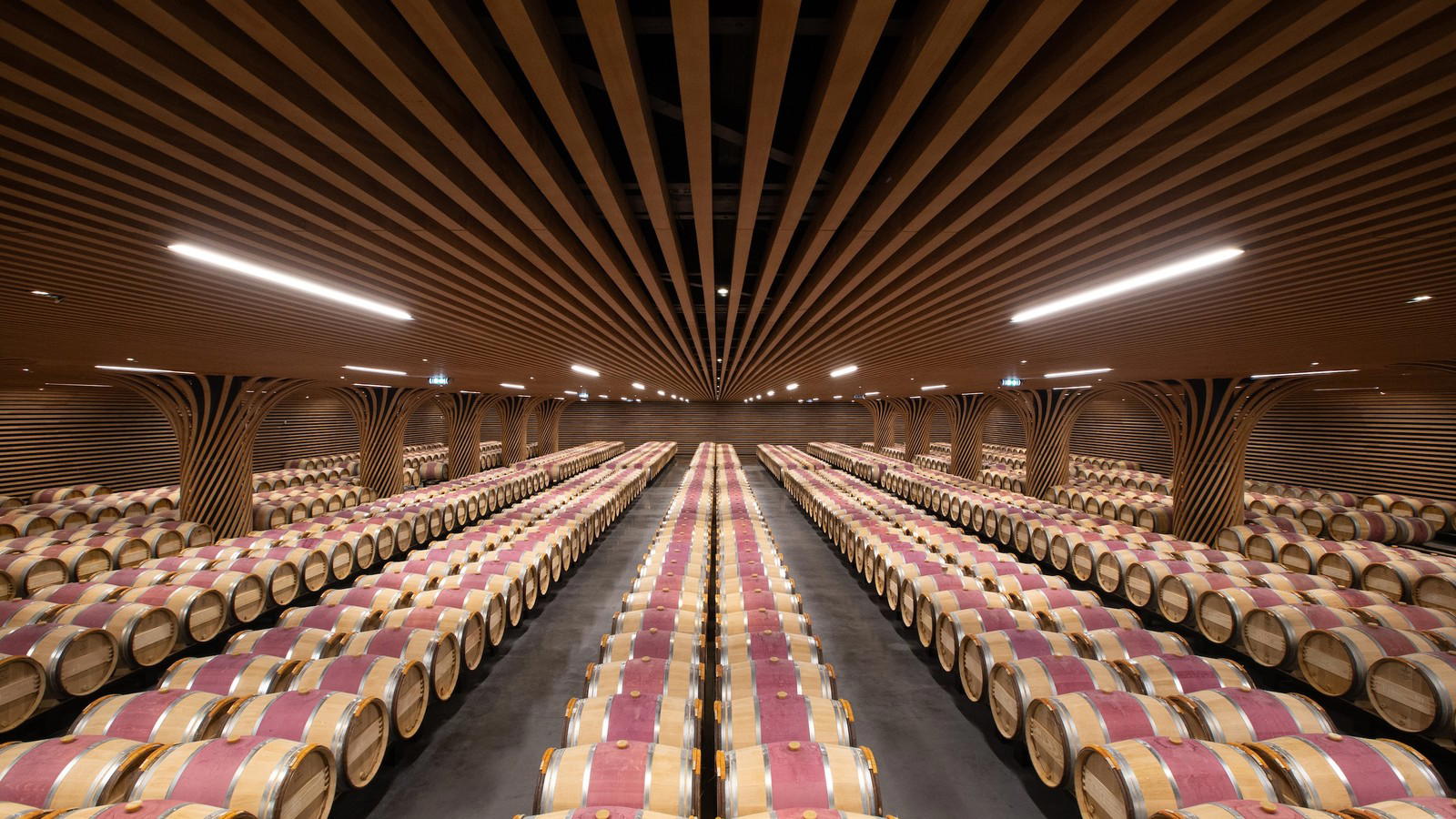
Rekondo San Sebastián cellar holds more than 100,000 bottles from over 20 countries, with a 376-page list and an 1880 Marqués de Riscal among its oldest holdings. In the hills of Monte Igeldo, with views of Donostia bay and the edge of La Concha below, Rekondo gives collectors a rare proposition, museum-depth wine that the family still intends to open for people who understand it (Spanishwinelover1).
Txomin Rekondo opened the family-run restaurant in 1964. In 1970 he dug a cellar beneath Rekondo to protect the growing collection. Txomin bought bottles across Spain and France during the 1960s at a pace that outgrew the restaurant's storage, so in 1970 he dug a cellar beneath Rekondo to protect the growing collection (Spanishwinelover1).
That cellar now gives the restaurant its pull for oenophiles who travel with a corkscrew in mind. Rekondo serves traditional Basque cuisine, and its tables sit above a collection that reaches back more than 140 years through the presence of that 1880 Marqués de Riscal.
Lourdes Rekondo, Txomin's daughter and the restaurant's general manager, renovated portions of the cellar about five years ago, moving the white wines into a new polished entrance area while leaving the reds undisturbed because the older bottles were too delicate to move (Wineenthusiast2).
The first impression comes through backlit racks of white wines and glass display cases holding some of the collection's most important bottles. Near the entrance, a private modern dining room hosts tastings and special events, with two crystal chandeliers over the table and large windows bringing daylight into a space built around underground storage.
The mood changes deeper inside. Low lighting, dense rows and large-format bottles fill the deeper cellar. The main chamber contains roughly 80,000 bottles arranged in numbered wooden bins according to Txomin's system. Clear plastic wrap protects the oldest labels, a practical detail that matters when a bottle's paper can carry as much memory as its cork (Wineenthusiast2).
"It's not elegant, but it works," Lourdes says. The family tracks bottles within Txomin's order, with attention to continuity, position and fill levels.
Rekondo's wine list spans 376 pages and covers more than 20 countries. Txomin's strongest attachments show clearly in the holdings of Rioja and Burgundy (Wineenthusiast2).
The Spanish side includes a vertical of Imperial and collections of Vega Sicilia and Marqués de Riscal. Rioja Alavesa also gives the restaurant a local Basque reference point, with reds that fit the heartier side of the menu.
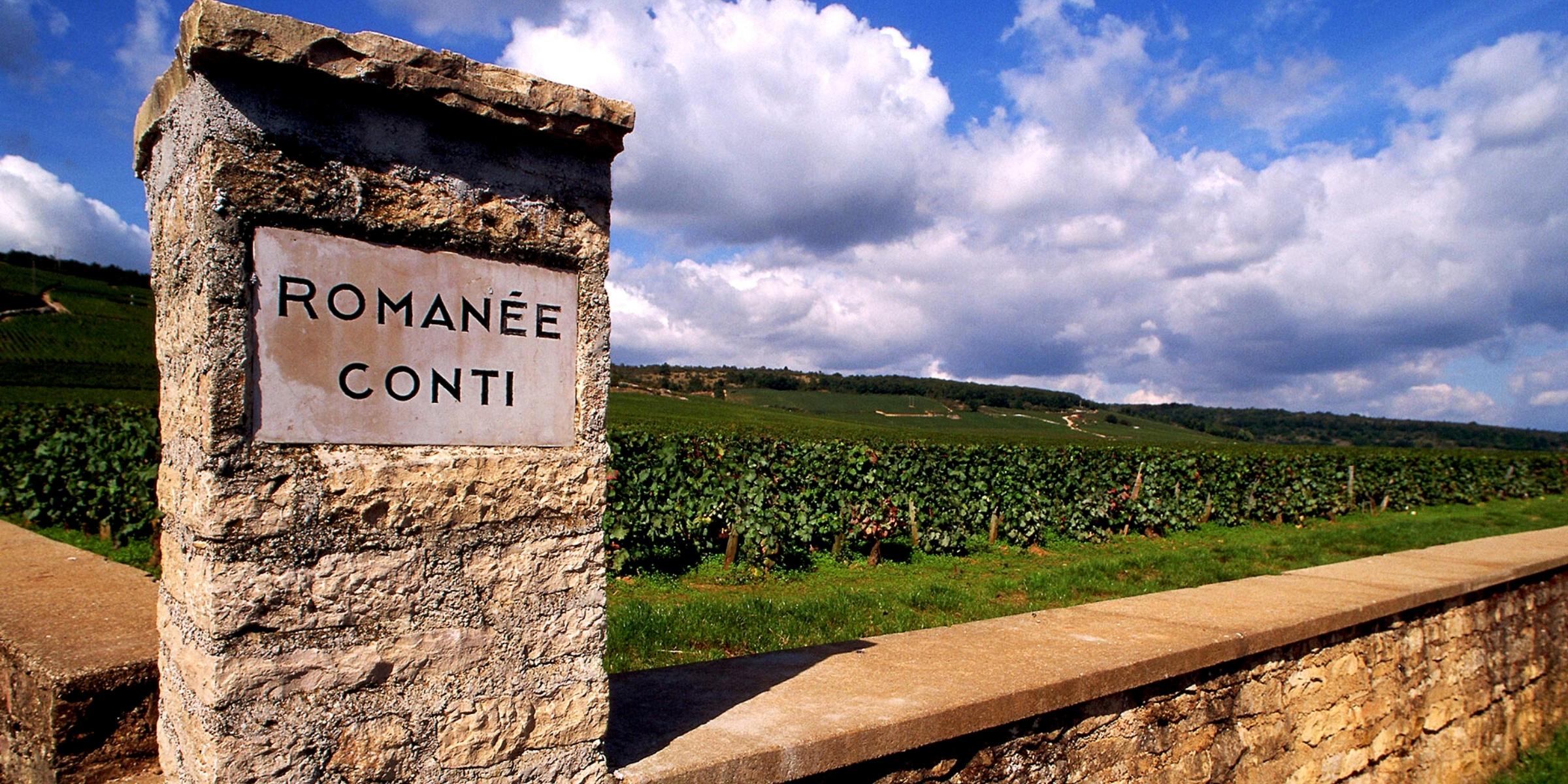
Burgundy brings the name that makes collectors sit forward, Domaine de la Romanée-Conti. Rekondo's French holdings also include Château Latour, Château Margaux and Château Lafite Rothschild, Bordeaux First Growths whose mature vintages usually live behind auction paddles or private cellar doors. Château d'Yquem appears as well, the Sauternes estate ranked Premier Cru Supérieur in the 1855 classification (Wineenthusiast2).
Champagne, Port and Priorat run through the cellar, many in magnum and larger formats. A magnum changes both the pace of service and the way a group can drink a serious bottle over a meal. Rekondo's list is a working restaurant version of a collector's cellar, with format, producer and vintage depth under the same roof.
The Rekondo San Sebastián cellar has earned recognition as one of the world's great restaurant cellars because the collection is still tied to service. The bottles are catalogued on a list, matched to the kitchen and opened for guests.
Lourdes Rekondo puts the family's policy plainly: "Our policy is that we want to sell to buy more." For a cellar with single-bottle rarities, that approach changes the guest's calculation. Rekondo preserves wine carefully and opens some bottles instead of preserving every bottle indefinitely.
Even bottles held in single quantities may be opened for true oenophiles whom the team believes will appreciate what is in the glass. That is a sharper filter than price alone.
The cellar keeps signed empty bottles from notable openings. Txomin opened a Romanée-Conti after golfer José María Olazábal won his first Masters in 1994. An enormous bottle of Alión was poured for Real Sociedad football players after a major win. Those bottles were drunk at precise moments by people attached to San Sebastián and Spain.
At Rekondo, Txomin's words apply to Domaine de la Romanée-Conti, Marqués de Riscal, Vega Sicilia, Imperial and bottles that exist in quantities most restaurants would remove from normal service.
Some of the cellar's greatest treasures remain hidden for protection, and Lourdes has said only her father knows where certain bottles are kept. The deepest knowledge still rests with Txomin, the founder who dug the cellar in 1970 because his buying had outgrown the restaurant.
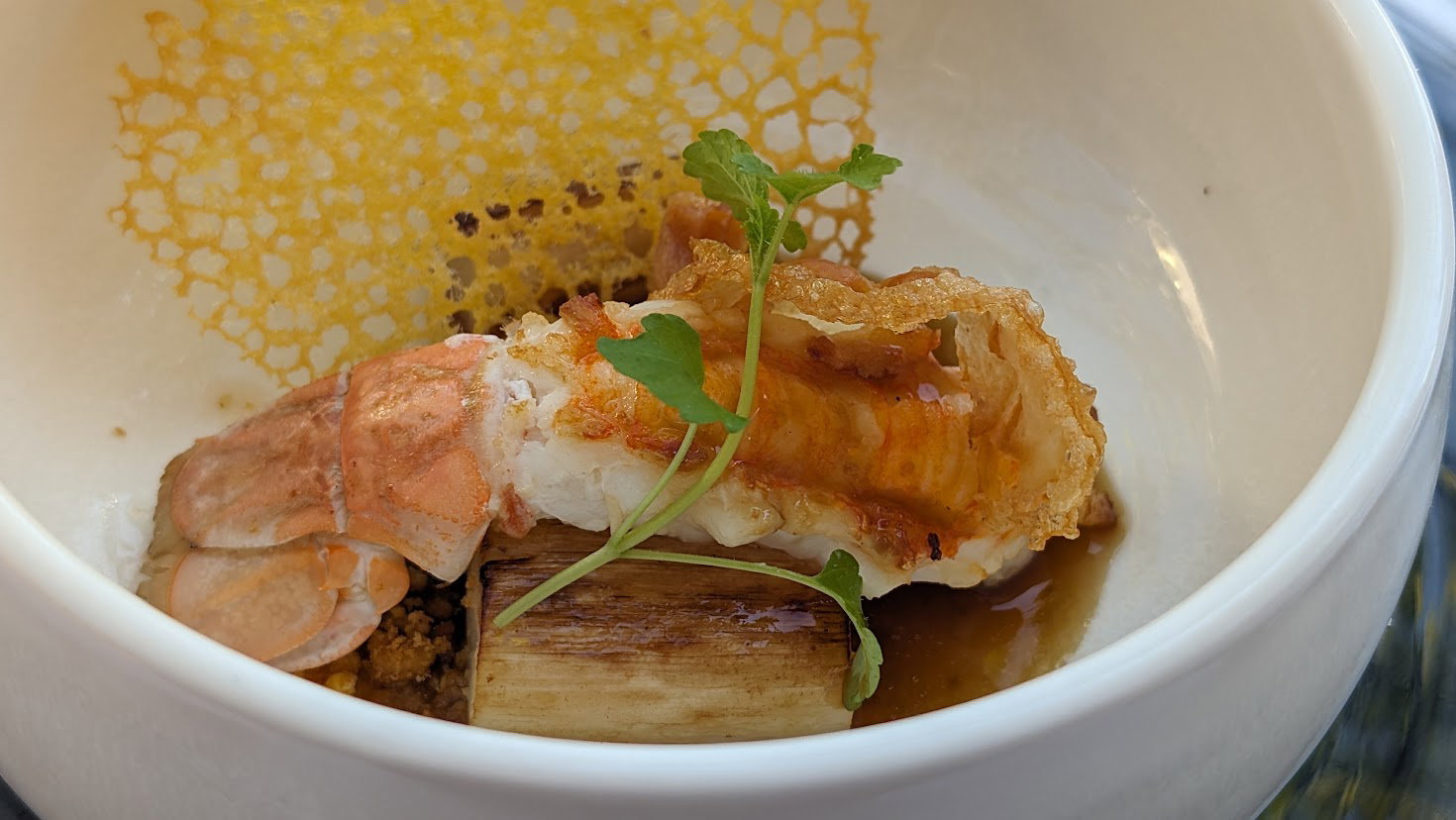
Rekondo has served traditional Basque cuisine since 1964, and the wine program makes most sense when read alongside the dishes named by the restaurant's own pairings. Txakoli sits naturally with oysters, clams, hake and lobster. The pairing has a coastal logic in San Sebastián, where La Concha Bay sits below the hill and the restaurant looks toward Donostia bay from Monte Igeldo.
Rioja Alavesa reds move toward the richer plates, including venison, suckling pig, filet mignon and rib-eye. Rekondo places Rioja at the Basque table, where aged Tempranillo is served with game and roast meat.
The list's Burgundy holdings invite another kind of meal. Rekondo's strength lies in the cellar's range, because a guest can move from txakoli with shellfish to Rioja Alavesa with meat, then into Sauternes from Château d'Yquem if the table calls for it.
The private dining room near the cellar entrance has crystal chandeliers over the table and large windows that admit daylight. In the main chamber, numbered wooden bins and protected labels mark Txomin's system before a chosen bottle reaches the glass.
The table sits close to the cellar, giving Rekondo its authority. The holdings accumulated over decades include deep Rioja and Burgundy, Bordeaux First Growths, Yquem, Champagne, Port, Priorat and larger formats beneath the restaurant.
Rekondo sits in the hills of Monte Igeldo with views of Donostia bay, at the edge of La Concha Bay in San Sebastián. The location matters for pacing a visit. Rekondo is a hilltop restaurant with a cellar beneath it.
Service runs at lunch from 13:15 to 15:30 and at dinner from 20:30 to 22:30. Rekondo closes on Tuesday and Wednesday. Those hours cover lunch and dinner service for meals with older Rioja, Burgundy or larger-format bottles with Basque dishes (Rekondo3).
A 376-page list can reward precise requests, though Rekondo's team understands the cellar in ways a guest cannot replicate from the table.
An 1880 Marqués de Riscal and other single-bottle holdings require judgment from the restaurant.
Txomin's 1970 underground room has grown into more than 100,000 bottles, Lourdes has renewed parts of the space without erasing the older order, and the restaurant still opens historic wine for the right table. In San Sebastián, where the next great meal is never far away, Rekondo keeps one of Europe's deepest restaurant cellars in motion.
The oldest bottle in the Rekondo San Sebastián cellar is an 1880 Marqués de Riscal, giving the collection a direct line to 19th-century Spanish winemaking.
Rekondo's cellar holds bottles from over 20 countries. The main chamber alone contains roughly 80,000 bottles arranged in numbered wooden bins according to founder Txomin Rekondo's original system.
Rekondo hosts tastings and special events in a private dining room within the cellar. The family maintains the collection primarily to serve guests who dine at the restaurant and appreciate museum-depth wines.
The French holdings also feature Bordeaux First Growths like Château Latour, Château Margaux, and Château Lafite Rothschild.
The cellar was dug beneath the restaurant in 1970 to accommodate Txomin's rapidly growing wine collection from Spain and France.
Get the App
Take the shortlist into the En Primeur Club app for concierge access, saved places, and the next step after discovery.
Get Exclusive AccessMore from the editors