← Guides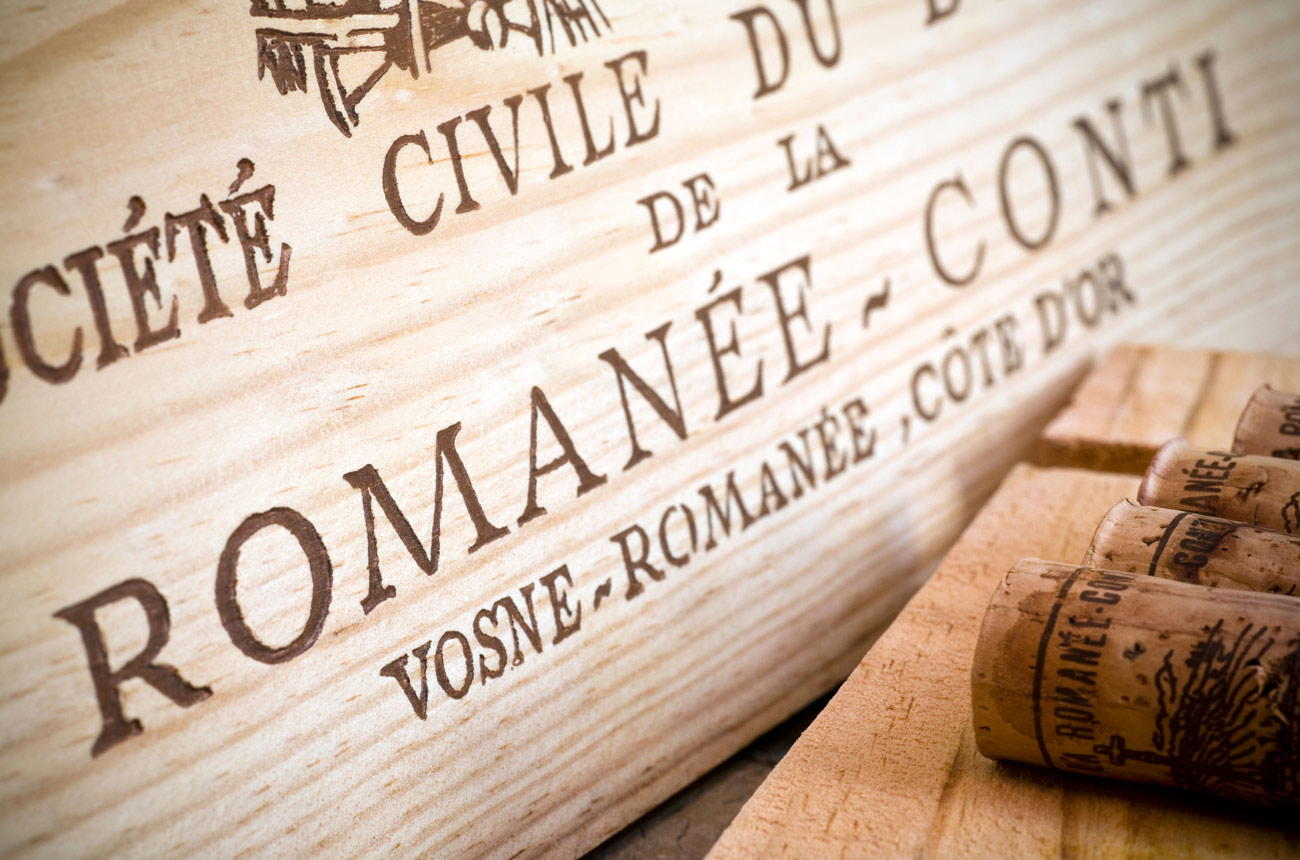
At Auprès de Clocher in Pommard, Soo Hoo Khoon Peng opened the last known Romanée-Conti 1899, a 127-year-old bottle bought for his 50th birthday.
At Auprès de Clocher in Pommard, Soo Hoo Khoon Peng opened the last known Romanée-Conti 1899, a 127-year-old bottle bought for his 50th birthday.
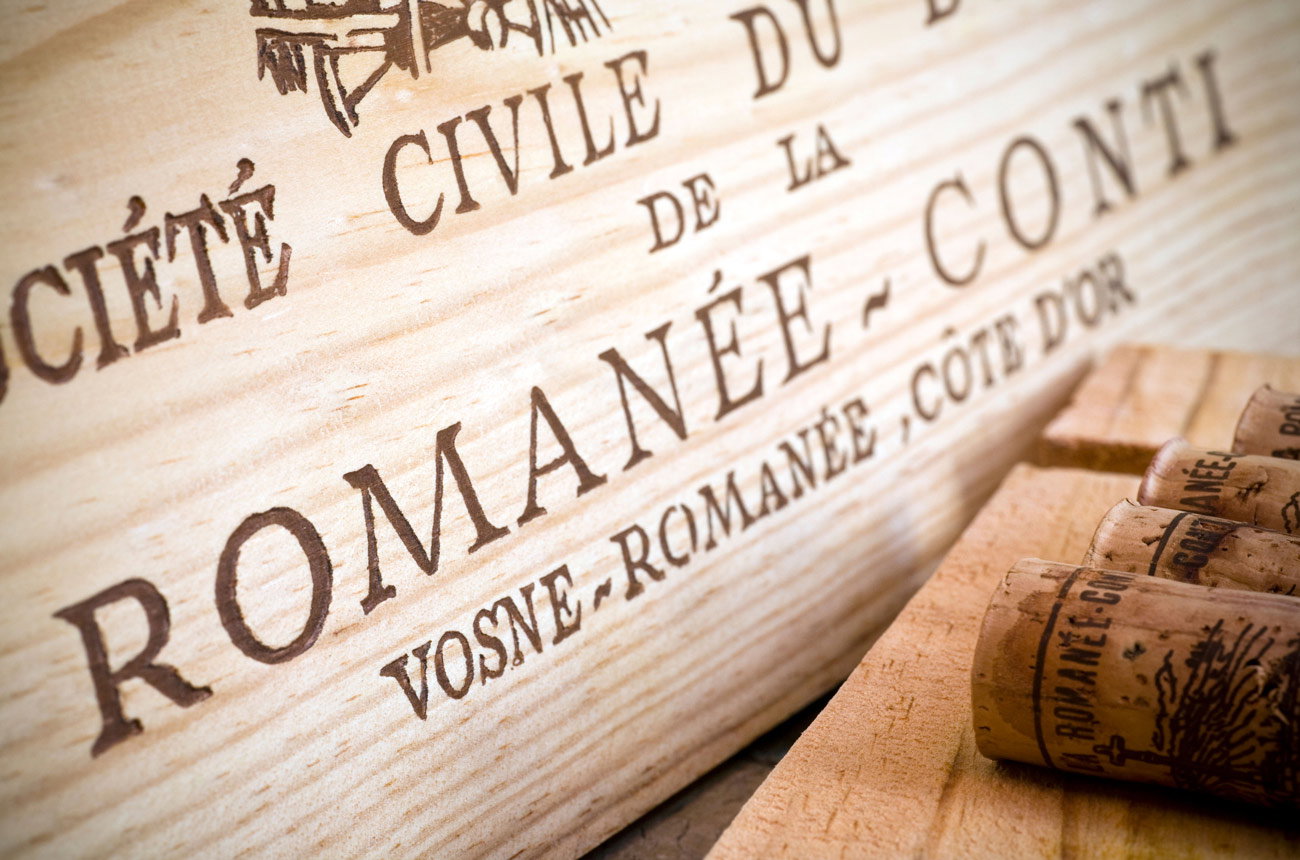
Romanée-Conti Romanée-Conti 1899, believed to be the last surviving bottle of its vintage, was opened at Auprès de Clocher, the Michelin one-star restaurant in Pommard, France. Its label was tattered, its lead capsule chipped but intact, and through the glass the 1899 cork marking remained visible in the historical font of Domaine de la Romanée-Conti itself. At 127 years old, the bottle reached the table with its identity still legible.
Soo Hoo Khoon Peng, the Singaporean businessman and co-owner of Australian Pinot Noir producer Bass Phillip, had bought the bottle for his 50th birthday. He could have kept it in a bonded warehouse, sent it to auction for six figures, or left it untouched as an investment. Instead, in early January, he gathered a small circle of wine authorities to share it. Ned Goodwin MW, Maison Pion fine wine director Régis Cimmati, and DRC co-owner Aubert de Villaine joined him, with de Villaine, at 87, arriving ready to place the wine in its proper historical frame.
Soo Hoo chose the glass over the trading floor, and the Romanée-Conti 1899 tasting became a study in provenance, cellaring, and Burgundy shared at the table.
Romanée-Conti 1899 predates phylloxera's full devastation of Burgundy and the modern Domaine de la Romanée-Conti as collectors know it today. When this wine was made, the vineyard belonged to the Guyot and Chambon families, with each surname visible on opposite sides of the bottle's label. The Guyot family would later sell its share in 1912 to Jacques Chambon and Edmond Gaudin de Villaine, establishing the domaine that would become synonymous with the world's most coveted Pinot Noir.
Cimmati verified the bottle's provenance with forensic care. A DRC specialist, he estimated its worth at approximately US$118,000 based on provenance alone. He deciphered the label's nomenclature, with 'Seign…et' indicating the bottle had been sold to Bordeaux trader Seignouret, owned by the de Brou de Laurière family. The lead capsule showed more than a century of wear but remained largely unblemished. The fill level was healthy. The cork marking, improbably, was still legible through the glass.
For any collector studying old Burgundy, start with provenance before price, romance, or rarity. Soo Hoo's decision to open the bottle rather than trade it was deliberate. As he told those gathered, wine is about 'learning and human connection' rather than status. The bottle would be shared among friends, opened in the presence of the man whose family had stewarded the vineyard for generations.
Auprès de Clocher, a Michelin one-star restaurant in Pommard, provided the setting. Photographers from major news networks filled the private dining room as guests arrived. The bottle, set on the mantle, drew every eye: a weathered object with a tattered label, a crease of rust on the capsule, and the visible 1899 cork marking. These were the physical markers of survival from a bottle that had outlasted wars, market crashes, and the phylloxera epidemic that reshaped Burgundy.
Pommard, a village in the Côte de Beaune, is known for structured, age-worthy reds that can hold for decades under proper cellaring. But 127 years belongs to another order. The location mattered: a Burgundian restaurant, a group of experts who understood what they were about to taste, and a setting intimate enough to keep the focus on the bottle rather than the spectacle.
The guest list showed why the bottle warranted that care. Cimmati, whose expertise in DRC provenance made him the natural choice to authenticate it, had traced its journey from the Guyot and Chambon families through the Seignouret bottling. De Villaine, whose ancestor helped establish the modern domaine in 1912, brought institutional memory spanning more than a century. Goodwin MW, a former Halliday taster, was there to document the moment. Soo Hoo, the collector who chose to open rather than trade, anchored the gathering with his conviction that wine exists to be shared.
As the group settled in, the bottle was prepared for opening. The lead capsule was carefully removed. The cork was intact. The wine had survived.
De Villaine, the DRC co-owner whose ancestor Edmond Gaudin de Villaine helped establish the domaine in 1912, gave the bottle its historical context. He explained that the wine would have been bottled in Santenay, with barrels transported by horse and cart, a production method that predates modern logistics, temperature-controlled transport, and the standardized bottling practices that define contemporary winemaking.
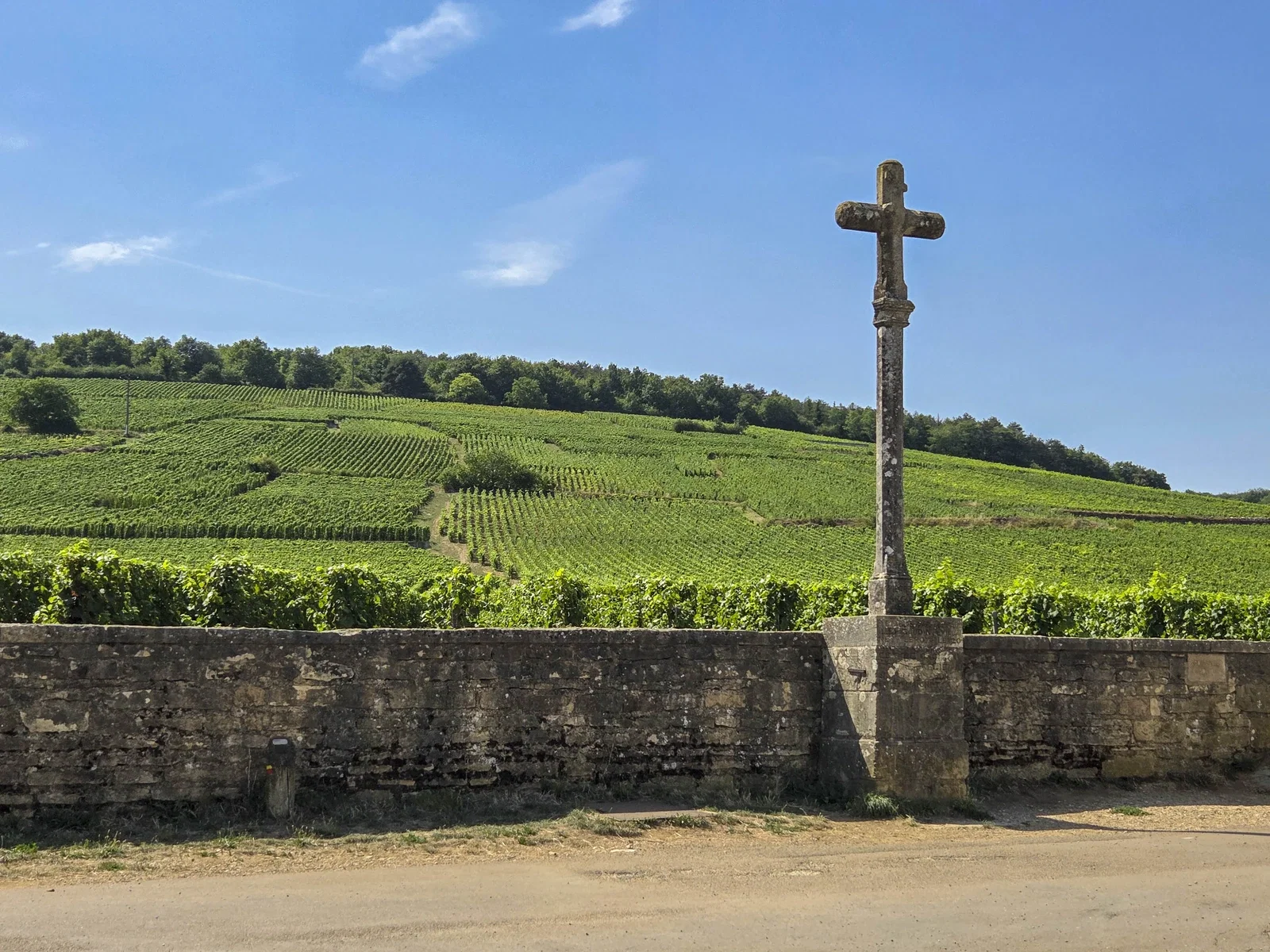
When the 1899 was made, Romanée-Conti had not yet become the unified domaine known today. The Guyot and Chambon families each held a share, their names appearing on opposite sides of the label. The vineyard itself was planted to pre-phylloxera vines, ungrafted Pinot Noir that would have expressed the terroir without the rootstock adaptations that became necessary after the louse devastated European vineyards in the late 19th and early 20th centuries.
De Villaine's recounting placed the bottle's history inside Burgundy's own evolution. For you as a collector, the essential detail is clear: this was Romanée-Conti before the Villaine family's stewardship, before the domaine's modern identity, and before the global demand that now surrounds the vineyard.
The wine in the bottle carried that earlier era: a liquid record of how Pinot Noir expressed itself in the Romanée-Conti vineyard under pre-phylloxera conditions, bottled by families whose names are now footnotes in the domaine's history. The barrels that held this wine traveled by horse and cart to Santenay. The families that owned the vineyard would sell their shares within 13 years of this vintage. The vines that produced the grapes were ungrafted, planted directly into the limestone soils of Vosne-Romanée without the American rootstock that would later become standard across Burgundy.
The bottle was opened. The cork, against all odds, was not compromised. The wine showed no volatility. Goodwin MW, who attended the tasting, described the moment as confirmation that this 127-year-old Romanée-Conti had survived in the glass, not only in the cellar.
Tasting notes from century-old wines are notoriously difficult to place in context. The wine had outlived its makers, its original drinkers, and the viticultural practices that produced it. What remained was a sensory record, shaped by oxidation, reduction, and the slow chemical transformations that occur in bottle over more than a century.
The fill level was healthy, a critical factor in the wine's survival. The lead capsule, despite its age, had protected the cork. The provenance, traced through the Seignouret bottling and the de Brou de Laurière family, gave confidence that the bottle had been stored properly. If you are weighing an old bottle, examine these variables first: fill level, cork condition, capsule condition, and a provenance trail that can be checked.
For collectors, the 1899 offered a benchmark: Burgundy, under the right conditions, can age far beyond the typical 20 to 30 year window cited for even the leading Pinot Noir. The wine's survival owed much to provenance, storage, and the structural integrity of the wine itself when it was bottled.
The tasting took place in the private dining room at Auprès de Clocher, with photographers from major news networks documenting the moment. The bottle, estimated at approximately US$118,000 by Cimmati, was opened for the experience itself, in line with Soo Hoo's philosophy that wine exists to be drunk, rather than stored indefinitely as a financial instrument.
For collectors who buy age-worthy Burgundy, the Romanée-Conti 1899 tasting offered a rare case study in how far a great bottle can travel when provenance, storage, and structure all hold.
Provenance is the first gate. Cimmati's valuation of approximately US$118,000 was based on provenance alone, the ability to trace the bottle's journey from the Guyot and Chambon families through the Seignouret bottling to Soo Hoo's cellar. Without that documentation, the bottle would have been a gamble. With it, the wine became an authenticated bottle with a traceable history.
The second gate is storage. The fill level, the cork condition, and the absence of volatility all pointed to proper cellaring over more than a century. For collectors building cellars today, the 1899 is a reminder that the wines they lay down in 2025 will only be as good as the conditions they're stored in for the next 50, 75, or 100 years.
The third gate is the wine itself. Not all Burgundy ages this way. The 1899 was made from pre-phylloxera vines, bottled in an era when winemaking was less interventionist, and sourced from a vineyard that has consistently produced age-worthy wines for more than two centuries. The structural integrity of the wine when it was bottled, its tannins, acidity, and concentration, determined its ability to survive.
For collectors tracking DRC allocations, en primeur releases, or auction opportunities, the 1899 offers the long view. The wines being bottled today at Romanée-Conti, under de Villaine's stewardship and with modern precision, come from the same vineyard that produced the 1899. The terroir is the same. The commitment to age-worthiness is the same. The differences sit in the viticultural practices, the rootstocks, and the bottling logistics.
Soo Hoo's decision to open the bottle rather than trade it brought the story back to the glass. Wine held only as a static investment loses the human current that gives it meaning. The 1899 Romanée-Conti, opened in Pommard in the presence of de Villaine and a small group of experts, fulfilled the purpose it was bottled for 127 years ago: to be drunk, to be shared, and to be remembered.
Get the App
Take the shortlist into the En Primeur Club app for concierge access, saved places, and the next step after discovery.
Get Exclusive AccessMore from the editors