← Guides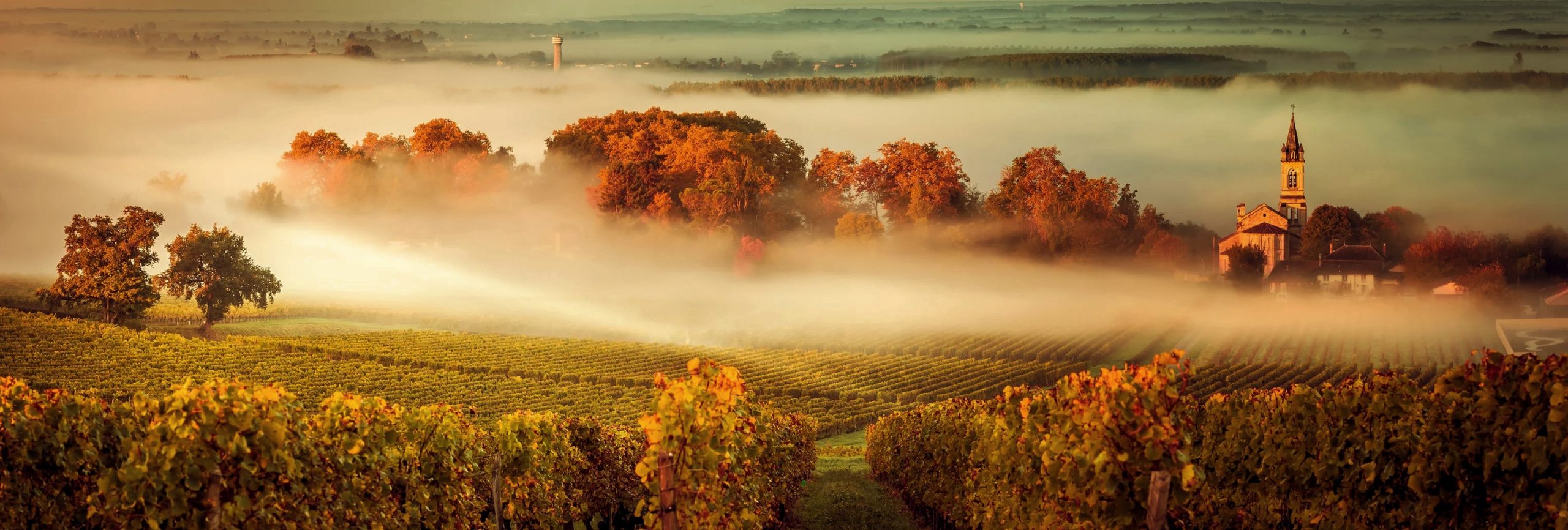
The 2025 Sauternes en primeur vintage delivers richness in abundance — but only a handful of châteaux achieve the freshness that makes them worth cellaring.
The 2025 Sauternes en primeur vintage delivers richness in abundance — but only a handful of châteaux achieve the freshness that makes them worth cellaring.
Sauternes and Barsac occupy a peculiar position in the Bordeaux en primeur calendar. They are the last stop, the sticky end of a long roadshow, and they are chronically undervalued by buyers who spend their allocation budgets on the Left Bank before they get there. That is, in most years, a mistake. In 2025, it requires a little more discernment.
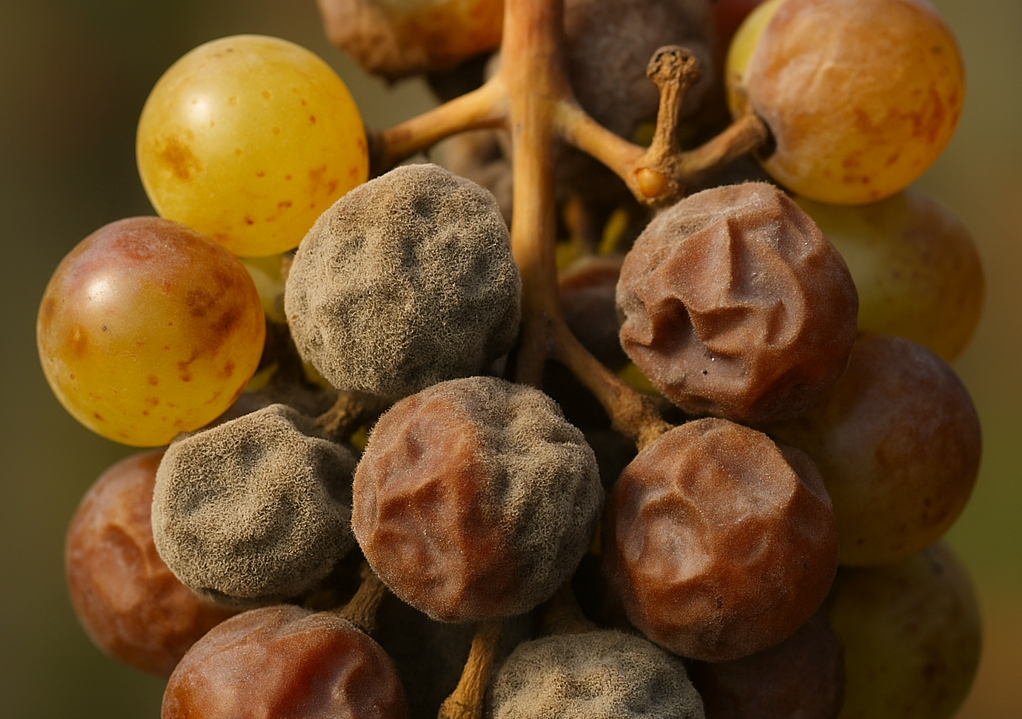
The vintage's defining characteristic is concentration. Botrytis cinerea, the noble rot that shrivels Sémillon and Sauvignon Blanc grapes on the vine, concentrating sugars, acids, and glycerol into something that tastes less like wine than like distilled landscape, arrived in generous quantities across both appellations. Yields, which had been painfully low in earlier years, have now recovered for the fourth vintage running, giving producers both the volume and the quality to work with. On paper, this is the kind of setup that generates excitement.
In practice, the 2025 Sauternes en primeur campaign has a caveat. As Hay notes, the wines are 'rich, powerful and some of them lack just the additional modicum of compensating freshness that would render them memorable.' That phrase, compensating freshness, is the key to reading this vintage.
Sauternes at its leading is not simply sweet; it is the tension between sweetness and acidity, between the opulence of botrytised fruit and the structural wire of natural tartaric acid, that gives the great wines their capacity to age and their ability to stop you mid-conversation when you pour them.
In 2025, that tension is present in the stronger wines and absent, or insufficiently present, in others.
For the en primeur buyer, this means the vintage rewards selectivity. The residual sugar figures alone, 140g/l and above for a leading classified growths, tell you that sweetness is not in short supply. What you are buying, when you commit to a futures position in 2025 Sauternes, is a bet on whether a specific château has managed to thread enough acidity and aromatic lift through that richness to produce something that will still be singing in 2035 or 2040. The wines that have done so are identifiable now, at the barrel stage, and Hay's tasting notes provide a clear hierarchy.
It is also worth placing 2025 in the context of what Sauternes has been building toward. The appellation spent years in the shadow of Bordeaux's red wine reputation, with auction prices and collector interest lagging behind the Médoc and the Right Bank.
A run of strong, consistent vintages, combined with renewed investment at several leading estates, has begun to shift that picture.
The 2025 vintage arrives into a market that is paying closer attention to these wines than it was a decade ago, and the en primeur window is one of the few moments when buyers can access a leading cuvées at prices that reflect futures risk rather than finished-bottle demand.
Château d'Yquem, the only Premier Cru Supérieur in the 1855 Sauternes classification, and the appellation's most immediately recognizable name, does not appear in the 2025 en primeur field covered here, and that absence is worth explaining. Since the 2018 vintage, Yquem has opted out of the standard Bordeaux primeur spring campaign entirely. Pierre Lurton confirmed in 2019 that the estate would no longer show barrel samples during Primeurs week, a decision that reflects both Yquem's longer élevage, the wine typically spends three and a half years in barrel before bottling, and the estate's preference to release on its own schedule rather than within the compressed primeur calendar. The 2025 Sauternes en primeur field covered in this piece represents the appellation's most compelling futures opportunities available now. Yquem sits apart from that calendar and will be assessed and released in its own time. Collectors who track the estate should monitor Yquem's own announcements rather than waiting for a primeur campaign release.
Wine | Appellation | Type | Vintage Assessment | Residual Sugar (approx.) | Ageing Potential |
|---|---|---|---|---|---|
L'Extravagant de Doisy Daëne | Barsac | Prestige cuvée, oldest vines | Leading wine of the vintage, notable balance of richness and freshness | 140g/l+ | 2035 to 2040+ |
Suduiraut | Sauternes | Classified Growth (1er Cru) | Joint 'notable' wine of the vintage alongside L'Extravagant | 140g/l+ | 2035 to 2040+ |
Château Lafaurie-Peyraguey | Sauternes | 1er Cru Classé 1855 | Upper-tier, 'brilliant and thoroughly memorable, latest in a impressive series' | 140g/l+ | 2035 to 2040+ |
Barsac | 1er Grand Cru Classé 1855 | Highly rated (96 to 97 pts), botrytised richness with fresh mineral character | 140g/l+ | 2033 to 2038+ | |
Sauternes | 1er Cru Classé 1855 | Highly rated (96 pts), ripe apricot and citrus with fresh, tense sweetness | 140g/l+ | 2033 to 2038+ | |
Clos Haut-Peyraguey | Sauternes | 1er Cru Classé 1855 | 'Return to brilliance', terroir-focused recalibration (95 pts) | 140g/l+ | 2032 to 2037+ |
De Fargues | Sauternes | Unclassified (1855) | Singled out as a wine the critic 'loves' in 2025, depth and longevity | 140g/l+ | 2033 to 2038+ |
Doisy Dubroca | Barsac | 2ème Cru Classé 1855 | Described as 'staggeringly original' | 140g/l+ | 2030 to 2035+ |
Nairac | Barsac | 2ème Cru Classé 1855 | Part of the 'brilliantly authentic trio' of value picks | ~120 to 130g/l | 2030 to 2035+ |
Bastor-Lamontagne | Sauternes | Unclassified | Part of the 'brilliantly authentic trio', punches above its unclassified status | ~120 to 130g/l | 2030 to 2035+ |
Cantegril | Barsac | Unclassified | Part of the 'brilliantly authentic trio', authentic appellation character | ~120 to 130g/l | 2028 to 2033+ |
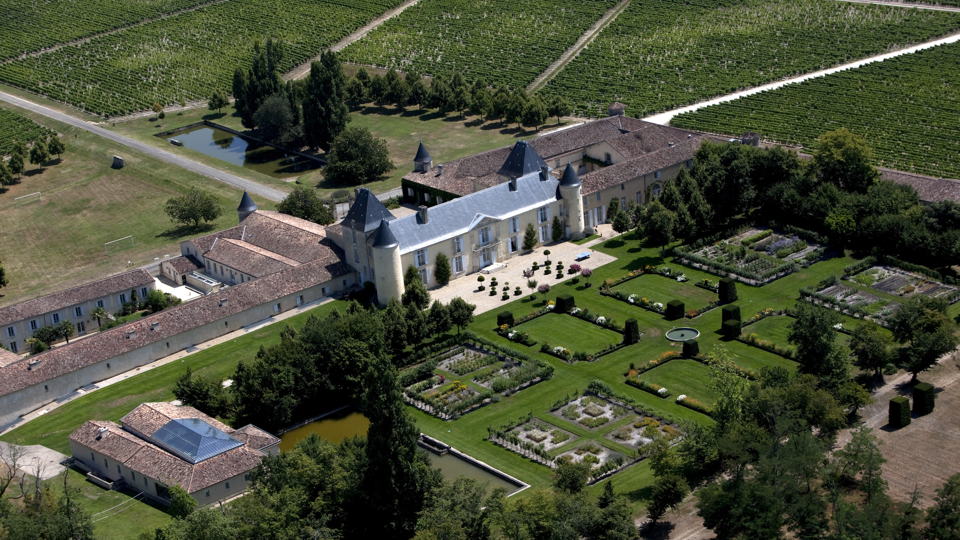
Colin Hay identifies L'Extravagant de Doisy Daëne and Suduiraut as 'the notable pair' of the 2025 vintage, and between the two, L'Extravagant carries the name that announces its ambitions. Doisy Daëne is a Barsac estate, and L'Extravagant is its prestige cuvée: a selection from the oldest vines, produced in tiny quantities, and priced accordingly. The name is not accidental. These are wines designed to push the appellation's expressive limits.
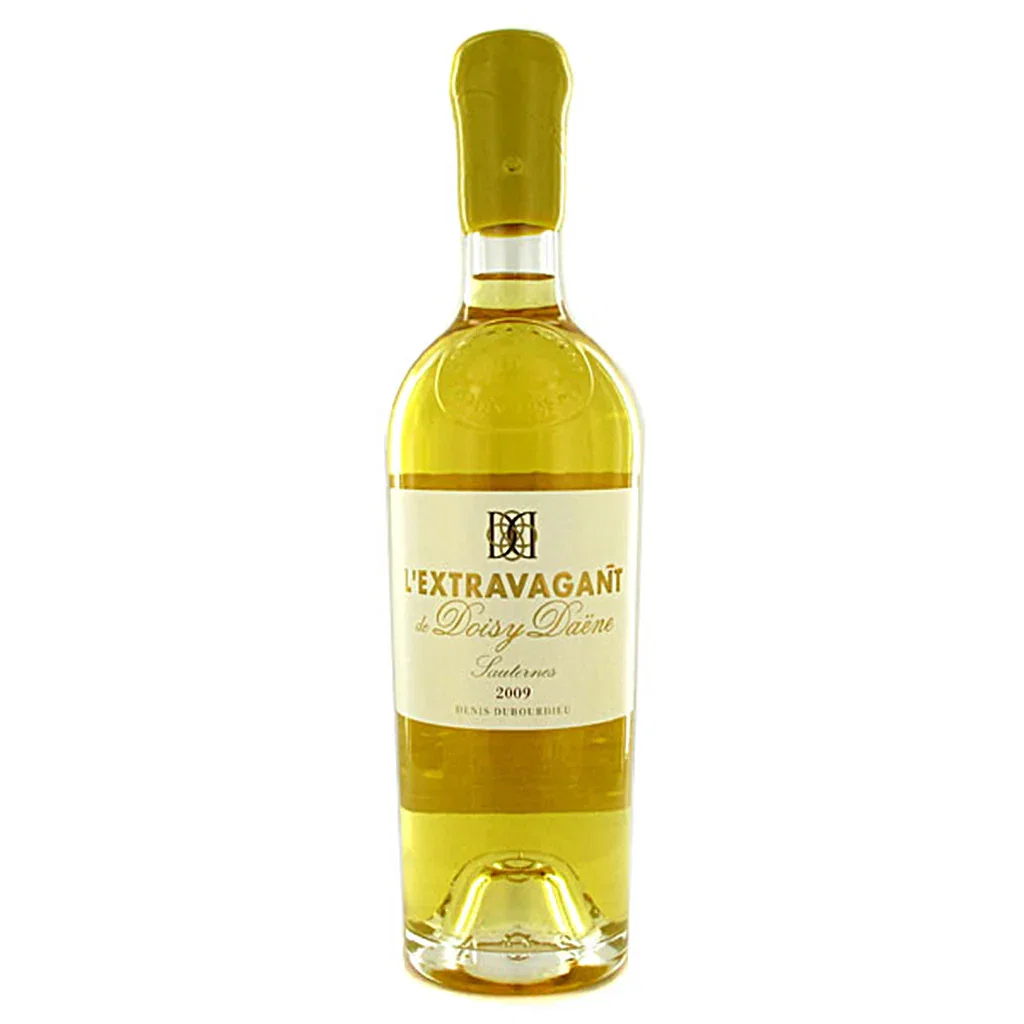
What makes L'Extravagant the leading wine of this vintage, according to Hay's assessment, is precisely what the vintage as a whole struggles to deliver: the balance between that richness and a thread of freshness that keeps the wine alive rather than simply heavy. Barsac, as an appellation, tends to produce wines with slightly more delicacy and nervous energy than the fuller expressions from the Sauternes communes to the south, a function of the limestone and clay soils that underpin the plateau. In a year when richness is the default setting, that Barsac character gives L'Extravagant a structural advantage.
For collectors, L'Extravagant de Doisy Daëne is the kind of wine that justifies the en primeur model: produced in small volumes, allocated through négociants before bottling, and rarely available at the same price once it reaches the secondary market. If the 2025 vintage is defined by the question of freshness, this is the wine that answers it most convincingly. Add it to your watchlist before the allocation window closes.
In 2025, Hay places Suduiraut alongside L'Extravagant de Doisy Daëne as a 'notable' wine, high praise in a vintage where the critic's primary concern is whether richness has been balanced by freshness.
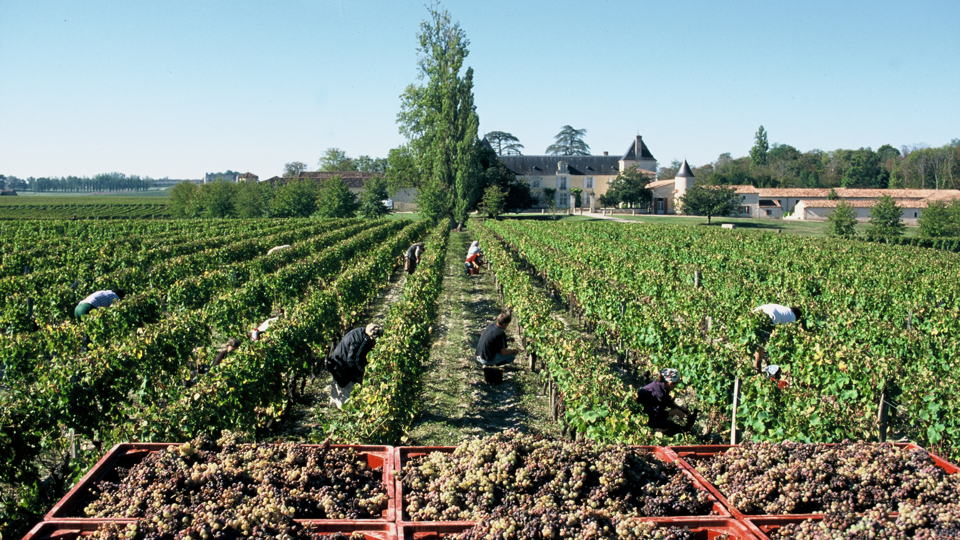
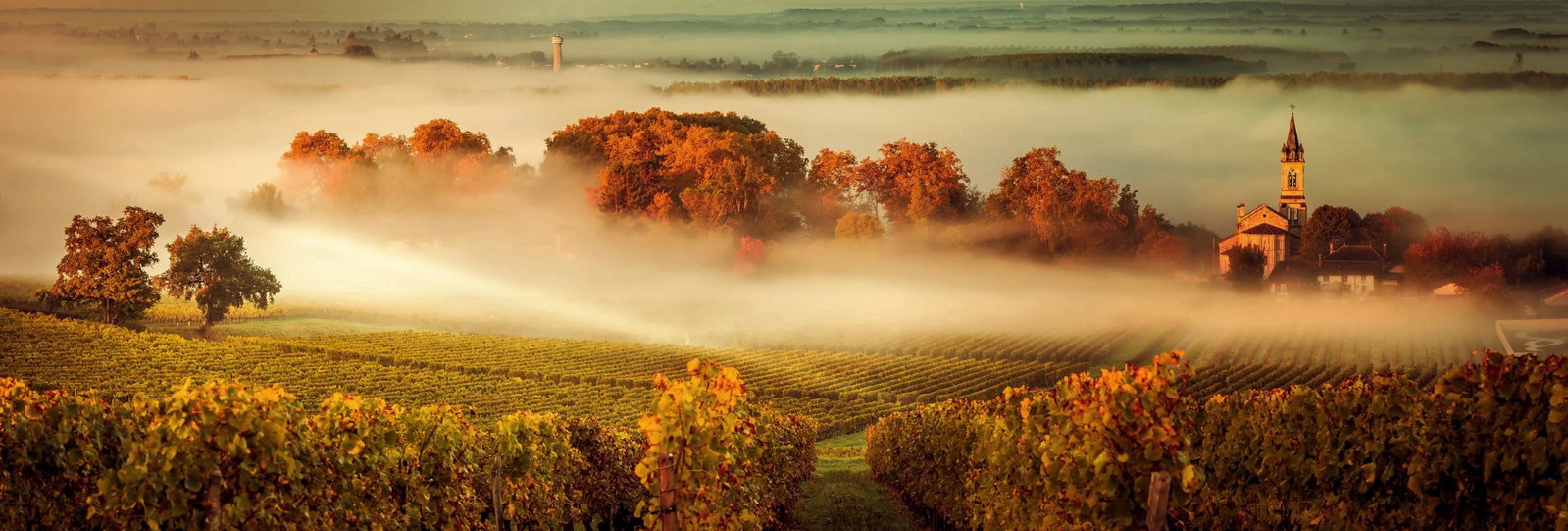
Suduiraut's position on the left bank of the Ciron river gives it access to the morning mists that are essential to botrytis development, the cold water of the Ciron meeting the warmer air of the Garonne creates the fog that settles over the vineyards each autumn and encourages the noble rot to spread slowly and evenly across the Sémillon bunches. In a vintage with plenty of botrytis, Suduiraut's terroir is well-suited to producing wine that is concentrated without being monolithic. The 2025 appears to have delivered exactly that.
Lafaurie-Peyraguey completes the upper tier of the 2025 vintage. Hay describes it as 'a brilliant and thoroughly memorable wine, the latest in what is now a impressive series.' That phrase, 'a impressive series', is significant. It suggests that Lafaurie-Peyraguey's current form is not a one-vintage spike but a sustained run of quality, which matters to collectors who are thinking about the estate's trajectory rather than a single release. Buying en primeur into an estate with consistent upward momentum is a different proposition from buying into one that has produced a single standout year.
Together, L'Extravagant de Doisy Daëne, Suduiraut, and Lafaurie-Peyraguey form the clear top tier of the 2025 Sauternes en primeur field. All three have achieved what the vintage's richness made difficult: they have kept the wine's freshness intact alongside its power. For collectors building a cellar position in 2025 Sauternes, these are the three names to prioritise.
It is worth pausing on what freshness actually means in this context, because it is not simply a matter of acidity levels on a technical sheet.
In a great Sauternes, freshness manifests as aromatic lift, the way a wine seems to rise in the glass rather than sit heavily in it, and as the quality that makes you want another sip rather than setting the glass down after the first.
It is what allows wines with 140g/l of residual sugar to feel precise rather than cloying, and it is what gives them the structural backbone to develop over ten, fifteen, or twenty years in the cellar. The 2025 vintages from Suduiraut and Lafaurie-Peyraguey, on Hay's evidence, have that quality. Many of their peers in the appellation do not.
Below the top three, Hay identifies a group of wines that are generating their own interest, and in at least one case, marking a shift in estate direction.
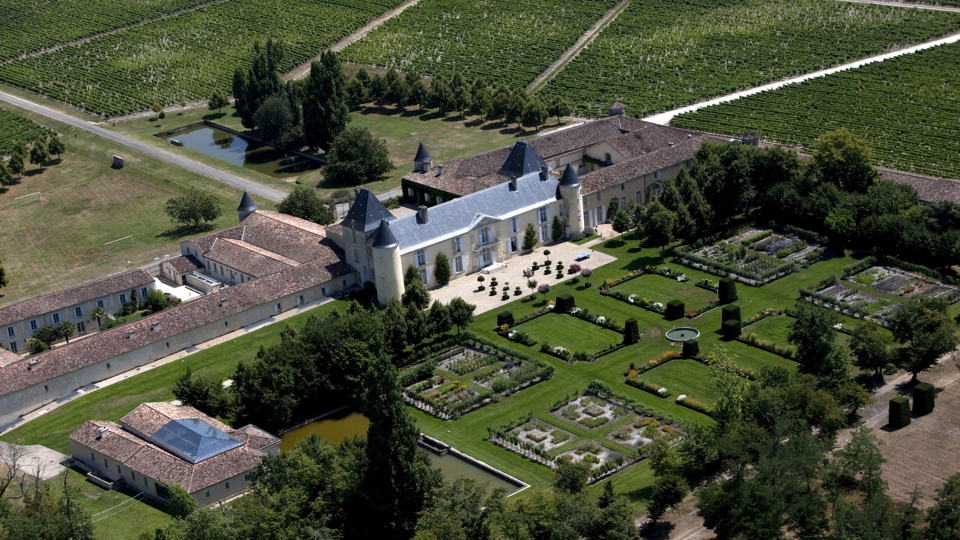
Hay describes the 2025 Clos Haut-Peyraguey as 'the return to brilliance of a seemingly rather more terroir-focused Clos Haut-Peyraguey', a phrase that implies the estate has recalibrated its approach, moving toward an expression that lets the vineyard speak more directly. If Hay's read is correct, this is a Clos Haut-Peyraguey that collectors who have been watching the estate from a distance should now be watching more closely.
De Fargues occupies a different position in the Sauternes hierarchy, it is not classified under the 1855 system, but it has long been regarded as one of the appellation's leading estates, producing wines of depth and longevity from its vineyards in the commune of Fargues. Hay singles it out as a wine he loves in 2025, which places it firmly in the conversation alongside the classified growths. For collectors who have followed De Fargues across recent vintages, the 2025 appears to confirm the estate's standing as one of Sauternes' most reliable sources of serious wine.
Hay's description of the 2025 Doisy Dubroca as 'staggeringly original' is the kind of phrase that stops you mid-read. In a vintage characterised by richness and power, originality, the sense that a wine is doing something that no other wine in the appellation is doing, is a quality that collectors should take seriously. Doisy Dubroca is not a wine that appears regularly on secondary market lists or at major auction houses, which makes the en primeur window one of the few reliable access points for buyers who want to secure an allocation.
Not every compelling wine in the 2025 Sauternes and Barsac en primeur release carries a premier grand cru classé label or a three-figure price tag. Hay points specifically to Nairac, Bastor-Lamontagne, and Cantegril as 'the brilliantly authentic trio' of the vintage, wines that offer genuine quality at a different price point from the top tier, and that reward buyers who are willing to look beyond particularly famous names.
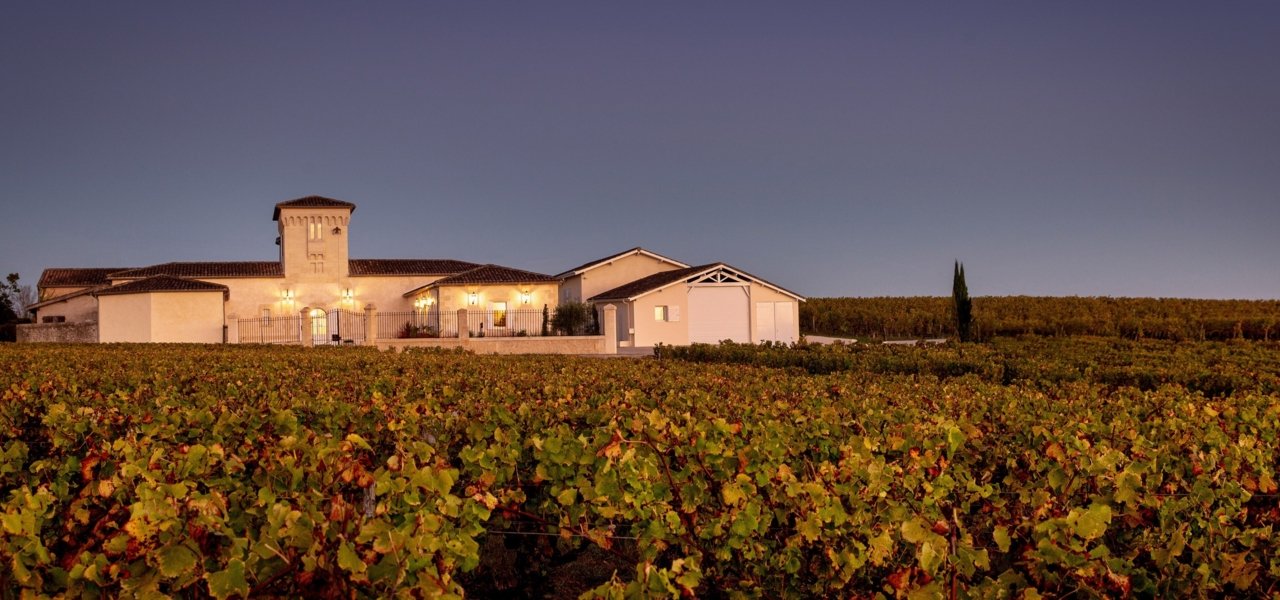
Hay's inclusion of Nairac in his value trio is a signal worth heeding. In a vintage where the difference between a memorable wine and a merely powerful one comes down to the management of freshness and aromatic detail, estates that deliver on both counts at this price level are the ones that justify a futures position.
Bastor-Lamontagne is among the more recognisable names in the appellation for buyers who have been exploring Sauternes beyond the classified growths. In strong vintages, it consistently punches above its unclassified status, and Hay's endorsement of the 2025 as part of his value trio suggests this is one of those years.
Cantegril rounds out the trio, and Hay's 'brilliantly authentic' description suggests these are wines with genuine character rather than simply accessible price points. Authenticity, in this context, means wines that taste of where they come from, of the Ciron's morning mists, of the particular character of botrytised Sémillon grown on this specific stretch of the Garonne's left bank.
The value case for this trio is also a case for the en primeur model itself. Sauternes and Barsac at the deuxième cru classé level and below are not wines that generate the same secondary market activity as the premiers crus, which means the price differential between en primeur and finished-bottle is often narrower. The argument for buying these wines as futures is less about price arbitrage and more about access, securing bottles from estates that produce in limited quantities and whose allocations are distributed through a relatively small number of négociants.
The 2025 Sauternes en primeur campaign presents collectors with a vintage that requires a clear hierarchy rather than a blanket commitment. The richness is real, residual sugar in excess of 140g/l, botrytis in abundance, yields that have recovered to healthy levels for the fourth consecutive year. But richness alone does not make a wine worth cellaring for fifteen years, and the honest assessment from Colin Hay's tasting tour is that not every château in the appellation has delivered the freshness needed to balance that power.
The top tier is clear: L'Extravagant de Doisy Daëne and Suduiraut as the 'notable pair,' with Lafaurie-Peyraguey completing a trio of wines that have achieved the balance the vintage demanded. These are the 2025 Sauternes en primeur releases that justify a futures commitment, wines where the combination of terroir, winemaking, and vintage character has produced something that will develop meaningfully over the next decade and beyond. Allocation windows for wines at this level tend to be short, and the en primeur price is unlikely to be bettered once the wines are bottled and released to the broader market.
The second tier, Clos Haut-Peyraguey, De Fargues, and the 'staggeringly original' Doisy Dubroca, offers wines of real distinction for collectors who have already secured their positions in the top three or who are looking for alternatives that carry their own specific character.
Clos Haut-Peyraguey's apparent return to terroir focus makes it worth tracking across the next few vintages; the 2025 may mark the beginning of a new chapter for the estate. De Fargues continues to make the case that the 1855 classification is not the only measure of quality in Sauternes.
And Doisy Dubroca's originality is the kind of quality that is difficult to put a price on, and that tends to be recognised by the secondary market eventually.
For buyers working with tighter budgets or looking to build volume in the 2025 vintage, Nairac, Bastor-Lamontagne, and Cantegril are the names Hay directs you toward. These are not consolation prizes. They are wines with genuine appellation character, produced by estates that have delivered, in 2025, what Hay calls 'brilliantly authentic' expressions of Barsac and Sauternes. In a vintage where authenticity, the sense that a wine is doing what its terroir and appellation ask of it, rather than simply delivering maximum sweetness, is the quality that separates the memorable from the merely powerful, that endorsement carries weight.
The broader picture for Sauternes and Barsac is one of an appellation finding its footing again after years of inconsistent yields and variable critical attention.
Four consecutive vintages with decent yields, a run of strong releases from Lafaurie-Peyraguey, renewed focus on terroir expression at Clos Haut-Peyraguey, and the continued brilliance of Suduiraut and the Doisy estates, these are the markers of an appellation in good health.
The 2025 vintage is not the one that will be cited in twenty years as the definitive expression of this era in Sauternes.
But the wines that got the balance right, and there are enough of them to make the vintage worth serious attention, will age with the kind of precision and complexity that makes great Sauternes one of the wine world's most compelling long-term cellaring propositions.
The 2025 Sauternes en primeur tasting notes from Colin Hay are available now, searchable by château and by appellation through the drinks business.
As the campaign moves toward its close, the allocation picture for a leading wines will tighten, L'Extravagant de Doisy Daëne in particular, given its small production and its position at the head of Hay's rankings, is the kind of wine whose en primeur window is measured in weeks rather than months.
Suduiraut and Lafaurie-Peyraguey, as larger estates with broader distribution, will remain accessible for longer, but the price differential between en primeur and post-bottling release tends to narrow quickly once critical endorsements are published and buyers begin to act.
For collectors who have not previously engaged with Sauternes and Barsac as a serious cellaring category, the 2025 vintage, with its clear hierarchy, its accessible value tier, and its handful of genuinely top wines, is a reasonable entry point into a category that rewards patience more than almost any other in Bordeaux.
A bottle of 2025 L'Extravagant de Doisy Daëne or Suduiraut, opened in 2038, will tell you something about Barsac's limestone plateau and the Ciron's autumn mists that no amount of reading can fully convey.
That is, ultimately, what the en primeur model is for: committing to a wine before it exists in its final form, on the basis that the terroir, the vintage, and the winemaking team have given you enough evidence to trust the outcome.
What makes the 2025 Sauternes en primeur vintage worth buying?
The 2025 vintage delivered generous botrytis cinerea and recovered yields for the fourth consecutive year, producing wines of notable concentration. However, the vintage rewards selectivity, the stronger wines combine that richness with sufficient acidity and aromatic lift to age well into the 2030s and beyond.
Which wine is the standout of the 2025 Sauternes en primeur campaign?
Colin Hay identifies L'Extravagant de Doisy Daëne and Suduiraut as the 'notable pair' of the vintage, with L'Extravagant leading his assessment. It is a prestige cuvée from the Barsac estate Doisy Daëne, made from the oldest vines in tiny quantities.
How sweet are a leading wines in the 2025 Sauternes en primeur vintage?
Residual sugar levels for a leading classified growths reach 140g/l and above, confirming that sweetness is not in short supply. The critical question for buyers is whether individual châteaux have threaded enough acidity through that richness to produce wines capable of long ageing.
Why does the 2025 Sauternes en primeur vintage require more discernment than usual?
While botrytis and yields were both favourable, some wines lack what critic Colin Hay calls 'the additional modicum of compensating freshness' that would make them memorable. Buyers need to focus on specific châteaux that achieved the tension between sweetness and acidity rather than treating the vintage as uniformly strong.
What is the advantage of buying 2025 Sauternes en primeur rather than waiting for bottled releases?
The en primeur window is one of the few opportunities to access top Sauternes cuvées at prices that reflect futures risk rather than finished-bottle demand. With collector interest in the appellation growing after a run of strong vintages and renewed estate investment, early entry offers a pricing advantage that typically narrows once wines are released.
Get the App
Take the shortlist into the En Primeur Club app for concierge access, saved places, and the next step after discovery.
Get Exclusive AccessMore from the editors