What is en primeur and how do wine futures work?
By Austin Burgess and Emmett Haley · Last reviewed
En primeur, called wine futures in the United States, means buying wine before it is bottled while it is still maturing. Payment comes before physical delivery. Bordeaux is the classic example, but allocations, mailing lists, pre-arrivals and in-bond storage are separate ideas that collectors should not mix up.
What is en primeur?
En primeur, also called wine futures, means buying wine before it is bottled while it is still maturing. You pay before you can receive the wine, then wait for maturation, bottling and fulfilment.
Read moreShow less
Bordeaux is the central example because its major spring campaign is built around barrel samples, château release decisions, négociants and merchant offers. The wine may be deliverable before it is ready to drink, so do not treat arrival as a drinking date. A young Bordeaux can arrive in your warehouse or cellar while it still needs time in bottle.
Outside Bordeaux, people sometimes use the same language for other early buying routes. That does not make every scarce wine an en primeur wine. A winery mailing list, a merchant allocation and a bottled pre-arrival offer can all require early action, but they are different systems.
En primeur, pre-arrival, in bond and allocations compared
En primeur describes when the wine is bought: before bottling. In bond describes tax and storage treatment, and it can apply to wine that is already bottled.
Compare en primeur, pre-arrival, in bond, allocations and back vintages (5 rows)
| Buying system | What you buy | When you pay | When you receive | Who sells | Main risk |
|---|---|---|---|---|---|
| En primeur / wine futures | Wine offered before bottling | At order under the merchant's payment terms | After maturation, bottling and fulfilment; Zachys gives 18 to 24 months after purchase for its Bordeaux futures | Specialist merchant; some wineries also operate futures programmes | Paying well before delivery, with price and counterparty exposure |
| Pre-arrival | Wine the merchant does not yet have available; it can already be bottled | Advance payment or deposit under the offer | After the merchant receives and releases the wine | Merchant or retailer | Delay or failure before physical fulfilment |
| In bond | Wine held under a qualifying tax-suspension arrangement | Purchase price when bought; applicable taxes on withdrawal for domestic consumption | Remain in bonded storage or arrange withdrawal and delivery | Merchant or secondary-market seller using bonded storage | Misunderstanding tax liability, storage costs or the purchase's ownership terms |
| Allocation / mailing list | An allocation is a limited quantity offered to a buyer; list registration alone is a request for access | When an offer is accepted, according to its terms | According to the estate's or merchant's release and shipping schedule | Winery or merchant | A request or waiting-list place does not ensure a purchase opportunity |
| Available back vintage | Already bottled wine from an earlier vintage | Under the merchant's or auction's sale terms | After stock fulfilment or auction release and any required transport | Merchant or auction house | Provenance, storage history and bottle condition |
Read moreShow less
Pre-arrival means the seller does not yet have the wine available for delivery; K&L distinguishes already bottled pre-arrival wine from futures sold before bottling. An allocation is a limited quantity offered to a merchant or customer. A mailing-list signup is only a request for access until the winery or merchant confirms an offer.
Available back vintages are the practical alternative. They are already bottled and can often be compared against a new en primeur offer by vintage, format, provenance, tax status and total cost.
How to buy en primeur wine
A practical way to buy en primeur is to decide where the wine should end up, choose a merchant that can serve that destination, read the offer line by line and keep the contract documents. Do this before you request wine, not after.
Read moreShow less
For Bordeaux, the classic chain starts with the château, which produces and releases the wine. A courtier acts as a broker in the local trade. A négociant buys and distributes through La Place de Bordeaux. A retail merchant then offers wine to collectors in markets such as the US, UK, Hong Kong and Singapore.
A first purchase process should be simple: choose the destination and storage location, select a merchant, compare the offer, request wine, receive confirmation, pay under the contract, await bottling, then arrange storage or delivery. The details matter because a request is not the same as a confirmed allocation.
Before paying, check the vintage, bottle size, case size, currency, tax status, payment recipient and expected arrival. Also check whether the quoted price is in bond, whether duty and VAT or local tax are excluded, and whether the seller will handle import clearance and final delivery.
Merchant payment and cancellation terms differ. In the US, check shipping eligibility and import arrangements before payment, because not every seller can deliver to every destination. For any market, do not assume advance payment immediately gives you title to specific physical bottles.
- Choose the destination country and the storage location.
- Use a merchant that states whether it can serve that destination.
- Compare vintage, format, case size, currency and tax basis.
- Request the wine and wait for confirmation.
- Pay only under the named seller's contract.
- Keep the invoice, offer terms and delivery estimate.
Bordeaux en primeur 2025 and 2026: which year are you buying?
Bordeaux 2025 was presented during the 2026 campaign. Bordeaux 2026 is the vintage identified for UGCB's 19 to 22 April 2027 En Primeurs Week.
Confirmed en primeur tasting dates (5 rows)
| Wine vintage | Campaign or event | Confirmed tasting dates | Status on 2026-11-04 |
|---|---|---|---|
| Bordeaux 2025 | UGCB En Primeurs Week 2026 | 20 to 23 April 2026 | Completed |
| Bordeaux 2026 | UGCB En Primeurs Week 2027 | 19 to 22 April 2027 | Scheduled; event explicitly identifies the 2026 vintage |
| Burgundy 2025 | Flint Wines en primeur tasting | 12 January 2027 | Scheduled; trade and press event |
| Burgundy 2025 | Honest Grapes en primeur evening | 14 January 2027 | Scheduled merchant event |
| Rhône 2025 | The Wine Society London walkaround | 3 February 2027 | Scheduled merchant event |
Read moreShow less
This is where collectors get confused. The campaign year and the vintage year are different. UGCB's 2026 En Primeurs Week took place from 20 to 23 April 2026 and presented the 2025 vintage. UGCB's event page identifies 19 to 22 April 2027 as En Primeurs Week for the 2026 vintage.
Tasting week and individual château release dates are also different. A trade tasting date tells you when samples are shown. It does not tell you the release date for every château, the deadline for every merchant order or the date the wine will arrive.
Separate original campaign offers from remaining merchant availability. After a campaign has passed, a merchant may still list remaining stock, but that is not the same as being inside the first release window. Use the offer in front of you and the seller's current terms.
Use named delivery estimates rather than a loose promise. Zachys gives 18 to 24 months after purchase for Bordeaux en primeur. The Wine Society's cited Bordeaux 2025 offer specifies UK arrival in summer 2028.
How Burgundy en primeur differs from Bordeaux
Burgundy en primeur is usually handled through domaine and merchant allocations, with January merchant offers roughly sixteen months after harvest. There is no single centralized release date for either Burgundy or Bordeaux.
Read moreShow less
Berry Bros. describes tasting Burgundy wines in autumn for an offer that launches the following January. For Burgundy 2025, named merchant events are already scheduled for January 2027: Flint Wines lists a trade and press tasting on 12 January 2027, and Honest Grapes lists an en primeur evening on 14 January 2027.
Treat those as tasting events, not universal order deadlines or delivery dates. A merchant can set its own request deadline, allocation method and expected arrival date. The Wine Society's named example for Burgundy 2024 says those wines are due in the UK in spring 2027, but that is not a region-wide timetable for Burgundy 2025.
Burgundy buying is often more allocation-led than Bordeaux buying. Small domaine quantities, merchant relationships and past purchasing can affect what is offered. That still does not make a mailing-list request, a confirmed allocation and a paid order the same thing.
Buying systems and release windows by wine region
Different regions use different buying systems. Bordeaux barrel futures, Burgundy merchant allocations, Napa mailing lists, Champagne bottled releases and statutory release dates should not be forced into one model.
Compare 8 regions: buying system, release window and delivery (8 rows)
| Region | System | Release window | Delivery timing or named example | Suggested US route | Suggested UK route | Suggested Hong Kong / Singapore route |
|---|---|---|---|---|---|---|
| Bordeaux | Barrel futures, commonly distributed through La Place | Individual château offers generally begin in late April or early May and continue into June or early July in the year after harvest | Zachys: 18 to 24 months after purchase; The Wine Society's cited 2025 offer: summer 2028 UK arrival | US Bordeaux-futures merchant that accepts the destination state | UK specialist merchant, with bonded storage or later domestic withdrawal | Local specialist or overseas merchant with destination import and delivery arranged |
| Burgundy | Domaine and merchant allocations, including en primeur offers | January merchant campaigns roughly sixteen months after harvest; Burgundy 2025 events are scheduled for January 2027 | Named example: The Wine Society's Burgundy 2024 offer is due in the UK in spring 2027 | Burgundy specialist retailer or importer-linked merchant | Merchant Burgundy offer and allocation request | Local Burgundy specialist or an overseas merchant offering export |
| Rhône | Merchant en primeur and first-release offers | Merchant-specific; The Wine Society's white Rhône 2025 deadline was 29 October 2026 and its Rhône 2025 tasting is 3 February 2027 | The Wine Society expects white Rhône 2025 first releases and Rhône 2024 reds in spring 2027 | Rhône specialist retailer or importer-linked merchant | Merchant en primeur or first-release offer | Specialist merchant with destination shipping and import arrangements |
| Champagne | Bottled releases and allocations; identify the particular cuvée and vintage | House and cuvée schedules; vintage Champagne has a minimum three-year maturation requirement | Use physical-stock availability or the merchant's stated pre-arrival fulfilment date; maturation time is not delivery lead time | Authorized retailer or specialist importer | Champagne specialist offering physical or bonded stock | Local importer or specialist merchant; confirm the exact release |
| Napa | Estate mailing lists and allocations; some wineries separately offer futures | Estate-specific; AXR's futures programme lists billing in February, April, September and November | AXR's cited futures programme ships in November | Official estate offer or specialist retailer, subject to destination eligibility | Estate-authorized export route or UK specialist merchant | Local importer or specialist merchant; verify international eligibility before joining an estate programme |
| Tuscany | Bottled releases, merchant pre-arrivals and allocations; Brunello provides a statutory calendar example | Standard Brunello: from 1 January of the fifth year after harvest; 2022 becomes eligible on 1 January 2027 | Eligibility permits release; the accepted merchant or producer offer determines shipment | Italian specialist retailer | Italian specialist merchant, including bonded offers where available | Local importer or Italian specialist with destination fulfilment |
| Piedmont | Bottled releases, merchant pre-arrivals and allocations; Barolo provides a statutory calendar example | Standard Barolo: from 1 January of the fourth year after harvest; 2023 becomes eligible on 1 January 2027 | Eligibility permits release; the accepted merchant or producer offer determines shipment | Piedmont specialist retailer | Piedmont specialist merchant | Local importer or Piedmont specialist with destination fulfilment |
| Port | House-specific Vintage Port declarations and merchant reservations | Declaration decisions occur in spring of the second year after harvest; IVDP permits Vintage Port commercialization from 1 May of that year | IVDP allows bottling until 30 July of the third year after harvest; delivery follows the particular bottling and merchant schedule | Port specialist retailer or importer-linked merchant | Reserve through a Port merchant after a house's declaration | Port importer or specialist merchant following the house's declaration |
Read moreShow less
La Place de Bordeaux is also used to distribute international wines, and its September releases are a distribution campaign. That is different from saying the wines are Bordeaux en primeur. The practical question is who sells the wine, when it is bottled or released, when the seller expects to receive it and whether your destination can be served.
Statutory release dates are earliest eligibility dates, not guaranteed shipment dates. Standard Brunello 2022 becomes eligible on 1 January 2027 under the fifth-year rule. Standard Barolo 2023 becomes eligible on 1 January 2027 under the fourth-year rule. Vintage Port can be commercialized from 1 May of the second year after harvest, with bottling permitted until 30 July of the third year.
For Champagne, the production rule is also not a delivery estimate. Vintage Champagne must mature for at least three years before release, but your merchant's physical-stock or pre-arrival date controls your purchase.
How to get wine allocations and join winery mailing lists
To get wine allocations, use the official estate route or ask a merchant that already handles the producer. Be precise about the wines, formats and delivery country you want, then follow the offer deadlines if you are invited to buy.
Read moreShow less
There are two main routes. Estate-direct allocation means the winery offers wine to you through its own list, membership or allocation request process. Merchant allocation means a retailer or specialist merchant receives limited wine from producers or suppliers and decides how to offer it to customers.
Start with the official signup route. Harlan Estate accepts private allocation requests through its website and states that early resale may affect future allocations. Screaming Eagle says there is no firm waiting-list timeframe and that a place opens only when an active member leaves. Seven Apart states that membership in its Private Collective can begin immediately with a first allocation.
Keep your contact details current, because an offer can have a deadline. Check shipping eligibility before joining an estate program, especially if the wine must be sent to the United States, United Kingdom, Hong Kong or Singapore. If you are working through a merchant, tell them the producer, vintage range, format and intended storage location.
Purchase-history rules are merchant policies, not universal law. Berry Bros. says it considers producer purchase history, breadth of purchasing and merchant loyalty. Another merchant or winery may use different criteria.
A visit should not be treated as an allocation shortcut. Some estates may receive visitors, some may not, and access to a tasting room is separate from access to scarce wine. Use EPC's estate buying and visit guides to separate buying access from visiting access.
If you want a wine that is hard to reach through an estate list or your usual merchant, enquire with us. Tell us the producer, vintages and formats you want and where you are based, and we will tell you what may be possible.
- Use the estate's official form or the merchant's stated allocation request process.
- State the producer, wine, vintage range, bottle size and quantity wanted.
- Keep email, phone and delivery details current.
- Read the offer deadline and payment terms before accepting.
- Check whether the seller can ship to the destination.
- Do not assume a waiting-list place gives a purchase opportunity.
Is en primeur worth it?
En primeur can be worth it when it secures the wine, format or provenance you want at a total cost that makes sense. It is not automatically cheaper, safer or better than buying an available older vintage.
Read moreShow less
Start with what you actually want to drink or store. If you want a specific large format, original case or first-release provenance, en primeur may be the cleanest route. If you want wine that is closer to drinking, an available back vintage may be more useful.
Compare like with like. Use identical formats, quantities, currencies, tax status and provenance. Add storage, freight, duties, VAT or local tax, currency exposure and the cost of committing money early. A low headline price can look different once the wine is withdrawn from bond, imported or delivered.
Liv-ex's 2026 campaign analysis is a useful warning. It found clear value in some 2025 releases, but also found cases where similarly or better-rated 2019 and 2020 wines offered better value than new 2025 releases. That means each offer needs its own comparison against physical or available back vintages.
There are also timing and assessment risks. You are buying before the wine is bottled, often from barrel assessments and merchant descriptions. Delivery can be delayed. A merchant or counterparty problem can matter because payment comes long before physical fulfilment. Cancellation terms can be restrictive, and release prices can later look high against the secondary market.
The better question is narrow: is this wine, in this format, from this seller, at this total delivered or stored cost, better for you than the available alternatives?
How to buy from the US, UK, EU, Hong Kong and Singapore
Buy through a seller that can serve the final destination and explain tax, duty, storage and delivery before you pay. Tax information here is checked on 2026-11-04, and future delivery can involve different prevailing rates.
How to buy from the US, UK, EU, Hong Kong and Singapore (5 rows)
| Market | Suggested buying route | Tax and duty treatment | Delivery sequence and named estimate |
|---|---|---|---|
| United States | Use a domestic futures merchant accepting the delivery state; separately evaluate any personal-import route | Check state and local taxes plus applicable import duties and federal taxes. Wine.com collects estimated taxes and tariffs with its deposit and can require outstanding charges later. One-time personal imports have a federal importer-permit exception, subject to applicable import rules | Bottling, merchant warehouse arrival, then scheduled delivery; Wine.com describes up to two years for Bordeaux futures |
| United Kingdom | Buy through a UK merchant and choose bonded storage or withdrawal for domestic delivery | Qualifying bonded storage suspends tax payment. Current duty for wine at 8.5% to 22% ABV is £30.62 per litre of pure alcohol; withdrawal can attract 20% VAT on the applicable wine value and duty | Bottling, UK bonded warehouse arrival, then storage or withdrawal; Berry Bros. gives approximately 18 months from ordering as a general Bordeaux estimate |
| European Union | Prefer a merchant that confirms delivery and consumer-tax handling in the destination member state | For intra-EU B2C distance sales of excise goods, destination-country excise rules apply. VAT generally follows the destination under distance-selling rules, subject to the applicable conditions. Rates differ by country | Producer release, merchant availability notification, then delivery; iDealwine describes availability around two years later, with some sweet Bordeaux taking longer |
| Hong Kong | Use a Hong Kong specialist or an overseas merchant arranging export and local fulfilment | Wine duty is 0%. Hong Kong has no VAT or general sales tax. Freight, storage, handling and delivery charges can still apply | Bottling, export shipment and local fulfilment; an overseas merchant may first receive the wine into its UK reserves |
| Singapore | Use a local specialist or an overseas seller with Singapore import and delivery arranged | The current tariff lists wine excise at S$88 per litre of alcohol. GST is 9% on the applicable customs value or qualifying last selling price plus duties | Bottling, international shipment, import clearance and local delivery; use the seller's stated arrival and fulfilment schedule |
Read moreShow less
United States: distinguish a domestic merchant purchase from personal import. A domestic futures merchant may collect estimated taxes, tariffs, shipping and handling under its own terms. Wine.com describes up to two years before Bordeaux futures reach its warehouse and says it can require outstanding charges later. Personal imports have separate rules; the TTB says individuals making one-time personal alcohol imports do not need an FAA Act Importer's Basic Permit, but taxes, duties and other requirements can still apply.
United Kingdom: distinguish an in-bond quote from withdrawal for domestic consumption. Qualifying bonded storage suspends tax payment. Current UK duty for wine at 8.5% to 22% ABV is £30.62 per litre of pure alcohol, effective from 1 February 2026. The Wine Society's current withdrawal guidance applies 20% VAT, including VAT on duty and the in-bond purchase price.
European Union: do not assume one VAT or excise answer covers every member state. Intra-EU distance sales of excise goods to consumers are subject to destination-country excise rules. VAT generally follows the destination under distance-selling rules, subject to the applicable conditions.
Hong Kong: wine duty is 0%, and Hong Kong has no VAT or general sales tax. Freight, storage, handling and delivery charges can still apply. If an overseas merchant first receives the wine into its UK reserves, check how and when export and local fulfilment will happen.
Singapore: the official tariff dated 12 February 2026 lists wine excise at S$88 per litre of alcohol. Singapore's current GST rate is 9%, and import GST uses customs value plus duties, or the applicable last selling price plus duties under the stated multiple-sale conditions. Use a seller that has import and delivery arranged.
What to check before paying
Before paying for wine futures, identify the seller, the contract terms and the route to delivery. Advance payment should not be treated as proof that title to specific bottles has already passed.
Read moreShow less
Confirm the contracting seller and the payment recipient. Check when title passes and what document identifies the purchase. K&L's current terms transfer title at specified fulfilment steps in California or New York rather than at advance payment alone.
Confirm estimated delivery, insurance scope, storage charges and cancellation terms. Wine.com's Bordeaux futures policy includes a customer cancellation fee. Also check who is responsible for import clearance, duty, VAT, local taxes and final delivery.
Keep the offer, invoice, terms and any allocation confirmation in one place. If any line is unclear, ask before accepting the offer.
- Who is the contracting seller?
- Who receives payment?
- When does title pass?
- What identifies the wine, vintage, format and case size?
- What is the estimated arrival date?
- Who pays duty, VAT, GST, excise, freight and delivery?
- What happens if you cancel?
Estate buying, allocation and visit guides
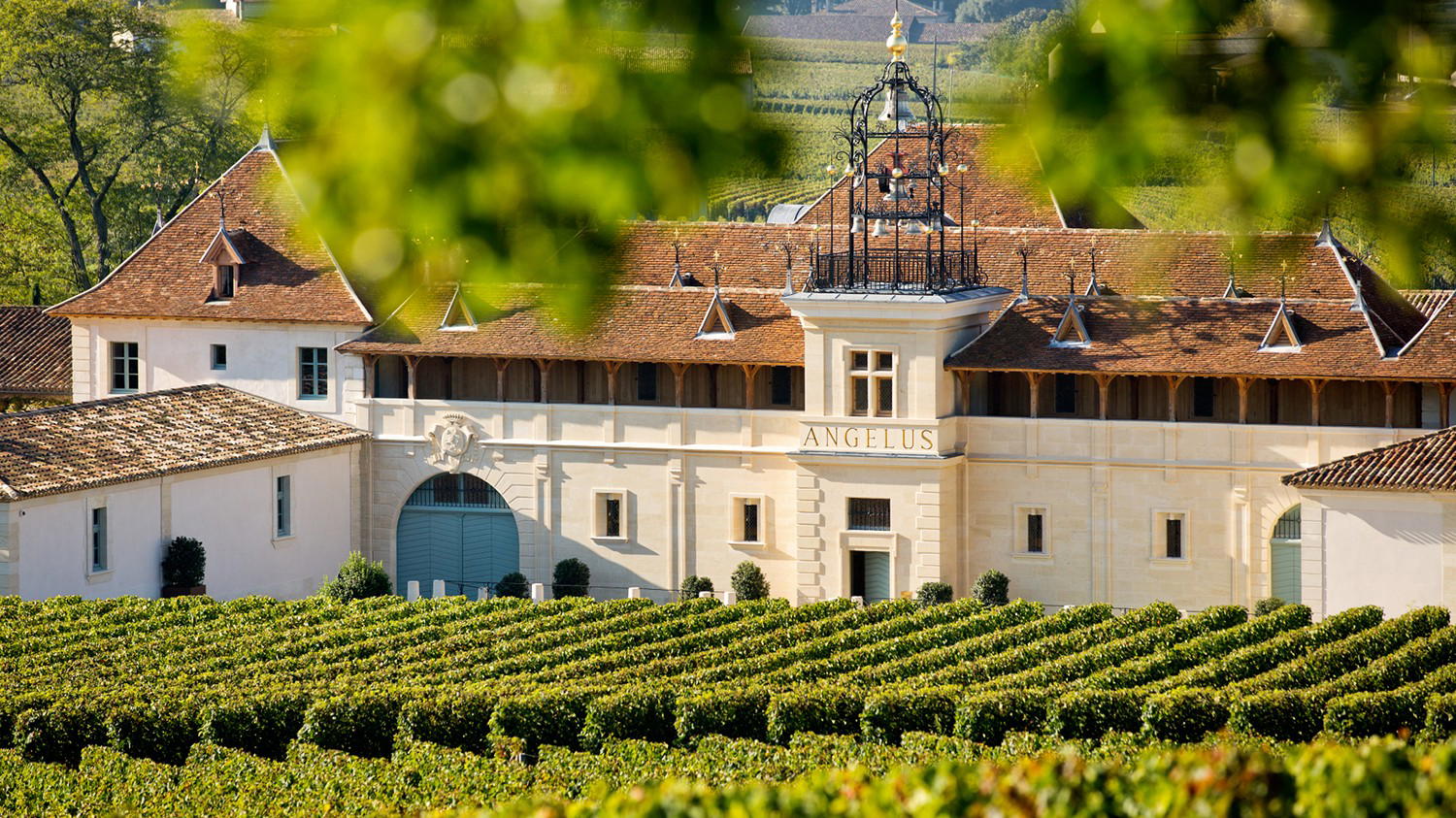
What Buying Bordeaux En Primeur Actually Involves
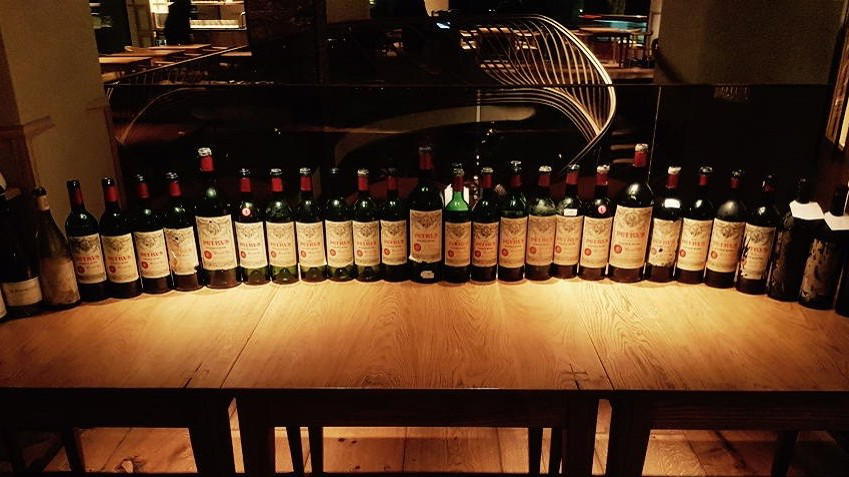
How to Buy Pétrus Wine in 2026

Can You Actually Get on the Screaming Eagle List in 2026?

Harlan Estate Allocation in 2026: How to Get Bottles
Scarecrow Wine Mailing List: Allocation Guide for 2026
How to Get a Sine Qua Non Allocation

How to Buy Romanée-Conti DRC in 2026

Rhône Valley Allocation Wines: Chave and Rayas
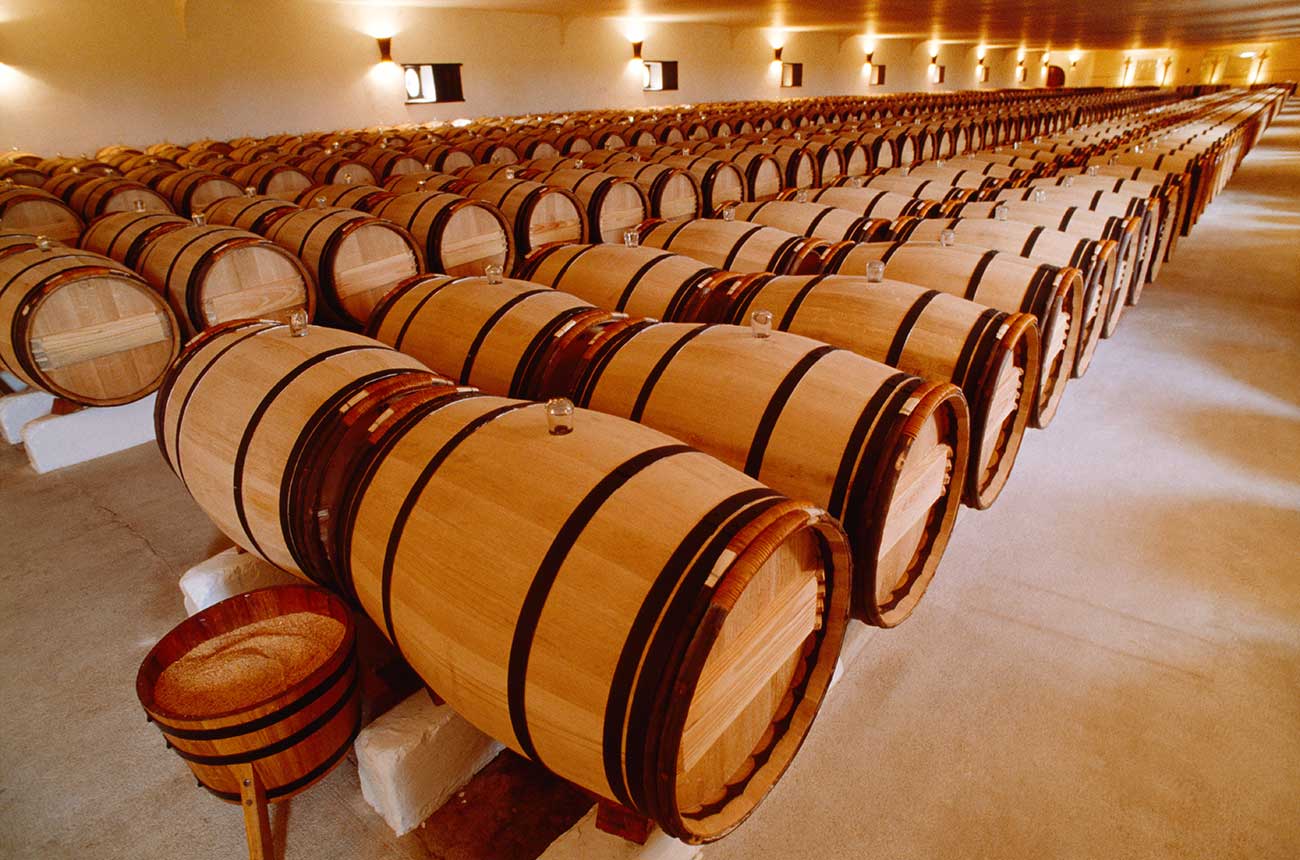
How to Plan an En Primeur Trip to Bordeaux

Beaune Restaurants and Hotels: 2026 Burgundy Guide

Opus One Winery Visit (2026): Tastings, Tours & How to Book
How to Visit Salon Champagne in 2026
Questions about en primeur
What does en primeur mean?
En primeur means buying wine before bottling while it is still maturing. Bordeaux merchants also call this wine futures.
Are wine futures and en primeur the same thing?
Wine futures is the common English term for the advance purchase represented by Bordeaux en primeur. Some wineries outside Bordeaux also operate futures programmes, so always read the particular offer.
How do wine futures work?
You order before bottling, pay under the merchant's terms and receive the wine after maturation, bottling and fulfilment. Subject to applicable consumer law, the seller's contract sets out payment timing, cancellation terms, title transfer and delivery arrangements.
How can I buy Bordeaux futures in the United States?
Use a US merchant that sells Bordeaux futures and accepts your delivery state. If you are considering personal import, check the separate federal, state and local requirements before paying.
Can I buy en primeur directly from a Bordeaux château?
Yes, for some buyers. Most major Bordeaux en primeur releases go through négociants on La Place de Bordeaux and then a wine merchant, but châteaux deal directly with their highest-purchasing clients and industry professionals. For most buyers, a merchant is the practical route. If you are interested, enquire with us using the form on this page and we will tell you what may be possible.
Do I pay for wine futures upfront, including taxes and shipping?
Payment structures differ by seller. Wine.com charges a deposit covering wine, shipping, handling and estimated taxes and tariffs, then resolves outstanding charges before delivery. Berry Bros.' standard payment basis is payment when ordering unless otherwise agreed.
How long do Bordeaux futures take to arrive?
Zachys gives 18 to 24 months after purchase for Bordeaux futures. Use the particular offer as the final guide, because The Wine Society's cited Bordeaux 2025 offer specifies summer 2028 UK arrival.
Does Bordeaux en primeur 2026 mean the 2025 or 2026 vintage?
A campaign held in 2026 presented the 2025 harvest. UGCB identifies the 19 to 22 April 2027 En Primeurs Week as presenting the 2026 vintage, so display both the vintage and the campaign year.
When does Burgundy 2025 en primeur take place?
January 2027 merchant events include Flint Wines on 12 January and Honest Grapes on 14 January. These are tasting dates, not universal delivery dates or deadlines for every merchant.
How does Burgundy en primeur differ from Bordeaux?
Burgundy merchant offers commonly launch in January after autumn tastings. Bordeaux château offers follow a spring campaign with individual release dates, and the distribution structure is more closely associated with La Place de Bordeaux.
What is the difference between en primeur and in bond?
En primeur describes purchase before bottling. In bond describes tax-suspended storage, and already bottled wine can also be held in bond.
How is pre-arrival wine different from wine futures?
Pre-arrival wine is wine the seller does not yet have available, and it may already be bottled. Futures are sold before bottling.
What does allocated wine mean?
An allocation is a quantity assigned to a merchant or offered to a customer. A waiting-list registration or request is not the same as a confirmed allocation.
How do I get wine allocations?
Use an estate's official request route or speak to a merchant that handles the producer. Harlan accepts allocation requests through its website, while Berry Bros. says it considers producer purchase history, breadth of purchasing and merchant loyalty. If you are interested, enquire with us using the form on this page and we will tell you what may be possible for that wine.
Does joining a winery mailing list guarantee an allocation?
No. Joining a list is a request, not a promise. Screaming Eagle, for example, separates waiting-list guests from active members who can order during an offer, and some estates give priority to their highest-purchasing clients and industry professionals.
How long is the wait for a cult wine mailing list?
It depends on the producer. Screaming Eagle gives no firm timeframe and says a place depends on an active member leaving, while Seven Apart says its Private Collective has no waiting period.
Are Napa wine allocations the same as Bordeaux futures?
No. An allocation describes access to a quantity, while futures describe purchase before bottling. Some Napa producers separately offer futures, including AXR's published programme.
Is buying en primeur worth it?
It depends on the wine, format, seller and total cost compared with available older vintages. Liv-ex's 2026 campaign analysis found clear value in some 2025 releases, but better alternatives among 2019 and 2020 wines in other cases.
Can en primeur wine become cheaper after release?
Yes. Release pricing does not guarantee appreciation, and available back vintages can offer better value.
What should I check about ownership and cancellation before buying futures?
Check when title passes and what the seller's refund terms say. K&L's terms transfer title at specified US fulfilment steps, and Wine.com's customer cancellation policy includes a fee.
Are wine taxes different in Hong Kong and Singapore?
Yes. Hong Kong wine duty is 0% and Hong Kong has no VAT or general sales tax. Singapore lists wine excise at S$88 per litre of alcohol and applies 9% GST on the applicable import tax base.
Can private collectors attend Bordeaux en primeur tastings?
Yes, for some collectors. UGCB reserves its En Primeurs Week tastings for professionals, but châteaux and merchants invite their highest-purchasing clients to barrel tastings during the campaign. Consumer merchant tastings and later retail offers are open more widely. If you are interested, enquire with us using the form on this page and we will tell you what may be possible.
Sources
- isomer-user-content.by.gov.sg/174/fcbe28a5-ec67-4fd9-85b1-e1ed4171d488/List%20Of%20Dutiable%20Goods.pdf
- onthetrail.klwines.com/on-the-trail-blog/2016/3/28/on-futures-and-pre-arrivals
- taxation-customs.ec.europa.eu/taxation/excise-duties/common-excise-duty-provisions/distance-selling-excise-goods_en
- ugcb.net/en/evenements/en-primeurs-week/
- ugcb.net/en/home/
- axrnapavalley.com/cellar-club/
- bbr.com/articles/collecting/understanding-allocations
- bbr.com/articles/guides/a-story-burgundy-at-berry-bros-and-rudd
- bbr.com/articles/wine/bordeaux-questions-answered
- champagne.fr/en/about-champagne/how-champagne-is-made/maturation
- consorziobrunellodimontalcino.it/en/583/wines
- customs.gov.hk/en/service-enforcement-information/trade-facilitation/dutiable-commodities/types-and-duty-rates/index.html
- customs.gov.sg/doing-business/valuation-duties-and-fees/goods-and-services-tax-gst/
- flintwines.com/tastings/burgundy-2025-en-primeur-tasting-trade
- gov.uk/guidance/alcohol-duty-rates
- harlanestate.com/allocation/
- hkengage.gov.hk/en/essentials/basics/tax
- iras.gov.sg/quick-links/tax-rates/goods-and-services-tax-%28gst%29-rates
- ivdp.pt/pt/vinhos/vinhos-do-porto/categorias-especiais/
- klwines.com/company/termsandconditions
- langhevini.it/wp-content/uploads/2019/05/DOCG-Barolo.pdf
- liv-ex.com/sophia-gilmour-market-analyst-reflections-on-en-primeur/
- screamingeagle.com/faq
- sevenapart.com/faq/
- thewinesociety.com/help/in-bond/how-much-duty-vat-will-i-need-to-pay
- thewinesociety.com/in-bond/en-primeur-bordeaux-2025-the-top-wines/buy-chateau-brane-cantenac/
- thewinesociety.com/in-bond/first-release-white-rhone-2025/how-this-offer-works/
- thewinesociety.com/in-bond/remaining-stocks/
- ttb.gov/regulated-commodities/beverage-alcohol/importers/personal-importation-of-alcohol-beverage-products
- zachys.com/collections/2025-en-primeur