← Guides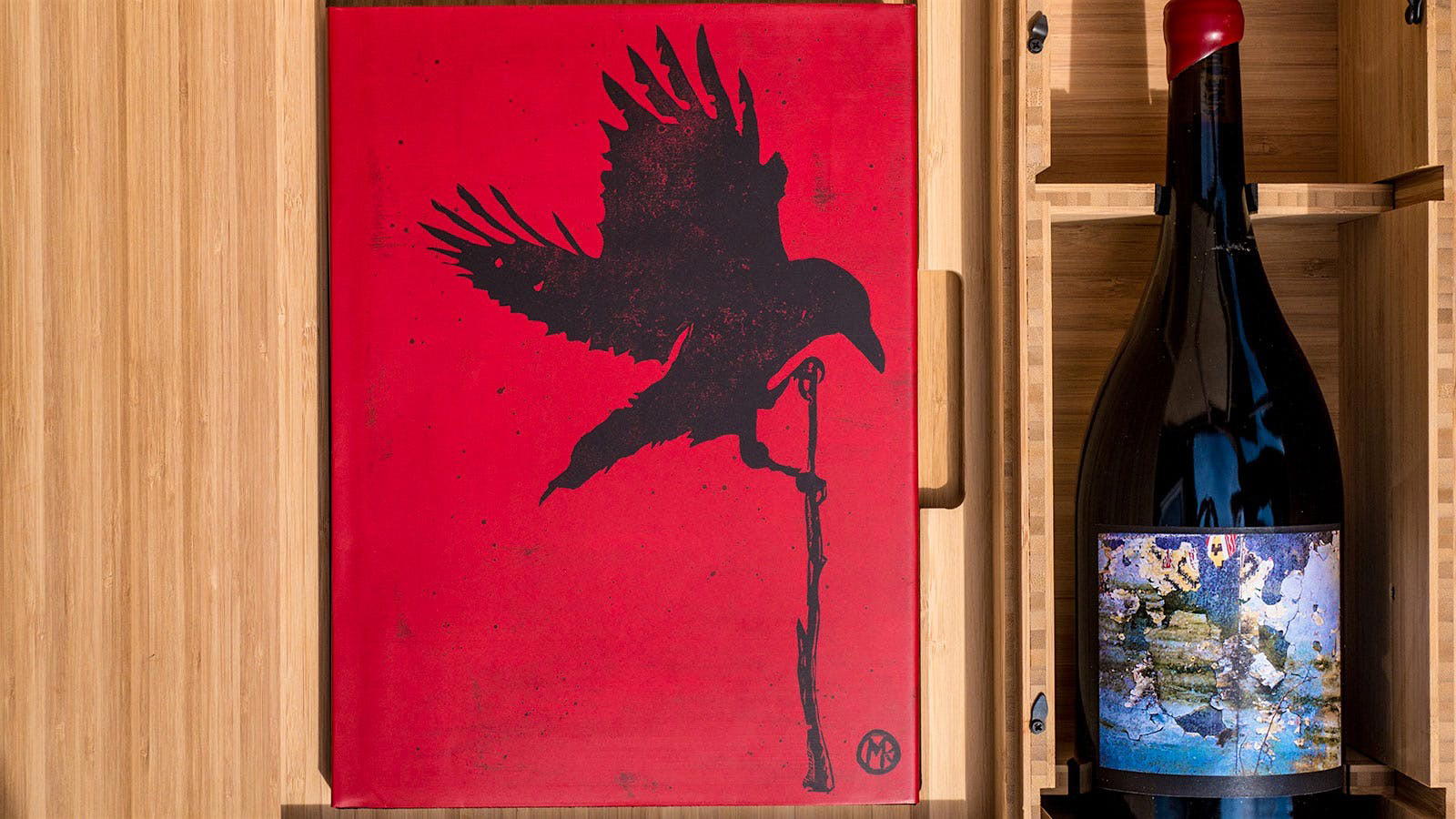
The Sine Qua Non mailing list is effectively closed. Here is how collectors actually find the wines, from auctions to specialist merchants.
The Sine Qua Non mailing list is effectively closed. Here is how collectors actually find the wines, from auctions to specialist merchants.
The mailing list is closed. It has been closed, by most accounts, for years, and while Sine Qua Non's site does let you add your name to the mailing list, the wait runs many years and new allocations rarely open up. The list has been closed for many years, with a lengthy waiting list following in its wake.1 For most collectors who want a bottle of Manfred Krankl's Ventura County Syrah or Grenache, there is no direct route from the estate. The secondary market is the only realistic access point for those not on the mailing list.2
A Sine Qua Non allocation is not built around a tasting room visit, cellar tour, or harvest dinner. For collectors on the list, the experience is almost entirely epistolary: an email arrives, a PDF or printed document follows, and the allocation offer is made in writing. Krankl's release notes are themselves a collector's object: dense, personal, often illustrated with his own artwork, and written in a voice that treats the recipient as a co-conspirator rather than a customer. Krankl has been known to send a card of condolences to those on the waiting list eagerly awaiting an opening,1 a gesture that says everything about how he regards the relationship between producer and collector.
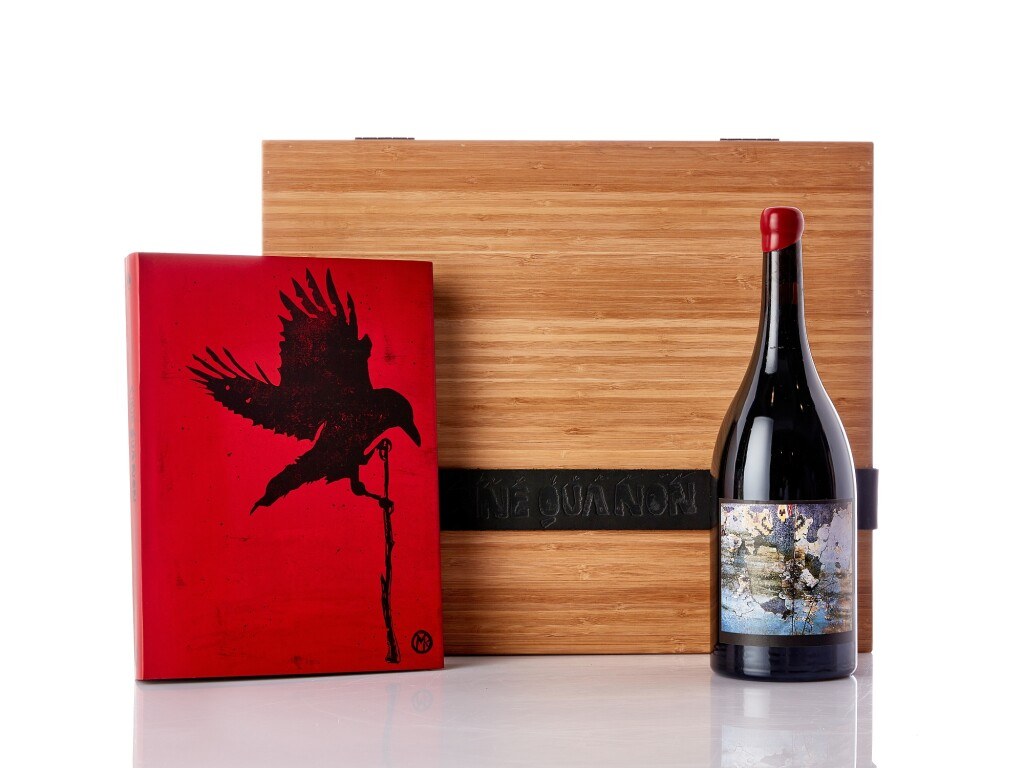
Each vintage release typically includes multiple cuvées, a Syrah-dominant bottling, a Grenache-dominant bottling, and often a white wine, typically Roussanne or Chardonnay, under the same thematic umbrella. The names change every year. The 2012 vintage's bottlings carried names such as "Stock" (Syrah) and "The Writing on the Wall" (Petite Sirah); earlier vintages carried names like "Poker Face" and "Just for the Love of It." Each release is allocated and sold directly to mailing-list members,3 no retail intermediary, no trade channel. If you are lucky enough to receive the release email, the reveal of the new identity is part of the annual ritual.
Bottles arrive via direct shipment to states where California direct-to-consumer shipping is permitted. The wines are not available for pickup at the estate. There is no public visitor program, no appointment-based tasting, and no record of the estate hosting consumer events in any regular format. The experience, in short, is the wine itself, and the correspondence that surrounds it.
Sine Qua Non produces wine in quantities that would be considered modest even by Burgundy grand cru standards. Annual production averages 3,500 cases across all cuvées.3 Krankl farms a handful of sites in the Santa Barbara and Ventura County highlands, Eleven Confessions Vineyard and the estate's own parcels among them. The wines are not distributed through conventional retail channels. There is no tasting room or cellar door. The estate does not appear at trade tastings or consumer events in any regular way.
The mailing list that allocates these bottles was built over decades, and the collectors on it tend to hold their spots with the same tenacity they'd apply to a DRC allocation. The mailing list numbers approximately 1,475 members.4 Attrition is slow. New names do not appear to be added in any systematic or publicly announced way. The waiting list for direct allocations stretches beyond a decade.5 As of 2018, the estimated wait was approximately nine years,3 and that figure has not improved. If you are not already on the list, treat the estate's own channel as closed and plan around auction, secondary retail, or trusted merchants instead.
Sine Qua Non historically released wines under a new thematic identity each vintage, with different names, label art by Krankl himself, and shifting blend compositions; more recent releases (from the 2019 vintage) have moved into the numbered Distenta series, while still retaining vintage-specific blend and label distinctions. Releases have historically arrived in the spring following harvest, though the exact timing varies by vintage and by how long Krankl chooses to age the wines before release.
Allocation emails go to existing list members without advance public notice. If you are not on the list, you will not receive advance warning of a release; you will simply see bottles appear on the secondary market in the weeks that follow. Confirm any timing details directly with the estate if you have an existing relationship; for everyone else, the secondary market is the signal.
Secondary market and auction. This is the primary route for collectors not on the mailing list. Sine Qua Non appears regularly at Hart Davis Hart, Acker, Zachys, and Spectrum Wine Auctions, as well as on Wine-Searcher's secondary listings. Prices start in the high $100s and go well over $200 a bottle at release,4 and secondary market premiums push well beyond that. For context, the 2023 Distenta V Syrah and Grenache are especially recent release,6 while the 2021 Distenta III Syrah and Grenache came in at $190 each.6 Bid with patience; the same cuvée often appears across multiple auction cycles in a single year.
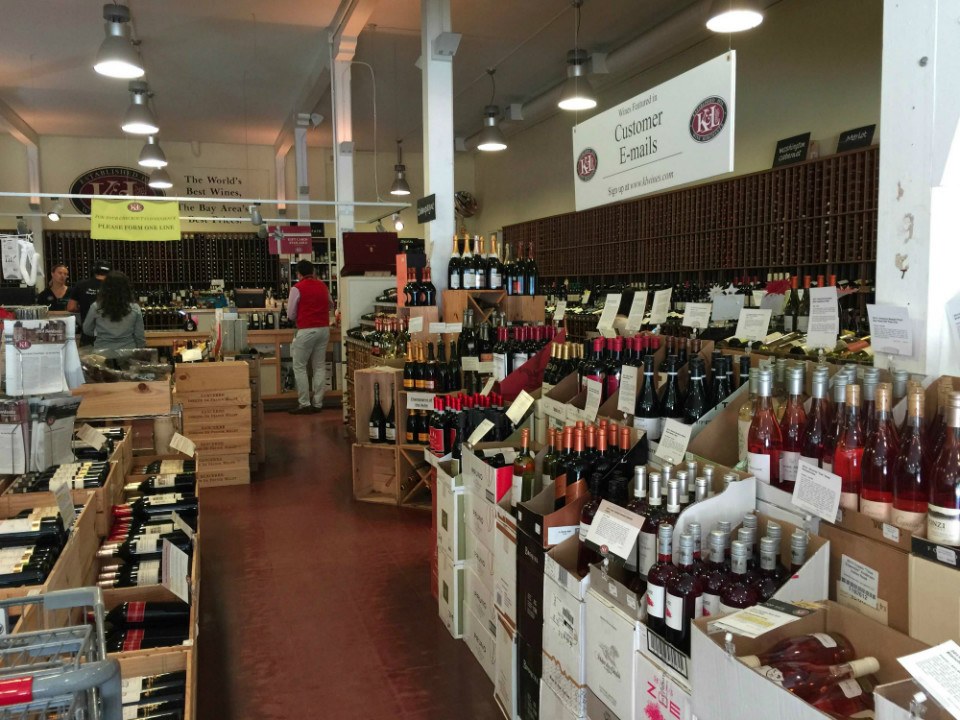
Specialist merchants with allocation history. A small number of California-focused fine wine merchants, K&L Wine Merchants in San Francisco and Los Angeles, Wally's in Los Angeles, and a handful of New York importers, have historically received small allocations of Sine Qua Non for retail sale. These sell out within hours of announcement, often to customers with established purchase histories at those shops. Building a relationship with one of these merchants, and buying consistently across their broader portfolio, is the closest thing to a structured entry point that exists outside the mailing list itself.
The estate's own channel. All of the wine made by the Krankls is sold directly to the consumer through a tightly controlled mailing list.7 If you have a genuine personal connection to someone already on the list, a collector who can introduce you directly to the estate, that introduction is worth more than any other tactic. Sine Qua Non is a family operation; Manfred and Elaine Krankl run it without a sales team or a PR apparatus. Relationships matter here in a way they do not at a négociant house. That said, this is not a route that can be manufactured; it either exists or it does not.
Wine-Searcher and secondary retail listings. For single bottles or small quantities, Wine-Searcher aggregates secondary retail listings globally and is the fastest way to locate available stock at any given moment. Prices fluctuate, but availability is more consistent than auction timing.
Collectors who have tracked Sine Qua Non for years tend to operate on a few consistent principles.
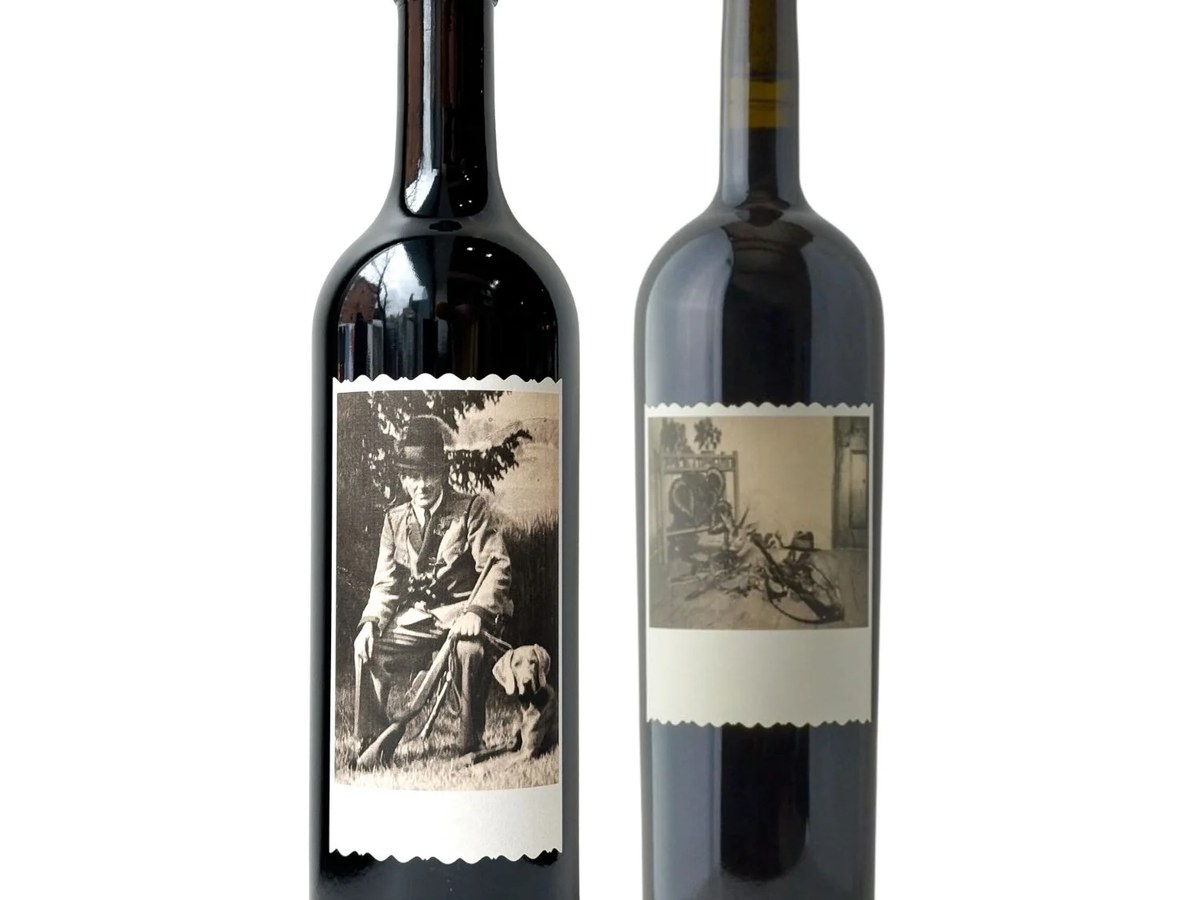
Buy at auction before prices spike post-release. The weeks immediately following a new release announcement are often strong window to acquire older vintages on the secondary market, as attention shifts to the new release and sellers move prior-vintage stock. The 2007 to 2012 era bottles in particular appear with some regularity and represent the estate's most critically acclaimed period.
Build merchant history now, not when you want the wine. The collectors who receive merchant allocations of Sine Qua Non are not the ones who call when a new vintage is announced; they are the ones who have been buying Rhône-focused California producers (Alban, Saxum, Booker, Linne Calodo) from that merchant for years. Merchant allocations of scarce wines flow to customers with demonstrated loyalty across the broader book.
Track the thematic release cycle. Because each vintage carries a new identity, secondary market pricing is partly driven by critical reception of that specific release rather than just the vintage year. Vintages that received high scores from Antonio Galloni at Vinous or from Wine Advocate trade at premiums; vintages with less critical attention can offer relative value for the same underlying terroir and winemaking approach.
Seasonal calendar: The secondary market for Sine Qua Non tends to be most active in the spring (March, May), when new releases land and collectors rotate stock, and again in the autumn auction season (October, November), when major houses hold their California-focused sales. Summer and January are historically quieter, and occasionally better for buyers.
| Producer | Allocation Difficulty | Mailing List Status | Retail Availability | Price Range (secondary) |
|---|---|---|---|---|
| Sine Qua Non | high, list closed | Closed; no public waitlist | Rare; specialist merchants only | $150 to $400+ per bottle |
| Saxum Vineyards | High, waitlist exists | Open waitlist (saxumvineyards.com) | Limited retail; K&L, Wine House | N/A |
| Alban Vineyards | Moderate | Mailing list open | Wider retail distribution | N/A |
| Booker Vineyard | Moderate-high | Mailing list; tasting room visits | Limited retail | N/A |
| Linne Calodo | Moderate | Mailing list open | Some retail | N/A |
Saxum Vineyards (Paso Robles) is especially direct stylistic parallel, James Berry Vineyard Grenache and Syrah blends with the same density and site-specificity that defines Sine Qua Non, and a waitlist that is at least publicly joinable. The critical reception (multiple 100-point scores from Parker) is comparable.
Alban Vineyards (Edna Valley) offers the deepest Rhône-varietal roots in California, John Alban was among the first to import and cultivate Viognier in California, and his 1991 varietal Roussanne was among the earliest in the US; the mailing list remains accessible. The Reva Syrah and Lorraine Roussanne are the bottles to seek.
Booker Vineyard (Paso Robles) combines a joinable mailing list with an actual tasting room in Paso Robles, making it a useful option for collectors who want the full estate experience alongside the wine.
Linne Calodo (Paso Robles) produces Rhône blends from the same limestone-rich soils as Saxum and Booker, with a mailing list that has historically been more accessible than its peers.
If you are a collector who has been building a California Rhône cellar for a decade and already has relationships with the merchants and producers in that world, the secondary market route for Sine Qua Non is worth the premium. The wines age differently from anything else in the appellation, and the thematic coherence of each release makes them genuinely interesting to collect as a series.
If you are newer to California Rhône varieties, start with Saxum or Alban. The wines are stylistically adjacent, the access is real, and the price differential is substantial. Sine Qua Non is a destination you work toward, not a starting point.
For gifting, special occasions, or a single bottle to mark a vintage year, the secondary market is entirely viable; just budget accordingly and buy from a reputable auction house with provenance documentation.
Sine Qua Non is one of the few California producers where the scarcity is not manufactured. Manfred Krankl genuinely makes a small amount of wine, averaging around 3,500 cases annually across all cuvées,3 releases it under a new identity each year, and has no apparent interest in scaling the operation or opening the list. For most collectors, a direct allocation is simply not available, the waiting list stretches beyond a decade,8 and the list itself has been closed for years.
The secondary market is not a consolation prize here. Bottles surface regularly at reputable auction houses with traceable provenance, and the wines reward patience in the cellar; a 2009 or 2010 Sine Qua Non Syrah bought at auction today is drinking at or near its peak. For collectors who want the estate experience rather than just the wine, the Paso Robles and Santa Barbara Rhône community offers real alternatives with open mailing lists and actual tasting rooms.
The allocation list is the only route that reliably delivers bottles at release pricing, and that route is, for now, closed. The secondary market and a handful of loyal merchants are where the wine actually lives for most collectors, and that is where your energy is best spent. Sine Qua Non rewards the patient and the well-connected; for everyone else, the secondary market is a legitimate and well-stocked path into one of California's most singular cellars.
By all available accounts, the Sine Qua Non mailing list is closed to new applicants. Confirm directly with the estate if you have an existing relationship there.
The secondary market is a reliable channel; major auction houses including Hart Davis Hart, Acker, Zachys, and Spectrum Wine Auctions carry Sine Qua Non regularly. Wine-Searcher aggregates secondary retail listings globally and is the fastest way to locate available stock. A small number of California specialist merchants (K&L Wine Merchants, Wally's) occasionally receive retail allocations, which sell out quickly to customers with established purchase histories.
No. Sine Qua Non does not operate a tasting room, offer cellar door visits, or host public consumer events in any regular format. The estate is a production operation, not a visitor destination. The experience for mailing-list members is conducted entirely through written correspondence and direct shipment.
Each vintage is released under a new thematic identity, a different name, label artwork by Manfred Krankl, and a blend composition that shifts with the vintage. The release typically includes multiple cuvées (Syrah-dominant, Grenache-dominant, and often a white wine). Timing varies by vintage and by Krankl's own aging decisions. Release announcements go directly to mailing-list members without public advance notice.
Saxum Vineyards in Paso Robles maintains a public waitlist (joinable at their website). Alban Vineyards in Edna Valley and Linne Calodo in Paso Robles have historically kept their mailing lists accessible. Booker Vineyard in Paso Robles combines a joinable mailing list with a tasting room. All four produce Syrah and Grenache-based wines from the same California Rhône tradition as Sine Qua Non, at meaningfully lower secondary market prices.
Get the App
Take the shortlist into the En Primeur Club app for concierge access, saved places, and the next step after discovery.
Get Exclusive AccessMore from the editors