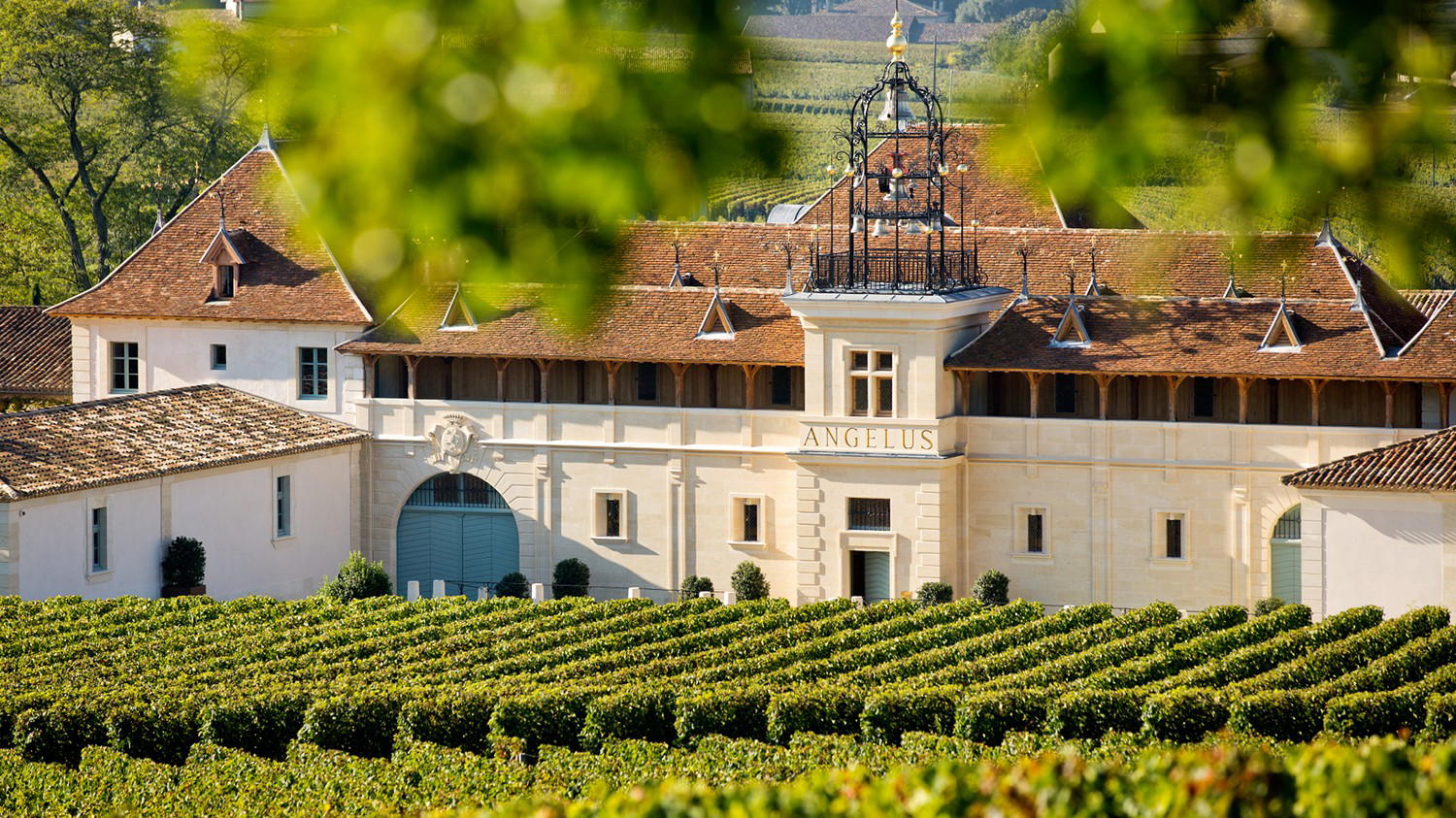
Bordeaux en primeur buying allows wine enthusiasts to purchase future vintages while they are still in barrel, offering potential savings and early access to sought-after wines. This process involves assessing quality, pricing, and market trends.
Yes, you can buy Bordeaux en primeur, and for the right wines in the right vintages, it remains one of the few ways collectors reliably secure bottles that never reach the open market. The qualification: the system rewards preparation and merchant relationships far more than it rewards enthusiasm. Walk in cold and you'll pay over the odds for wines you could have bought cheaper on release, or miss the allocations that matter entirely.
Why the En Primeur Window Is Harder to Navigate Than It Looks
The mechanics sound simple. Each spring, typically April through June, roughly eighteen months before the wines are bottled, Bordeaux châteaux release their new vintage to négociants through the Place de Bordeaux. Those négociants sell to merchants worldwide, who offer the wines to their clients as futures. You pay now; the wine arrives later, the château and merchant do not publish a fixed delivery timeline, so confirm the expected window with your merchant before committing.
The difficulty is structural. The châteaux that matter most, Pétrus, Le Pin, the five first growths, allocate through a tiered system of courtiers and négociants that has operated for centuries. Access to the stronger parcels flows to merchants with the deepest buying history. A collector who has never bought en primeur before will find that particularly sought-after allocations are already spoken for before any public offer goes live. The secondary market exists precisely because primary allocation is so concentrated.
Vintage quality compounds the pressure. In a year the critics agree on, demand spikes across all price points simultaneously. Merchants who might otherwise have surplus allocation sell out within days. In a more contested vintage, the same bottles sit for weeks.
There is also the question of price. En primeur is not automatically cheaper than buying on release or at auction. The value proposition depends entirely on the château, the vintage, and the release price set by the estate. Some years the châteaux overprice; the wine is cheaper two years later. Other years, the futures price proves to be the floor, a pattern that has recurred in some campaigns.
The Channels That Actually Yield Allocation
One reliable route for most collectors is a UK or European fine wine merchant with an established Place de Bordeaux relationship. Merchants such as Berry Bros. & Rudd, Farr Vintners, Justerini & Brooks, and Bordeaux Index publish en primeur offers each campaign season and allocate to clients based on buying history. The longer and broader your account history with a single merchant, the better your position when a leading châteaux release.
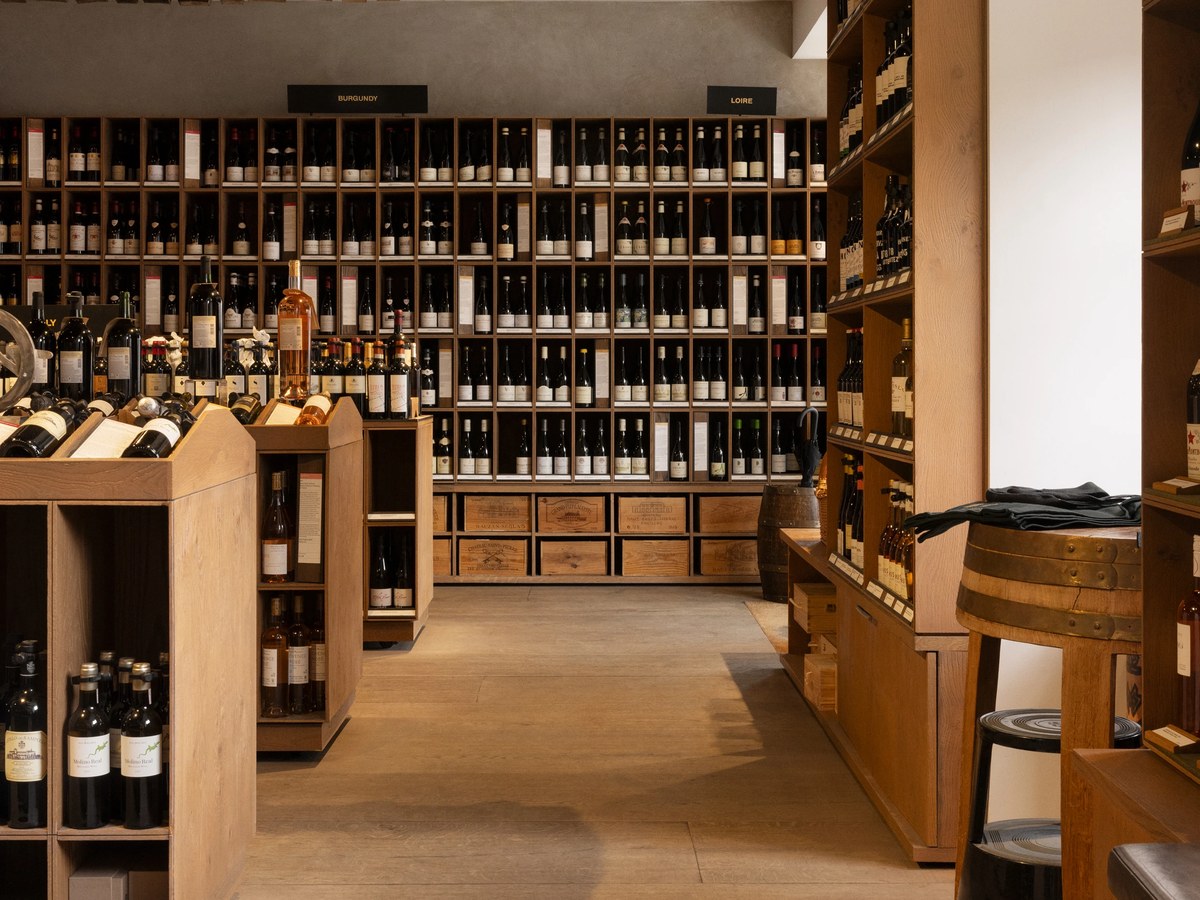
A historic London shop, a channel for Bordeaux En Primeur allocations.
Direct purchase from a château is not a realistic option for most wines. The Place de Bordeaux system means châteaux sell through négociants, not to end consumers. A handful of estates, particularly in Saint-Émilion and Pomerol, do maintain small direct mailing lists, but these are typically reserved for long-standing private clients and are not publicly advertised.
Négociant platforms have expanded the market somewhat. Individual négociants and merchant platforms such as Millésima and Cavissima offer en primeur directly to consumers, which can be a useful entry point for mid-tier châteaux where allocation pressure is lower. The CIVB is Bordeaux’s interprofessional promotional body and does not sell en primeur to consumers. For a leading names, merchant relationships remain the only consistent channel.
The secondary market, Liv-ex, auction houses including Christie's, Hart Davis Hart, and Sotheby's Wine, provides access after the en primeur window closes, but at a premium that reflects both the original release price and subsequent trading. For wines that were underpriced on release, the secondary market gap can be substantial.
When En Primeur Campaigns Open, and What the Calendar Actually Looks Like
The en primeur tasting week in Bordeaux, known as Semaine des Primeurs, takes place each April, when trade buyers, critics, and journalists taste barrel samples at the châteaux. Robert Parker's Wine Advocate, Vinous (Antonio Galloni), Jancis Robinson, and Neal Martin publish scores and notes in the weeks following. Those scores move markets.
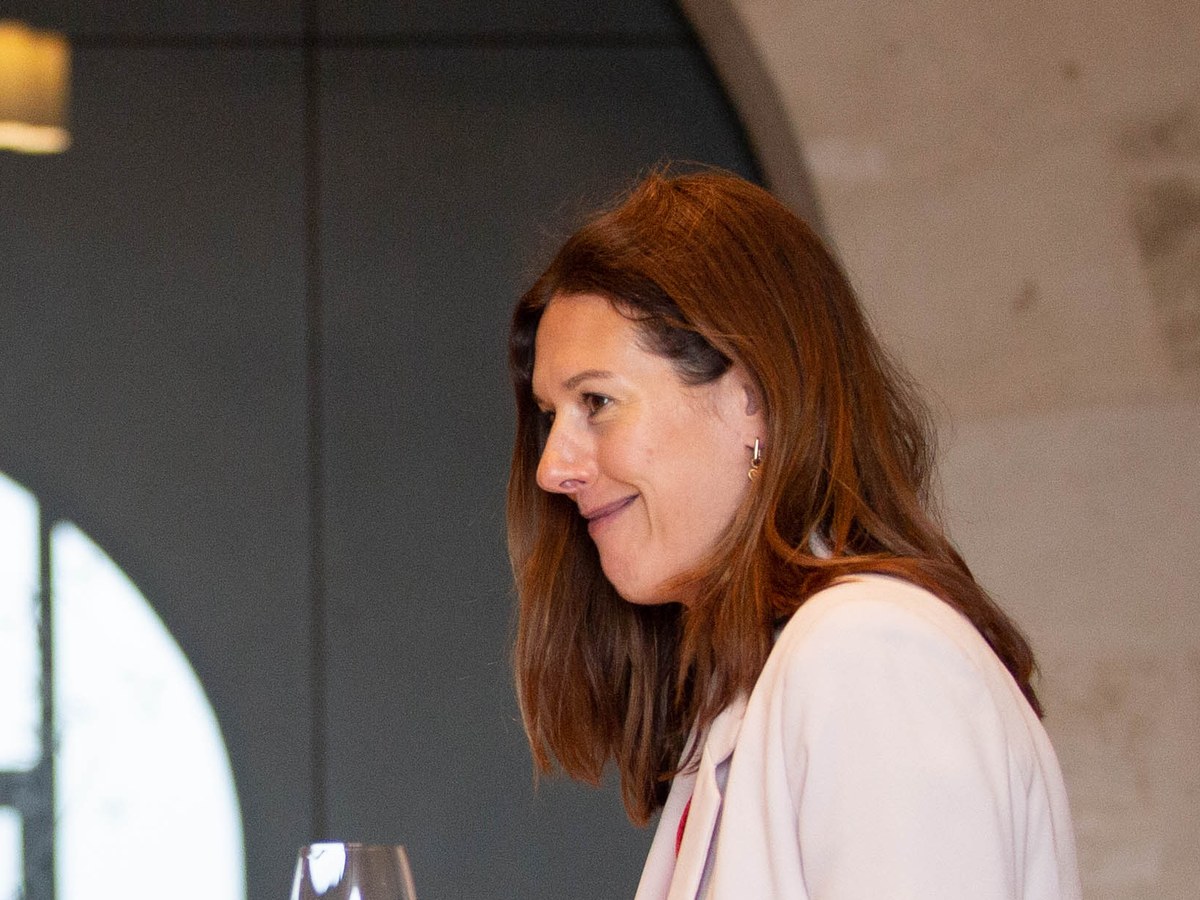
A woman smiles while holding a wine glass in a tasting room.
Château release prices, the prix de sortie, follow in waves from April through June, with particularly prominent estates typically releasing later in the campaign (late May into June), after less prominent classified growths have opened the season. Merchants then publish their offers to clients, usually within days of a château's release. The window for particularly allocated wines can be short, days rather than weeks for a first growth in a celebrated vintage.
The specific release dates for individual châteaux are not published in advance and vary campaign to campaign. Merchants typically notify clients by email when an offer goes live. If you are not already on a merchant's mailing list before the campaign begins, you are likely to miss the first wave of releases for particularly sought-after wines. The practical advice: open your merchant account and establish a buying history well before the April tasting week.
Allocation Strategy, How to Improve Your Position
Concentrate your buying history. A merchant who sees you as a consistent, broad buyer, across appellations, price points, and vintages, will prioritize your allocation requests over a client who appears only in strong years. Buying the second wine of a first growth (Carruades de Lafite, Petit Mouton, Les Forts de Latour) in a quieter vintage builds the relationship that unlocks the grand vin allocation in a celebrated one.
Spread across two or three merchants rather than one. Each merchant has different négociant relationships and different allocation depths for specific châteaux. Farr Vintners may have stronger access to certain Right Bank estates; Berry Bros. may have deeper Left Bank allocation. Knowing which merchant is strongest for which appellation is the kind of insider knowledge that takes a campaign or two to develop.
Consider the off-vintage entry point. Different campaign years offer different value propositions, a widely praised vintage is priced accordingly; a more modest year can offer wines at prices that leave room for appreciation. Building a relationship in a less competitive campaign costs less and positions you better for the next great vintage.
Money vs. time tradeoffs: The expensive-but-immediate route is the secondary market, Liv-ex or auction, where post-release bottles can be sourced, but at a price that reflects the market's consensus on the vintage. The patient route is building merchant history over two or three campaigns, accepting smaller allocations of mid-tier wines, and waiting for the relationship to yield access to a leading names. There is no shortcut that doesn't cost either money or time.
Inside the En Primeur Campaign: What the Process Looks Like from the Buyer's Side
The experience of buying en primeur is less a single event than a season-long sequence. It begins in April, when critics' notes start appearing online and the first château releases land in your inbox from whichever merchants you've cultivated. A typical offer email names the château, the vintage, the release price per case (usually in bond, excluding duty and VAT), the allocation available to you, and a deadline, sometimes 48 hours, sometimes a week.
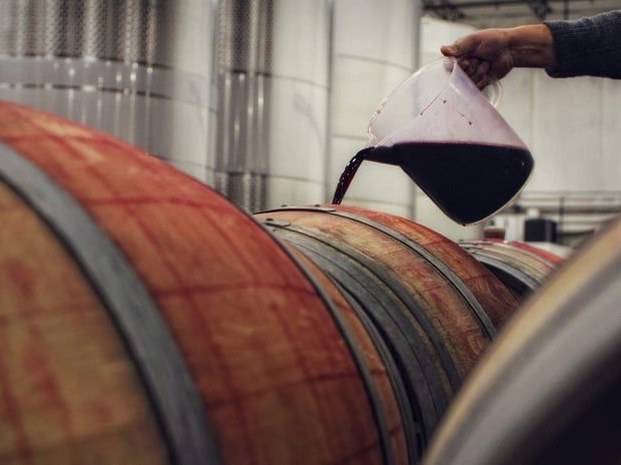
Bordeaux En Primeur: Deep red wine is poured into an oak barrel, a key step in the aging process.
You pay a deposit or the full amount upfront, depending on the merchant's terms. The wine is then held in bond, typically in a UK or European bonded warehouse, until it is bottled and shipped. The château and merchant do not publish a fixed bottling or delivery schedule; confirm the expected timeline and storage costs with your merchant before committing, as charges during the holding period are either included in the merchant's terms or billed separately.
For collectors who travel to Bordeaux during Semaine des Primeurs, the experience shifts. The week involves château visits and barrel tastings, the particular pleasure of tasting a wine that does not yet exist in its final form, its tannin structure only partially resolved. Trade buyers taste dozens of wines across the week; private visitors typically attend by invitation through a merchant or négociant relationship. It is not a public event.
The wines arrive, physically, in your cellar or at your merchant's storage facility, some time after the campaign closes. The exact delivery window varies by château and vintage.
Alternatives When the Allocation List Is Closed or the Price Is Wrong
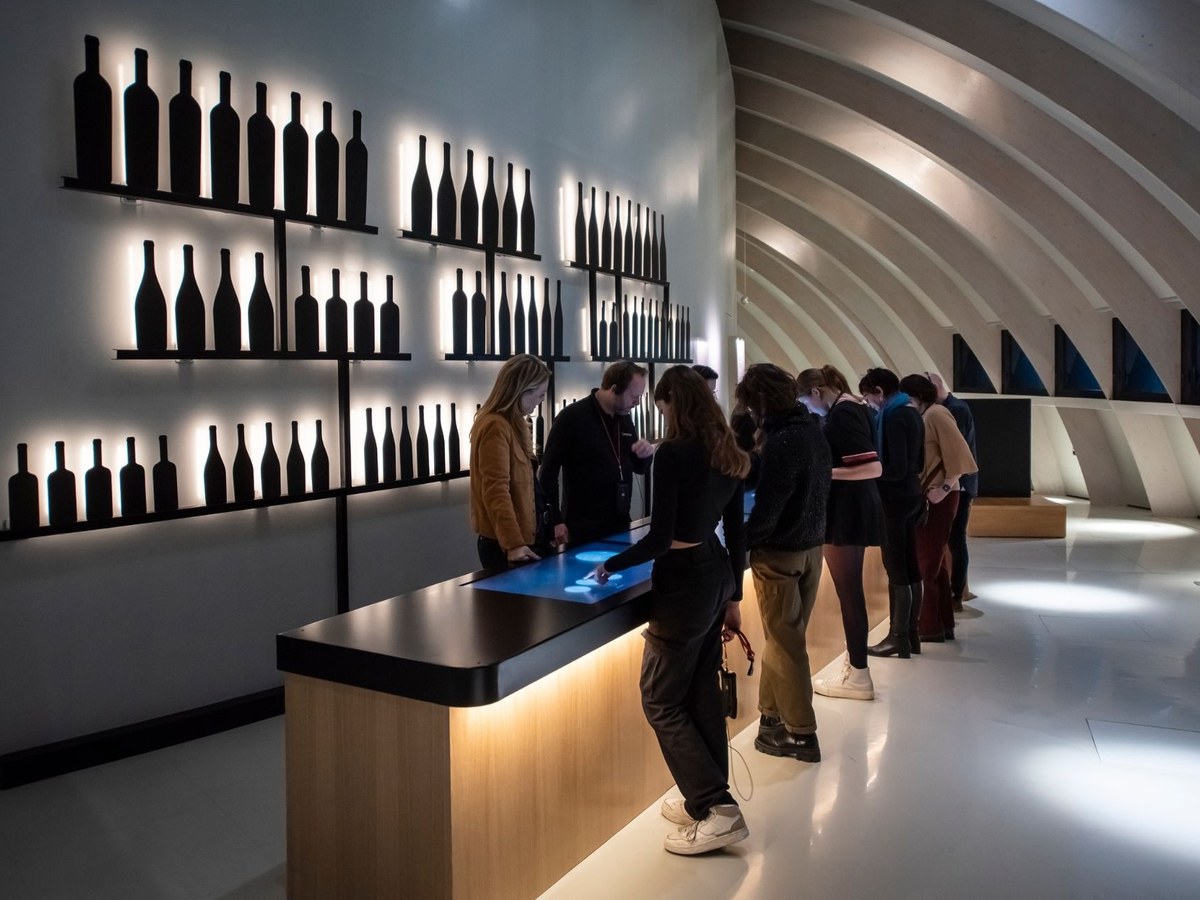
Cité du Vin, Bordeaux's immersive wine museum, offers an accessible experience for those seeking alternatives to allocation lists.
En Primeur vs. Alternative Bordeaux Access Routes
Route
Access Difficulty
Typical Cost vs. EP
Lead Time to Bottle
How to Access
En Primeur (merchant)
Medium, requires merchant relationship
Baseline
N/A, varies by château; confirm with merchant
Merchant mailing list; account history required for top allocations
Ex-château / négociant (post-release)
Low to medium, open market
N/A, varies by vintage and château
Immediate (bottled)
Millésima, Cavissima, Place de Bordeaux négociants
Liv-ex / secondary market
Low, open to registered traders
N/A, varies widely by wine and vintage
Immediate
Liv-ex membership; fine wine brokers
Auction (Christie's, Sotheby's Wine, Hart Davis Hart)
Low, open bidding
N/A, buyer's premium applies; confirm with auction house
Immediate post-auction
Auction house registration; no prior relationship required
For collectors priced out of the first growths, unclassified or independent Médoc estates, crus bourgeois, and classified growths offer the same en primeur mechanics at a fraction of the price, and often better value relative to their drinking window. Châteaux such as Sociando-Mallet, Poujeaux, and Chasse-Spleen release en primeur through the same merchant channels and rarely sell out within hours.
The Right Bank, Saint-Émilion and Pomerol, offers a different entry point. Wines like Château Figeac or La Conseillante in Pomerol are available through the same merchant channels and represent the appellation's character without the Pétrus premium.
For those who want the Bordeaux experience without the futures commitment, a visit to the Cité du Vin in Bordeaux, the city's wine museum and cultural center, provides context and access to a broad range of wines by the glass, including older vintages, without requiring any allocation relationship.
Who Should Pursue En Primeur, and When It Makes Sense
En primeur suits collectors who have a specific target, a château they drink regularly, a wine they want in depth across multiple vintages, and the patience to wait for delivery. It is the right tool for building a cellar of wines that will not be available at any price once the allocation window closes.
Bordeaux classified growth bottles, including first growths and second wines, in a private cellar or bonded warehouse.
It is less suited to collectors who want to drink soon, who are buying speculatively without a clear view on the vintage, or who are new to a merchant relationship and therefore unlikely to receive allocation of a leading names. For those buyers, the ex-château and secondary markets offer the same wines without the wait and without the relationship overhead.
The occasion to enter the en primeur market for the first time is a vintage where demand is moderate, not a universally acclaimed year where every allocation is oversubscribed, but a solid, characterful vintage where merchants have room to accommodate new clients. That is where relationships begin.
Worth the Chase?
En primeur is not a system that rewards the casual buyer. The allocations that matter, a Mouton-Rothschild in a great year, a Pichon Comtesse in a strong Left Bank vintage, flow to collectors who have spent years building merchant relationships, buying across appellations and price points, and showing up in the quieter campaigns as well as the celebrated ones. For those collectors, en primeur remains the only reliable route to bottles that will not appear on the open market at any accessible price.
For everyone else, the secondary market and ex-château channels offer the same wines with less friction, at a cost premium that is often smaller than it appears once you account for the capital tied up during the waiting period. For well-regarded vintages, wines priced sensibly on release have historically tended to appreciate by delivery, while châteaux that overpriced on release have left their futures buyers worse off than those who waited. The pattern is vintage-specific, not universal.
The allocation list is the only route that reliably works for a leading names. Build the merchant relationship before you need it, buy the second wines and the crus classés in the years that don't make headlines, and the first growth allocation follows in time. For most collectors, the second wine is the smarter chase, and the grand vin, when it finally arrives, is the reward for years of quiet, consistent buying rather than a single well-timed decision.
Frequently Asked Questions
How far in advance do I need to open a merchant account to access Bordeaux en primeur allocations?
There is no fixed lead time published by merchants, but in practice, accounts opened during or after the April tasting week are unlikely to receive allocation of particularly sought-after wines in that same campaign. Opening an account and making at least one purchase before a campaign begins is the minimum; several years of buying history is what moves you toward the top of a merchant's allocation list for first growths and trophy Right Bank wines. Confirm the specific account requirements directly with your chosen merchant.
Does buying Bordeaux en primeur guarantee a lower price than purchasing the bottled wine later?
No. The value of en primeur depends on the château's release price relative to where the wine trades once bottled. In celebrated vintages, châteaux that priced sensibly on release have seen their wines appreciate by the time of delivery. In other years, châteaux have released at prices above where the wine subsequently traded, making the futures buyer worse off than someone who waited. Checking the release price against Liv-ex trading history for comparable vintages is the standard due diligence.
Can you buy Bordeaux en primeur directly from the château, without going through a merchant?
For the vast majority of châteaux, no. The Place de Bordeaux system routes sales through courtiers and négociants; châteaux do not sell directly to end consumers as a rule. A small number of estates, particularly smaller Right Bank producers, maintain private client lists, but these are not publicly advertised and are typically reserved for long-standing relationships. The merchant channel is the practical route for almost all buyers.
What happens to my Bordeaux en primeur purchase if the merchant goes out of business before the wine is delivered?
This is a genuine risk. The standard protection is to ensure your wine is held in a bonded warehouse in your name, not on the merchant's balance sheet, so that it remains your property regardless of the merchant's financial position. Reputable UK merchants typically offer this structure; confirm the storage arrangement in writing before committing funds. Prevention is the only reliable protection.
Which Bordeaux appellations offer the strongest en primeur value for collectors not chasing first growths?
Unclassified Médoc estates like Sociando-Mallet, plus crus bourgeois such as Poujeaux and Chasse-Spleen, offer the same en primeur mechanics at accessible price points and rarely sell out quickly. In Saint-Émilion, the grands crus classés below the A tier (Canon, Beau-Séjour Bécot, Troplong Mondot) offer appellation character with more available allocation. Pessac-Léognan, particularly for whites from estates like Domaine de Chevalier and Smith Haut Lafitte, is another appellation where en primeur pricing has historically been fair relative to post-release trading.