Westport Ale House
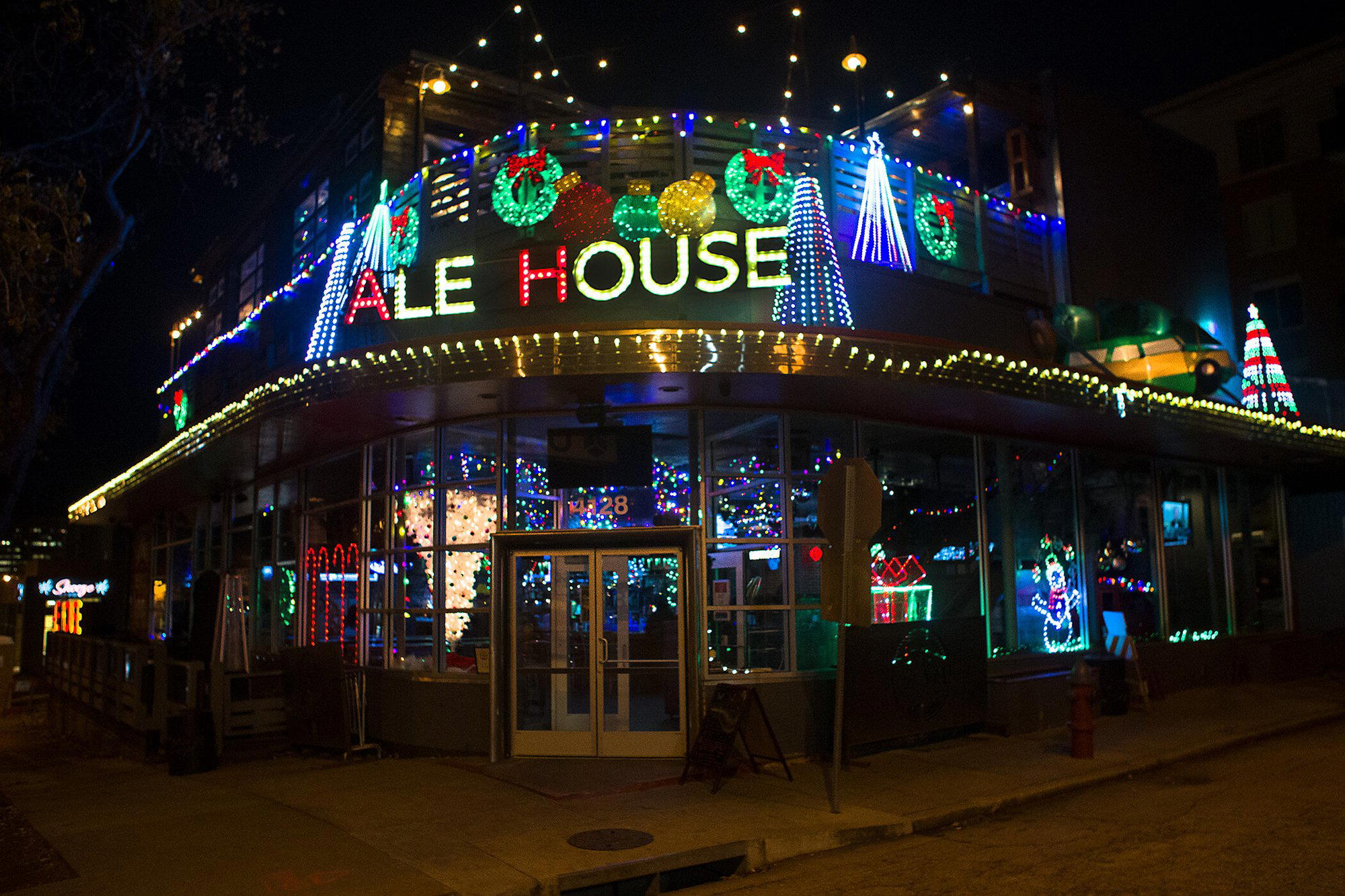
Westport Ale House occupies a stretch of Broadway Boulevard in Kansas City's Westport district, one of the city's oldest entertainment corridors. The bar sits in a neighborhood where craft-beer culture and a well-worn social tradition overlap, making it a reliable measure of where Kansas City's ale-house format currently stands relative to the broader Midwest drinking scene.
Broadway Boulevard and the Westport Drinking Tradition
Westport is the kind of neighborhood that resists reinvention. Kansas City's oldest commercial district has absorbed successive waves of bars, restaurants, and live-music venues without ever fully shedding its original character: a walkable, slightly roughed-up strip where locals mix with visitors and the format rarely demands a reservation. Westport Ale House, at 4128 Broadway Blvd, sits squarely inside that tradition. The address puts it on the main artery of a neighborhood where the bar-to-block ratio is among the highest in the metro, and where the competitive set ranges from craft-focused taprooms to long-standing dives that predate the current cocktail era by decades.
That context matters when reading Westport Ale House against peers. Across the Midwest, the ale-house format has bifurcated: one branch toward the curated tap list and gastropub food program, the other toward the simpler, higher-volume model that prizes familiarity and price over novelty. Kansas City's Westport corridor has examples of both, and the Ale House lands in a district where the customer already knows what they want before they walk in the door.
Entering the Space
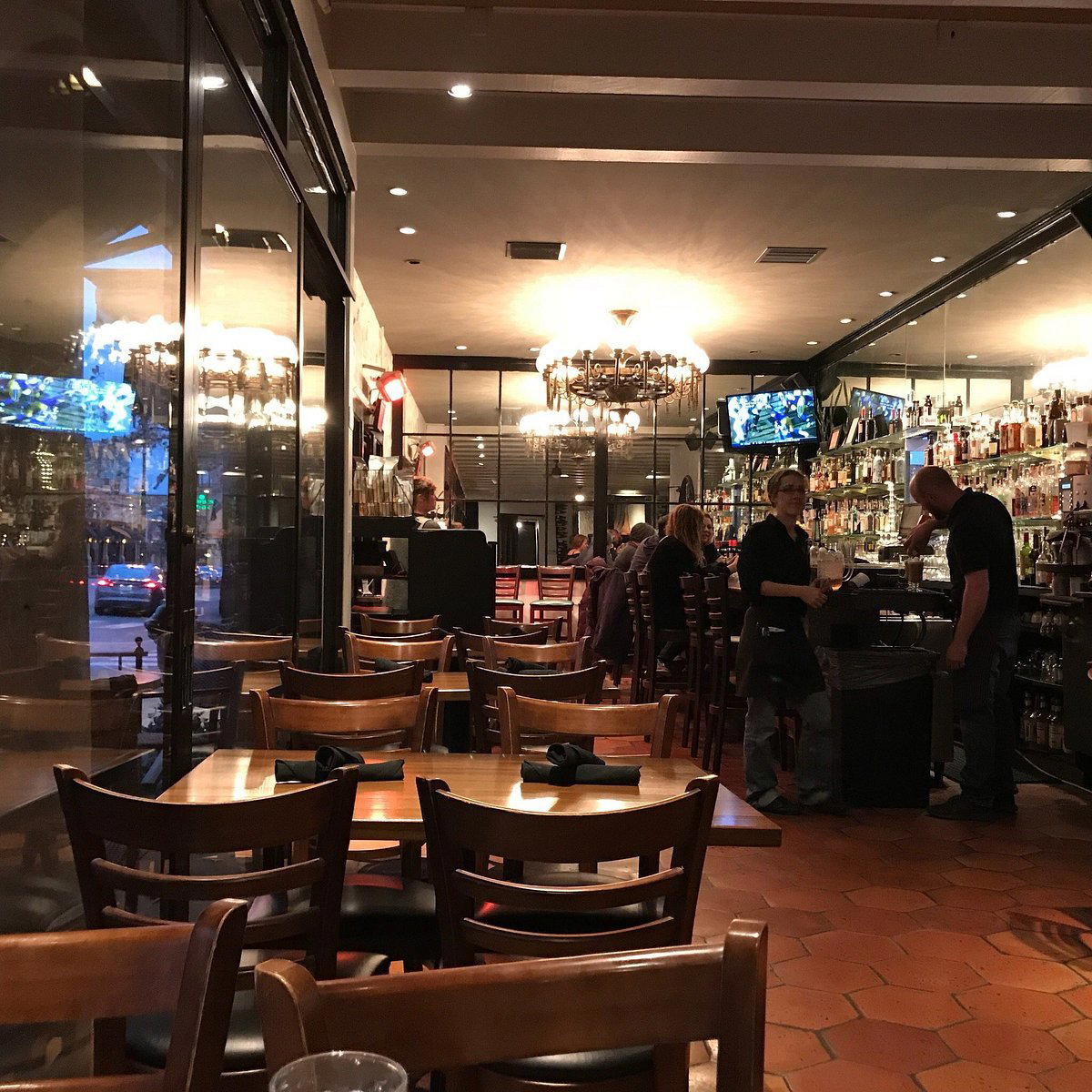
Broadway Blvd in Westport carries the particular energy of a street that has been a drinking destination for long enough that the architecture has adjusted to match. Facades are wide, signage is direct, and the ambient noise from adjacent venues arrives before you reach the door. Westport Ale House fits that physical register: a neighborhood bar with enough volume to sustain a crowd across a long evening, where the progression from early arrivals to later-night regulars defines the room's arc as much as any menu does.
The physical environment here belongs to a category of American ale houses that prioritize depth of seating and accessibility over design-forward interiors. That is not a limitation so much as a positioning choice. In cities like Kansas City, where the bar scene spreads across multiple distinct neighborhoods rather than concentrating in a single premium corridor, venues that commit to the neighborhood-anchor model often outlast more ambitious formats that depend on destination traffic.
The Progression of an Evening
Thinking about Westport Ale House through the lens of how an evening moves through the space is more instructive than treating it as a static venue. The ale-house format, at its most functional, is structured by rounds rather than courses: an opening pour that sets the register, a middle stretch where conversation and the tap selection do most of the work, and a later phase where the room's character becomes its own argument for staying. Kansas City's Westport district is built for exactly that progression. The walkability of the strip means the ale house functions as one node in a longer evening rather than a singular destination, which changes how both the menu and the pacing should be read.
That multi-stop dynamic distinguishes Westport from some of the more insular bar formats emerging in other American cities. Compare the approach to venues like Kumiko in Chicago, where the sequenced Japanese whisky program demands the room's full attention, or Bar Leather Apron in Honolulu, which runs a tight, reservation-driven format built around extended single sittings. The Westport ale-house model sits at the opposite pole: open, sequential, and designed to accommodate the rhythm of a neighborhood night rather than a contained experience.
Kansas City's Bar Scene in Broader Context
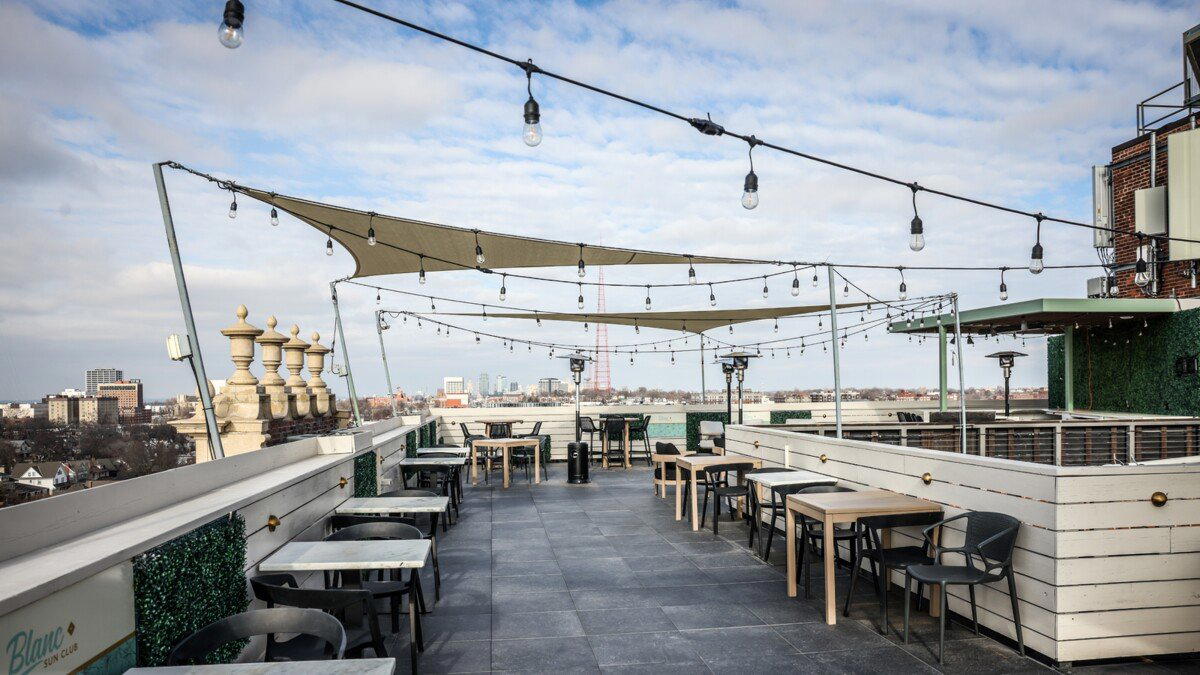
Kansas City's drinking culture has developed genuine range over the past decade. The craft-beer segment has matured, with venues like Beer Kitchen anchoring the more food-integrated end of the tap-list format. The cocktail tier has grown more technically serious, with Blanc Champagne Bar and Billie's Grocery each representing different points on the spectrum from sparkling-wine specialization to neighborhood-bar ambition. And the broader eclectic-format category, exemplified by blue bird bistro, continues to push against stricter categorical definitions.
Westport Ale House exists in conversation with all of these, but its competitive set is most directly the other Westport-corridor venues rather than the city's premium tier. That is not a secondary position. In a neighborhood drinking culture, the bar that reads the room's actual appetite most accurately tends to perform the most consistently over time. The Westport district's audience is experienced enough to know the difference between a bar that is trying to be something and one that simply is.
For a wider map of where the Ale House fits in the city's full drinking and dining picture, the full Kansas City restaurants guide provides the most complete current overview of how the neighborhoods break down by format and price tier.
Peer Comparison Across the Country
The ale-house format is one of American bar culture's most durable templates, and Westport Ale House's Broadway address places it in a lineage that stretches from the corner taverns of the Midwest to the more refined takes on the form that have emerged on both coasts. At the technically precise end of the national spectrum, ABV in San Francisco represents how the format elevates when the cocktail program becomes the primary draw. Jewel of the South in New Orleans and Julep in Houston each show how regional identity can sharpen a bar's positioning within a competitive city market. Further afield, Superbueno in New York City and The Parlour in Frankfurt on the Main demonstrate how the bar-as-neighborhood-anchor concept translates across entirely different urban contexts.
What those comparisons reveal is that the ale-house model succeeds when it commits to its own register rather than borrowing from adjacent formats. The Westport Ale House's position on Broadway Blvd in a district with consistent foot traffic and a loyal local base gives it the conditions most conducive to that kind of consistency.
Planning Your Visit
Westport is most easily accessed by car from central Kansas City, with the Broadway corridor offering street parking and nearby lots. The neighborhood operates on a late schedule by Midwestern standards, with bar activity building through the evening and sustaining well into the night on weekends. Given the district's walkable layout, the practical approach is to treat Westport Ale House as part of an evening itinerary rather than a single-stop destination. Specific booking details, hours, and current programming are best confirmed directly with the venue before visiting, as the Broadway strip sees regular format and scheduling adjustments across its venues.
The Minimal Set
| Venue | Price |
|---|---|
| Westport Ale HouseThis venue — the venue you are viewing | Not listed |
| Kata Nori Hand Roll Bar | $50–100 |
Continue exploring
More in Kansas City
Bars in Kansas City
All bars in Kansas City →
Details
- Lively
- Energetic
- After Work
- Group Outing
- Casual Hangout
- Standalone
- Seated Bar
- Booth Seating
- Craft Beer
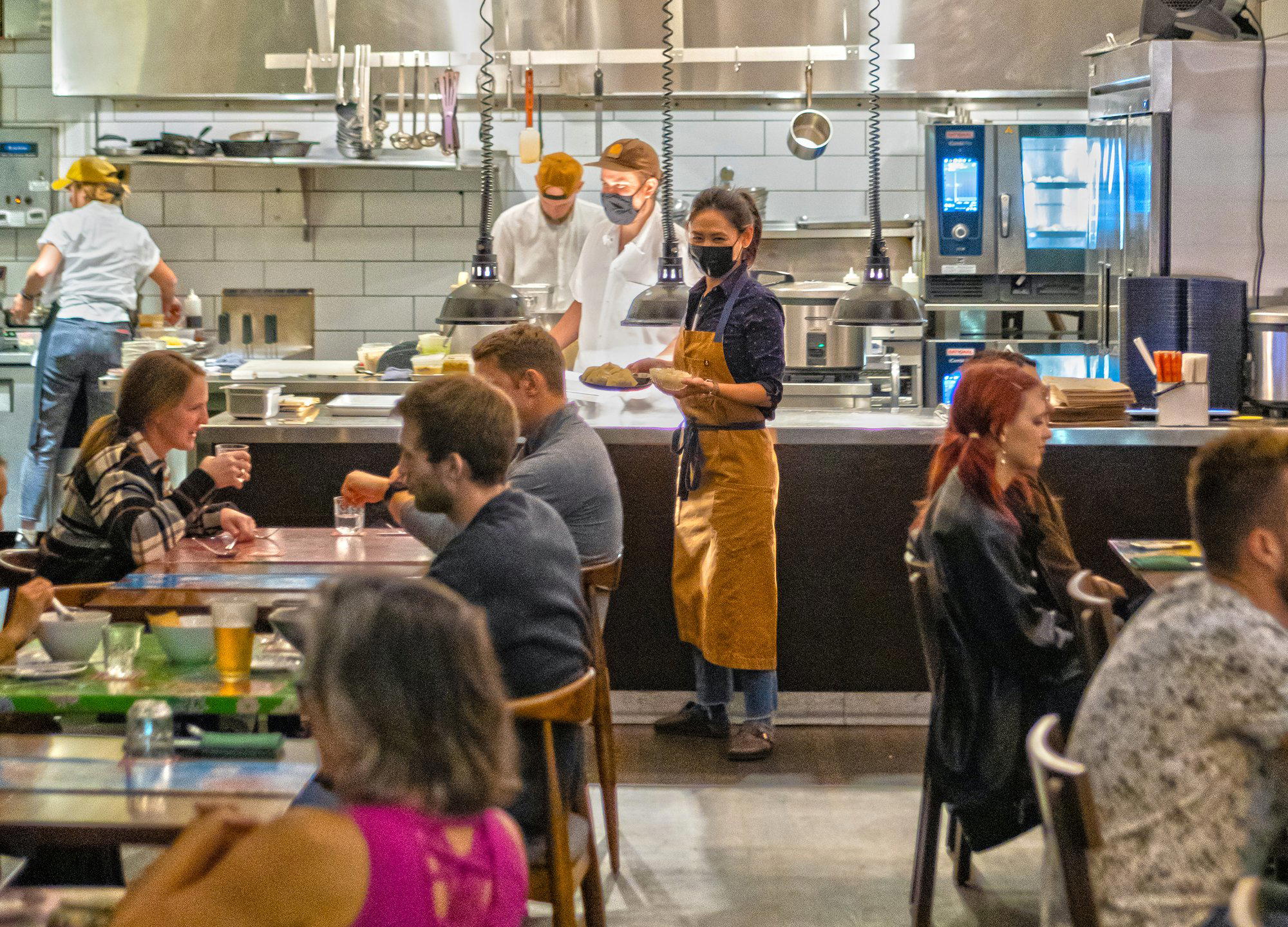
Lively atmosphere with a nostalgic 1950s vibe, packed on game days with multiple televisions showing sports.