Warehouse Live
Warehouse Live at 2600 Travis St occupies a converted industrial space in Houston's Midtown corridor, functioning as one of the city's anchor venues for live music across multiple room configurations. The address puts it within reach of Houston's densest concentration of bars and late-night spots, making it a natural anchor for an evening that moves between music and cocktails.

Pearl is the En Primeur Club membership app — saves, bookings, and concierge access live there. Same editors, same standards.
- Address
- 2600 Travis St, Houston, TX 77006
- Phone
- (832) 767-0513
- Hours
- Mon–Fri 12–6 PMSat–Sun Closed
- Website
- warehouselivemidtown.com
- Directions
- Get directions
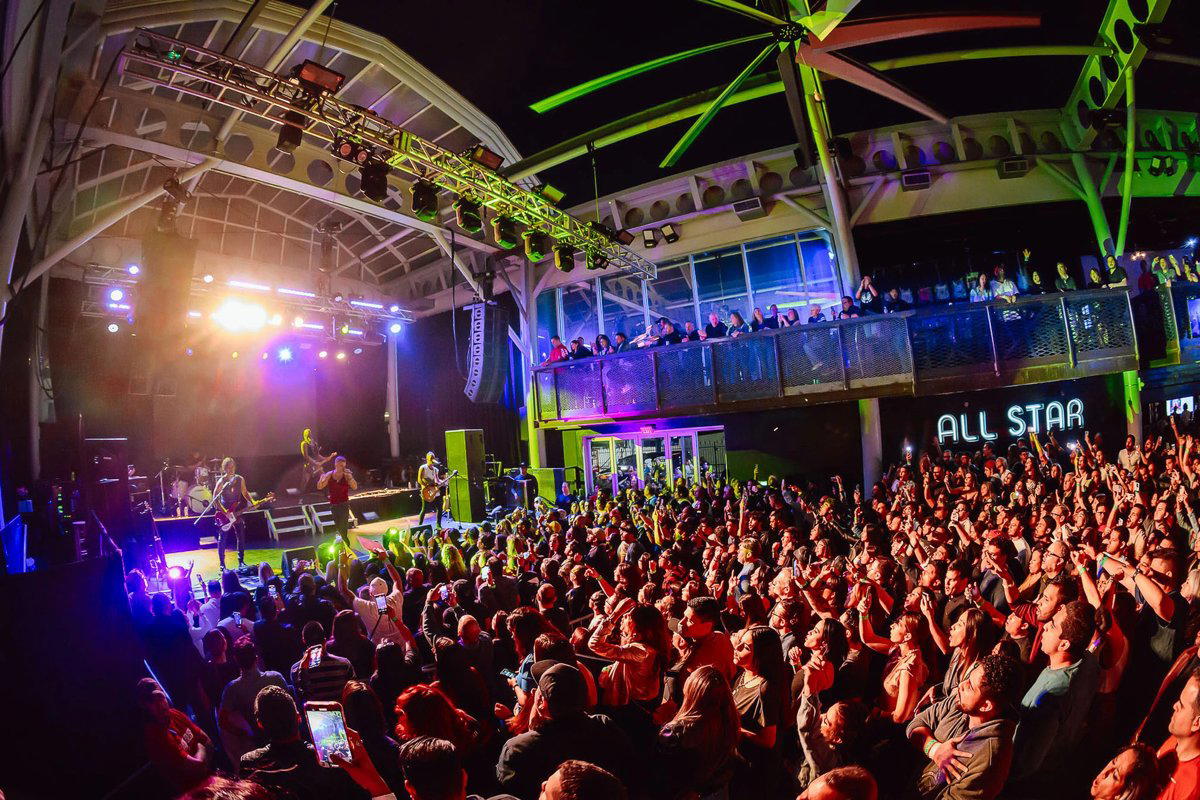
The Industrial Room as Houston's Live Music Format
Converted warehouse spaces have become the dominant physical format for mid-capacity live music in American cities over the past two decades, and Houston's version of this trend is concentrated along the Travis Street corridor in Midtown. The logic is direct: high ceilings carry sound, open floor plans flex between standing crowds and ticketed seating, and the raw materiality of exposed brick and steel reads as authentic in a way that purpose-built venues rarely achieve. Warehouse Live at 2600 Travis St sits squarely within this format, operating in a neighbourhood that has absorbed successive waves of Houston's nightlife geography as the city's centre of gravity shifted.
Houston's live music infrastructure differs from Austin's in a meaningful way. Where Austin built its reputation on a high density of small clubs along a single street, Houston's music venues are distributed across a larger urban footprint, with individual rooms carrying more weight per address. A venue in Midtown competes not just against other live music spaces but against the city's broader bar culture, which runs from ice houses to cocktail programs serious enough to draw national attention. That competitive environment rewards venues that operate as destinations rather than as interchangeable stops on a touring circuit.
Midtown's Place in Houston's Nightlife Geography
The Travis Street address places Warehouse Live in Midtown, a district that functions as one of Houston's most active intersections between residential density and late-night commerce. The neighbourhood's bar concentration is among the highest in the city, with venues ranging from neighbourhood ice houses serving beer and bar food to cocktail programs that approach the technical seriousness found at places like Julep, Houston's most-cited bar for Southern spirits and technique, or 13 Celsius, which operates on a wine-bar format with unusual depth for the format.
That density matters for how Warehouse Live actually functions in practice. Concert-goers in Midtown are rarely starting or ending their evenings at the venue alone. The surrounding blocks support pre-show and post-show movement in a way that more isolated venues cannot. Bandista and 1100 Westheimer Rd represent the kind of adjacent options that make a neighbourhood-based music venue viable as an anchor rather than a destination requiring a dedicated trip. This ecosystem logic is what separates a functional live music district from a collection of individual venues.
The Multi-Room Model and Its Implications
One of the defining characteristics of warehouse-format venues is the ability to operate multiple rooms at different capacities simultaneously or on different nights. This separates them from single-stage clubs and places them in a different operational category: part promoter infrastructure, part neighbourhood institution. The physical scale that makes warehouse conversions attractive for sound and sight-lines also creates the floor area to run a smaller studio space alongside a main room, which allows the venue to book a wider range of artists across different draw sizes without compromising the experience in either space.
This format has proven durable across American cities at different scales. The warehouse music venue as a category has produced some of the most consistently booked rooms in markets like Chicago, New York, and San Francisco, where spaces like Kumiko in Chicago and ABV in San Francisco occupy adjacent positions in their respective cities' nightlife hierarchies, though as bar programs rather than music venues. The point of comparison is structural: venues that anchor a neighbourhood's identity tend to do so through a combination of physical scale, programming range, and consistent operation rather than through a single defining feature.
Houston's Live Music Positioning Against Peer Cities
Houston is routinely underrepresented in national narratives about American live music cities, which tend to default to Austin, Nashville, and New York. The gap between Houston's actual music activity and its perceived status is partly a function of the city's scale and sprawl: events and venues are distributed across a metropolitan area large enough to dilute visibility even when aggregate activity is high. What this means in practice is that individual venues in Houston carry more representational weight than their counterparts in denser, better-documented cities.
The comparison is worth making explicitly. Cities like New Orleans, where Jewel of the South has built a reputation for hospitality and craft that reaches beyond its immediate neighbourhood, and Washington D.C. where Allegory operates as a design-forward program within a hotel context, demonstrate how individual venues can shift the perceived quality of a city's nightlife offering. Houston's Midtown venues, including Warehouse Live as an anchor for live programming, participate in that same process of building a city's hospitality identity from individual rooms outward.
The international parallel holds too. Venues like The Parlour in Frankfurt and Bar Leather Apron in Honolulu have demonstrated that cities outside the obvious first tier can sustain programs serious enough to attract national and international attention when individual operators commit to format discipline. The same logic applies to live music infrastructure. And for those interested in exploring Houston's food and drink scene alongside its music venues, our full Houston restaurants guide maps the city's dining options with the same granularity.
For visitors approaching Houston's nightlife through a live music lens, Warehouse Live's Midtown address functions as a useful geographic anchor. The surrounding neighbourhood offers enough adjacent programming, from cocktail bars with genuine technical depth to casual ice house formats, to support an evening that moves between music and drinks without requiring significant travel. In a city as sprawling as Houston, that kind of walkable concentration carries practical weight that maps and distance estimates often understate. Superbueno in New York City demonstrates how a venue's neighbourhood positioning can define its identity as much as its internal programming; the same principle applies here, where Midtown's density does meaningful work for any venue that anchors it.
Know Before You Go
- Address: 2600 Travis St, Houston, TX 77006
- Neighbourhood: Midtown Houston
- Format: Multi-room live music venue in a converted warehouse space
- Nearby options: Dense bar corridor on and around Travis St supports pre- and post-show movement
- Getting there: Midtown is accessible by car and rideshare; street and garage parking available in the surrounding blocks
- Booking: Tickets for individual shows typically available through the venue's website and standard ticketing platforms
Cuisine-First Comparison
| Venue | Cuisine | Price | Awards |
|---|---|---|---|
| Warehouse LiveThis venue — the venue you are viewing | Not listed | $20–30 | Not listed |
| Julep | Not listed | $30–50 | World's 50 Best #84 · James Beard Award Outstanding Bar Program |
| Bandista | Not listed | $50–100 | World's 50 Best #47 |
| Birdies Icehouse | Bar / icehouse fare (burgers, tacos, snacks) | $20–30 | Not listed |
| Anvil Bar | Not listed | $30–50 | Food & Wine Top 10 US Bars #2 · Top 500 Bars Best Bars #316 |
Continue exploring
More in Houston
Bars in Houston
Browse all →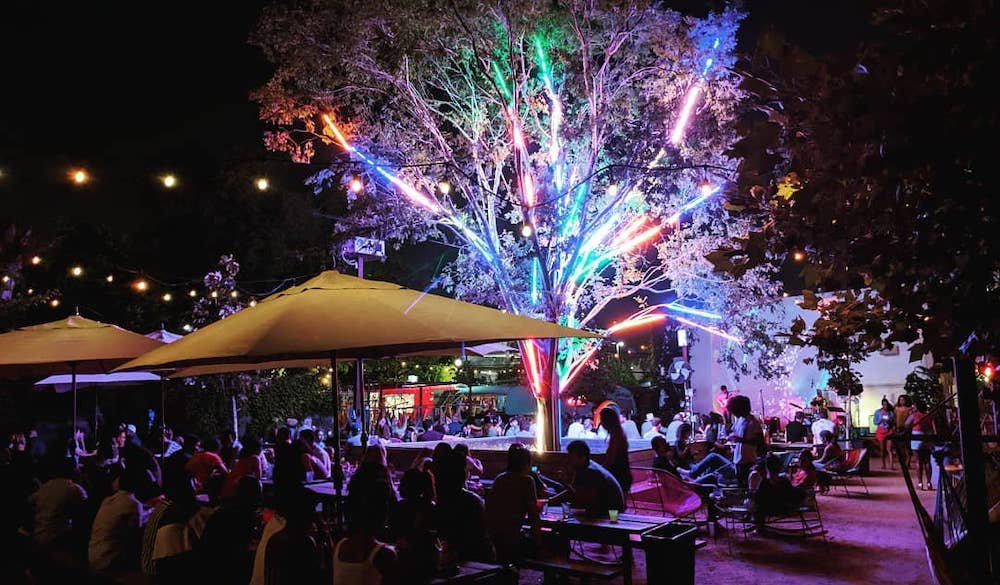
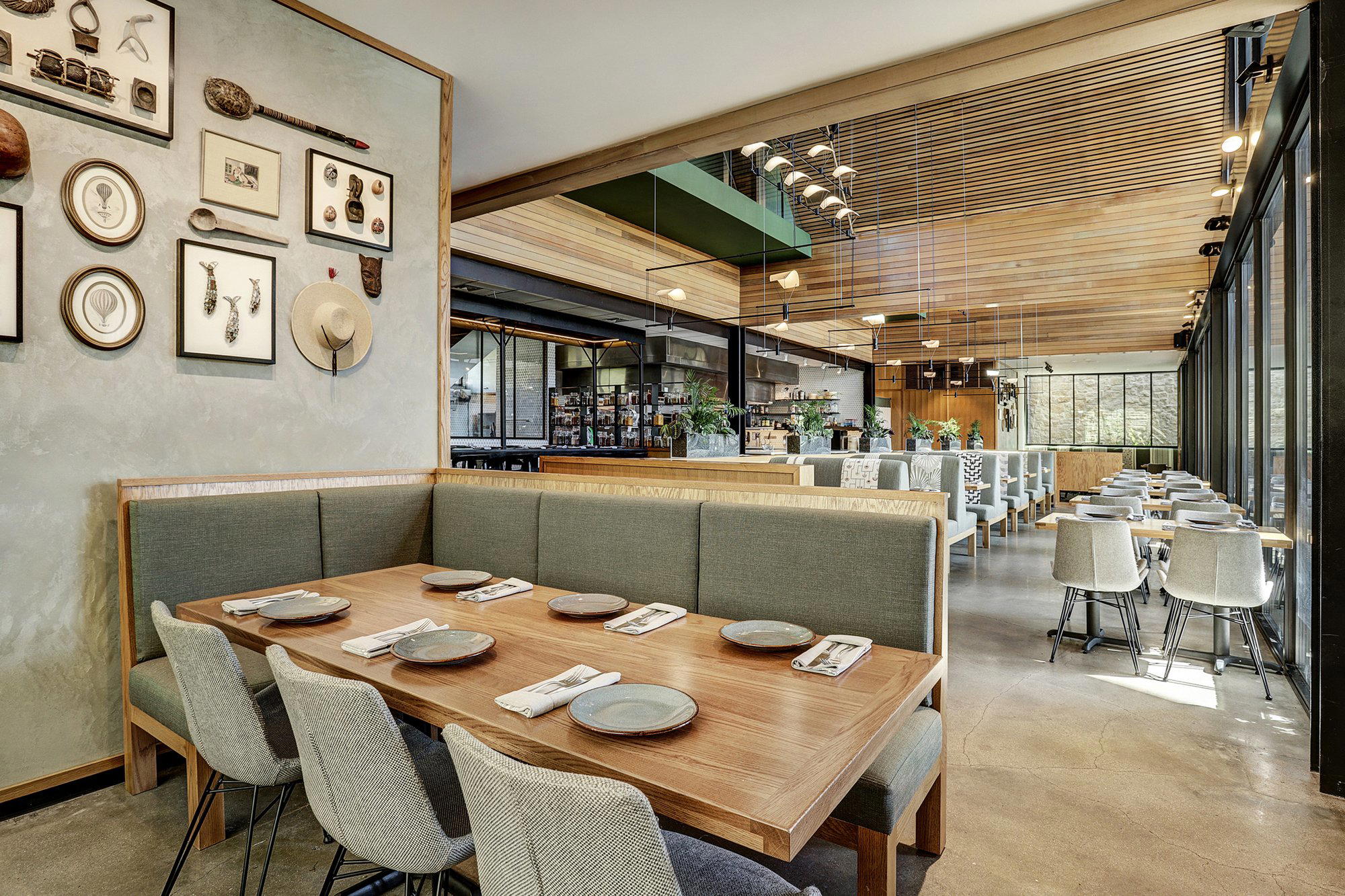

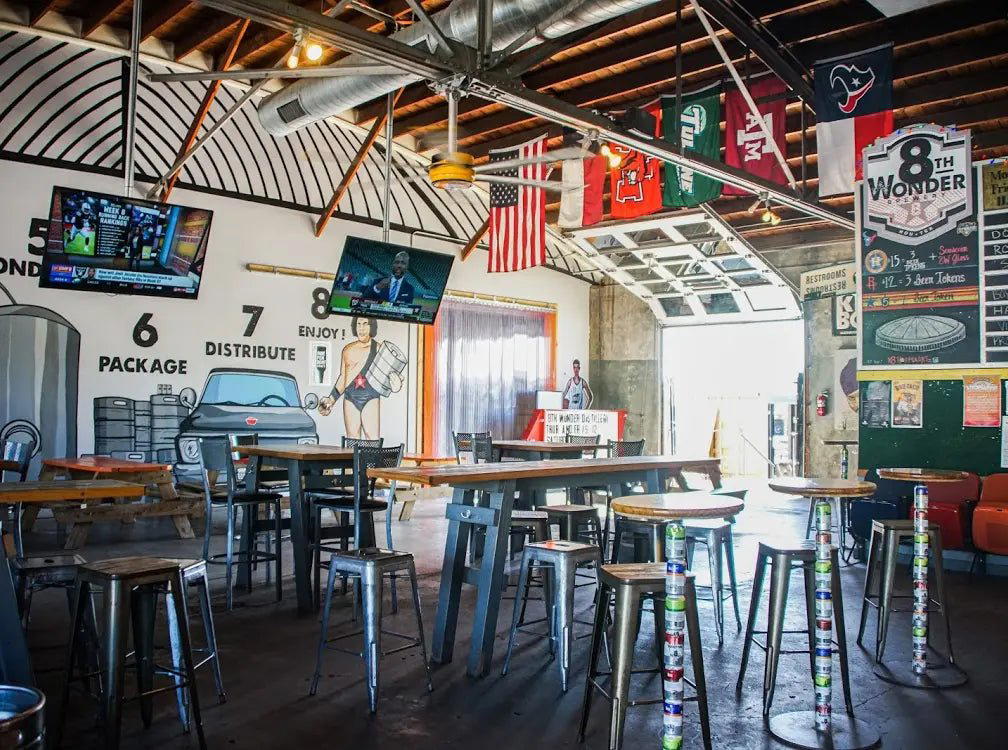
Restaurants in Houston
Browse all →
Hotels in Houston
Browse all →
Details
- Lively
- Energetic
- Industrial
- Trendy
- Group Outing
- Late Night
- Live Music
- Standing Room
- Lounge Seating
- Outdoor Terrace
- Craft Cocktails
- Craft Beer
- Street Scene
Current opening hours
- Monday
- 12–6 PM
- Tuesday
- 12–6 PM
- Wednesday
- 12–6 PM
- Thursday
- 12–6 PM
- Friday
- 12–6 PM
- Saturday
- Closed
- Sunday
- Closed
Hours can change for holidays and private events. Last verified .
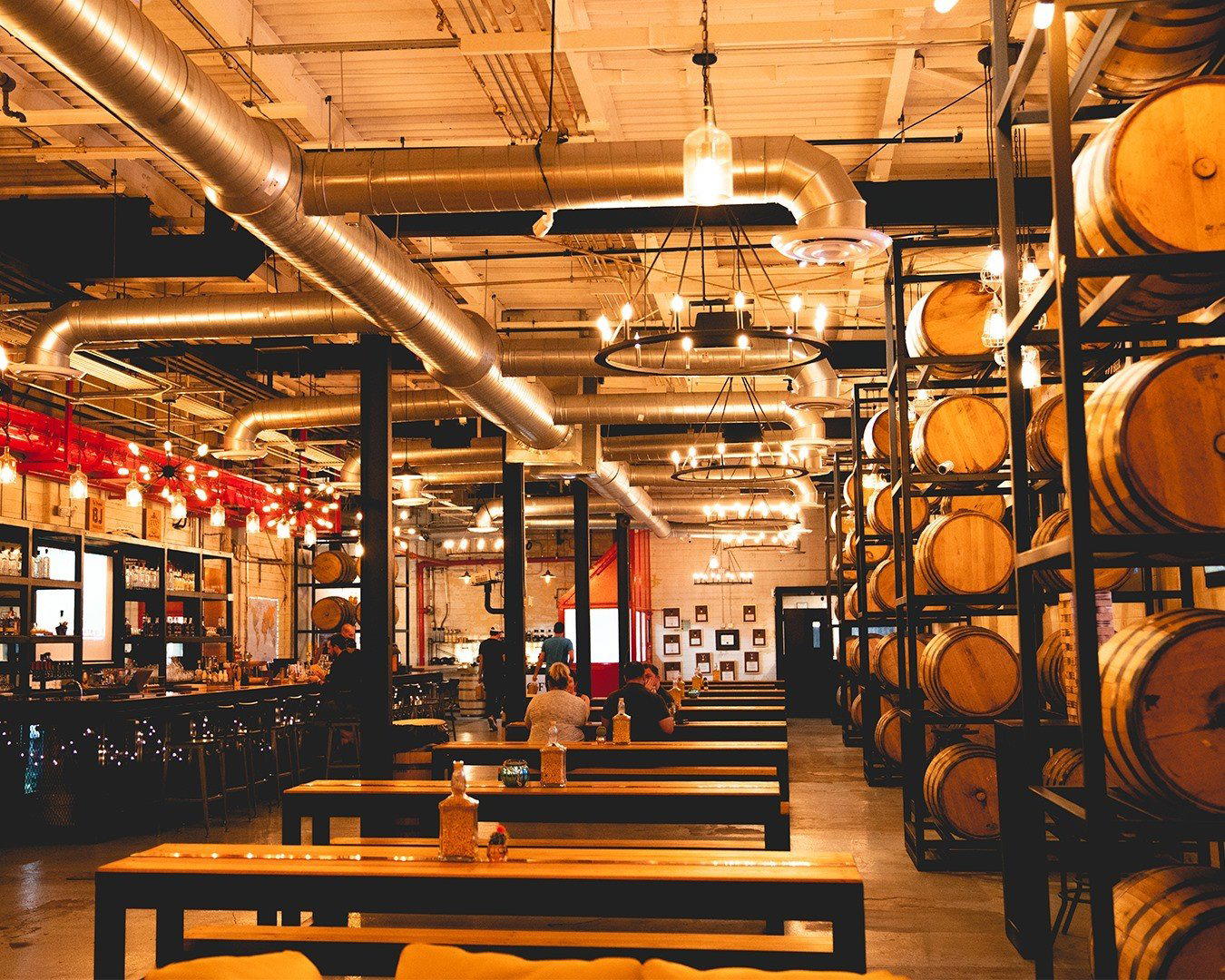
Energetic atmosphere with state-of-the-art lighting, sound systems, and modern industrial design in a spacious indoor/outdoor setting.