Upland
On the southern end of Collins Avenue, Upland occupies a space where the South Beach grid tightens and the crowd shifts from tourist-facing to neighborhood-regular. The room draws from a New York template, warm materials, a bar that commands the space, and lands in the mid-tier of Miami Beach dining where the emphasis is on consistent execution over spectacle.
Collins Avenue at Its Quietest End
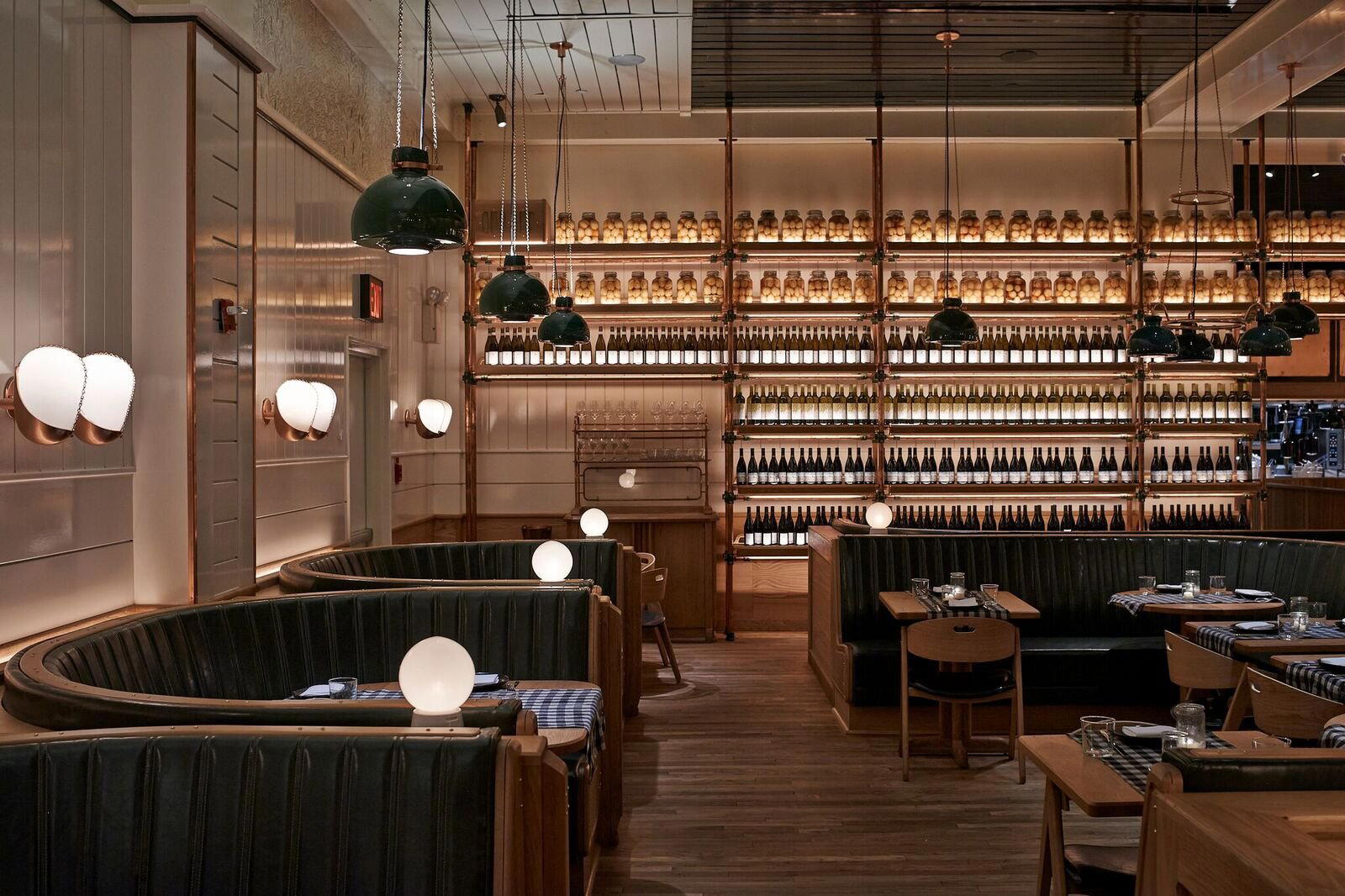
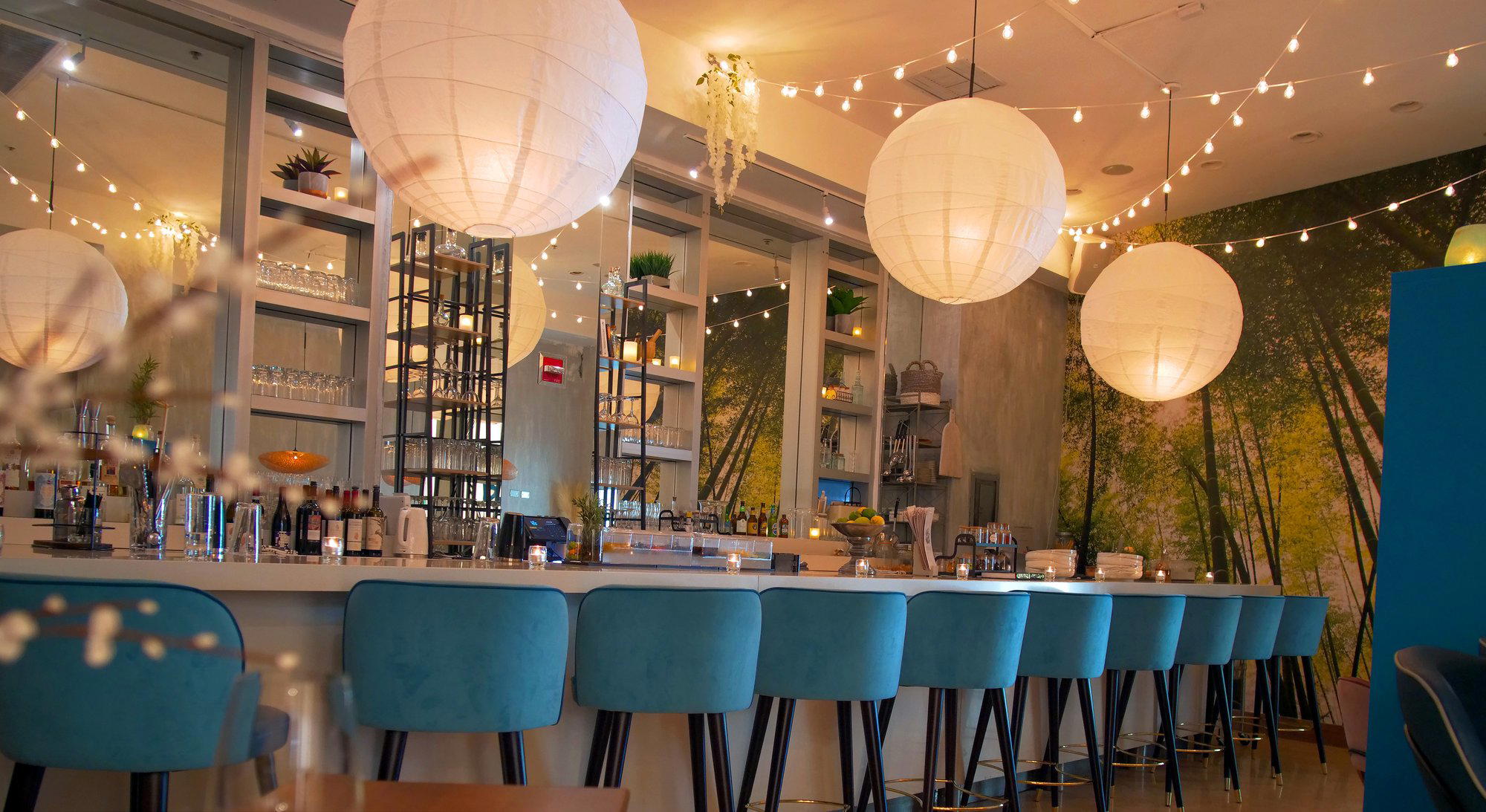
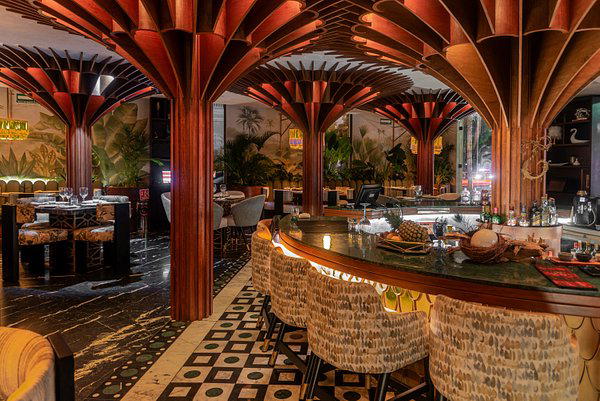
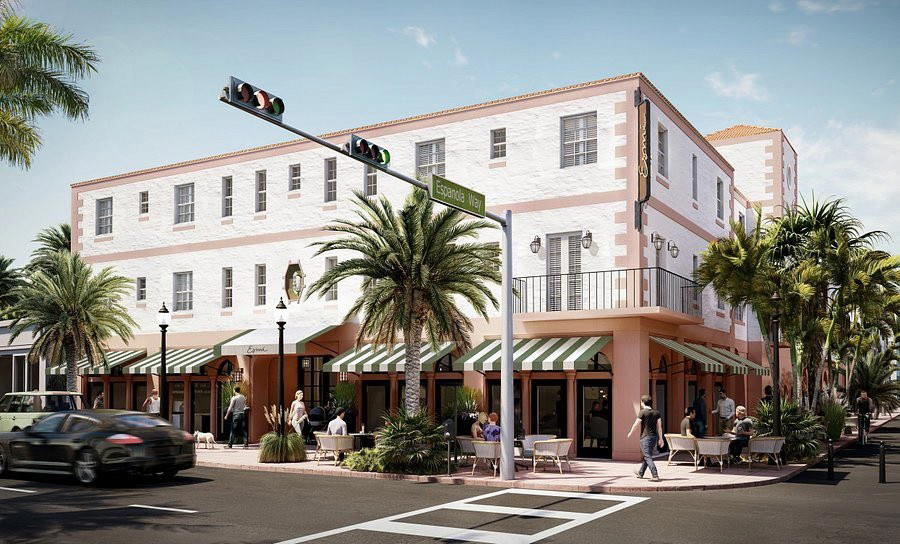
The southern stretch of Collins Avenue runs through a different register than the hotel corridor a mile north. At 49 Collins, the building scale drops, the foot traffic thins, and the dining room at Upland inherits that lower-key ambient temperature. Walking in, the space reads as deliberately composed: warm wood surfaces, considered lighting that stops short of dimness, and a bar positioned to function as the room's social anchor rather than its decorative afterthought. This is the physical grammar of a certain kind of American casual-upscale restaurant that migrated south from New York, where the design brief is legibility, a room you understand immediately and settle into rather than decode.
Miami Beach's dining map has long been divided between the hotel-anchored productions on upper Collins and Ocean Drive, where theatrical scale is the baseline, and a smaller category of street-level rooms that price and position against a neighborhood audience as much as against tourists. Upland sits in the latter group, on a block where Cafe Prima Pasta has held its own corner for decades, and where the density of operations is lower than it is ten blocks north.
The Space as Editorial Statement
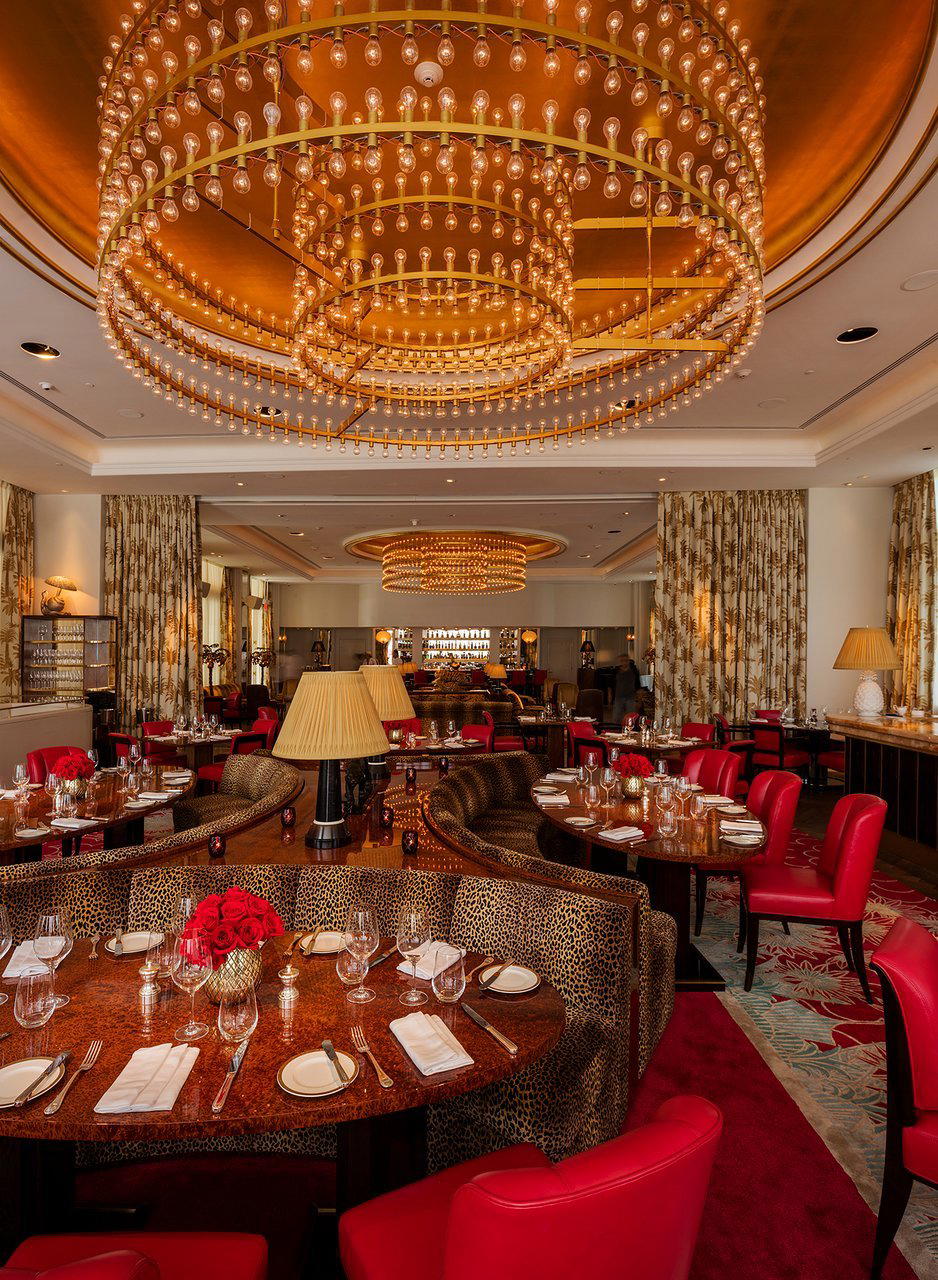
Interior architecture at this tier of Miami Beach dining tends toward two poles: the maximalist Baroque that echoes the Art Deco hotel aesthetic, and the restrained material palette borrowed from the New York restaurant template. Upland belongs to the second category. The seating arrangement distributes guests across a combination of bar stools, banquette sections, and table seating without creating a hierarchy that makes any position feel penalized. In rooms designed this way, the bar is never purely functional, it draws solo diners and couples who want the energy of the room without the formality of a table, and it gives the space a throughline of activity even on slower nights.
That design logic matters in a city where the visual competition is intense. South Beach venues frequently overinvest in surface spectacle at the cost of acoustic comfort and spatial ease. A room that reads quietly, wood, warm light, a bar that works, is making a distinct choice in this market, and that choice signals something about the intended experience: the conversation should be audible, the meal the primary event.
Where It Sits in the Miami Beach Scene
Miami Beach's mid-tier dining has grown more competitive over the past several years, with a number of New York-adjacent concepts taking positions along the Collins corridor and on the side streets feeding into Ocean Drive. Cecconi's Miami operates at the hotel-anchored end of that spectrum, with the Soho House infrastructure behind it. Bodega Taqueria y Tequila and 2201 Collins Ave represent the bar-forward end of the same neighborhood. Upland positions between those points: more restaurant than bar program, but not hotel-scaled.
The Upland name carries New York origin, the original location on Park Avenue South established a template of California-influenced cooking in a warm-materials room, and the Miami Beach iteration inherits that framing. That kind of cross-city transplant is now a recognizable pattern in South Beach, where New York operators have found a second-city audience that responds to familiar formats delivered in a sunnier physical context. The risk of that model is that the transplant feels like a dilution; the advantage is that it arrives with an established identity rather than building one from scratch in a crowded market.
The Bar Program in Context
Across American cities, the bar programs at this tier of casual-upscale dining have moved toward greater technical seriousness over the past decade. The cocktail list is no longer a secondary consideration appended to the food menu, it functions as a parallel identity signal. Comparisons are useful here: Kumiko in Chicago represents the dedicated-program end of that spectrum, with a bar built around Japanese technique and ingredient sourcing as a primary editorial statement. Jewel of the South in New Orleans grounds its program in historical recipe research. ABV in San Francisco positions around low-ABV and spirit-forward balance. Julep in Houston built its identity around Southern whiskey tradition.
At Upland, the bar program operates as part of the integrated restaurant experience rather than as a standalone destination of that kind. The room is designed so that bar seating and dining seating share the same atmosphere, which means the cocktail list is calibrated to work alongside food rather than to stand independently as a tasting format. That is a different design decision than what Bar Leather Apron in Honolulu or Superbueno in New York City have made, where the bar identity leads and the food program supports it.
For the Miami Beach context, where the evening moves from drinks to dinner to late-night across different venues rather than consolidating in one room, an integrated approach has commercial logic. The guest arriving at 7pm for dinner wants the bar to be functional and well-executed; they are less likely to be treating it as a destination in its own right the way they might at a dedicated cocktail bar. Venues like The Parlour in Frankfurt operate in a European context where the single-room evening is more standard, Miami Beach's multi-stop culture shapes the function of every bar program in the neighborhood differently.
Planning a Visit
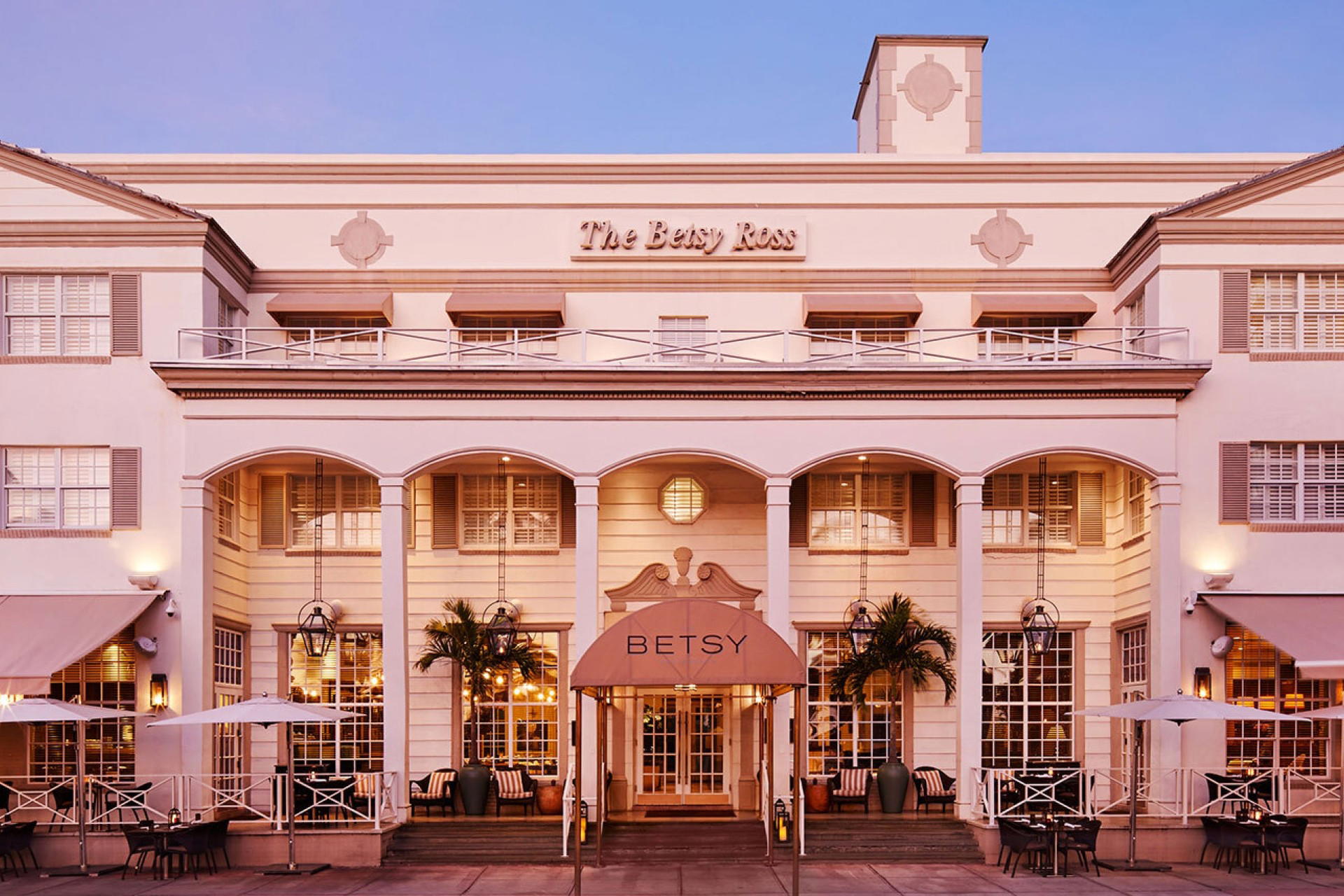
Upland sits at 49 Collins Ave, at the southern end of the Beach grid, within walking distance of the historic Art Deco district and the southern Ocean Drive strip. For visitors staying in the northern hotel corridor, the location requires intent, it is not a casual pass-by. That distance from the highest-traffic tourist zone is part of what keeps the room operating closer to its intended register. Reservations are advisable for weekend evenings; the room's design, which prioritizes atmosphere over maximum capacity, means that walk-in availability on busy nights is limited. For a fuller picture of where Upland sits in the neighborhood's broader dining and bar map, see our full Miami Beach restaurants guide.
At a Glance
| Venue | Price | Awards |
|---|---|---|
| UplandThis venue (the venue you are viewing) | Not listed | Not listed |
| Water Lion Wine + Alchemy | $50–100 | Star Wine List |
| Mac's Club Deuce ♣️ | $10–20 | Not listed |
| LIV Nightclub Miami | $100–150 | DJ Mag Top 100 Clubs #72 |
Continue exploring
More in Miami Beach
Bars in Miami Beach
All bars in Miami Beach →
Restaurants in Miami Beach
All restaurants in Miami Beach →
Upland
The drinks
- Craft cocktails
Signature drinks: Hibiscus Collins, Kaffir Lime Daiquiri, Rosemary Gin & Tonic.
Details
- Modern
- Trendy
- Cozy
- Intimate
- Date Night
- Casual Hangout
- Design Destination
- Seated Bar
- Lounge Seating
- Craft Cocktails
Warm glow with copper accents, earth tones, and illuminated jars creating an intimate café-like atmosphere.