Two James Spirits Detroit Tasting Room
Detroit's first craft distillery to open after Prohibition, Two James Spirits operates its tasting room on Michigan Avenue in Corktown, the city's oldest neighbourhood and now a focal point for independent food and drink. The space offers direct access to the distillery's whiskey, gin, and vodka portfolio in a setting that reflects the industrial character of the surrounding district.

Pearl is the En Primeur Club membership app, where members save venues, book tables and use the concierge.
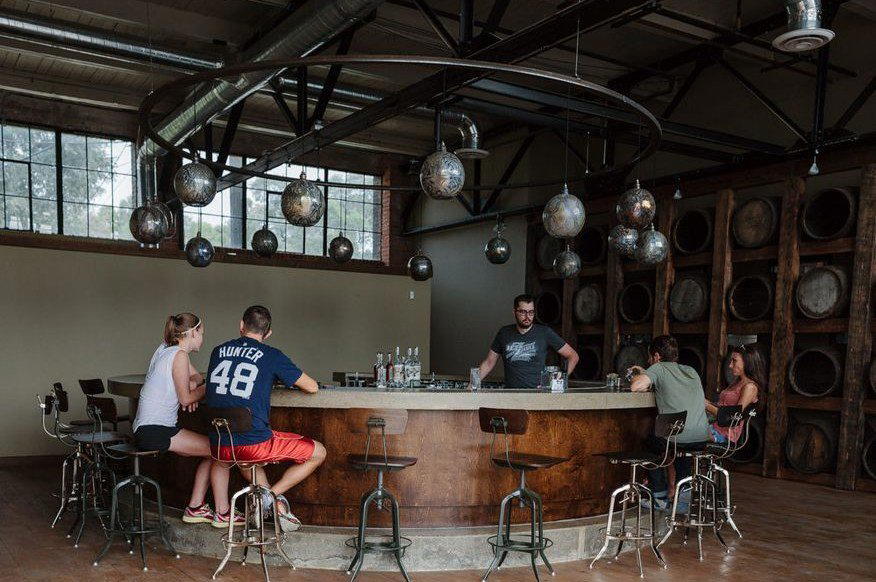
Corktown's Distilling Tradition and Where Two James Fits In
Detroit's Corktown neighbourhood has spent the past decade accumulating the kind of food and drink density that makes it worth planning around rather than stumbling into. Michigan Avenue, the district's main artery, now carries a range of independent operators, breweries, wine bars, cocktail rooms, that position Corktown as a genuine alternative to downtown's more polished hospitality circuit. Two James Spirits, at 2435 Michigan Ave, holds a particular place in that sequence: it was Detroit's first craft distillery to receive a license after Prohibition, a fact that carries weight in a city where manufacturing identity and civic pride tend to intertwine.
American craft distilling expanded rapidly through the 2010s, with hundreds of new producers entering the market each year. Within that movement, the tasting room format became a standard sales and education tool, but the quality of that experience varies considerably. At one end are perfunctory retail counters attached to production facilities; at the other are genuinely programmed spaces where the spirits are presented with enough context to reward attention. Two James operates in the latter category, with its Michigan Avenue location functioning as both a public face for the brand and a working extension of Corktown's independent bar culture.
The Physical Context: What Michigan Avenue Signals
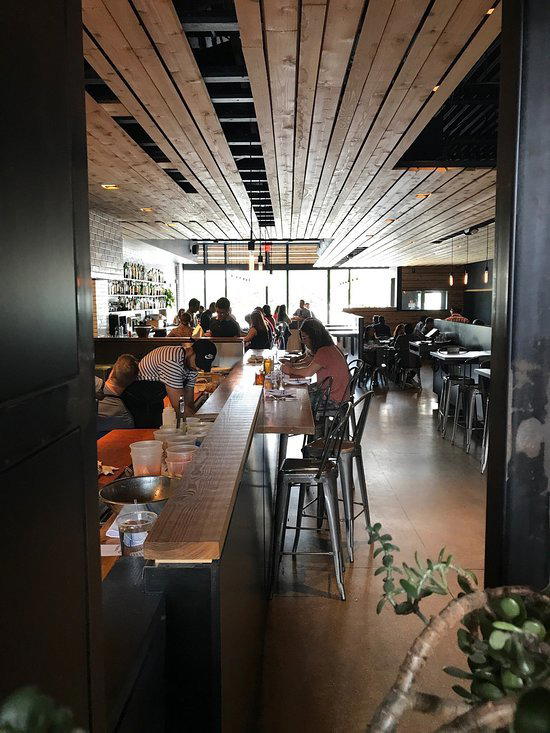
Approaching the tasting room from the street, the neighbourhood itself does some framing work. Corktown's built environment runs toward brick warehouses, converted industrial space, and the kind of architectural scale that doesn't apologise for its origins. The Two James building sits within that grain. This is not a sanitised visitor centre constructed to evoke distilling heritage, it occupies a working district where the heritage is ambient and the other venues nearby are operating on similar terms.
For a point of comparison, Detroit's bar and brewing scene along this corridor includes Atwater Brewery & Tap House, which occupies a different category as a production brewery with a substantial tap room, and smaller cocktail-led rooms like Andrews on the Corner. The Two James tasting room sits between those poles: more focused than a multi-tap brewery, more production-oriented than a pure cocktail bar.
Planning Your Visit: What to Know Before You Arrive
Distillery tasting rooms in the United States generally operate on a walk-in basis, with ticketed flights or paid tastings replacing the free-pour model that was common in earlier craft spirits culture. It is worth contacting Two James directly before visiting to confirm current opening hours and whether any ticketed programming, private tastings, or seasonal events are on the calendar, as these formats tend to shift at smaller operations.
Corktown is accessible by car with street parking along Michigan Avenue, and the neighbourhood is walkable once you arrive. For visitors treating the area as a broader drinks itinerary, the concentration of independent venues means a single evening can cover multiple categories, distillery, brewery, wine bar, without covering significant ground. 1459 Bagley St and 3Fifty Terrace are both within the neighbourhood's orbit and represent different points on the spectrum from dive-adjacent to rooftop bar format.
The Spirits Program in Context
Two James produces across the standard American craft distillery categories, whiskey, gin, and vodka, with whiskey carrying the most cultural weight given Detroit's industrial heritage and the broader American appetite for domestic brown spirits. Craft whiskey at this tier competes on provenance, production method, and local identity rather than age statements, which means the tasting room visit functions partly as a way to understand what distinguishes the house style from the wider market.
For visitors who track spirits-focused hospitality across US cities, the range of what a tasting room can offer is illustrated by venues like Julep in Houston, which treats American whiskey as a curatorial subject across a full bar program, or Bar Leather Apron in Honolulu, where the technical program runs deep across multiple spirit categories. Two James operates on different terms, production-house tasting rather than independent bar programming, but the comparison is useful for calibrating what kind of visit you're planning. The value here is access to the producer's own range in its native context, not a spirits library drawn from across the market.
Detroit's Craft Spirits Moment and How It Reads from the Outside
Cities with strong manufacturing identities, Detroit, Louisville, Pittsburgh, have tended to develop craft spirits cultures that lean into production authenticity rather than cocktail theatre. The distillery tasting room format fits that disposition: the product and its origin are the point, and the physical proximity to where things are made functions as the primary draw. This is a different register than the technically programmed cocktail bars now drawing international attention in cities like Chicago (Kumiko), New York (Superbueno), or San Francisco (ABV), or the tradition-rooted programs at places like Jewel of the South in New Orleans. Two James sits in the production-first register, and that's the right frame for evaluating what it offers.
Internationally, the contrast is sharper still. A venue like The Parlour in Frankfurt operates within a European cocktail bar tradition that prioritises technique and menu authorship. The Two James tasting room is doing something structurally different, it is a distillery's public interface, and it should be judged on how well it fulfils that function, not how it compares to an independently programmed bar. For Detroit visitors, it is a meaningful stop precisely because of what it represents in the city's post-Prohibition spirits history, not because it competes on the same axis as the city's cocktail rooms.
For broader context on where Two James fits within Detroit's full drinking and dining scene, our full Detroit restaurants guide maps the city's independent operators across neighbourhoods and categories.
Accolades, Compared
| Venue | Cuisine | Price | Awards |
|---|---|---|---|
| Two James Spirits Detroit Tasting RoomThis venue (the venue you are viewing) | Not listed | $20–30 | Not listed |
| Chenin | wine bar / natural wines | $30–50 | James Beard Award Nominee |
| Full Measure Brewing Co. | brewery / pub food | $20–30 | Not listed |
| Dirty Shake | bar food / nostalgic cocktails | $20–30 | Not listed |
| Roar Brewing Co. | brewery / craft beer | Not listed | Not listed |
| Saksey’s | cocktails / bar | Not listed | Not listed |
Continue exploring
More in Detroit
Bars in Detroit
All bars in Detroit →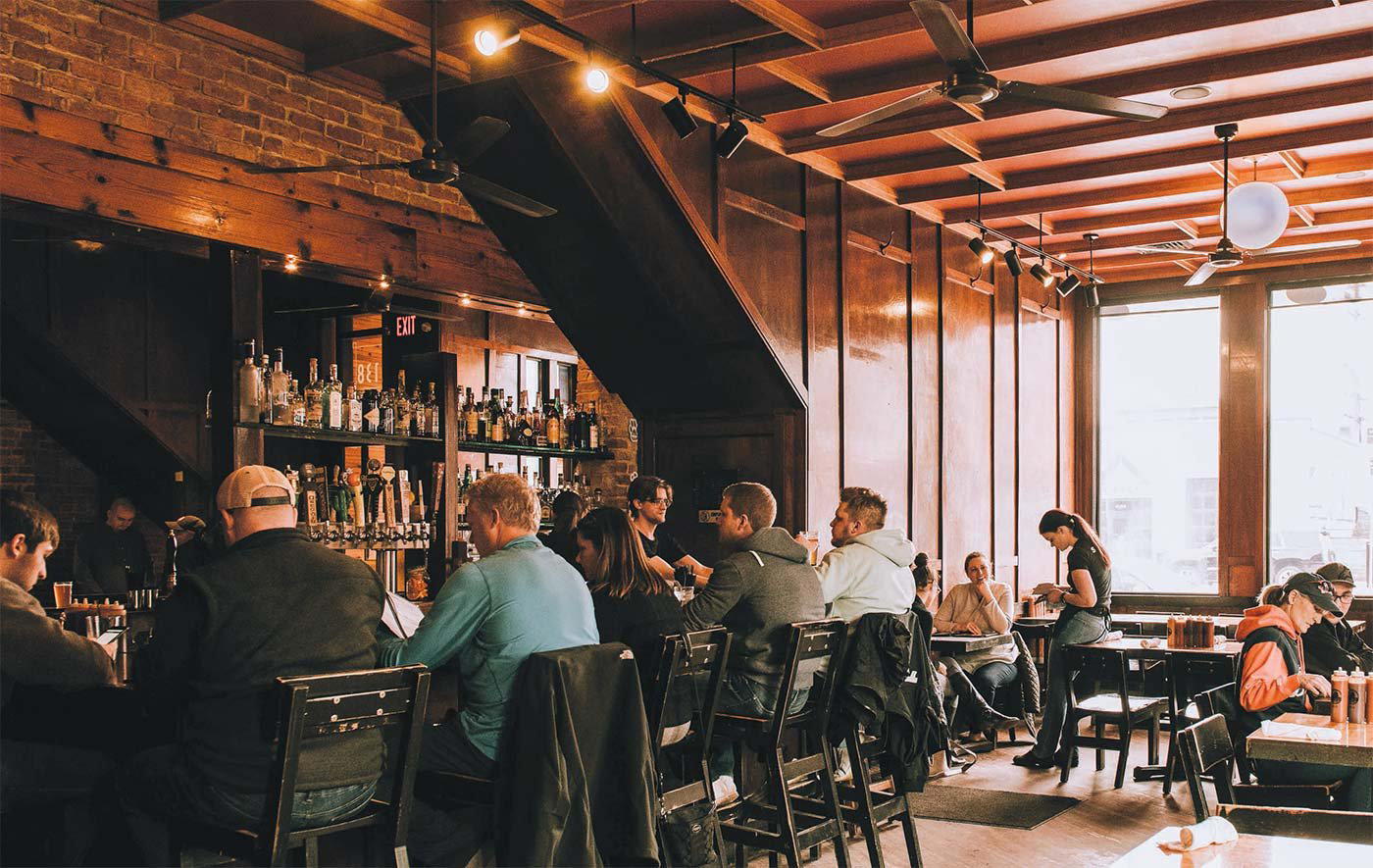
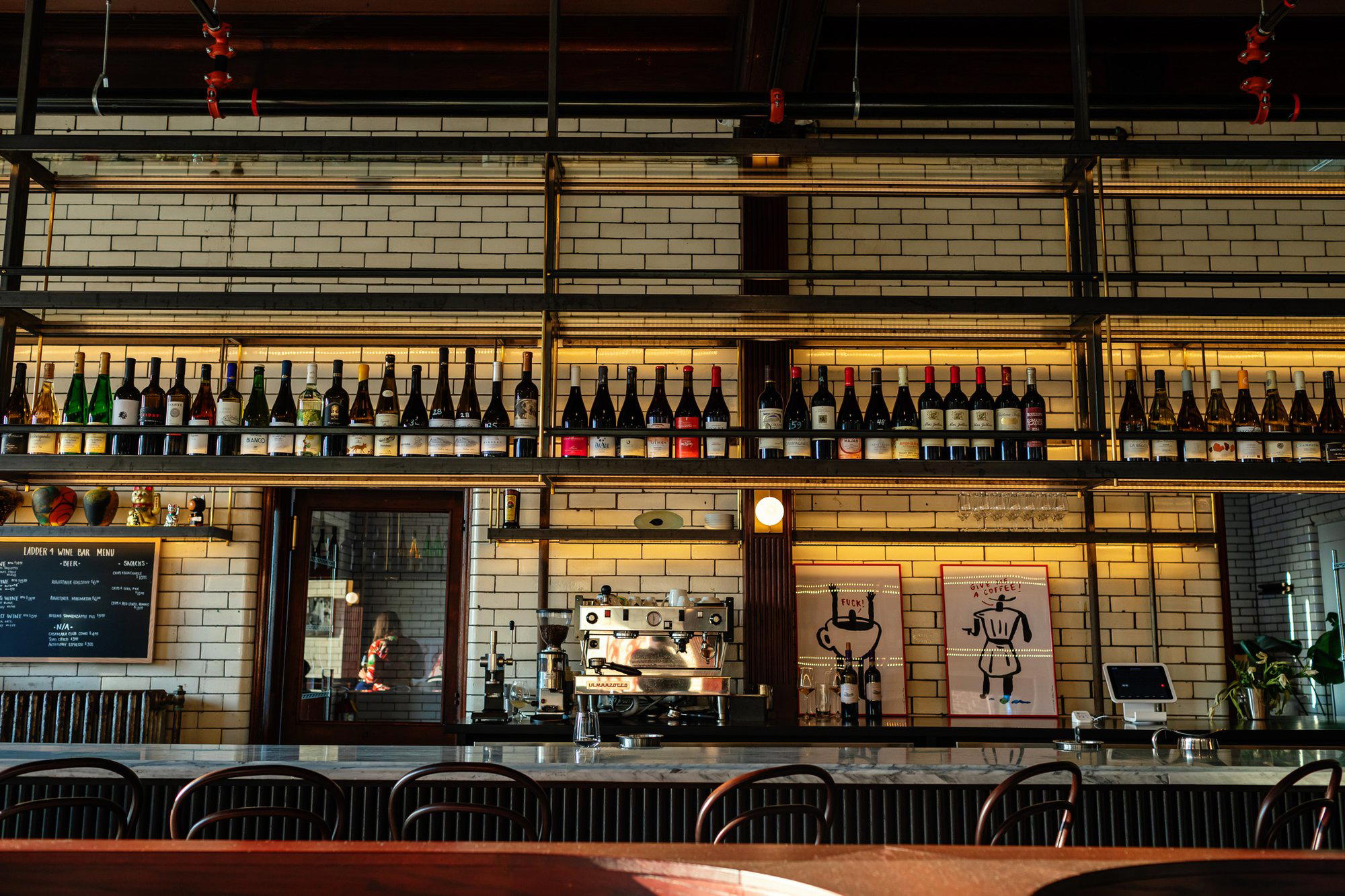
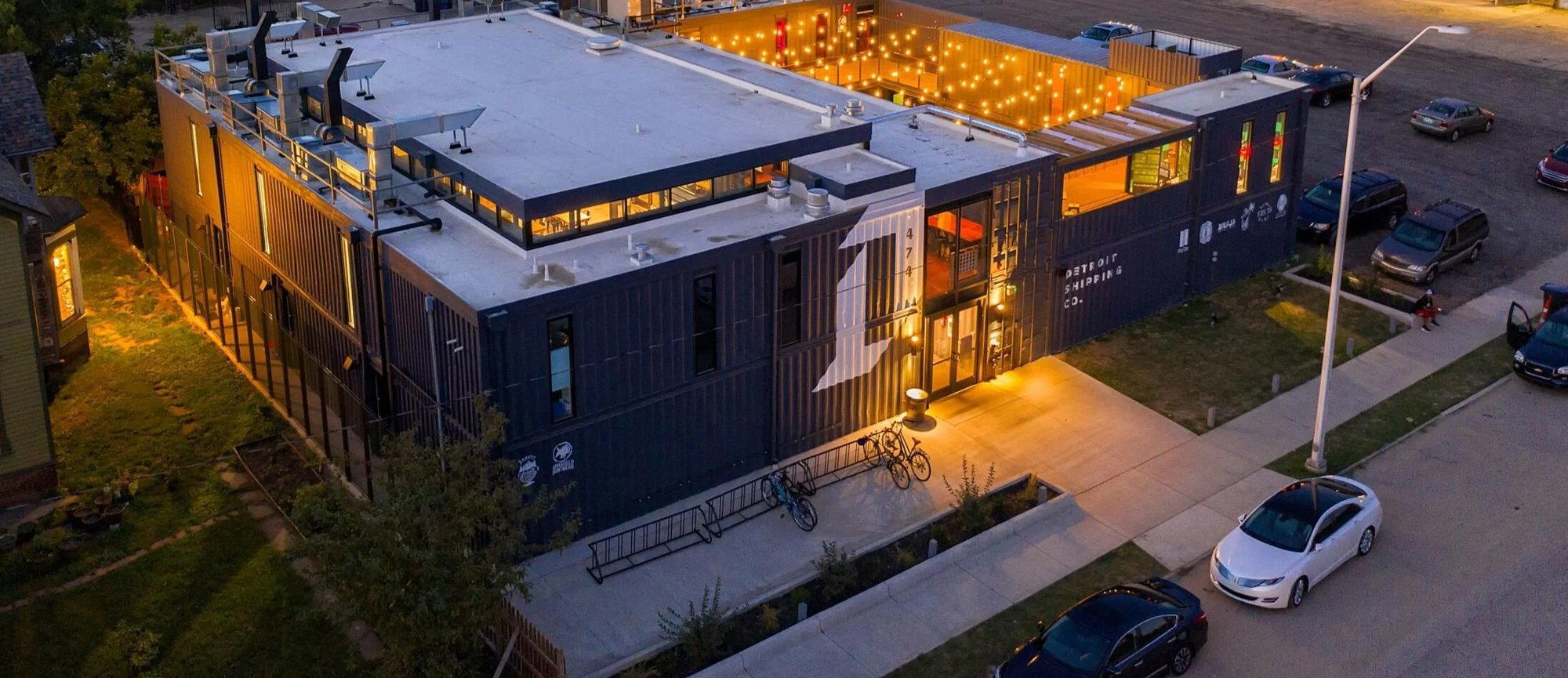
Two James Spirits Detroit Tasting Room
The drinks
- Craft cocktails
Signature drinks: Smelly Cat, The Rachel, Dr. Ramoray.
Details
- Industrial
- Cozy
- Trendy
- Intimate
- After Work
- Casual Hangout
- Date Night
- Standalone
- Historic Building
- Seated Bar
- Communal Tables
- Craft Cocktails
- Whiskey
- Gin
- Rum
Current opening hours
- Monday
- 12 PM–12 AM
- Tuesday
- 12 PM–12 AM
- Wednesday
- 12 PM–12 AM
- Thursday
- 12 PM–12 AM
- Friday
- 12 PM–1 AM
- Saturday
- 12 PM–1 AM
- Sunday
- 12–8 PM
Hours can change for holidays and private events. Hours as of .
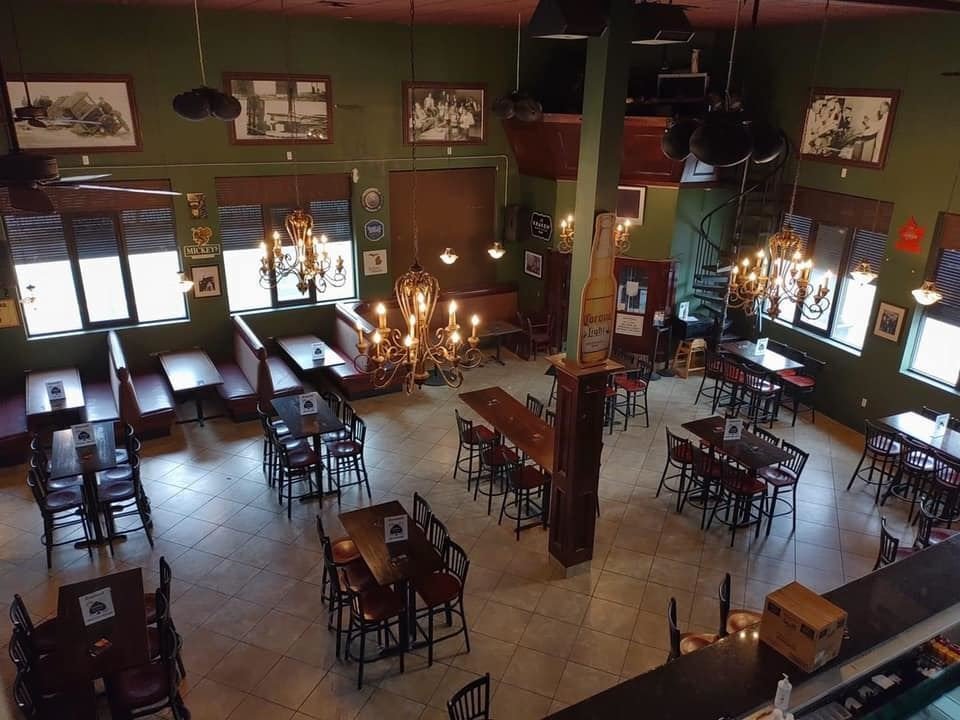
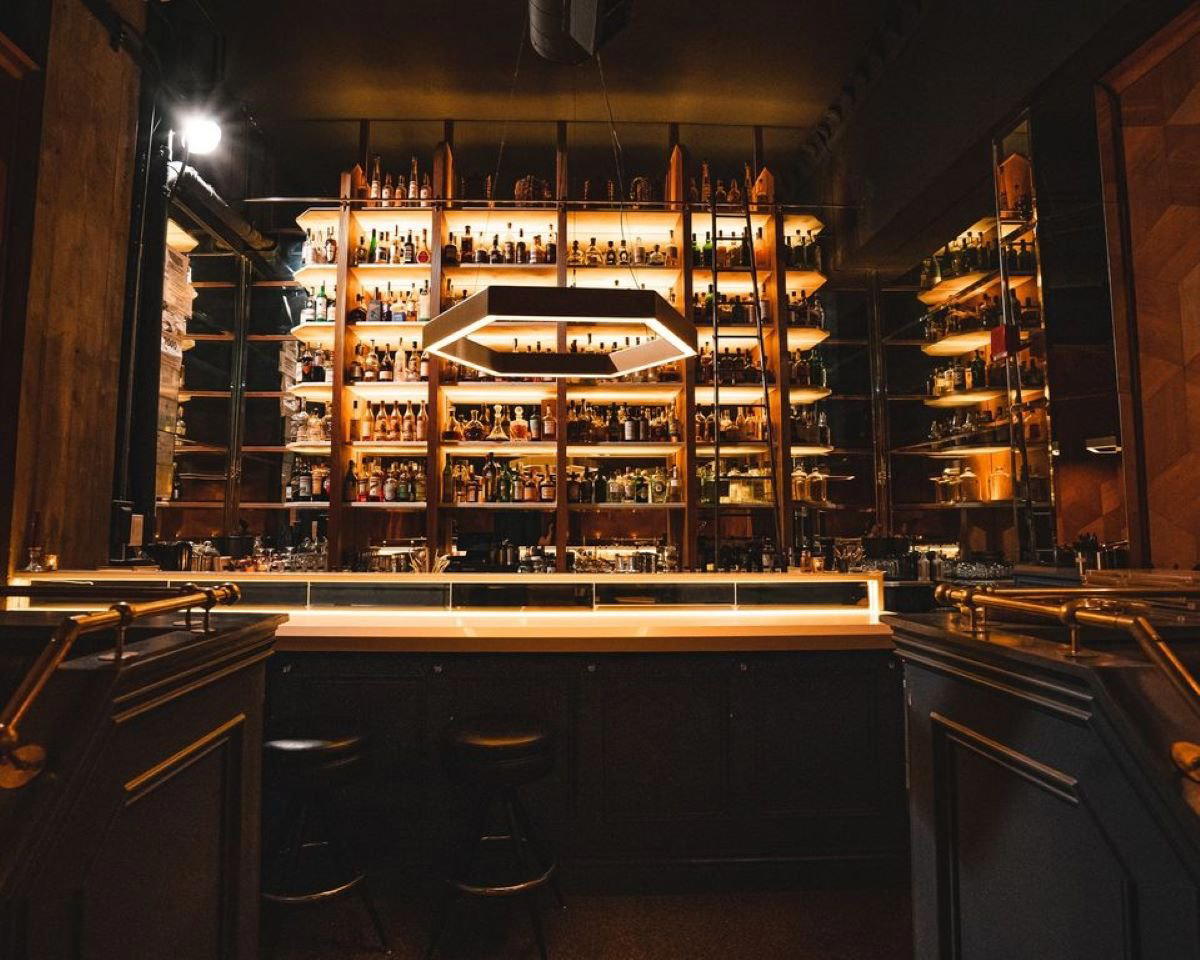
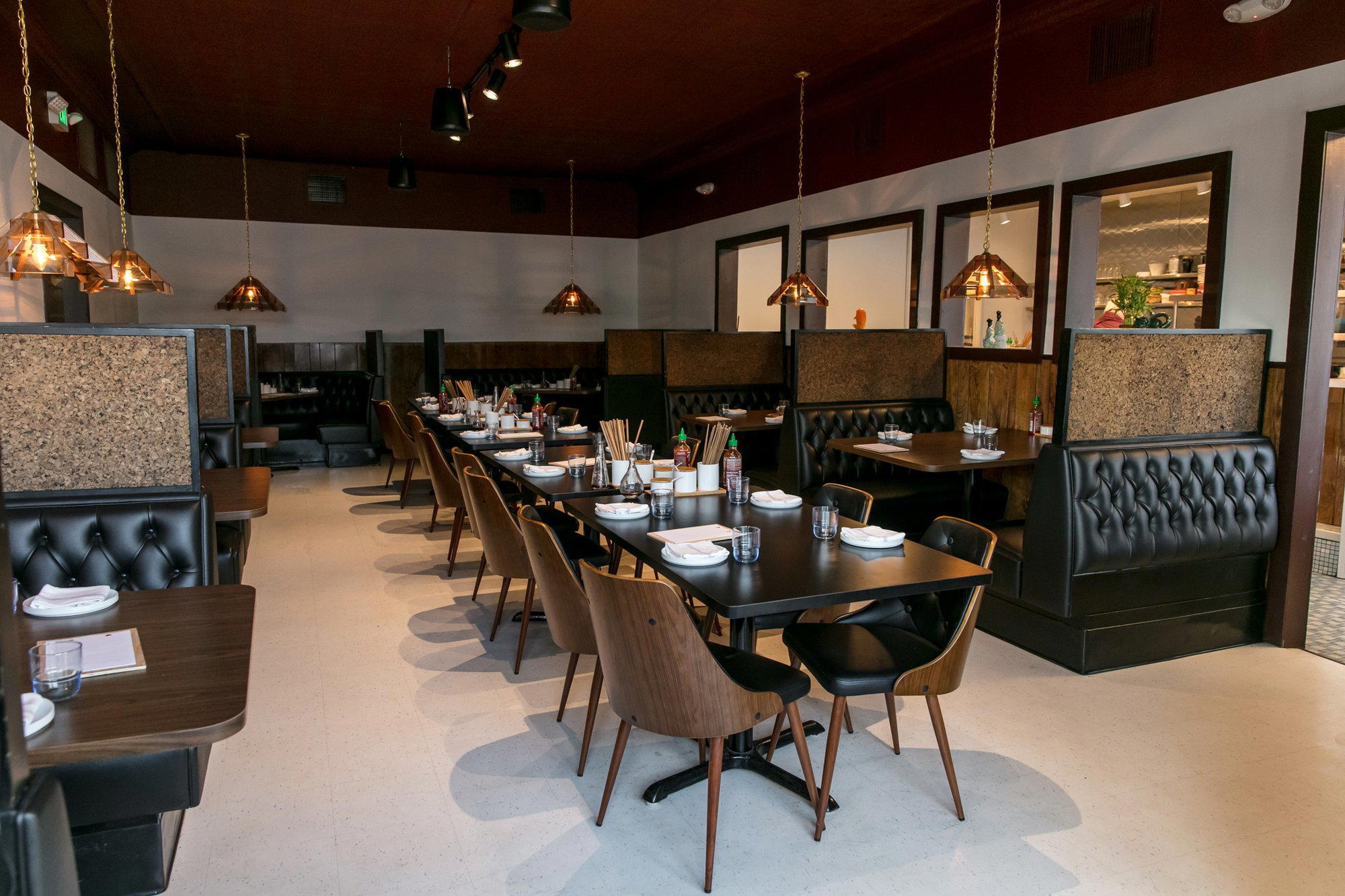
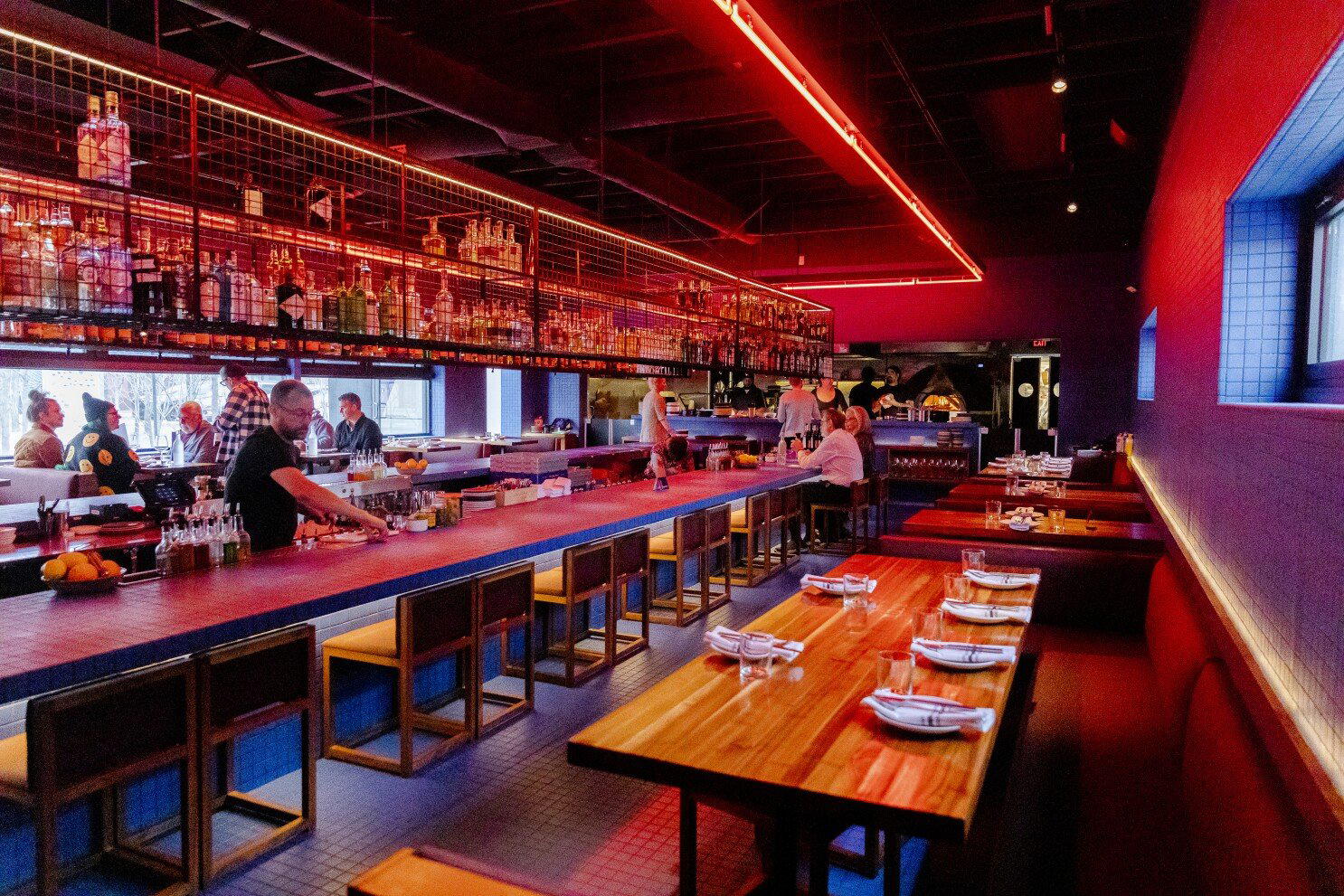
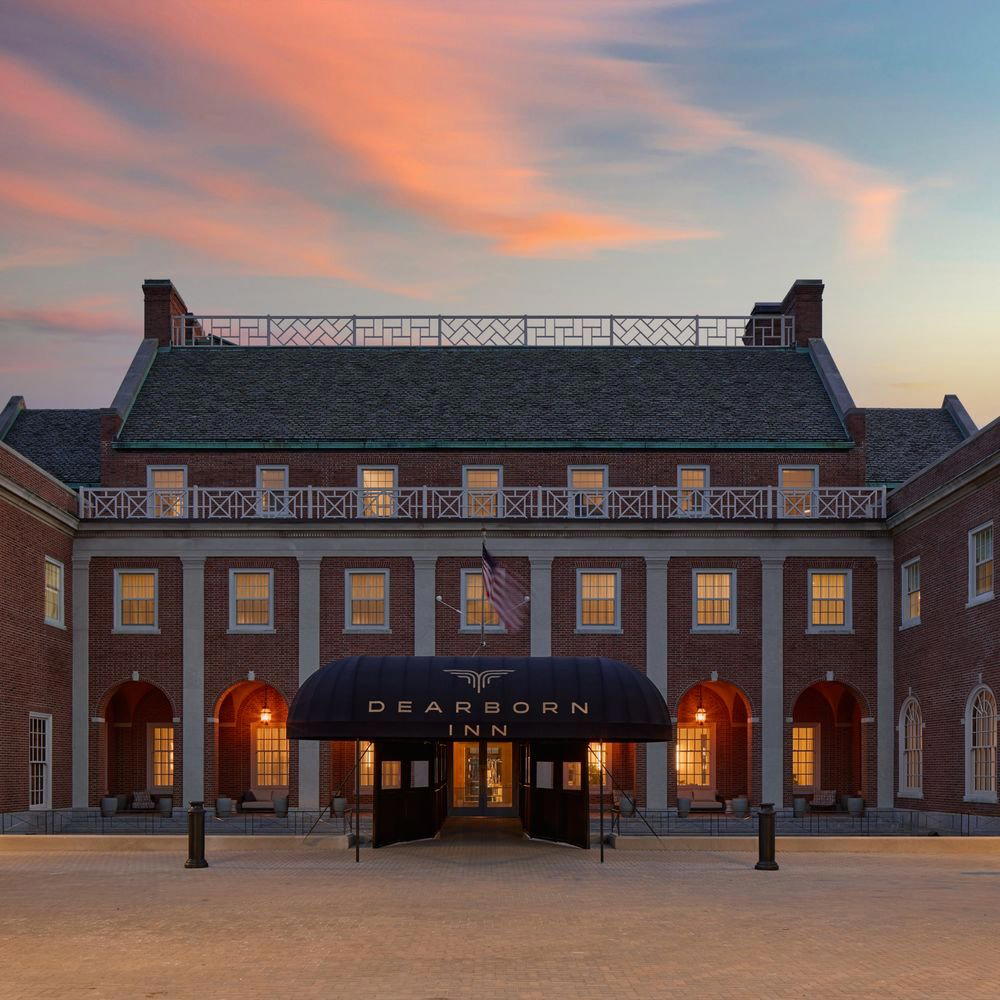
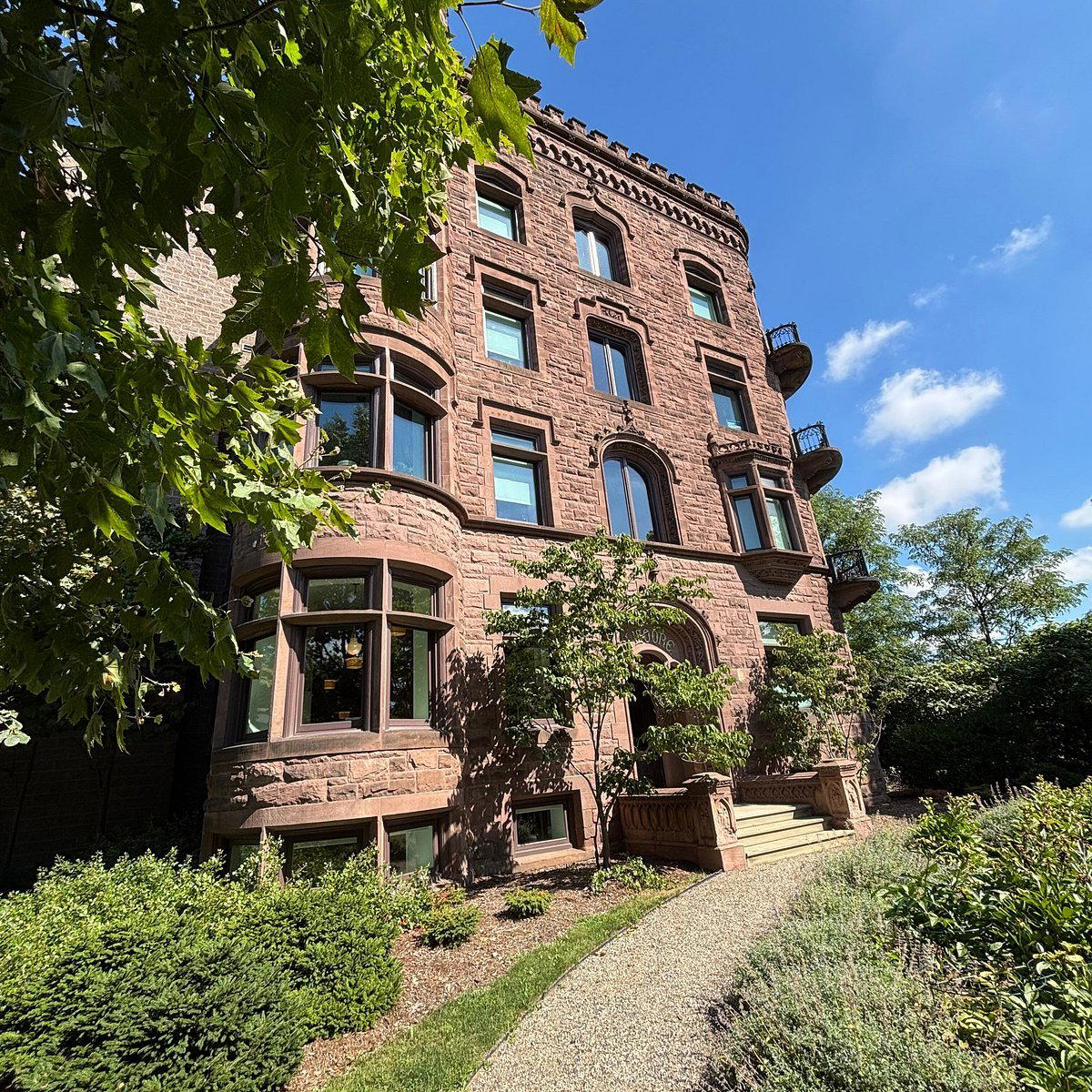
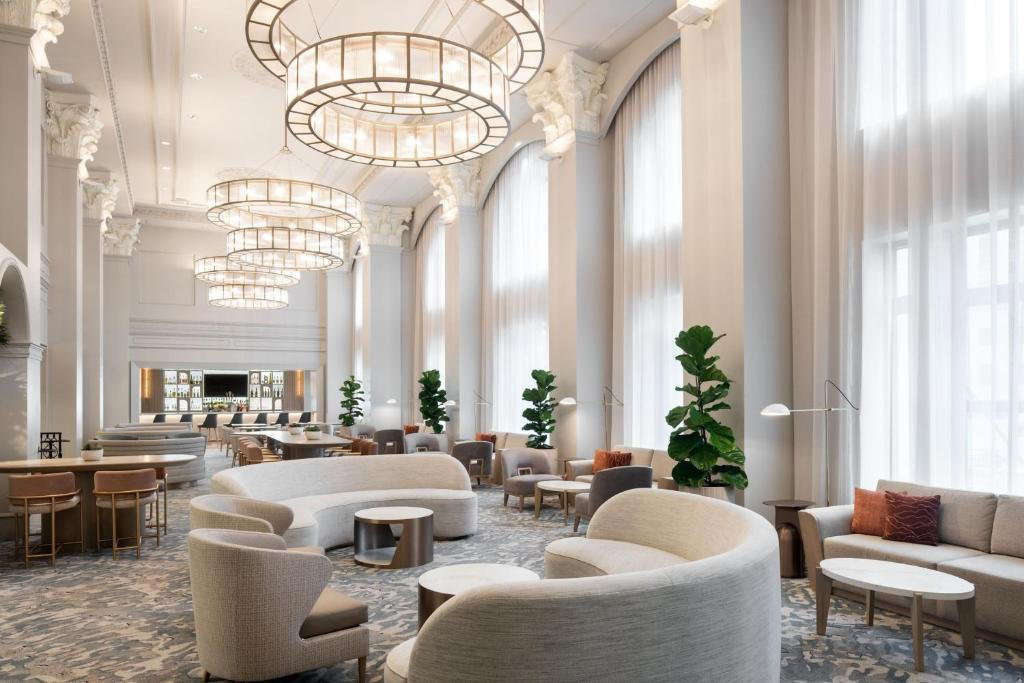
Comfortable and inviting reclaimed warehouse space featuring a circular bar, cozy seating at small tables, and a bustling yet relaxed atmosphere.