The Whitney
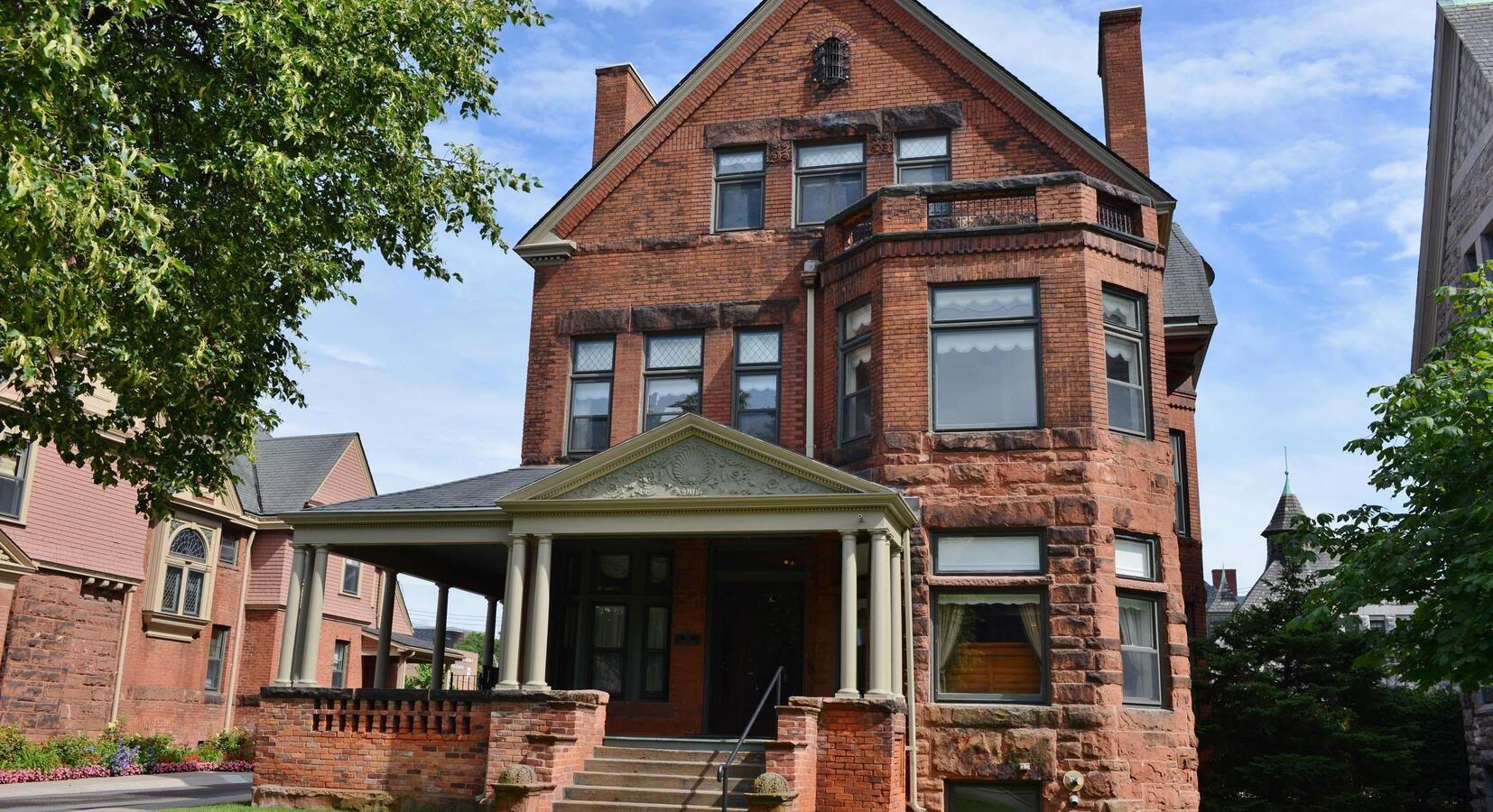
The Whitney occupies one of Detroit's most recognizable Gilded Age mansions on Woodward Avenue, operating as a multi-room dining destination where the architecture sets the pace for the meal. The building's layered spaces, from formal dining rooms to a rooftop bar, position it within Detroit's premium dining tier as a venue where occasion and setting carry as much weight as the plate.
Pearl is the En Primeur Club membership app — saves, bookings, and concierge access live there. Same editors, same standards.
- Address
- 4421 Woodward Ave, Detroit, MI 48201
- Phone
- +1 313 832 5700
- Website
- thewhitney.com
- Directions
- Get directions
 Saves & bookings on Pearl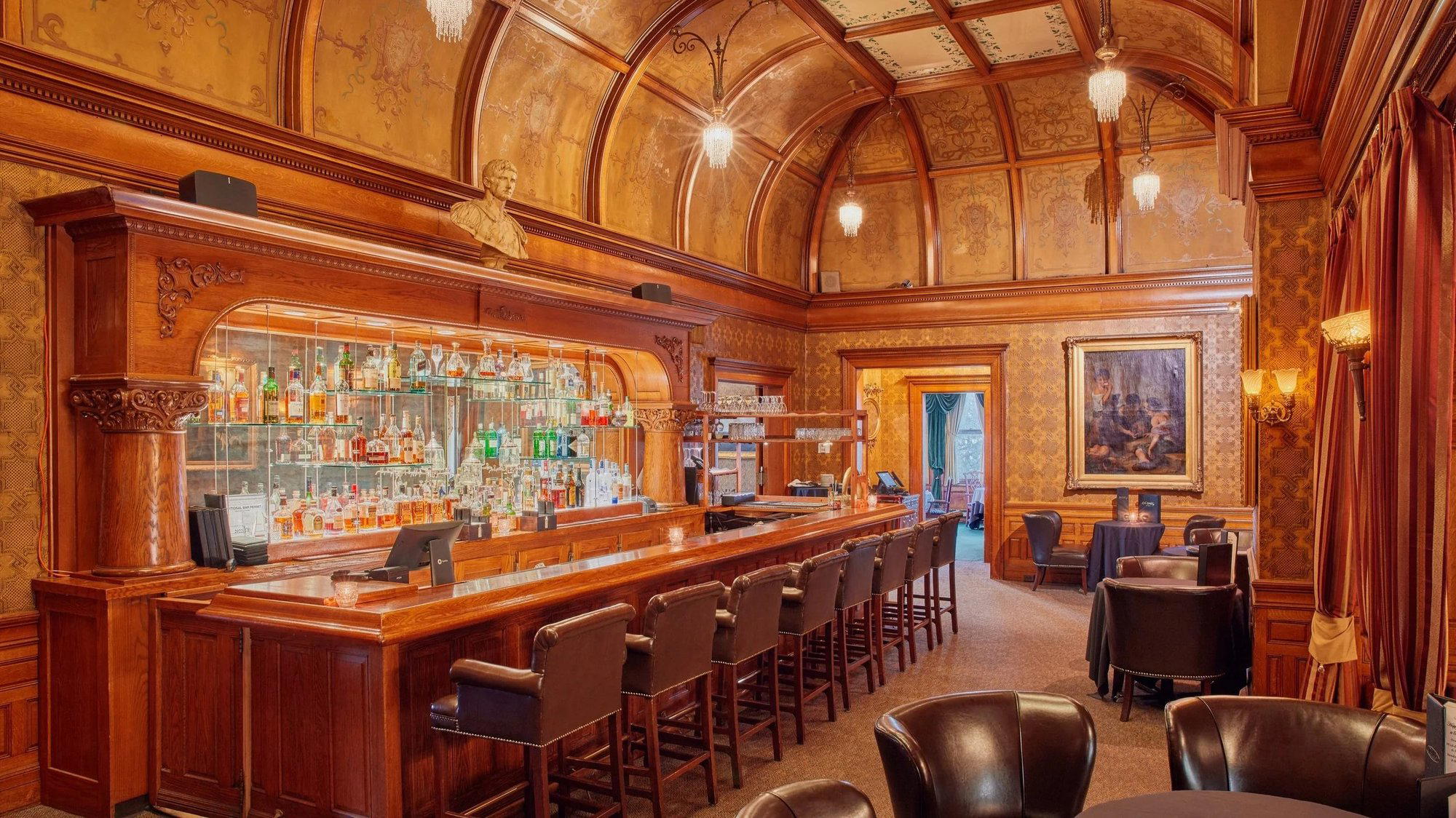
Woodward Avenue's Most Consequential Dining Room
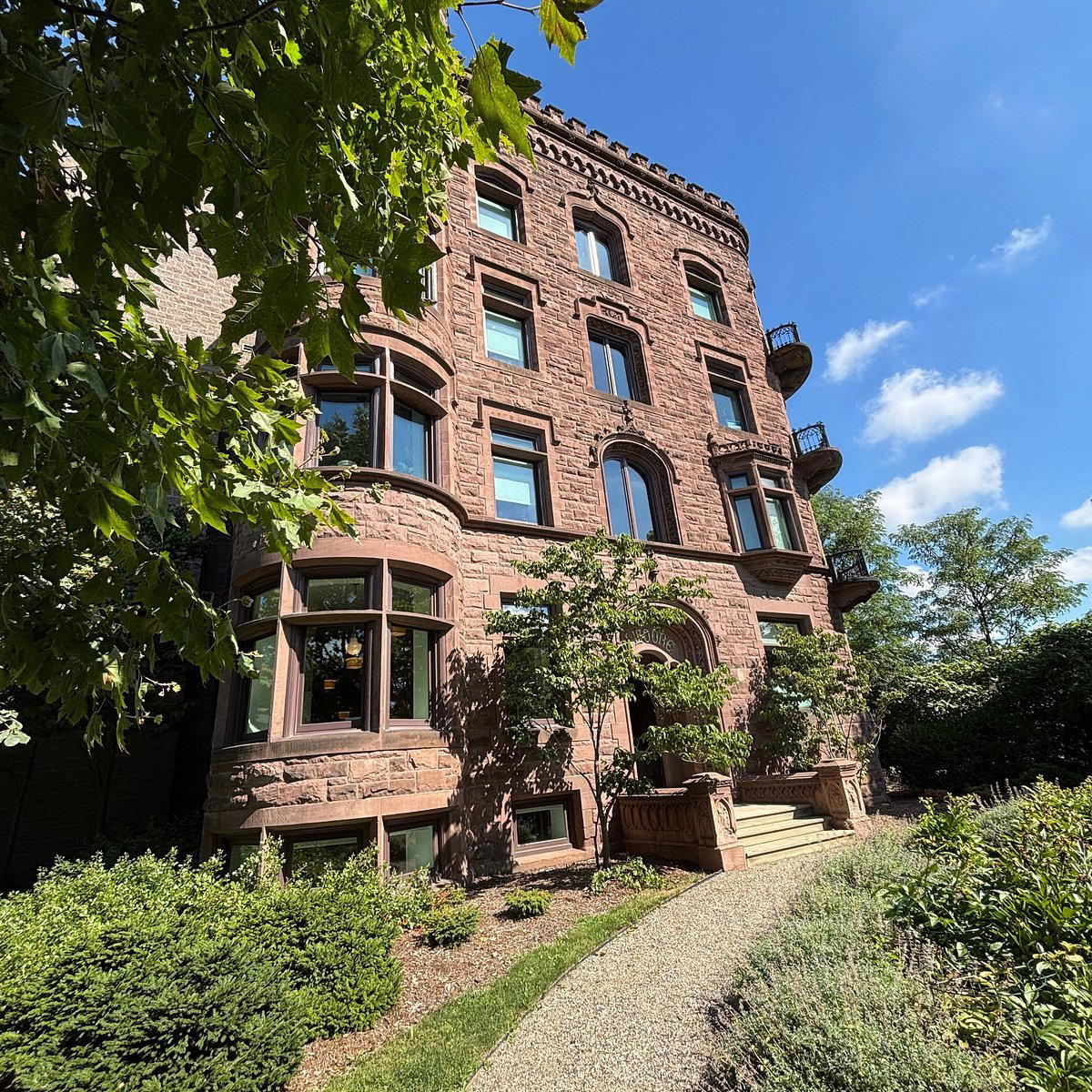
Few American cities have a dining landmark that doubles as a direct architectural record of industrial-era wealth, and Detroit is fortunate that one of its most intact examples also happens to serve dinner. The Whitney sits at 4421 Woodward Ave in the heart of Midtown, occupying the late-nineteenth-century mansion built for David Whitney Jr. one of the lumber barons whose fortunes shaped the city's early skyline. The building's exterior, pink Jasper granite, turrets, and all the formal confidence of Romanesque Revival design, announces itself before any menu does. Walking toward it on Woodward, you are not approaching a restaurant that happens to occupy an old building; you are approaching a building that has extended hospitality as a second career.
That distinction matters for how the experience is framed. Detroit's dining scene has diversified considerably over the past decade, with Midtown and Corktown producing a range of formats from natural wine bars and neighborhood bistros to chef-driven counter experiences. The Whitney occupies a different position in that mix: it is a special-occasion anchor, a venue whose competitive set is less about cuisine category and more about the durability of the experience format. In a city still navigating the relationship between its industrial past and its current creative momentum, a mansion turned restaurant carries symbolic weight that a new-build space simply cannot replicate.
The Architecture as First Course
The tasting progression at a venue like The Whitney begins before the amuse-bouche, or wherever the meal formally starts. It begins at the door. The mansion contains over fifty-two rooms across multiple floors, and the spatial experience of moving through them, past stained glass windows attributed to Tiffany Studios, carved woodwork, and period fireplaces, functions as an extended prologue to eating. This is not incidental. The building structures the guest's attention in a way that a conventional dining room cannot: you arrive alert, already reading the environment, already in a frame of mind that is receptive to ceremony.
Multi-room venues of this type create an experience arc that single-room restaurants rarely can. The transition from arrival drink to seated first course to a later floor or room for dessert is a form of physical sequencing that mirrors the narrative arc of a well-constructed tasting menu. The bar has historically offered both its formal dining rooms and a rooftop bar, a spatial range that lets guests choose their own pacing, whether they want the full progression or a more abbreviated version. That flexibility is increasingly valuable in a dining market where rigid tasting-menu formats compete with more casual, guest-directed experiences.
Where The Whitney Fits in Detroit's Drinking Scene
Detroit's bar culture has its own distinct character, shaped by the city's working-class roots and its more recent wave of craft-focused venues. Compared to the intimate, technically-driven programs at spots like 1459 Bagley St or the neighborhood energy of Andrews on the Corner, the bar's bar operates in a register defined by setting rather than cocktail innovation. The Ghost Bar on the upper floor has developed a local reputation of its own, part of the building's broader identity as a venue with multiple distinct social registers operating simultaneously.
For visitors placing Detroit's bar scene in national context, it's useful to compare format rather than quality tier. Programs like Kumiko in Chicago or Jewel of the South in New Orleans represent the precision cocktail end of the spectrum, tightly edited, technically ambitious, and built around the drink itself. The bar's drinking experience is built around the room. It sits at the occasion-drink end: the glass of champagne before dinner, the nightcap after the main event.
For those building a broader understanding of destination bar programs across North America, context from Bar Leather Apron in Honolulu, Julep in Houston, Superbueno in New York City, and ABV in San Francisco illustrates how setting-driven vs. program-driven bar identities operate differently across American cities. Internationally, The Parlour in Frankfurt provides a useful European parallel for heritage-building hospitality.
The Case for Occasion Dining
There is a school of thought in contemporary food writing that prizes the modest, the unassuming, the ramen counter over the chandeliered room. That preference is legitimate, but it has sometimes led to the underevaluation of occasion dining as a category. The bar makes a case for why the format persists. A mansion that has been converting significant architectural capital into hospitality for decades has earned a form of institutional credibility that newer venues spend years trying to accumulate. The building's age, its rooms, its documented history as one of Detroit's most significant surviving Gilded Age structures, these are assets that function like a long track record in any other field.
Detroit's broader dining and hospitality story is one of selective recovery and reinvention. The bar represents continuity within that story, a fixed point while the neighborhoods around it have shifted. For a visitor arriving via Midtown, dinner at the bar offers a different kind of education: a meal framed by what the city was at the height of its first prosperity. That historical layer does not belong to every dining occasion, but when it fits, it fits precisely.
Know Before You Go
Budget and Context
Comparable venues nearby, for context on price, style, and recognition.
| Venue | Cuisine | Price | Notes |
|---|---|---|---|
| The WhitneyThis venue — the venue you are viewing | Midtown, lounge | $$$ | Not listed |
| Saksey’s | Not listed | $$$ | East Necklace, cocktail_bar |
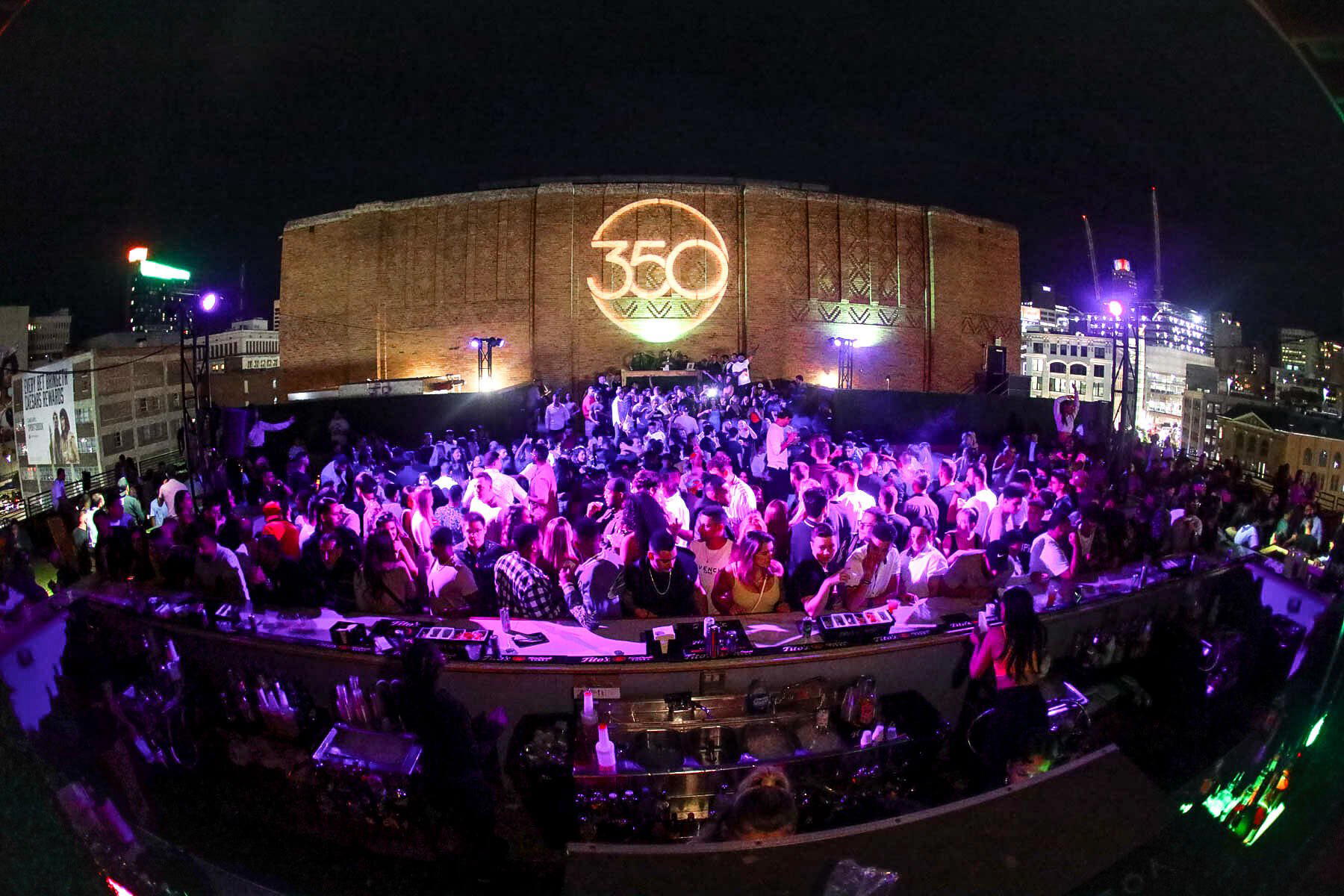
| 3Fifty Terrace | Not listed | $$$ | East Necklace, rooftop_bar |
| The Royce Detroit | Not listed | $$$ | Theater District, wine_bar |
| Mario's Northern Italian Cuisine & Banquet Center | Midtown, lounge | $$$ | Not listed |
| SheWolf Pastificio & Bar | Not listed | $$$ | Midtown, cocktail_bar |
At a Glance
- Elegant
- Sophisticated
- Historic
- Intimate
- Date Night
- Special Occasion
- Historic Building
- Seated Bar
- Lounge Seating
- Classic Cocktails
Current opening hours
- Monday
- 11 AM–2 PM, 5–9 PM
- Tuesday
- 11 AM–2 PM, 5–9 PM
- Wednesday
- 11 AM–2 PM, 5–9 PM
- Thursday
- 11 AM–2 PM, 5–9 PM
- Friday
- 11 AM–2 PM, 5–10 PM
- Saturday
- 5–10 PM
- Sunday
- 10 AM–1:30 PM, 4–7 PM
Hours can change for holidays and private events. Last verified .
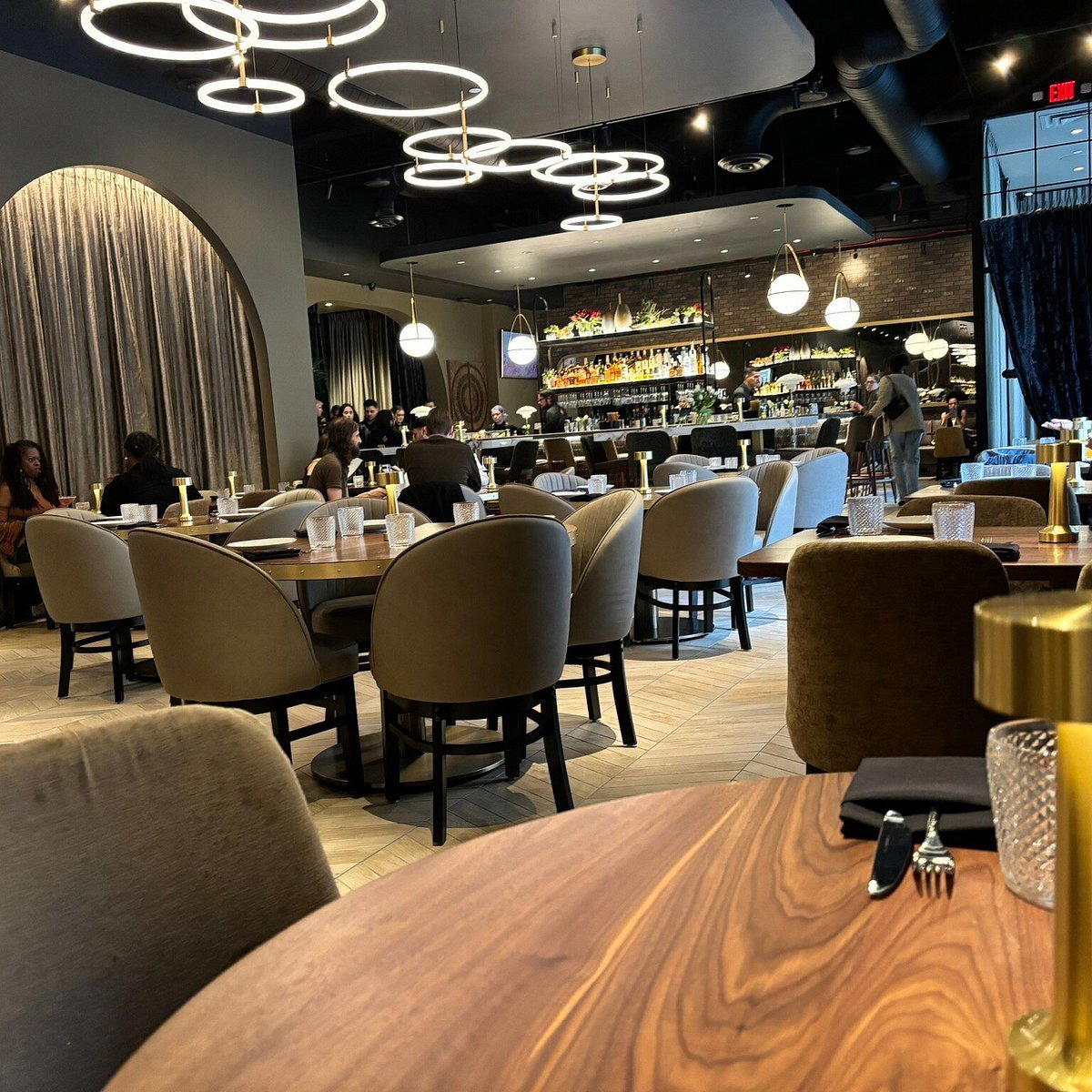
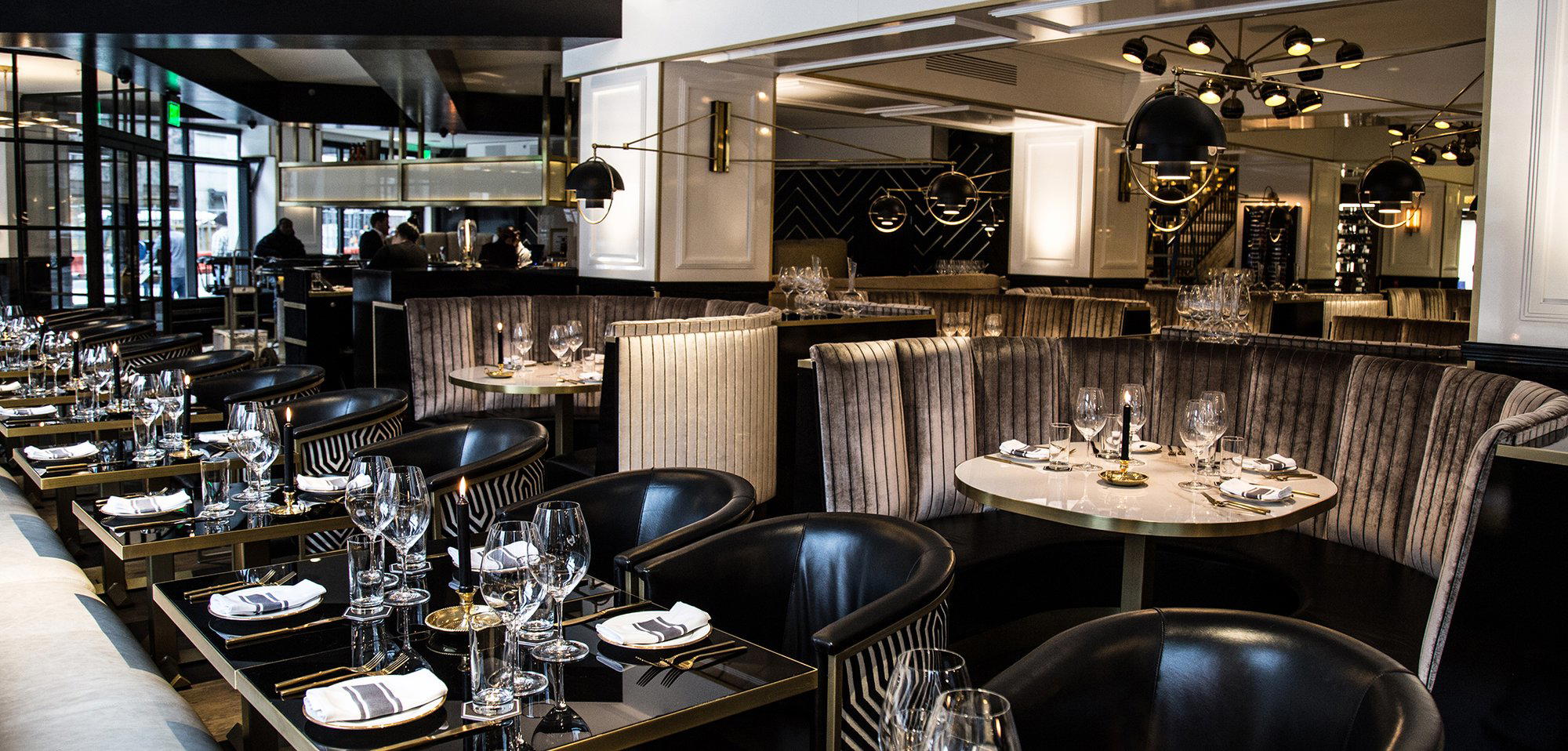
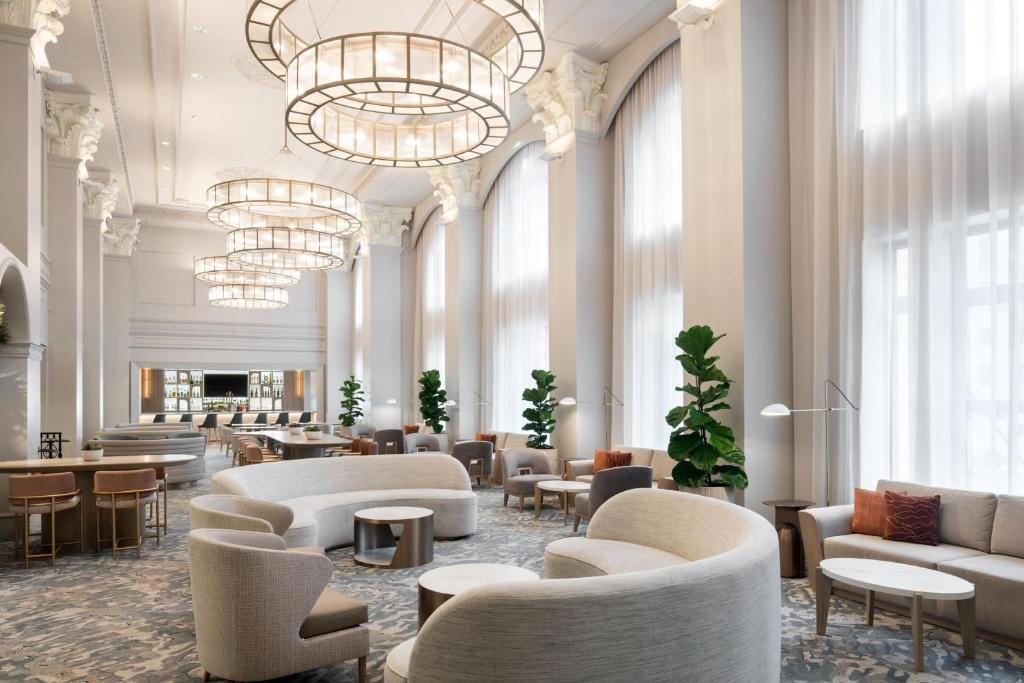
Dark and elegant with 1920s ambiance, crystal chandeliers, stained glass windows, and a sophisticated, haunted atmosphere.