The Plaid Apron
On a residential stretch of Kenesaw Avenue, The Plaid Apron represents a strand of Knoxville dining that takes Tennessee's larder seriously while drawing on techniques with roots far beyond Appalachia. The kitchen's approach places local sourcing inside a framework of precision cookery, making it a reference point for how the city's independent restaurant scene has matured over the past decade.
Pearl is the En Primeur Club membership app — saves, bookings, and concierge access live there. Same editors, same standards.
- Address
- 1210 Kenesaw Ave, Knoxville, TN 37919
- Phone
- +1 865 247 4640
- Website
- theplaidapron.co
- Directions
- Get directions
 Saves & bookings on Pearl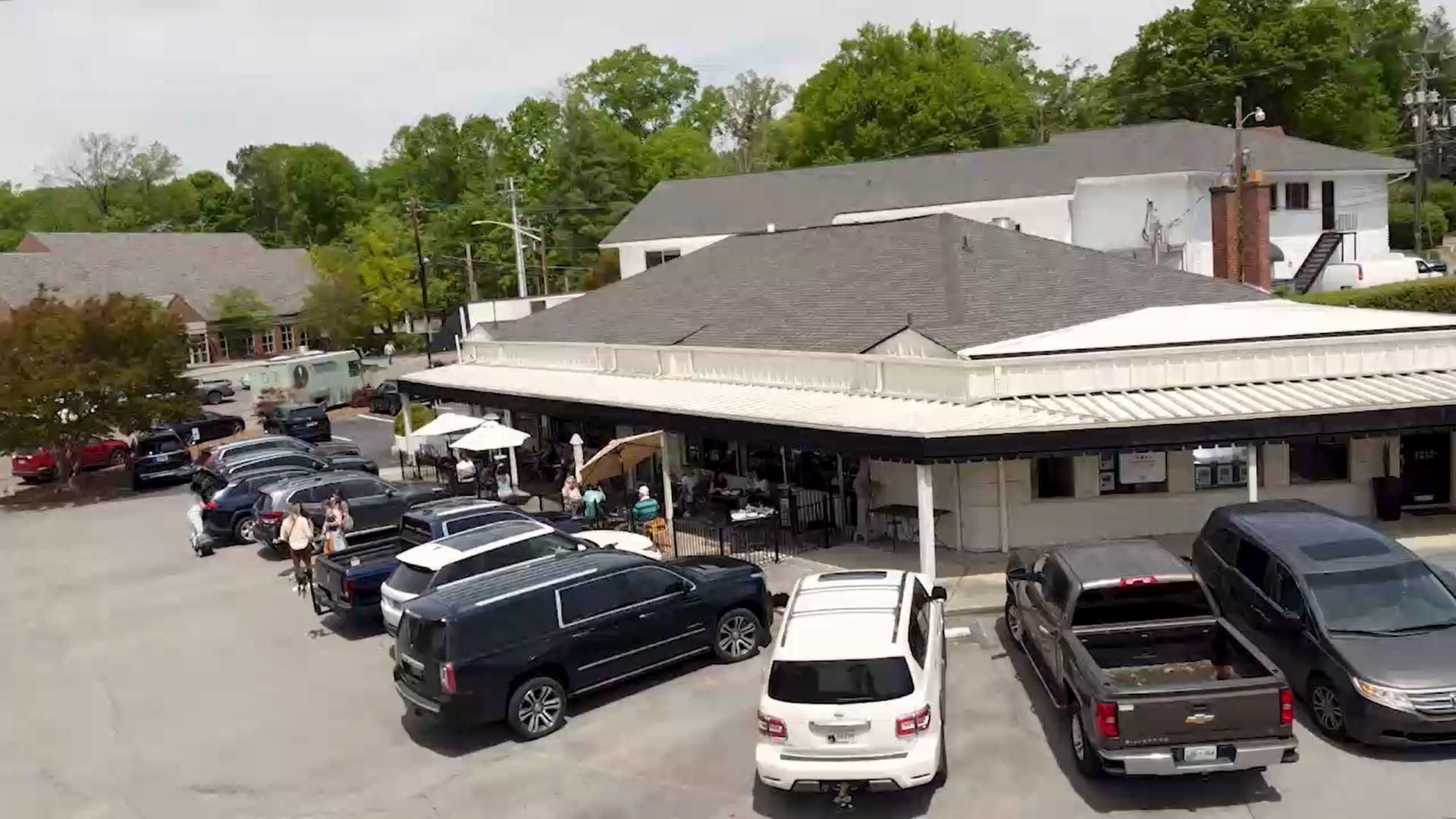
Where Appalachian Ingredients Meet Global Craft
Kenesaw Avenue sits at the edge of the Sequoyah Hills neighbourhood, one of Knoxville's older residential corridors, far enough from Market Square's tourist circuit to filter out foot traffic that hasn't made a deliberate choice to be there. That geography shapes the register of The Plaid Apron before you've read a menu. Restaurants that survive on streets like this one do so on repeat local custom, word-of-mouth from the university crowd, and a cooking programme serious enough to justify the drive. The Plaid Apron has held that ground in the 37919 zip code long enough to become a neighbourhood institution in a city that is only recently being mapped with any precision by food media outside Tennessee.
The broader pattern it represents is worth understanding. Across mid-size American cities, a particular category of independent restaurant has emerged over the last fifteen years: smaller rooms, kitchens led by cooks with training from outside the region, menus built around what local farms and foragers actually produce. The appeal is not nostalgia for Southern cooking as received tradition, but something more hybrid, Appalachian produce filtered through culinary frameworks that might originate in France, Japan, or Scandinavia. The Plaid Apron sits in that category, and its address in Knoxville rather than Nashville or Asheville tells you something about how the impulse has spread beyond the regional capitals.
The Ingredients-First Argument
East Tennessee's agricultural offering is more varied than its national reputation suggests. The ridge-and-valley topography creates microclimates that support a range of produce that flat-country farming does not: ramps in spring, pawpaws in late summer, heritage grains from small mills in the foothills, pork from farms that have resisted industrial consolidation. Any kitchen claiming to work with local ingredients in this region has access to a supply chain that rewards specificity. The editorial question is always whether the cooking treats that supply chain as a marketing point or as a genuine constraint that shapes menu decisions.
The bar's positioning in Knoxville's independent dining tier suggests the latter. Restaurants in this bracket, neighbourhood rooms without the revenue floor of a downtown location, typically cannot afford to list local sourcing as decoration. The food has to justify itself on the plate, and the sourcing has to be consistent enough that regulars notice when something changes. That accountability is one reason this category of restaurant often produces more honest cooking than the showier operations in city-centre positions.
The intersection of local ingredients and imported technique is where the kitchen makes its case. Tennessee produce processed through the lens of, say, classical French sauce work, or Japanese knife discipline applied to Appalachian fungi, is not fusion in the exhausted sense of the word. It is the normal outcome of cooks who trained beyond their home region returning to it and applying what they learned. That process has produced some of the more interesting cooking in mid-size American cities, and Knoxville has been part of that story.
Knoxville's Independent Dining Context
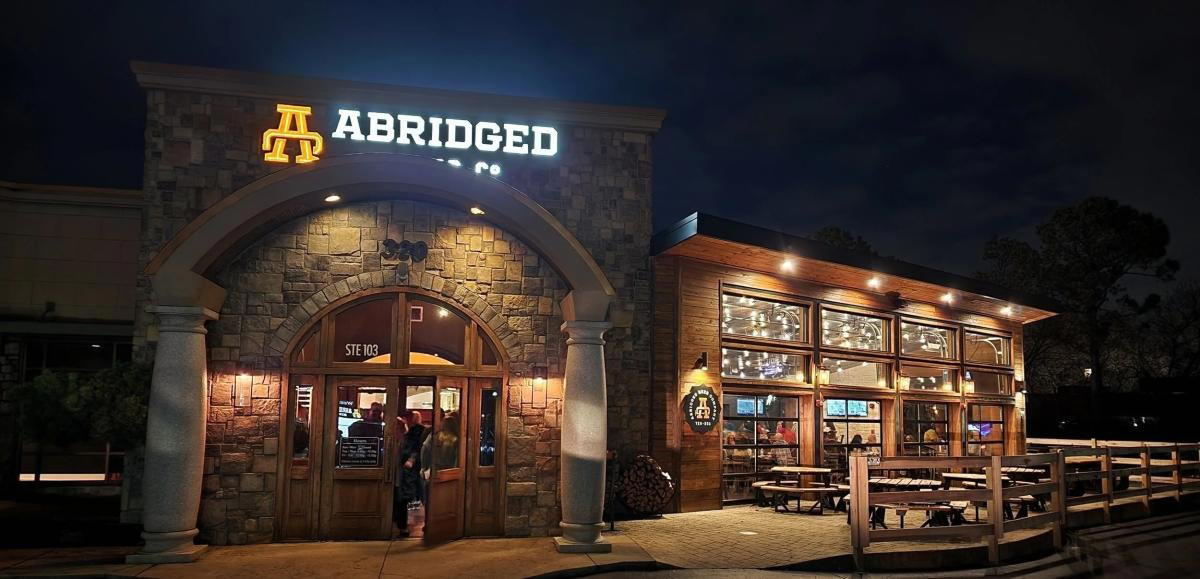
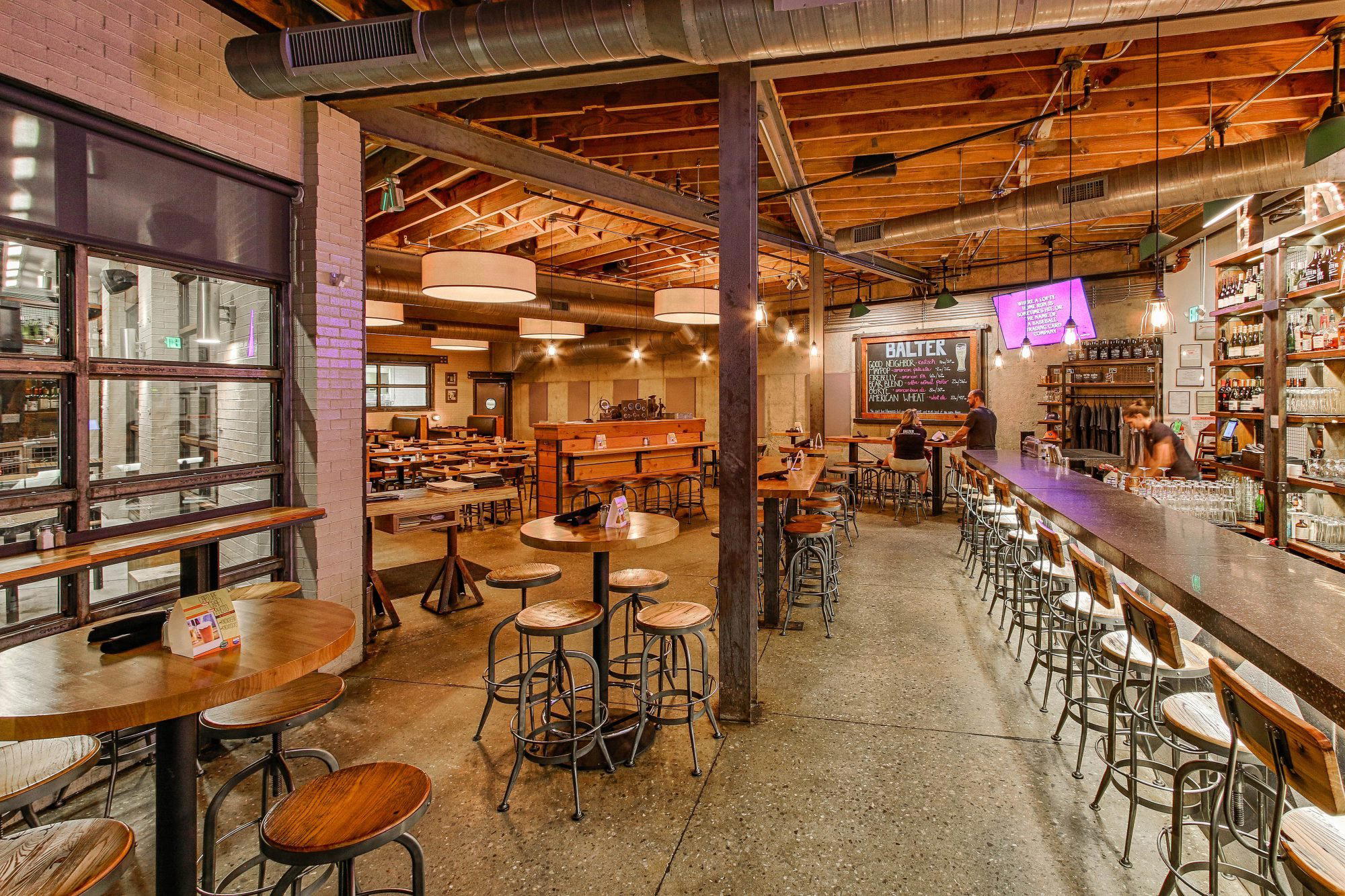
Knoxville's restaurant scene has developed unevenly, with most external attention landing on the Market Square and Old City clusters. The residential neighbourhoods tell a different story. Venues like Abridged Beer Company, Balter Beerworks, and Cafe 4 each anchor distinct drinking and dining cultures across the city, and Central Flats and Taps demonstrates how neighbourhood taprooms have matured into proper dining destinations. The cumulative effect is a city with more culinary texture than its national profile implies.
Within that context, the bar occupies a specific tier: the kind of serious independent that functions as a neighbourhood anchor rather than a destination restaurant in the traditional sense. It does not require the external validation framework of a downtown address. Its reputation is built locally and travels outward, which is a more durable foundation than the reverse. The restaurant equivalent of that model is what the bar represents in Knoxville.
The bar is part of that national pattern, mapped onto a city that is smaller and less observed but no less serious about the cooking.
Planning Your Visit
The bar is located at 1210 Kenesaw Avenue in the Sequoyah Hills area, roughly ten to fifteen minutes from downtown Knoxville by car. The residential setting means street parking is typically available, which distinguishes it from the more congested options near Market Square. Given the neighbourhood scale of the operation, reservations are advisable, particularly for weekend evenings when local regulars fill the room. First-time visitors are better served arriving for dinner than lunch, when the full scope of the kitchen's programme is most evident.
Comparable Spots
Comparable venues nearby, for context on price, style, and recognition.
| Venue | Cuisine | Price | Notes |
|---|---|---|---|
| The Plaid ApronThis venue — the venue you are viewing | Bar | $$ | Not listed |
| Stock & Barrel | pub | $$ | Market Square |
| The Brass Pearl | cocktail_bar | $$ | Market Square |
| Cafe 4 | lounge | $$ | Market Square |
| Maple Hall | lounge | $$ | Downtown Knoxville |
| PostModern Spirits | cocktail_bar | $$ | Old City |
Continue exploring
More in Knoxville
Bars in Knoxville
Browse all →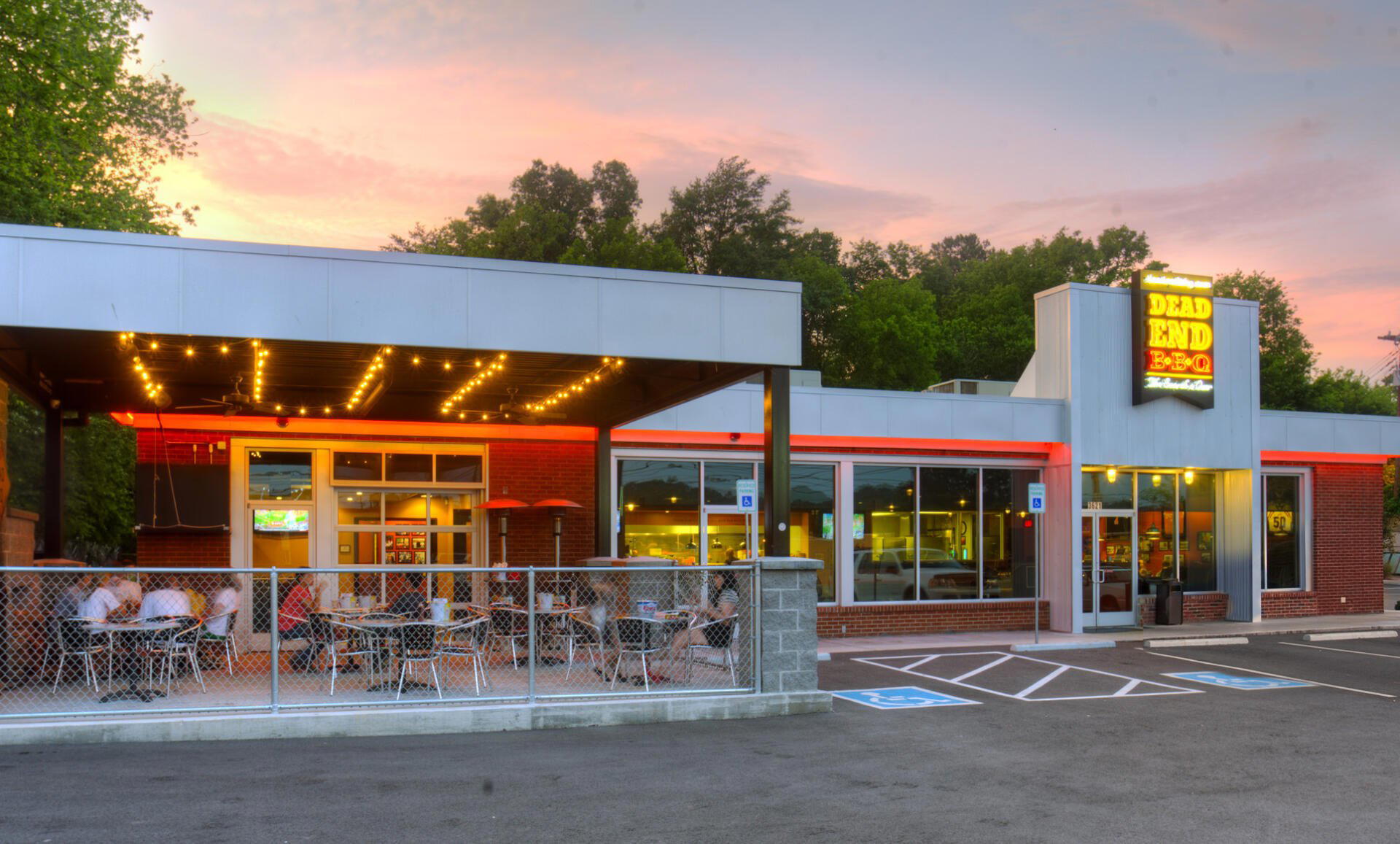
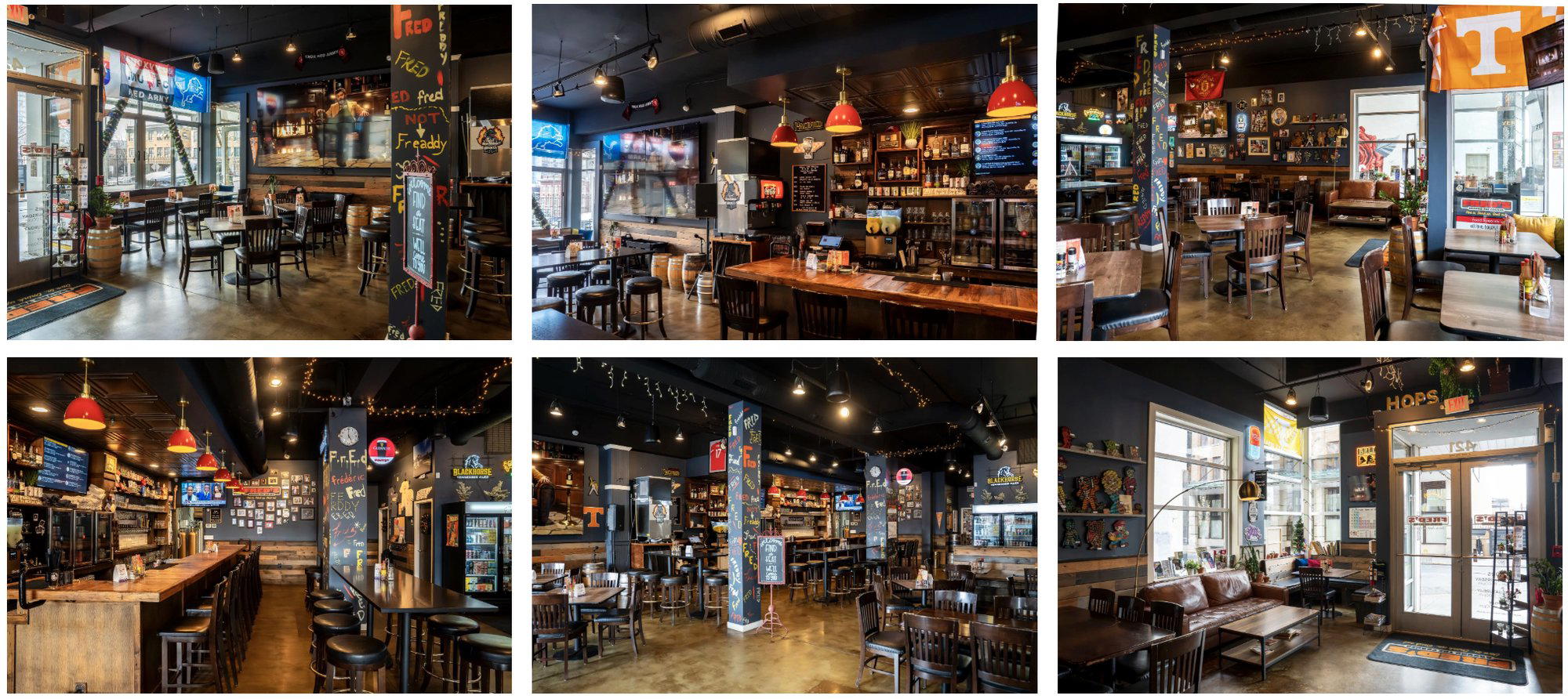
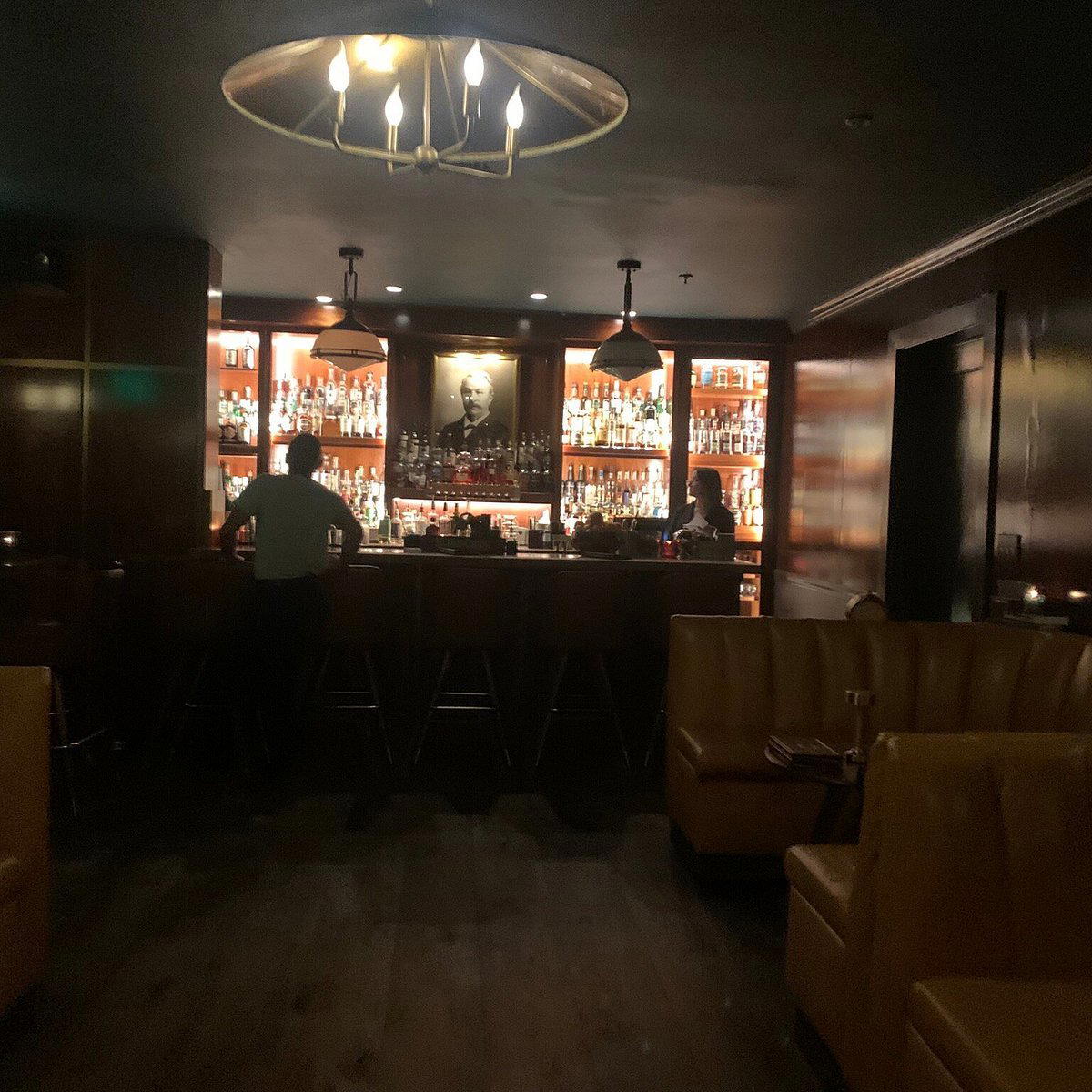
Restaurants in Knoxville
Browse all →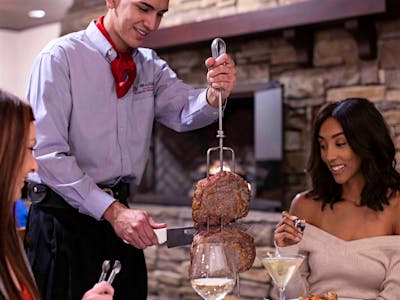
At a Glance
- Cozy
- Rustic
- Casual Hangout
- Brunch
- Standalone
- Lounge Seating
- Outdoor Terrace
- Classic Cocktails
- Whiskey
Current opening hours
- Monday
- Closed
- Tuesday
- Closed
- Wednesday
- 9 AM–2 PM, 5–9 PM
- Thursday
- 9 AM–2 PM, 5–9 PM
- Friday
- 9 AM–2 PM, 5–9 PM
- Saturday
- 9 AM–2 PM, 5–9 PM
- Sunday
- 9 AM–2 PM
Hours can change for holidays and private events. Last verified .
Charming and welcoming with indoor and patio seating in a beautiful neighborhood.