Spice Spirit Chinese Cuisine and Bar 麻辣诱惑
Mesa's Sichuan-inflected dining scene has a committed representative on West Main Street, where Spice Spirit Chinese Cuisine and Bar 麻辣诱惑 pitches itself at the overlap of numbing heat and serious drinking. The name's Chinese subtitle translates roughly to 'the temptation of mala,' which signals the kitchen's orientation clearly. For a city still developing its Chinese dining tier, the format — cuisine and bar under one roof — places it in a distinct bracket.
Pearl is the En Primeur Club membership app — saves, bookings, and concierge access live there. Same editors, same standards.
- Address
- 1955 W Main St #101, Mesa, AZ 85201
- Phone
- +1 480 809 6030
- Website
- azspicespirit.com
- Directions
- Get directions
 Saves & bookings on Pearl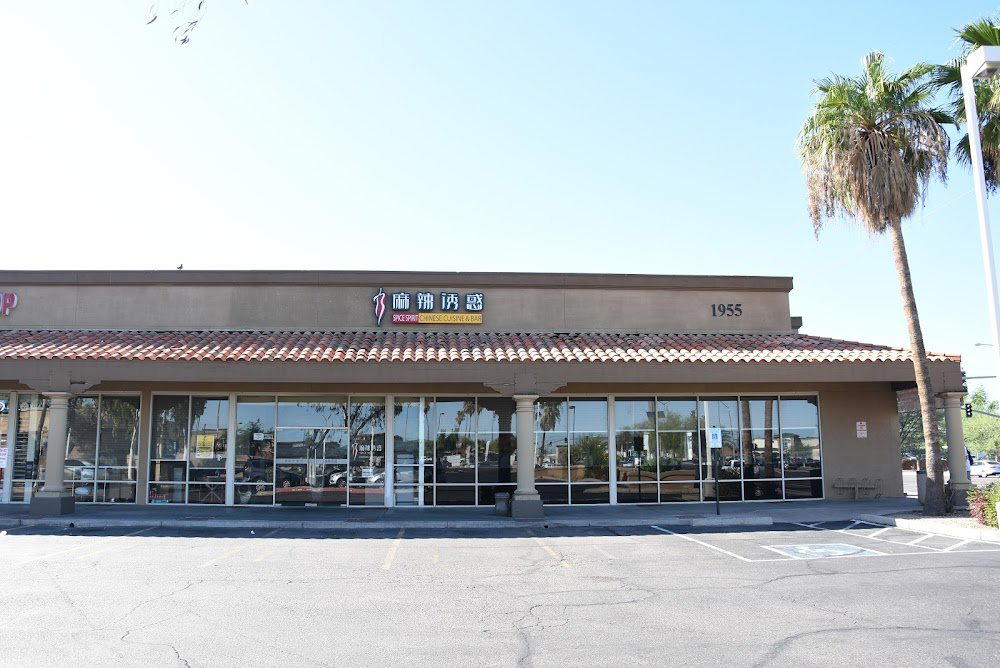
Mala Heat in the Desert: How Spice Spirit Fits Mesa's Chinese Dining Tier
West Main Street in Mesa runs through a commercial corridor that reads, at first pass, as indistinct strip-mall America. But the address at 1955 W Main St has drawn a specific kind of attention from diners who track the slower-building edge of Arizona's Chinese food scene. Spice Spirit Chinese Cuisine and Bar — or 麻辣诱惑, which translates as 'mala temptation' — positions itself at the intersection of Sichuan spice culture and bar programming, a format that remains genuinely underrepresented across the greater Phoenix metro.
The name is the clearest possible editorial statement a restaurant can make. Mala (麻辣) is the double sensation of Sichuan peppercorn and dried chili heat: the 麻 is the electric, mouth-numbing tingle of peppercorn; the 辣 is the direct, accumulating burn of chili. Together, they form the flavor logic that has defined Chongqing hotpot culture, Sichuan dry-pot cooking, and the wave of Chinese restaurants that spread across North American cities over the past fifteen years. A venue that takes '麻辣诱惑' as its subtitle is announcing that this dual sensation is the organizing principle of its kitchen.
The Arc of a Meal: Reading the Menu Through Mala Progression
The most useful way to approach a Sichuan-forward menu is to think in terms of heat accumulation and contrast. Across the broader tradition, meals tend to open with cold dishes, sliced beef or pork in chili oil, wood ear mushroom salads, cucumber with garlic, where mala is present but controlled by temperature and acidity. These function as calibration: they introduce the chili-and-peppercorn register before the kitchen amplifies it.
Mid-meal, in the Sichuan format, is where the heat architecture becomes most apparent. Dry-pot preparations (干锅) concentrate oil and spice around protein and vegetable with less liquid than hotpot, creating more direct contact between the ingredient and the mala base. The numbing quality of Sichuan peppercorn reaches its peak expression here, particularly in dishes where the peppercorns are toasted fresh rather than pre-ground. Later courses, or side orders shared across the table, often work as counterweights: steamed egg, white rice, cold tofu, textures and temperatures that allow the palate to reset between rounds of heat.
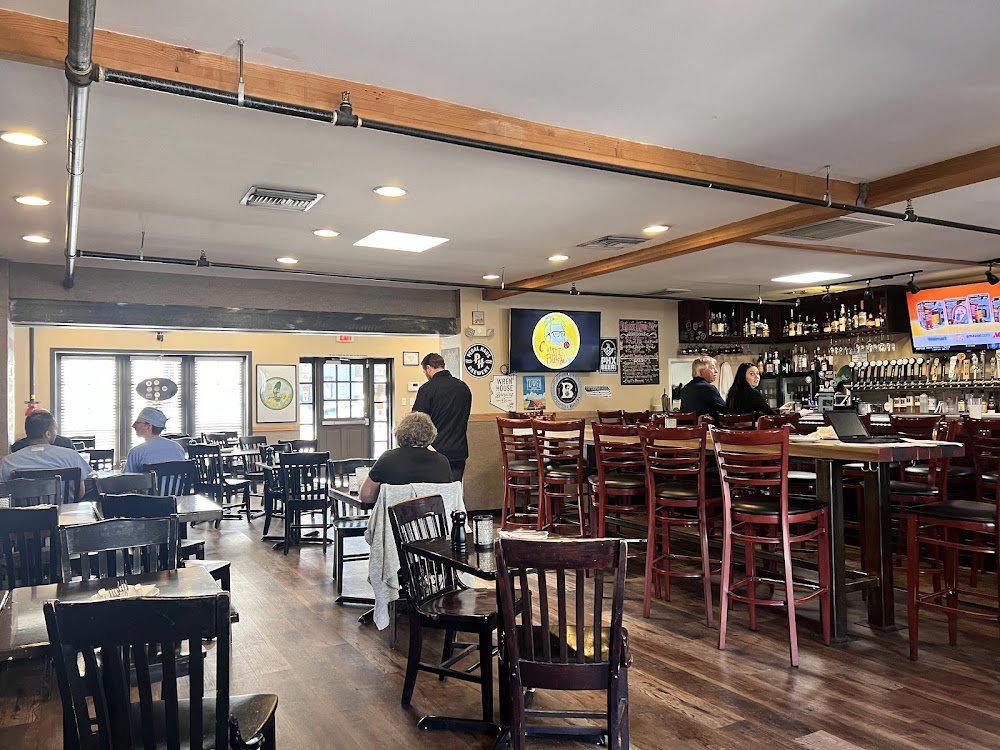
For diners less familiar with this progression, the bar component at Spice Spirit offers a parallel function. Cooling drinks, whether beer, something citrus-forward, or the kind of lighter cocktail format that a Chinese cuisine bar might favor, serve the same reset role that steamed dishes do on the plate. The venue's combination of kitchen and bar under one roof reflects a broader trend in Chinese restaurant formats in North American cities, where the traditional BYOB or beer-only model has given way to more integrated beverage programming. Drunken Tiger in Mesa operates in a comparable space where Asian food culture and bar identity converge, though with a Korean rather than Chinese orientation.
Mesa's Chinese Dining Context
The Phoenix metro's Chinese restaurant tier has historically concentrated in Chandler and certain pockets of Tempe, with Mesa developing more slowly. That pattern is shifting, partly because of population growth along the West Main corridor and partly because Sichuan-specific formats, mala hotpot, skewer bars (串串香), and mapo tofu specialists, have proven durable in markets previously dominated by Cantonese-inflected or Americanized Chinese menus.
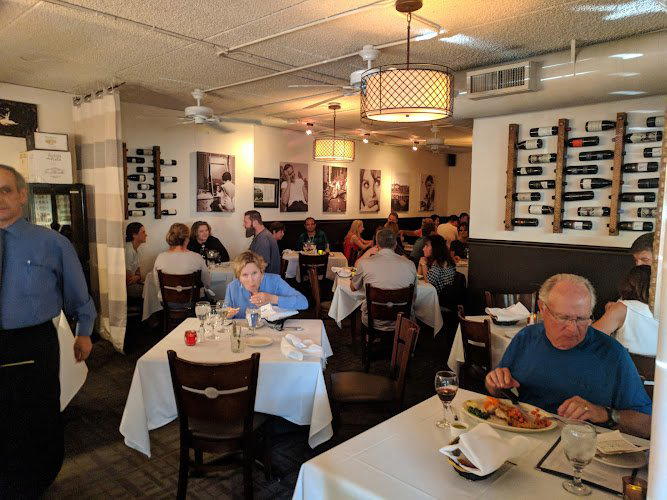
Spice Spirit occupies a position in Mesa's dining scene that is easier to understand by comparison than in isolation. It is not a hotpot specialist in the sense of a single-format chain (the format popularized by Haidilao and its American competitors). It is not a dim sum house. The 'cuisine and bar' designation, combined with the mala subtitle, places it closer to the Sichuan all-day restaurant model: a full menu of cooked dishes, an identifiable spice philosophy, and drink service that extends the visit rather than merely accompanies the meal. Among Mesa venues, Baja Joe's and Alessia's Ristorante Italiano represent the city's tendency toward cuisine-specific venues with defined identities, and Spice Spirit belongs to that same pattern, applied to a Chinese cooking tradition with a specific regional signature.
The Bar Dimension: Drink as Part of the Mala Experience
Integrating a proper bar into a Sichuan restaurant is not a trivial proposition. The flavor density of mala cooking, the fat, the chili oil, the Sichuan peppercorn, competes aggressively with delicate wine or complex cocktail profiles. Across Chinese dining culture in cities like Chicago, New York, and San Francisco, the venues that have solved this problem most successfully tend to lean toward high-acid, lower-tannin drink formats: lager, sparkling wine, lighter spirits over ice, or cocktails built around citrus and minimal sweetness.
The bar programs at venues like Kumiko in Chicago and ABV in San Francisco represent the more technically ambitious end of the food-and-drink integration spectrum, venues where the drink menu is designed as a counterpart to specific flavor profiles in the kitchen. At the other end of the spectrum are operations where the bar functions primarily as a revenue and hospitality layer, extending the stay and softening the transaction. Spice Spirit's positioning as 'cuisine and bar' suggests ambitions in the former direction, even if the specifics of its drink program are not publicly detailed. For reference on what an ambitious cocktail operation can do in a food-forward context, Jewel of the South in New Orleans and Julep in Houston both demonstrate how serious drink programming deepens rather than distracts from strong kitchen identity. Bar Leather Apron in Honolulu, Superbueno in New York City, and The Parlour in Frankfurt on the Main each illustrate, in different markets, how bar-forward venues can anchor a dining experience rather than simply accompany it.
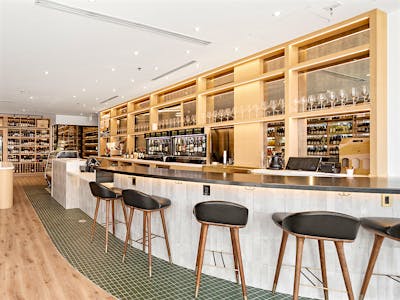
In Mesa's context, where the bar-dining overlap in Chinese restaurants is genuinely sparse, Spice Spirit's dual identity gives it a distinct role. The Arizona Distilling Co.
Planning a Visit
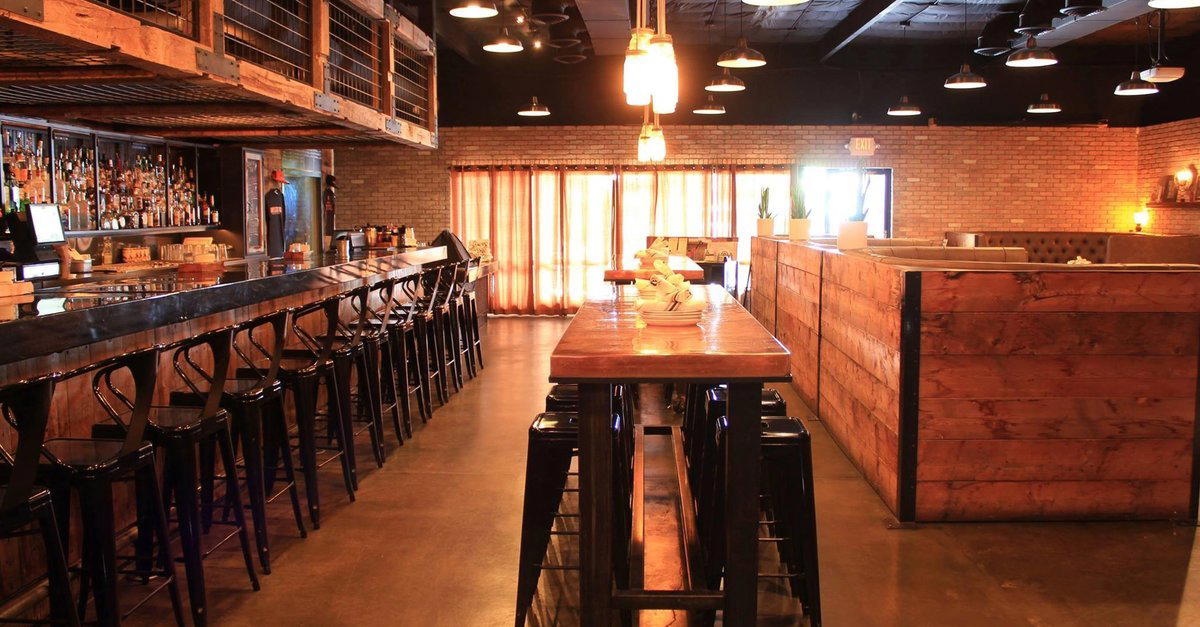
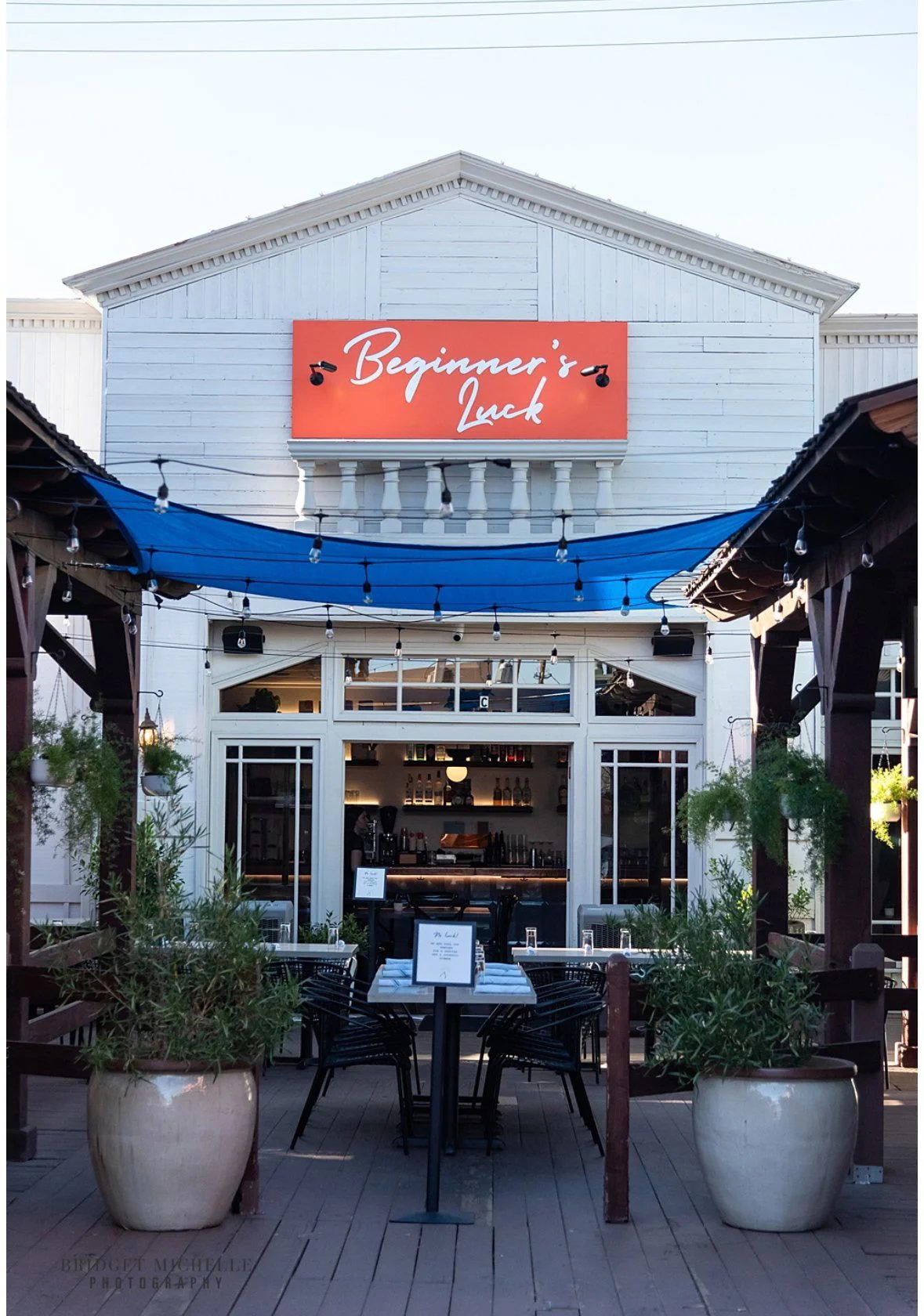
Spice Spirit Chinese Cuisine and Bar is located at 1955 W Main St, Suite 101, in Mesa, Arizona, a strip-mall address that is entirely characteristic of how serious, cuisine-specific restaurants operate in the Phoenix metro, where freestanding buildings with architectural ambition are far less common than functional retail-unit spaces with focused kitchens. Phone and hours are not currently listed through public channels, so confirming availability before visiting is advisable. The venue does not appear in major award indexes at this time, which places it in the discovery tier rather than the validated tier of the city's Chinese dining options. For a broader map of what Mesa's dining and drinking scene offers across cuisines and formats, the full Mesa restaurants guide provides the necessary context.
At a Glance
- Lively
- Group Outing
- Booth Seating
Current opening hours
- Monday
- 11 AM–3 PM, 5–9:30 PM
- Tuesday
- 11 AM–3 PM, 5–9:30 PM
- Wednesday
- 11 AM–3 PM, 5–9:30 PM
- Thursday
- 11 AM–3 PM, 5–9:30 PM
- Friday
- 11 AM–3 PM, 5–10 PM
- Saturday
- 11 AM–3 PM, 5–10 PM
- Sunday
- 11 AM–3 PM, 5–9:30 PM
Hours can change for holidays and private events. Last verified .
Know Before You Go
- Getting there
- 1955 W Main St #101, Mesa, AZ 85201