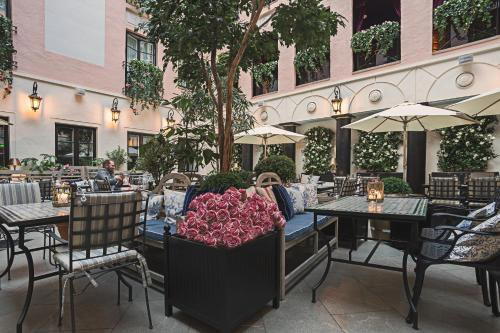
Simpan Bar and Cafe occupies a corner address in Malmö's Möllevången district, operating within the city's growing neighbourhood bar scene. The address at Simrishamnsgatan 3 positions it away from the tourist-facing waterfront, placing it squarely in a residential quarter with a long history of cafes and informal drinking culture. For visitors building an itinerary around Malmö's bar circuit, it represents the local end of the spectrum.
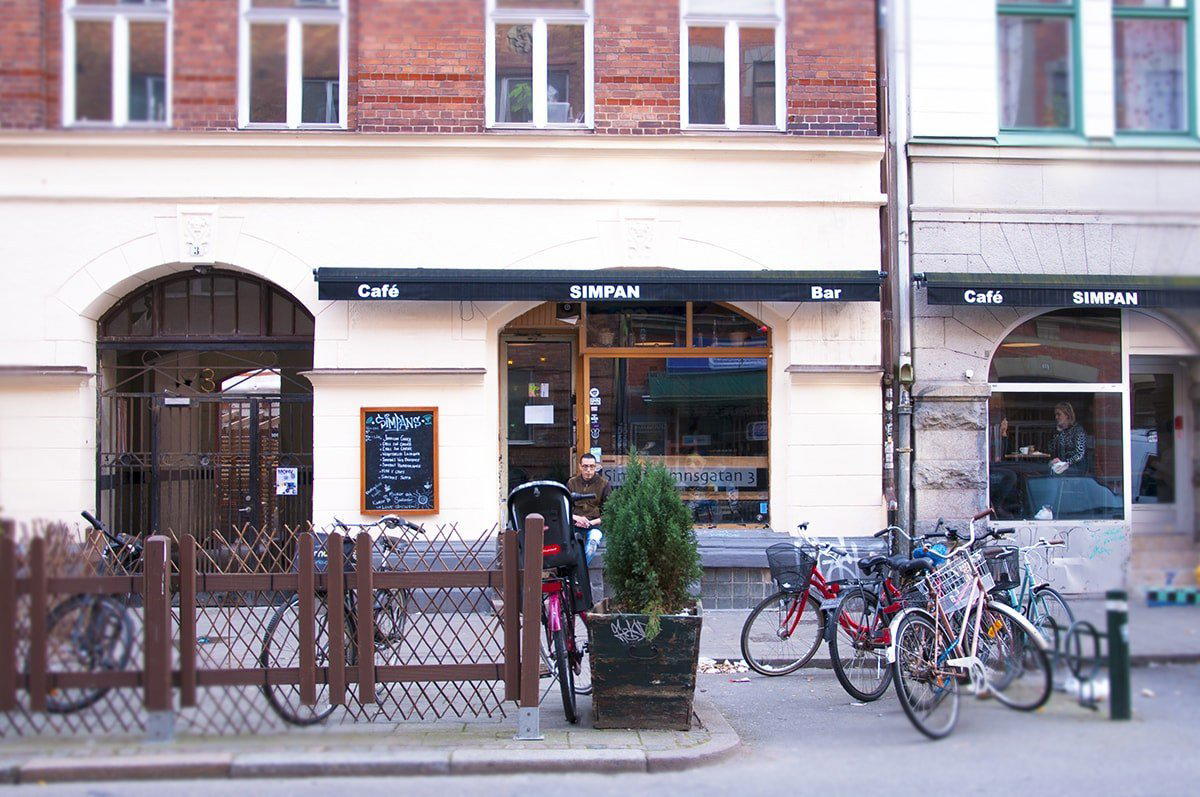
A Corner Address in Möllevången
Malmö's bar scene has developed along two distinct tracks over the past decade. The first runs through the waterfront and Lilla Torg, where venues attract tourists and after-work crowds in roughly equal measure. The second runs through the inner residential neighbourhoods, where cafes double as bars, regulars arrive by bicycle, and the atmosphere is shaped more by the street outside than by interior design investment. Simpan Bar and Cafe at Simrishamnsgatan 3 belongs to the second track. The address sits in Möllevången, a quarter historically associated with immigrant-run food shops, late-night falafel, and a younger, less polished version of city life. Bars that operate here tend to position themselves against the grain of formal cocktail programming, and the physical approach reinforces that: a ground-floor space on a residential corner, the kind of building that has housed successive incarnations of neighbourhood drinking since the area developed in the early twentieth century.
The Back Bar as Editorial Statement
Across Swedish cities, the most interesting neighbourhood bars have started treating their spirits selection as the primary signal of seriousness. This shift is visible at venues across Stockholm, Gothenburg, and increasingly Malmö, where a curated back bar communicates to a specific type of regular before a single word is exchanged. The logic runs like this: a bar that stocks three entry-level gins and two standard whiskies is telling you one thing about its priorities; a bar that has assembled a thoughtful range of aged spirits, regional aquavit, or lesser-known European digestifs is telling you something else entirely. The back bar, in this reading, functions as shorthand for the depth of the program and the knowledge behind it. In Malmö's neighbourhood bar context, that curation often skews toward Scandinavian producers, with aquavit occupying the role that whisky plays in comparable Edinburgh or Glasgow venues, a category where provenance, botanical selection, and aging regime reward conversation rather than merely ordering by brand recognition. For those building an understanding of Swedish spirits culture, the city's smaller bars, positioned away from the main tourist corridors, tend to provide more concentrated access to that conversation than the larger, more generic venues near the central station.
For comparison and broader context across Sweden's bar circuit, Lucy's Flower Shop in Stockholm represents the capital's approach to the neighbourhood bar format, while Dorsia Hotel and Restaurant in Gothenburg shows how Gothenburg has positioned its bar culture within a more formal hospitality frame. Further afield, Vyn Restaurant in Östra Nöbbelöv and Koster Islands in Tjärnö illustrate how Swedish venues outside the major cities have developed their own approaches to drinks programming tied closely to local production.
Malmö's Neighbourhood Bar Context
Möllevången has been undergoing a slow recalibration for several years. What was once primarily a daytime market and late-night takeaway quarter has developed a secondary identity as a destination for bars and small restaurants that price against local incomes rather than tourist expectations. This makes it one of the more accessible areas of Malmö for drinking without the mark-up that comes with proximity to the waterfront or the main shopping streets. The tradeoff is that venues here tend to have fewer formal credentials: fewer national press mentions, fewer awards, and less visibility on international travel platforms. That invisibility is partly structural, Malmö receives significantly less international bar coverage than Stockholm or Gothenburg, and partly a function of the venues themselves, which tend to operate without the marketing infrastructure of larger urban bar programs. Brogatan in Malmö and Ölkaféet represent other points in the city's bar circuit worth mapping alongside Simpan for anyone building a Malmö evening around neighbourhood drinking rather than destination venues. Our full Malmö restaurants guide provides wider context on how the city's food and drink scene has developed across districts.
The cafe-bar hybrid format that Simpan operates within is common in Swedish cities but less common in the cities that supply most of Malmö's international visitors. In Denmark, a fifteen-minute train journey away, café culture skews heavily toward daytime and coffee; the Swedish version more readily absorbs into evening drinking, with the same physical space functioning as a daytime coffee stop and a later-evening bar without requiring a formal shift in identity or clientele. This format compression is worth understanding before visiting: arrival time shapes the experience considerably, and the evening hours tend to bring a different atmosphere than the afternoon, even when the menu and space remain identical.
Practical Planning
Simrishamnsgatan 3 is reachable from central Malmö by a short bus ride or a twenty-minute walk south through the Folkets Park area. The Möllevångstorget square functions as the neighbourhood's navigational anchor, and the address sits within a few minutes of that square. For visitors already exploring this part of the city on foot, the address integrates naturally into a broader neighbourhood circuit. Those travelling specifically from outside Sweden who want to plan a drinks-focused evening around Malmö's smaller venues should note that the city's bar scene is less documented internationally than Stockholm's, making local knowledge or platforms covering Swedish cities specifically more reliable than general travel guides. For reference points elsewhere in Sweden's bar geography, Ångbryggeriet in Piteå, Bageriet Mat and Bar in Visby, Båthuset Krog and Bar in Sigtuna, and Bistro Vinoteket in Västerås show the range of formats operating outside Stockholm. For international comparison, Bar Leather Apron in Honolulu demonstrates how the serious neighbourhood bar format translates across very different urban contexts.
Budget and Context
| Venue | Price | Awards |
|---|---|---|
| Simpan Bar and CafeThis venue (the venue you are viewing) | Not listed | Not listed |
| Röda Huset | Not listed | World's 50 Best |
| Lucy's Flower Shop | $30–50 | World's 50 Best #35 · White Guide Sweden Bars - Exceptional Level |
| Tjoget | Not listed | World's 50 Best |
| A Bar Called Gemma | $20–30 | Falstaff Bar - 96 Falstaff Points · White Guide Sweden Bars - Very Fine Level |
| Alba Vinbar | Not listed | Star Wine List · Falstaff Wine Bar - Listed |
Continue exploring
More in Malmö
Bars in Malmö
All bars in Malmö →
Restaurants in Malmö
All restaurants in Malmö →

Details
- Cozy
- Casual Hangout
- Craft Beer
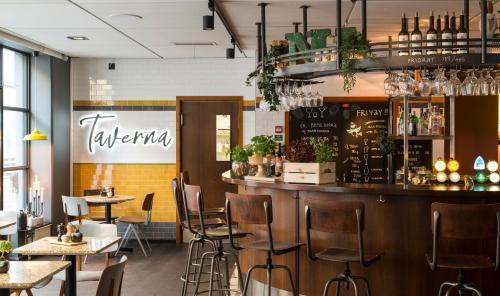
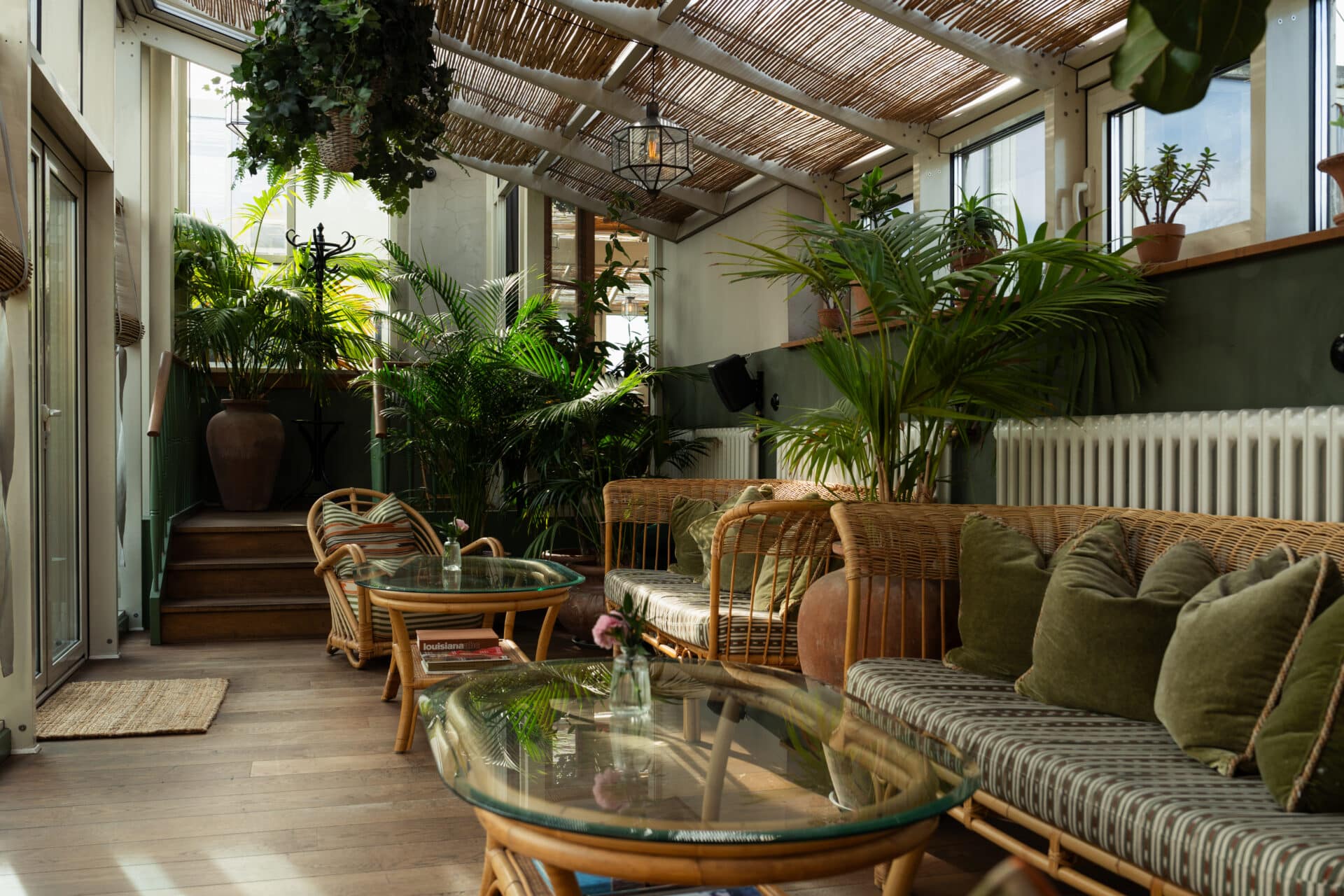
Friendly casual cafe-bar atmosphere.