
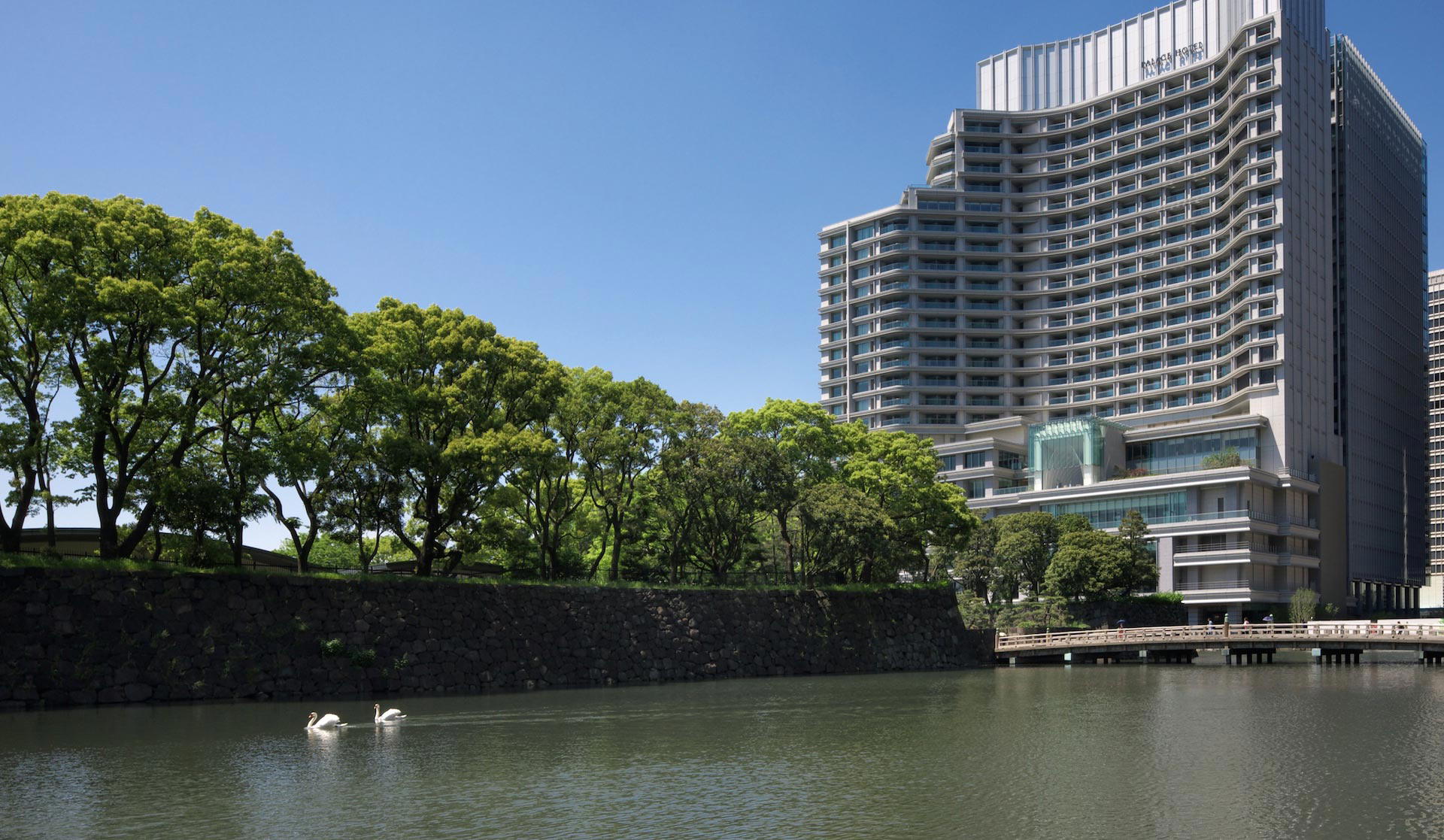
Royal Bar belongs to Tokyo’s old-school hotel-bar tradition rather than the city’s newer laboratory cocktail scene. Inside Palace Hotel Tokyo, its 25-seat format, nine-seat counter, smart-casual code, and Tabelog 100 Bar 2022 selection place it in the polished Marunouchi bracket: formal enough for a serious drink, compact enough to feel measured rather than corporate.
Pearl is the En Primeur Club membership app — saves, bookings, and concierge access live there. Same editors, same standards.
- Address
- 東京都千代田区丸の内 1-1-1 パレスホテル東京 1F
- Phone
- +81332115318
- Website
- palacehoteltokyo.com
 Saves & bookings on Pearl
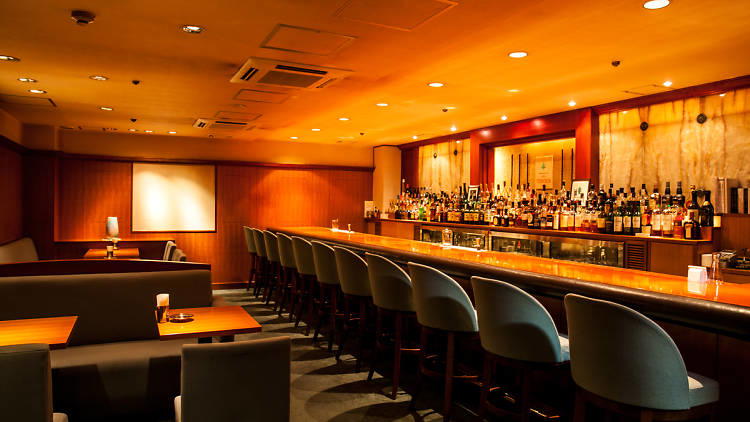
Marunouchi drinking has a different tempo from Shinjuku or Ginza. The sound is lower, the lighting is controlled, and the room tends to reward restraint over performance. Royal Bar fits that district grammar: a hotel main bar with a solid counter, sofa seating, and the kind of hushed, post-office-tower rhythm that makes Tokyo’s business core feel almost ceremonial after dark.
The signal here is not novelty. Tokyo’s cocktail scene has split into two visible lanes: technical bars built around theatrical precision, and hotel bars that preserve older codes of service, glassware, pacing, and quiet. Royal Bar sits firmly in the second camp. Its Tabelog 100 Bar 2022 selection matters because that list tends to reward consistency and category authority, not social-media momentum. A 3.75 Tabelog score reinforces the same point: this is a known quantity inside a competitive city, not a newly discovered address chasing attention.
A Marunouchi hotel bar built around counter discipline
The 25-seat scale is a useful clue. Large hotel lounges can blur into lobby traffic; this room is smaller and more bar-specific, with nine counter seats anchoring the experience. That distinction matters in Tokyo, where counter culture is not limited to sushi and kappo. At a serious bar, the counter creates the contract: fewer distractions, closer attention to preparation, and a pace set by the bartender rather than the room.
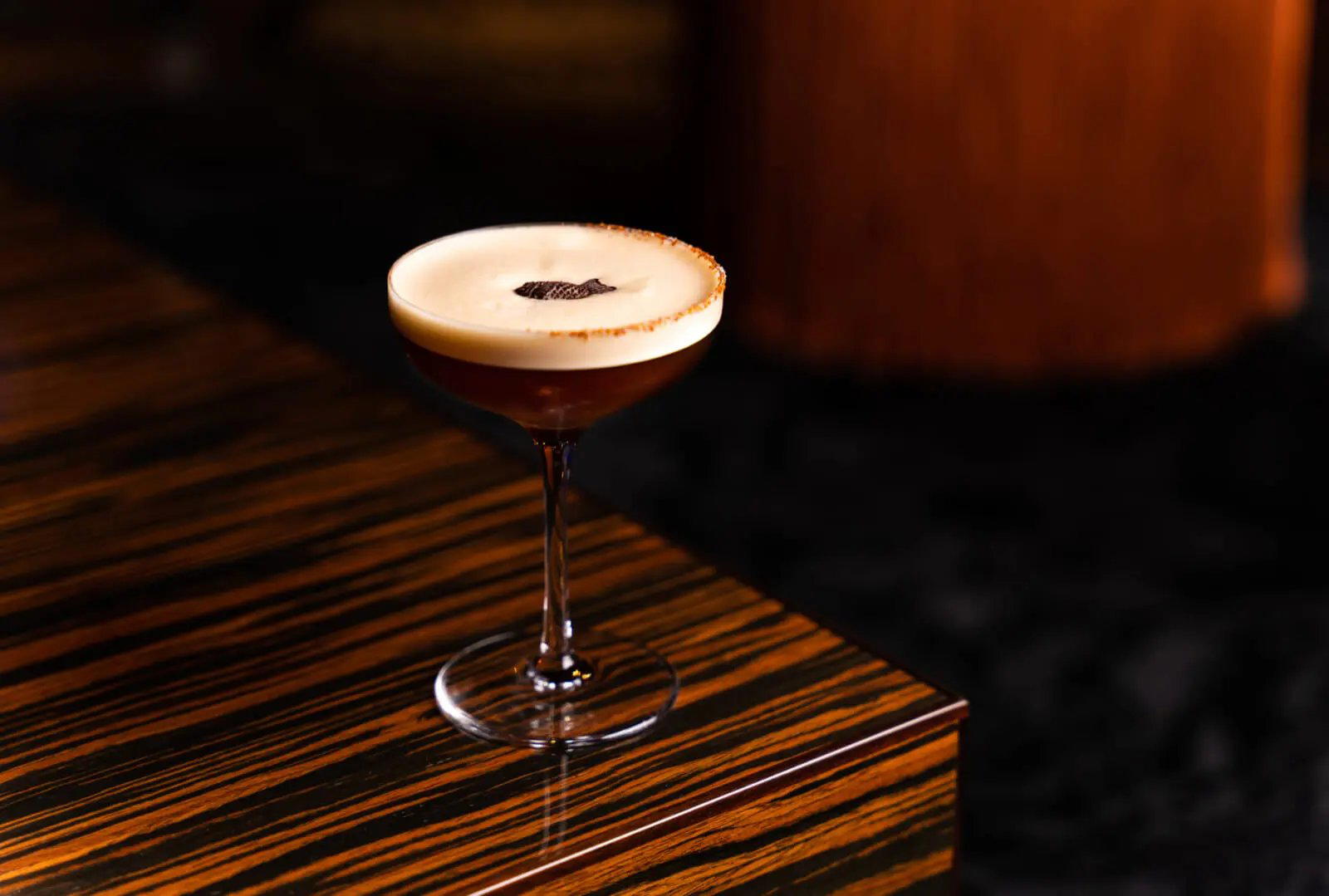
Drinks remit is broad but conventional in the right way. Cocktails sit alongside sake, shochu, and wine, which makes the room flexible without turning it into an all-purpose lounge. The stated emphasis on cocktails places the bar within Japan’s classic hotel tradition, where a Martini or Gin Fizz is less a throwback than a test of technique. The former Palace Hotel history also gives the room an unusual continuity: the original counter, designed by first chief bartender Kiyoshi Imai, known as “Mr. Martini,” was revived here. That detail is not nostalgia for its own sake; it explains why the room reads as a preservation of Tokyo hotel-bar culture rather than a design exercise.
Compared with the dining rooms in the same Palace Hotel orbit, the bar occupies a lower-commitment but still formal tier. Chugoku Hanten Kohakukyu (Amber Palace) and ESTERRE by Alain Ducasse speak to Marunouchi’s expense-account dining culture, while Teppanyaki Go sits in a higher-price restaurant bracket. Royal Bar offers the after-dinner or stand-alone alternative: less ceremony than a tasting-menu room, more structure than a casual drink near the station.
The sensory argument is quiet, polished, and deliberately adult
Tokyo can make drinking feel loud even when the room is small. Here the appeal is the opposite: a controlled hotel environment, a counter with history, and a room built for conversation rather than spectacle. The no-smoking policy also changes the texture of the evening. In a city where classic bars have often been tied to tobacco culture, a non-smoking main bar gives the glass and the room more clarity, especially for drinkers who want old-school form without old-school haze.
The adult framing is literal as well as atmospheric: minors are not admitted. That policy pushes the room toward an evening-drinks audience rather than family-hotel overflow. Smart casual dress keeps the code legible without requiring black-tie theatrics. The result is a bar that works particularly well for solo drinking or a composed meeting with friends, categories explicitly associated with the venue, and both make sense for Marunouchi’s workday-to-night transition.
There is also an architectural logic to the location. Otemachi and Tokyo Station connect Marunouchi to bankers, diplomats, rail travelers, and hotel guests, which is why the district supports polished rooms that do not need to shout for business. Palace Hotel Tokyo’s 1F setting gives the bar the practical advantage of a grand hotel without turning the experience into a lobby perch. In Tokyo terms, that is a meaningful distinction: a main bar should feel protected from transit even when it sits close to it.
How to place it within a Tokyo drinking itinerary
Royal Bar is the choice for classic form, not experimental range. Drinkers looking for avant-garde technique, hidden-door theatrics, or a bartender-led tasting format should look elsewhere in the city. The stronger use case is a composed first drink before dinner, a late drink after a Marunouchi restaurant, or a solo counter session where the point is precision and calm.
For broader planning, Our full Tokyo bars guide is the natural companion, while Our full Tokyo restaurants guide helps connect the bar to dinner options across the city. Nearby and cross-city food references show how varied Tokyo’s dining map becomes once Marunouchi is only one stop in the evening: . 鮪と炭火焼き うお炭 秋葉原店, 12/10 Shinjuku ten, 124. KAGURAZAKA (Yakitori), 2D Cafe, and 3 Chome no Curry Ya San each represent a different register of the city’s eating culture.
Travelers building a Japan trip around hospitality rather than a single bar can widen the frame with Our full Tokyo hotels guide, Our full Tokyo wineries guide, and Our full Tokyo experiences guide. For contrast outside the capital’s hotel-bar polish, the wider EP Club map includes -Grilled beef Sukiyaki- KAMAKURA TANUKIAN 鎌倉 たぬき庵 in Kamakura,.cafe in Osaka,.know in Kumamoto, (Shoku) Vietnam in Kawasaki, [Curry Senmon Ten] Maruyama Kyoju. in Sapporo, [ki:] in Kyoto, Jōdo Saké Bar in Los Angeles, and Onigiri Time in Pasadena.
The editorial read is simple: choose this room when the evening calls for Tokyo hotel-bar discipline, not a trend report. Its value lies in proportion: a compact seat count, a counter with lineage, cocktail seriousness, and a Marunouchi setting that rewards quiet competence.
- Legendary Martini
- Gin Fizz
- Summer Fruit Cocktails (Bellini, Watermelon Salty Dog, Peach & Wasabi Margarita)
- Grilled Wagyu Tenderloin
- Escargots
- Clubhouse Sandwich
How It Stacks Up
Comparable venues by price and recognition.
| Venue | Cuisine | Price | Awards | Notes |
|---|---|---|---|---|
| Royal BarThis venue — the venue you are viewing | Classic hotel cocktail bar | $$$$ | , | |
| Mikawaya | Classic Ginza Yoshoku (Japanese-style Western) | $$$$ | , | Chūō |
| THE IMPERIAL LOUNGE AQUA | Hotel bar lounge with afternoon tea & cocktails | $$$ | , | Chiyoda |
| ADI | Modern Nepalese Omakase | $$$ | , | Meguro |
| ASAKO IWAYANAGI SALON DE THÉ | Seasonal Dessert Salon & Patisserie Café | $$$ | , | Setagaya |
| Garden Lounge Zabou | Tea Lounge / Cafe | $$$ | , | Shibuya |






At a Glance
- Classic
- Elegant
- Sophisticated
- Intimate
- Iconic
- Date Night
- After Work
- Solo
- Special Occasion
- Business Dinner
- Late Night
- Historic Building
- Design Destination
- Hotel Restaurant
- Craft Cocktails
- Beer Program
- Extensive Wine List
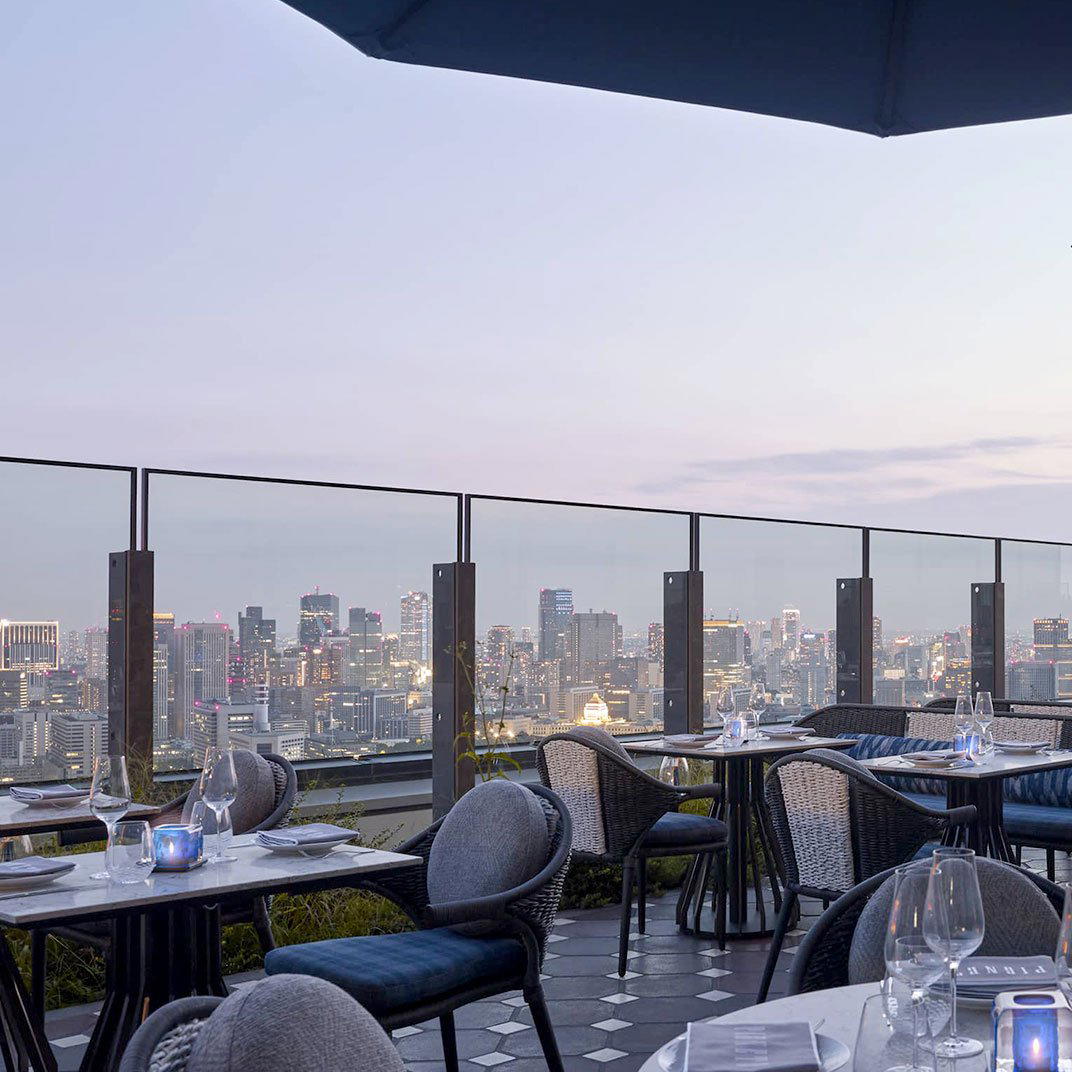
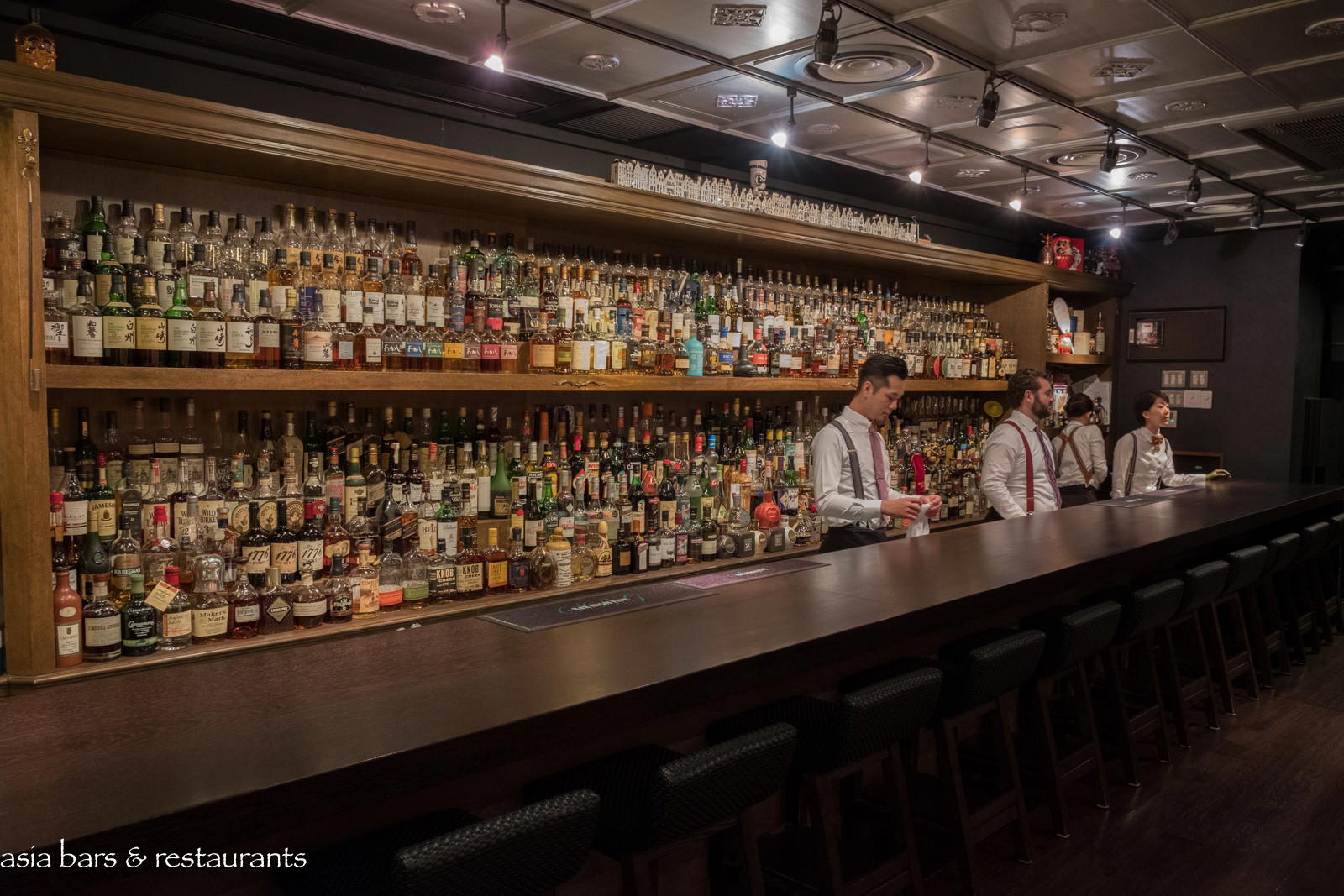
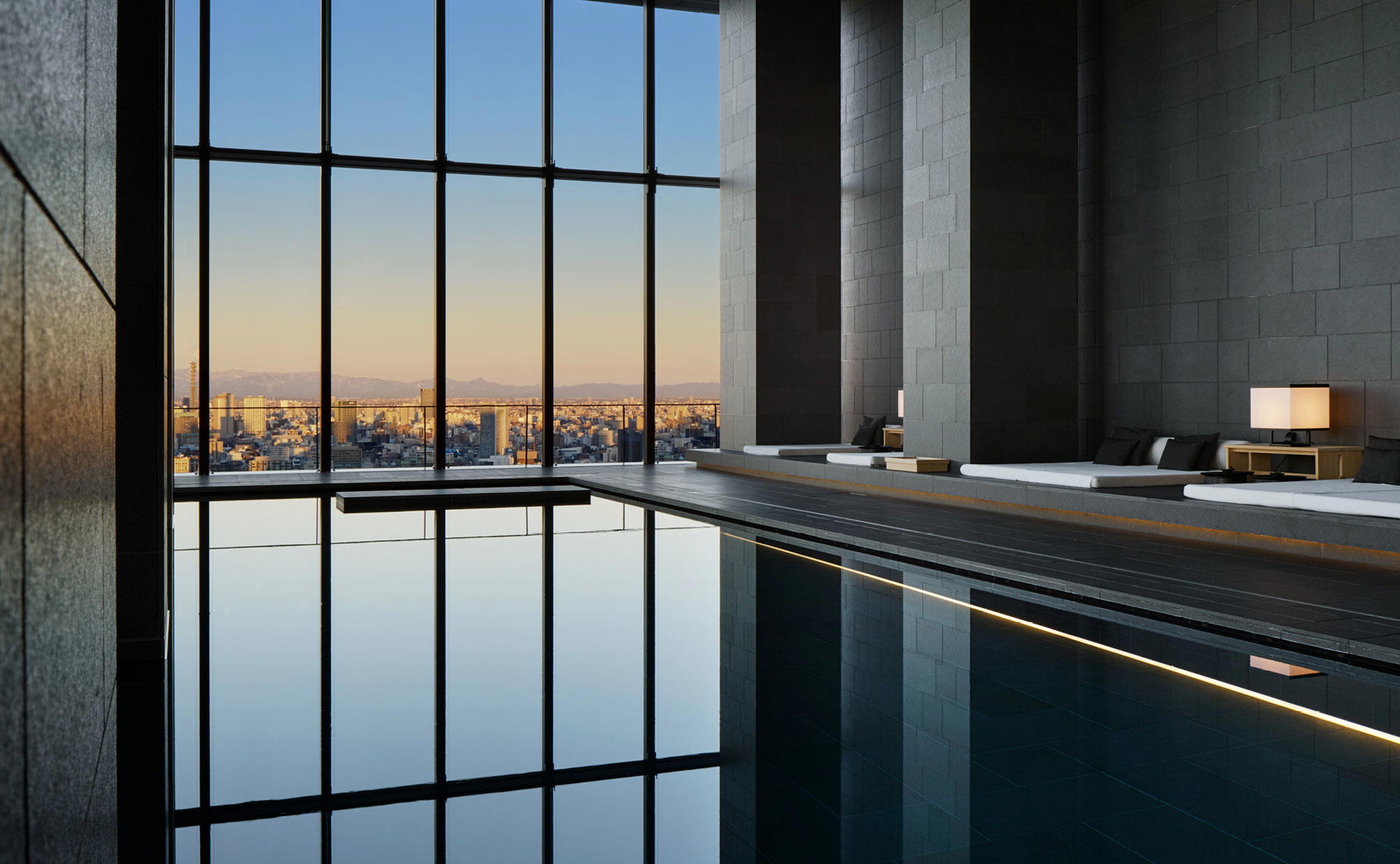
A quiet, non‑smoking main bar with a heavy, classic wooden counter and back-bar of glass-front refrigerators, creating an intimate, refined atmosphere suited to savoring classic and innovative cocktails.
- Legendary Martini
- Gin Fizz
- Summer Fruit Cocktails (Bellini, Watermelon Salty Dog, Peach & Wasabi Margarita)
- Grilled Wagyu Tenderloin
- Escargots
- Clubhouse Sandwich