Rhythm & Vine
Rhythm & Vine occupies a distinctive address on NE 5th Terrace in Fort Lauderdale's evolving Flagler Village corridor, where wine-bar formats and live-music programming have begun to reshape what a neighbourhood drinking room looks like in South Florida. The address puts it within the cluster of independent venues that have pulled serious drinkers away from the beach strip and toward a more locally rooted scene.
Pearl is the En Primeur Club membership app — saves, bookings, and concierge access live there. Same editors, same standards.
- Address
- 401 NE 5th Terrace, Fort Lauderdale, FL 33301
- Phone
- +1 954 868 4351
- Website
- rhythm-vine.com
- Directions
- Get directions
 Saves & bookings on Pearl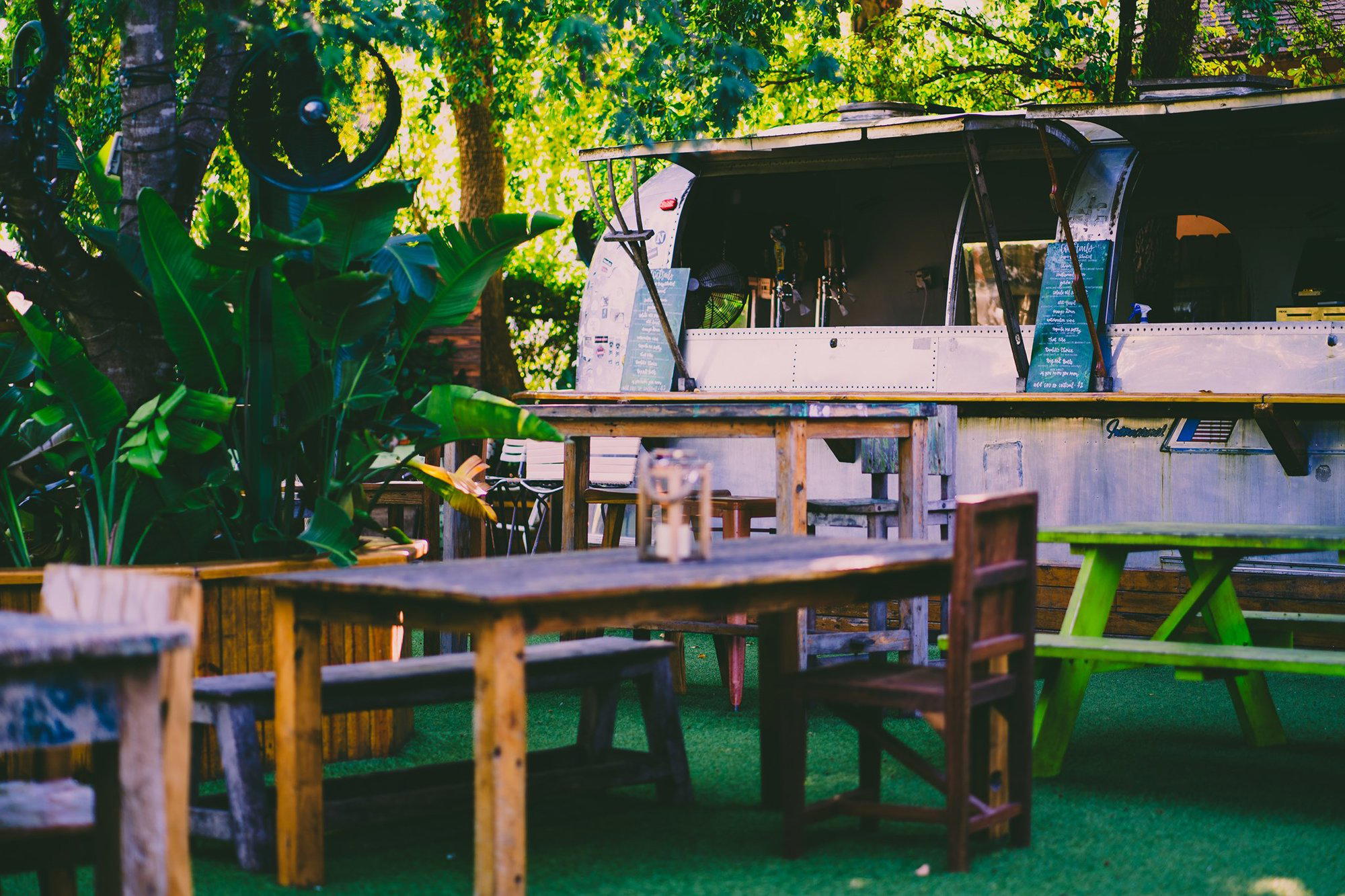
A Different Kind of Drinking Room in Flagler Village
Fort Lauderdale's bar scene has spent the better part of a decade sorting itself into two distinct camps. On one side sit the waterfront venues built around spectacle and volume, drawing the tourist and spring-break traffic that the city has always attracted. On the other, a quieter reorganisation has been happening inland, particularly in the Flagler Village corridor north of downtown, where independent operators have been opening spaces that prioritise atmosphere and programming over throughput. Rhythm & Vine, at 401 NE 5th Terrace, sits inside that second movement.
The address itself is a signal. NE 5th Terrace is not a destination strip in the way that Las Olas Boulevard is. It does not have the inherited foot traffic or the tourist infrastructure. A venue choosing to plant itself here is making a deliberate argument about who its audience is and what kind of evening it wants to host. That argument, in Flagler Village's case, tends to land in favour of residents, creative-industry workers, and the kind of drinker who finds the beach-corridor model exhausting.
The Physical Container: What the Space Does
Fort Lauderdale's more considered independent bars have generally moved away from the open-air, high-volume formats that dominated the city's hospitality identity for decades. The newer model, visible across Flagler Village and parts of downtown, favours contained interiors with deliberate acoustic management, seating that encourages staying rather than circulating, and a design logic that gives the space a coherent identity rather than a catalogue-furnished neutrality.
Rhythm & Vine works within that framework. The name itself telegraphs a dual programming intention: wine as the anchor product, live music or rhythm-led events as the experiential layer that separates it from a direct wine bar. That combination is a meaningful structural choice. Wine bars that also programme music occupy a specific niche in the American bar landscape, one that demands a space designed to function as both a listening room and a drinking environment without defaulting entirely to either. The tension between those two requirements, when handled well, produces venues with a distinct character that pure-play wine bars or live-music rooms rarely achieve on their own.
In cities where this format has matured, the physical design tends to do specific work: seating clusters that allow conversation during quieter sets, acoustic treatment that prevents live performance from rendering table service impossible, and a visual identity that communicates which of the two functions is primary on any given night. Whether through layout, lighting transitions, or programming schedules, the leading operators in this niche have learned to make the space legible to guests arriving for wine and guests arriving for music equally. Venues in this category elsewhere in the United States, from Kumiko in Chicago to Jewel of the South in New Orleans, have demonstrated that the format rewards investment in spatial intelligence over purely decorative choices.
Placing Rhythm & Vine in its competitive context requires understanding how Fort Lauderdale's independent bar scene has stratified. The city's most technically ambitious cocktail programmes have concentrated in a handful of venues that treat the drink as the primary editorial statement. Apothecary 330 represents the cocktail-forward end of that spectrum. At the more casual, waterfront-social end, venues like Boatyard and Brew Next Door serve a different function entirely, built around outdoor access and the informal rhythms of a port city. Anthony's Runway 84 occupies a longer-established, institution-style position with a different clientele profile.
A wine-and-music hybrid like Rhythm & Vine does not compete directly with any of those formats. It addresses a gap in the market: guests who want a wine-led drinking experience but find direct wine bars too static, and who want live music but find dedicated live-music venues too loud or too single-purpose. That is a narrower audience than any of the above categories attract individually, which means the venue's success depends on executing the hybrid convincingly rather than drifting toward one pole.
Nationally, the wine-bar-with-programming model has performed well in cities with dense creative-class neighbourhoods. ABV in San Francisco and Superbueno in New York City each demonstrate, in different ways, how programming and product selection can work together to define a venue's identity more sharply than either element does alone. Internationally, The Parlour in Frankfurt offers a European reference point for how a considered drinking-room format can anchor a neighbourhood's after-dark identity without requiring a large footprint. Bar Leather Apron in Honolulu and Julep in Houston round out a picture of how regional markets outside the primary coastal cities have built credible, destination-worthy bar programmes by committing to a specific format with discipline.
Planning a Visit
Rhythm & Vine sits at 401 NE 5th Terrace in Fort Lauderdale, placing it in the Flagler Village area rather than on Las Olas or the beach strip. Guests driving from central Fort Lauderdale will find the address accessible without the parking pressure of the waterfront districts. The neighbourhood's gallery and studio businesses mean the block has activity during weekend evenings in particular, making it worth timing a visit to coincide with any programming the venue has scheduled. As with most independent wine and music venues of this format, checking in advance for live-music nights will shape the kind of experience available on arrival. For a broader orientation to what Fort Lauderdale's drinking and dining scene looks like across neighbourhoods, the full Fort Lauderdale restaurants guide provides context on where this address sits relative to the city's other concentrations of independent venues.
Continue exploring
More in Fort Lauderdale
Bars in Fort Lauderdale
Browse all →

Restaurants in Fort Lauderdale
Browse all →
At a Glance
- Cozy
- Trendy
- Bohemian
- Rustic
- Casual Hangout
- Group Outing
- Late Night
- Live Music
- Beer Garden
- Outdoor Terrace
- Lounge Seating
- Communal Tables
- Classic Cocktails
- Craft Cocktails
Current opening hours
- Monday
- Closed
- Tuesday
- Closed
- Wednesday
- 5 PM–12 AM
- Thursday
- 5 PM–2 AM
- Friday
- 5 PM–3 AM
- Saturday
- 4 PM–3 AM
- Sunday
- 2–11 PM
Hours can change for holidays and private events. Last verified .
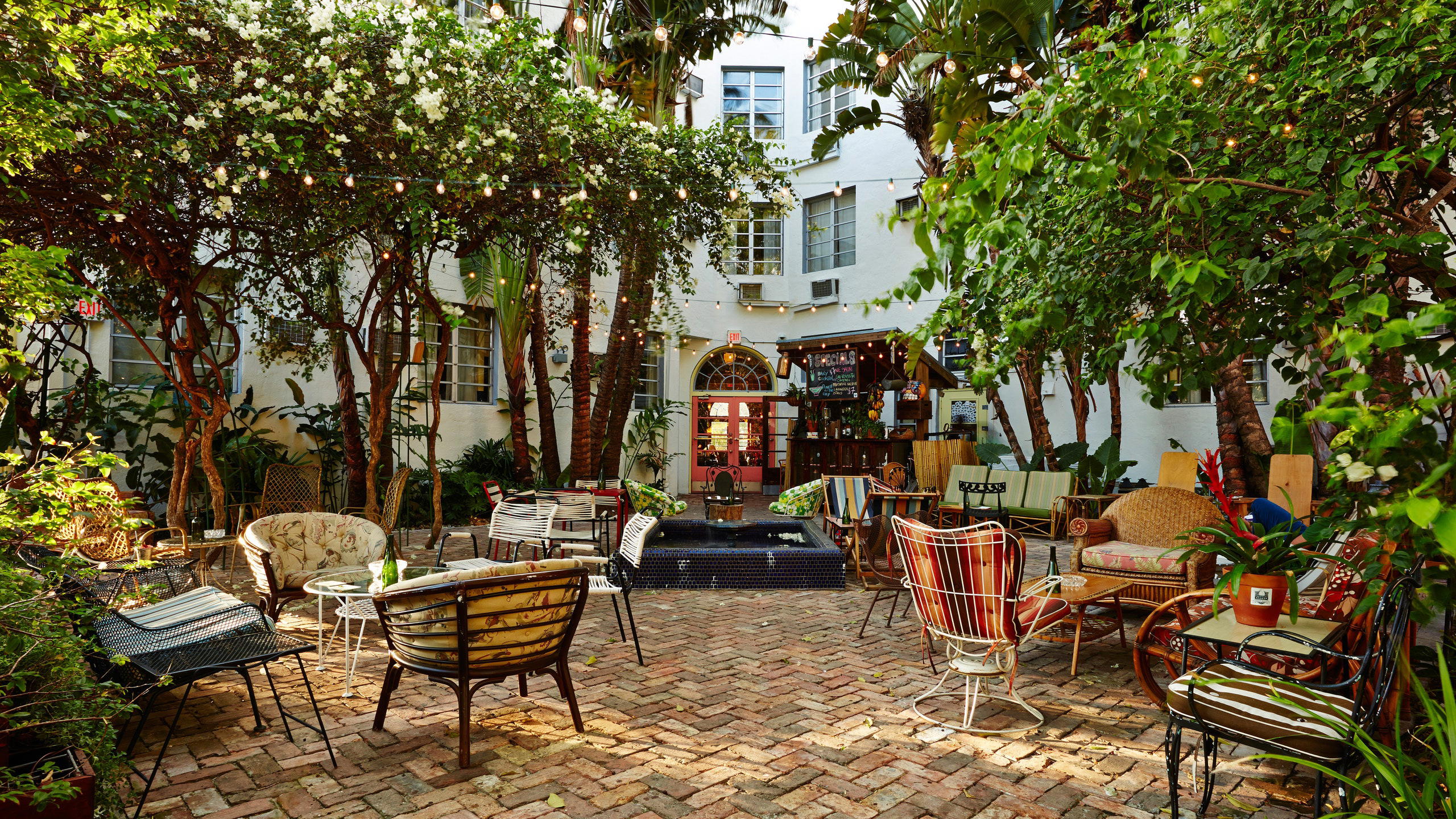
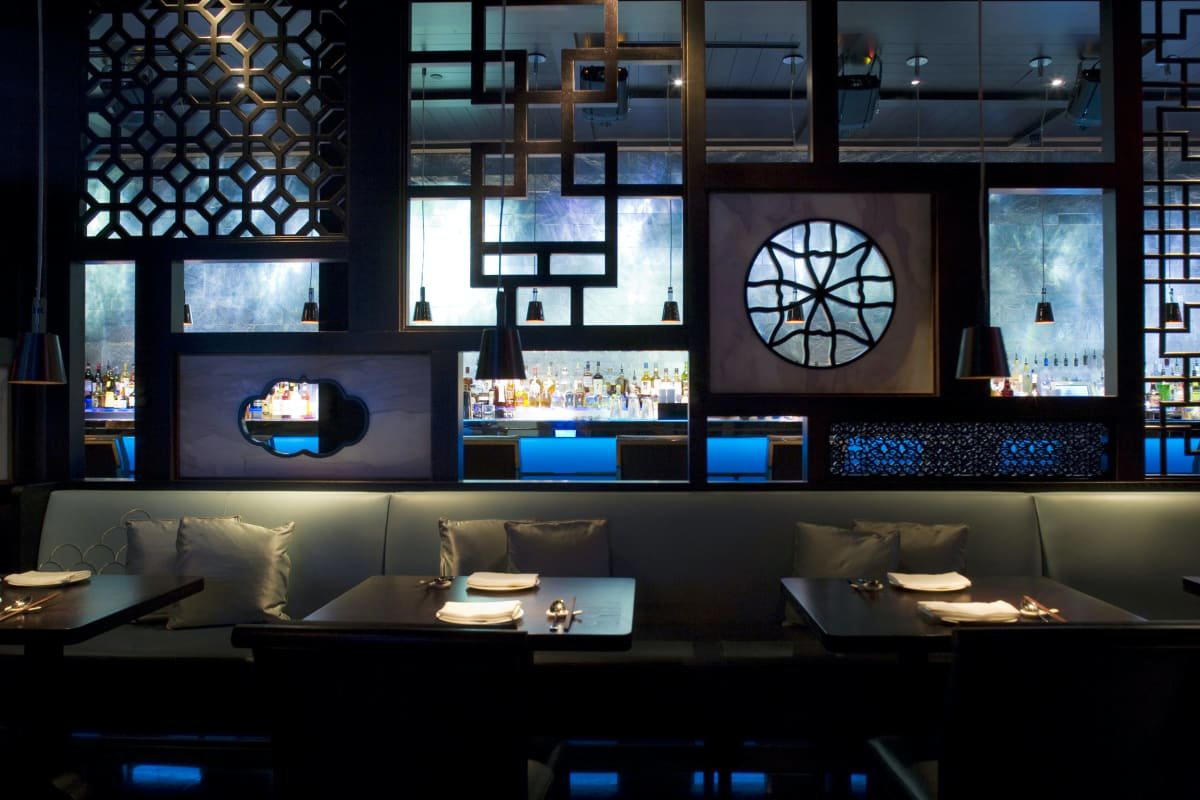
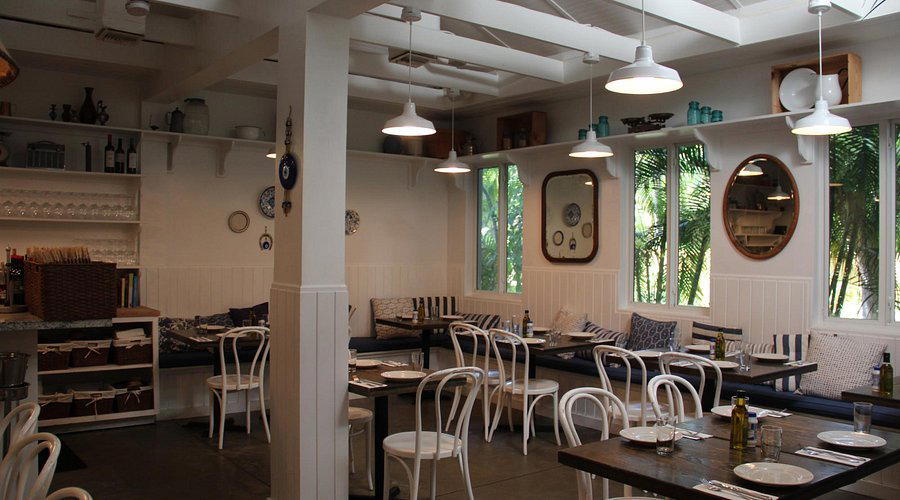
Relaxed, intimate outdoor space with lush greenery, cozy indoor lounge, and chill vibes.
Know Before You Go
- Getting there
- 401 NE 5th Terrace, Fort Lauderdale, FL 33301