Rhinegeist Brewery
A converted 1800s packing house in Cincinnati's Over-the-Rhine district, Rhinegeist Brewery occupies one of the neighbourhood's largest industrial spaces, with a rooftop, taproom floor, and rotating tap list that draw locals and visitors in roughly equal measure. The brewery operates within a district defined by 19th-century German brewing heritage, making the address as much a cultural reference point as a drinking destination.
Pearl is the En Primeur Club membership app — saves, bookings, and concierge access live there. Same editors, same standards.
- Address
- 1910 Elm St, Cincinnati, OH 45202
- Phone
- +1 513 381 1367
- Website
- rhinegeist.com
- Directions
- Get directions
 Saves & bookings on Pearl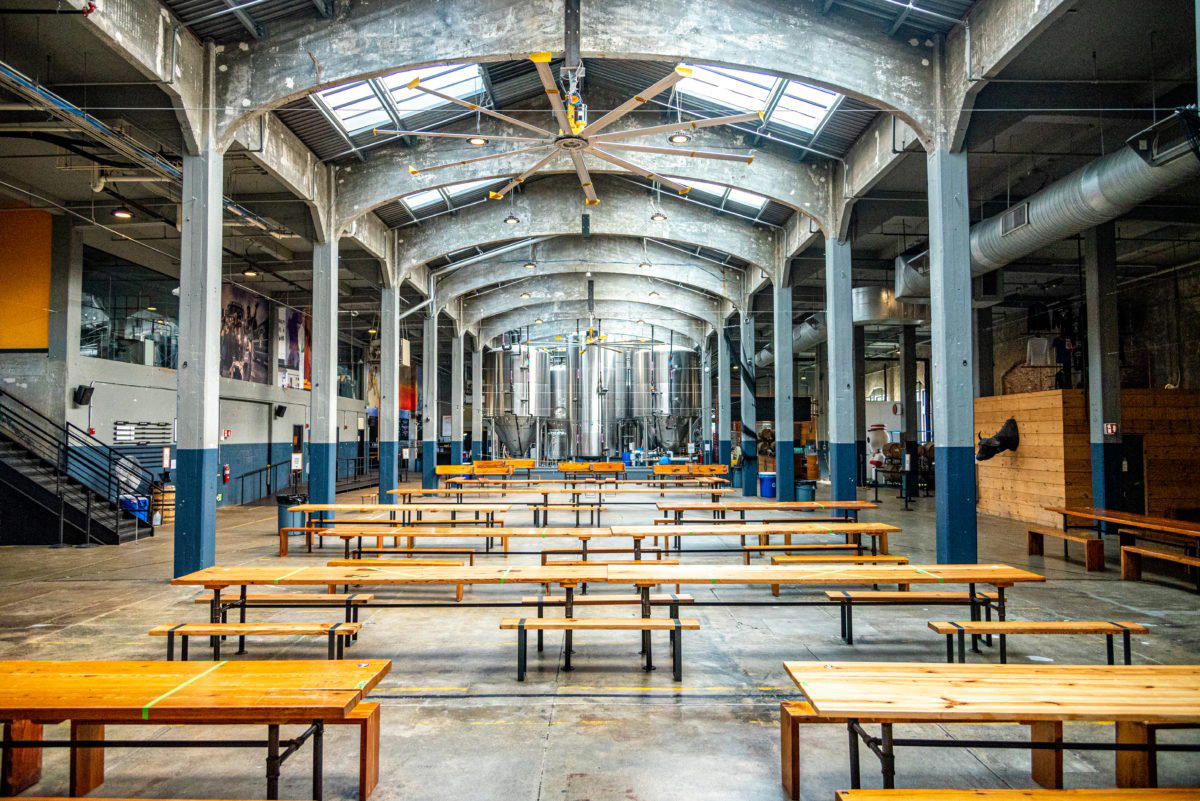
A Warehouse That Earned Its Context
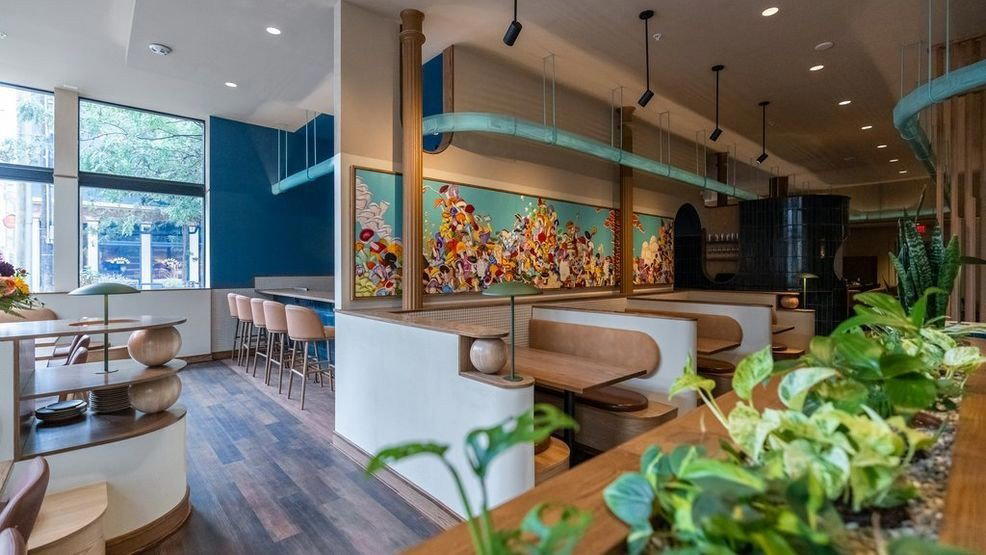
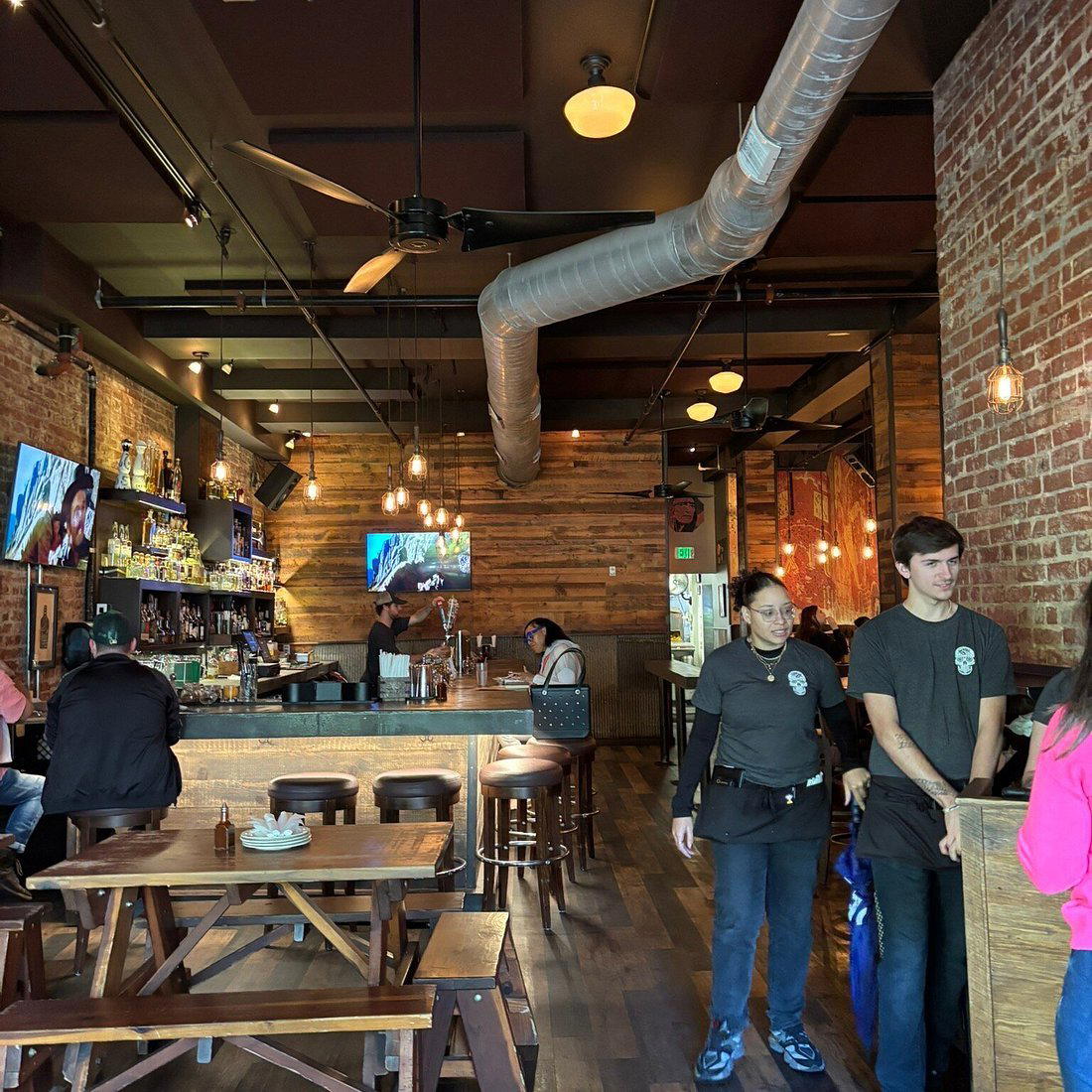
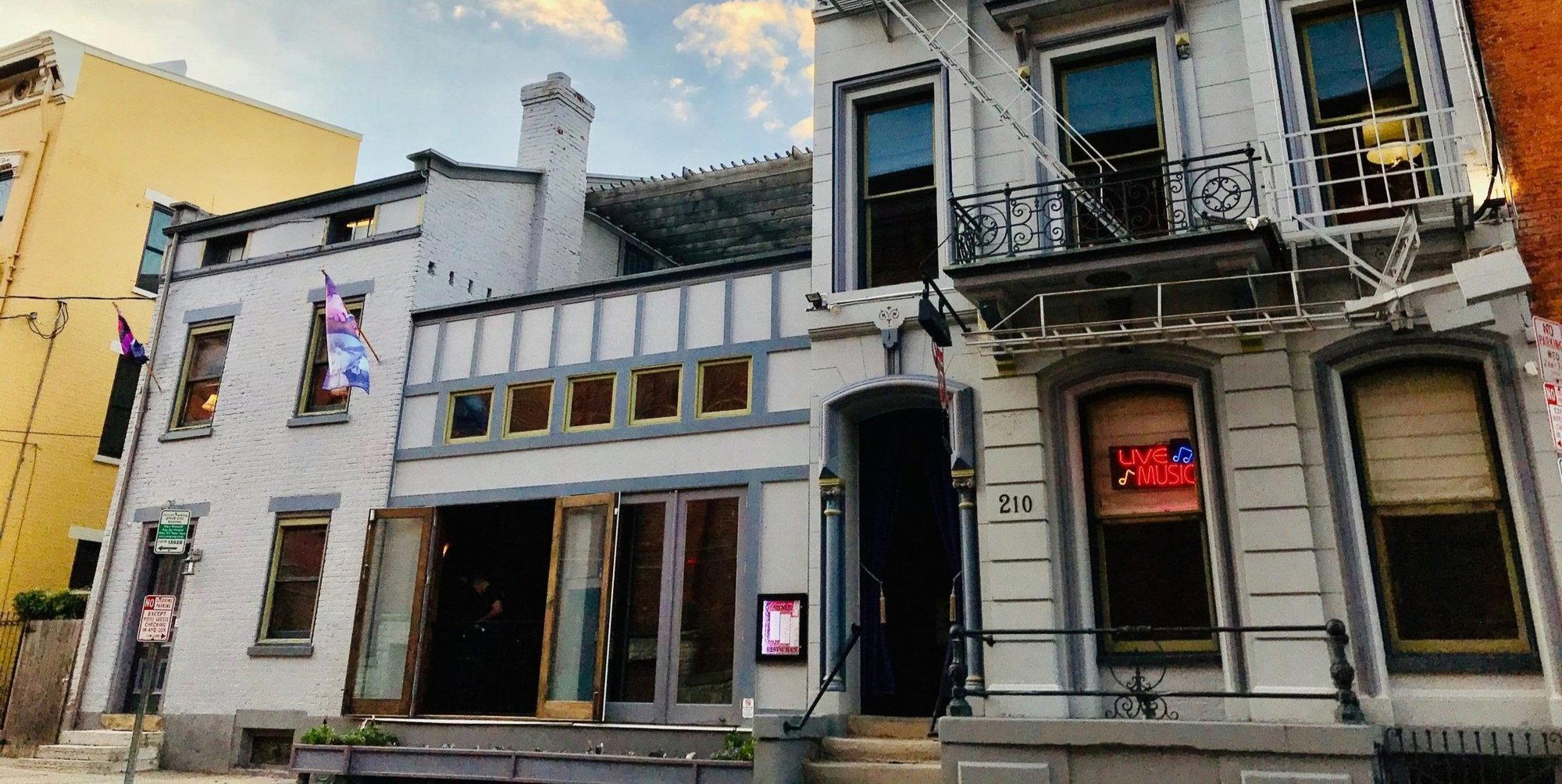
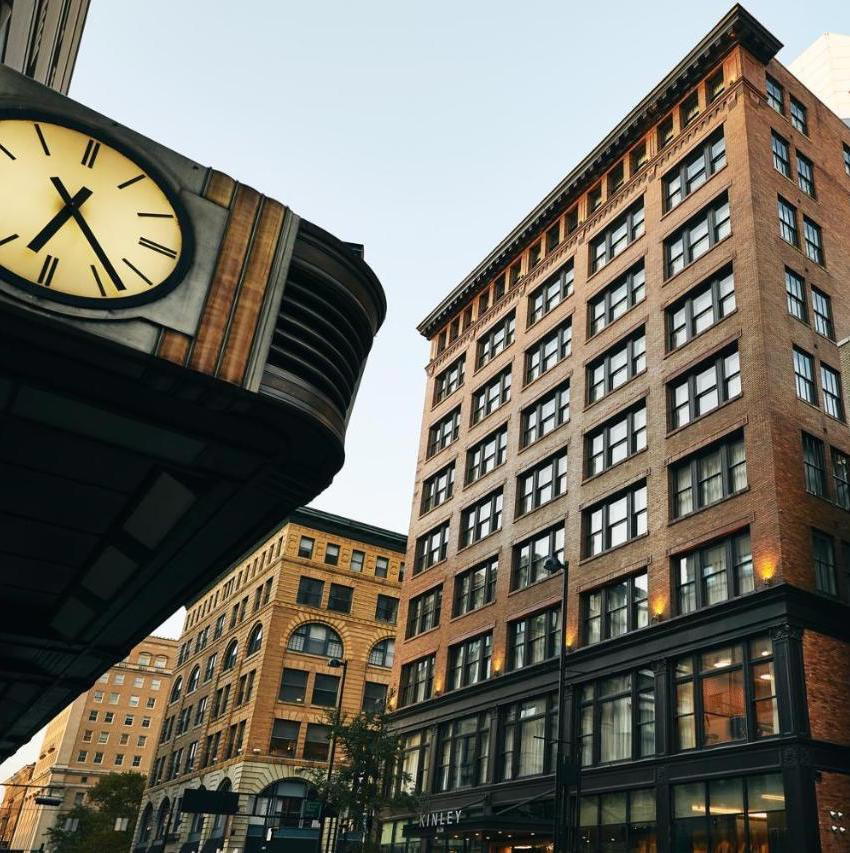
Over-the-Rhine is one of the most intact 19th-century urban districts in the United States, and the German word in its name is not incidental. The neighbourhood was built largely by German immigrants who brought lager culture with them, and the street grid still carries that industrial, civic weight. Brewery buildings from that era line the blocks, some converted to condos, others to restaurants. Rhinegeist occupies a former packing house at 1910 Elm Street, and the space itself communicates this history without needing to announce it: exposed brick, cast-iron columns, high ceilings that absorb noise without silencing the room.
In American craft brewing, the taproom format has bifurcated. One branch runs toward small, neighbourhood-focused operations with twelve stools and a chalk menu. The other produces destination breweries, where the physical space is as much the draw as the beer. Rhinegeist sits clearly in the second category. The footprint is large enough to absorb a Saturday crowd without the atmosphere collapsing into chaos, which is a harder architectural problem to solve than it looks.
The Space as the First Argument
The ground-floor taproom is the operational centre: long communal tables, a bar that runs across a significant portion of the room, and the kind of sightlines that let you read the crowd without committing to any part of it. The industrial ceiling height gives the room a different acoustic quality than a typical bar, with sound diffusing upward rather than bouncing back. This is not accidental in a building this old. The original structure was designed for volume and ventilation, and both properties translate into a taproom experience that feels open without feeling empty.
The rooftop is where the building's footprint pays a different dividend. refined above Elm Street, it offers a view of the OTR roofline and, on clear days, a direct read on why the neighbourhood's physical character has attracted the level of preservation investment it has. Rooftop drinking at a brewery is a common enough format in American cities, but the specific geometry here, set against a district of this architectural density, gives it a different register than a purpose-built patio on a suburban taproom. For visitors coming from outside Cincinnati, it also provides orientation: you understand the city better from up there than you do at street level.
Where It Sits in Cincinnati's Drinking Scene
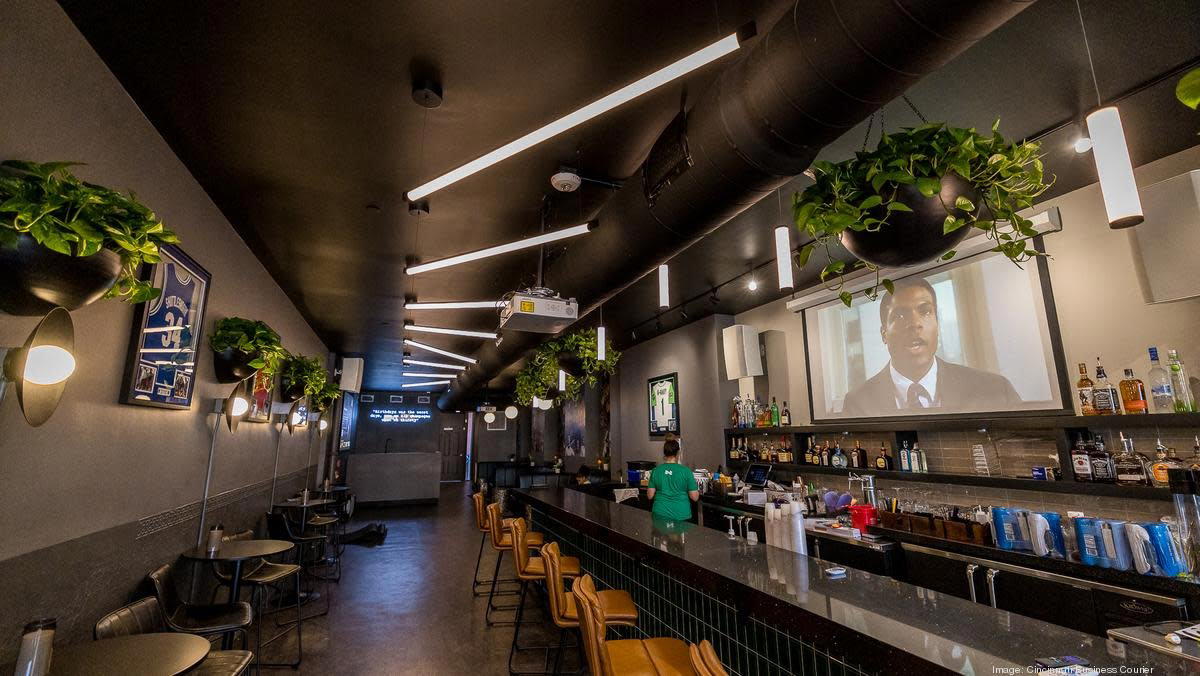
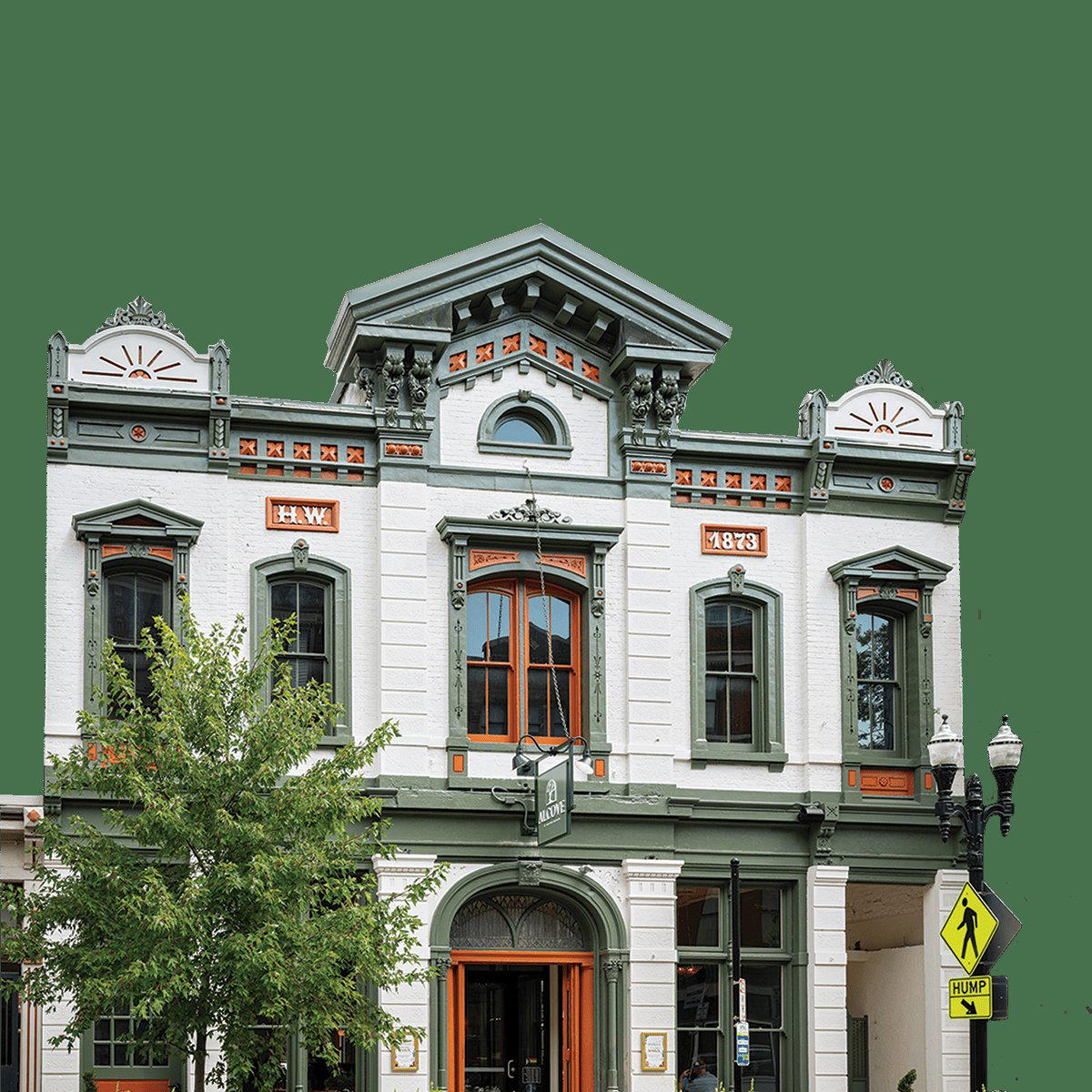
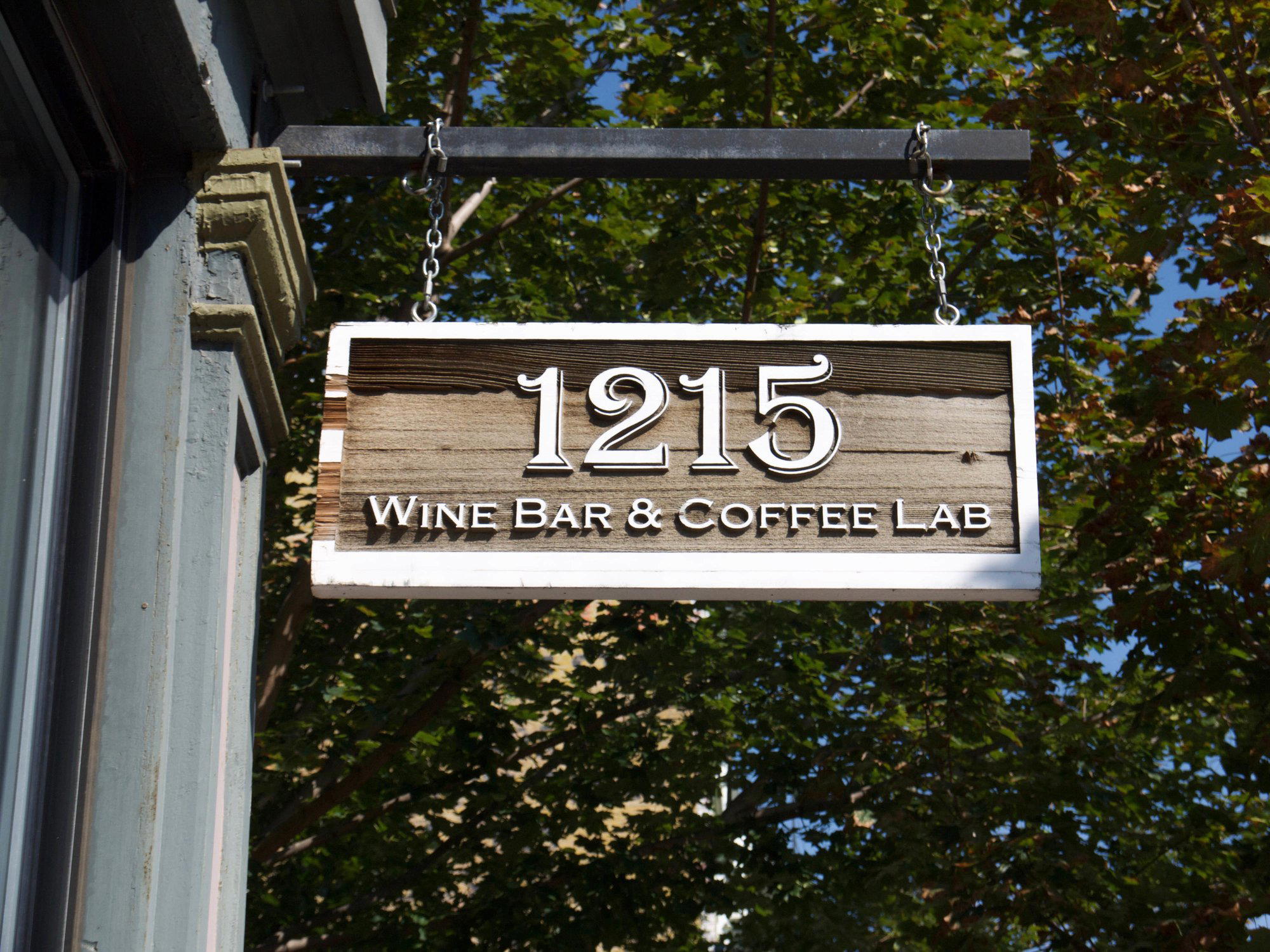
Cincinnati's bar and brewery scene in OTR has matured considerably over the past decade. The neighbourhood now supports a range of formats, from cocktail-focused rooms like Arnold's Bar and Grill, one of the city's oldest continuously operating bars, to the craft-focused Alcove by MadTree Brewing and the more intimate 1215 Wine Bar and Coffee Lab.
That is not the same as saying it is the most technically ambitious or the quietest place to drink. For precision cocktail work or a low-key evening, the city offers Arthur's or other smaller venues better suited to that register. Rhinegeist's value is in a different category: it is a space designed for communal drinking at scale, and it executes that format with more spatial intelligence than most comparable venues in similarly sized American cities.
The comparison holds up when you look at destination craft breweries in other markets. Taprooms of this scale tend either to feel like airport terminals or to lean so hard into industrial-chic that the atmosphere becomes self-parody. The Elm Street building avoids both traps partly because the industrial character is original rather than applied. The brick was there before the beer brand existed.
The Beer as the Product of a Place
Ohio craft brewing has operated in the shadow of larger coastal markets for most of its modern history, but the state's German brewing heritage gives Cincinnati a regional argument that other Midwest cities cannot quite replicate. The emphasis at Rhinegeist leans toward approachable, high-volume styles alongside rotating seasonal offerings, which positions it for the destination-taproom crowd rather than the single-origin beer-nerd segment. For that audience, the beer functions as an entry point into a larger experience anchored by the space, the location, and the neighbourhood's historical freight.
Visitors interested in how American craft brewing intersects with European brewing tradition at a regional level will find the OTR context instructive. The same heritage that produced Kumiko in Chicago or the programme depth at Bar Leather Apron in Honolulu looks different when the raw material is lager culture rather than cocktail craft, but the underlying question is the same: how does a place express local drinking identity through a contemporary format? In Cincinnati's case, that identity runs through German immigrant brewing, and Rhinegeist's address makes that argument spatially before a single pint is poured.
Planning a Visit
Rhinegeist is located at 1910 Elm Street in Over-the-Rhine, walkable from the central streetcar route and within a short distance of the district's primary dining and bar corridor. The taproom does not operate on a reservation model for standard visits, which means weekday afternoons and early evenings offer the most comfortable access to the space. Weekend afternoons draw the largest crowds, particularly in warmer months when the rooftop fills quickly. Groups larger than eight should account for the walk-in format and plan accordingly, as seating at communal tables on busy nights involves some patience. For visitors building a broader OTR evening, pairing a stop here with dinner elsewhere in the neighbourhood is a reasonable structure: the taproom works as a starting or finishing point rather than an all-night anchor. Cincinnati's broader bar circuit is covered in our full Cincinnati restaurants guide, which maps the neighbourhood's options across format and price point.
Continue exploring
More in Cincinnati
Bars in Cincinnati
Browse all →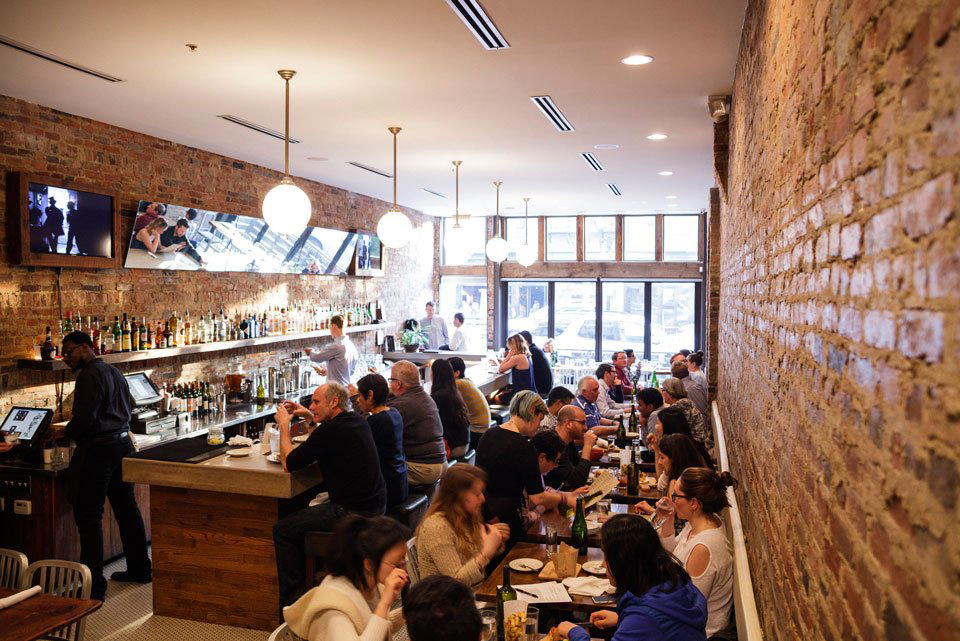
Restaurants in Cincinnati
Browse all →

At a Glance
- Lively
- Industrial
- Energetic
- Group Outing
- Casual Hangout
- After Work
- Beer Garden
- Historic Building
- Communal Tables
- Outdoor Terrace
- Standing Room
- Craft Beer
- Street Scene
Current opening hours
- Monday
- 3–10 PM
- Tuesday
- 3–10 PM
- Wednesday
- 3–10 PM
- Thursday
- 3–10 PM
- Friday
- 12 PM–12 AM
- Saturday
- 12 PM–12 AM
- Sunday
- 12–9 PM
Hours can change for holidays and private events. Last verified .
Industrial historic space with communal biergarten-style seating, lively atmosphere, and lively energy from crowds enjoying craft brews.
Know Before You Go
- Getting there
- 1910 Elm St, Cincinnati, OH 45202