Piatto Italian Kitchen
A neighborhood Italian kitchen on NW 63rd Street, Piatto occupies a corner of Oklahoma City's dining scene where familiarity and craft coexist. The menu structure reads as a study in Italian-American restraint rather than ambition for its own sake, making it a practical anchor for the area's growing restaurant corridor. For visitors mapping the city's dining options, it sits closer to the everyday end of the spectrum than to the occasion-dining tier.
Pearl is the En Primeur Club membership app — saves, bookings, and concierge access live there. Same editors, same standards.
- Address
- 2920 NW 63rd St, Oklahoma City, OK 73116
- Phone
- +1 405 608 8866
- Website
- piattookc.com
- Directions
- Get directions
 Saves & bookings on Pearl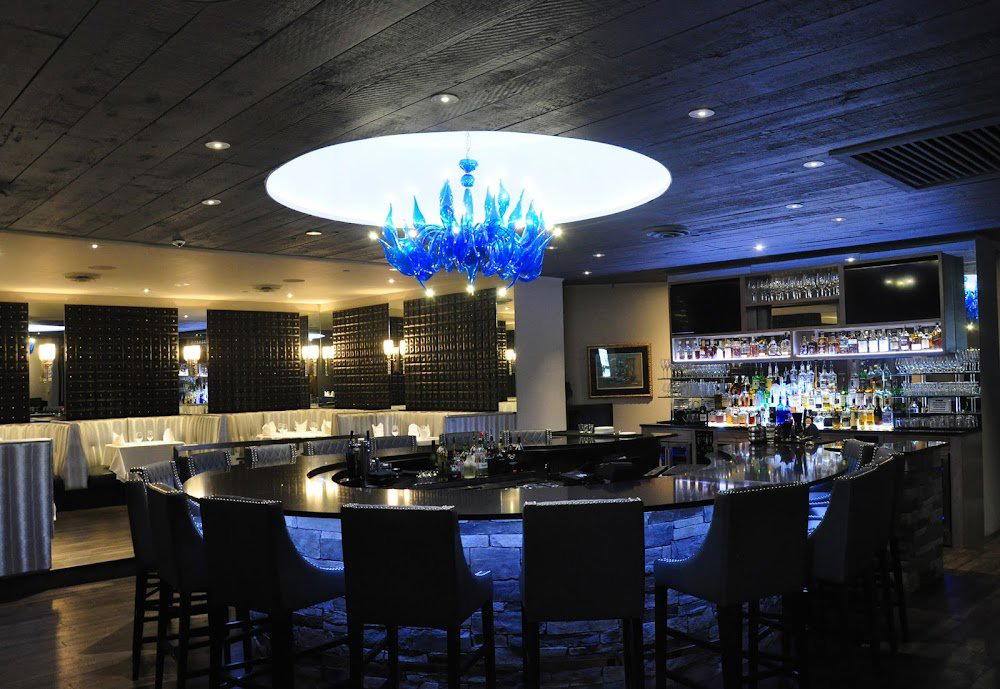
What the Menu Tells You About the Room
Italian-American restaurants in mid-size American cities tend to split along a clear fault line: those built around a single strong identity (a wood-fired oven, a regional Italian lineage, a chef with documented Italian training) and those that read as full-service neighborhood platforms, where the menu is wide enough to accommodate a table of four with different appetites. Piatto Italian Kitchen is a bar at 2920 NW 63rd St, Oklahoma City, OK 73116. A broad Italian menu in a neighborhood setting is a deliberate editorial statement about who the restaurant is for, and in Oklahoma City's northwest corridor, that audience skews toward regulars rather than destination diners.
The address, 2920 NW 63rd St, places Piatto in a stretch of Oklahoma City that carries more daily-use commercial energy than the Bricktown entertainment district or the Arts District's more self-conscious dining clusters. That context shapes reasonable expectations. This is not where you come hunting for a tasting menu or a single-origin pasta philosophy. It is where the Italian kitchen format, pasta, proteins, shared starters, and a wine list calibrated for accessibility rather than depth, does its functional work for a neighborhood.
Reading the Structure of an Italian-American Menu
The architecture of a traditional Italian-American menu in the United States carries its own logic, one that diverged from Italian regional cooking sometime in the mid-twentieth century and developed its own internal grammar. Antipasti give way to pasta courses that function as mains rather than first courses, proteins sit alongside rather than after starches, and the whole thing is designed for simultaneity rather than the sequential progression of a Roman or Milanese table. Understanding that structure helps calibrate what Piatto is doing and why.
At venues like Piatto, the menu breadth functions as a form of hospitality in itself. A table that includes someone who wants a simple pasta, someone who wants a grilled protein, and someone who wants nothing heavier than a salad can all be accommodated without negotiation. That flexibility is not a compromise; it is the point. Italian-American dining culture built its American foothold precisely on that inclusivity, and restaurants that maintain it are preserving something with genuine culinary-cultural weight, even if it rarely attracts the critical attention directed at more specialized formats.
For comparison, consider how the more specialist end of Oklahoma City's dining scene operates. Cattlemen's Steakhouse in Stockyards City carries a single-category identity that has been legible for decades. Bar Arbolada and Delmar Gardens represent the city's growing investment in the bar-forward, beverage-led format. Bedlam BAR-B-Q anchors the smoked-meat end of the spectrum. Piatto occupies a different register entirely: the reliable, neighborhood-scaled Italian kitchen that makes the broader dining ecosystem function day to day.
Oklahoma City's Dining Context
Oklahoma City's restaurant scene has matured considerably over the past decade, with a tier of serious destination restaurants now competing for regional attention and occasional national coverage. That development has not displaced the neighborhood restaurant tier; if anything, it has made it more legible by contrast. When a city acquires a credible fine-dining layer, the middle tier becomes more clearly defined, and the leading operators in that middle tier tend to sharpen their identity accordingly.
The NW 63rd corridor sits outside the neighborhoods that have attracted investment in the city's dining upgrade cycle. That gives restaurants here a different kind of durability: their audience is drawn from proximity and habit rather than from the discovery-driven traffic that flows through trendier districts.
For visitors mapping Oklahoma City more broadly, the full Oklahoma City restaurants guide covers the city's dining tiers with more granularity, including the districts where the higher-stakes dining is concentrated.
Where Piatto Sits in a Wider Frame
Italian-American neighborhood restaurants occupy a specific and often underappreciated position in American dining culture. At the specialist end of the Italian dining spectrum nationally, cities like New York, Chicago, and San Francisco have seen a wave of regional Italian concepts with direct imports of technique and sourcing from specific Italian provinces. That wave has been real and has produced serious cooking. But it has not replaced the functional role of the Italian-American kitchen, which continues to serve the bulk of demand for Italian food across most American cities.
In the bar and cocktail tier, cities like New York, Chicago, San Francisco, Honolulu, and New Orleans have developed programs with national reputations, venues like Superbueno in New York City, Kumiko in Chicago, ABV in San Francisco, Bar Leather Apron in Honolulu, and Jewel of the South in New Orleans that have built credibility through sustained critical attention. Julep in Houston and The Parlour in Frankfurt extend that comparison internationally. Piatto operates in a different register, but naming that difference is not a criticism. The neighborhood Italian kitchen and the nationally recognized cocktail bar serve entirely different functions in a city's hospitality infrastructure.
Planning Your Visit
Piatto Italian Kitchen is located at 2920 NW 63rd Street in Oklahoma City. Current hours are Mon to Thu 4:30 to 9 PM, Fri and Sat 4:30 to 9:30 PM, and Sun closed; reservations are recommended. The NW 63rd location is accessible by car and sits within a commercial corridor with adjacent parking, consistent with the neighborhood's general auto-oriented layout.
Standing Among Peers
Comparable venues nearby, for context on price, style, and recognition.
| Venue | Cuisine | Price | Notes |
|---|---|---|---|
| Piatto Italian KitchenThis venue — the venue you are viewing | wine_bar | $$$ | Not listed |
| Tokyo Japanese Restaurant | sake_bar | $$ | Nichols Hills |
| Cattlemen's Steakhouse | lounge | $$$ | Stockyards City |
| The Big Friendly | beer_bar | $$ | Wheeler District |
| Iguana Mexican Grill | pub | $$ | Automobile Alley |
| The Goose | lounge | $$ | Midtown |
Continue exploring
More in Oklahoma City
Bars in Oklahoma City
Browse all →


Restaurants in Oklahoma City
Browse all →


At a Glance
- Elegant
- Sophisticated
- Classic
- Date Night
- Special Occasion
- Group Outing
- Standalone
- Historic Building
- Seated Bar
- Booth Seating
- Conventional Wine
- Craft Cocktails
Current opening hours
- Monday
- 4:30–9 PM
- Tuesday
- 4:30–9 PM
- Wednesday
- 4:30–9 PM
- Thursday
- 4:30–9 PM
- Friday
- 4:30–9:30 PM
- Saturday
- 4:30–9:30 PM
- Sunday
- Closed
Hours can change for holidays and private events. Last verified .
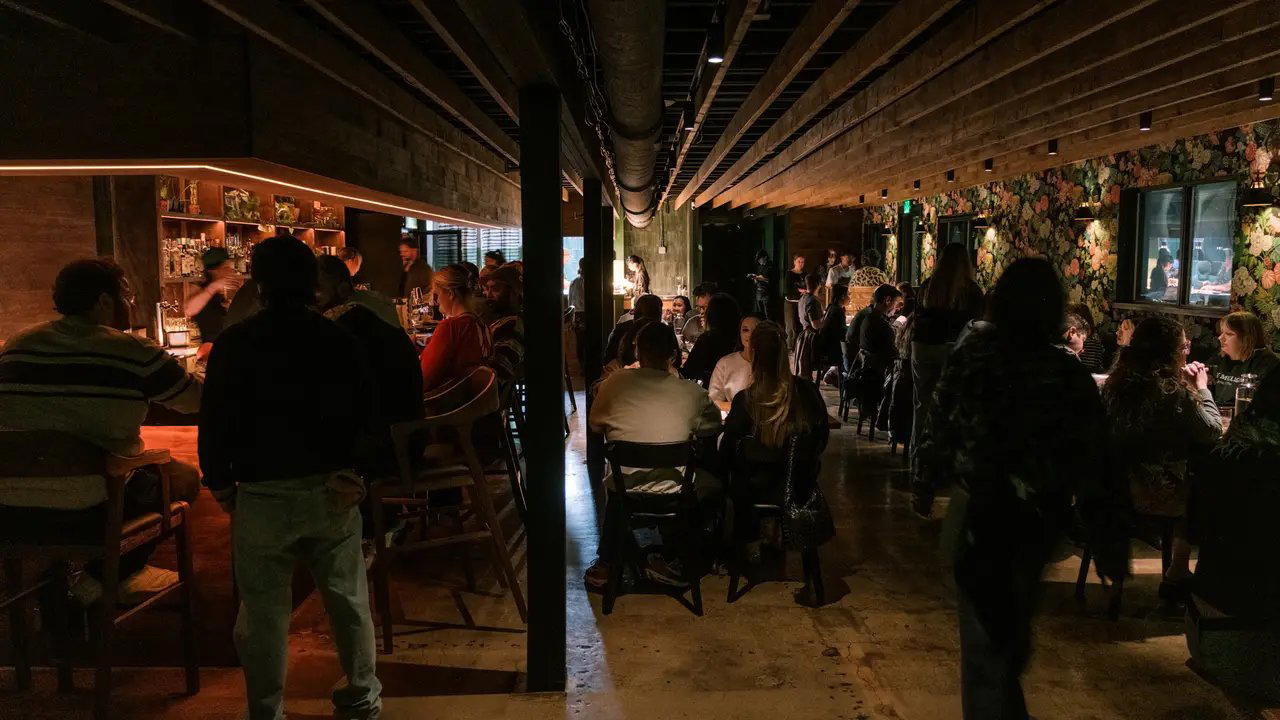
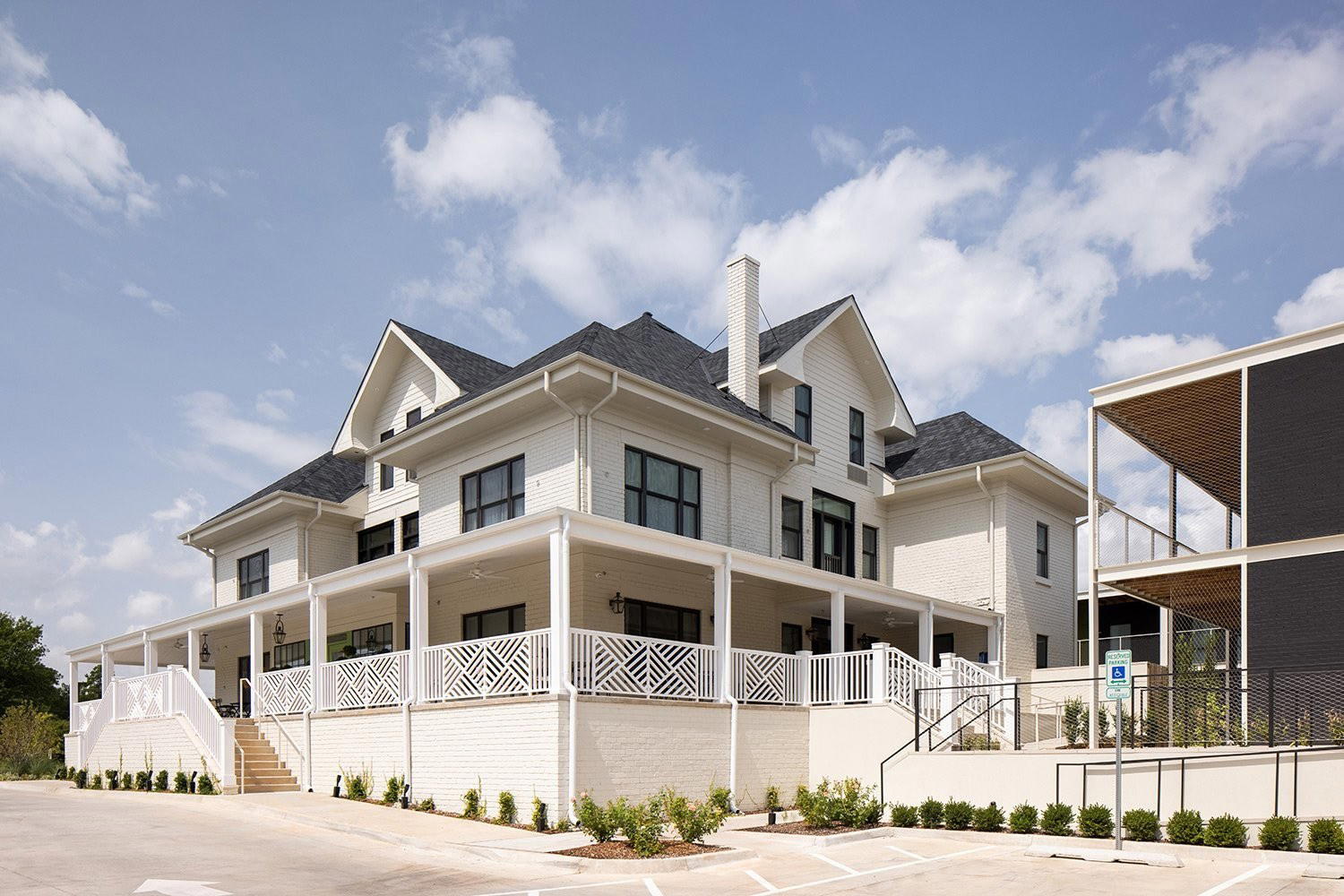
Simple, classy, and relaxing decor with an understated elegance that balances fine dining sophistication with casual comfort.