Google: 4.5 · 498 reviews
Papa Dio's Italian Restaurant & Wine Bar
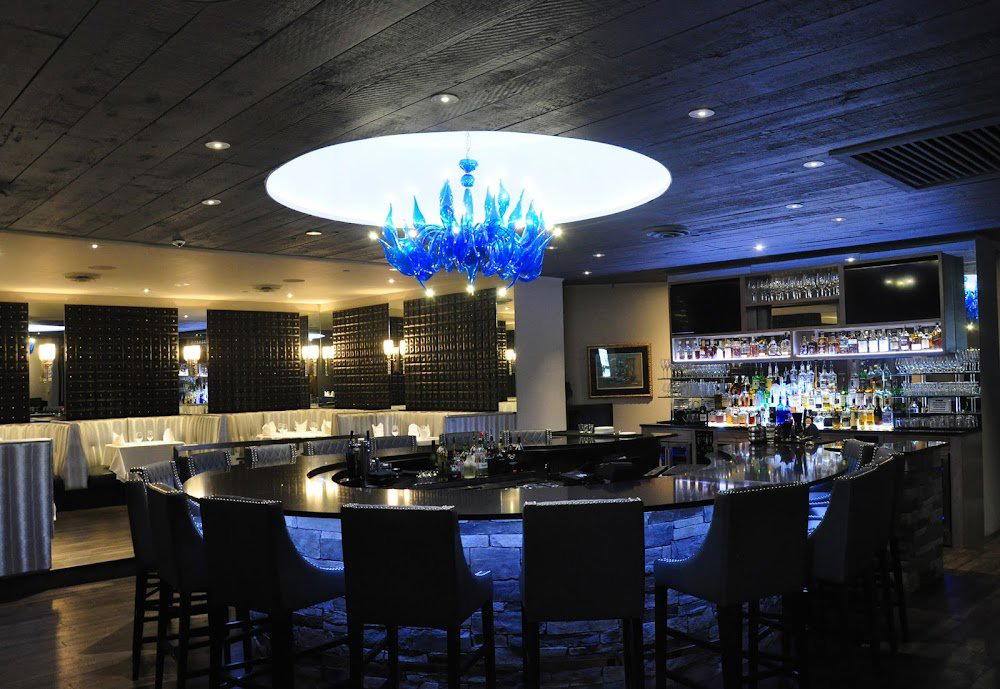
Papa Dio's Italian Restaurant and Wine Bar sits on North May Avenue in The Village, a quiet stretch of Oklahoma City's northern corridor where Italian-American dining has held steady ground for years. The wine bar format places it in a category that remains relatively sparse in this part of the metro, making it a reliable reference point for residents looking for something beyond the standard casual chain experience.
Pearl is the En Primeur Club membership app — saves, bookings, and concierge access live there. Same editors, same standards.

Italian-American Dining in The Village: Where North May Avenue Holds Its Ground
The northern corridor of Oklahoma City has never been the region's most talked-about dining district, but it has long sustained a particular kind of restaurant: the neighbourhood Italian-American that earns its regulars not through spectacle but through consistency. Papa Dio's Italian Restaurant and Wine Bar, at 10712 N May Ave in The Village, sits within that tradition. The address puts it in a low-density residential stretch where the competition is thin and the expectation from the local diner runs toward comfort and familiarity rather than novelty or provocation.
That context matters. In cities like Chicago or New York, Italian-American restaurants occupy a crowded and well-scrutinised tier, where the gap between a competent red-sauce house and a serious Italian wine programme is immediately legible. In The Village, the category is far less populated, which gives a venue combining a restaurant format with a wine bar component a genuinely different function in its community. For an overview of what the broader area has to offer, see our full The Village restaurants guide.
The Wine Bar Component: A Format That Still Carries Weight
Across American dining, the restaurant-plus-wine-bar hybrid has evolved from a trend into a durable format. In larger markets, this structure often signals a programme built around by-the-glass selections, small pours for comparison, and a list that rewards repeat visits. Venues in cities like San Francisco, where ABV has established a benchmark for thoughtful beverage programming alongside food, or Chicago, where Kumiko has built a reputation on Japanese-inflected cocktail craft, show how seriously the drinks component can be taken when the format is treated as an editorial statement rather than a sales add-on.
In Oklahoma, the wine bar format is rarer, which means a venue that commits to it occupies a more singular position in its local market than the same concept would in a coastal city. The combination of Italian food and wine is, of course, deeply coherent as a pairing tradition: Italian regional cooking developed alongside its wine culture in a way that few other national cuisines did, and a restaurant that treats the wine list as integral rather than supplementary is making an implicit argument about how Italian food should be experienced.
Italian-American Tradition and What It Means in the Midwest
Italian-American cooking as practiced in the American Midwest tends to follow a set of conventions that diverged from their Italian origins sometime in the mid-twentieth century. Heavy sauces, generous portions, bread service, and a focus on pasta and protein rather than the vegetable-forward antipasto culture of central Italy became the defining register. That tradition has its own integrity and its own loyal constituency, particularly in cities without a strong immigrant-community infrastructure to anchor a more regionally specific Italian identity.
The Village's dining culture reflects this: the audience here is not primarily looking for Piedmontese wine pairings or Sicilian street food interpretations. What sustains a restaurant in this neighbourhood is reliability, value legibility, and a room that feels like a known quantity. The Italian-American format, with its familiar grammar of pastas, sauces, and a wine list that complements without complicating, is well-suited to that brief.
Cocktail Programming and Beverage Identity in the Italian Dining Format
One of the more interesting editorial questions in Italian-American dining is how the beverage programme handles the cocktail side. The aperitivo tradition in Italy is both specific and increasingly well-understood in American markets: Campari-based drinks, Aperol spritzes, Negroni variations, and vermouth-forward serves have moved from specialist bar menus into mainstream Italian restaurant contexts over the past decade. Whether a venue in The Village's Italian-American tradition engages with that aperitivo vocabulary or defaults to a more generic American bar menu says something about where it positions itself on the spectrum between tradition and trend.
For comparison, look at how the cocktail-led venues in other American cities have sharpened their identities: Jewel of the South in New Orleans works within a historically grounded cocktail canon; Julep in Houston has built around Southern drink traditions; Bitter and Twisted in Phoenix operates at the technical end of the bar spectrum. The common thread across those programmes is specificity: they have a point of view that makes the drink list coherent rather than generic. An Italian restaurant's wine bar benefits from the same discipline when it applies it to the aperitivo and digestivo categories alongside the bottle list.
Further afield, venues like Bar Leather Apron in Honolulu, Superbueno in New York City, Allegory in Washington, D.C., Bar Kaiju in Miami, Canon in Seattle, and The Parlour in Frankfurt each illustrate how the bar format, when given editorial intent, becomes the central identity of a hospitality venue rather than its secondary function. The lesson for any restaurant wine bar is that the drinks programme earns its own loyalty or it becomes furniture.
Planning a Visit: What to Know Before You Go
Papa Dio's sits on North May Avenue, one of the main north-south arterials through this part of Oklahoma City, which makes it accessible by car from most of the metro's northern and central neighbourhoods without a difficult cross-town journey. The Village itself is a small municipality surrounded by Oklahoma City proper, and North May is its commercial spine. Visitors coming from downtown Oklahoma City should expect a drive of roughly twenty minutes under normal conditions. As with most Oklahoma City dining, the venue is oriented toward arriving by car rather than on foot.
Because specific hours, current pricing, and booking requirements are not listed in available public records at time of writing, confirming details directly with the restaurant before visiting is the sensible approach, particularly for larger groups or weekend evenings when Italian-American neighbourhood restaurants in residential corridors tend to draw their peak local traffic.
Continue exploring
More in The Village
Bars in The Village
Browse all →Restaurants in The Village
Browse all →At a Glance
- Romantic
- Cozy
- Intimate
- Classic
- Date Night
- Casual Hangout
- Standalone
- Seated Bar
- Booth Seating
- Conventional Wine
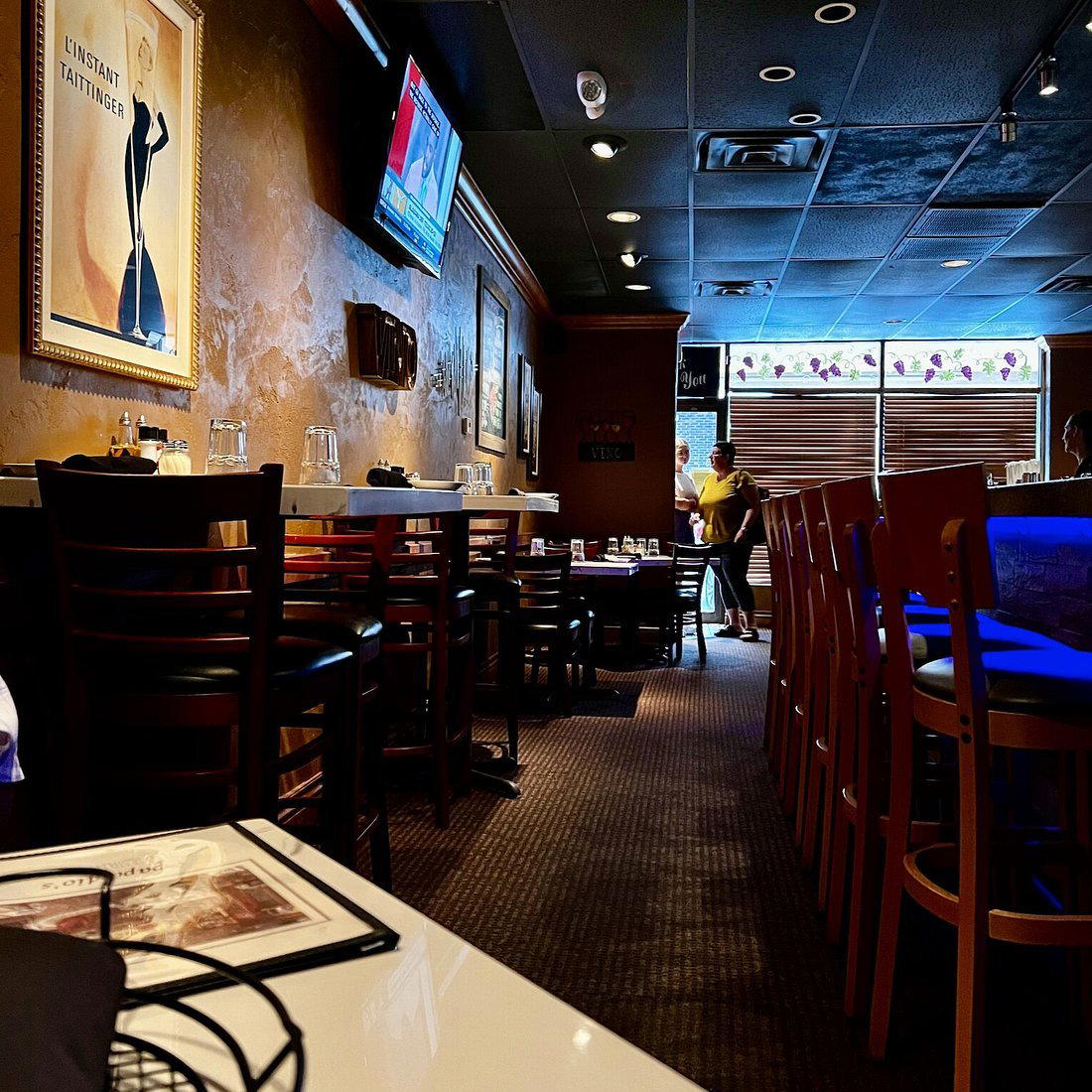
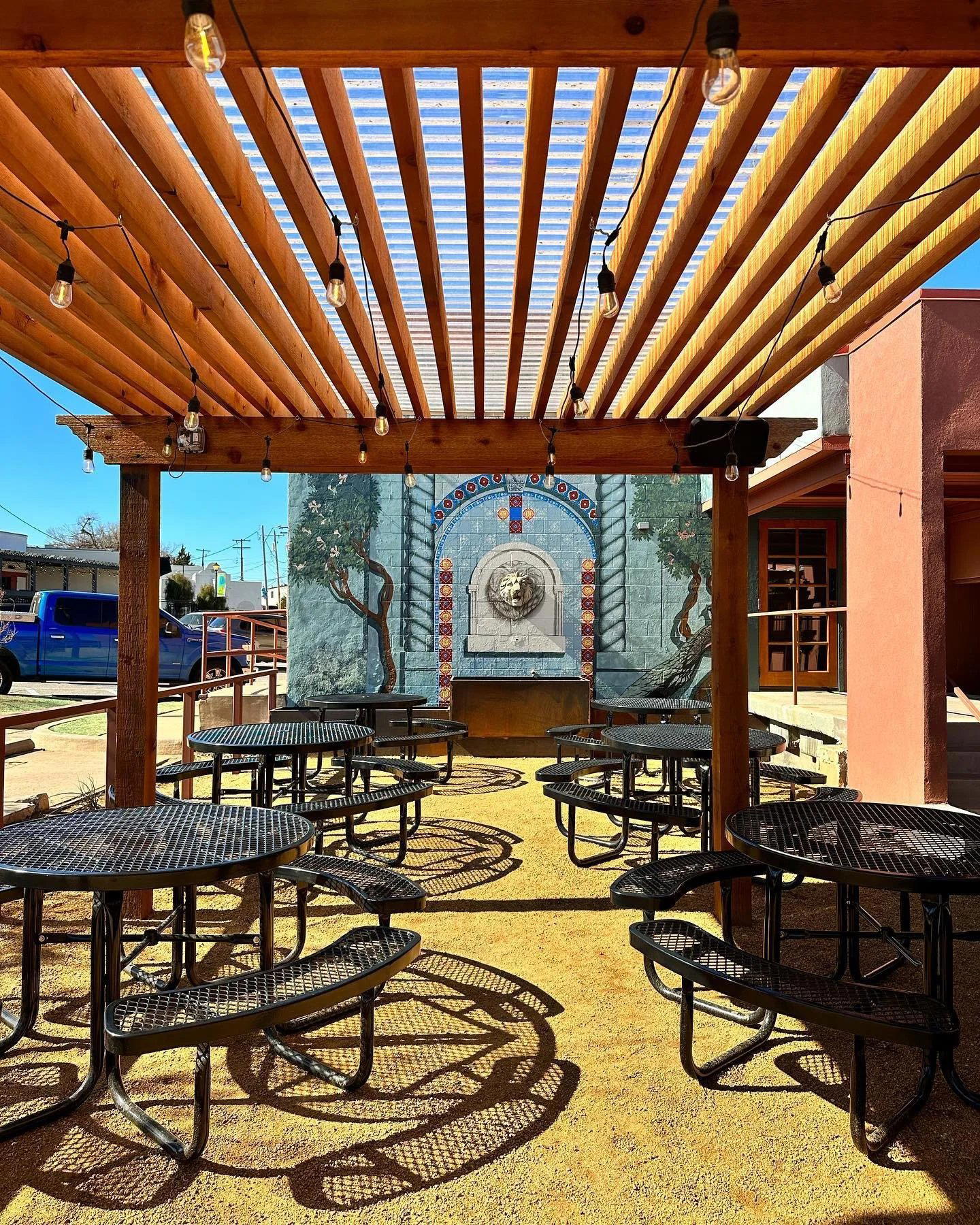
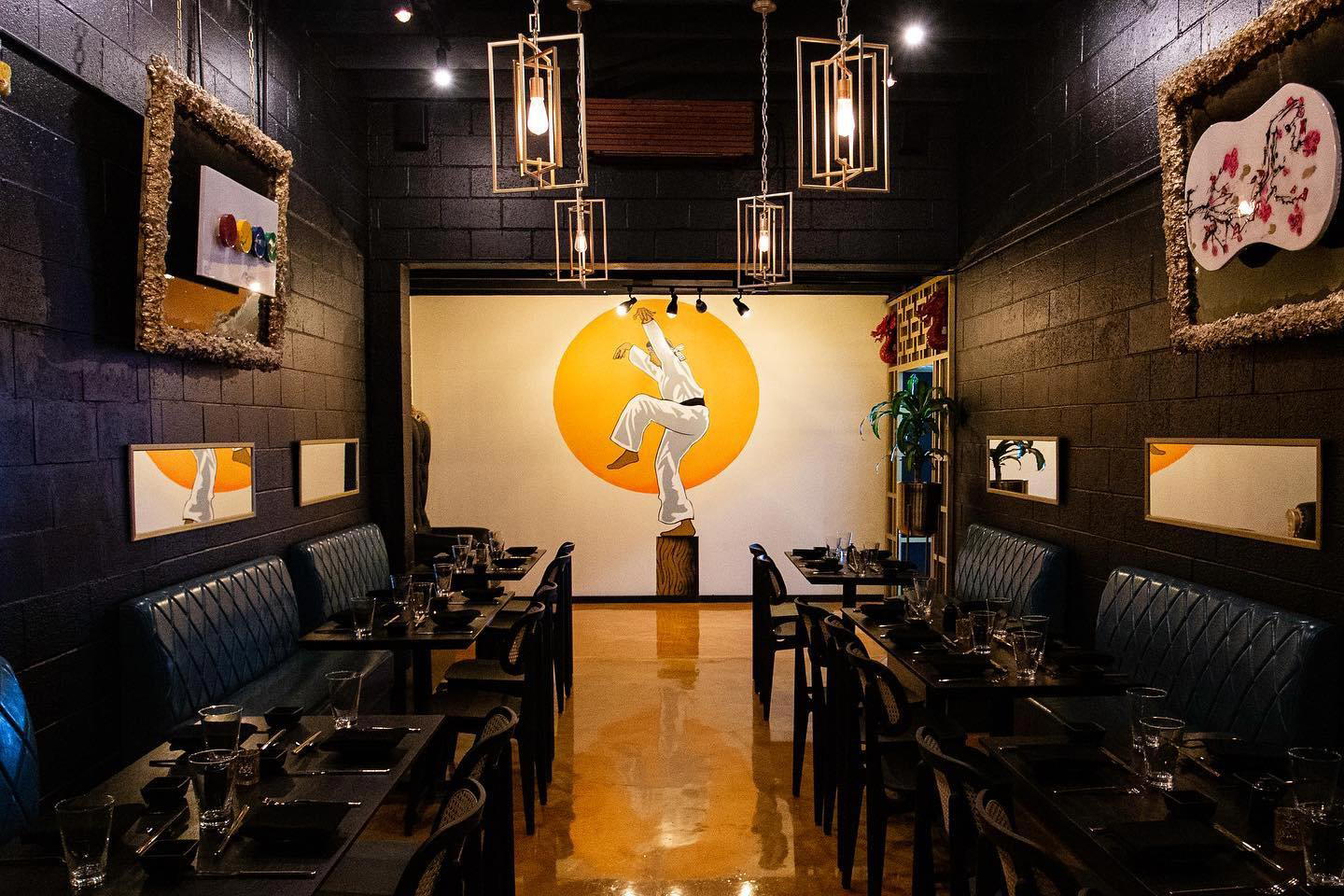
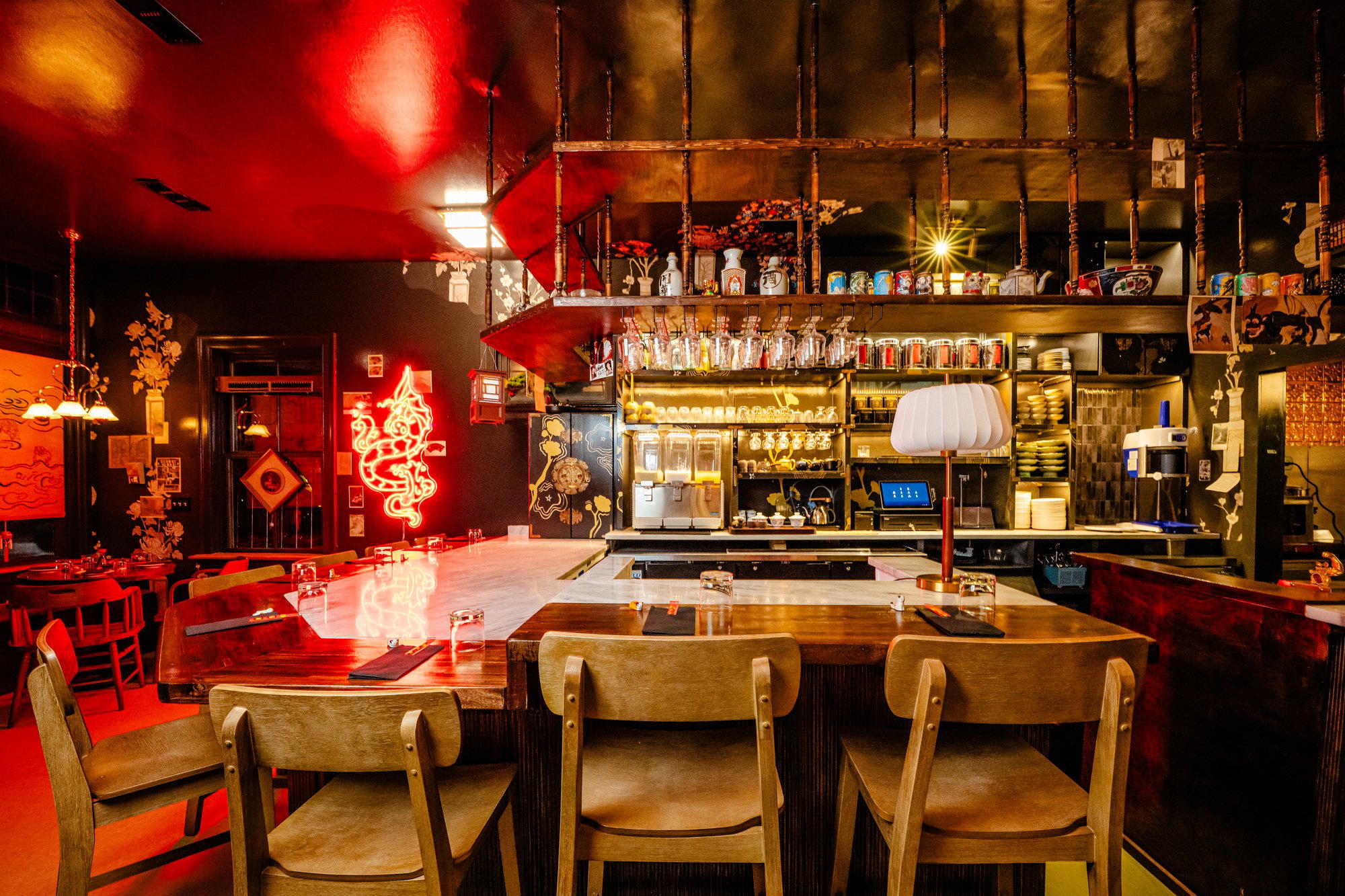
Intimate upscale wine bar with romantic candlelit setting on one side; casual family-friendly atmosphere on the other with vinyl chairs and tablecloths.