Tokyo Japanese Restaurant
On the north side of Oklahoma City, Tokyo Japanese Restaurant at 7512 N Western Ave occupies a corner of the city's Japanese dining scene that sits apart from the downtown-centric restaurant corridor. For OKC residents seeking Japanese food north of the urban core, it represents a neighborhood-anchored option in a category where proximity and consistency tend to matter as much as prestige.
Pearl is the En Primeur Club membership app — saves, bookings, and concierge access live there. Same editors, same standards.
- Address
- 7512 N Western Ave, Oklahoma City, OK 73116
- Phone
- +1 405 848 6733
- Website
- tokyookc.com
- Directions
- Get directions
 Saves & bookings on Pearl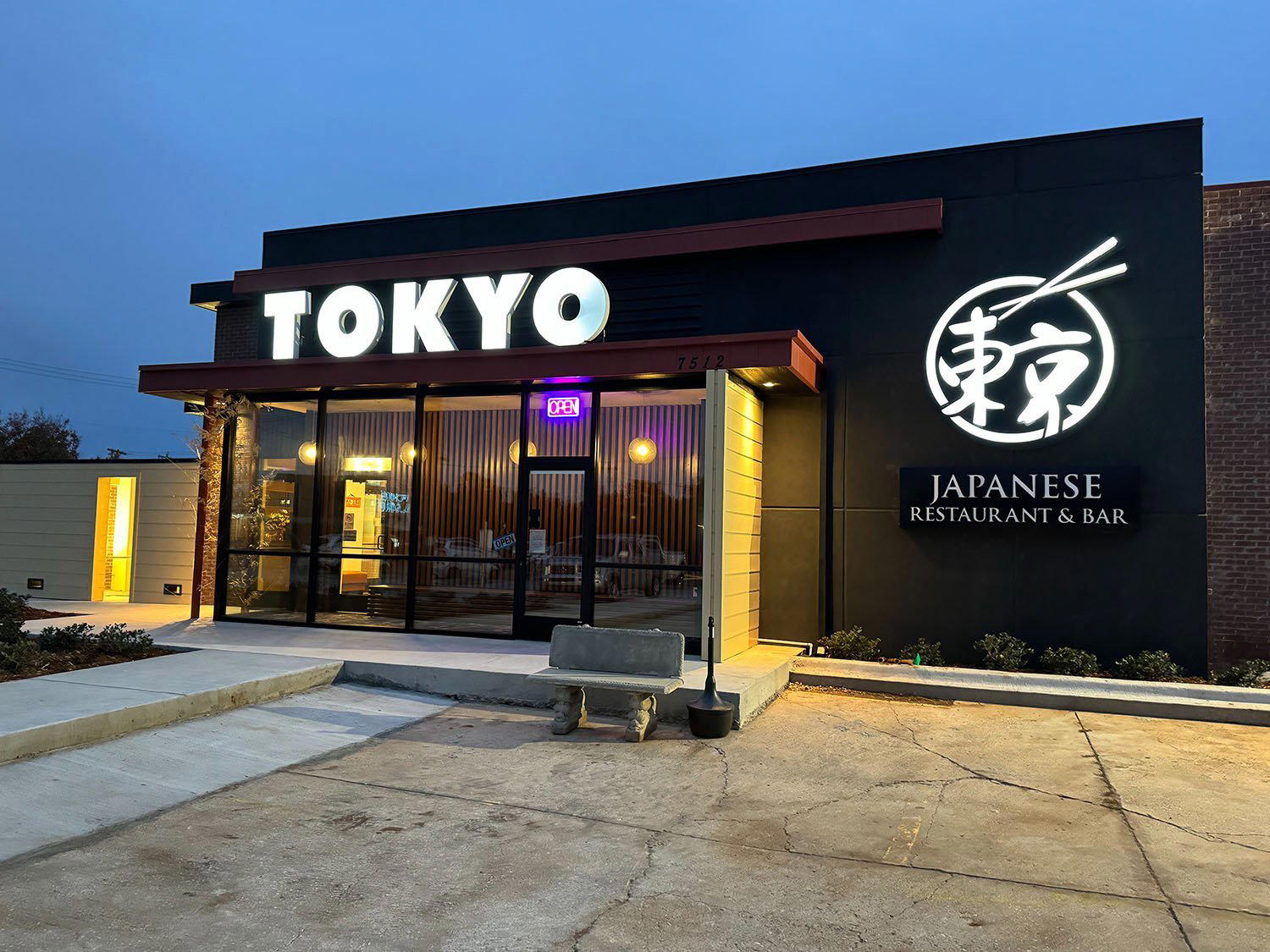
North OKC's Japanese Dining Corridor
Oklahoma City's Japanese restaurant scene has never been concentrated in a single district. Unlike the city's steakhouse tradition, which anchors itself around the Stockyards and downtown in places like Cattlemen's Steakhouse, Japanese dining in OKC spreads across residential corridors where local demand, not tourist traffic, sets the tempo. The stretch of North Western Avenue where Tokyo Japanese Restaurant operates at 7512 N Western Ave, Oklahoma City, OK 73116, reflects that pattern: a north-side neighborhood address serving a community rather than performing for a broader audience.
This geography matters. North Western Ave sits in a part of Oklahoma City where dining choices tend toward the practical and the regular. Residents return to these spots on weeknights, not special occasions. In that context, a Japanese restaurant on this corridor competes less against fine-dining comparators and more against the rhythm of daily life, which is its own demanding standard.
What Draws People to This Address
The draw of neighborhood Japanese restaurants in mid-sized American cities follows a consistent logic: accessibility, consistency, and a menu range broad enough to cover different appetites in one booking. Oklahoma City's Japanese dining options sit in a different tier than the omakase counters of coastal cities. Where Bar Leather Apron in Honolulu or Kumiko in Chicago operate inside formally recognized cocktail and dining programs with documented comparable venues, the north OKC Japanese dining category rewards different qualities: familiarity, value positioning, and a kitchen that delivers reliably across its range.
The appeal, then, is not spectacle. It is the kind of restaurant that earns its place through repetition and dependability, the sort of spot that a neighborhood claims as its own over years of regular custom. That relationship between a restaurant and its immediate community is one of the more durable forms of culinary relevance, less visible on award lists but no less real in practice.
Sustainability and Sourcing in the Mid-Continent Context
Japanese cuisine carries an embedded relationship with sourcing ethics that often goes underexamined in American contexts. The tradition's emphasis on seasonal fish, precise preparation, and minimal waste is not a recent trend borrowed from farm-to-table marketing; it is structural to how the cuisine developed. Rice, fish, and fermented ingredients are used at near-full yield in traditional Japanese kitchens, with offcuts and secondary cuts appearing in broths, pickles, and composed dishes rather than in the bin.
For a Japanese restaurant operating in landlocked Oklahoma, the sourcing dimension takes a different shape than it does on a coast. The distance from major fish markets in Los Angeles, Chicago, or New York means that menu composition, frequency of delivery, and supplier relationships carry real weight. Restaurants in this tier that manage their fish supply carefully, ordering tightly against demand rather than speculatively, tend to produce better food and generate less waste. It is a less glamorous version of the sustainability story, but a more honest one: not carbon-certification or headline-friendly sourcing narratives, but operational discipline in a supply chain that does not forgive overordering.
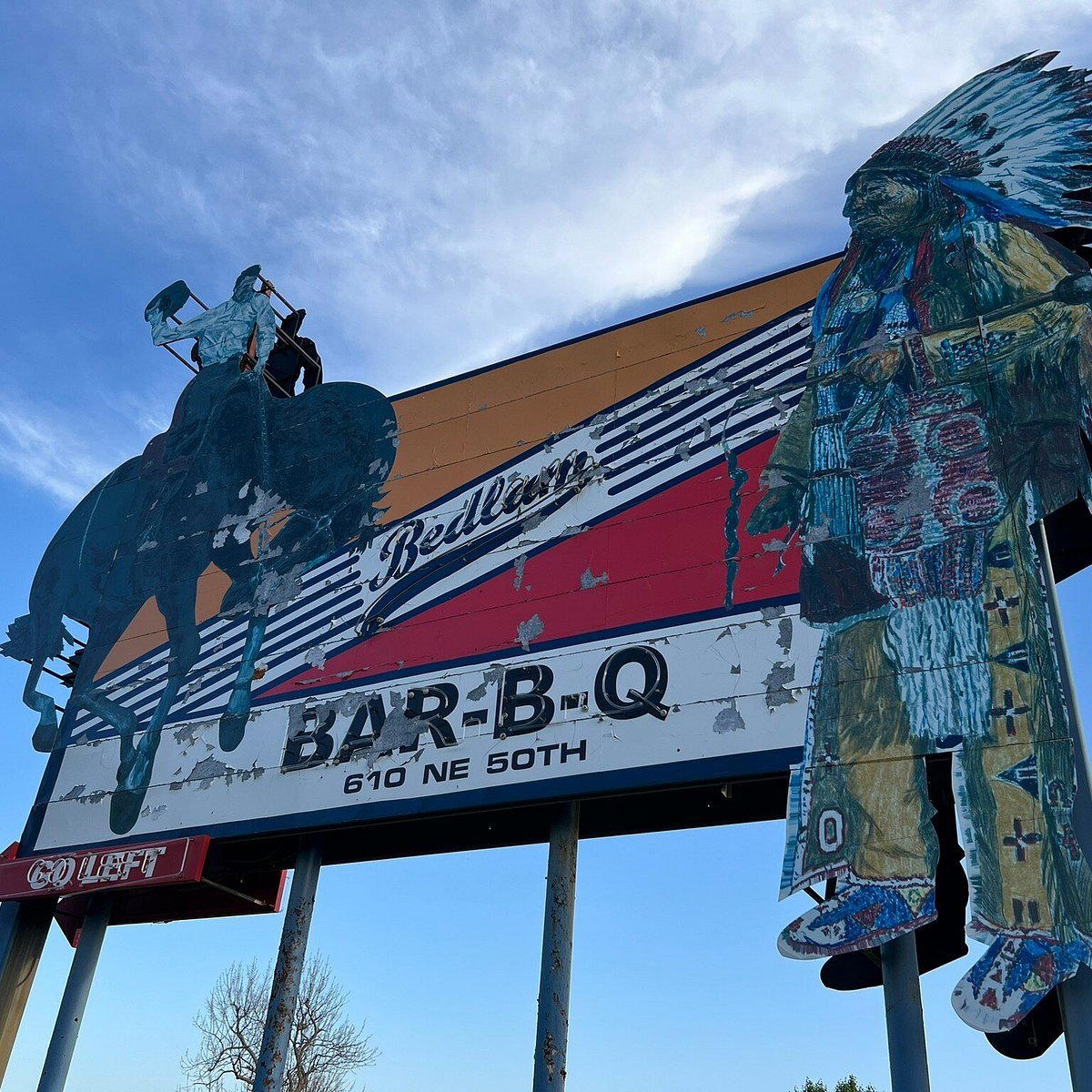
Oklahoma City's broader food scene has been pushing toward more conscientious sourcing in recent years. Operations like Bedlam BAR-B-Q and bar programs such as Bar Arbolada reflect a city that is increasingly attentive to provenance, even at casual price points. A Japanese restaurant that aligns itself with that shift, even implicitly through tight ordering and menu discipline, participates in a broader pattern reshaping how Oklahoma City thinks about what it puts on the plate.
Drinks and the Case for Intentional Pairing
Japanese food and drink pairing is a subject that receives more serious treatment in larger markets. The logic of sake with raw fish, Japanese whisky with tempura, or a clean lager alongside richer preparations has a practical basis in how the cuisine's flavors are structured. Umami-forward dishes do not respond well to heavily tannic wines; they call for lower-acid, lower-alcohol companions that step back rather than compete.
In mid-tier Japanese restaurants across the American interior, the drinks list tends toward accessibility over specificity, with a sake option or two, domestic beer, and occasionally a Japanese import lager. The more considered bars in cities like New Orleans (Jewel of the South), Houston (Julep), New York (Superbueno), San Francisco (ABV), and Frankfurt (The Parlour) demonstrate what a serious drinks program looks like in a specialized context. What is not speculative is the principle: when visiting a Japanese restaurant in a city without an established Japanese drinks culture, asking what the kitchen recommends alongside a specific dish often surfaces better guidance than working from a standard list.
Planning a Visit
Tokyo Japanese Restaurant is located at 7512 N Western Ave, placing it in the northern residential belt of Oklahoma City, accessible by car and roughly central to the north-side neighborhoods it serves. The restaurant is recommended for reservations, with casual dress and a price point around $25 per person.
For visitors building a broader Oklahoma City itinerary, the north Western Ave corridor pairs naturally with other north-side stops. The Delmar Gardens area offers additional context for the neighborhood's character.
Compact Comparison
Comparable venues nearby, for context on price, style, and recognition.
| Venue | Cuisine | Price | Notes |
|---|---|---|---|
| Tokyo Japanese RestaurantThis venue — the venue you are viewing | Not listed | $$ | Not listed |
| Bar Arbolada | Not listed | $$ | Downtown/Arts District, cocktail_bar |
| Iguana Mexican Grill | Automobile Alley, pub | $$ | Not listed |
| REV Mex | Not listed | $$ | Midtown, cocktail_bar |
| OSO Paseo | Not listed | $$ | Paseo Arts District, tiki_bar |
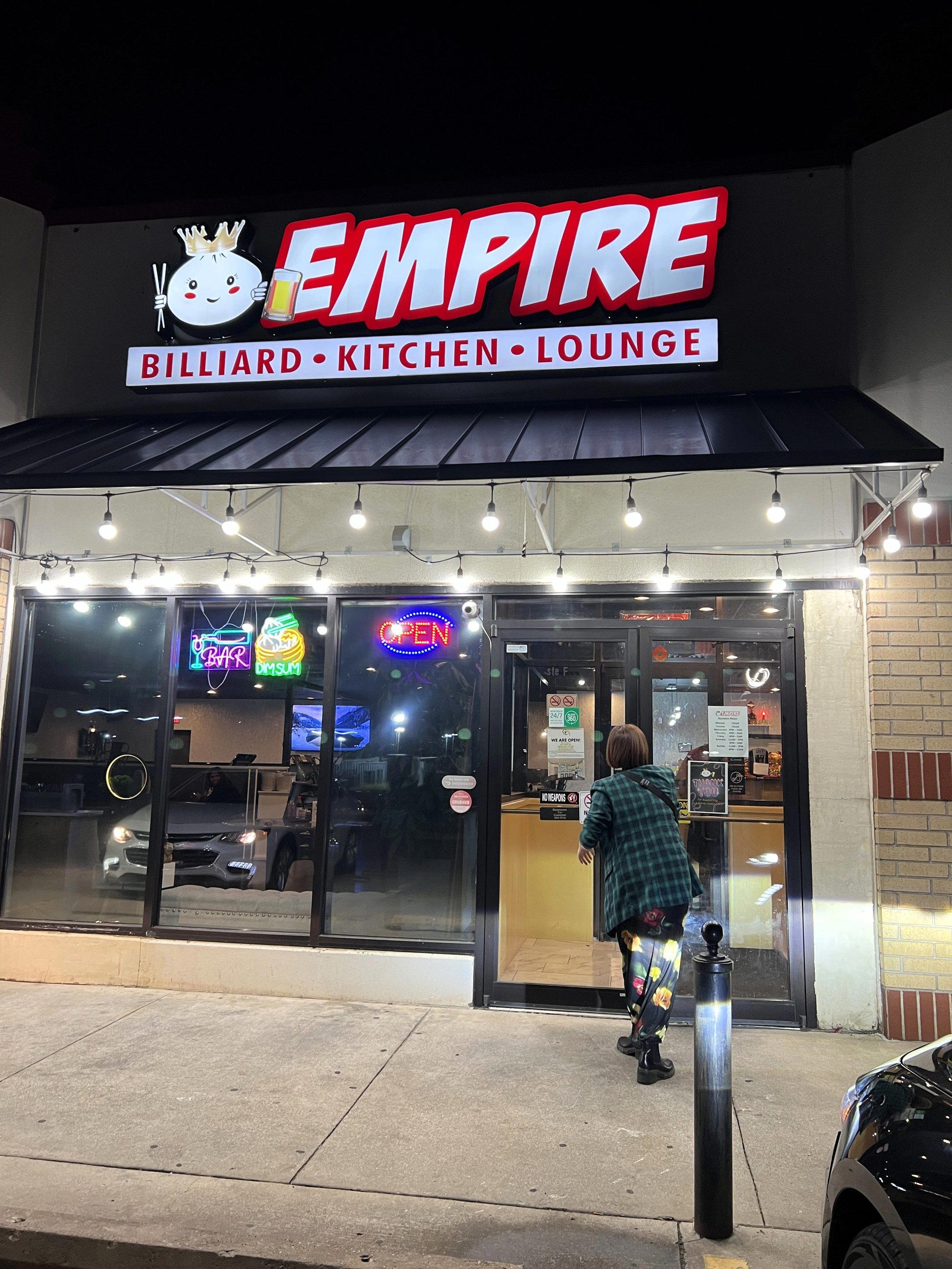
| EMPIRE BILLIARD • KITCHEN • LOUNGE | Central Oklahoma City, lounge | Not listed | Not listed |
Continue exploring
More in Oklahoma City
Bars in Oklahoma City
Browse all →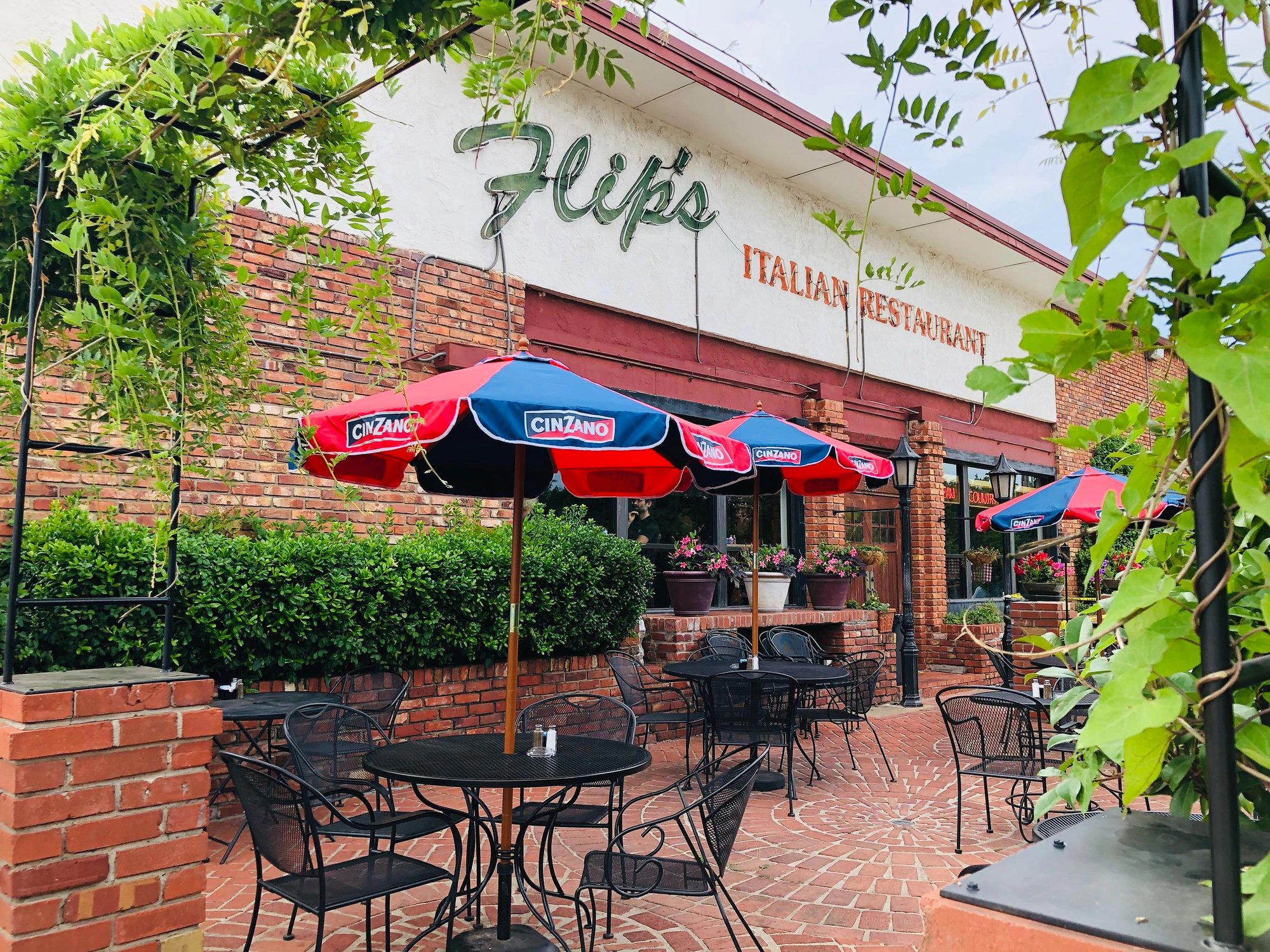

Restaurants in Oklahoma City
Browse all →


At a Glance
- Classic
- Cozy
- Elegant
- Date Night
- Group Outing
- Casual Hangout
- Standalone
- Seated Bar
- Booth Seating
- Sake
- Zero Proof
Current opening hours
- Monday
- Closed
- Tuesday
- 11 AM–2 PM, 5–9 PM
- Wednesday
- 11 AM–2 PM, 5–9 PM
- Thursday
- 11 AM–2 PM, 5–9 PM
- Friday
- 11 AM–2 PM, 5–10 PM
- Saturday
- 11 AM–2 PM, 5–10 PM
- Sunday
- 5–9 PM
Hours can change for holidays and private events. Last verified .
Bright and spacious setting with a warm and friendly atmosphere designed to showcase traditional Japanese culinary artistry.