Namo
Namo occupies a suite-style address on McKinney Avenue in Dallas's Uptown corridor, where the dining scene has shifted decisively toward format-conscious, neighborhood-rooted restaurants. Located at 3699 McKinney Ave #305, the venue sits within a stretch where independent operators now compete on experience and ritual as much as on menu. Confirm current hours and booking availability directly before visiting.

Pearl is the En Primeur Club membership app — saves, bookings, and concierge access live there. Same editors, same standards.
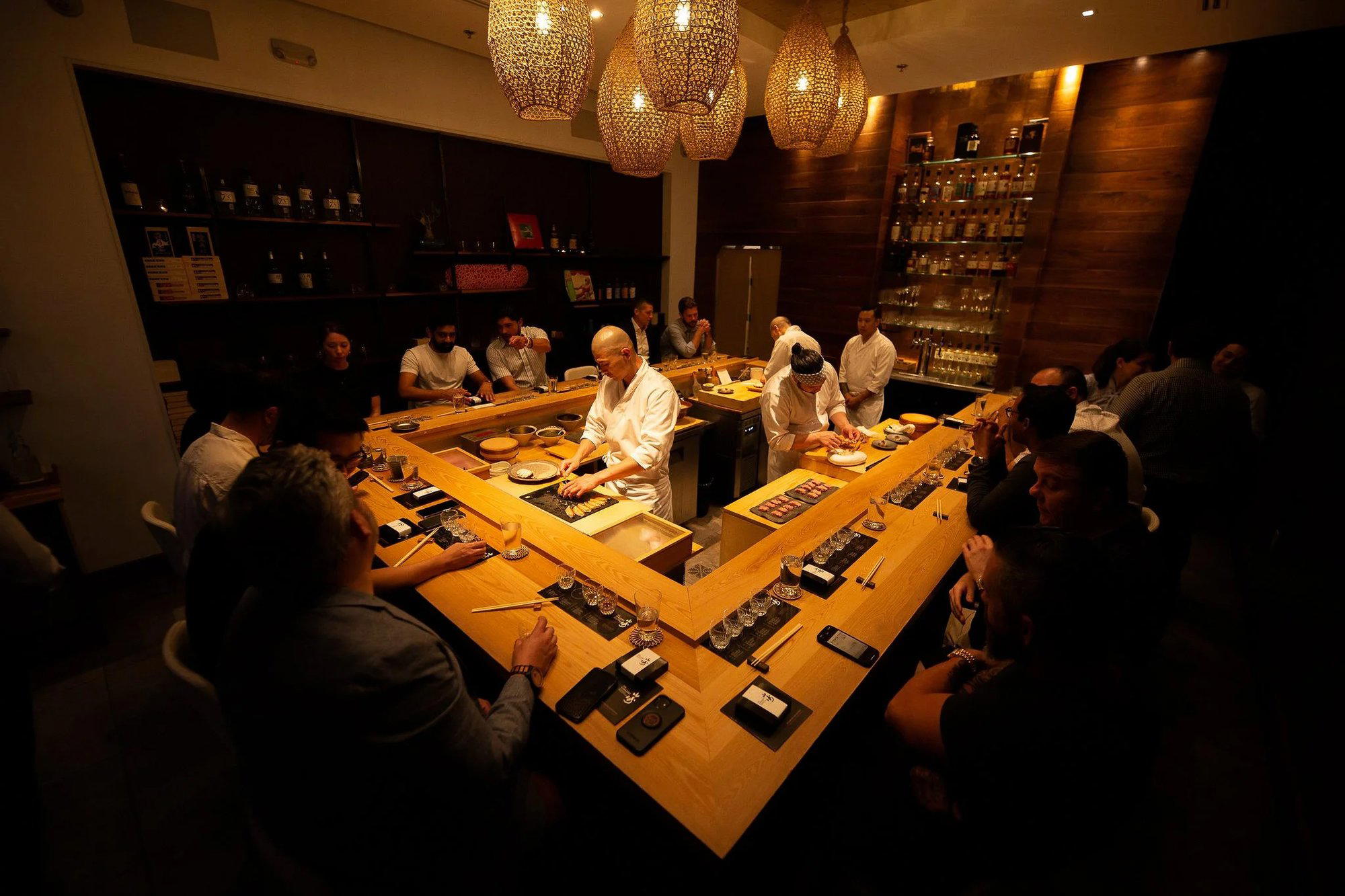
McKinney Avenue and the Ritual of Sitting Down
Uptown Dallas has undergone a quiet recalibration over the past several years. The corridor running along McKinney Avenue, once dominated by volume-driven casual dining and bar concepts, has gradually made room for a more deliberate category of restaurant: smaller in footprint, more specific in format, and less interested in turning tables quickly than in holding a guest's attention across a full meal. Namo, addressed at 3699 McKinney Ave #305, occupies a suite-style position within this stretch, which places it physically and conceptually in the middle of that shift.
In cities where dining has matured past novelty, the meal itself becomes a structured event rather than a transaction. The pacing of courses, the rhythm of service, and the physical arrangement of the space all carry meaning. That framing applies with particular force to Uptown Dallas right now, where the most committed operators have moved away from maximizing covers and toward maximizing the duration and quality of the guest's experience. Namo's McKinney address puts it within walking distance of several neighboring concepts that have taken similar approaches, and the surrounding block functions as a loose cluster of intention-driven dining rather than a strip of interchangeable options.
The Address and What It Signals
Suite-numbered restaurant addresses in Dallas carry a specific message. Unlike ground-floor storefront locations, a suite address typically means a more contained room, a deliberate entry sequence, and a guest base that has sought the place out rather than wandered in. The #305 designation at 3699 McKinney places Namo within a multi-tenant building, which in Uptown's context tends to signal a neighborhood-oriented operator rather than a mass-market one. Guests arriving for the first time often describe the approach to these kinds of rooms as part of the experience itself: the transition from street noise to interior calm reinforces the shift in pace that a careful meal requires.
That physical context matters when thinking about how to plan a visit. Parking in the McKinney corridor is manageable by Dallas standards, with structured garages within a short walk, though rideshare drop-offs are the default for most Uptown diners arriving in the evening. For practical logistics including current hours, booking procedures, and reservation availability, the venue should be contacted directly, as those details are subject to change.
Dining Ritual on the McKinney Strip
Uptown's food culture borrows from several different Dallas traditions simultaneously. The neighborhood sits close enough to Knox-Henderson to absorb some of that area's restaurant density and close enough to downtown to draw a professional lunch and dinner crowd. What has distinguished the better McKinney operators from the surrounding noise is a commitment to pacing: not rushing the appetizer, not clearing a plate before a guest has finished, not treating the meal as a logistics problem to be solved as efficiently as possible.
That ritual dimension of dining is easier to observe in cities where it has a longer institutional history, but Dallas has developed its own version of it, particularly in Uptown and in the corridor running toward Knox. Restaurants that have earned sustained attention in this part of the city tend to do so by offering something closer to a composed experience than to a menu of options. The distinction shows in small details: the weight of the glassware, the space between tables, the way a server explains a dish versus simply reciting it.
For context on how serious cocktail and drinks programs fit into that ritual across different American cities, it is worth noting what venues like Kumiko in Chicago and Jewel of the South in New Orleans have demonstrated: that a drinks program with its own internal logic and seasonal discipline can anchor the pacing of a meal as effectively as the food itself. On the West Coast, ABV in San Francisco has shown how a bar-forward identity can coexist with serious culinary attention. In Houston, Julep has made a case for Southern spirit traditions as a coherent framework rather than a novelty. The question worth asking of any Uptown Dallas venue is whether its beverage program operates at that level of intention or functions merely as a revenue line.
The immediate competitive set around McKinney includes a wide range of formats, from the casual smoke-and-beer tradition of places like Lockhart Smokehouse BBQ, which occupies a very different register, to the more intimate cocktail-bar culture represented by venues like 4525 Cole Ave and Alcove Wine Bar. Further east, Adair's Saloon anchors the Deep Ellum end of the Dallas bar spectrum, while Ampelos Wines represents the wine-focused tier of the city's drinking culture.
Namo's suite address and Uptown position place it in the more composed, intentional tier of that spectrum rather than in the high-volume or dive-adjacent categories. That positioning implies a particular kind of guest: someone who has made a deliberate choice about where to spend an evening, who expects the meal to have a shape, and who will notice when the pacing falters. The parallel in a different coastal context would be something like Superbueno in New York City, where format specificity has driven attention, or Bar Leather Apron in Honolulu, where the constraint of a small program has been turned into a point of distinction. In Europe, The Parlour in Frankfurt demonstrates how a deliberate format, held to consistently, generates the kind of word-of-mouth that sustains a venue across seasons without requiring constant reinvention.
For a fuller picture of where Namo sits within Dallas's wider dining and drinking scene, see our full Dallas restaurants guide, which maps the city's neighborhoods and formats in more detail.
Planning a Visit
The suite format at 3699 McKinney Ave #305 suggests that walk-in availability will depend heavily on the time of week and the current booking posture of the venue. Uptown Dallas restaurants operating in this tier typically see their Thursday-through-Saturday windows fill earlier than the surrounding week, with midweek evenings offering more flexibility for guests without advance reservations. Current details are subject to change, and a suite-addressed room in Uptown is rarely a place where showing up and hoping for a table is a sound strategy on a weekend night.
A Pricing-First Comparison
Comparable venues nearby, for context on price, style, and recognition.
| Venue | Cuisine | Price | Notes |
|---|---|---|---|
| NamoThis venue — the venue you are viewing | Uptown, Bar | $50–100 | Not listed |
| Terilli's Restaurant | Not listed | $50–100 | Lower Greenville, rooftop_bar |
| Frankie's Downtown | Not listed | Not listed | Downtown, sports_bar |
| Mot Hai Ba | Not listed | Not listed | Belmont, cocktail_bar |
| Sky Blossom Rooftop Bistro Bar | Not listed | Not listed | Downtown, rooftop_bar |
| Black Swan Saloon | Not listed | $20–30 | East Dallas, cocktail_bar |
Continue exploring
More in Dallas
Bars in Dallas
All bars in Dallas →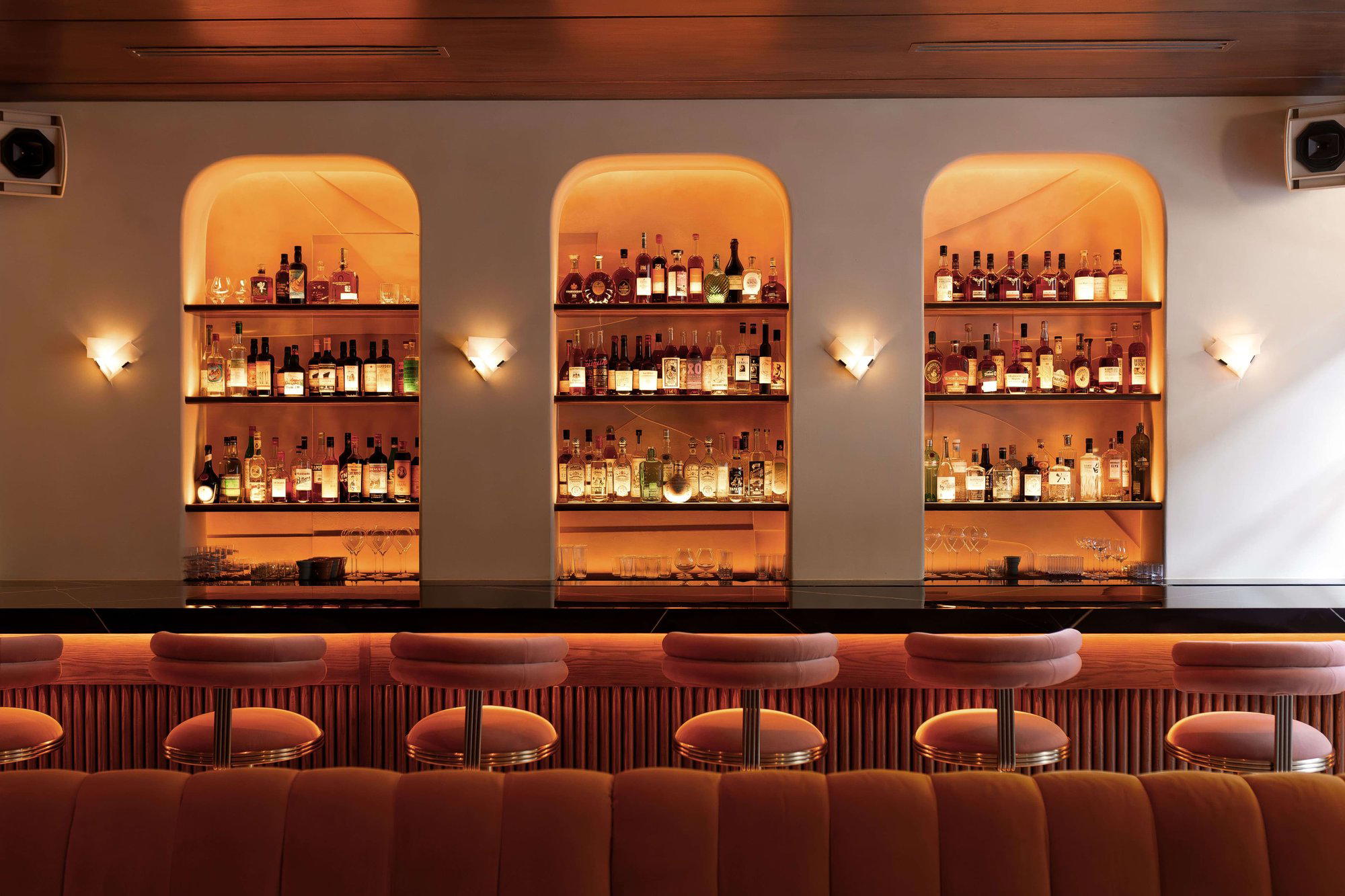
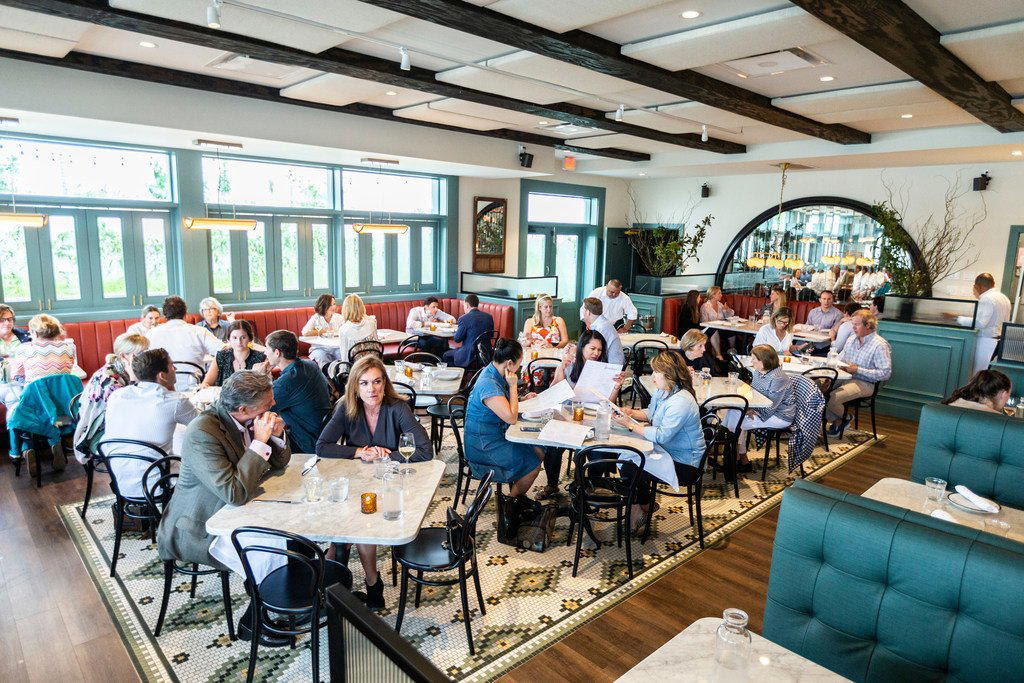
Restaurants in Dallas
All restaurants in Dallas →
Details
- Intimate
- Elegant
- Minimalist
- Romantic
- Sophisticated
- Date Night
- Special Occasion
- Design Destination
- Counter Only
- Lounge Seating
Current opening hours
- Monday
- Closed
- Tuesday
- 5–9:30 PM
- Wednesday
- 12–2:30 PM, 5–9:30 PM
- Thursday
- 12–2:30 PM, 5–9:30 PM
- Friday
- 12–2:30 PM, 5–10 PM
- Saturday
- 12–2:30 PM, 5–10 PM
- Sunday
- 12–2:30 PM, 5–9 PM
Hours can change for holidays and private events. Last verified .
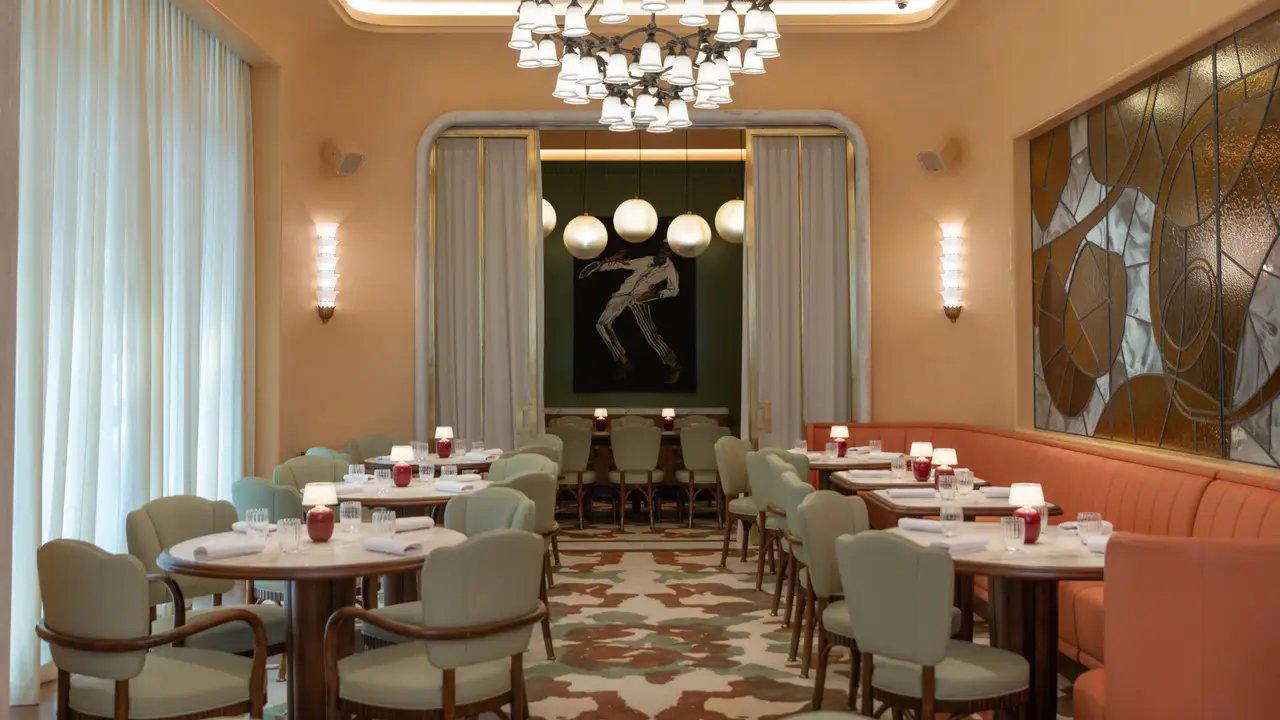
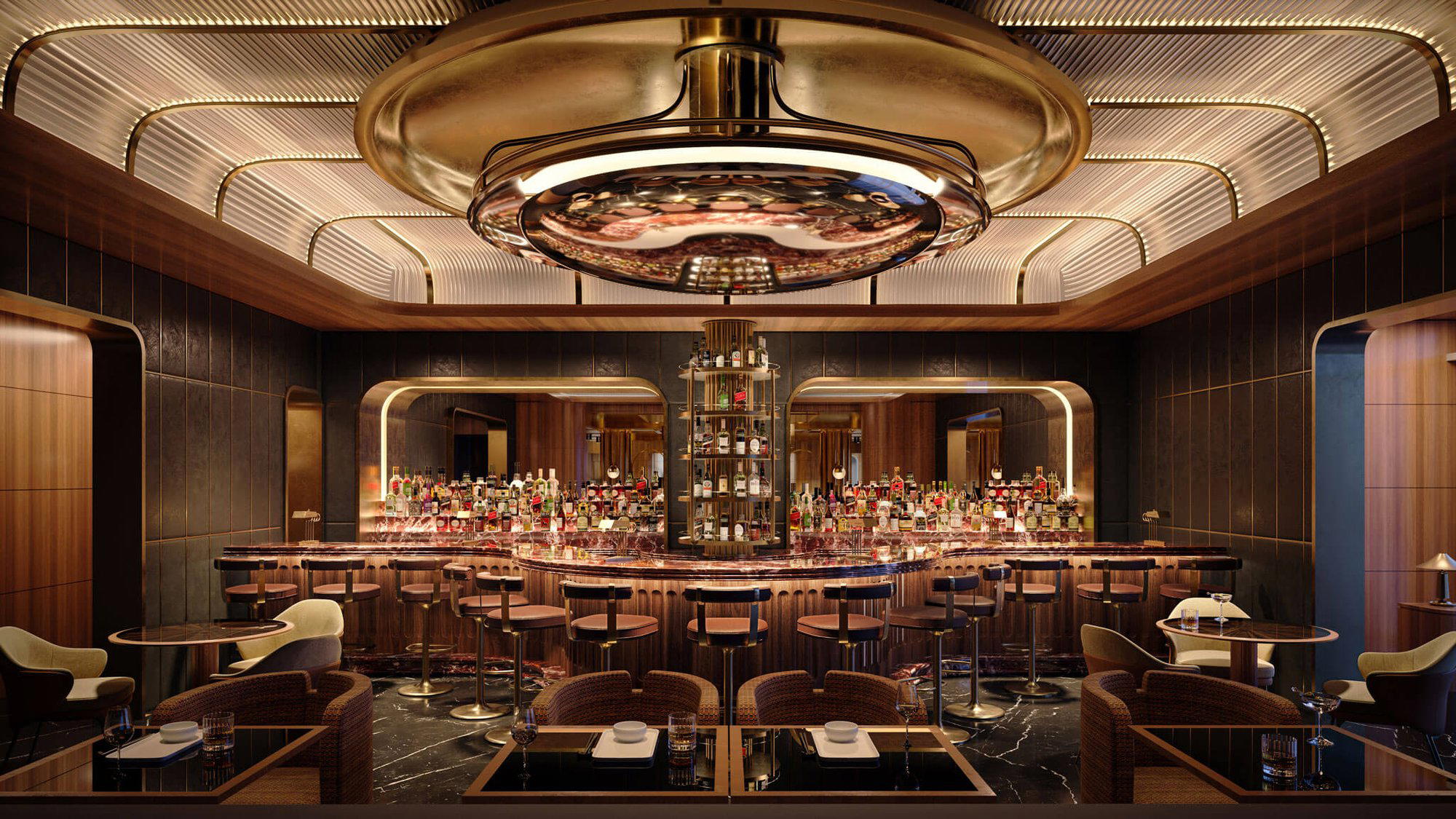
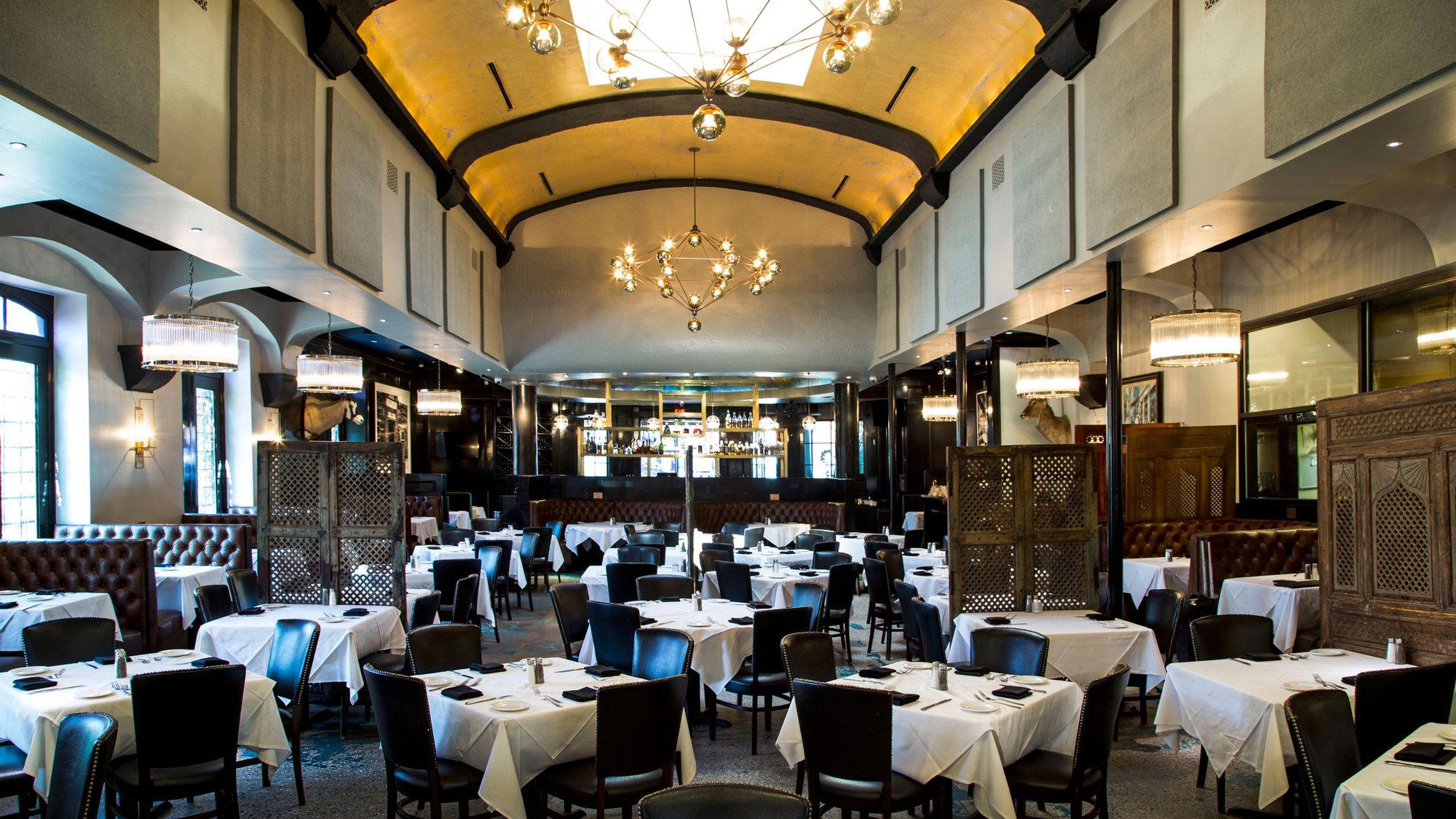
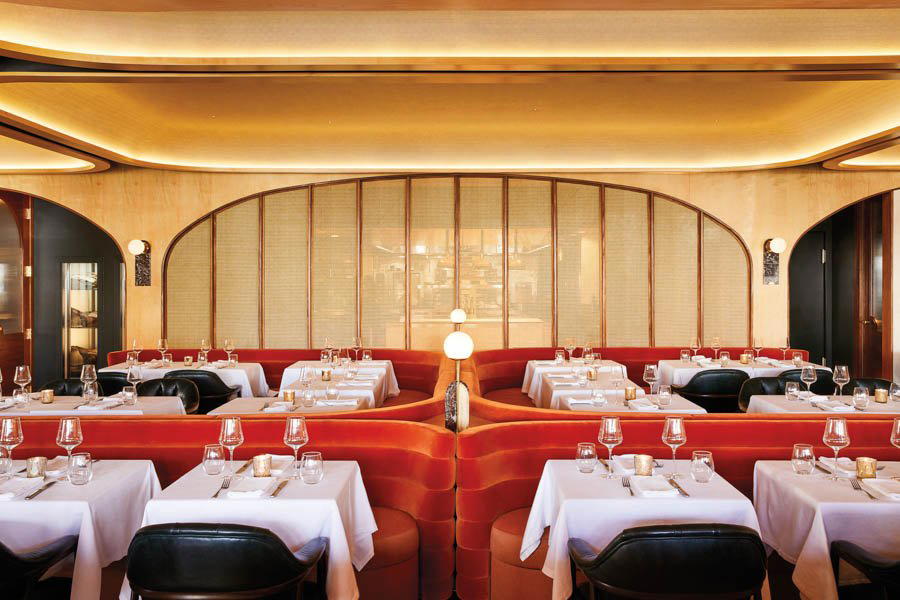
Minimalist interior with light-colored wood, dim lighting, wicker-style chandeliers, and a restful calm atmosphere.