Frankie's Downtown
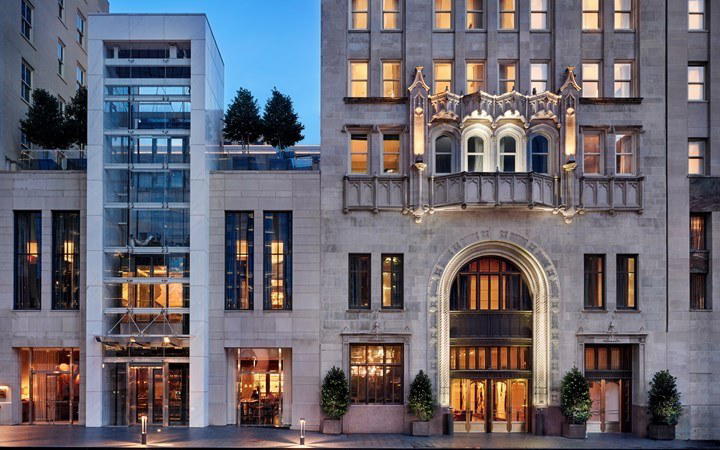
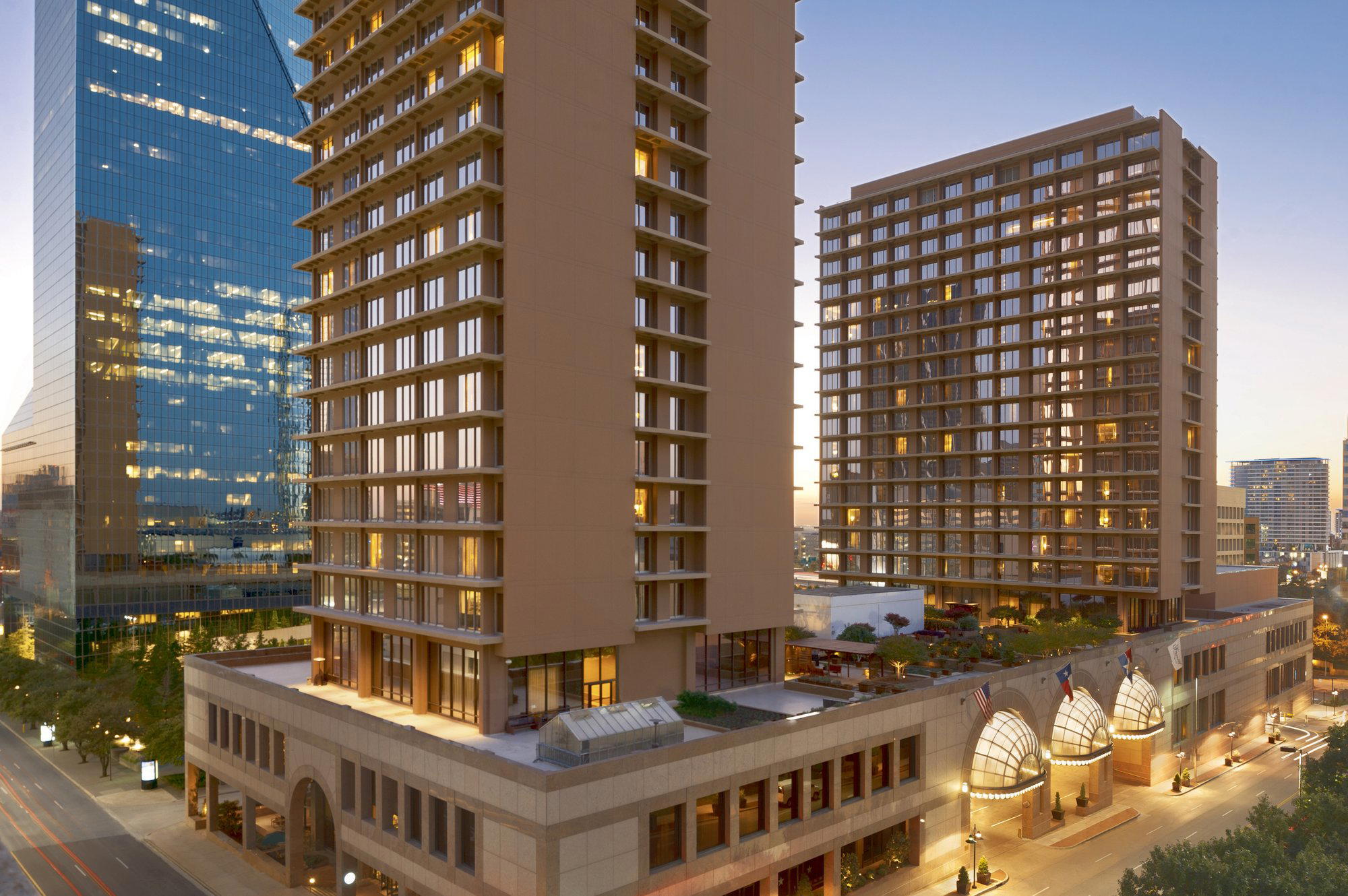
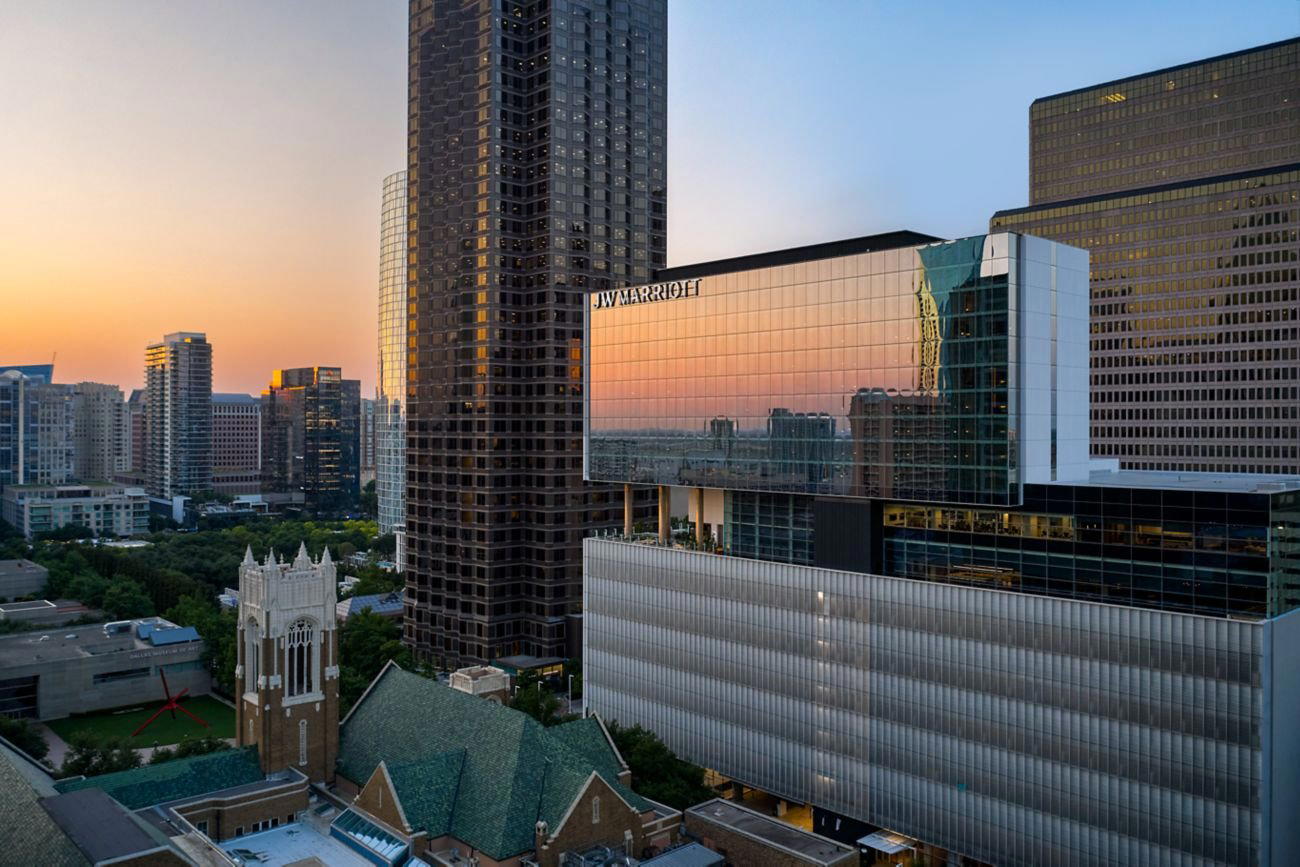
Frankie's Downtown occupies a Main Street address in the heart of Dallas's urban core, positioning itself within a city block of the Central Business District's growing dining and bar scene. The address at 1303 Main St places it squarely in a stretch where late-night venues, cocktail bars, and neighborhood restaurants compete for the same after-work and weekend crowd.

Pearl is the En Primeur Club membership app — saves, bookings, and concierge access live there. Same editors, same standards.
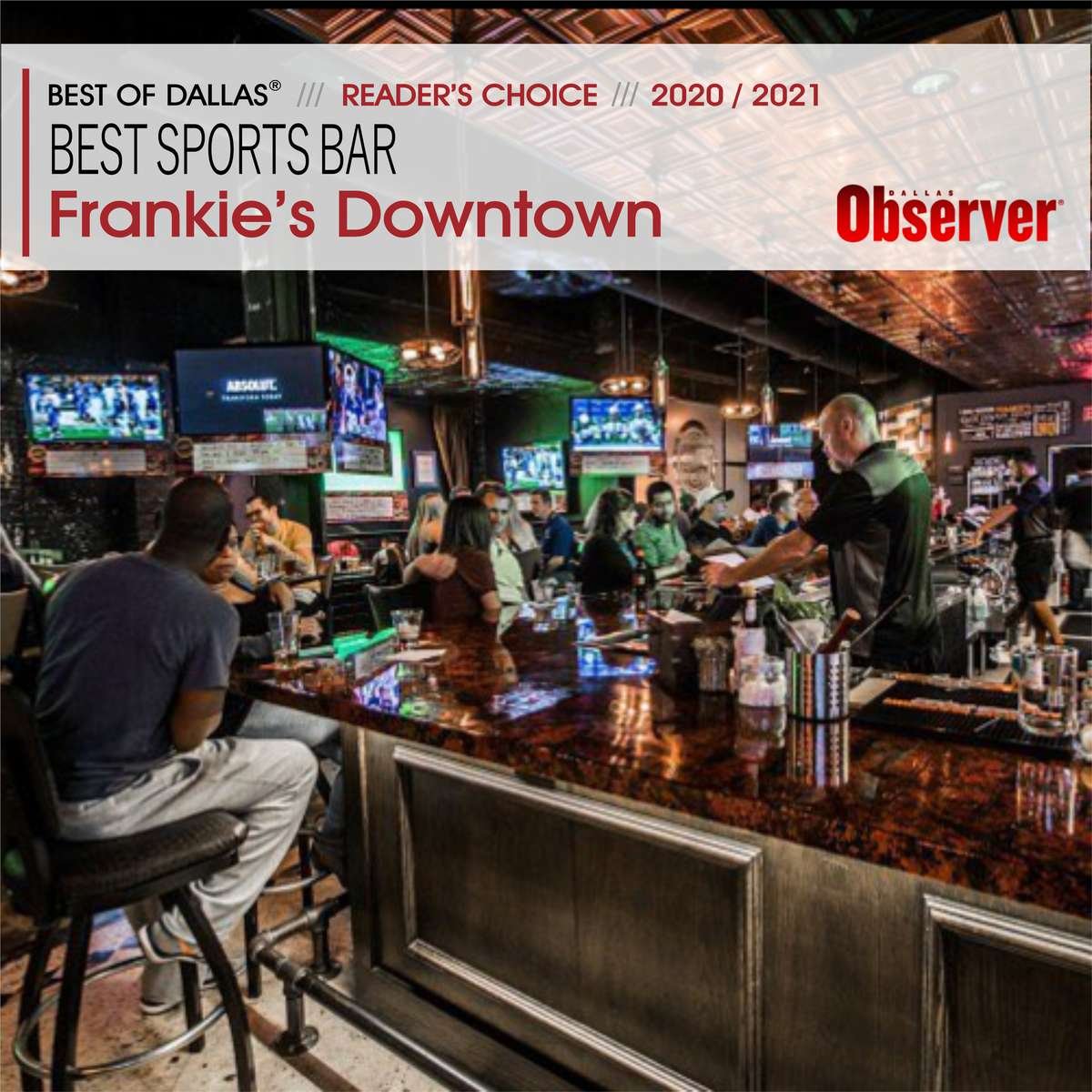
Main Street, After Hours: What Downtown Dallas Looks Like Now
Dallas's downtown core spent most of the 2000s and early 2010s as a place people left rather than lingered in. The Central Business District emptied after five o'clock, and the restaurant and bar infrastructure followed the suburban money north toward Uptown and Knox-Henderson. What has happened since is a slow but credible reversal. The arrival of residential conversions, the reclamation of Main Street as a walkable corridor, and a new generation of bars and kitchens willing to bet on urban density have changed the character of the blocks around 1303 Main St. Frankie's Downtown is part of that repositioning, occupying a ground-floor address in a neighborhood that now draws comparison with the denser dining streets of Deep Ellum a few blocks east.
The walkable stretch of Main Street between Akard and Ervay functions differently from Dallas's other food-and-drink corridors. It lacks the self-conscious cool of Deep Ellum, where venues like Adair's Saloon have accumulated decades of neighborhood identity. It doesn't carry the wine-bar density of the Uptown blocks where Alcove Wine Bar and Ampelos Wines operate within a short walk of each other. What Main Street offers instead is a more mixed, less curated energy: hotel guests, office workers, residents of converted lofts, and visitors who have walked from the convention center all occupying the same room at the same time. That mix shapes what a venue on this block needs to be.
Where the Ingredients Come From and Why That Matters Here
Texas's sourcing geography is not incidental to how its food culture works. The state sits inside one of the most productive agricultural zones in the country, with beef finishing operations in the Panhandle, Gulf Coast seafood accessible within a four-hour drive, Rio Grande Valley produce arriving through a supply chain that runs north through San Antonio, and Hill Country farms that have spent the last fifteen years building direct relationships with urban kitchens. A Main Street address in Dallas is, logistically, well-placed to draw on all of it.
The sourcing conversation in Dallas has matured past the point where farm-to-table is a marketing position. Venues like 4525 Cole Ave represent a generation of Dallas hospitality operators that treat ingredient provenance as a baseline operational decision rather than a headline. The relevant question for any kitchen on this corridor is not whether it sources locally but how that sourcing shapes what ends up on the plate and in the glass. Texas beef at different grades and cuts, seasonal produce from the region's farming counties, and a bar program built around ingredients with geographic specificity are the credibility markers that a downtown Dallas venue now needs to hold its position against better-resourced competitors a few miles north.
In comparison, venues in other Southern cities have anchored ingredient-sourcing narratives to specific regional traditions with considerable success. Jewel of the South in New Orleans draws on a Gulf South pantry with deep historical roots. Julep in Houston has made Southern agriculture central to its cocktail identity. The difference in Dallas is that the city's culinary identity is less historically fixed, which creates both more freedom and more pressure: there is no single tradition to anchor to, so the sourcing choices themselves become the editorial statement.
The Cocktail Context on Main Street
Dallas's cocktail development over the past decade has followed a pattern visible in other mid-size American cities: a first wave of speakeasy-format bars emphasizing theatrics and obscurity, followed by a more technically grounded second wave that prioritizes ingredient quality, low-intervention spirits, and menus built around seasonal availability. The cities that have pushed furthest into that second wave, from Kumiko in Chicago to ABV in San Francisco to Bar Leather Apron in Honolulu, share a focus on provenance and process that has become the defining language of serious bar programs internationally. Superbueno in New York City and The Parlour in Frankfurt demonstrate how that shift has moved across both coasts and into European markets.
On Main Street, the pressure to hold a cocktail program to that standard is real. The downtown Dallas crowd is more diverse in its expectations than the self-selecting clientele that seeks out a dedicated cocktail bar in a residential neighborhood, which means the bar has to work on multiple levels simultaneously: approachable enough for the hotel guest ordering before dinner, specific enough to satisfy someone who has been following the city's bar scene closely. That is a harder brief than it looks, and it is the brief that any venue at 1303 Main St is working against.
How to Use Frankie's Downtown
The 1303 Main St address is two blocks from the DART rail stops at St. Paul and Akard stations, making it one of the more transit-accessible dining and drinking options in the downtown core. For visitors staying in the Central Business District hotel corridor, it sits within a walkable distance of most of the major convention-area hotels. The surrounding block contains enough competing options that the practical decision to stop here rather than continue east toward Deep Ellum or north toward the Arts District is a function of what you want the evening to feel like: contained and urban versus sprawling and scene-focused.
For a broader orientation to what Dallas's dining and bar scene offers across neighborhoods, the full Dallas restaurants guide maps the key corridors and competitive tiers from downtown through Uptown, Knox-Henderson, and beyond. The downtown section of that guide covers the Main Street corridor in context with the rest of the CBD's food infrastructure, which has grown enough in the last five years to merit treating it as its own distinct zone rather than an afterthought to the neighborhoods farther north.
Accolades, Compared
Comparable venues nearby, for context on price, style, and recognition.
| Venue | Cuisine | Price | Notes |
|---|---|---|---|
| Frankie's DowntownThis venue — the venue you are viewing | sports_bar | Not listed | Not listed |
| Las Almas Rotas | mezcaleria | $30–50 | Deep Ellum |
| Paradiso | cocktail_bar | Not listed | Bishop Arts District |
| Sky Blossom Rooftop Bistro Bar | rooftop_bar | Not listed | Downtown |
| Ruins | cocktail_bar | $30–50 | Deep Ellum |
| Mot Hai Ba | cocktail_bar | Not listed | Belmont |
Continue exploring
More in Dallas
Bars in Dallas
All bars in Dallas →
Restaurants in Dallas
All restaurants in Dallas →
Frankie's Downtown
The drinks
- Craft cocktails
- Classic cocktails
Signature drinks: Frankie’s Stein, Garden Gimlet, Ward 8.
Details
- Lively
- Trendy
- Energetic
- After Work
- Late Night
- Group Outing
- Casual Hangout
- Live Music
- Speakeasy
- Seated Bar
- Lounge Seating
- Classic Cocktails
- Craft Cocktails
Current opening hours
- Monday
- 11 AM–2 AM
- Tuesday
- 11 AM–2 AM
- Wednesday
- 11 AM–2 AM
- Thursday
- 11 AM–2 AM
- Friday
- 11 AM–2 AM
- Saturday
- 11 AM–2 AM
- Sunday
- 11 AM–2 AM
Hours can change for holidays and private events. Last verified .
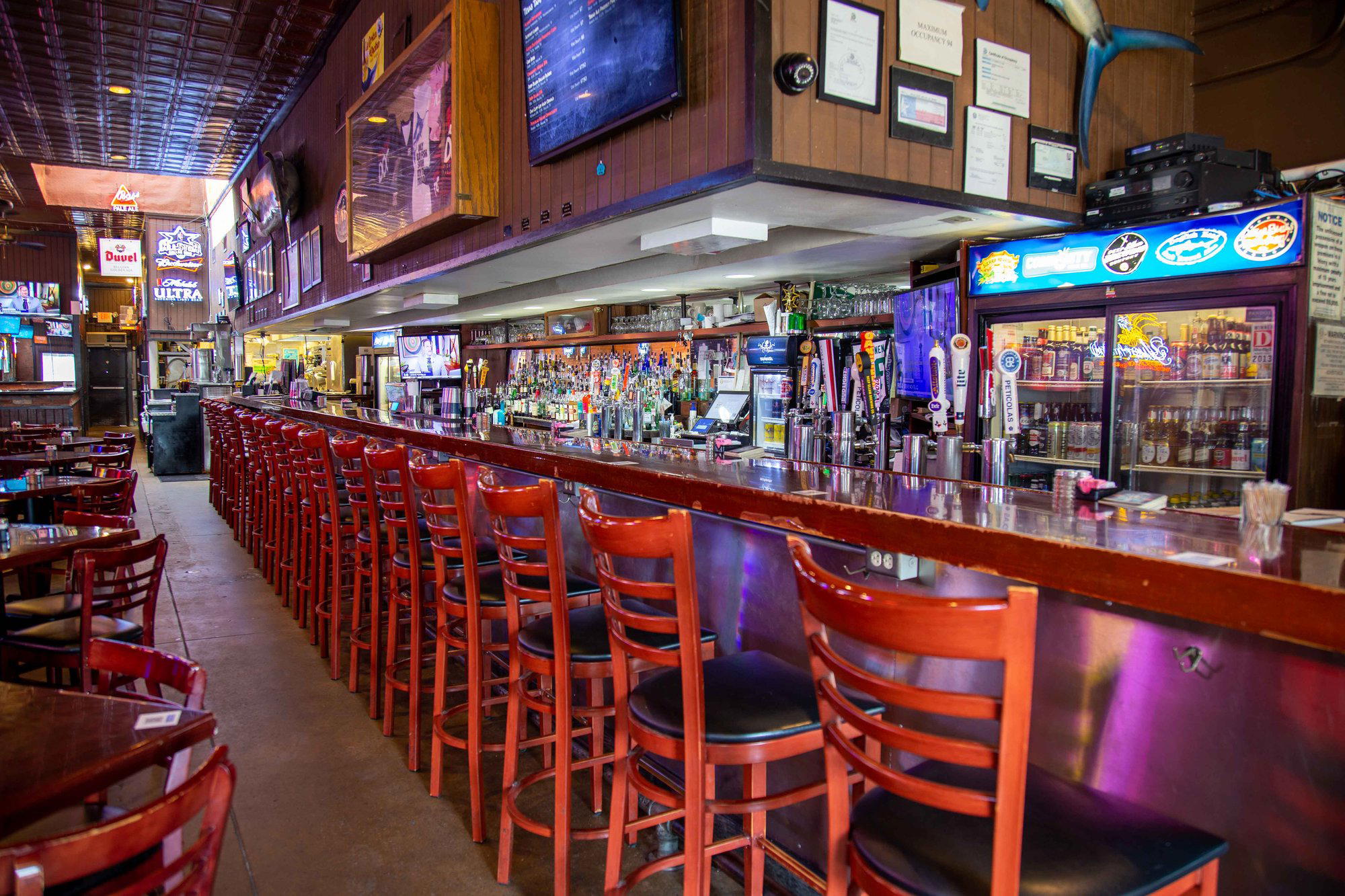
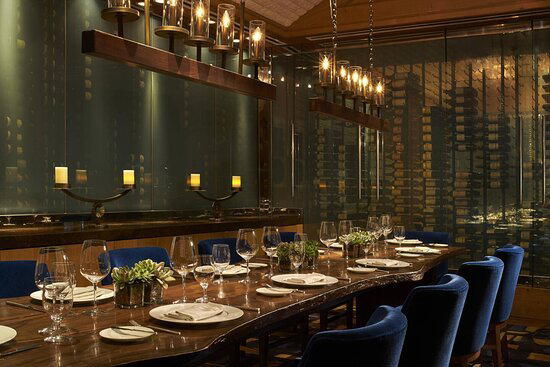
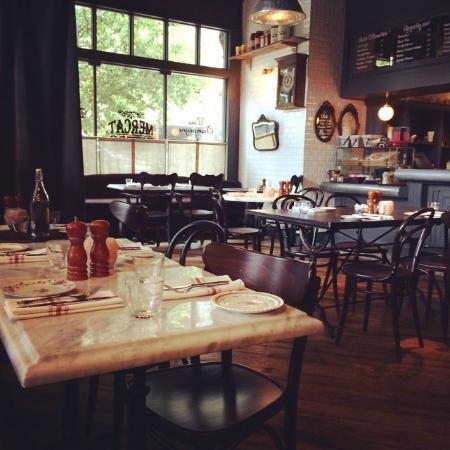
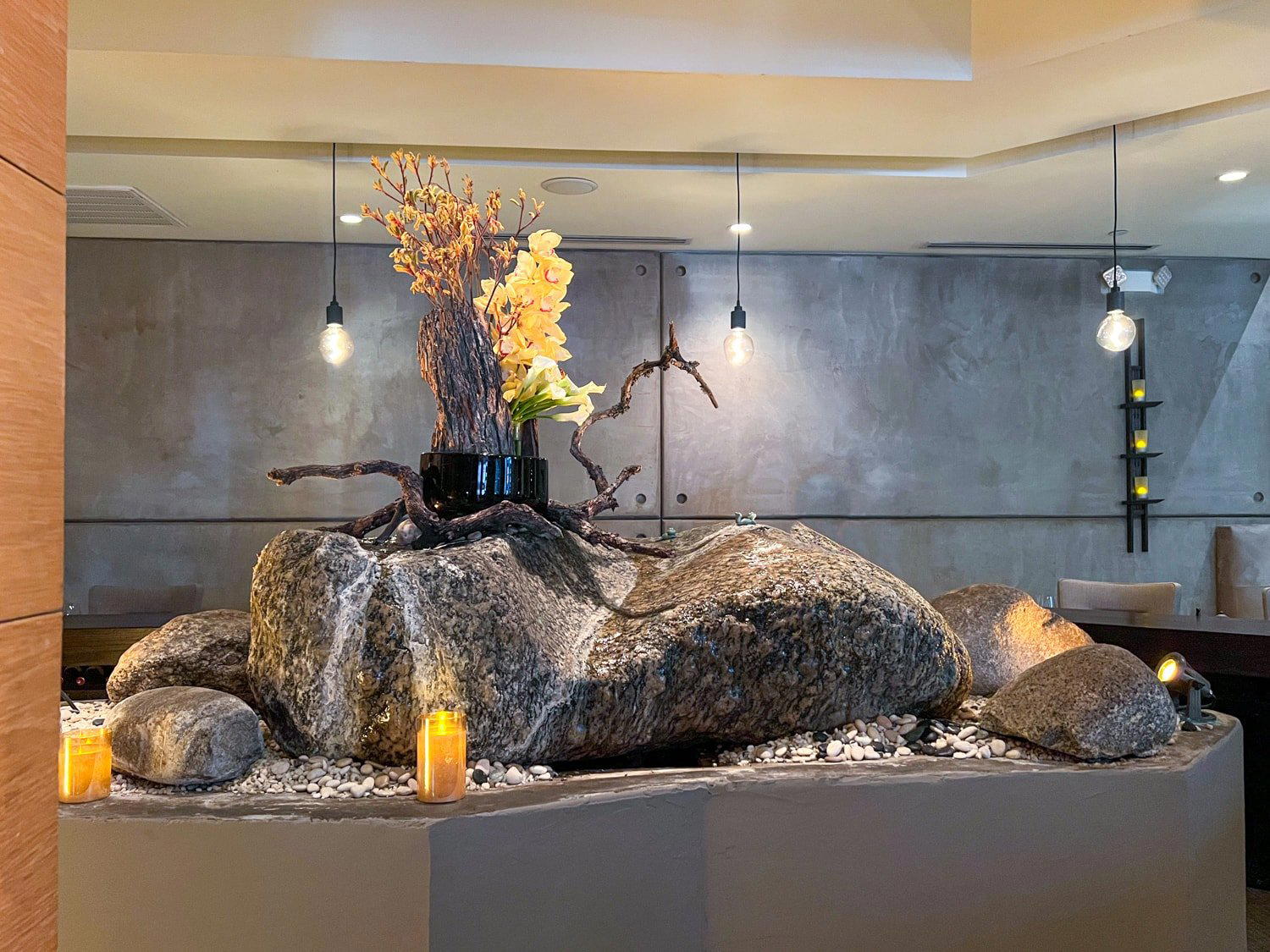
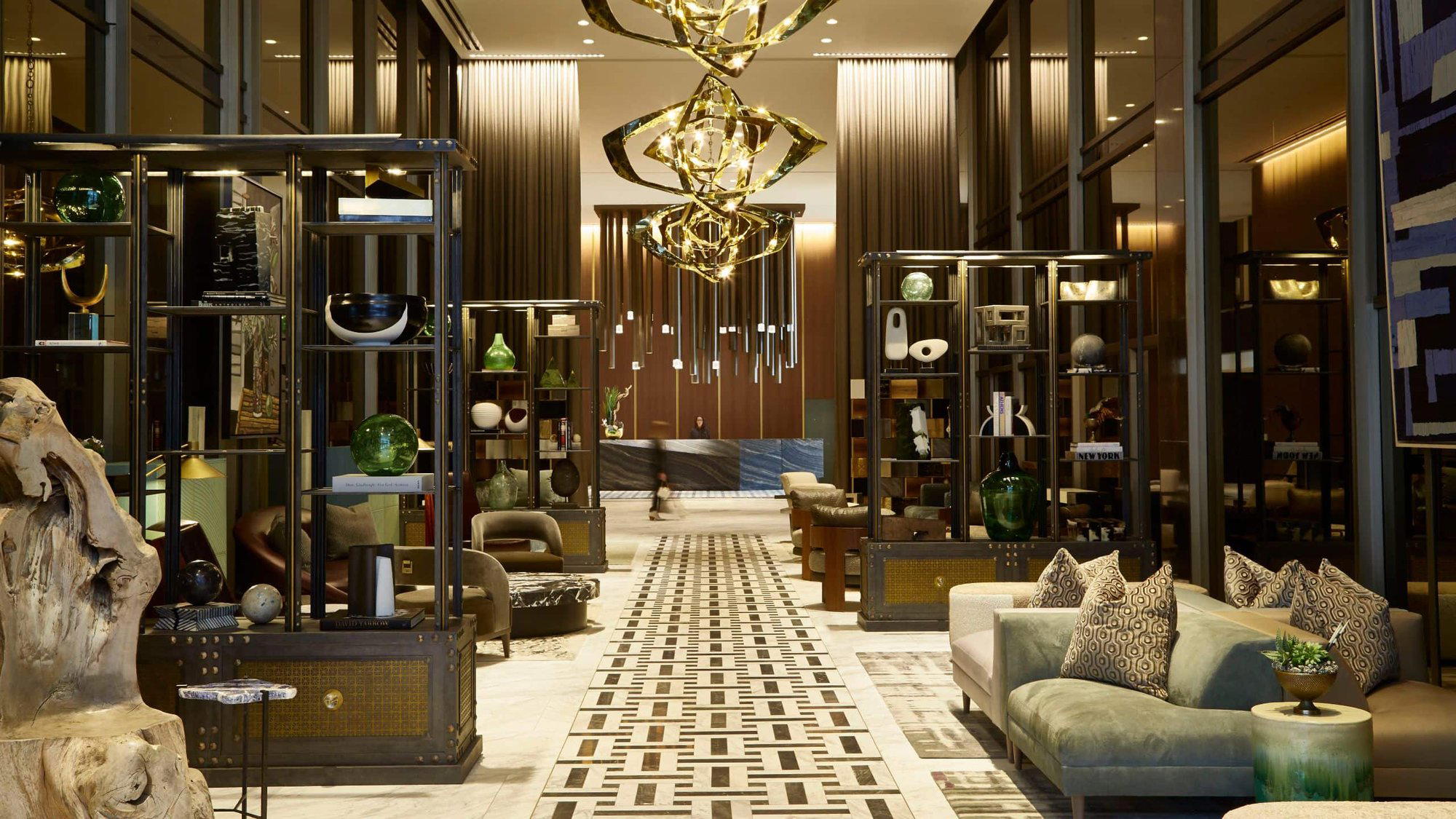
Comfortable lighting with earth tones, black-and-white Dallas photos, '80s comfort music, and flashing flat screen TVs creating a hip, neighborhood bar atmosphere.