Miku Vancouver occupies a waterfront position at 200 Granville Street, bringing the aburi style of flame-seared sushi to the intersection of Pacific Ocean produce and Japanese technique. The restaurant helped establish aburi as a recognizable format in Canadian dining, placing it among the more referenced Japanese venues in the city. Reservations are advisable, particularly for waterfront seating during peak season.
 Discover on Pearl
Pearl is the En Primeur Club membership app — saves, bookings, and concierge access live there. Same editors, same standards.
- Address
- 200 Granville St #70, Vancouver, BC V6C 1S4, Canada
- Phone
- +1 604 568 3900
- Website
- mikurestaurant.com
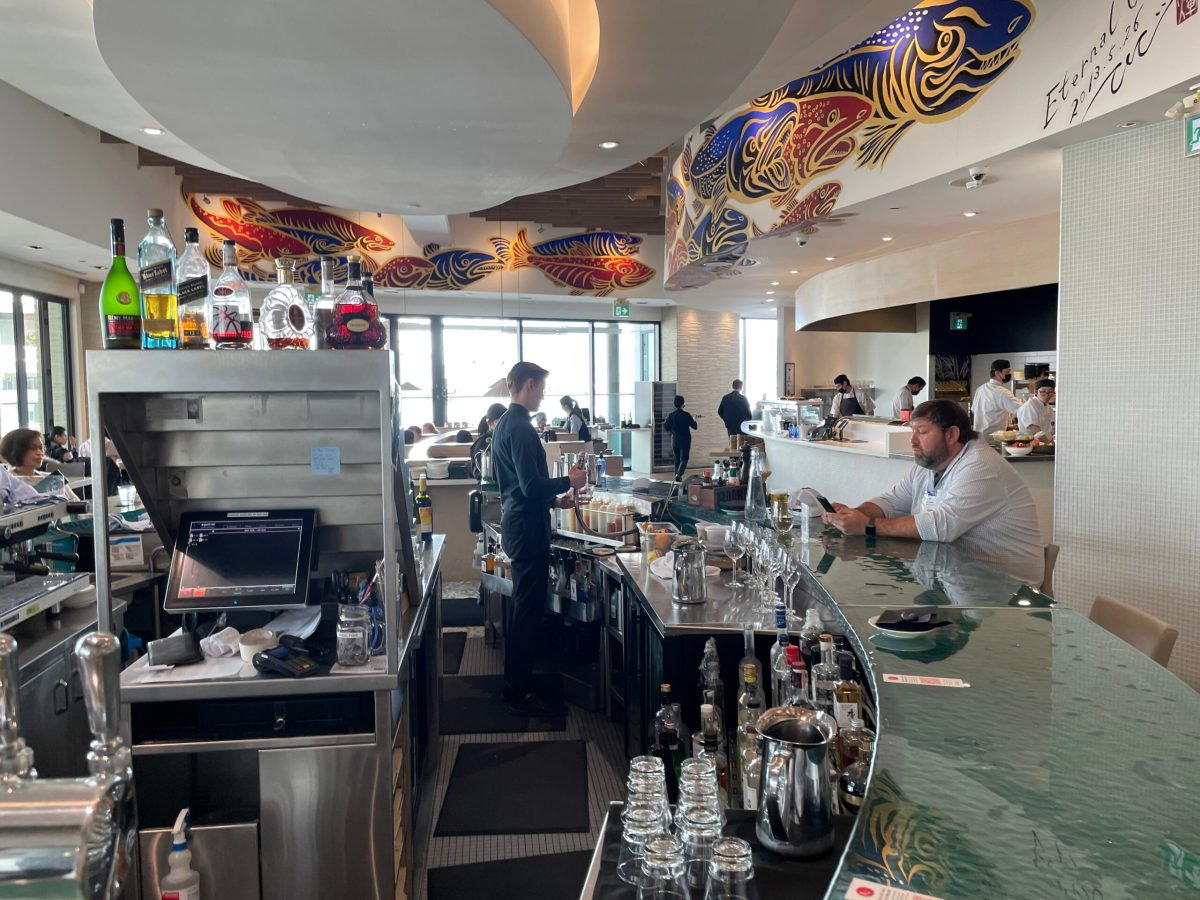
Where the Pacific Meets the Flame
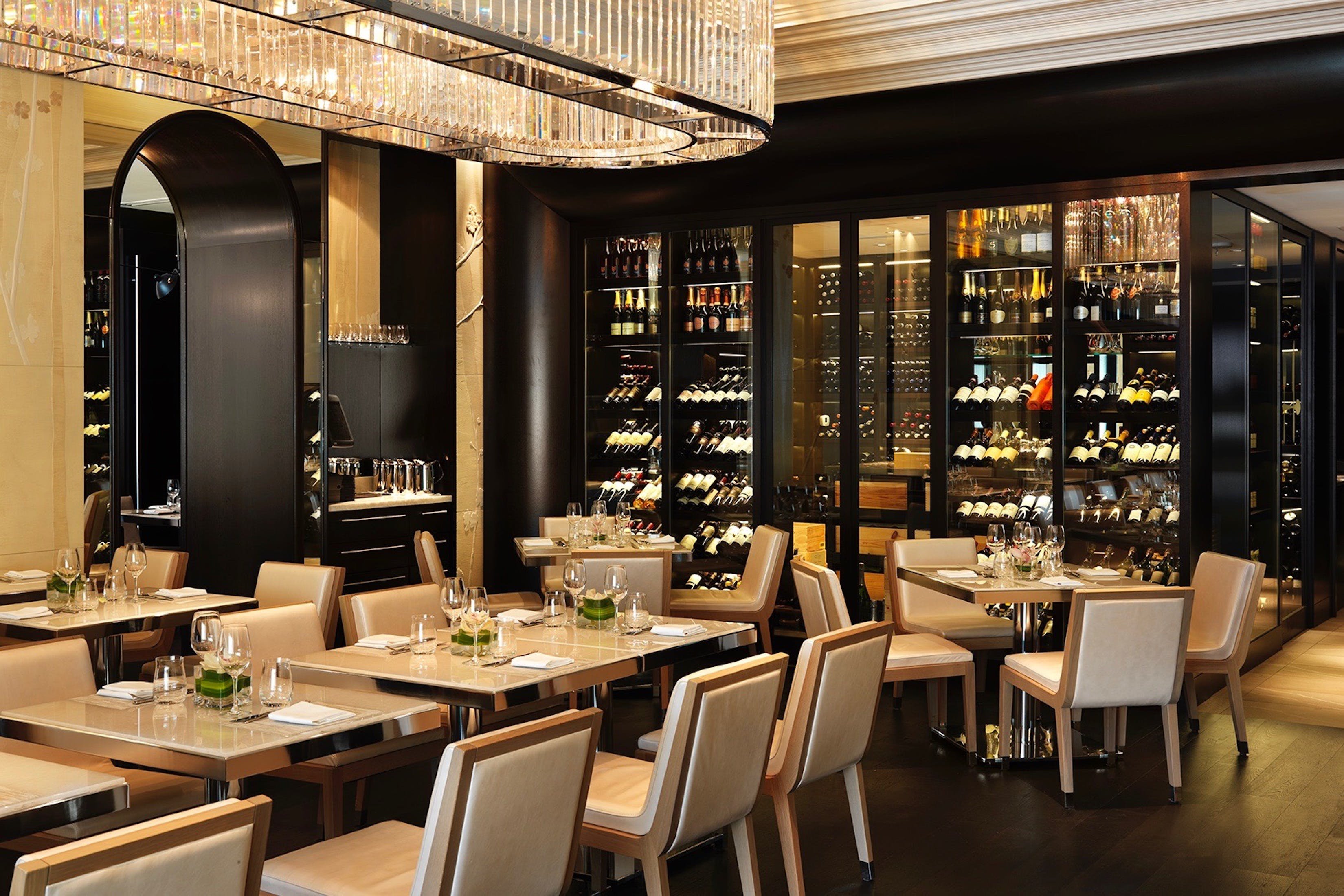
Miku Vancouver is a bar in Vancouver, BC, with a 4.6 Google rating and an average price of about $60 per person. The view from 200 Granville Street arrives before the food does. Burrard Inlet spreads across the window line, and on clear days the North Shore mountains form the kind of backdrop that reminds you Vancouver's dining scene has a geographic advantage most cities simply cannot replicate. The room itself leans into that setting: open, light-soaked, with a waterfront orientation that shapes the entire register of the meal. This is not incidental atmosphere. The physical position of Miku Vancouver is part of the argument the restaurant makes about where aburi sushi belongs in a city that sits at the convergence of the Pacific Rim's two most influential food cultures.
That convergence is the real subject here. Vancouver is one of the few cities in the world where Japanese culinary technique and Pacific Northwest ingredients have had long enough to develop a genuine dialogue rather than a marketing arrangement. The result, at its most considered, is something that neither culture produces alone.
Aburi as a Format, Not a Gimmick
Aburi sushi, the style defined by flame-searing the fish rather than serving it raw or fully cooked, occupies an interesting position in the broader story of Japanese cuisine's international evolution. In Japan, the technique is relatively niche, associated with specific regional preparations rather than a mainstream omakase format. Outside Japan, particularly in North American cities with established Japanese communities and high-grade Pacific seafood access, aburi developed into something closer to a standalone genre.
Miku's role in that development in Vancouver is well known. The restaurant is credited with bringing the aburi format to Canadian dining in a form that moved it from specialist curiosity to a recognizable category. That positioning places it in a different competitive frame than a standard sushi-ya or a contemporary Japanese fusion concept. The comparison set is smaller: venues where a specific technique carries the identity of the entire program, and where local sourcing either validates or undermines that technique's impact.
Flame-searing changes the fat behavior in the fish. Applied to salmon from British Columbia waters, where the fat content and texture differ meaningfully from Atlantic farmed varieties, the result is a preparation that is genuinely informed by its source material rather than simply adapting a method designed for different fish. The technique and the product are in productive tension, and the waterfront location is not just scenic staging but a statement of supply chain logic.
The Ingredients Behind the Technique
British Columbia's position as a seafood source is not incidental to understanding what Miku is doing. The province produces wild sockeye, coho, and chinook salmon alongside Dungeness crab, spot prawns, and Pacific halibut, all of which carry flavor profiles shaped by cold, nutrient-dense waters. Japanese culinary technique, developed over centuries to foreground the intrinsic quality of fish rather than transform it, is a logical match for this kind of produce. The aburi application adds a specific dimension: controlled caramelization at the surface while preserving the texture and temperature characteristics underneath.
Vancouver's Japanese-Canadian community, one of the oldest and most established in North America, has created the infrastructure that makes this kind of cooking viable at scale. The city has fishmongers, import networks, and culinary training lineages that are not replicated in most North American cities outside Los Angeles and New York. A restaurant operating at Miku's level is drawing on decades of accumulated supply chain relationships and technical knowledge embedded in the local restaurant ecosystem.
Where Miku Sits in Vancouver's Japanese Dining Scene
Vancouver's Japanese restaurant range runs from ramen counters in the West End and Robson Street corridor to omakase formats in Yaletown and downtown that price against Tokyo reference points. Miku occupies a distinct tier: accessible enough in format to draw a broad dinner crowd, technically grounded enough to hold the attention of the more focused diner. It is not an omakase counter in the strict sense, which means it lacks some of the intimacy and chef-directed pace of that format, but it compensates with scale, setting, and the kind of menu breadth that allows a table to work through multiple aburi preparations in a single sitting.
For the Vancouver waterfront specifically, this matters. The Coal Harbour and Waterfront district supports a cluster of high-volume dining that serves both the hotel corridor and a local clientele that treats the area as a destination in its own right. Within that cluster, Miku has maintained a consistent profile as the Japanese option that combines setting and technical substance rather than trading one for the other.
Those exploring Vancouver's broader drinking scene alongside dinner will find relevant options nearby. Botanist Bar at the Fairmont Pacific Rim represents the city's most technically ambitious hotel bar program. Laowai and Meo operate in a more neighborhood-scaled register, while Prophecy occupies the cocktail-focused end of the downtown spectrum.
Planning a Visit
Miku Vancouver is located at 200 Granville Street, Suite 70, on the waterfront level of Waterfront Centre. The address places it within walking distance of the Waterfront SkyTrain and Canada Line stations. Waterfront seating carries a premium during summer months and the window tables book ahead. Arriving without a reservation during Friday and Saturday dinner service or peak summer weeks carries real risk of a long wait or no seating at the preferred position in the room. For a daytime visit, the lunch service tends to offer more flexibility than dinner while still covering the full aburi range. The setting in full daylight, with the inlet visible and the mountain line clear, is a different experience from the evening room and arguably the stronger case for what the kitchen is attempting: a meal where the geography of the ingredients and the geography of the view are the same conversation.
Recognition Snapshot
Comparable venues nearby, for context on price, style, and recognition.
| Venue | Cuisine | Price | Awards | Notes |
|---|---|---|---|---|
| Miku VancouverThis venue — the venue you are viewing | sake_bar | $$$ | , | |
| Como Taperia | cocktail_bar | $$$ | , | Mount Pleasant |
| Water St. Café | lounge | $$ | , | Gastown |
| Uncle Abe's | cocktail_bar | $$ | , | Mount Pleasant |
| Chez Celine | lounge | $$ | , | Kensington-Cedar Cottage |
| Prohibition | speakeasy | $$$ | , | Downtown |
Continue exploring
More in Vancouver
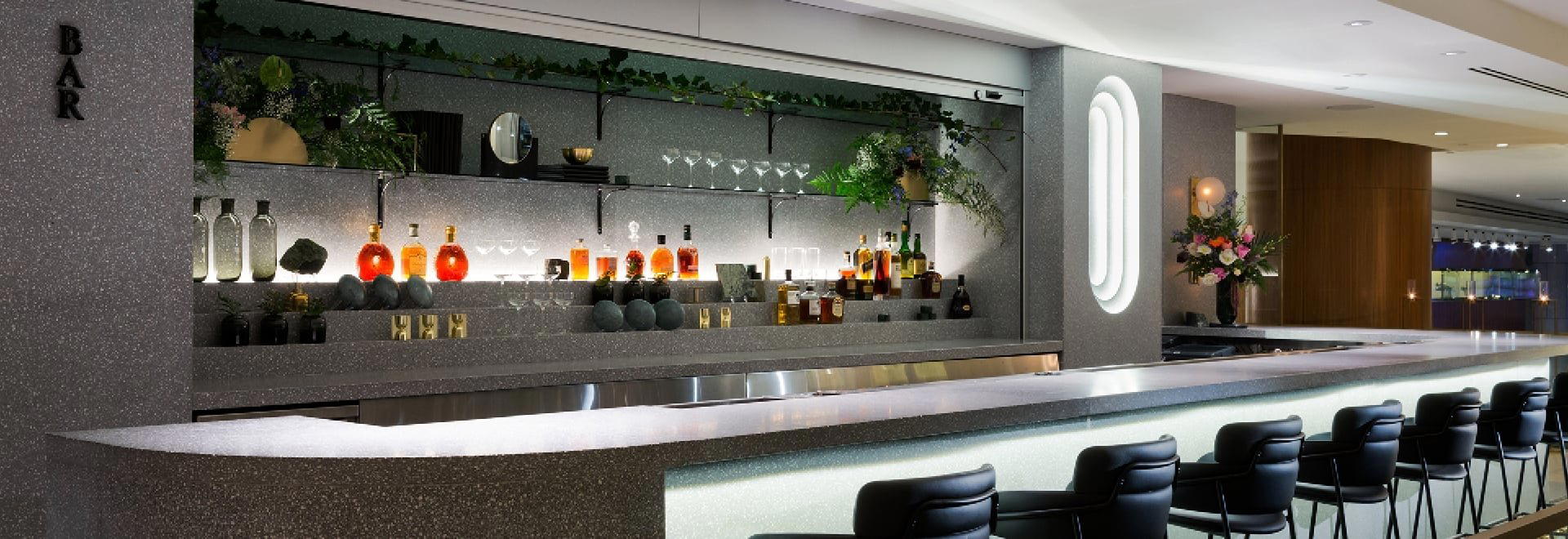
Bars in Vancouver
Browse all →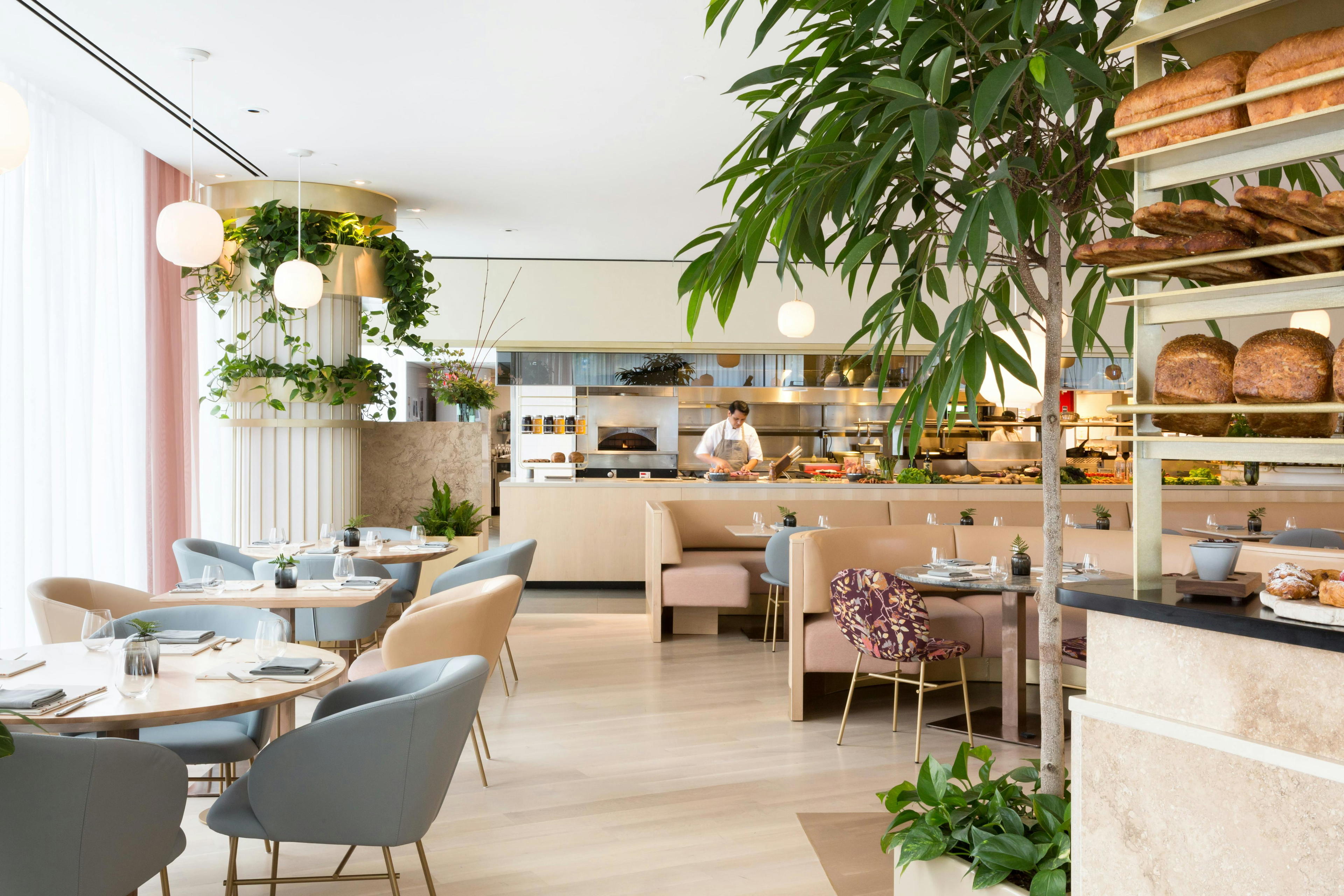
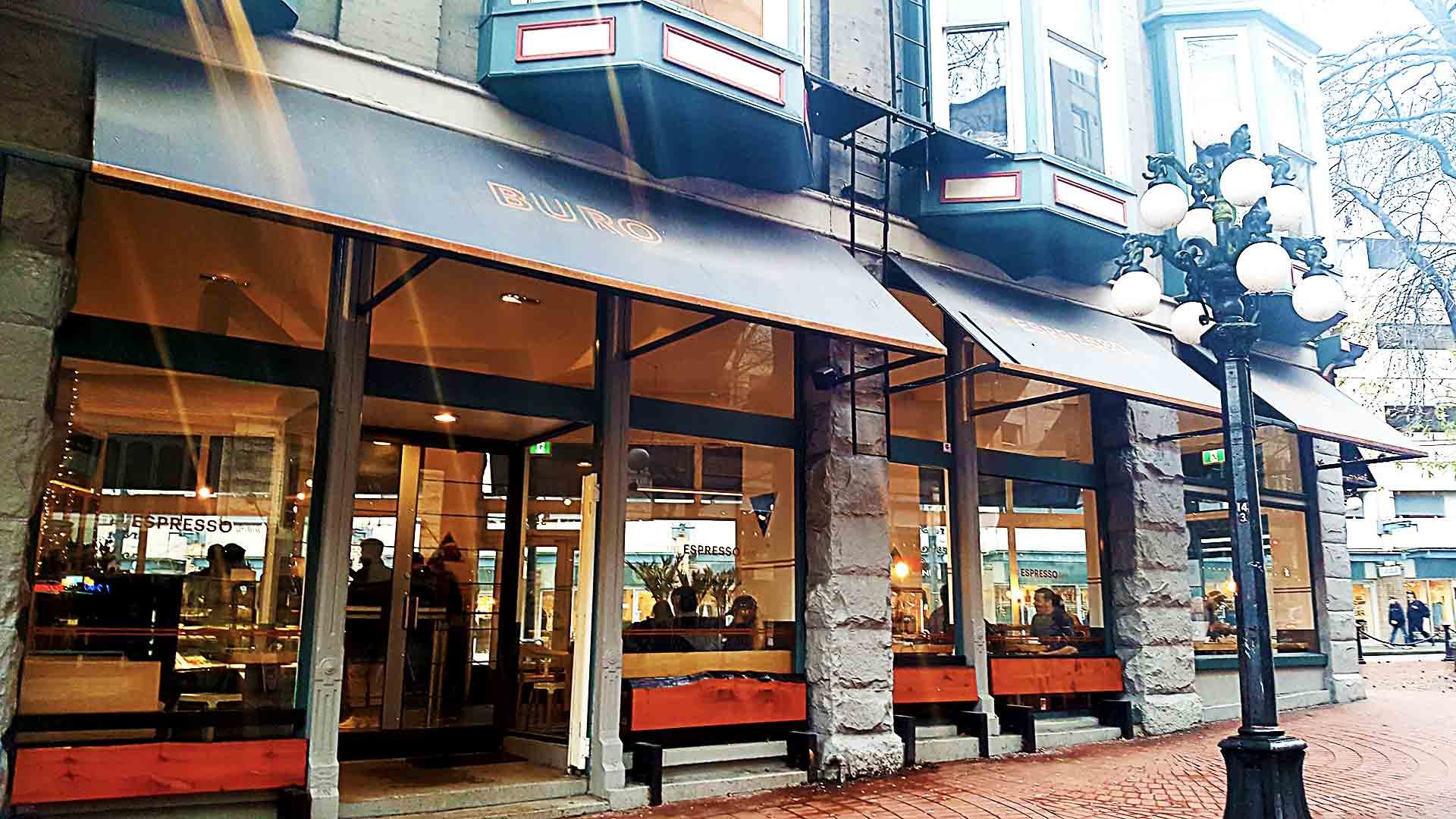
Restaurants in Vancouver
Browse all →
At a Glance
- Elegant
- Modern
- Sophisticated
- Date Night
- Special Occasion
- Waterfront
- Lounge Seating
- Sake
- Whiskey
- Waterfront
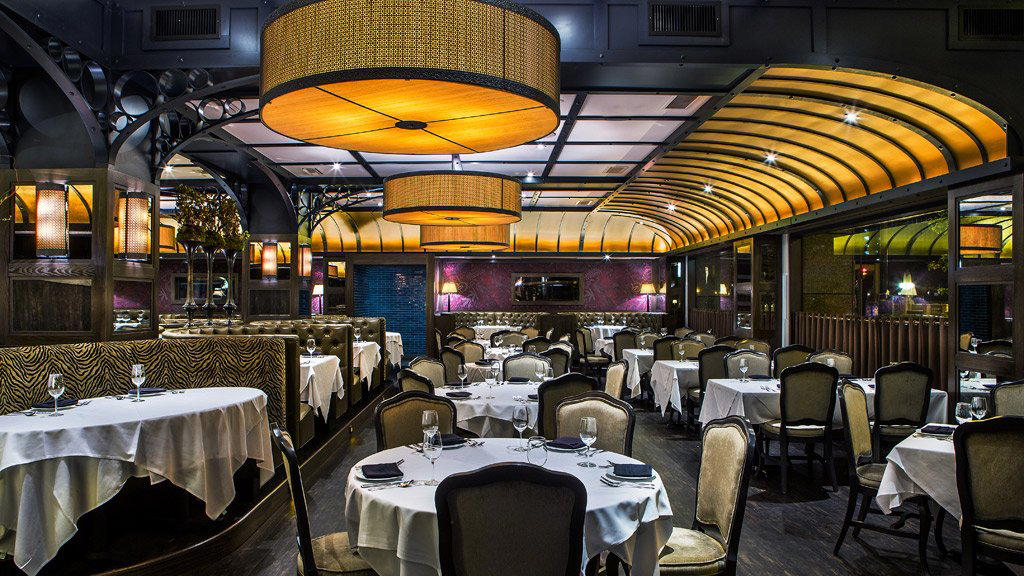
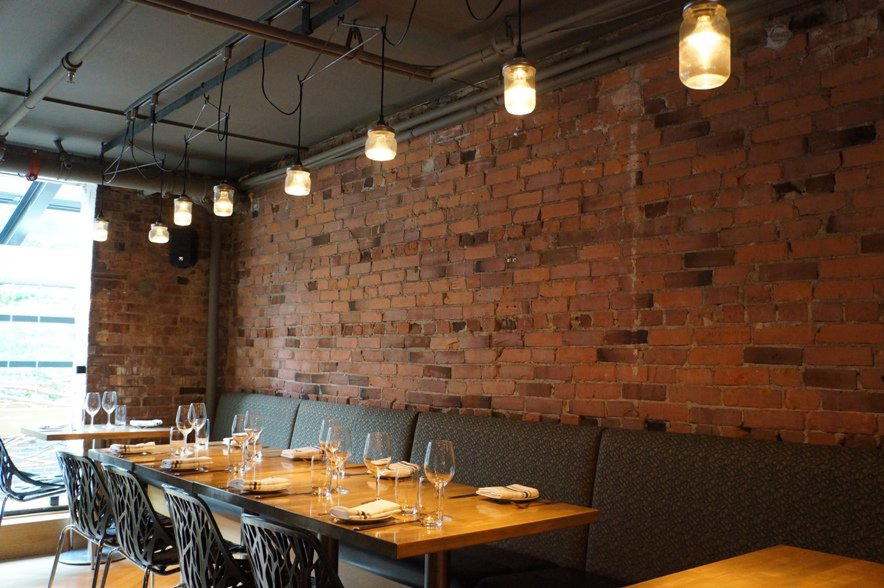
Refined waterfront setting with elegant lighting and sophisticated Japanese atmosphere.