Mariscos Cazo de Oro Estilo Sinaloa
A Sinaloa-style mariscos spot on East Main Street in Mesa, Cazo de Oro brings the seafood traditions of Mexico's Pacific coast to the East Valley. The format centers on the cold-and-hot shellfish architecture that defines the Culiacán canon: aguachile, ceviche, and campechanas alongside cooked preparations. For Mesa residents tracking down authentic Pacific-coast mariscos, this address consistently surfaces as the reference point.
Pearl is the En Primeur Club membership app — saves, bookings, and concierge access live there. Same editors, same standards.
- Address
- 1002 E Main St, Mesa, AZ 85203
- Phone
- +1 480 649 4322
- Website
- cazodeoro.square.site
- Directions
- Get directions
 Saves & bookings on Pearl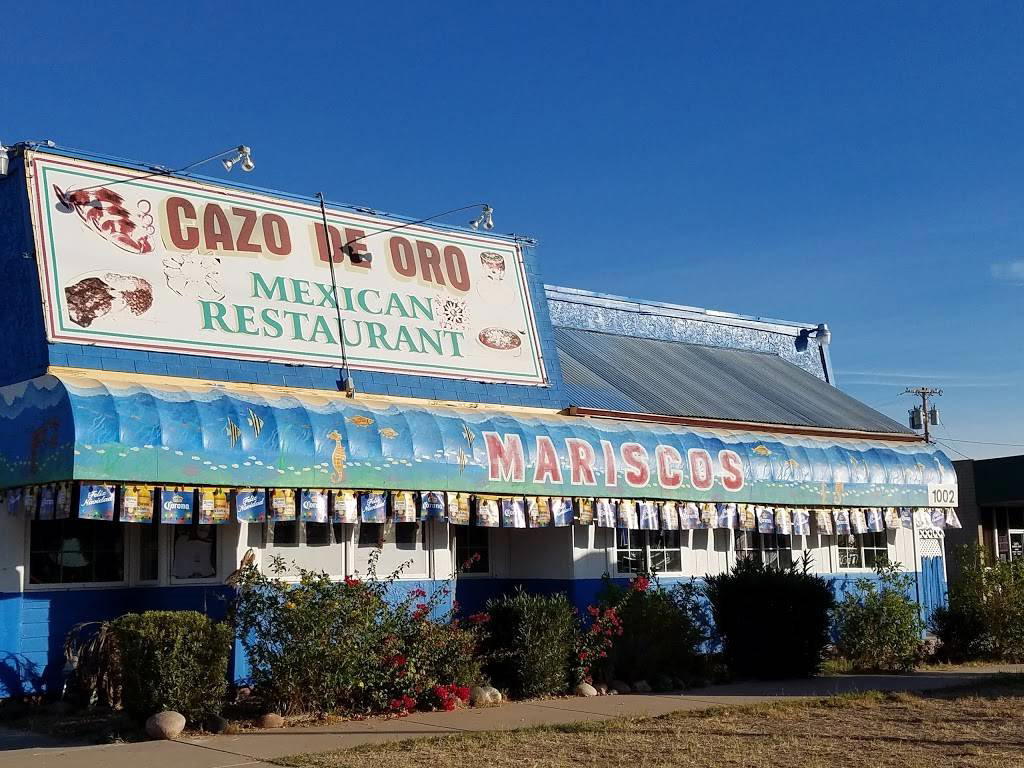
Pacific Coast Seafood Traditions in the East Valley
Mesa's East Main Street corridor has developed a distinct identity within the Valley's broader Mexican food geography, concentrated with family-run operations that serve regional Mexican cooking rather than the Tex-Mex hybrid that still dominates strip-mall dining across much of the Southwest. Mariscos Cazo de Oro Estilo Sinaloa sits in that corridor at 1002 E Main St, and the phrase 'Estilo Sinaloa' in the name functions as a precise culinary declaration rather than loose branding. Sinaloa-style mariscos represents one of the most codified seafood traditions in Mexico, built around the cold preparations, cured proteins, and shellfish compositions that emerged from the port cities of Culiacán, Mazatlán, and Los Mochis. When a restaurant places that phrase on its signage in Arizona, it is making a commitment to a recognizable canon.
The physical approach tells you something before you sit down. East Main in this stretch of Mesa is commercial, unglamorous, and functional in the way that neighbourhoods hosting serious regional cooking tend to be. There is no architectural statement here, no design-forward dining room meant to signal premium positioning. What draws regulars and first-timers alike is the food's relationship to a tradition, not a room's relationship to a trend.
How the Menu Is Structured
The architecture of a Sinaloa mariscos menu follows a logic that separates it from both coastal Veracruz-style seafood and from the grilled-fish operations common across the American Southwest. The cold side comes first, both in terms of menu placement and in how a table typically eats. Aguachile, the region's most-cited preparation, involves raw shrimp cured briefly in lime juice and layered with chiles, cucumber, and red onion. The heat level and balance of acid to chile heat varies by cook and by customer preference, and in Sinaloa-trained kitchens the recipe is treated with the same seriousness that a ramen shop applies to its tare.
Ceviche in the Sinaloa idiom tends to be drier and more herb-forward than its Peruvian or Veracruz counterparts, often incorporating tomato and cilantro in proportions that push it toward a chopped salad texture rather than a loose, soupy preparation. The campechana, a cold mix of various shellfish in tomato-based cocktail sauce, functions as the menu's assembly-point dish, the one that signals how well the kitchen handles multiple proteins simultaneously. In mariscos culture, a well-executed campechana is a proxy for overall kitchen discipline.
The cooked side of a Sinaloa-style menu typically includes whole or filleted fish, shrimp preparations across a spectrum from simply grilled to heavily sauced, and dishes like camarones a la diabla, where chiles drive the flavor architecture rather than serving as background heat. The tostada is the platform that runs across both cold and hot preparations, providing crunch and structural contrast to preparations that are otherwise built around acid and moisture. For a kitchen committed to the Sinaloa model, tostada quality, its thickness, fry consistency, and freshness, is a small but telling detail.
Mariscos as a Category in Mesa's Mexican Food Geography
Mesa and the broader East Valley have a mariscos tier that is less discussed than the area's birria and tacos al pastor operations but runs equally deep. The concentration of Sinaloan-origin families in Arizona's Mexican-American communities has created sustained demand for Pacific-coast seafood formats, which is why dedicated mariscos restaurants operate successfully at price points and in locations that would suggest otherwise modest foot traffic. The category rewards frequency: regulars who know which preparations they trust, which heat levels to request, and which days the shellfish delivery runs tend to get more from a mariscos kitchen than first-time visitors working from a menu alone.
Compared to the broader Mesa dining scene, which has grown in range across recent years to include Korean, Italian, and craft-spirits destinations (see Drunken Tiger for Korean-influenced programming, Alessia's for Italian, and Arizona Distilling Co. for local spirits), the mariscos category operates in a different register entirely. It is not part of the city's food-trend conversation. It is part of its food infrastructure, serving a community that has specific expectations and can identify whether those expectations are being met.
Drinks in the Sinaloa Mariscos Context
The drink order at a mariscos restaurant in this tradition is rarely complicated. Cold Mexican lager, Jamaica (hibiscus water), or tamarind agua fresca serve as the functional pairings, chosen because they do not compete with the acidity and chile heat that define the cold preparations. Cheladas and micheladas, beer-based drinks built on lime and salt or tomato mix, extend the beer category while maintaining the acidic register that works with aguachile and ceviche. This is a different calculus from the cocktail-forward programs at places like Bar Leather Apron in Honolulu, Jewel of the South in New Orleans, Kumiko in Chicago, or Superbueno in New York City, where drink architecture is itself the editorial subject. At Cazo de Oro, the drink exists to serve the food rather than to exist alongside it as an independent statement. That orientation is consistent with how serious mariscos restaurants operate across the tradition, from Culiacán originals to their Phoenix-area counterparts.
For cocktail-forward experiences elsewhere in the region, Baja Joe's offers a different format, and the broader cocktail bar lineage running from Julep in Houston to ABV in San Francisco and The Parlour in Frankfurt represents a parallel tradition built on entirely different priorities.
Planning Your Visit
Mariscos Cazo de Oro sits at 1002 E Main St in Mesa, in a part of the East Main corridor most easily reached by car. The surrounding blocks are worth orienting to before you go: this is a neighbourhood built for residents, not visitors, which means parking is practical and the pace is unhurried. Mariscos kitchens in this format tend to do their highest volume on weekends, when families treat seafood restaurants as occasion dining in a way that weekday lunch crowds do not. Arriving earlier in a service window typically means shellfish that has turned over more recently. No website or phone number is confirmed in public records for this location, so visiting in person or checking community review platforms for current hours before making a dedicated trip is the practical approach. For additional context on what Mesa's dining scene covers and how to structure time in the city, the full Mesa restaurants guide provides a wider map.
At a Glance
- Lively
- Energetic
- Casual Hangout
- Live Music
Current opening hours
- Monday
- Closed
- Tuesday
- 10 AM–10 PM
- Wednesday
- 10 AM–10 PM
- Thursday
- 10 AM–10 PM
- Friday
- 10 AM–10 PM
- Saturday
- 10 AM–10 PM
- Sunday
- 9 AM–10 PM
Hours can change for holidays and private events. Last verified .
loud atmosphere with 80's music, karaoke, and live entertainment.
Know Before You Go
- Getting there
- 1002 E Main St, Mesa, AZ 85203