La Fisheria
La Fisheria sits on Milam Street in downtown Houston, placing it inside the city's steadily deepening roster of serious seafood addresses. Houston's position as a Gulf Coast port city gives restaurants here access to shrimp, redfish, and crab that most inland American cities can only approximate, and La Fisheria works within that tradition.
Pearl is the En Primeur Club membership app — saves, bookings, and concierge access live there. Same editors, same standards.
- Address
- 213 Milam St, Houston, TX 77002
- Phone
- +1 713 802 1712
- Website
- lafisheriahtx.com
- Directions
- Get directions
 Saves & bookings on Pearl
Seafood on the Gulf Coast, Downtown Houston
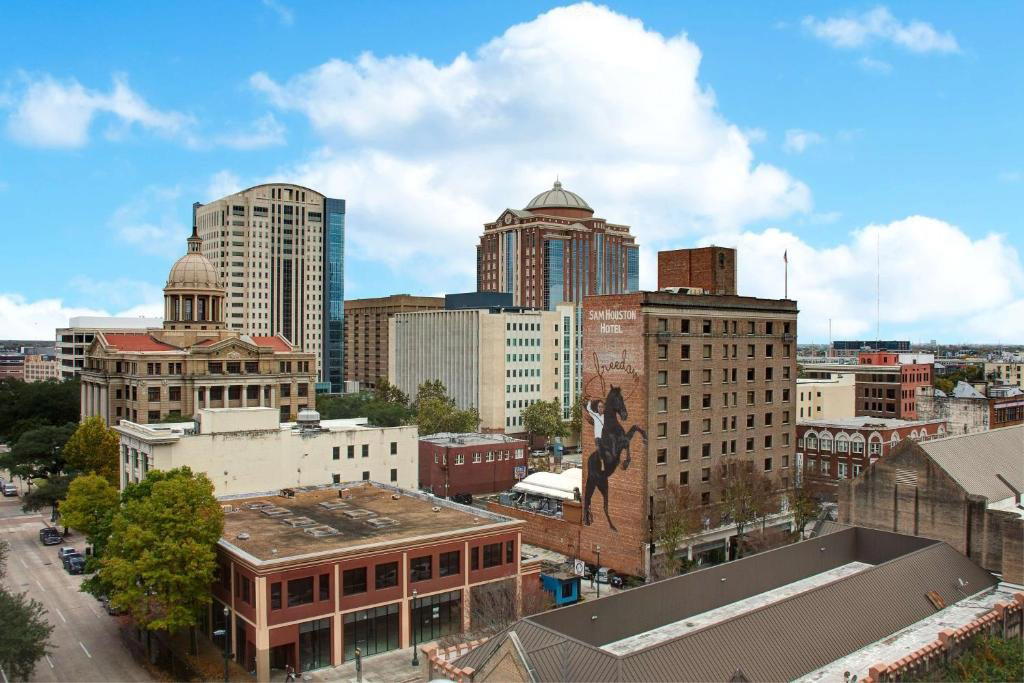
Downtown Houston's dining corridor along Milam Street draws a crowd that mixes office workers, hotel guests, and destination diners in roughly equal measure. The city's core has spent the better part of the last decade rebuilding its restaurant identity, and the seafood category has been one of the more consequential areas of that rebuilding. Gulf Coast proximity gives Houston a structural advantage in this category that few American cities can match: the shrimp boats working the bays between Galveston and Corpus Christi, the oyster leases along the Texas coast, the snapper and redfish that come in through the Port of Houston and its surrounding distribution network. La Fisheria, at 213 Milam St, operates inside that supply geography, which is the starting point for understanding what kind of restaurant it is.
Mexican seafood culture, which underpins the concept, has its own distinct lineage that separates it from the New England clam shack tradition or the Lowcountry boil circuit further east. Mariscos, as the category is broadly known, developed along Mexico's Pacific and Gulf coasts as a cuisine of freshness, acidity, and heat, where ceviche, aguachile, and fish tacos are built around curing and seasoning rather than heavy preparation. That tradition traveled north into Texas in ways that differ from how it moved into California: Houston's Mexican-American population is substantially larger and more deeply rooted than most non-Texans realize, and the city's mariscos scene reflects decades of community building rather than recent culinary trend-chasing. A restaurant drawing on that tradition in downtown Houston is working with material that has genuine depth behind it.
Where Houston's Seafood Scene Sits Today
Houston's seafood addresses now range from third-generation Gulf Coast institutions in the East End to newer, more design-forward rooms in Montrose and Midtown. The downtown cluster, which includes La Fisheria, tends to serve a midday business crowd alongside evening diners who might otherwise head to the Heights or the Museum District for dinner. That positioning creates a specific kind of pressure on a restaurant: it has to perform reliably across both day parts and across a diner base that ranges from local regulars to visitors with no particular Houston context.
The broader city, covered in our full Houston restaurants guide, has diversified significantly over the past five years. The cocktail scene has matured alongside the dining scene, with venues like Julep anchoring a Southern-focused drinks tradition and Bandista working a more contemporary register. For wine-forward drinking, 13 celsius has built a loyal following, while 1100 Westheimer Rd adds another reference point in the city's mid-Montrose corridor. Across the country, the category of serious cocktail programming at venues adjacent to seafood-forward restaurants has grown considerably, with Bar Leather Apron in Honolulu, Jewel of the South in New Orleans, and Kumiko in Chicago each representing how technically rigorous bar programs now function as a meaningful part of a city's overall dining credibility.
The Cultural Roots of the Menu
Mexican coastal cooking as practiced in Houston carries specific markers that distinguish it from its California equivalent. The aguachile tradition, for instance, is rawer and more aggressive with heat than much of what passes for ceviche in North American restaurants, using raw shrimp cured only by citrus and chili rather than extended acidic cooking. The Veracruz tradition, which is Gulf-facing and thus directly relevant to Texas, layers tomatoes, olives, capers, and herbs over whole fish in a manner that reflects centuries of Spanish and Caribbean influence working through Mexican coastal kitchens. These are not simple preparations dressed up with complexity for American audiences; they are the outcome of genuine culinary development that predates most of the American restaurants now claiming inspiration from them.
The taco de pescado, to take the most broadly recognized item in the category, has a documented origin in Baja California but arrived in Texas through a different route than in California, filtered through the Gulf coast fishing communities and the taqueria culture of San Antonio and Houston rather than the San Diego-to-Los Angeles coastal strip. The difference is subtle but real: Texas versions tend toward heartier preparations, sometimes incorporating Gulf fish species that don't appear in Baja-style versions, and often sitting alongside mariscos soups and cocktails that reflect a more varied use of the full catch.
Visiting and Planning
La Fisheria's address at 213 Milam St places it in the central downtown grid, walkable from most downtown hotels and accessible by the METRORail system that connects downtown to Midtown and the Museum District. Downtown Houston parking is available in several garages on and near Milam, though midday hours during the business week create predictable pressure on street-level options. Diners coming from outside the immediate downtown area would do well to plan around peak lunch service if they prefer a quieter room.
For those building a broader Houston evening, the city's cocktail options reward planning. Venues like Superbueno in New York City, ABV in San Francisco, Allegory in Washington, D.C., and The Parlour in Frankfurt on the Main each illustrate how bar programs in other cities have developed alongside seafood-forward restaurants, a pattern that Houston is tracking in its own way. Timing a seafood dinner in the cooler months, roughly November through February, takes advantage of Houston's most comfortable outdoor temperatures and the seasonal availability of Gulf oysters at their peak cold-water condition.
Continue exploring
More in Houston
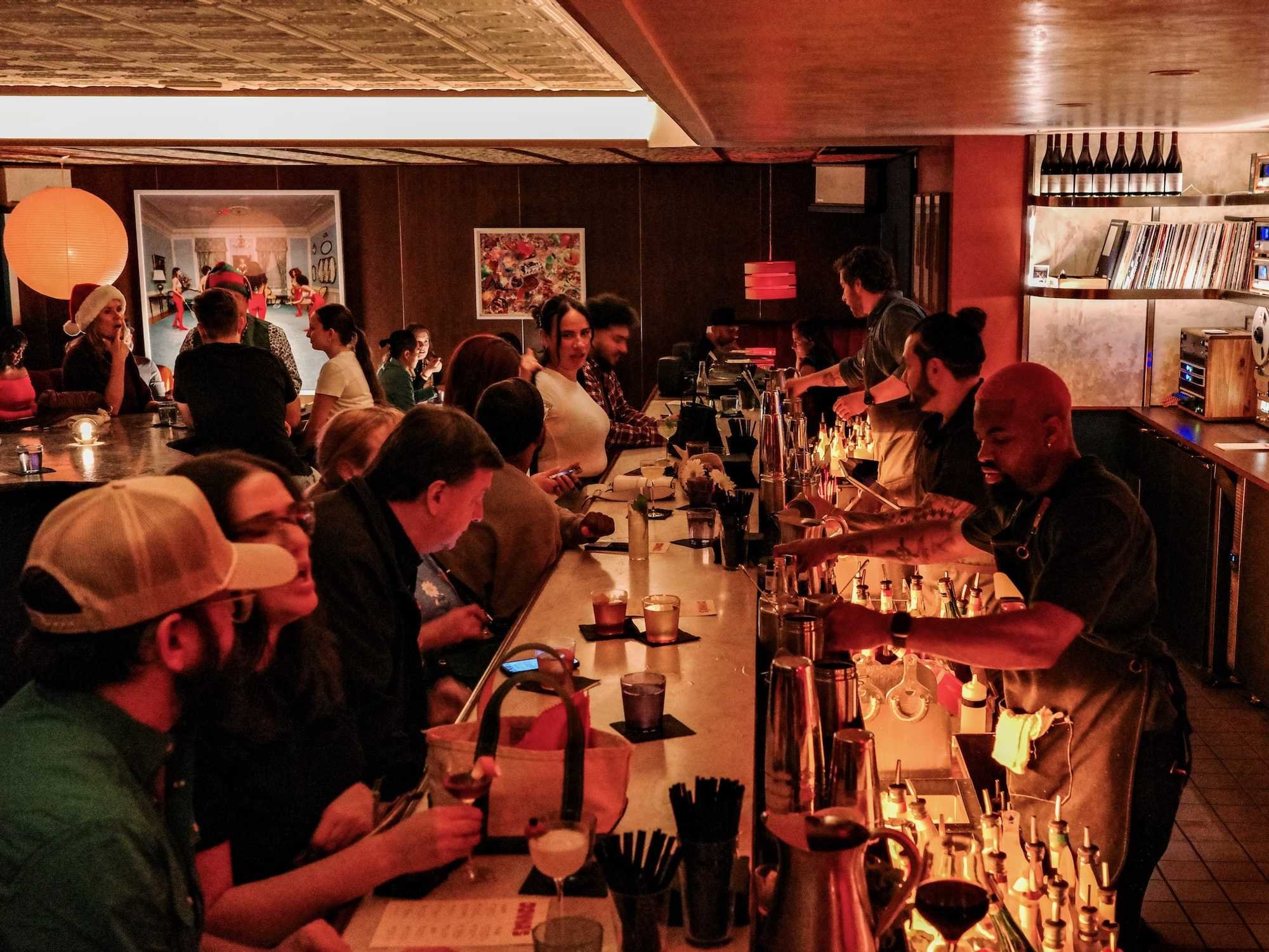
Bars in Houston
Browse all →
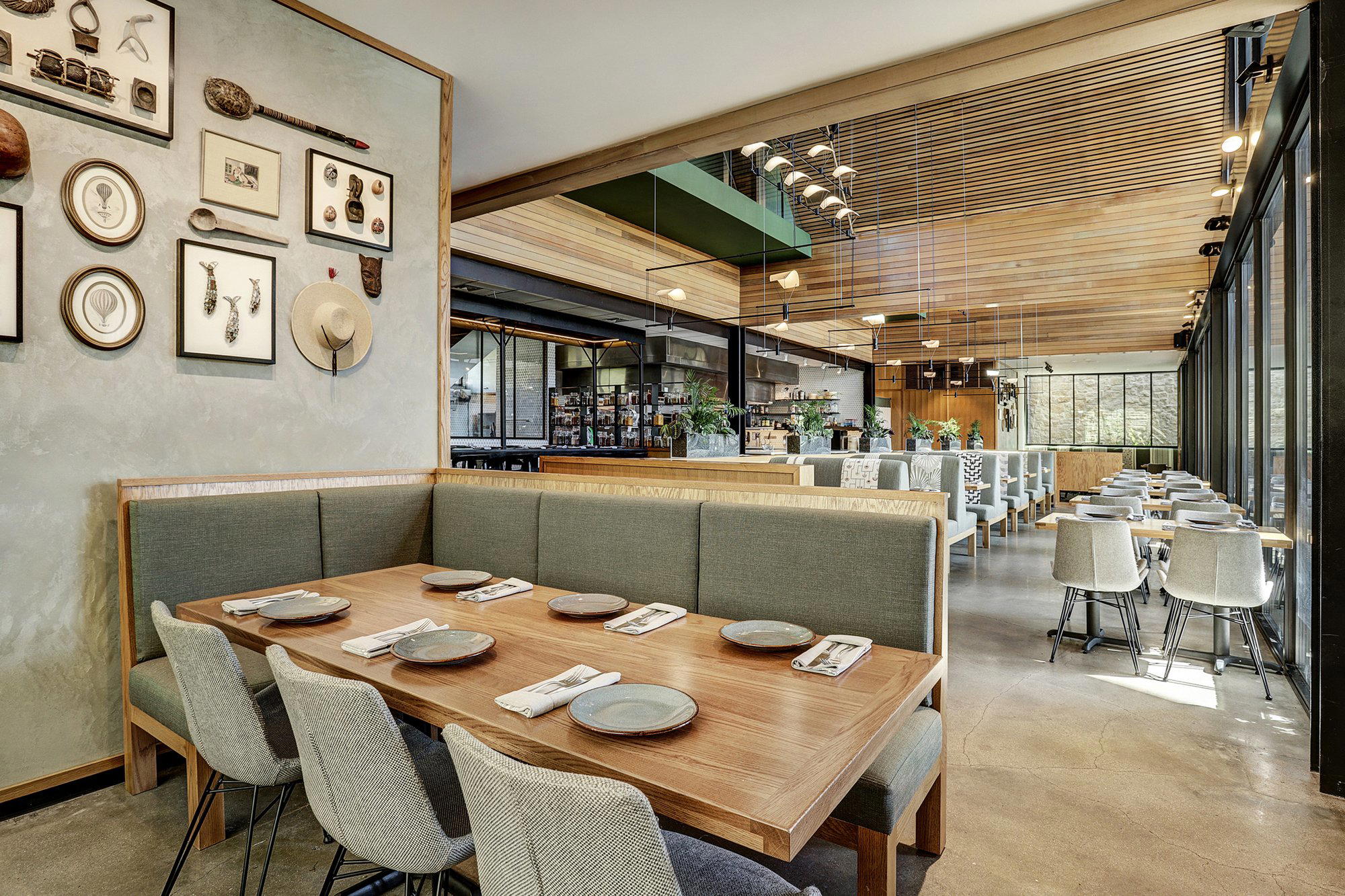
Restaurants in Houston
Browse all →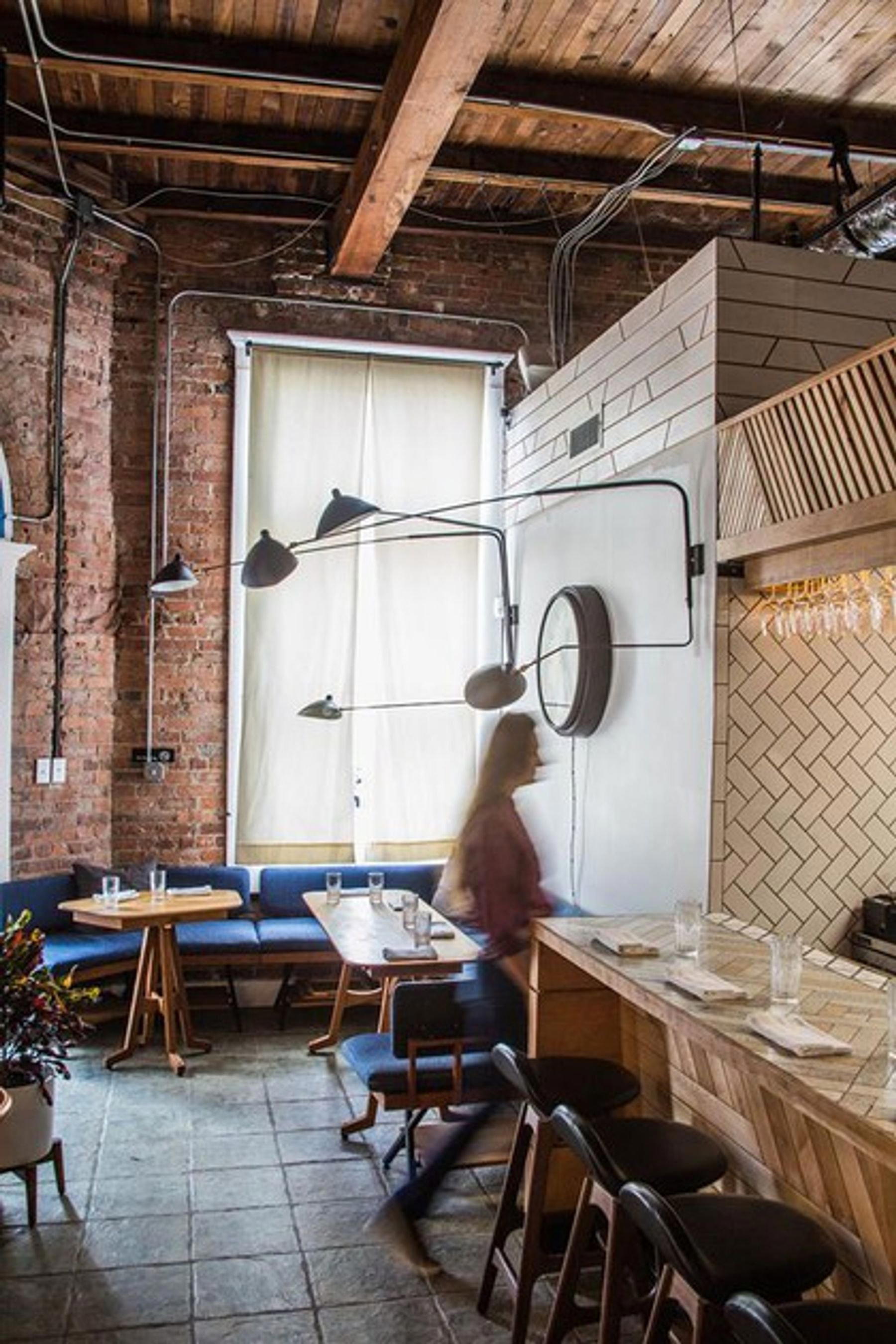
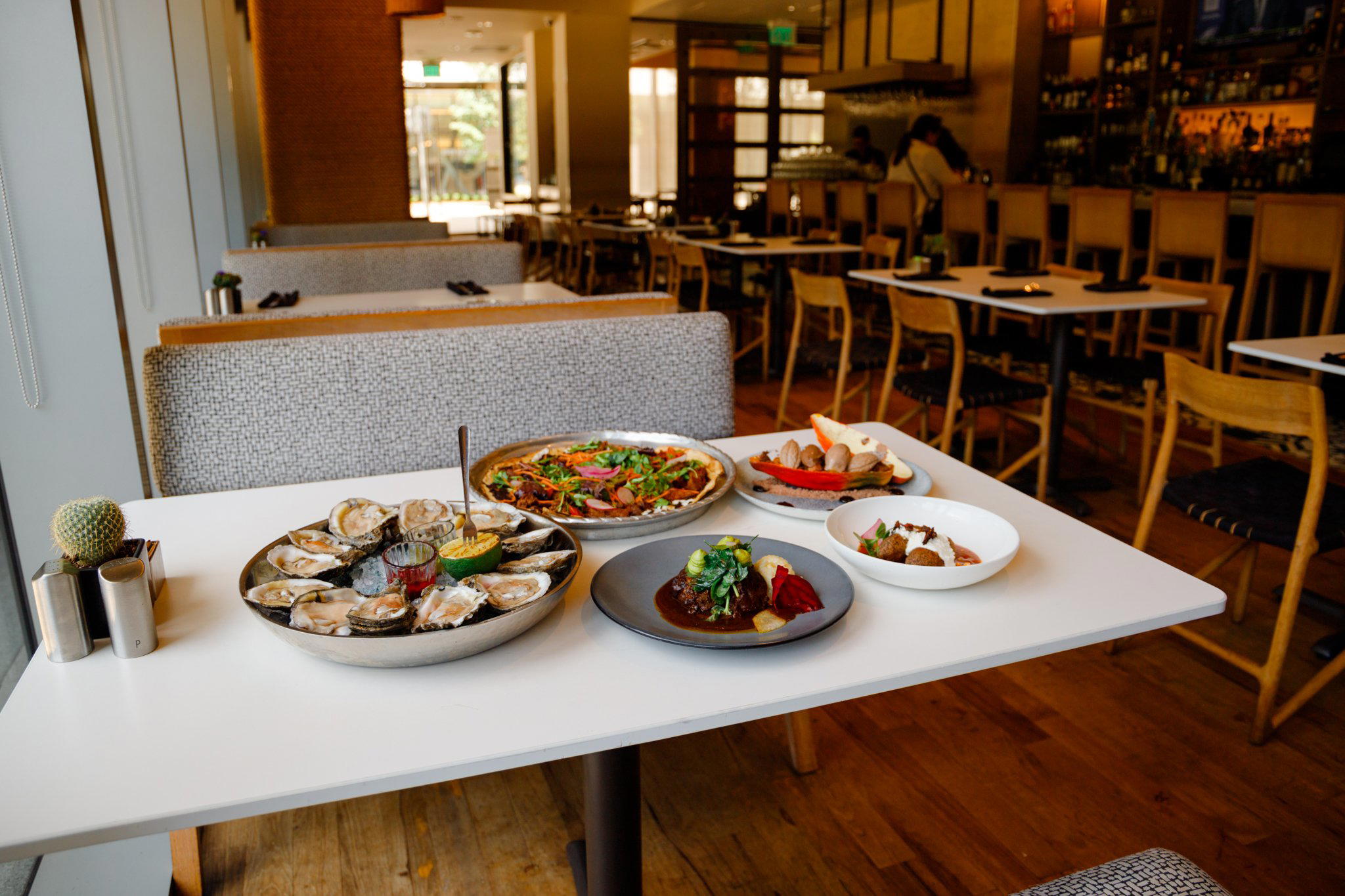
Hotels in Houston
Browse all →
At a Glance
- Lively
- Trendy
- Elegant
- Date Night
- Group Outing
- Casual Hangout
- Design Destination
- Seated Bar
- Lounge Seating
- Private Rooms
- Craft Cocktails
- Tequila
Current opening hours
- Monday
- 11 AM–9 PM
- Tuesday
- 11 AM–9 PM
- Wednesday
- 11 AM–9 PM
- Thursday
- 11 AM–10 PM
- Friday
- 11 AM–11 PM
- Saturday
- 11 AM–11 PM
- Sunday
- 11 AM–9 PM
Hours can change for holidays and private events. Last verified .
Airy and bright with rich colors reminiscent of the Mexican coast, beautiful teal shutters, artsy octopi decor, and moderate noise level.
Know Before You Go
- Getting there
- 213 Milam St, Houston, TX 77002