Korea BBQ & Sushi
Korea BBQ & Sushi occupies a strip-mall suite on Nolensville Pike in Brentwood, sitting inside Nashville's most densely Korean commercial corridor. The menu pairs tabletop barbecue with a sushi program, reflecting a format common across Korean-American dining in mid-size Southern cities. It draws a regular local crowd from the surrounding Korean and Korean-American community.
Pearl is the En Primeur Club membership app — saves, bookings, and concierge access live there. Same editors, same standards.
- Address
- 6688 Nolensville Pk Ste102, Brentwood, TN 37027
- Phone
- +1 615 819 0721
- Website
- koreabbqsushi.com
- Directions
- Get directions
 Saves & bookings on Pearl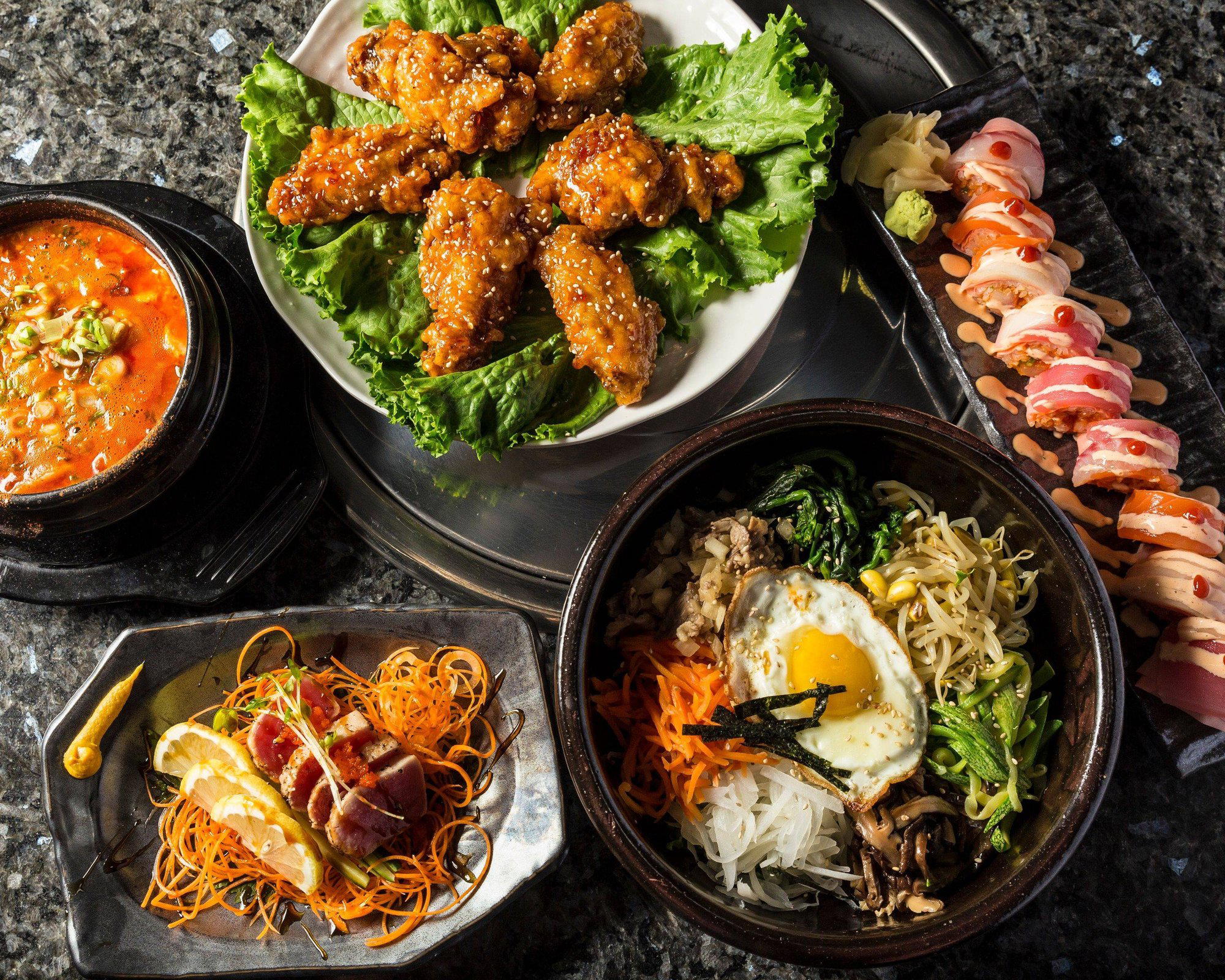
Nolensville Pike and the Korean Dining Corridor
Nolensville Pike has quietly become the most significant stretch of Korean commercial life in the greater Nashville area. The road running south from Nashville proper into Brentwood and beyond carries a concentration of Korean grocery stores, bakeries, and restaurants that serves both the established Korean-American community and a growing number of non-Korean locals who have learned to follow where immigrant communities eat rather than where tourism marketing points. Korea BBQ & Sushi sits within this corridor, occupying Suite 102 at 6688 Nolensville Pike in Brentwood, a location that places it squarely in the community it serves rather than in the more tourist-oriented zones of downtown Nashville or Midtown.
That geographic positioning matters. Strip-mall Korean restaurants along corridors like this one operate under different pressures than downtown dining rooms. Rent structures are lower, which allows food costs and portion sizes to reflect value over spectacle. The audience is often repeat local traffic rather than one-time visitors, which tends to sharpen consistency. Across American cities with significant Korean populations, from Los Angeles's Koreatown to Atlanta's Buford Highway, this model has proven more durable than the high-design downtown Korean concept chasing a broader demographic.
The BBQ and Sushi Format in American Korean Dining
The pairing of Korean tabletop barbecue with a Japanese-style sushi program is not a contradiction, despite how it might read on paper. In practice, Korean-American restaurants across the South and Midwest frequently combine both formats under one roof, responding to practical realities: sushi remains the most legible form of Asian dining for a wide American audience, while Korean BBQ provides a communal, interactive experience that drives longer table visits and higher per-cover spending. The combination allows a single kitchen and dining room to serve the Korean community's own preferences while keeping a broader door open.
This format has its own internal logic around sustainability and waste reduction. Korean BBQ inherently minimizes food waste at the table: diners control their own cooking pace, portions arrive across multiple small dishes (banchan), and proteins are consumed immediately rather than sitting under heat lamps. The banchan model, where small fermented, pickled, and seasoned vegetable dishes accompany every meal, reflects centuries of Korean food culture built around fermentation as preservation. In a contemporary dining context, that tradition aligns naturally with the principles now driving farm-to-table and zero-waste kitchen conversations, even if the framing rarely gets applied to immigrant cuisine of this type.
Ethical Sourcing and the Community Restaurant Question
The sustainability conversation in American dining has largely centered on high-end farm-to-table restaurants with the marketing infrastructure to communicate sourcing decisions. Community-facing Korean restaurants along corridors like Nolensville Pike operate in a different register: sourcing decisions are shaped by proximity to Korean grocery suppliers, relationships with regional Asian food distributors, and the practical need to maintain price points accessible to the local community. Whether those supply chains meet the certification standards that Michelin Green Star programs or James Beard nominations reward is largely unknowable without verified data, and no such data is.
What is observable is structural. Korean fermentation-based cooking produces less plate waste than most Western dining formats. Doenjang (fermented soybean paste), kimchi, and pickled vegetables are products of preservation techniques that extend ingredient life rather than shortening it. In a kitchen operating across both Korean BBQ and sushi formats, cross-utilization of proteins is a practical reality: the same seafood supply chain can feed both programs, reducing the redundancy of maintaining two entirely separate ordering systems. These are not marketing claims but operational patterns common across the category.
Where It Sits in Nashville's Wider Dining Scene
Nashville's dining reputation has expanded well beyond its traditional meat-and-three and hot chicken identity. The city now supports a range of bar programs and restaurants operating at price points and ambition levels that would not have seemed plausible a decade ago. For cocktail-focused venues, spots like 12 South Taproom and Grill, 417 Union, 5th & Taylor, and 8th & Roast have raised the standard for what Nashville visitors expect from a night out. Korea BBQ & Sushi operates in a different sector of that same city, serving a function those venues do not: providing a gathering point for a specific community and a casual, high-value dinner format for locals who live on the south side of the city.
Nationally, the conversation about what thoughtful drinking and dining looks like has moved toward specificity of place and ingredient. Programs at Kumiko in Chicago and Bar Leather Apron in Honolulu reflect a careful attention to sourcing and technique that earns editorial recognition. At the restaurant level, venues like Jewel of the South in New Orleans and Julep in Houston have built reputations around regional identity. Community Korean restaurants are rarely placed in the same editorial frame, but the gap between a technically driven cocktail bar and a fermentation-forward Korean dining room is smaller in principle than the marketing distance between them suggests.
For a broader orientation to what Nashville is doing across price tiers and neighborhoods, the full Nashville restaurants guide maps the city's dining geography in more detail. Beyond Nashville, the growing technical precision of American bar programs at venues like Superbueno in New York City, ABV in San Francisco, and internationally at The Parlour in Frankfurt signals a broader shift in how drinking and dining venues communicate their identity to a traveling audience.
Planning a Visit
Korea BBQ & Sushi is located at 6688 Nolensville Pike, Suite 102, Brentwood, Tennessee 37027. The Nolensville Pike corridor is accessible by car from downtown Nashville in under 30 minutes depending on traffic, and the surrounding area offers ample parking consistent with Brentwood strip-mall development. Current hours, booking policy, and pricing are not published in verified form and should be confirmed directly with the venue before visiting. The address places it within easy reach of the broader Korean commercial strip, making it a logical stop alongside other community-facing businesses in the area.
What It’s Closest To
| Venue | Cuisine |
|---|---|
| Korea BBQ & SushiThis venue — the venue you are viewing | This venue |
Continue exploring
More in Nashville
Bars in Nashville
Browse all →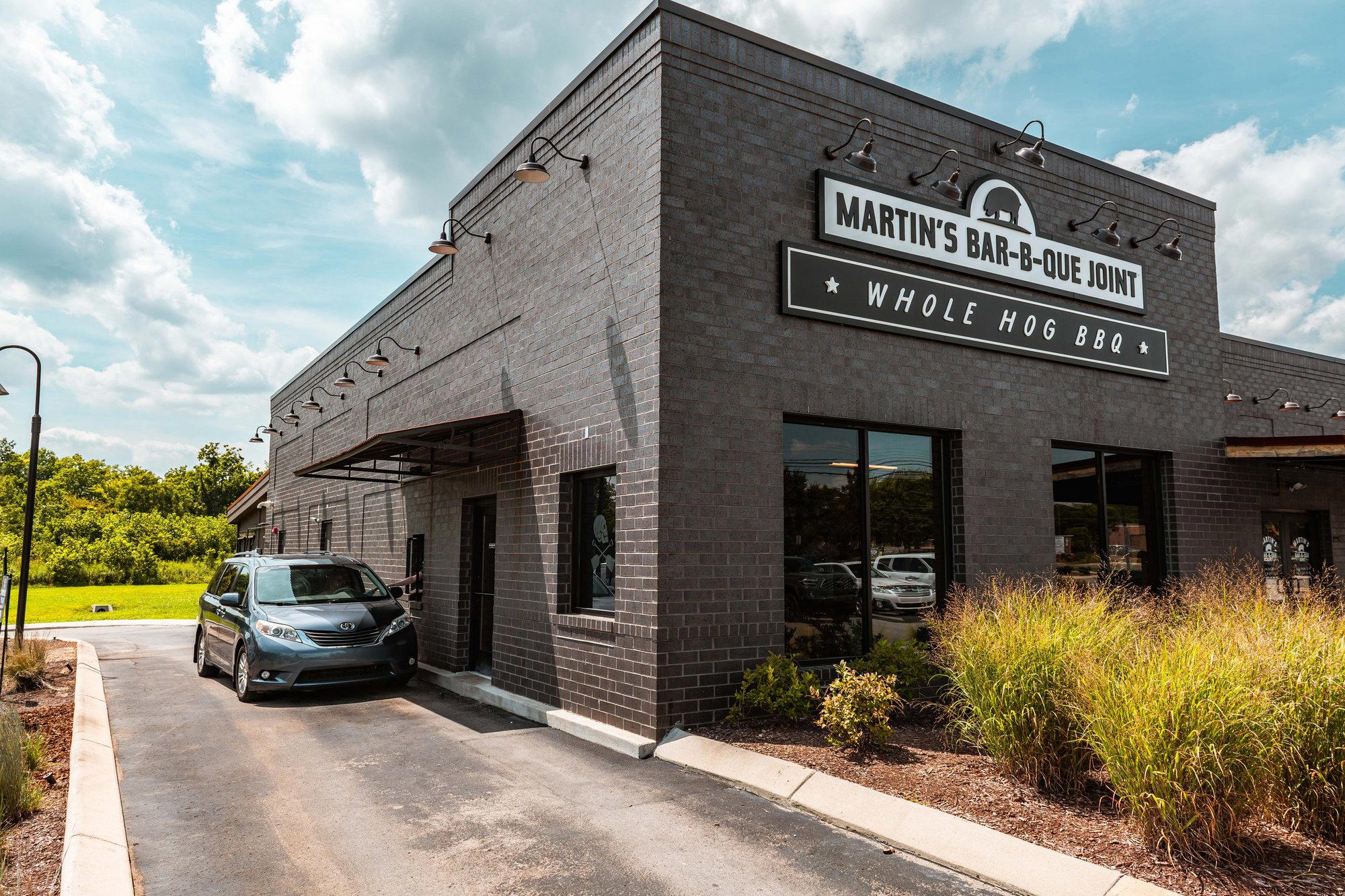
Restaurants in Nashville
Browse all →
Hotels in Nashville
Browse all →

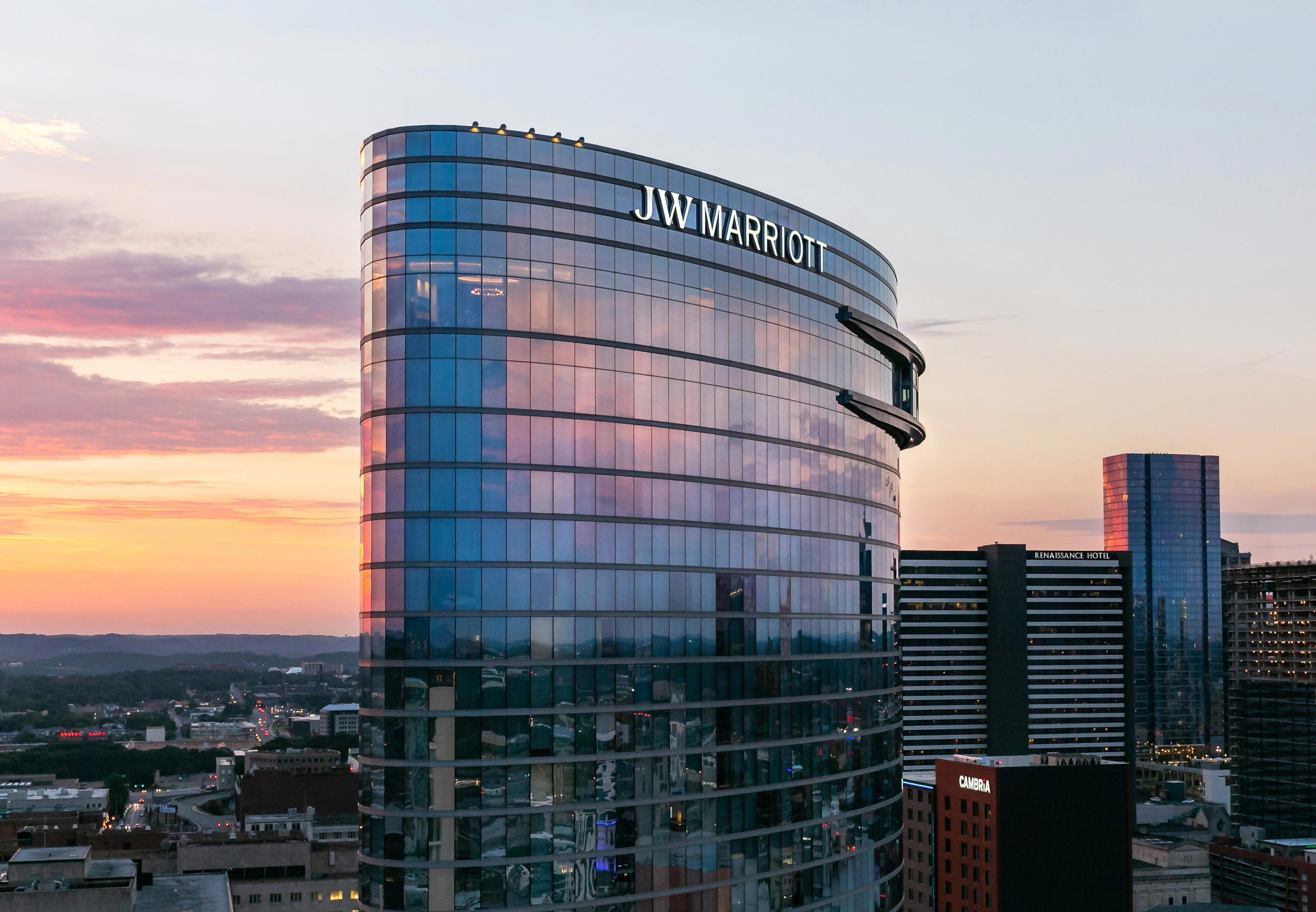
Wineries in Nashville
Browse all →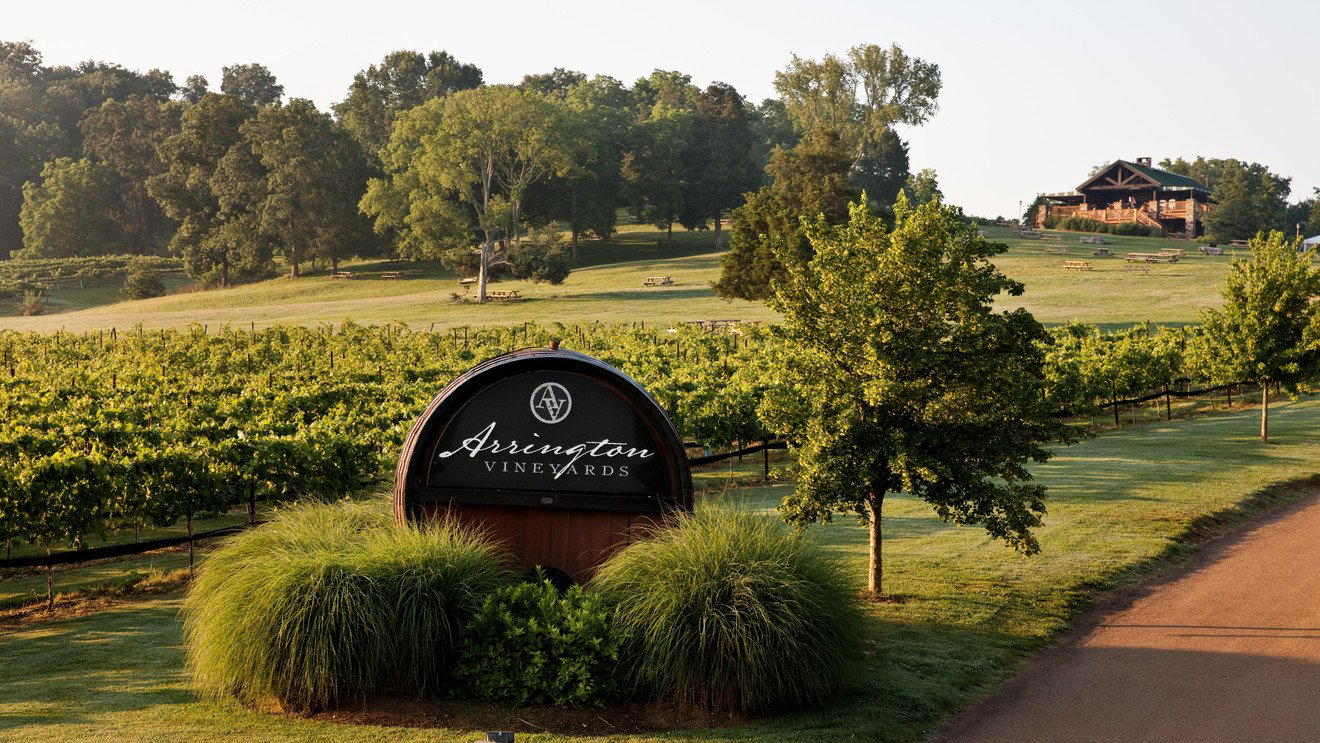
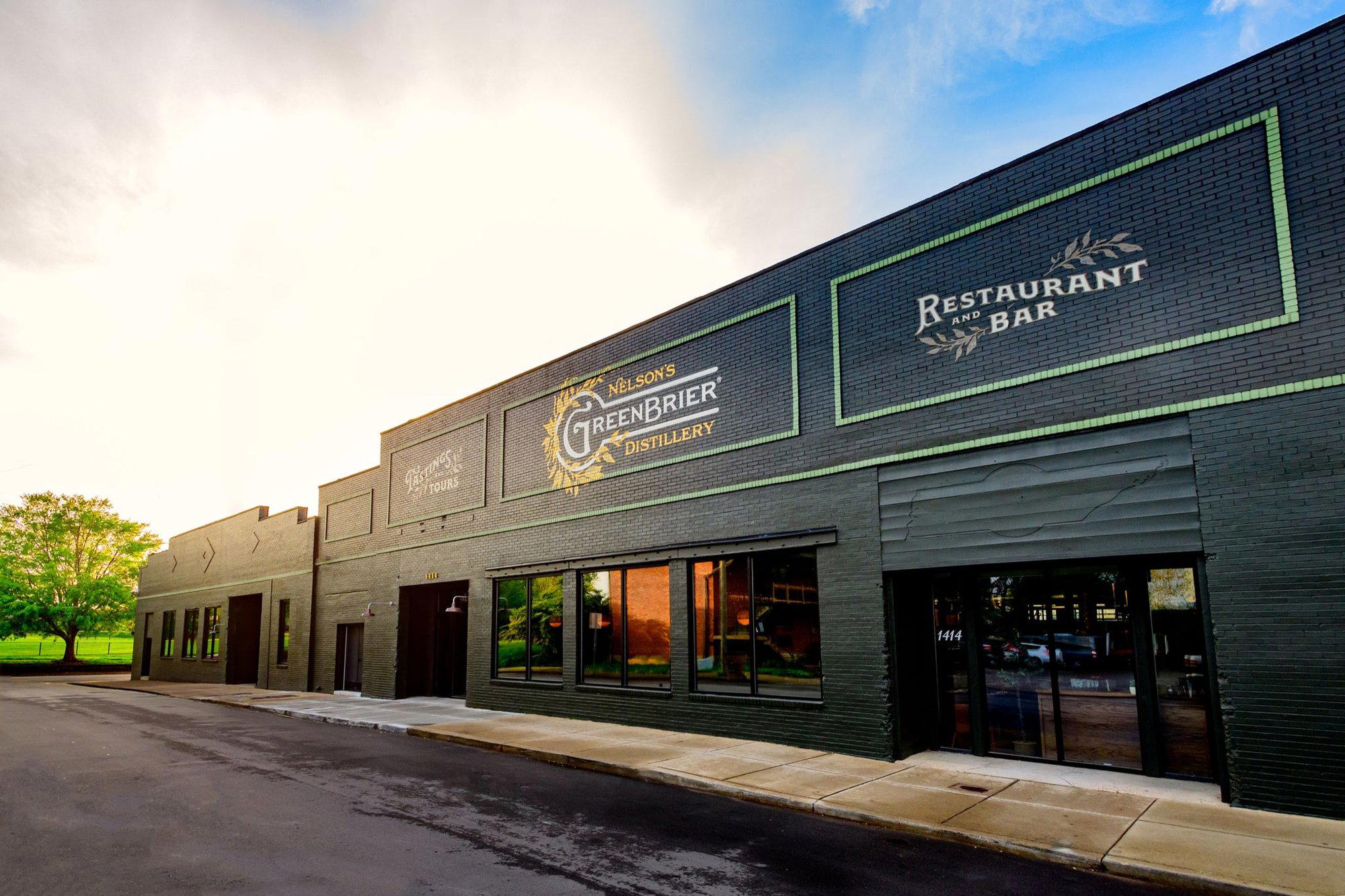
At a Glance
- Group Outing
- Casual Hangout
- Standalone
- Communal Tables
- Sake
Current opening hours
- Monday
- 11 AM–9:30 PM
- Tuesday
- Closed
- Wednesday
- 11 AM–9:30 PM
- Thursday
- 11 AM–9:30 PM
- Friday
- 11 AM–10 PM
- Saturday
- 11 AM–10 PM
- Sunday
- 11 AM–9 PM
Hours can change for holidays and private events. Last verified .
Lively and busy atmosphere centered around interactive table-side cooking.
Know Before You Go
- Getting there
- 6688 Nolensville Pk Ste102, Brentwood, TN 37027