Indochine Restaurant
Indochine Restaurant on Wayne Drive occupies a specific niche in Wilmington's dining scene: Southeast Asian cooking in a city whose restaurants lean heavily toward coastal American and European formats. For diners looking beyond the Cape Fear waterfront's seafood defaults, it represents one of the few addresses in the 28403 zip code where the kitchen's reference points trace back to a different hemisphere entirely.
Pearl is the En Primeur Club membership app — saves, bookings, and concierge access live there. Same editors, same standards.
- Address
- 7 Wayne Dr, Wilmington, NC 28403
- Phone
- +1 910 996 5690
- Website
- indochinewilmington.com
- Directions
- Get directions
 Saves & bookings on Pearl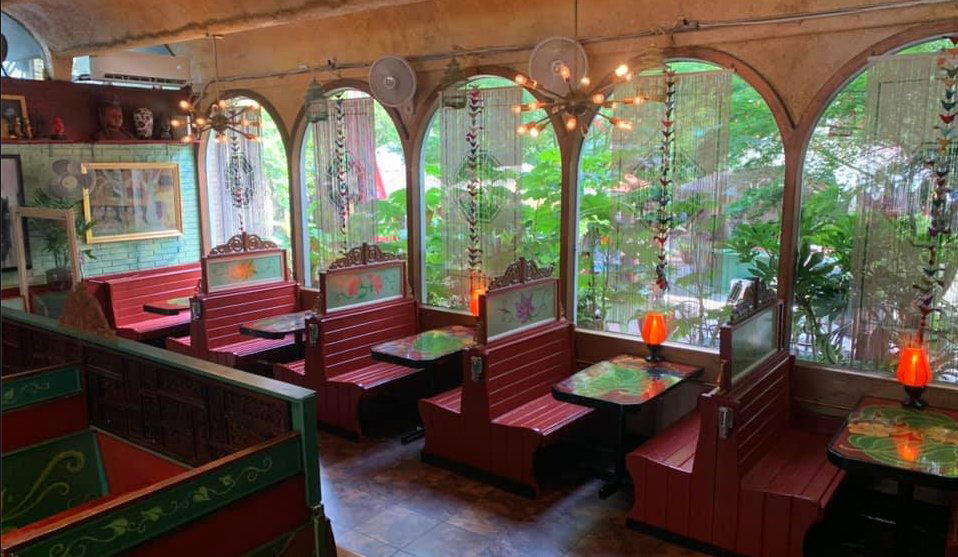
Where Wilmington's Dining Defaults End
Wayne Drive is not the most conspicuous street in Wilmington's mid-city grid, and that geographic modesty has something to do with why Indochine Restaurant has sustained a following without the waterfront visibility that drives foot traffic to so many Cape Fear addresses. The dining room sits at 7 Wayne Dr, a location that requires intent rather than impulse, which tends to self-select for guests who already know what they are looking for. In a coastal North Carolina city where the dominant dining conversation runs between Atlantic seafood and European bistro formats, a Southeast Asian kitchen occupies a distinct position by default.
Wilmington's restaurant scene is genuinely interesting in ways that its reputation sometimes undersells. The city has a working port, a state university campus, and a film industry presence that together produce a more cosmopolitan appetite than the beach-town framing suggests. Still, the cuisines that get the most critical and tourist attention here remain anchored to local geography: oysters from the surrounding estuaries, fish from the nearby Atlantic, European wine-list formats. When a kitchen draws its references from a different part of the world entirely, that contrast carries editorial weight worth examining.
Southeast Asian Cooking and the Sourcing Question
The ingredient-sourcing challenge for Southeast Asian restaurants operating outside major metropolitan areas is structural, not incidental. The flavor architecture of Vietnamese, Thai, Cambodian, and Laotian cooking depends on a set of aromatics, fermented condiments, fresh herbs, and specific rice and noodle formats that are not easily substituted. Lemongrass, galangal, kaffir lime leaf, fresh turmeric, Thai basil, fish sauce made to regional specification — these are not interchangeable with domestic alternatives, and the gap between sourced-correctly and substituted-in is apparent on the plate.
Smaller cities have historically managed this problem in one of two ways: either by simplifying menus to accommodate what local suppliers can reliably provide, or by building relationships with specialty distributors and, in some cases, growing certain herbs on-site. Restaurants that take the latter approach tend to produce more textured results, because the cooking retains access to the full range of flavor compounds the cuisine actually requires. The menu at any given Southeast Asian restaurant in a city like Wilmington is therefore partly a document of its sourcing commitments. What is on it, and at what degree of specificity, reflects decisions about supply chain that most guests never see.
For Wilmington diners, this context matters when reading the menu at Indochine. The city sits within reasonable distribution range of the Raleigh-Durham corridor, which has a Vietnamese population large enough to support specialist ingredient suppliers.
Wilmington's Drinking Scene as Context
Any dinner in Wilmington is preceded or followed by choices about where to drink, and the bar scene here has developed in ways that reward some forward planning. End of Days Distillery operates as both a production facility and a tasting room, giving it a different kind of authority than a standard cocktail bar. Catch works the seafood-and-cocktail pairing that makes sense given the city's coastal orientation. Caprice Bistro has a wine-forward posture that aligns with European bistro formats. Benny's Big Time Pizzeria sits further toward the casual end of the spectrum.
For Southeast Asian food specifically, the cocktail question is less settled. The flavor profiles — fish sauce salinity, galangal heat, citrus brightness, palm sugar sweetness, interact with spirits in ways that the standard wine list handles poorly. Lager and certain aromatic whites are the traditional pairings, but well-constructed cocktail programs using Southeast and East Asian spirits or technique can work effectively. Nationally, bars like Kumiko in Chicago and Bar Leather Apron in Honolulu demonstrate what that looks like at a high level. Closer in spirit, Jewel of the South in New Orleans shows how Southern American cities can support genuine cocktail ambition, and Julep in Houston points to how spirit-focused programming can reflect regional identity without becoming generic. For bars outside the South, ABV in San Francisco, Superbueno in New York City, and The Parlour in Frankfurt each illustrate how serious bar programs operate across very different market contexts.
Planning a Visit
Wilmington's dining scene rewards planning over spontaneity, particularly at restaurants that are not part of the downtown waterfront cluster. Indochine's Wayne Drive address puts it in a residential mid-city zone rather than in the high-turnover dining corridors. Our full Wilmington restaurants guide covers the broader scene and can help with timing decisions around the city's seasonal rhythms, which shift noticeably between the summer tourist peak and the quieter autumn and winter months when local regulars dominate most rooms.
Southeast Asian kitchens of this type tend to run with lean staffing models, and capacity constraints affect timing in ways that are less visible from the outside than at larger operations.
Editorial Assessment
What makes Indochine Restaurant worth including in a serious Wilmington dining conversation is not novelty for its own sake. Southeast Asian cooking has been in American cities long enough that its presence is not automatically notable. What remains notable, in any mid-sized American city, is a kitchen that takes the sourcing question seriously enough to maintain the flavor specificity the cuisine actually requires. That is harder in Wilmington than in Atlanta or Houston, and the effort required to do it correctly is not trivial. What the address and category alone suggest is that it occupies a genuine gap in the local offer, and that gap has value in a city where the dominant register is, almost by default, coastal American.
Continue exploring
More in Wilmington
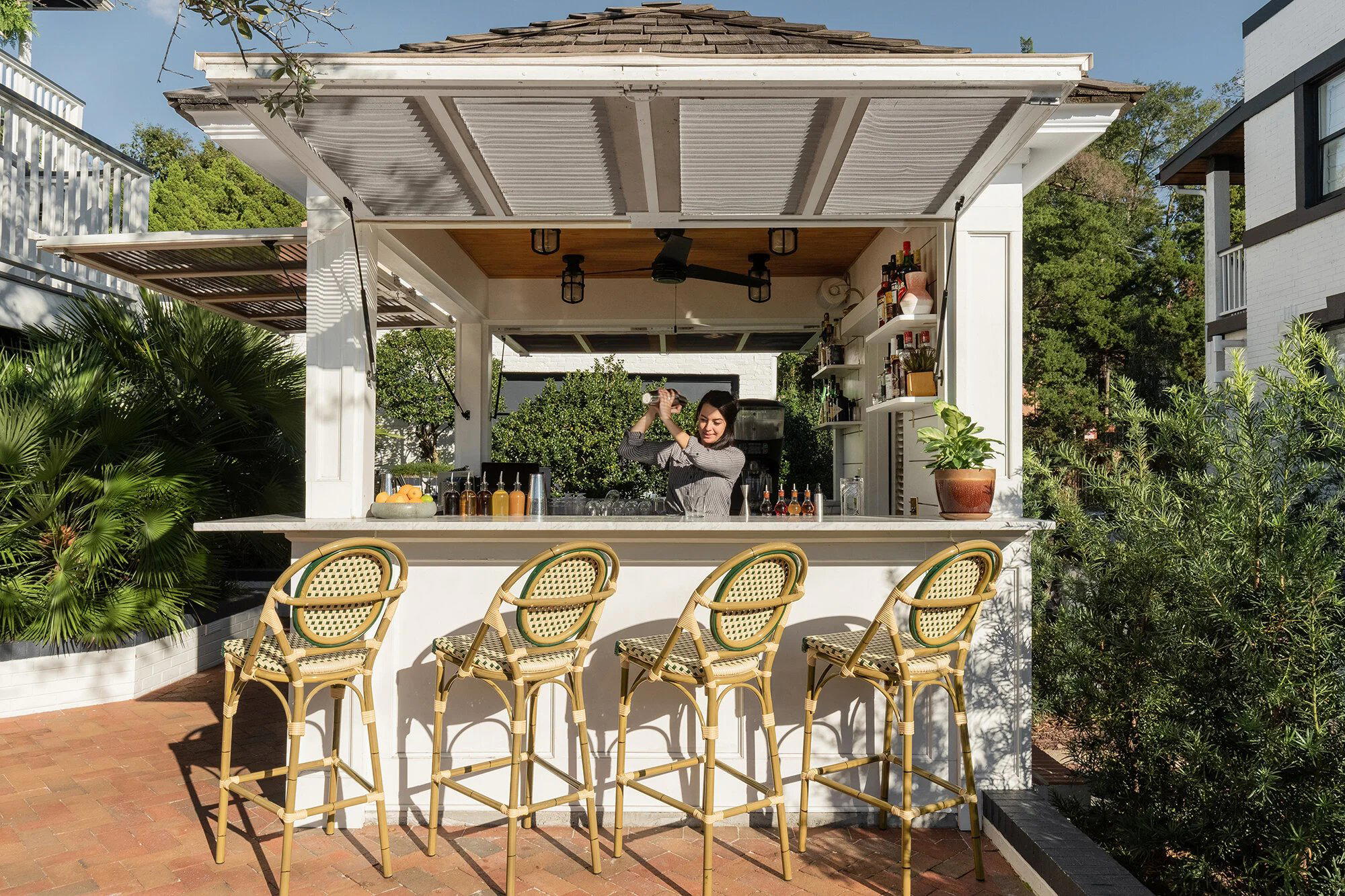
Bars in Wilmington
Browse all →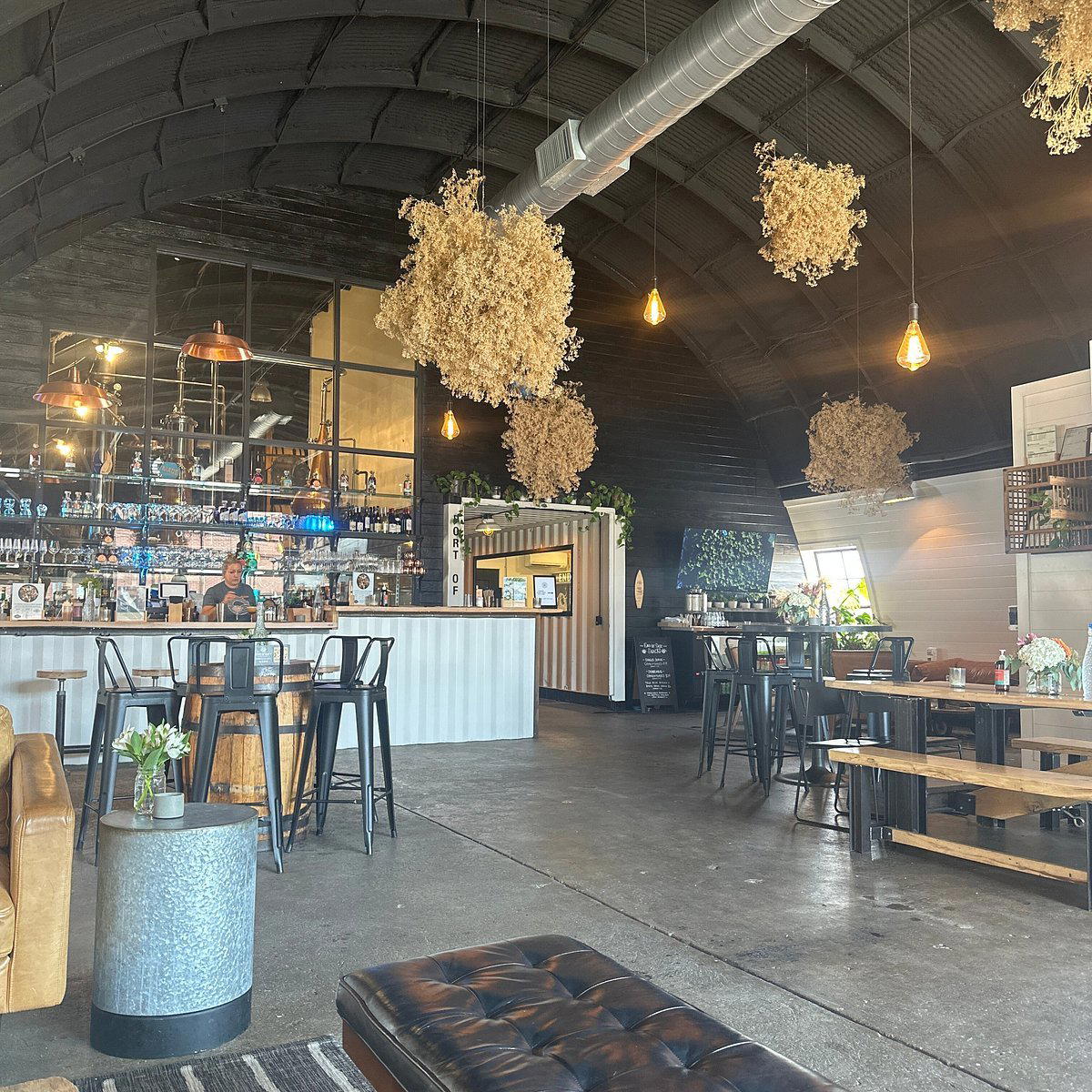
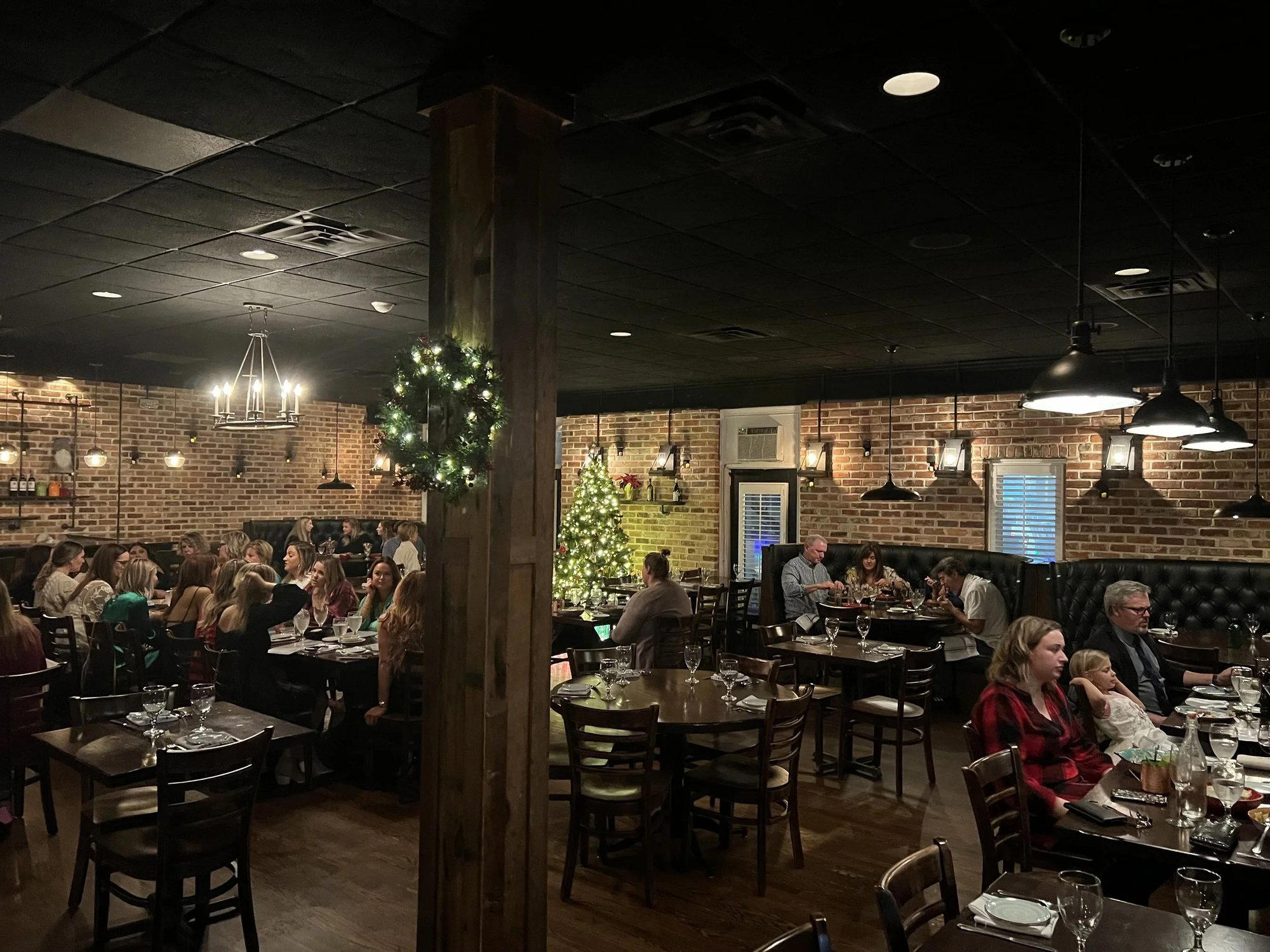
Restaurants in Wilmington
Browse all →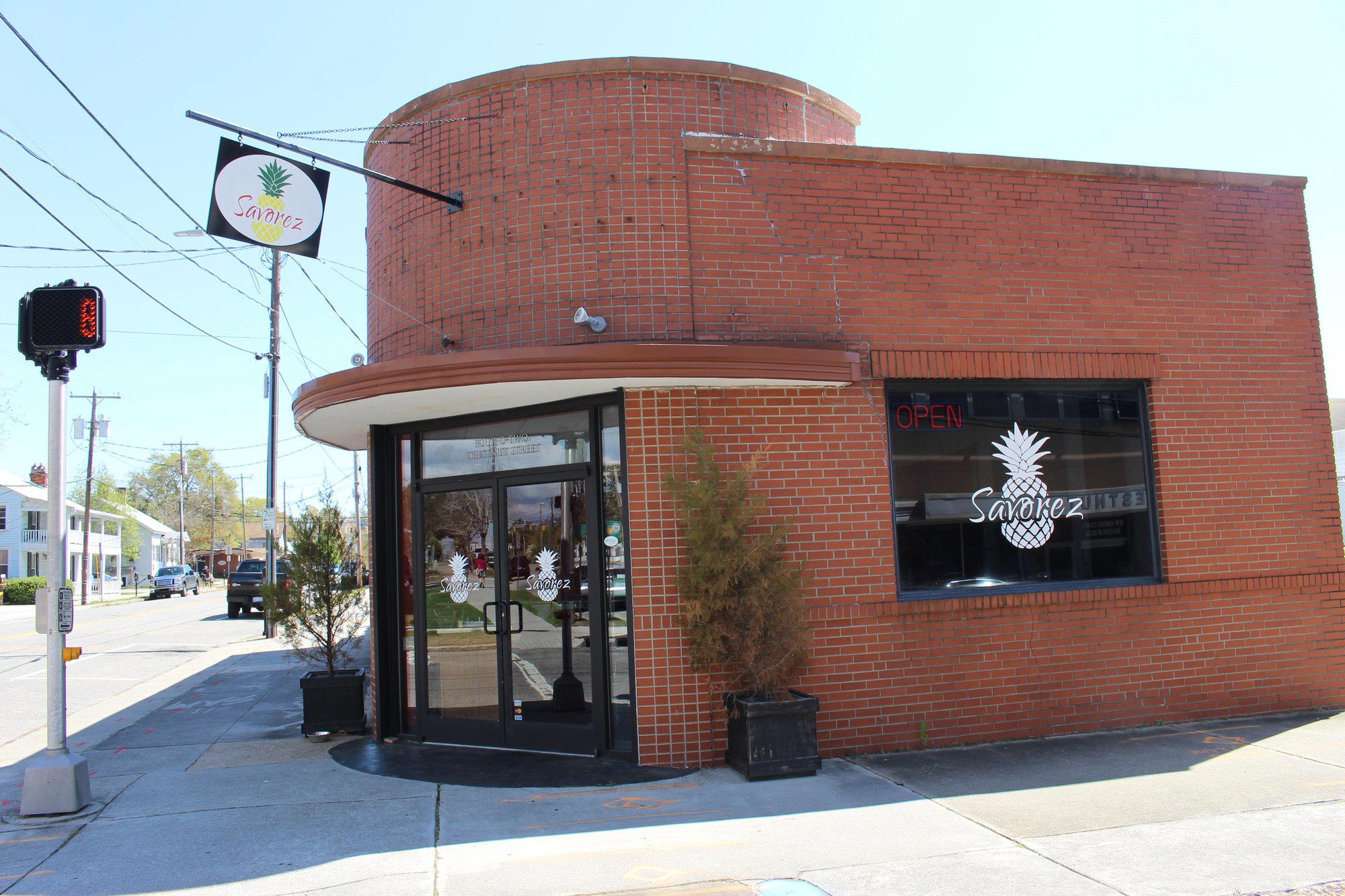
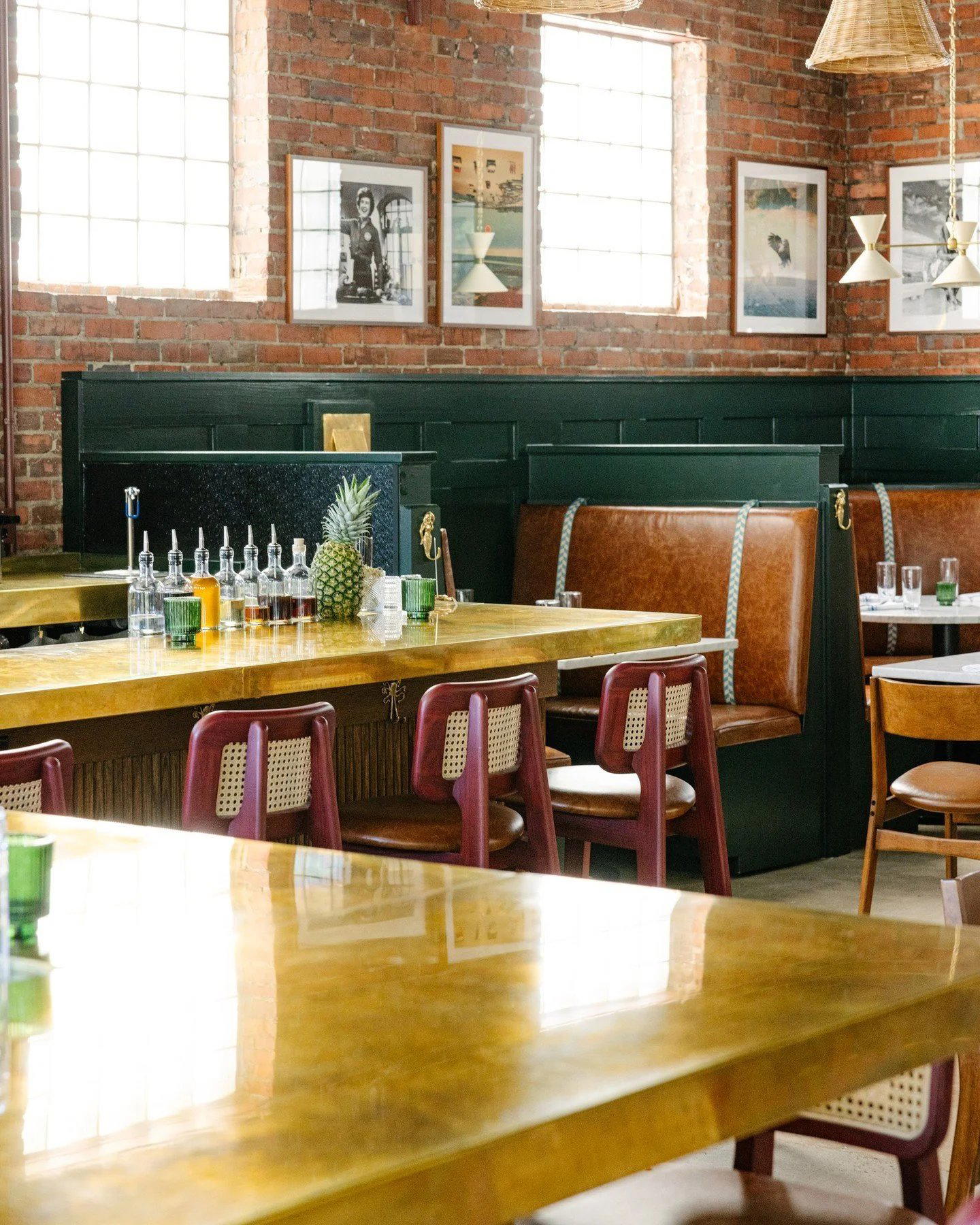
Hotels in Wilmington
Browse all →
At a Glance
- Romantic
- Elegant
- Cozy
- Scenic
- Date Night
- Group Outing
- Special Occasion
- Garden
- Courtyard
- Lounge Seating
- Outdoor Terrace
- Craft Cocktails
- Garden
Current opening hours
- Monday
- 11 AM–10 PM
- Tuesday
- 11 AM–10 PM
- Wednesday
- 11 AM–10 PM
- Thursday
- 11 AM–10 PM
- Friday
- 11 AM–10 PM
- Saturday
- 12–10 PM
- Sunday
- 12–9 PM
Hours can change for holidays and private events. Last verified .
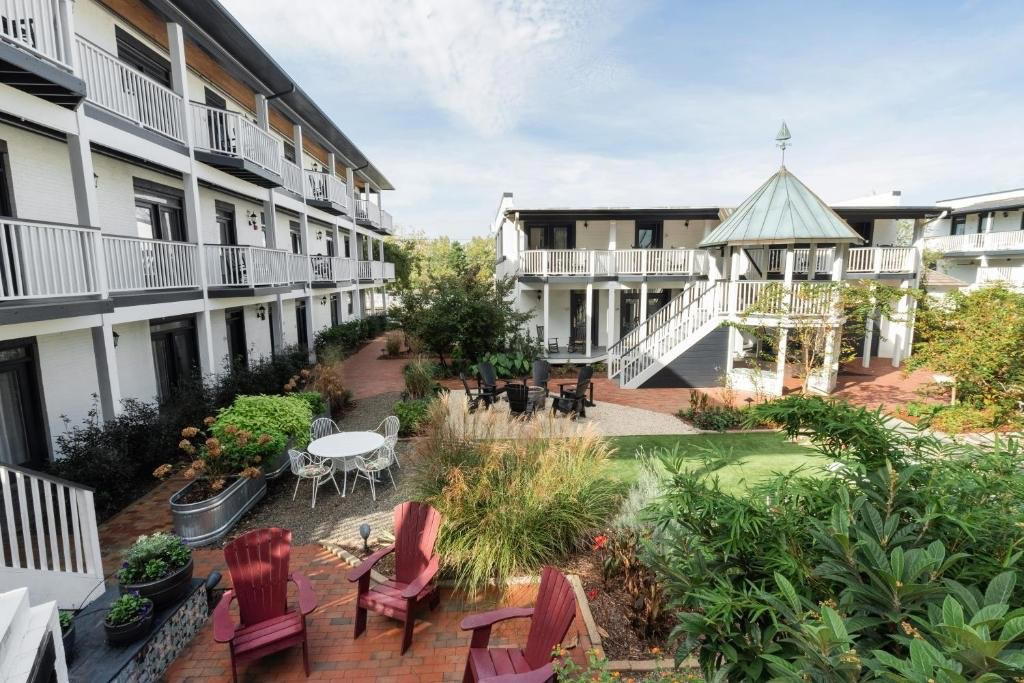
Beautiful lush garden setting with lively indoor-outdoor space.
Know Before You Go
- Getting there
- 7 Wayne Dr, Wilmington, NC 28403