Ichifuji Sushi
Ichifuji Sushi runs counter only service at 7530 Mesa College Dr B in San Diego, with sake on the drink program and a quiet, upscale-casual feel.
Pearl is the En Primeur Club membership app — saves, bookings, and concierge access live there. Same editors, same standards.
- Address
- 7530 Mesa College Dr B, San Diego, CA 92111
- Phone
- +1 858 565 1179
- Website
- ichifujisushi.com
- Directions
- Get directions
 Saves & bookings on Pearl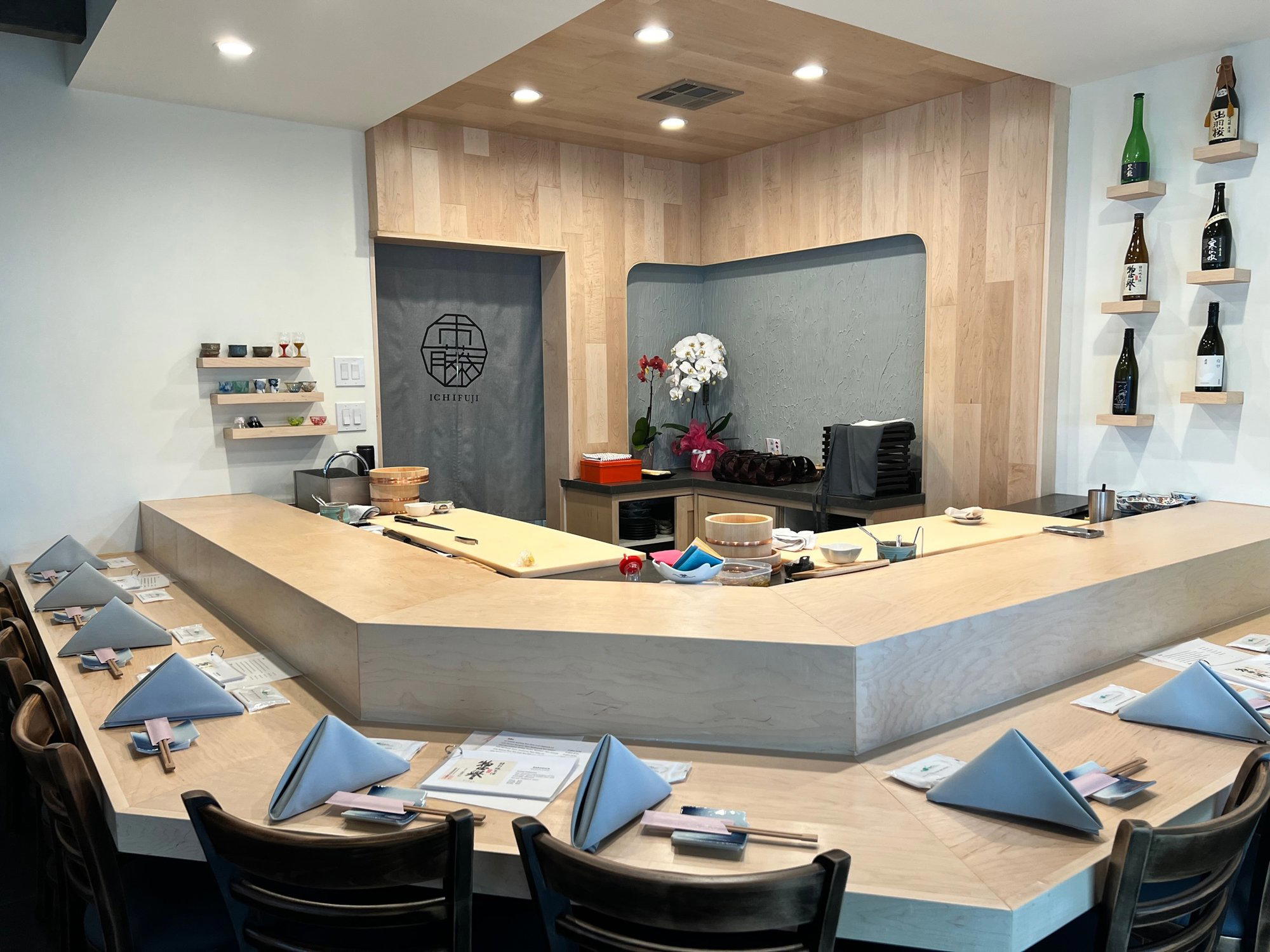
Where Mesa College Drive Meets the Omakase Tradition
San Diego's sushi scene has long operated in two registers: the tourist-facing rolls of the Gaslamp Quarter and the quieter, neighborhood-anchored counters that reward local knowledge. The stretch of Mesa College Drive running through the Kearny Mesa corridor belongs firmly to the second category. This part of the city has accumulated one of Southern California's denser concentrations of Japanese and Korean dining without much fanfare, which is precisely why it draws regulars rather than first-timers scrolling through travel apps. Ichifuji Sushi, at 7530 Mesa College Dr B, sits inside that ecosystem, a strip-mall address that signals nothing from the outside and, by the conventions of this particular dining tradition, isn't meant to.
The Kearny Mesa Counter Culture
Understanding where Ichifuji sits requires a brief orientation to the neighborhood itself. Kearny Mesa developed its Japanese dining density over several decades, partly through proximity to San Diego's Japanese-American community and partly through the organic clustering that happens when one strong operator attracts others. The result is a corridor where a diner can move between Japanese grocery, ramen, izakaya, and sushi within a few blocks, with the better counters distinguished by regulars who treat reservation slots as something closer to subscriptions than one-off bookings. This is the same dynamic that shapes omakase counters in Los Angeles's Sawtelle district or the Japanese-run sushi rooms in certain San Francisco neighborhoods, where address prestige is irrelevant and repeat custom is the only metric that matters. For comparison, the craft-focused bar programs in San Diego's downtown, including Raised by Wolves and Youngblood, have built similar reputations on craft over venue spectacle, placing themselves in peer sets defined by technical ambition rather than location.
The Sushi Counter as Craft Format
The editorial angle that applies most directly to a neighborhood sushi room like this one is not the chef's biography, but the format itself. The sushi counter is one of the few remaining dining formats where the person preparing the food and the person serving it are, typically, the same individual. This collapses the usual distance between kitchen and table into something more direct: the guest watches the rice being pressed, the fish being cut, the temperature of the neta managed through the practitioner's hands. In this sense, the counter operates like the better bar programs found in cities across the country, places where the person behind the bar is both craftsperson and host. The parallel is worth drawing out: Kumiko in Chicago and Bar Leather Apron in Honolulu have both built followings on this same principle, the sustained attention of a single skilled practitioner translating into a guest experience that feels configured for the individual rather than the crowd. The sushi counter achieves this through physicality and proximity.
That format logic places the neighborhood sushi room in a different competitive tier from the large-format Japanese restaurants that have expanded across San Diego's coastal neighborhoods. It also means that the signals worth reading are different: how the room is paced, whether the fish is sourced from the Tsukiji or Toyosu markets or from West Coast distributors who supply Japanese-run operations, and whether the rice is calibrated to the fish being served. These are the measures that experienced counters are judged by, and they are not visible in a photograph or a marketing description.
San Diego's Sushi Positioning: A Wider View
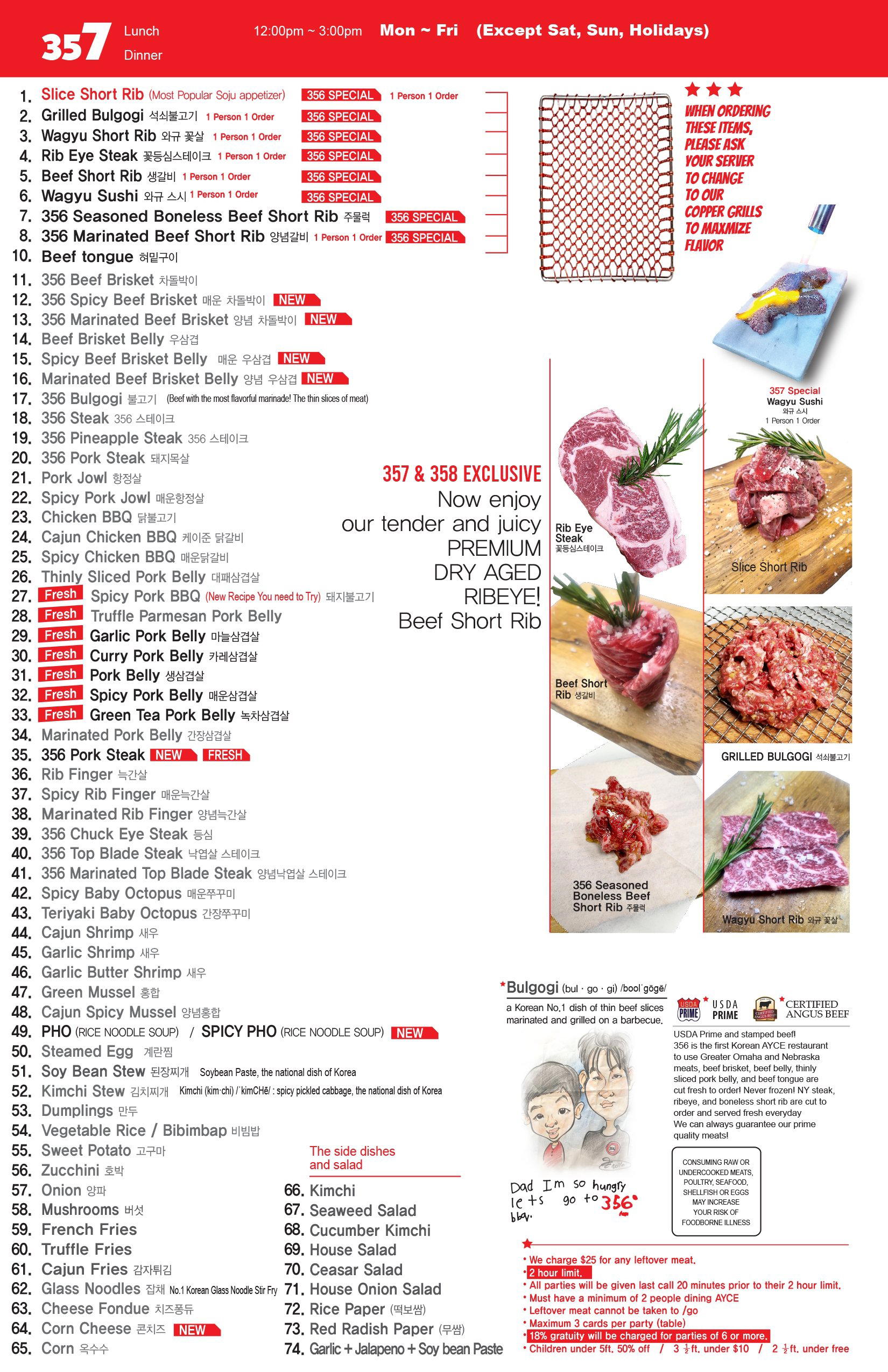
California's sushi scene occupies a complicated position in the national conversation. Los Angeles holds the largest and most stratified market, with counters ranging from affordable neighborhood rooms to reservation-only omakase at significant price points. San Francisco's Japanese-American dining history gives it a different character, anchored in older establishments and newer import talent. San Diego sits between these two cities geographically and, in many respects, culinarily: less pressurized than LA, less historically layered than SF, but with a core of neighborhood Japanese restaurants that have sustained loyal clienteles across decades. The Kearny Mesa corridor is the most coherent expression of that mid-tier seriousness, the place where the city's Japanese dining infrastructure is most concentrated and least mediated by tourism. For readers mapping San Diego's wider dining and drinking scene, our full San Diego restaurants guide places these neighborhoods in broader context alongside venues like 1450 El Prado and 356 Korean BBQ & Bar, which represent different registers of the city's current dining energy.
The Craft Bar Parallel: What Hospitality Format Tells You
One productive way to think about neighborhood sushi counters is through the lens of the craft bar, particularly the kind of focused, technically serious programs that have proliferated in American cities over the past decade. Bars like Jewel of the South in New Orleans, Julep in Houston, Superbueno in New York City, ABV in San Francisco, and The Parlour in Frankfurt on the Main share a structural logic with the serious neighborhood sushi room: small format, practitioner-forward, deeply local in clientele, and largely indifferent to the kind of press cycle that drives table-booking spikes. The sushi counter functions on this same closed loop of quality and word-of-mouth. The person behind the bar and the person behind the fish case are both the program's public face and its technical foundation.
Planning a Visit: What to Know
Ichifuji Sushi is located at 7530 Mesa College Dr B in the Kearny Mesa area of San Diego, a neighborhood that requires a car or rideshare to reach conveniently from downtown. The strip-mall setting is characteristic of the corridor and should not function as a deterrent; the density of serious Japanese restaurants in this immediate area reflects decades of community building rather than recent gentrification. Because no booking details are publicly confirmed through EP Club's verified data, the practical advice is to arrive early or call ahead if contact information becomes available through the venue directly. Pricing, hours, and menu format are best confirmed at the source. This is consistent with how the better neighborhood counters in this corridor have traditionally operated, favoring regulars and direct contact over third-party booking platforms.
Continue exploring
More in San Diego
Bars in San Diego
Browse all →
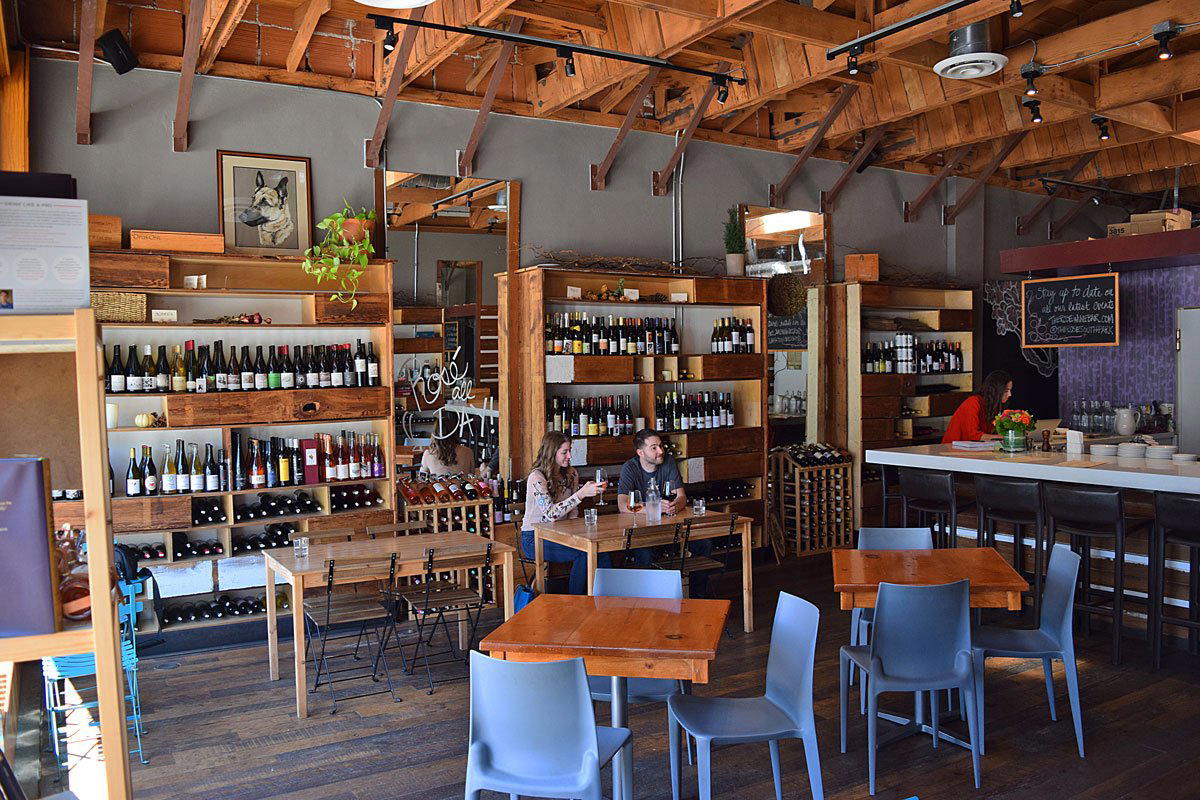
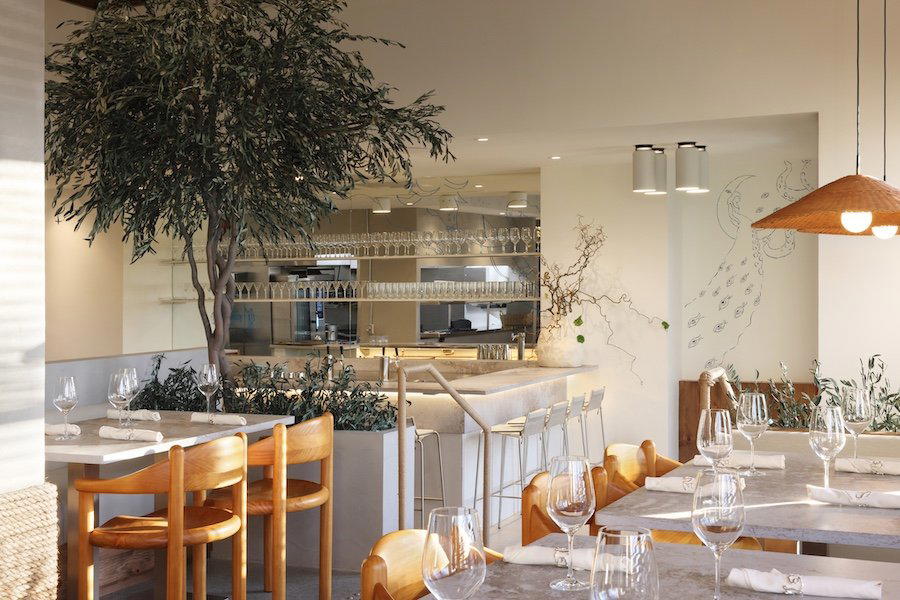
Restaurants in San Diego
Browse all →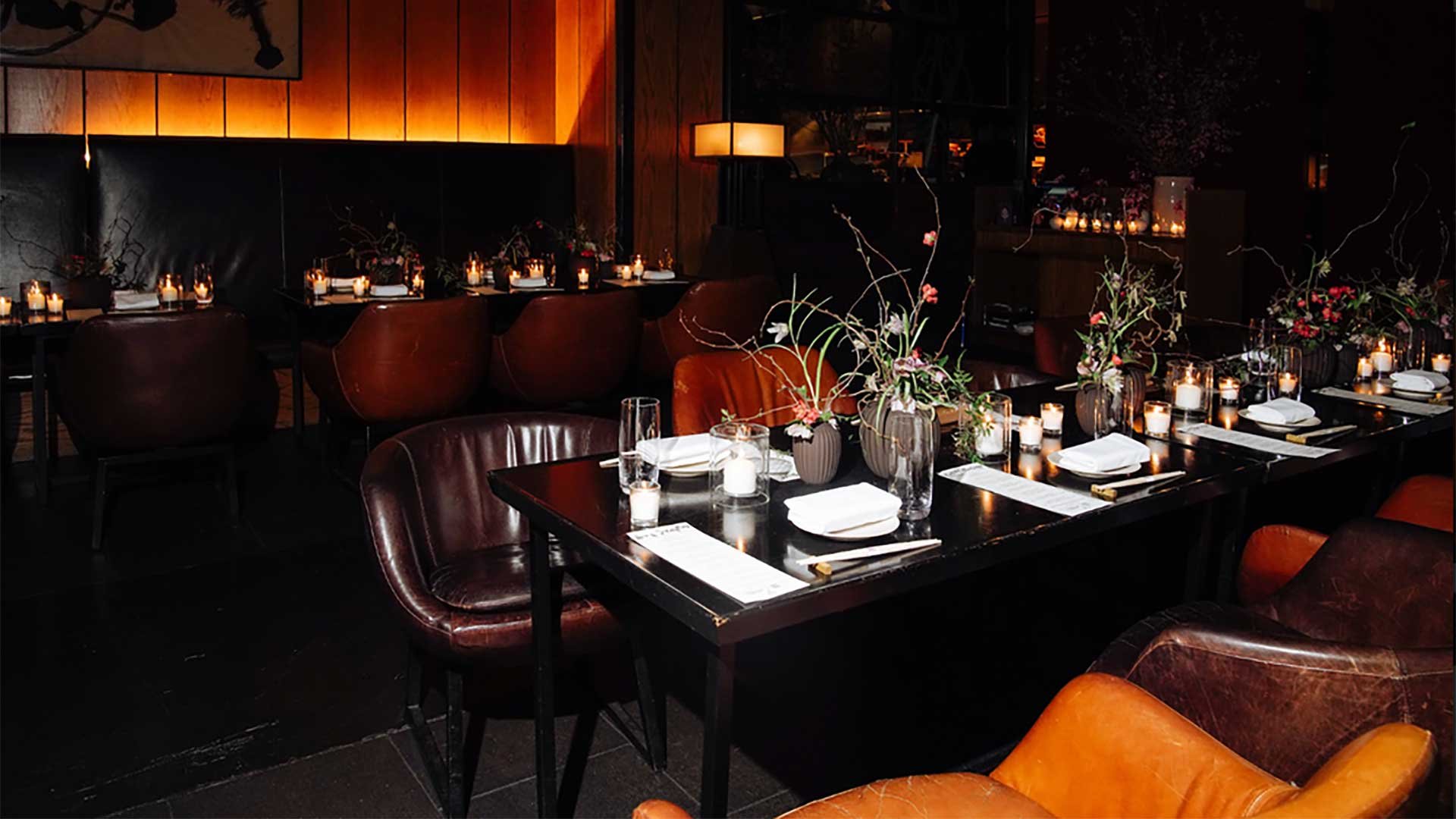
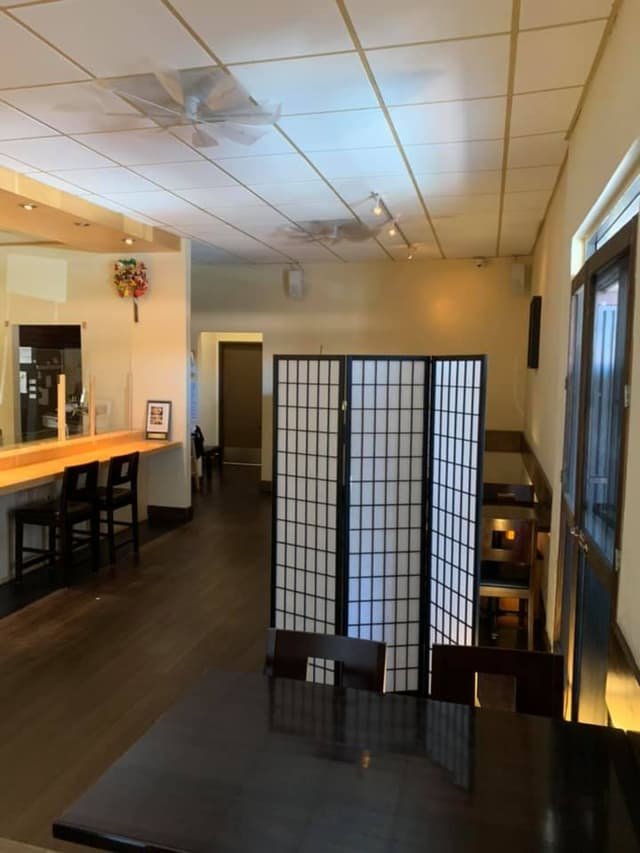
At a Glance
- Intimate
- Elegant
- Sophisticated
- Special Occasion
- Standalone
- Counter Only
- Sake
Current opening hours
- Monday
- 5–10 PM
- Tuesday
- Closed
- Wednesday
- 5–10 PM
- Thursday
- 5–10 PM
- Friday
- 5–10 PM
- Saturday
- 5–10 PM
- Sunday
- 5–10 PM
Hours can change for holidays and private events. Last verified .
Know Before You Go
- Getting there
- 7530 Mesa College Dr B, San Diego, CA 92111