Beru Bar
Beru Bar belongs to the Maldives’ resort-bar tradition, where the setting shapes the drinking as much as the glass.
- Address
- Huruvalhi Island, Maldives
- Phone
- +960 658-5555
- Website
- hyatt.com
- Directions
- Get directions
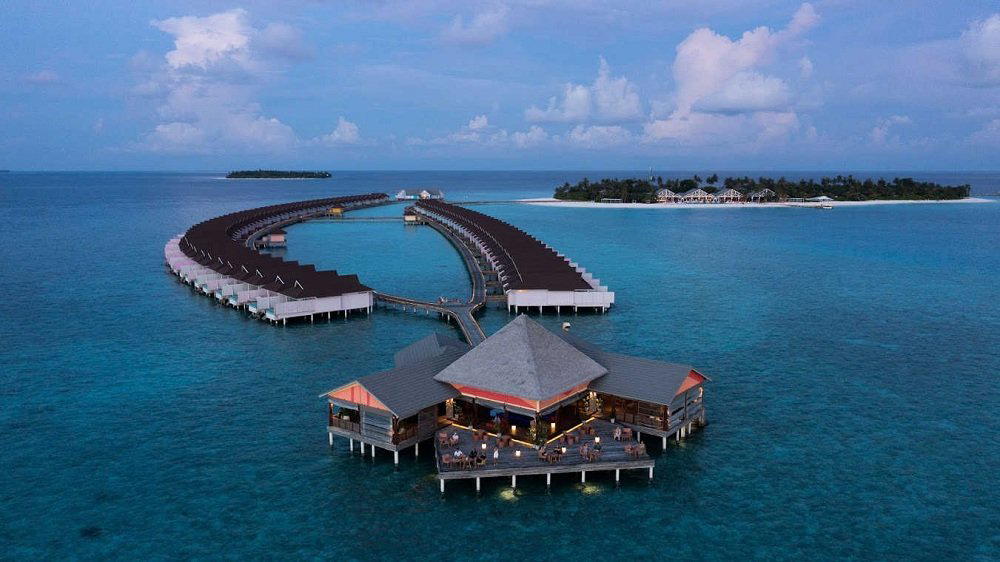
Arrival, water, and the resort-bar grammar
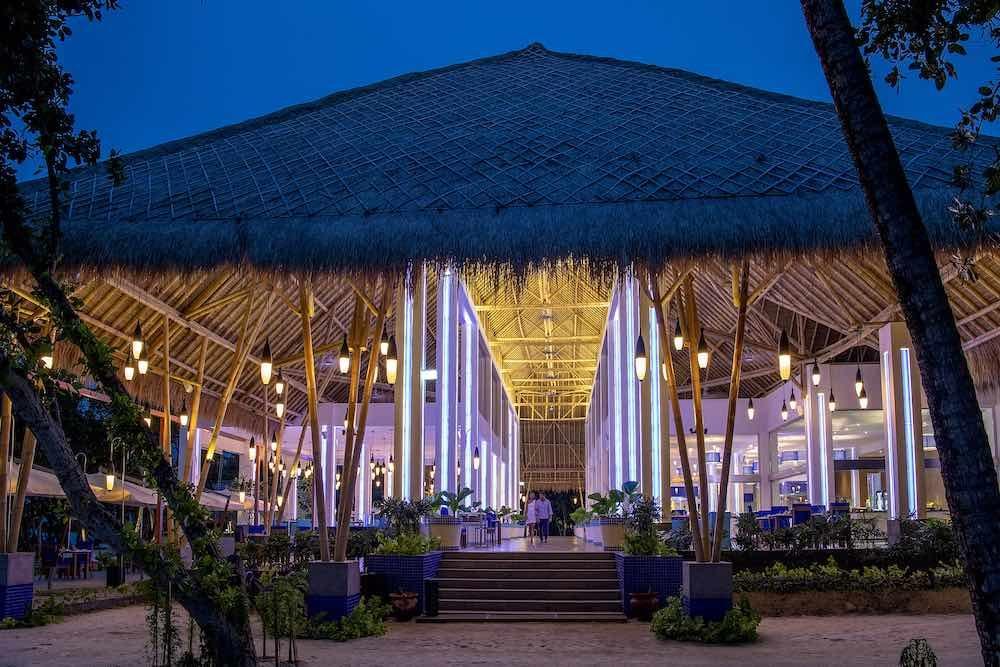
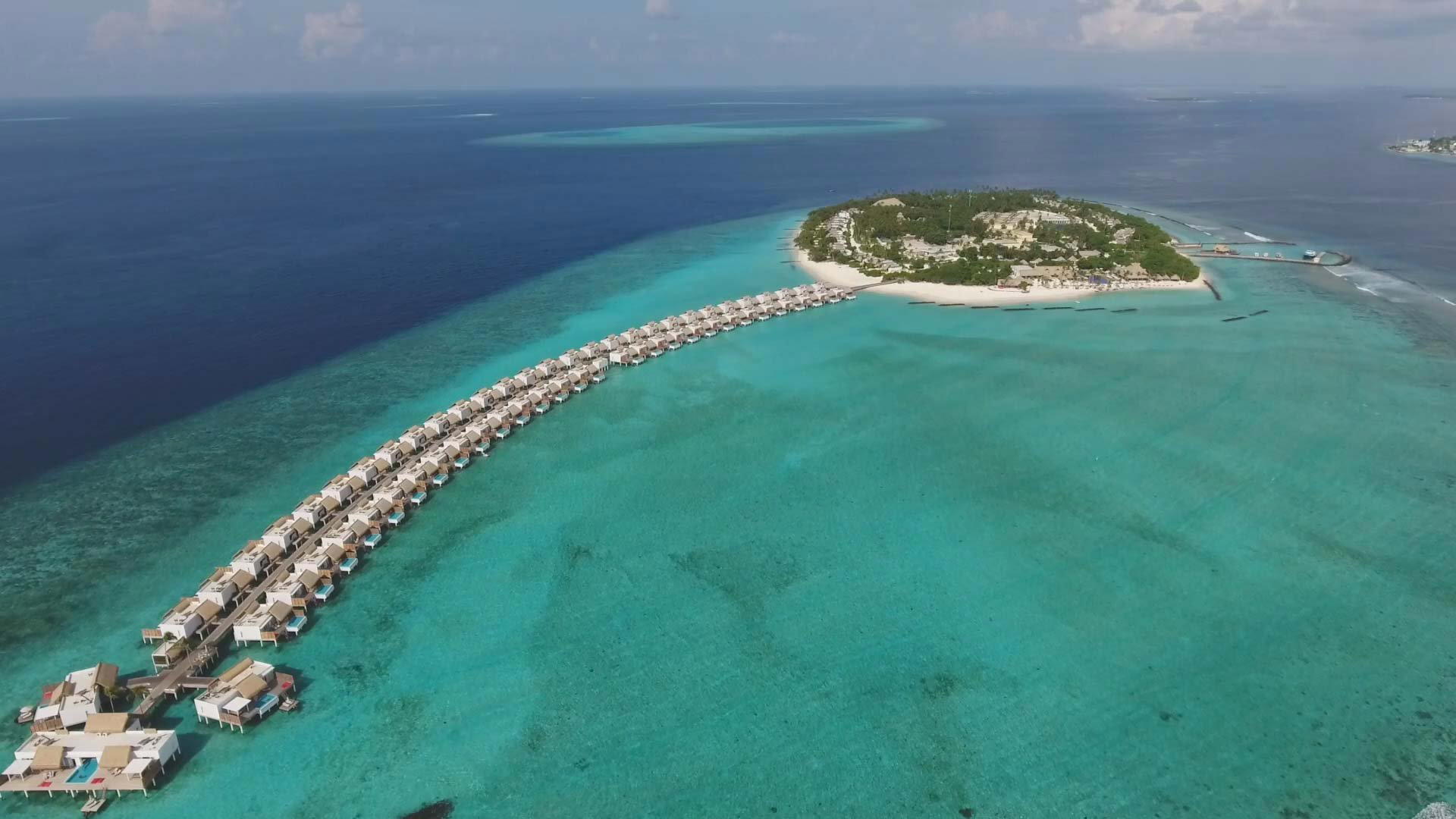
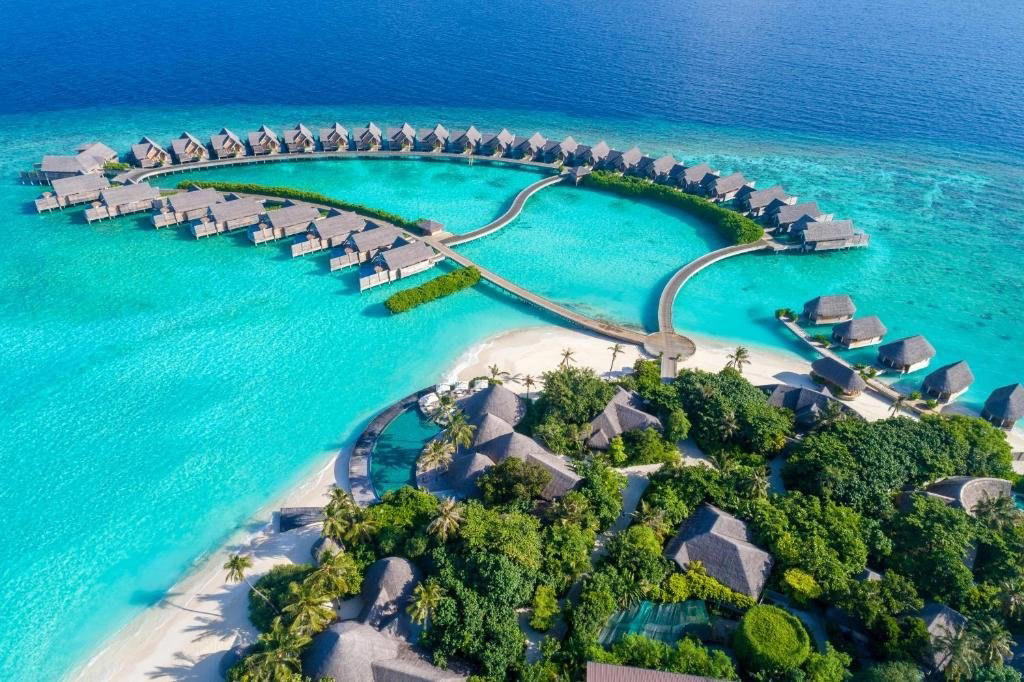
On a Maldivian island, a bar is rarely just an address. The approach is part of the format: sand underfoot, sea air moving through open-sided rooms, the soft choreography of a resort where dinner, sunset, and late drinks are separated less by distance than by mood. Huruvalhi Island sits inside that grammar. The drinking culture here is shaped by arrival rituals, resort pacing, and the way tropical light changes the room before the first order is placed.
In a city bar, those missing details would make assessment thin. On an island resort, they shift the critical lens. The reader should judge this kind of venue by how it fits into the island’s daily sequence, how clearly the drinks programme handles heat and humidity, and how well the bar serves the interval between water, dinner, and night.
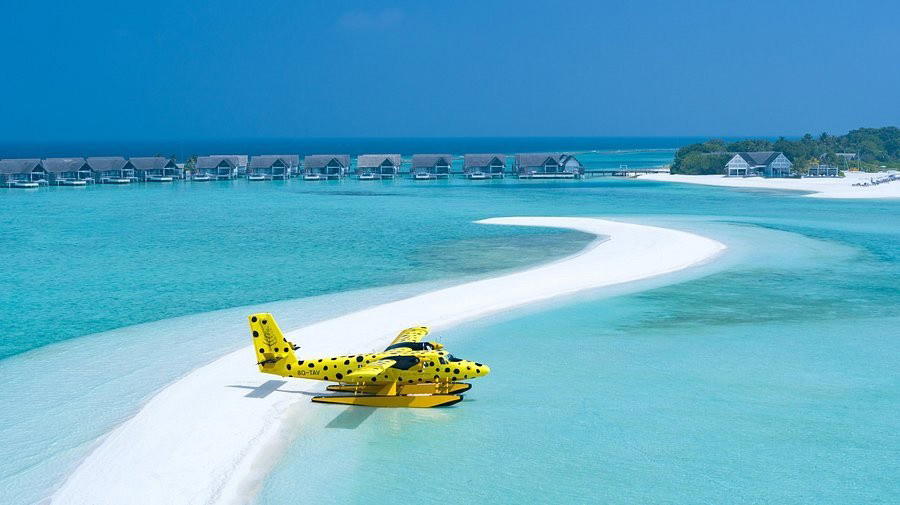
The Maldives has spent the past two decades moving from simple resort hospitality toward more specialised food and beverage programming. Cocktail bars in this setting have a different task from urban lounges in London, New York, or Singapore. They must be relaxed enough for bare feet and salt-dried hair, but precise enough to hold attention after a long-haul journey and a seaplane or boat transfer. That tension is the real subject: not theatrical mixology for its own sake, but drinks that can survive climate, repetition, and a guest base arriving from several time zones.
The cocktail programme in an island context
The better editorial question is what a serious cocktail programme needs to do in this part of the Maldives. Heat changes drinking. High-acid, lower-alcohol, bitter, sparkling, and long-format drinks tend to make more sense in tropical resort settings than spirit-heavy serves designed for winter cities. Ice quality, dilution control, citrus handling, glass temperature, and pacing become technical markers, even when the room looks casual.
Island bars also carry a quiet burden of range. A single resort bar may need to serve aperitifs before seafood, late-night digestifs, non-alcoholic drinks for guests avoiding alcohol, classic cocktails for conservative drinkers, and resort signatures for visitors who want a sense of place. The stronger programmes do not confuse sweetness with hospitality. They use acidity, texture, bitterness, saline notes, herbs, tea, coconut, spice, or tropical fruit with restraint, rather than turning the menu into a souvenir stand. Those are the cues to watch for here.
In the current premium-resort market, the more interesting bars have moved away from overdecorated drinks and toward clarity: fewer garnishes, cleaner builds, and a better understanding of temperature. That global shift is visible from Asia-Pacific hotel bars to American cocktail rooms. For a useful comparison outside the Maldives, Café La Trova in Miami shows how live atmosphere and classic structure can coexist, while Happy Accidents in Albuquerque reflects a more experimental American approach to format and service. Roquette in Seattle points in another direction: a bar culture where spirits knowledge and aperitif logic carry much of the interest. The Maldives sits apart from those cities, but the same questions apply: is the drink balanced, does the format suit the room, and does the programme have discipline?
How Huruvalhi changes the read
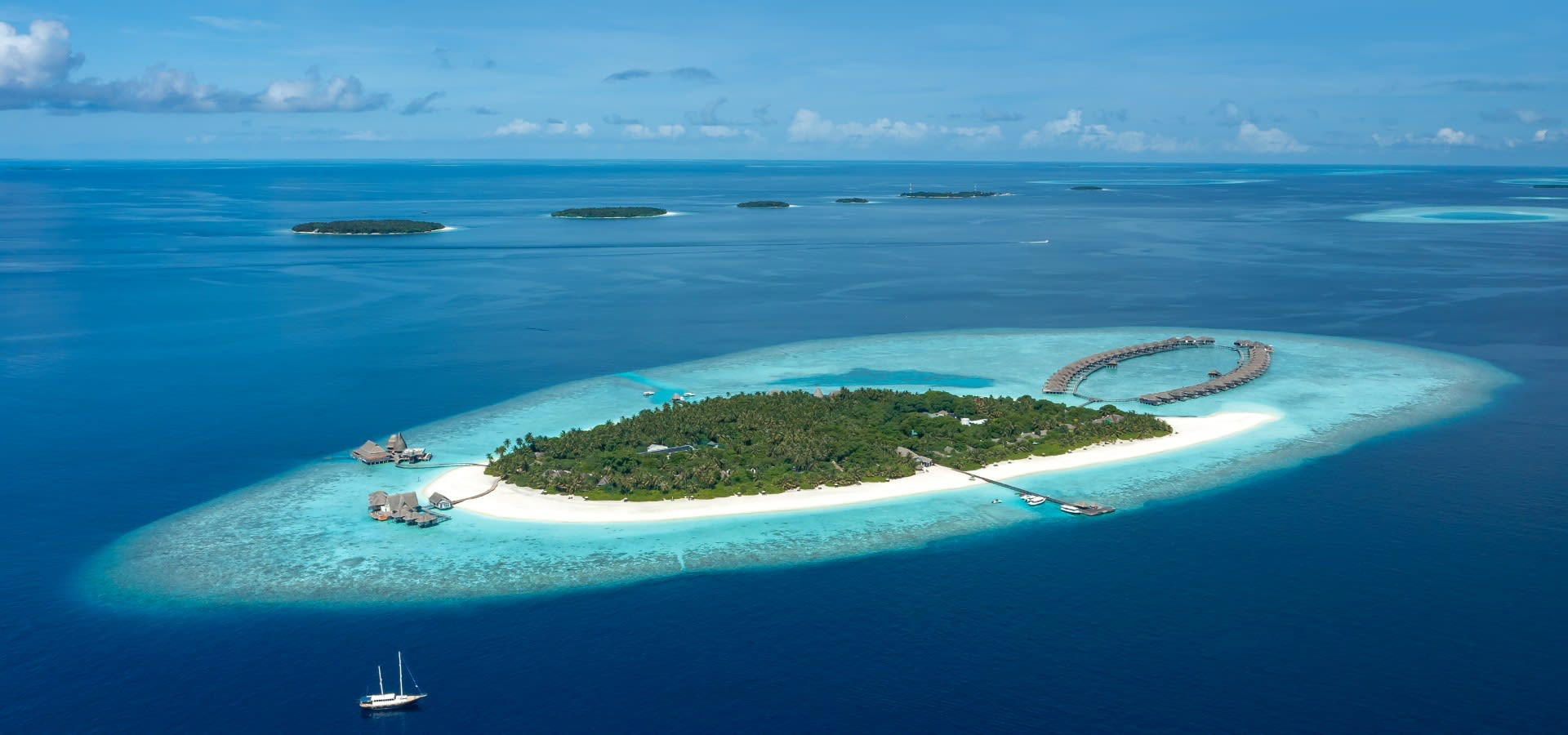
Huruvalhi Island is not an urban neighbourhood where guests bar-hop across a grid. The island model creates a captive rhythm. Choices are shaped by the resort’s own dining rooms, transfer schedules, weather, sunset timing, and the distance between accommodation and public spaces. That makes internal comparison more useful than street-level competition. A bar here competes less with another doorway next door and more with the lagoon, the villa deck, room service, and the decision to stay out after dinner.
That is why atmosphere carries unusual weight. Open-air resort bars have to manage comfort without losing the sense of place. Too much polish can flatten the island into a generic luxury set. Too little structure can make the experience feel improvised. The point of a good Maldivian resort bar is balance: enough ease to let the setting breathe, enough technical control to justify the glass. Beru Bar should be approached with that standard in mind.
For broader context around the island, Our full Huruvalhi Island restaurants guide is the better companion for dinner planning, while Our full Huruvalhi Island hotels guide helps place drinking venues inside the wider resort infrastructure. Readers comparing formats across categories can also use Our full Huruvalhi Island experiences guide for non-restaurant planning and Our full Huruvalhi Island wineries guide where wine-led programming is relevant.
Maldives resort bars and the new premium drinking pattern
The premium bar conversation in the Maldives is different from the one in dense cocktail cities. There is less emphasis on street culture, late-night footfall, and independent ownership, and more emphasis on resort systems: procurement, training, glassware, ice, staffing continuity, and the ability to deliver consistent drinks across long operating days. A good island bar is rarely loud about its competence. The signs are practical. Drinks arrive at the right temperature. Aperitifs do not overwhelm dinner. Non-alcoholic options show the same level of thought as alcoholic serves. Staff can explain the difference between a refreshing long drink and a spirit-forward cocktail without reciting a script.
Maldivian resort hospitality also has to reconcile international expectations with local constraints. Many products are imported. Weather affects service. Guests arrive from Europe, the Gulf, Asia, Australia, and North America with different drinking habits. Some want Champagne at sunset, others want a classic martini, a tropical sour, a zero-proof spritz, or a neat pour after dinner. The programme that succeeds in this setting is not necessarily the flashiest. It is the one that reads the guest’s timing and the climate, then chooses restraint over excess.
Within the Maldives, comparison across atolls is useful because each resort ecosystem creates its own drinking identity. Azure in Baa Atoll, Aaraha Champagne Bar in South Ari Atoll, Avi in Noonu Atoll, and Amber in South Malé Atoll all sit within the same national hospitality frame, yet their names alone suggest different resort-bar archetypes: lagoon-facing leisure, Champagne-led ceremony, aviation-age sleekness, and sunset-toned aperitif culture. For Huruvalhi, the relevant question is where Beru Bar falls along that spectrum: casual island lounge, cocktail-focused stop, sundowner bar, or late-evening anchor.
What to look for in the glass
A more useful approach is diagnostic. Start by reading the menu structure: classics, house serves, sparkling drinks, tropical builds, non-alcoholic cocktails, wines by the glass, and spirits. A serious resort bar will make that structure legible rather than overwhelming. The menu should tell guests when to drink what, even if it never says so directly.
For aperitif drinking, acidity and bitterness matter. A sharp spritz, a dry highball, or a clean sour works better before dinner than a syrupy tropical drink. After dinner, the standard shifts. The bar’s handling of stirred drinks, aged spirits, amari, or dessert-adjacent serves becomes more relevant. During the day, length and dilution are not flaws; they are part of drinking well in heat. A long drink that remains balanced as ice melts is harder to execute than it looks.
Non-alcoholic drinks are now a credible test of hospitality. In resort environments, where guests may be diving, travelling with children, observing religious or personal restrictions, or spacing alcohol across a long stay, zero-proof options cannot be an afterthought. The stronger programmes build them from acidity, bitterness, spice, tea, herbs, or fermentation rather than simply removing the spirit from a sweet cocktail. If the bar gives as much attention to those drinks as to rum, gin, or sparkling wine, that is a meaningful signal.
Planning the evening
Plan through the resort or on-island guest services before treating this as a walk-in urban bar. In practice, island hospitality usually runs through the property’s internal communication channels, and guests should confirm opening times, whether reservations are needed, and whether the bar is tied to dinner service, sunset service, or late-night operation.
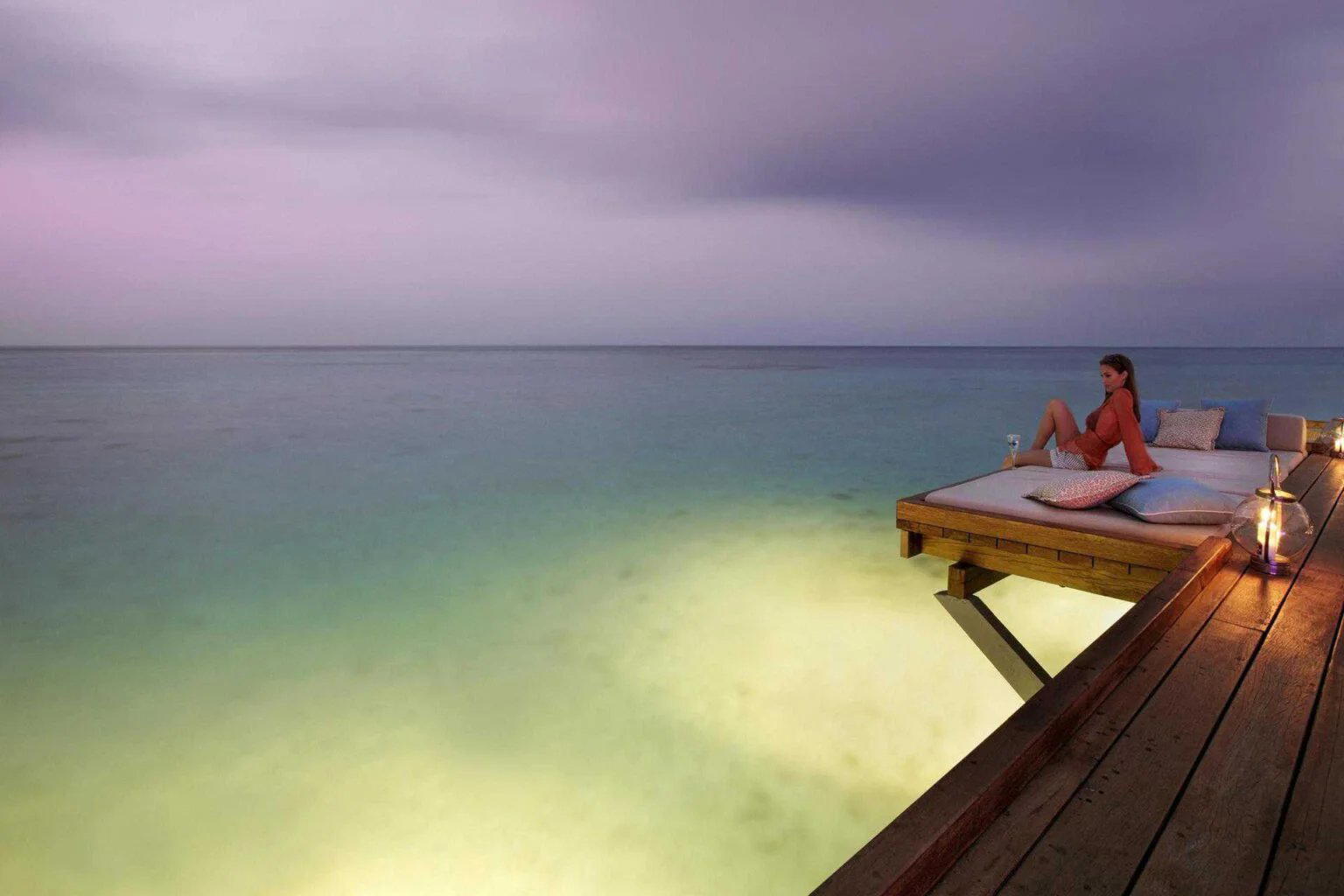
Timing should follow the island rather than the clock alone. Sunset is often the natural first sitting for drinks in the Maldives, while the post-dinner period tends to suit quieter cocktails and digestifs. Weather can change the mood quickly, and open-air or semi-open spaces may adjust service depending on conditions. Guests arriving on transfer days should also account for travel fatigue. A precise cocktail order matters less than choosing the right moment: pre-dinner for aperitifs, later for spirit-led drinks, daytime for long serves and non-alcoholic options.
Imported spirits, remote logistics, and luxury-service staffing shape the bill across the Maldives. That does not mean value is absent, but value should be judged by execution, pacing, setting, and service competence, not by comparison with a mainland bar. For a wider local drinking map, Our full Huruvalhi Island bars guide gives the broader category view.
Editorial verdict
Beru Bar is leading understood as part of Huruvalhi Island’s resort rhythm rather than as a standalone cocktail destination with a published awards trail. The record does not support claims about named drinks, bartender credentials, prices, capacity, or accolades, so the honest assessment is contextual: this is a bar to read through atmosphere, timing, and the discipline of its drinks programme once on island.
For the right guest, that may be enough. Maldives travel often rewards venues that understand transition: from sea to table, from sun to night, from arrival to rest. The main draw is likely not a single documented cocktail or a public ranking, but the role the bar plays in that sequence. If the programme keeps sweetness in check, respects temperature, and offers adult choices across alcoholic and zero-proof drinking, it belongs in the stronger tier of resort-bar experiences on Huruvalhi Island.
Continue exploring
More in Huruvalhi Island
Bars in Huruvalhi Island
Browse all →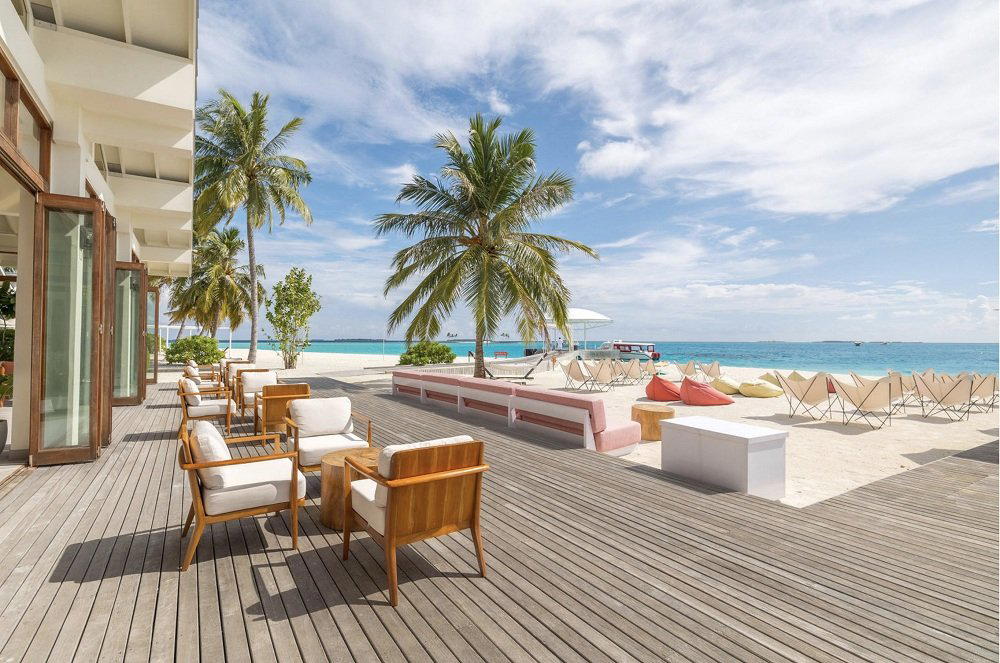

Restaurants in Huruvalhi Island
Browse all →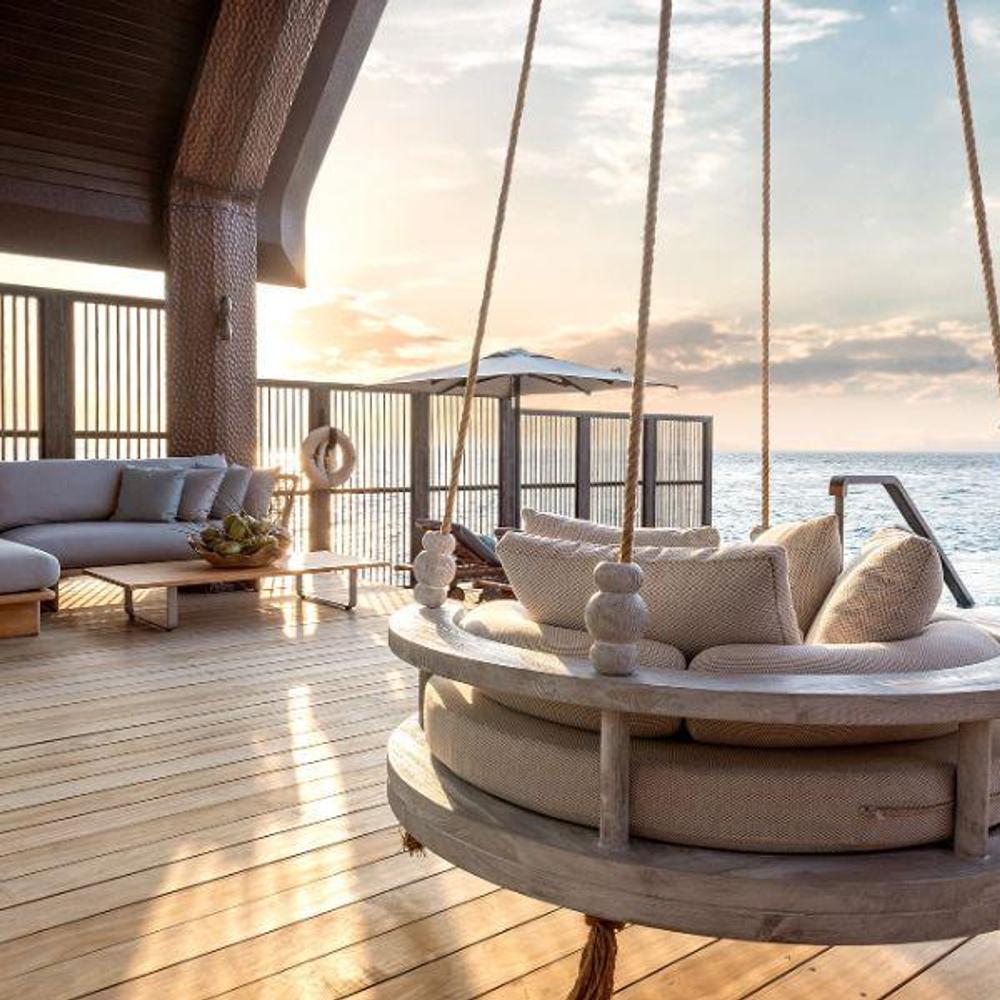
Beru Bar
The drinks
- Craft cocktails
- Classic cocktails
- Zero-proof drinks
Details
- Romantic
- Lively
- Scenic
- Trendy
- Energetic
- Intimate
- Date Night
- Late Night
- Group Outing
- Celebration
- Special Occasion
- Waterfront
- Terrace
- Panoramic View
- Design Destination
- Hotel Bar
- Seated Bar
- Lounge Seating
- Outdoor Terrace
- Communal Tables
- Classic Cocktails
- Craft Cocktails
- Zero Proof
- Waterfront
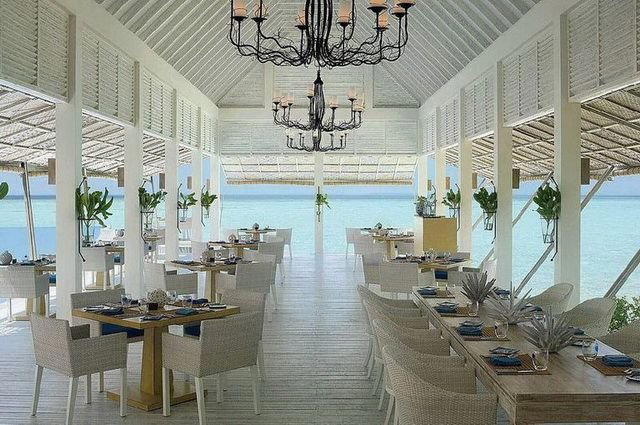
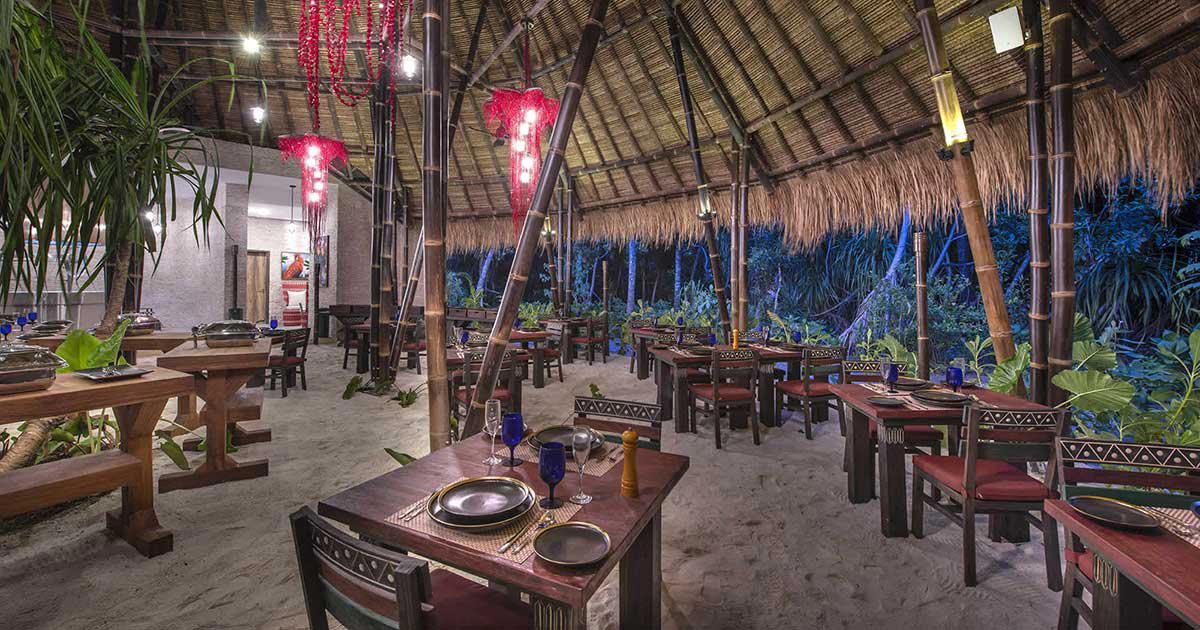
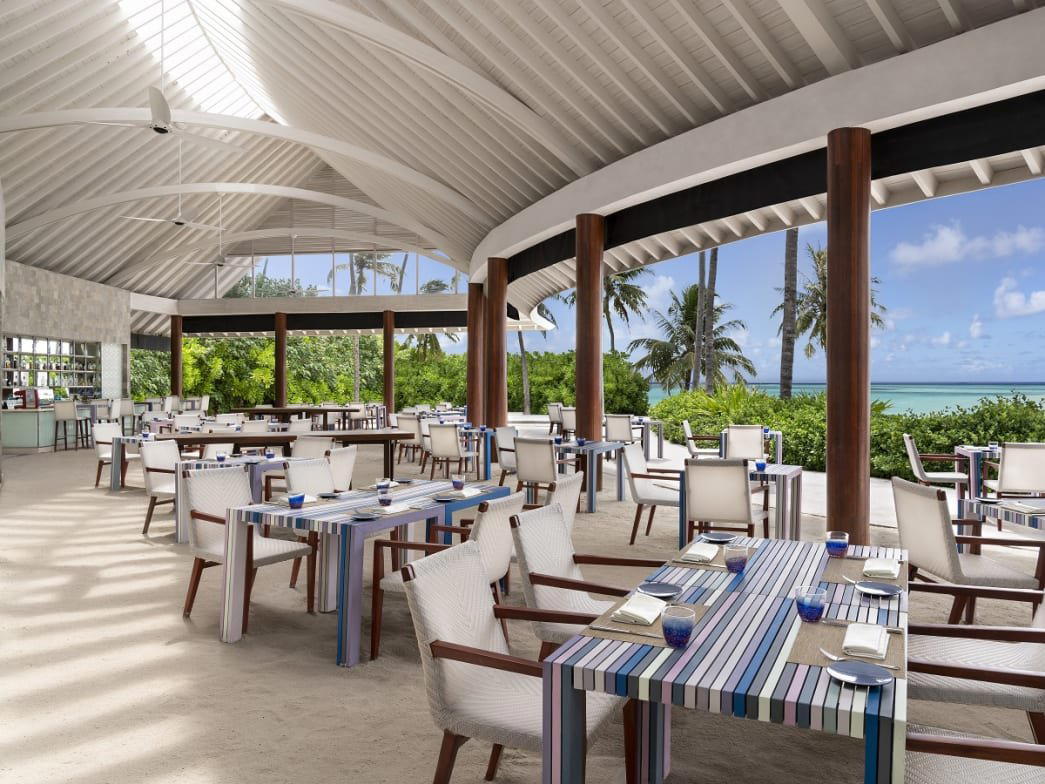
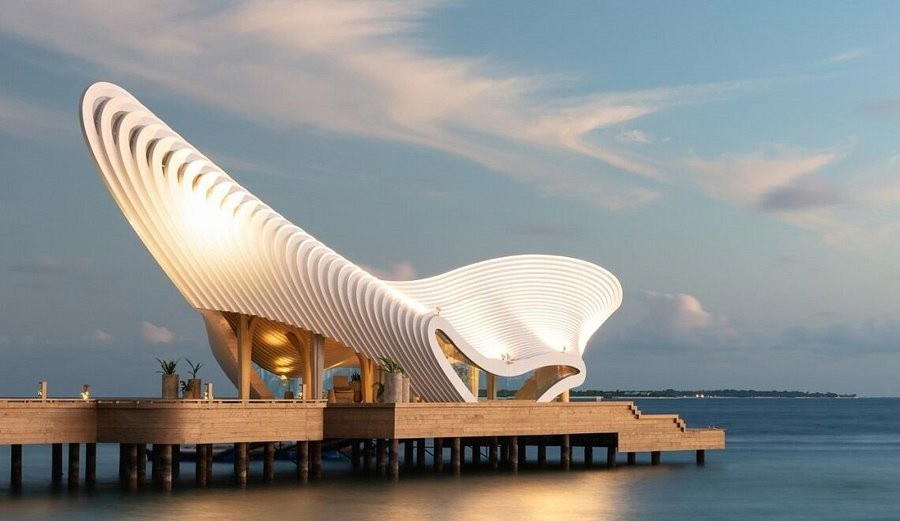
An adults-only, overwater disco-bar with open-air ocean views, colorful lighting from a huge disco ball, and a social, high-energy atmosphere that shifts from sunset-chill to late-night dance party.