Bearfoot Bar
Bearfoot Bar is a poolside bar at 1122 CA-41 in Fish Camp, a small Sierra gateway community where the drinking culture is shaped less by late-night spectacle than by lodge rhythms, park-day timing, and the practical needs of travelers. With no public awards, chef, price, or hours data available, it belongs in the casual resort-bar category rather than the credential-led cocktail circuit.

Pearl is the En Primeur Club membership app — saves, bookings, and concierge access live there. Same editors, same standards.
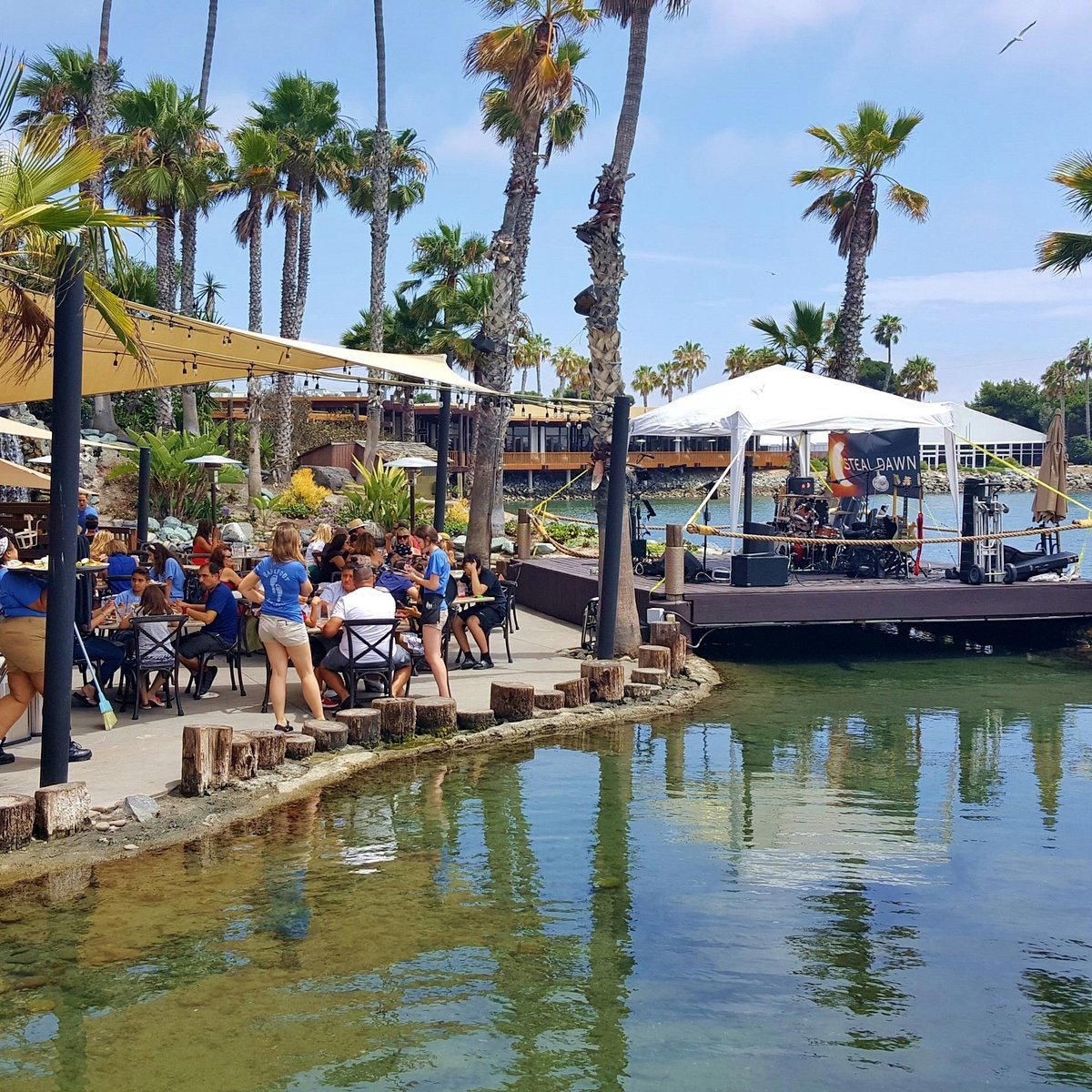
Poolside bars in the Sierra foothills have a different tempo from urban cocktail rooms. The approach is usually defined by wet towels, mountain air, families returning from long trail days, and the softer hour when hotel guests drift from pool chairs toward drinks before dinner. Bearfoot Bar occupies that practical, seasonal register in Fish Camp, a small California gateway to Yosemite where the bar experience is inseparable from lodging patterns, road-trip timing, and the after-park decompression ritual.
That setting matters more than any invented mythology around the counter. In cities with mature cocktail circuits, a bar can define itself through technique, glassware, clarified serves, rare spirits, or a bartender’s public reputation. Fish Camp works by different rules. Here, the bar functions as a threshold between wilderness travel and hospitality infrastructure: CA-41 brings visitors in, Yosemite sets the day’s schedule, and poolside service becomes a form of relief rather than performance. It does not list awards, prices, hours, chef, booking method, phone number, or website, which keeps the editorial read grounded in category and context rather than unsupported claims.
The Sierra poolside bar as a format
In resort communities near national parks, bars are often judged by how well they absorb the mood of arrival and return. The day’s strongest sensory material usually comes from outside the bar: switchback roads, pine shade, sun exposure, trail dust, crowded viewpoints, and the quiet fatigue that settles in after hours in the park. A poolside bar in this setting does not need the coded ceremony of a reservation-only lounge. Its value lies in being physically close, legible, and relaxed at the moment when travelers want a drink without turning the evening into another expedition.
That does not mean the cocktail programme is irrelevant. It means the programme is read through a different lens. In New York, Miami, Seattle, Los Angeles, and New Orleans, cocktail identity often rests on technique and acclaim: the Cuban cantinero tradition at Café La Trova in Miami, the experimental bar model at Happy Accidents in Albuquerque, the aperitif and spirits seriousness of Roquette in Seattle, the Southern California bar-food-and-drinks conversation around Thunderbolt in Los Angeles, the historic New Orleans cocktail vocabulary at Jewel of the South in New Orleans, the polished metropolitan bar format of Martiny’s in New York City, and the Italian-accented cocktail culture around Viceversa in Miami. Fish Camp sits outside that recognition economy. Its bar culture is tied to geography, not awards lists.
That comparison is useful because it prevents the wrong expectations. A poolside bar near Yosemite is not competing with laboratory-style cocktail dens or grand hotel lobby bars in major cities. It competes with the friction of the day: whether guests have enough energy to leave the property, whether children are already in the pool, whether the drive back from Yosemite ran late, whether dinner plans require a car, and whether a drink can happen without changing the entire evening.
What the cocktail programme can and cannot be judged on
The assigned editorial angle here is the cocktail programme, but the public record does not supply a drinks list, bartender name, signature serves, house techniques, or spirit focus. That absence is not a flaw to cover with decorative language. It is a useful signal. Bearfoot Bar should be read as a hotel-adjacent, poolside drinking option in a small mountain gateway, not as a destination cocktail address built around a named creative lead.
For a traveler, that distinction changes the decision. In an awards-led bar city, the question is whether a particular martini build, tropical programme, or historic recipe work justifies crossing town. In Fish Camp, the question is more practical: does the bar fit the day’s route, lodging base, and energy level? If the answer is yes, the bar’s appeal comes from immediate convenience and setting.
There is a broader trend behind this. American travel drinking has split into two lanes. One lane is credential-heavy: bar awards, named bartenders, guest shifts, technical menus, and reservations. The other is situational: airport lounges, ski-town decks, beach-club bars, poolside counters, and national-park gateway hotel bars. The second lane is judged by how naturally it fits into the travel day. Bearfoot Bar belongs to that situational category based on the record available. That makes its editorial value real, but different from the value of an acclaimed cocktail institution.
Fish Camp changes the bar equation
Fish Camp is not a conventional dining or nightlife neighborhood. It is a compact Sierra community on CA-41, used by many travelers as a staging point for Yosemite’s southern approach. That geography shapes hospitality behavior. Guests tend to think in sequences: breakfast before the park, a day built around driving and walking, then a low-effort return to food, drink, and sleep. Bars here are not only places to drink; they are pieces of trip logistics.
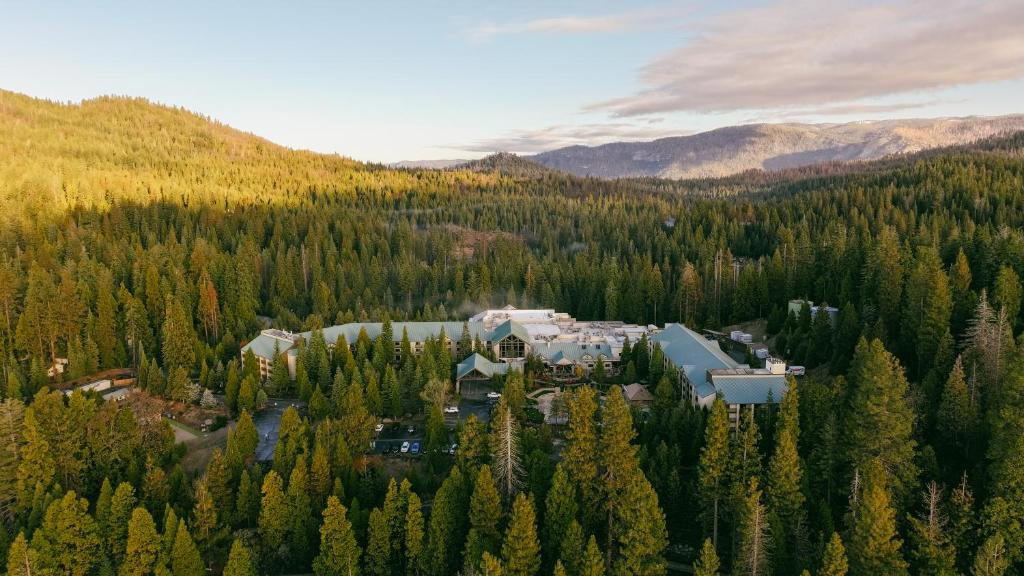
The address, 1122 CA-41, also signals the importance of road orientation. In a large city, a bar’s neighborhood is defined by a subway line, a restaurant cluster, or a late-night district. In Fish Camp, the road is the organizing principle. Travelers arrive by car, lodging and dining choices concentrate around access points, and the bar’s poolside placement makes it part of an on-property rhythm rather than a standalone bar crawl. This is why the practical detail matters editorially: proximity can be the decisive luxury when a park day has already consumed the appetite for movement.
Readers planning a wider stay can place the bar alongside the broader Fish Camp set through Our full Fish Camp bars guide, then widen the frame with Our full Fish Camp restaurants guide and Our full Fish Camp hotels guide. The point is not to treat the bar as an isolated destination. The smarter read is to understand how it supports a lodging-and-park itinerary in a town where the evening plan often depends on how demanding the day has been.
Atmosphere before ceremony
The atmosphere suggested by the record is not hushed, formal, or tasting-menu adjacent. Poolside placement usually means a more casual social field: guests moving between water and seating, drinks attached to leisure rather than ceremony, and a pace that follows weather and daylight. In a Yosemite gateway, that informality can be the point. After a day shaped by early starts, parking logistics, trail time, and return traffic, formality can feel like labor.
That does not excuse weak drinks, but it does clarify what a competent programme needs to achieve in this category. It should be readable, quick enough for poolside use, and flexible enough for guests whose priorities range from a single pre-dinner drink to a longer idle hour.
This is also where price expectations should stay disciplined. Travelers should therefore avoid assuming either bargain pricing or luxury-bar pricing from the address alone. The honest planning stance is to check current on-site information before building a night around budget-sensitive drinking.
How to use it in a Yosemite-area itinerary
The strongest case for a poolside bar in Fish Camp is not a standalone pilgrimage. It is the fit with a particular kind of day. If the lodging base is nearby and the group has spent daylight hours in or around Yosemite, a poolside drink can serve as the reset point between park clothes and dinner. If the evening goal is a serious cocktail crawl, Fish Camp is not structured for that model. The community is better understood as a gateway base where hospitality is concentrated around rest, access, and recovery.
Timing is the main variable. Yosemite-area days often begin early, especially in peak travel periods, and return times can stretch depending on traffic, parking, weather, and how ambitious the route became. That is particularly relevant for travelers arriving late, visiting outside high season, or planning around children and pool access.
It also helps to separate drinking plans from dining plans. With no cuisine type, chef, signature dishes, or restaurant format listed, the record does not support treating Bearfoot Bar as a full dining recommendation. It belongs in the bar portion of a Fish Camp itinerary. For meals, use the restaurant guide; for lodging strategy, use the hotel guide; for broader trip structure, Our full Fish Camp experiences guide gives the cultural and activity frame. Travelers also curious about regional wine context can consult Our full Fish Camp wineries guide, though Fish Camp itself is better known as a Yosemite gateway than as a wine-country base.
Where it sits against cocktail destinations
One useful way to read Bearfoot Bar is by contrast. Cocktail destinations in major American cities now communicate credibility through named programmes: awards, residencies, serious ice, clarified builds, culinary technique, vintage glassware, or documented bar leadership. That language is absent here.
That absence should not be treated as deficiency if the reader’s need is local and immediate. A bar can be useful without being collectible. In fact, travel often produces a sharper appreciation for places that solve the right problem at the right hour. In Fish Camp, the problem is rarely lack of conceptual mixology. It is the need for an easy drink close to where the day ends. The poolside address gives the bar its editorial logic.
There is also a class distinction inside travel drinking. Some bars ask guests to plan around them; others fit inside a plan already shaped by geography. Bearfoot Bar belongs to the latter class based on available data. It is a convenience-led, setting-led bar in a small Sierra community. That makes it relevant to travelers staying nearby, especially when the evening appetite is for proximity over ceremony.
Planning notes
Plan around the information that is confirmed: Bearfoot Bar is located poolside at 1122 CA-41, Fish Camp, CA 93623, in California. Those omissions matter. They mean same-day verification is prudent, especially during seasonal travel periods, late arrivals, or itinerary-heavy Yosemite visits.
Dress expectations should follow the setting unless current house rules say otherwise. Poolside bars typically lean casual, but no formal dress code is listed here. Booking expectations should also remain cautious. With no booking method in the record, travelers should not assume advance reservations are available or required. The cleanest advice is to treat the bar as a convenient on-site or near-stay option and verify access before making it the anchor of an evening.
For EP Club readers, the editorial read is clear: this is not the Fish Camp answer to the high-credential cocktail bar. It is a poolside bar whose relevance comes from place, timing, and the realities of Yosemite-area travel. Use it when the day calls for ease. Look elsewhere when the purpose of the evening is a documented cocktail programme with public awards, named leadership, or a published drinks identity.
Continue exploring
More in Fish Camp
Bars in Fish Camp
All bars in Fish Camp →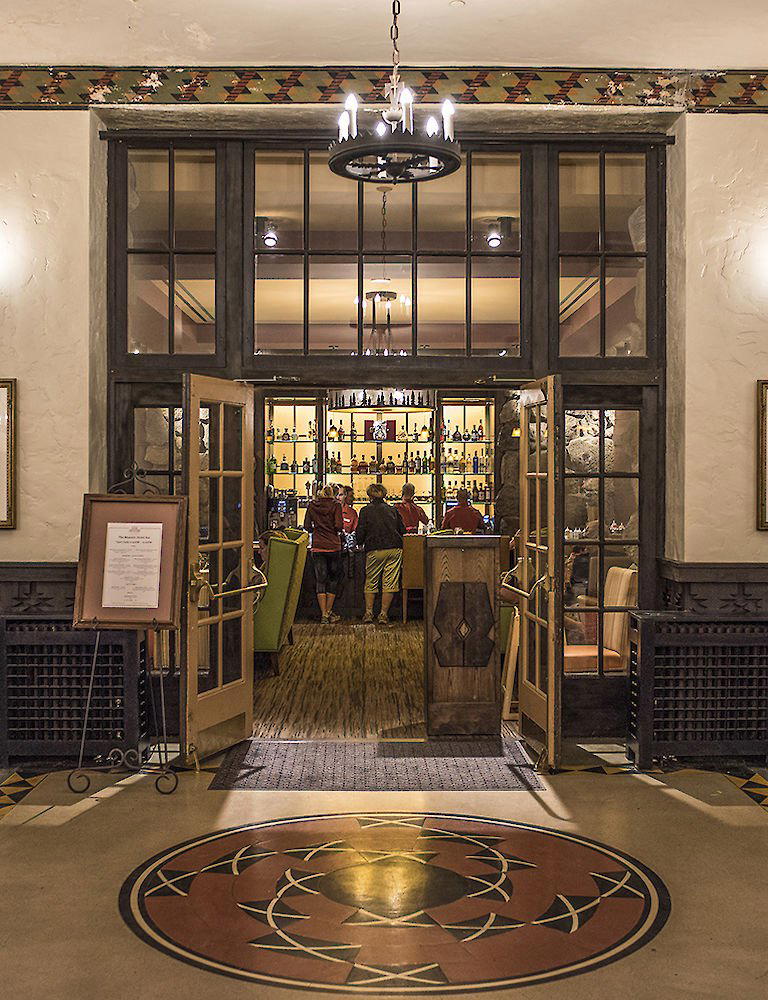
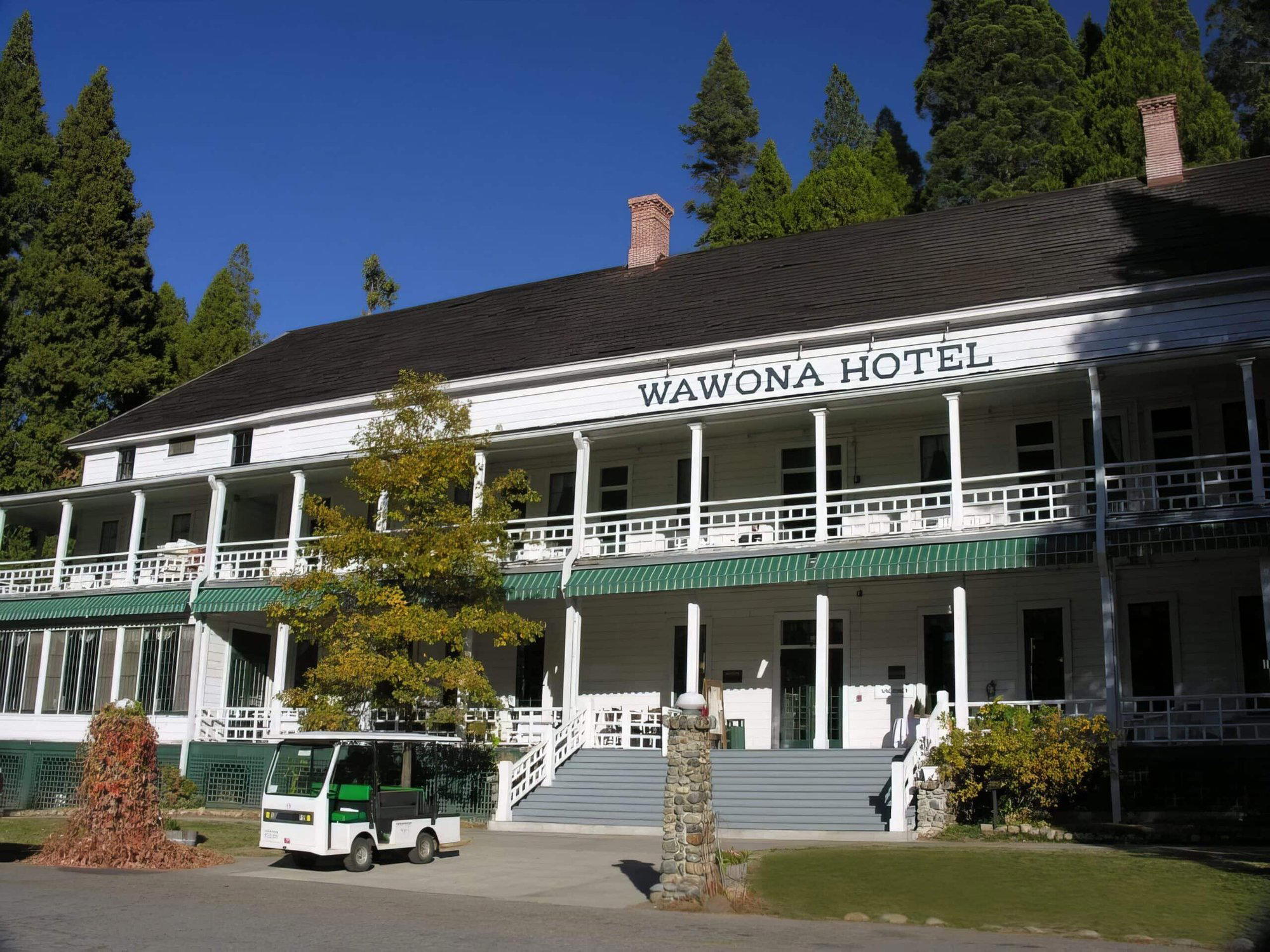
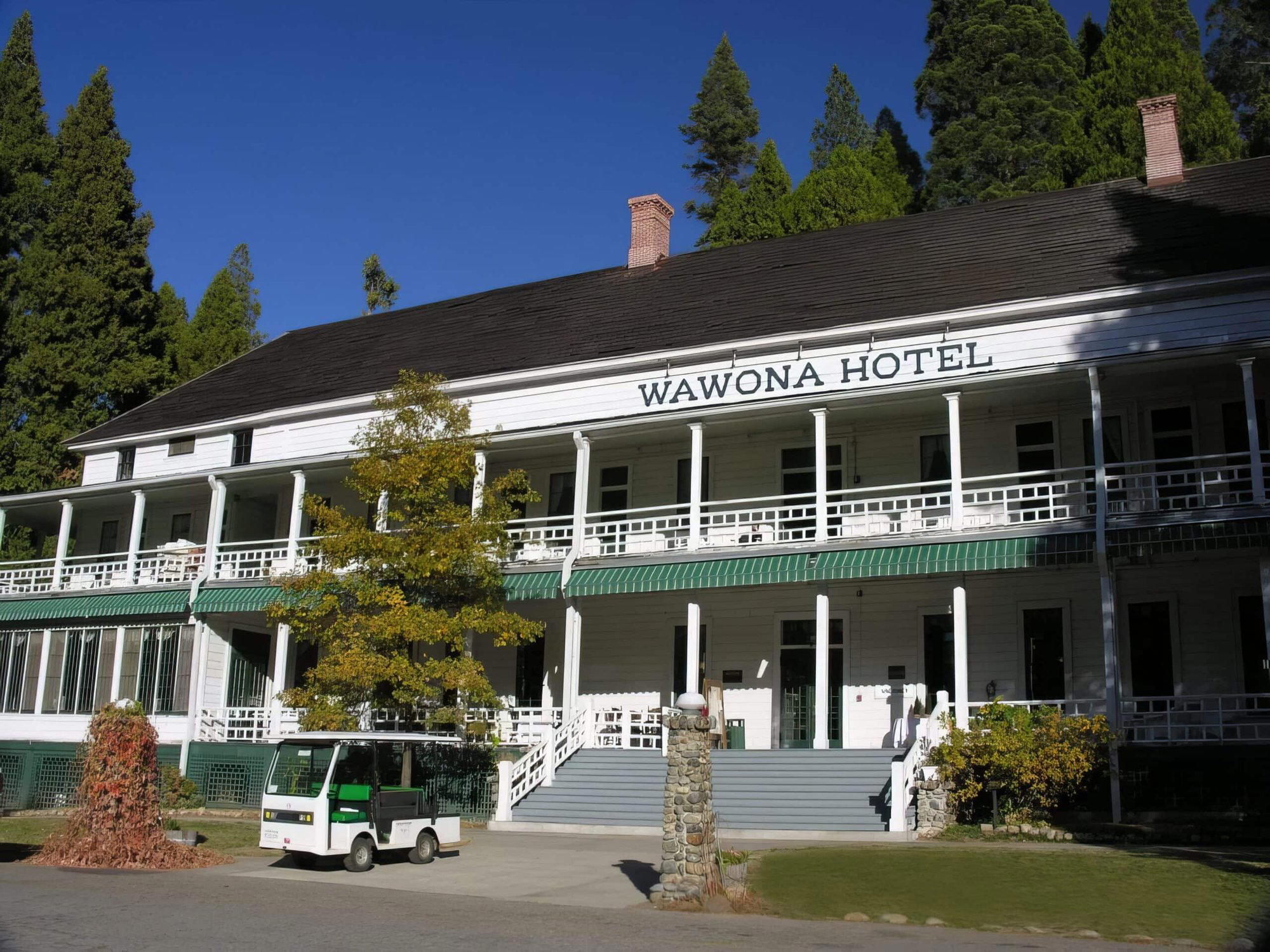
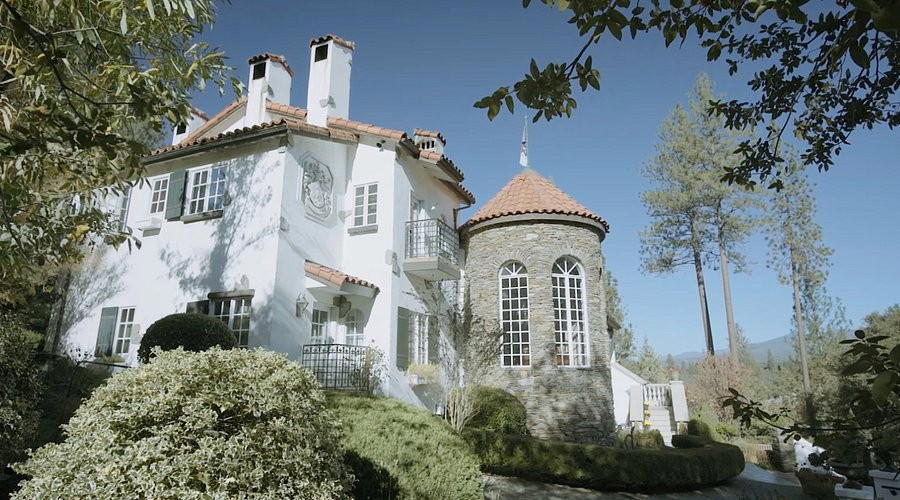
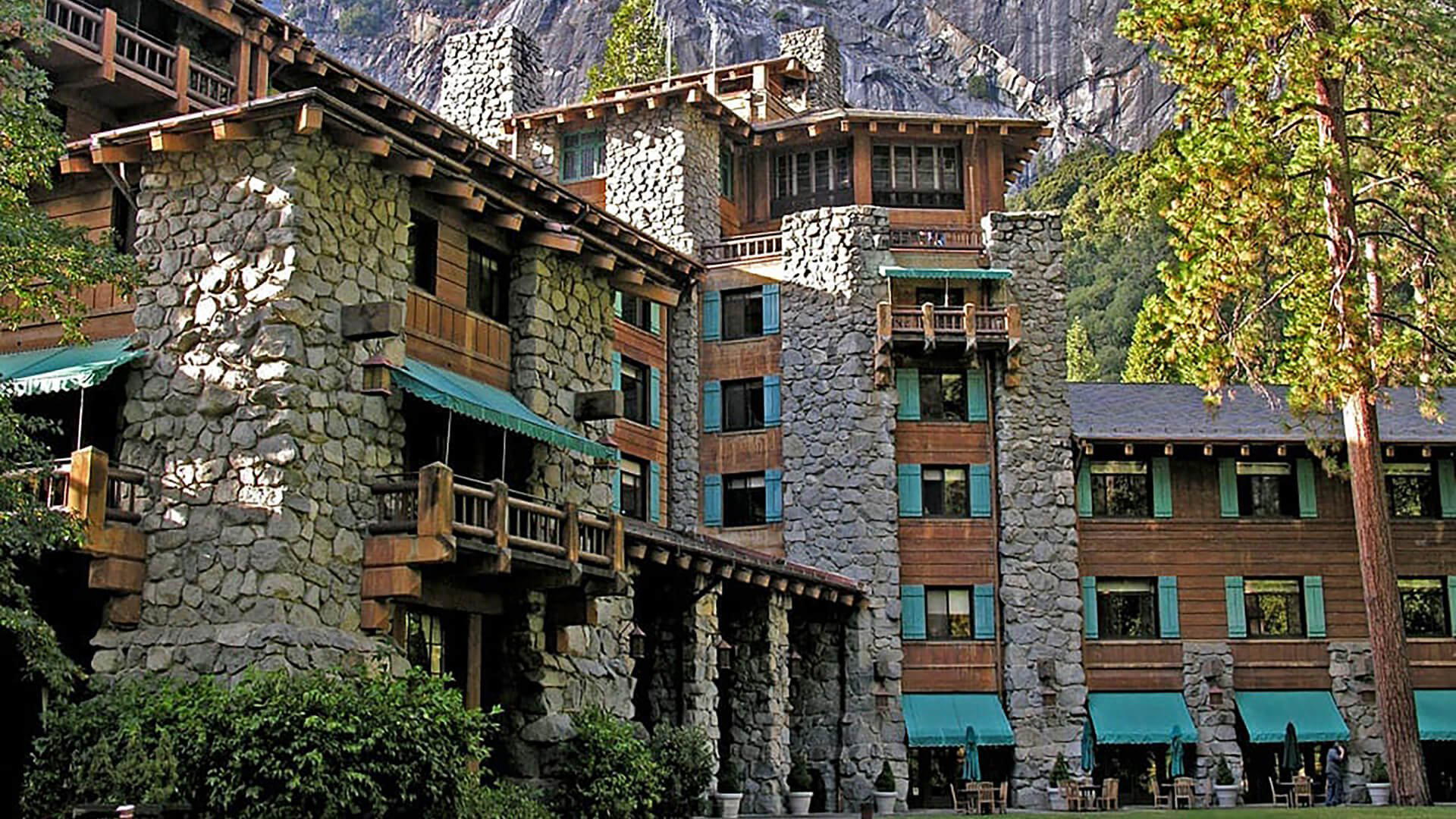
Bearfoot Bar
The drinks
- Craft cocktails
- Craft beer
- Tequila
Signature drinks: Firefall Daiquiri, Mariposa Margarita, Skyrockets in Flight, Tropic Like It’s Hot, Mountain Peach.
Details
- Lively
- Scenic
- Casual
- Energetic
- Rustic
- Casual Hangout
- Group Outing
- After Work
- Solo
- Celebration
- Hotel Bar
- Terrace
- Garden
- Seated Bar
- Outdoor Terrace
- Lounge Seating
- Communal Tables
- Craft Cocktails
- Conventional Wine
- Craft Beer
- Tequila
- Rum
- Garden
- Mountain
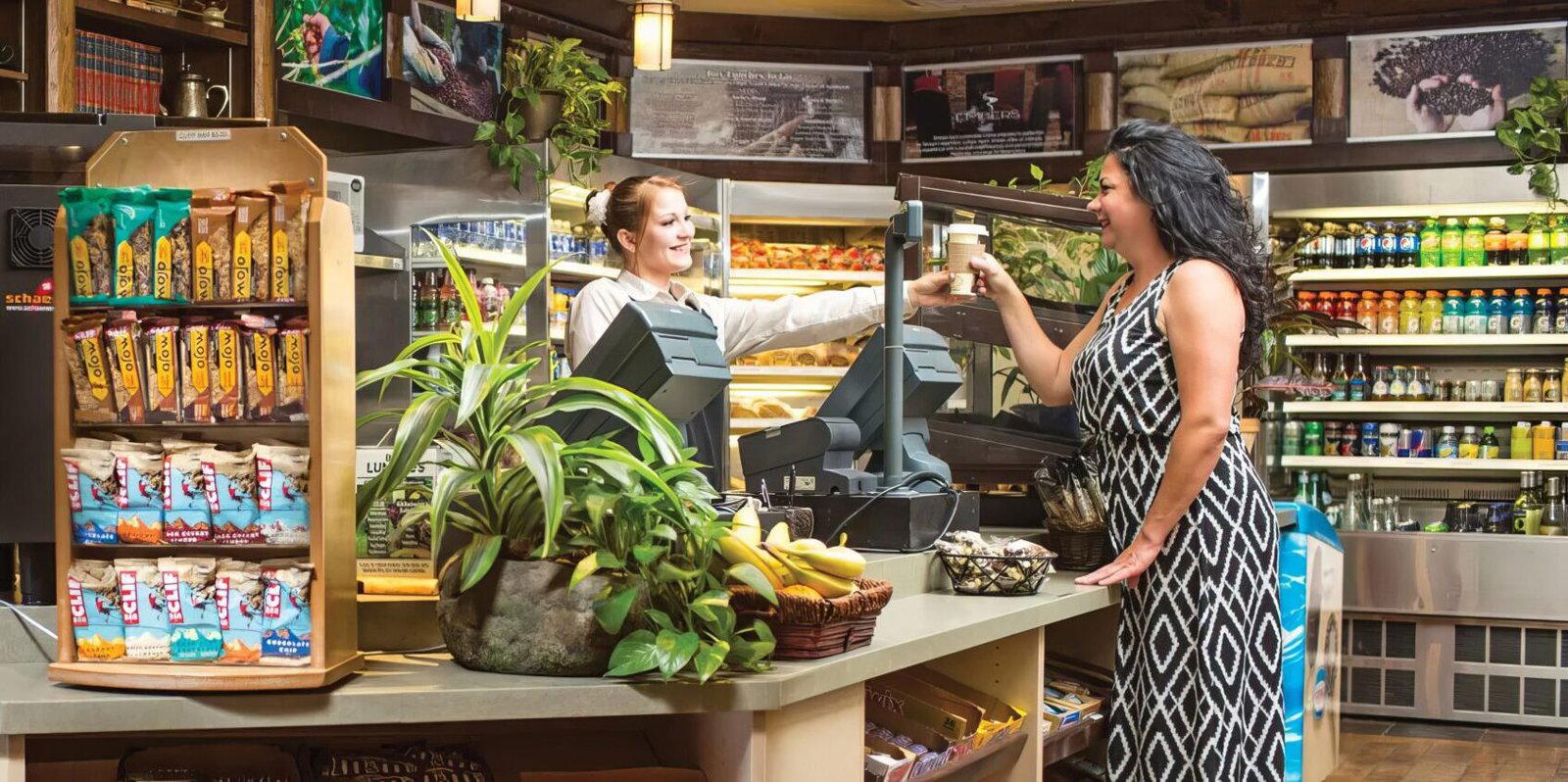
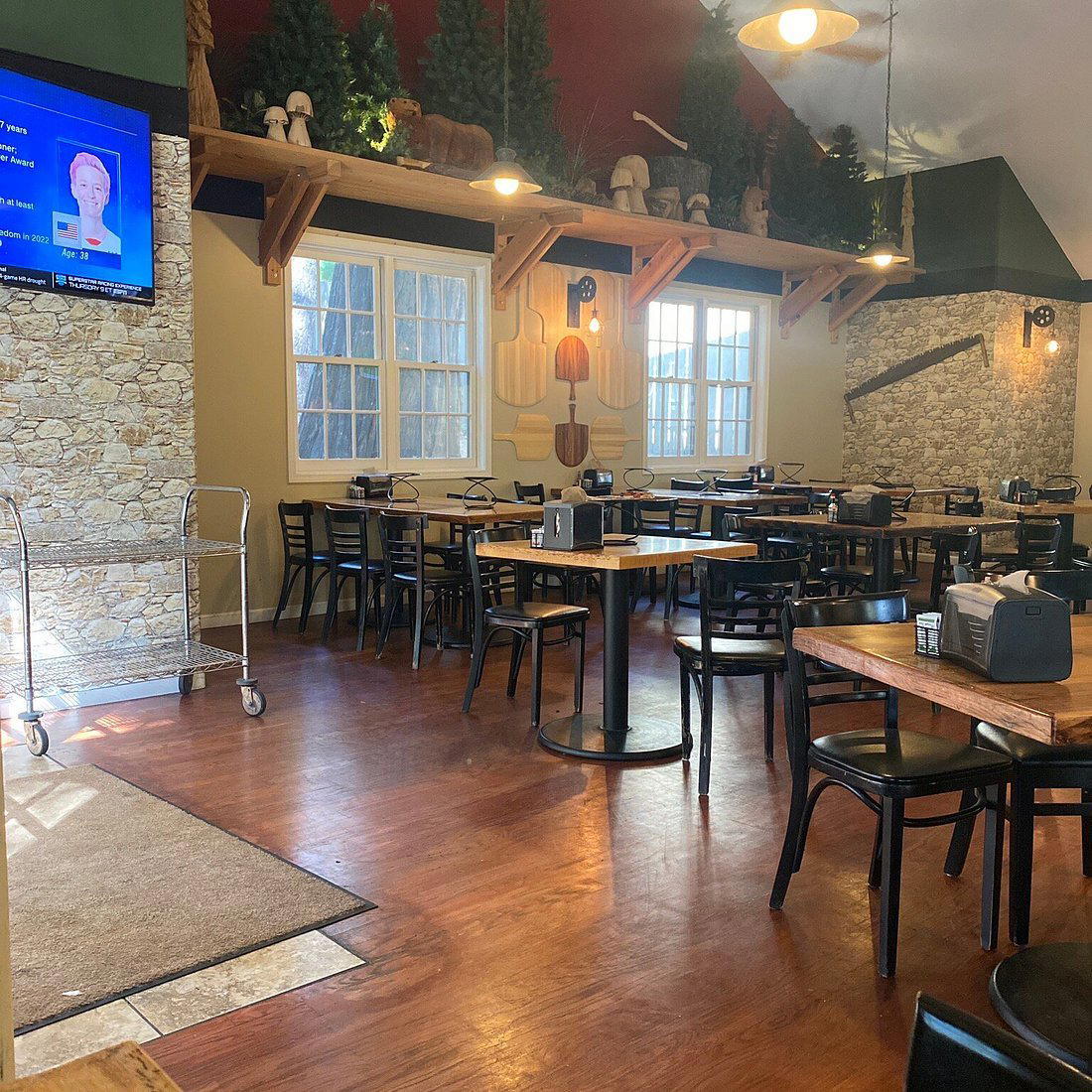
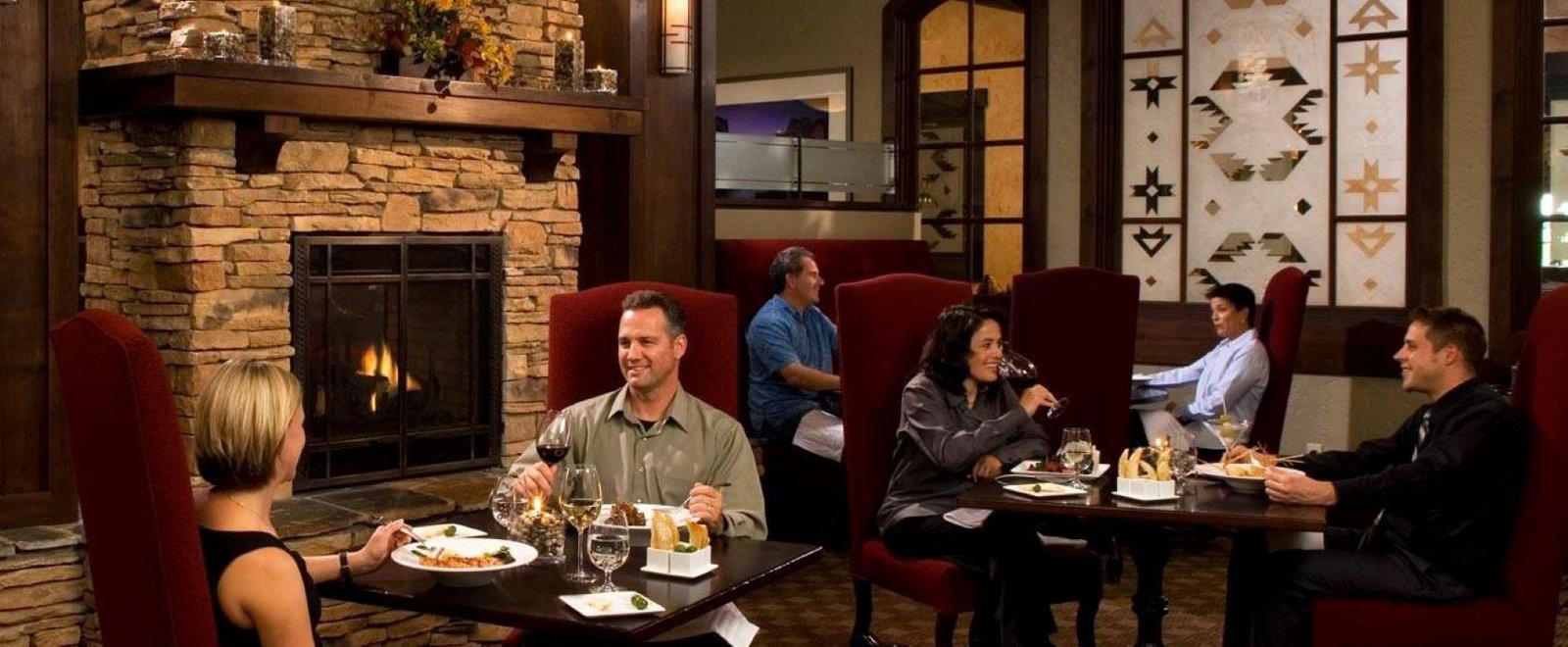
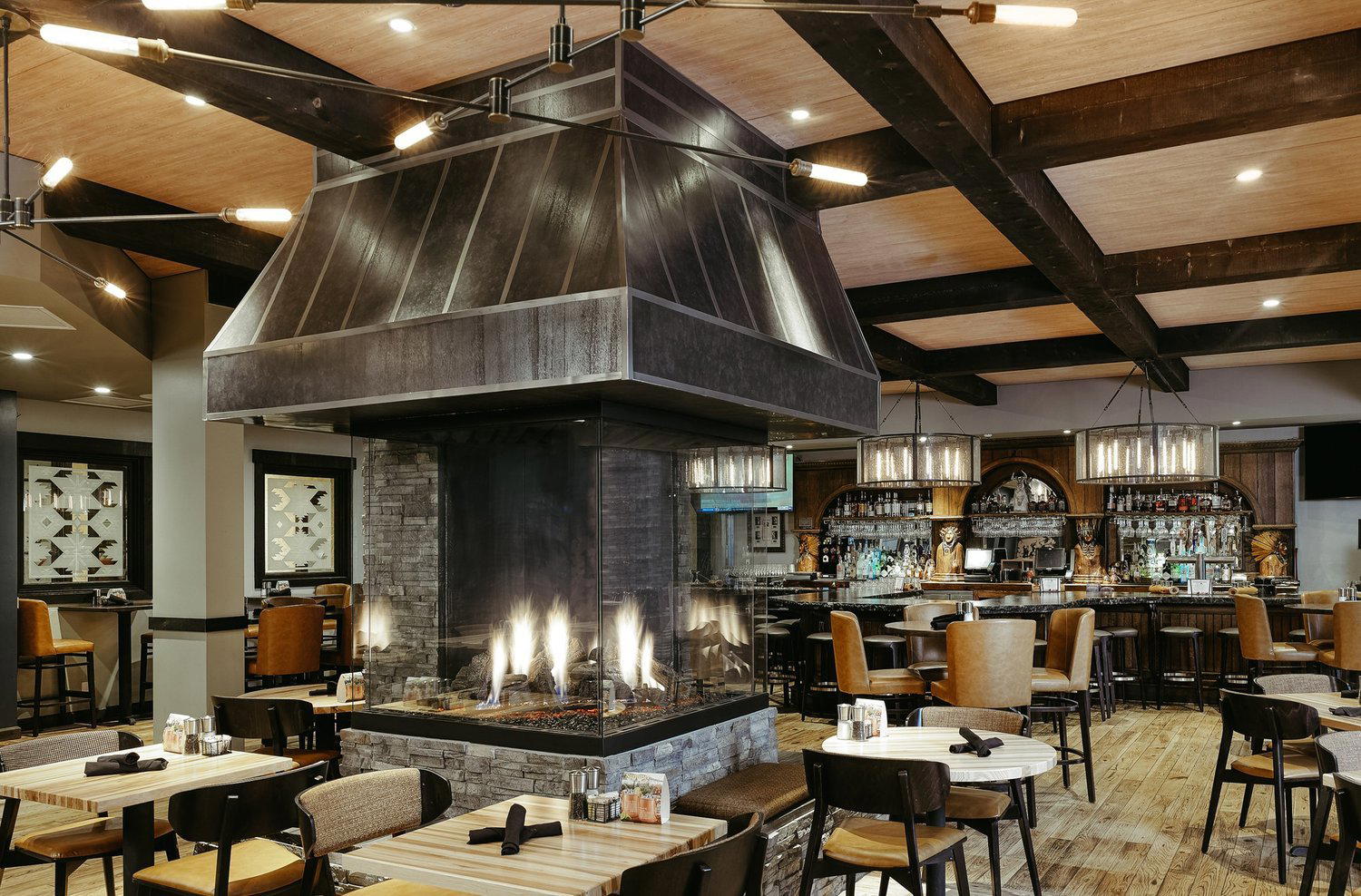
Casual, open-air poolside setting with a relaxed resort atmosphere where guests can watch sports at the bar, eat at shaded tables, or lounge in cabanas between swims.