Base Camp Eatery
Our verdict
Base Camp Eatery belongs to Yosemite Valley’s practical dining tier: casual, central, and built around the rhythms of hikers, families, and lodge guests rather than ceremony. Its value is contextual, especially when read against the park’s tighter food ecosystem, where convenience, sourcing constraints, and crowd flow shape the meal as much as the kitchen does.

Pearl is the En Primeur Club membership app, where members save venues, book tables and use the concierge.
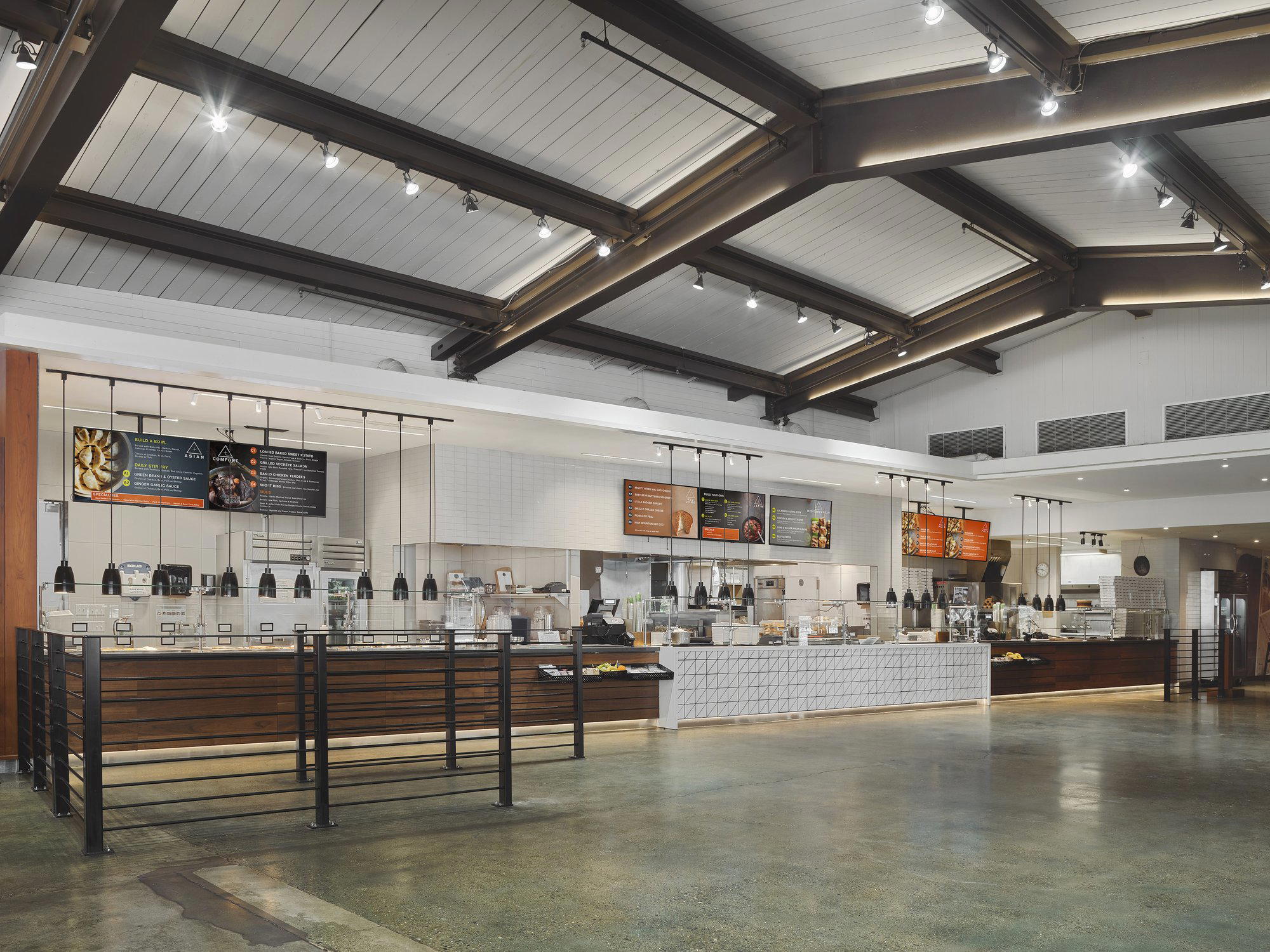
The menu
What to order
- Asian-style noodles
- Pizza
- Burgers
- Fried chicken
- Grilled items
Approaching Yosemite Valley food is different from approaching a city restaurant district. Granite walls, trail dust, shuttle stops, and hotel corridors set the terms before a menu does. Base Camp Eatery sits inside that national-park logic: the meal is part refuel, part pause, part weather plan. In a place where altitude, fire season, winter closures, and visitor volume all affect supply, dining becomes a question of logistics as much as taste.
That makes the sourcing conversation more interesting than it first appears. Yosemite Valley is not a farm-belt town with a deep bench of independent dining rooms; it is a protected landscape with tightly managed visitor infrastructure. Food here has to move through the realities of park operations, seasonal staffing, and high daily demand. The better question is not whether a casual eatery can imitate a metropolitan tasting counter, but how well it serves the appetite created by the valley itself: early starts, long walks, mixed-age groups, and a need for food that does not turn lunch into a half-day project.
Yosemite dining is shaped by distance, volume, and the park day
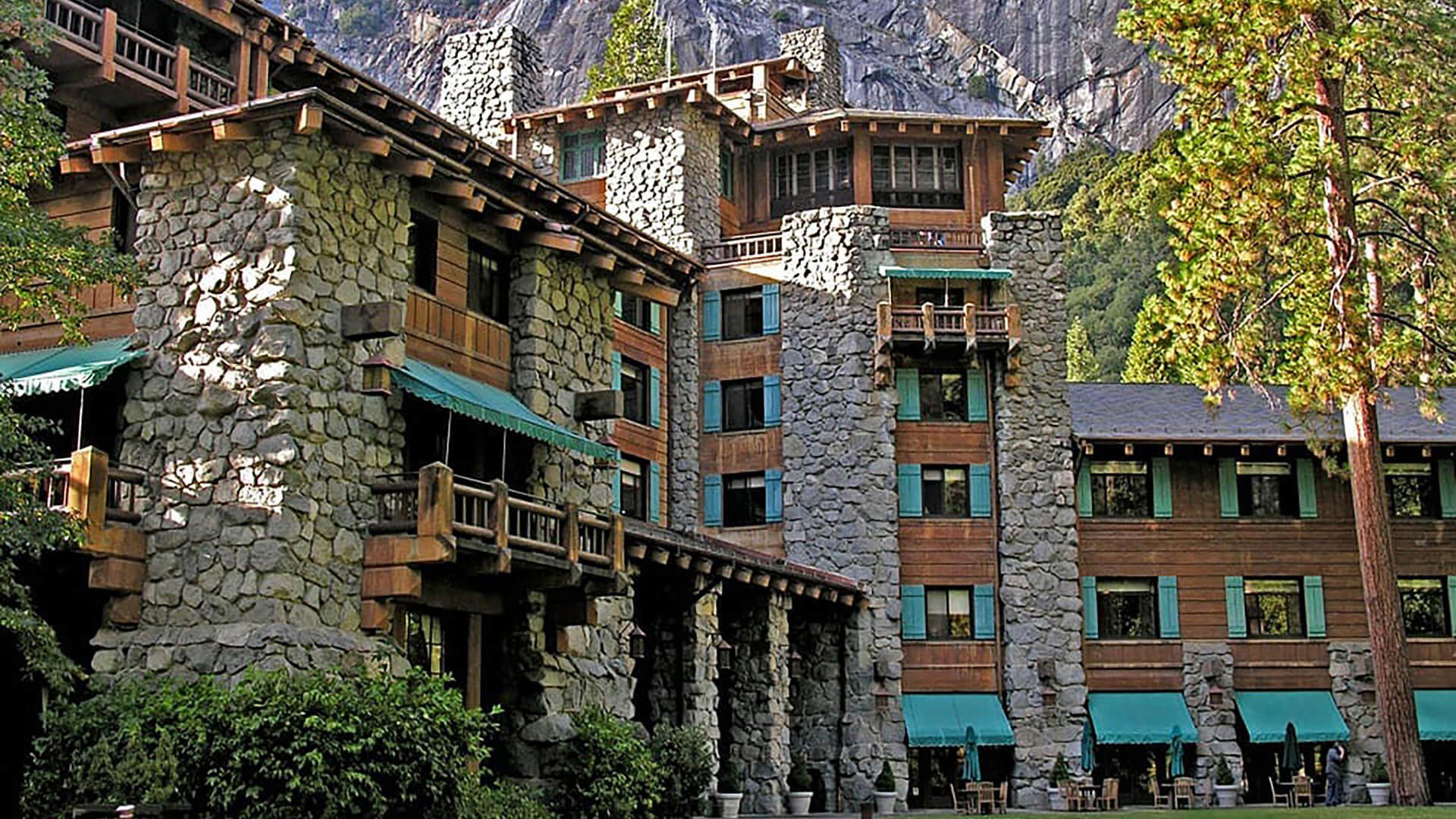
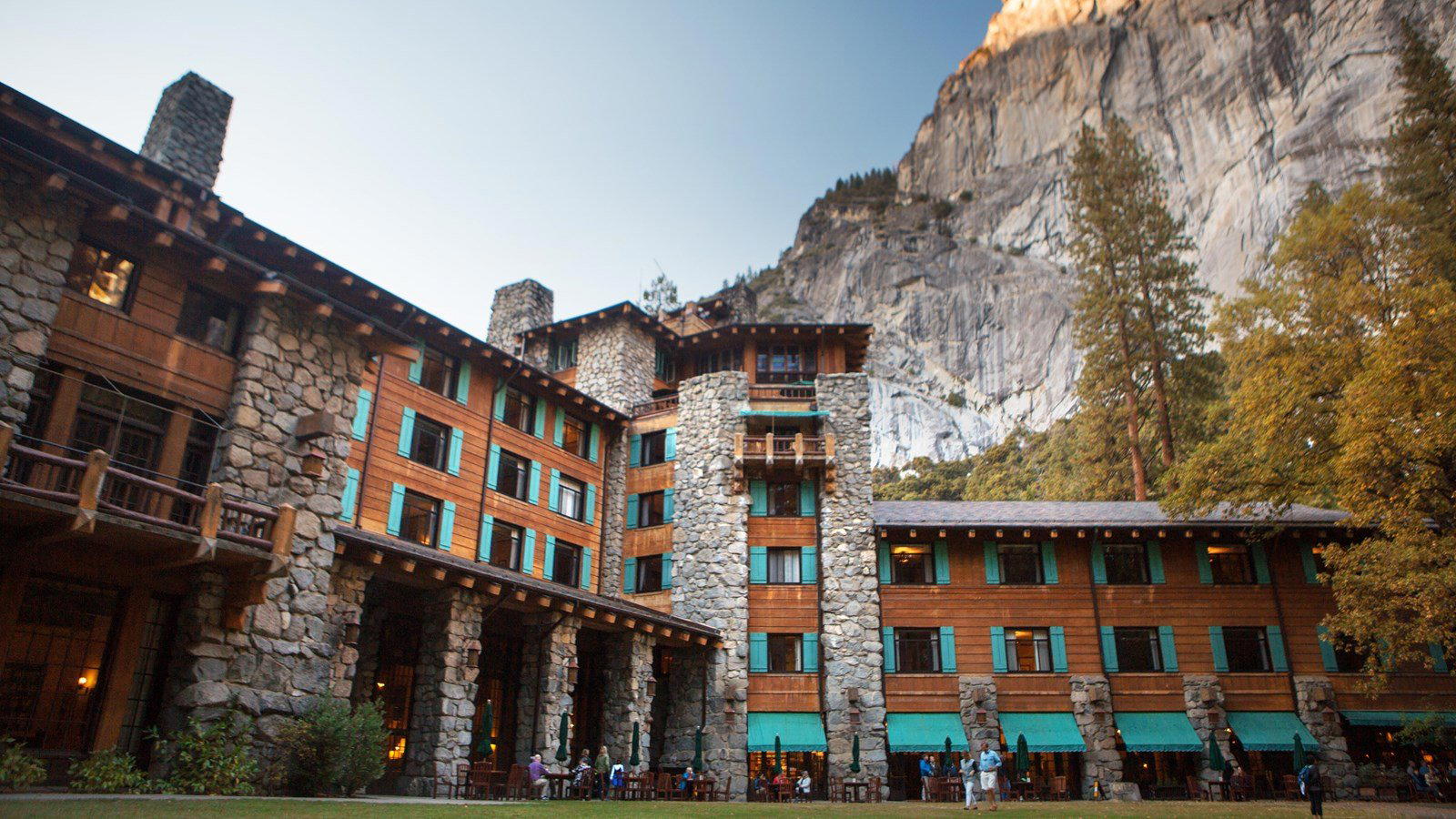
In Yosemite Valley, restaurants are judged against a narrow and unusual competitive field. The Ahwahnee Dining Room occupies the historic dining-room lane, where architecture and tradition carry much of the occasion. Sweet Shop answers a different need, closer to a small stop for sugar, coffee, or a low-commitment break. Base Camp Eatery falls into the functional middle: the place one reads through speed, seating turnover, and broad appeal rather than ceremony.
That middle tier matters in a park. Yosemite’s food network has to absorb visitors who may have driven in before sunrise, finished a trail later than planned, or arrived with children who need something familiar. Ingredient sourcing, in this context, is less about romantic proximity and more about consistency under pressure. A kitchen feeding a national-park crowd needs reliable supply, formats that can survive rushes, and enough range to serve different appetites without slowing the room. The result is a dining category that rewards clarity over performance.
For a wider read on the area, Our full Yosemite Valley restaurants guide places this casual tier alongside more formal and snack-led options. The same practical lens applies across the destination: Our full Yosemite Valley hotels guide explains why lodging location changes dinner decisions, while Our full Yosemite Valley bars guide, Our full Yosemite Valley wineries guide, and Our full Yosemite Valley experiences guide show how limited infrastructure concentrates demand around a few usable nodes.
The useful comparison is not luxury, but fit for purpose
Base Camp Eatery should not be measured by the grammar of destination dining. Its relevance comes from how national-park meals work: breakfast before a trail, a low-friction lunch, a dinner that can handle a tired table without asking for a long decision tree. In that sense, it belongs to a broader American casual tradition where the sourcing question is tied to access. Food has to be recognizable, serviceable at scale, and placed where the day naturally passes.
That puts it in conversation with other function-first restaurants, even when the formats differ. Some compact counters in urban markets show how limited menus can meet steady demand without the weight of a formal room. Other casual dining rooms make different arguments about locality, identity, and place. Yosemite’s version is more constrained: the park setting limits how personal or experimental the format can become.
The editorial point is restraint. A valley restaurant serving a broad visitor base has less room for niche sourcing theatre than a neighborhood counter or coastal café. That does not make it less useful; it makes its job more specific. The meal has to accommodate hikers, hotel guests, children, and groups whose plans may change with weather or trail conditions. In a destination where time outside is the main event, the dining room succeeds when it supports the day rather than competing with it.
Where Base Camp Eatery fits in a wider California-to-island casual map
Across the United States, casual restaurants increasingly trade on ingredient identity: rice programs, regional produce, seafood supply, masa, bakery discipline, or bar-adjacent small plates. More specialized urban rooms belong to a different lane, while resort coastal settings carry another set of expectations. Other casual restaurants sit in categories where cuisine identity does more of the storytelling.
Yosemite is different. Here, place is not expressed through a chef’s biography or a named dish; it is expressed through the practical structure around the meal. The valley’s dining culture is compressed by geography, protected-land rules, and the sheer number of visitors moving through a small corridor. Base Camp Eatery is useful because it reflects those constraints plainly. For travelers planning Yosemite with clear expectations, that is the correct read: this is not the room for ceremony, but it is part of the park’s working food system.
Frequently asked questions
Is Base Camp Eatery child-friendly?
Yes, it is a practical choice for families in Yosemite Valley. The name and setting point to casual park dining rather than a formal service room.
How would you describe the vibe at Base Camp Eatery?
Expect a casual, functional Yosemite Valley dining room built around park traffic and quick turnover. The setting suggests an easy stop rather than a long, reservation-led meal.
Where exactly is Base Camp Eatery?
Yosemite Valley.
Can I walk in to Base Camp Eatery?
Walk-ins are the sensible assumption for Base Camp Eatery, since it operates in Yosemite Valley rather than as a booked tasting-room format. That makes it a straightforward stop for park visitors moving through the valley.
Comparison Snapshot
Comparable venues by cuisine and price in the same metro.
| Venue | Cuisine | Price |
|---|---|---|
| Base Camp EateryThis venue (the venue you are viewing) | American Cafeteria-Style Comfort Food | $20–30 |
| The Ahwahnee Dining Room | Traditional American Fine Dining | Not listed |
| Sweet Shop | Desserts and Candy Shop | Not listed |
Continue exploring
More in Yosemite Valley
Restaurants in Yosemite Valley
All restaurants in Yosemite Valley →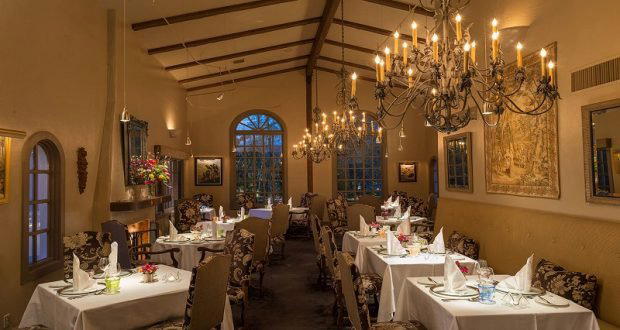
Bars in Yosemite Valley
Browse all →
Details
- Scenic
- Casual
- Well Known
- Rustic
- Family
- Casual Hangout
- Solo
- Group Dining
- Brunch
- Hotel Restaurant
- Standalone
- Beer Program
- Local Sourcing
- Mountain
- Counter Dining
- A La Carte
- Coffee
- Soft Drinks
- Beer
- Vegetarian Friendly
- Vegan Options
- Gluten Free Options
Current opening hours
- Monday
- 6:30–10:30 am, 11 am–9 pm
- Tuesday
- 6:30–10:30 am, 11 am–9 pm
- Wednesday
- 6:30–10:30 am, 11 am–9 pm
- Thursday
- 6:30–10:30 am, 11 am–9 pm
- Friday
- 6:30–10:30 am, 11 am–9 pm
- Saturday
- 6:30–10:30 am, 11 am–9 pm
- Sunday
- 6:30–10:30 am, 11 am–9 pm
Hours can change for holidays and private events. Hours as of .
Casual cafeteria-style atmosphere with indoor and outdoor seating, designed for quick refueling rather than a formal sit-down experience.