
Falstaff Winery - 4 Stars
Son Prim is a family-run winery in Sencelles, built around estate-grown production and a quiet vineyard setting in inland Mallorca. Its appeal lies in the full chain of work happening in one place: grapes from its own vines, vinification and bottling in Sencelles, and a compact range of reds, whites and rosé shaped by island provenance.

Pearl is the En Primeur Club membership app, where members save venues, book tables and use the concierge.
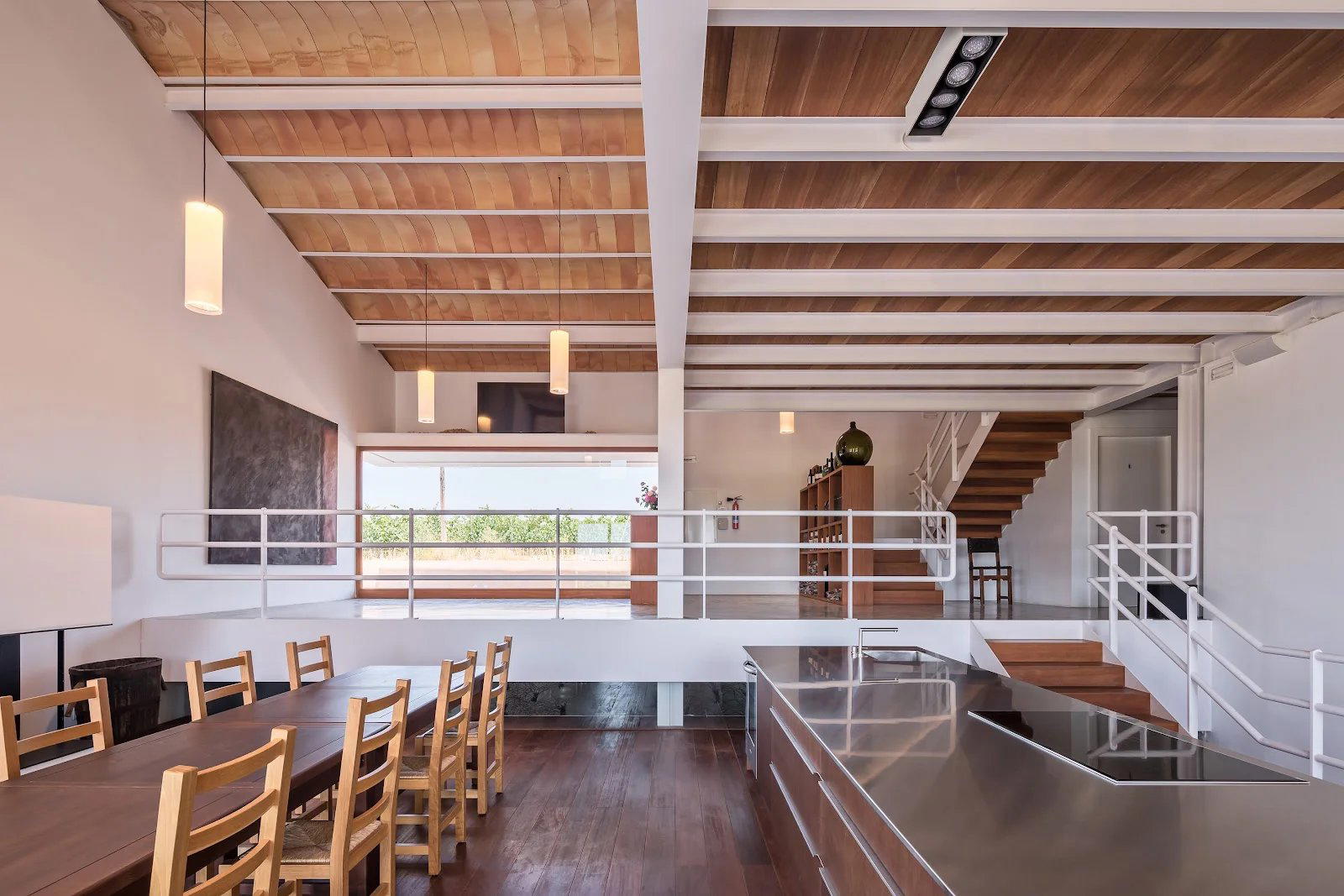
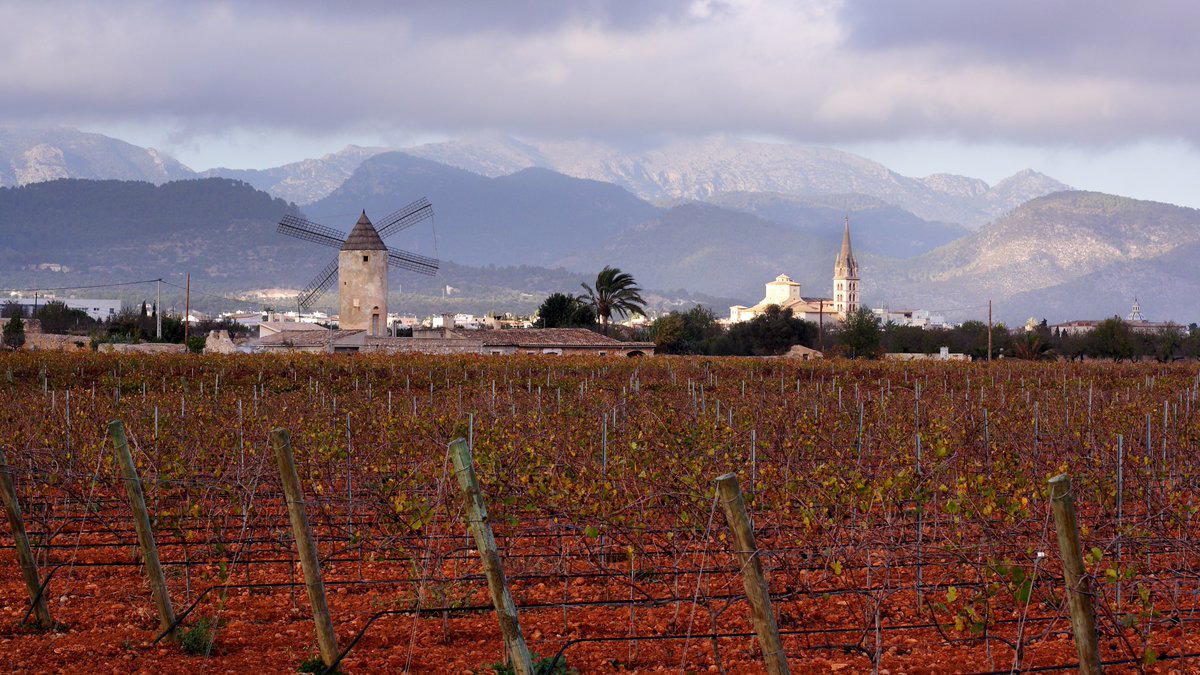
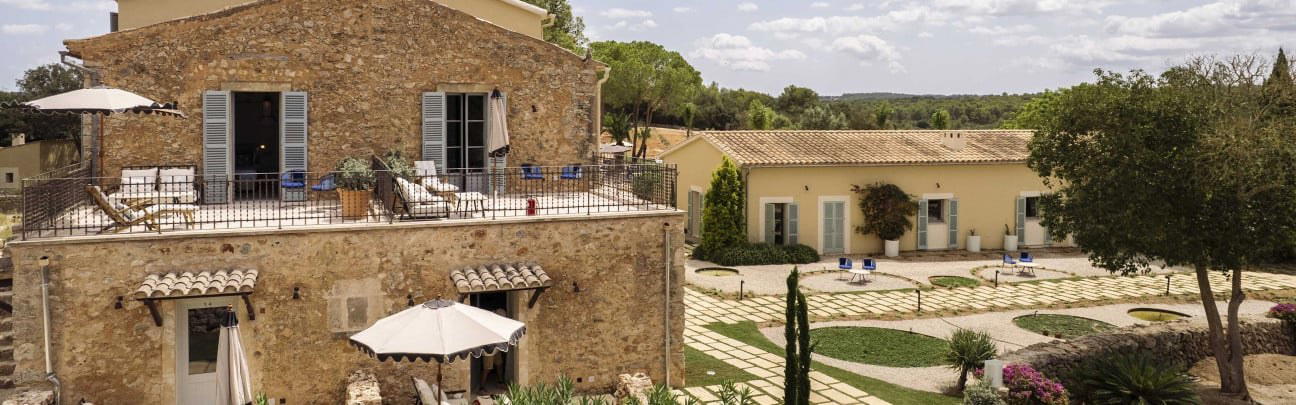
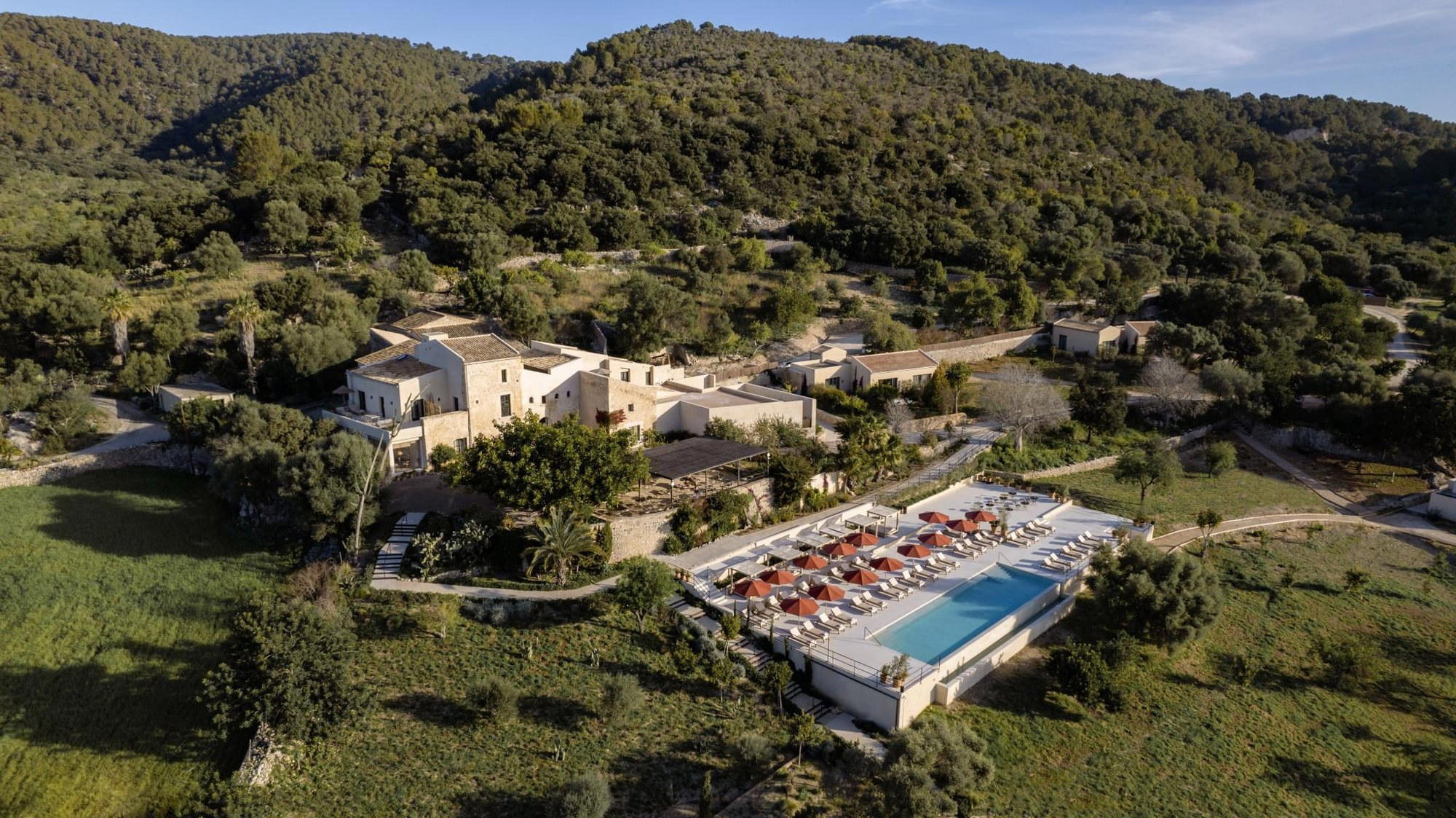
The approach to a rural Mallorcan winery changes the tempo before a glass is poured. Inland from the resort edge, Sencelles belongs to the island’s agricultural middle rather than its postcard coast: dry-stone textures, low-slung fields, and a quieter rhythm that suits wine better than spectacle. Son Prim fits that version of Mallorca. The point here is not cellar-door theatre, but the increasingly relevant idea of an island estate controlling its own fruit, its own production, and its own hospitality in one place.
That matters because Mallorca’s wine culture is often misunderstood from outside Spain. The island is not just a holiday backdrop with vines attached; it has a serious small-producer scene where scale, family continuity, and direct vineyard work carry weight. Son Prim sits inside that conversation as a family winery in Sencelles, with the Llabrés family associated with local winegrowing across generations and a modern winery building dating to 2003. Its wines fall under Vi de la Terra de Mallorca, a useful marker for readers trying to place the estate within the island’s broader appellation framework.
Estate fruit gives the Sencelles wines their authority
The strongest argument for Son Prim is structural: the winery uses grapes from its own vines and carries the work through planting, harvesting, vinification, and bottling in Sencelles. In wine terms, that is not a decorative claim. Estate control narrows the gap between vineyard decisions and what ends up in bottle, and it gives the producer a clearer line of accountability than a model built around purchased fruit or distant production.
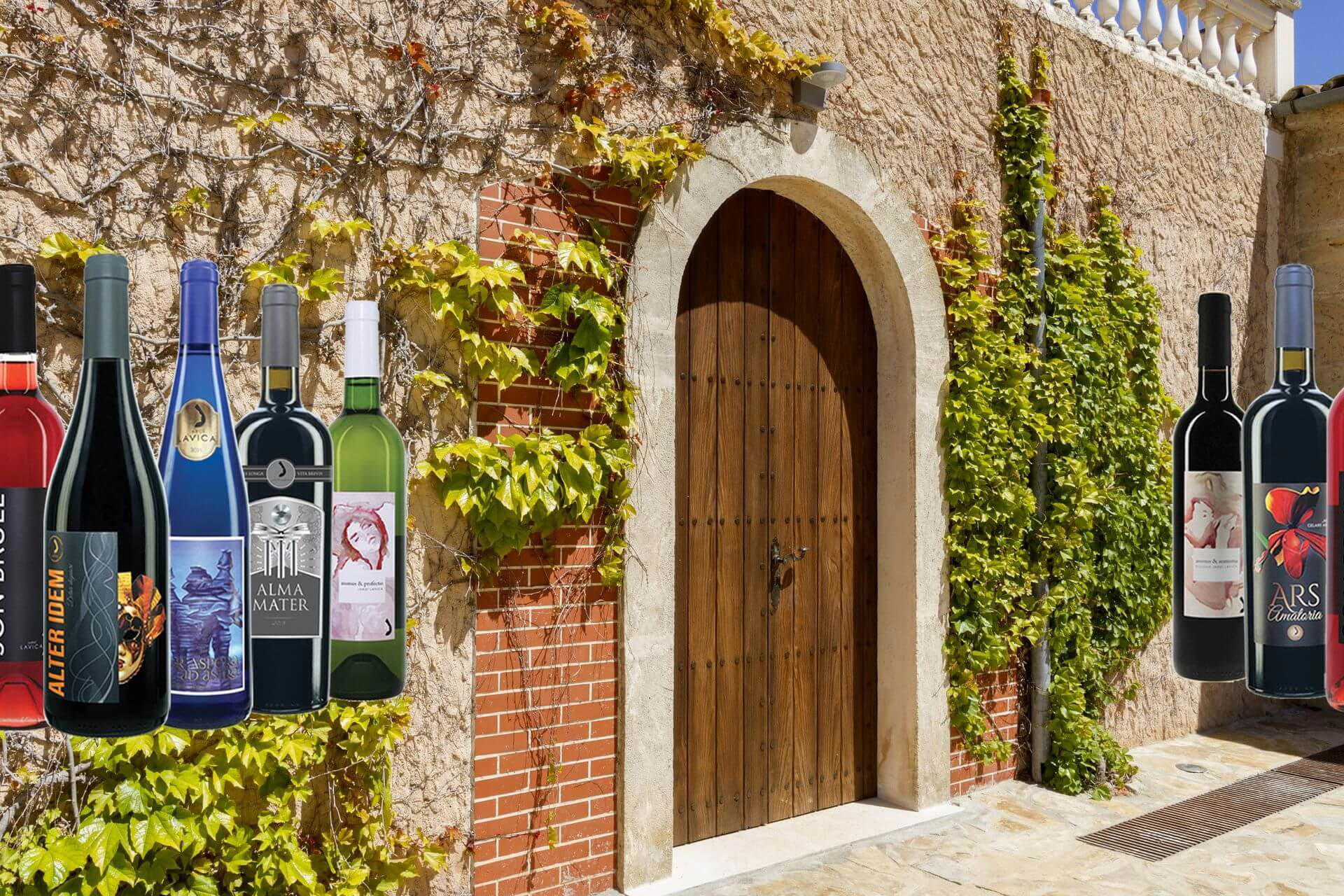
The portfolio is concise enough to read as intentional rather than sprawling: nine wines in total, divided into five reds, three whites, and one rosé. Cabernet Sauvignon, Merlot, Syrah, Chardonnay, and Prensal are part of the varietal picture, which says a good deal about modern Mallorcan wine. International grapes sit beside a local white variety, and the result is not a museum-piece idea of island wine but a working agricultural language shaped by heat, light, and market reality. The red-leaning range also reflects the way many Mediterranean estates build gravity around structure and ripeness, while leaving room for white and rosé styles suited to the island’s climate.
Estate’s public positioning leans on patience and place rather than technical bravado. That is the correct emphasis for Sencelles. Without detailed soil maps or cellar specifications, the more meaningful read is agricultural: Son Prim’s identity comes from keeping the production chain close to the land. For travellers building a broader wine itinerary, Our full Sencelles wineries guide gives the local frame, while nearby names such as Bodega Son Campaner and Jaume Llabrés help show how concentrated the area’s wine identity can be.
A vineyard visit built around pace, not performance
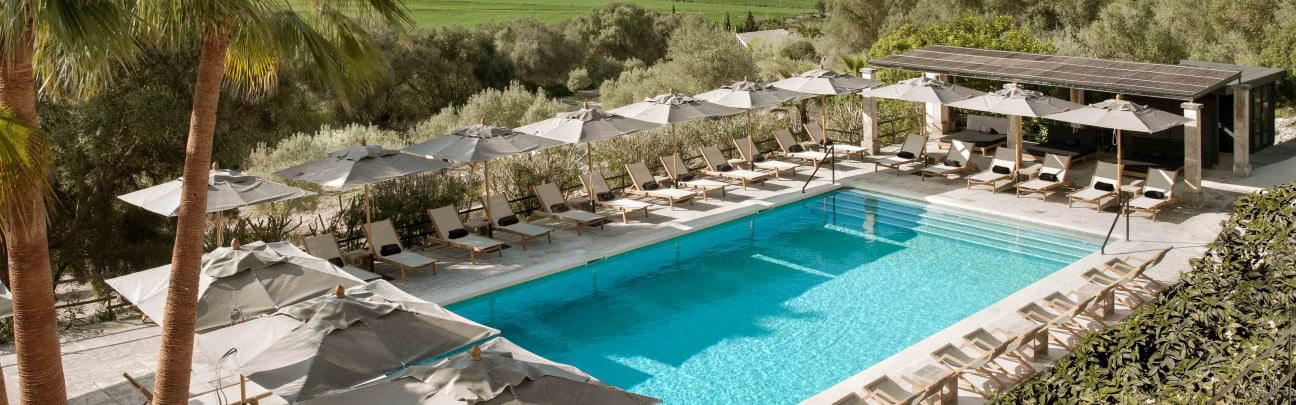
Hospitality format follows the same logic as the winemaking. Visits centre on the vineyard, the winery, and the tasting, with options that include guided tastings, premium tastings, winery tour and tasting formats, and food-paired experiences. The languages listed for tours are Spanish, Catalan, English, and German, which makes sense for Mallorca’s mix of local, mainland Spanish, British, and Central European visitors. The atmosphere is quiet and rural rather than polished into resort luxury, a distinction that matters for anyone choosing between a countryside winery and a hotel-led tasting room.
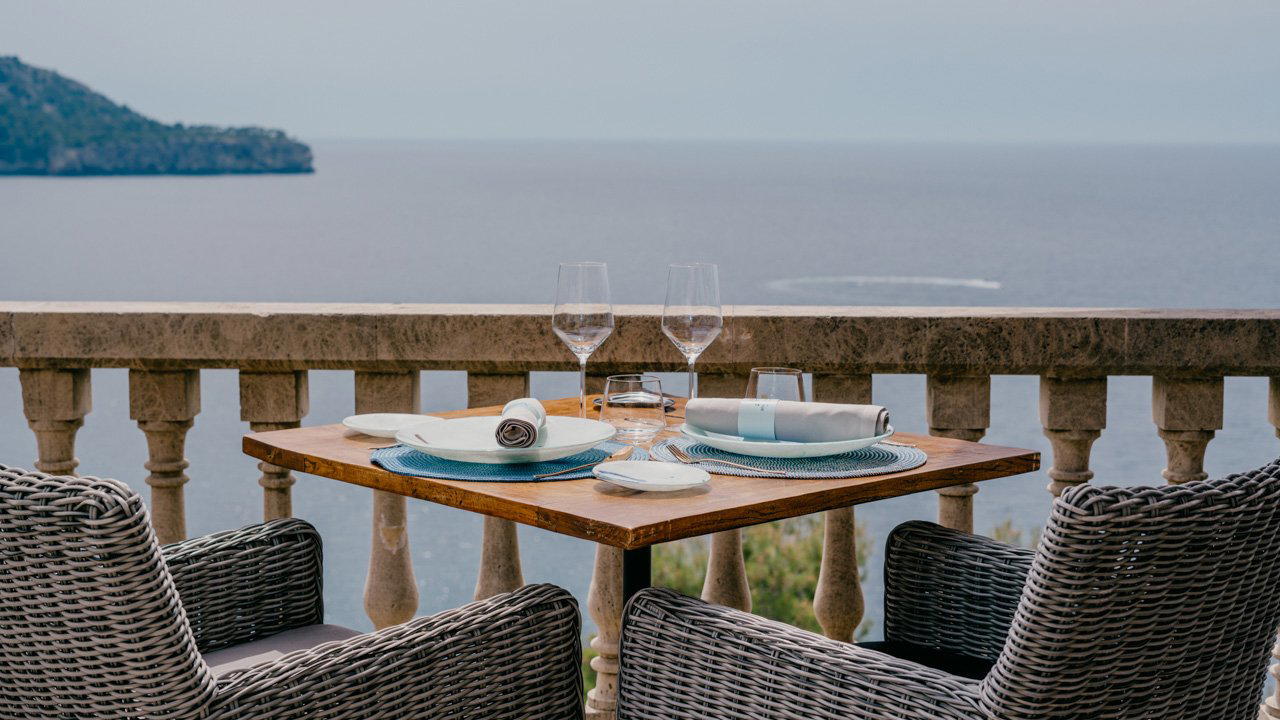
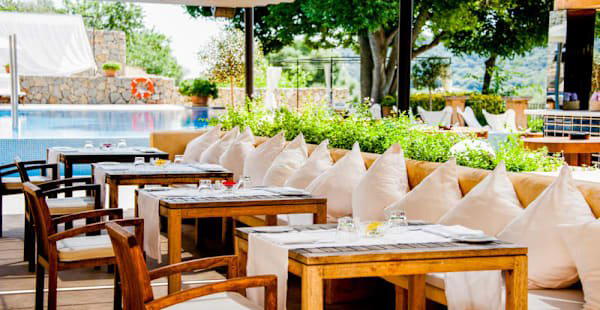
Small-batch production and a small-capacity hospitality model change the guest expectation. This is the kind of visit where the estate grounds and vineyard setting are part of the substance, not a backdrop for a quick pour. Outdoor seating, family-friendly suitability, group-outing appeal, and private tasting formats broaden the use case without turning the estate into a high-volume attraction. The better reader decision is simple: come here for an estate-based Mallorcan wine experience with a calm rural register, not for an urban bar model or a restaurant-led tasting menu.
Recognition gives the wines another point of reference. Five wines have received international competition recognition, with a stated medal tally of 3 golds, 14 silvers, and 1 bronze, plus 22 diplomas. The competitions and wine-by-wine medal details are not the story to overplay; the useful signal is that the estate has put its wines into judged contexts and received repeat acknowledgement. In a region where travellers may be choosing wineries with little prior knowledge, that medal pattern supports the case for Son Prim as a serious estate rather than a casual agritourism stop.
How to place Son Prim in a wider Mallorca trip
Sencelles works well as a wine-country counterpoint to coastal Mallorca. The town’s appeal is not density of nightlife or hotel spectacle; it is agricultural proximity, a slower inland cadence, and easy pairing with rural dining or cultural touring. Readers planning around the area can use Our full Sencelles restaurants guide, Our full Sencelles hotels guide, Our full Sencelles bars guide, and Our full Sencelles experiences guide to build the day around more than a tasting appointment.
For a broader sense of how Spanish and European wineries position themselves across different regions, EP Club’s wider cellar map includes 4Kilos Vinícola in Felanitx, 3 Ases Bodegas y Viñedos in Quintanilla De Arriba, Aalto Bodegas y Vinedos in Quintanilla De Onesimo Valladolid, Abadia de Aribayos in Moraleja Del Vino, Abadía Retuerta in Sardón de Duero, and Abel Mendoza Monge in San Vicente de la Sonsierra. Further afield, »der Steiner« Hans Steiner in Podersdorf am See and & Handwein in Mannheim underline how different regional models handle place, scale, and guest access.
The editorial read is clear: Son Prim is strongest when understood as a terroir-driven inland Mallorca estate, not as a generic wine-tourism stop. Its value comes from estate-grown grapes, on-site production, a compact nine-wine range, and a visitor format that keeps the vineyard in the foreground. For travellers who want Mallorca through agriculture rather than beach-club shorthand, Sencelles gives the better context, and this winery gives that context a glass.
Recognition history
Dated appearances from independent guides and award organizations, with the underlying list record or original source where available.
Falstaff Winery - 4 Stars
Falstaff
Continue exploring
More in Sencelles
Wineries in Sencelles
All wineries in Sencelles →

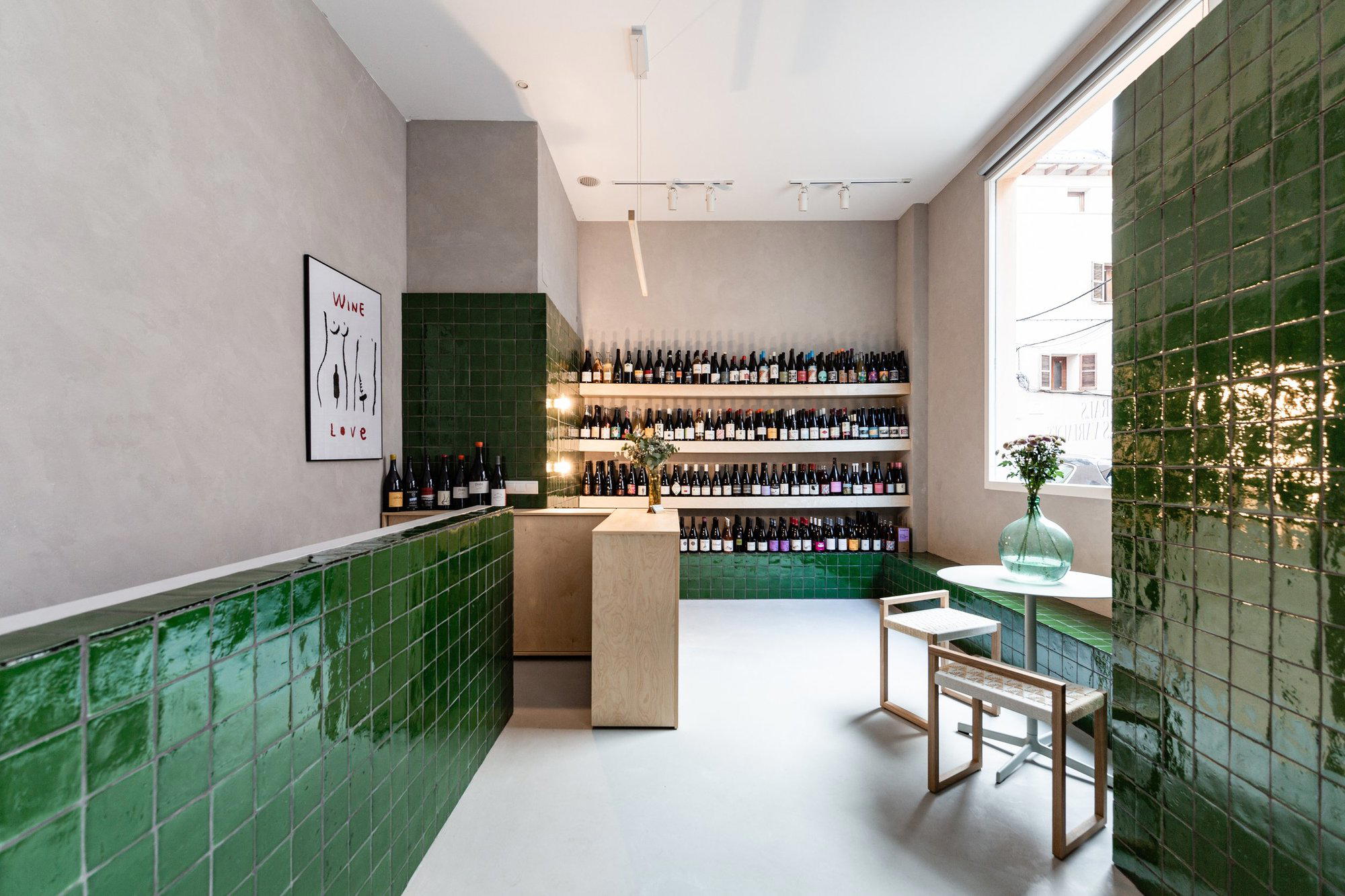
Bars in Sencelles
Browse all →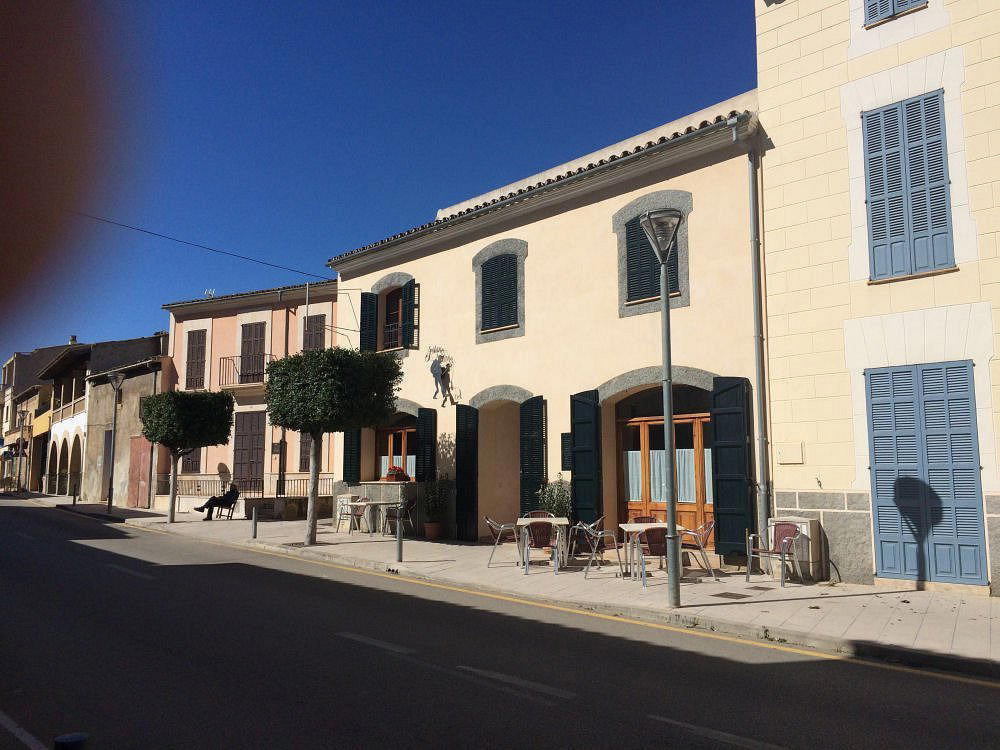
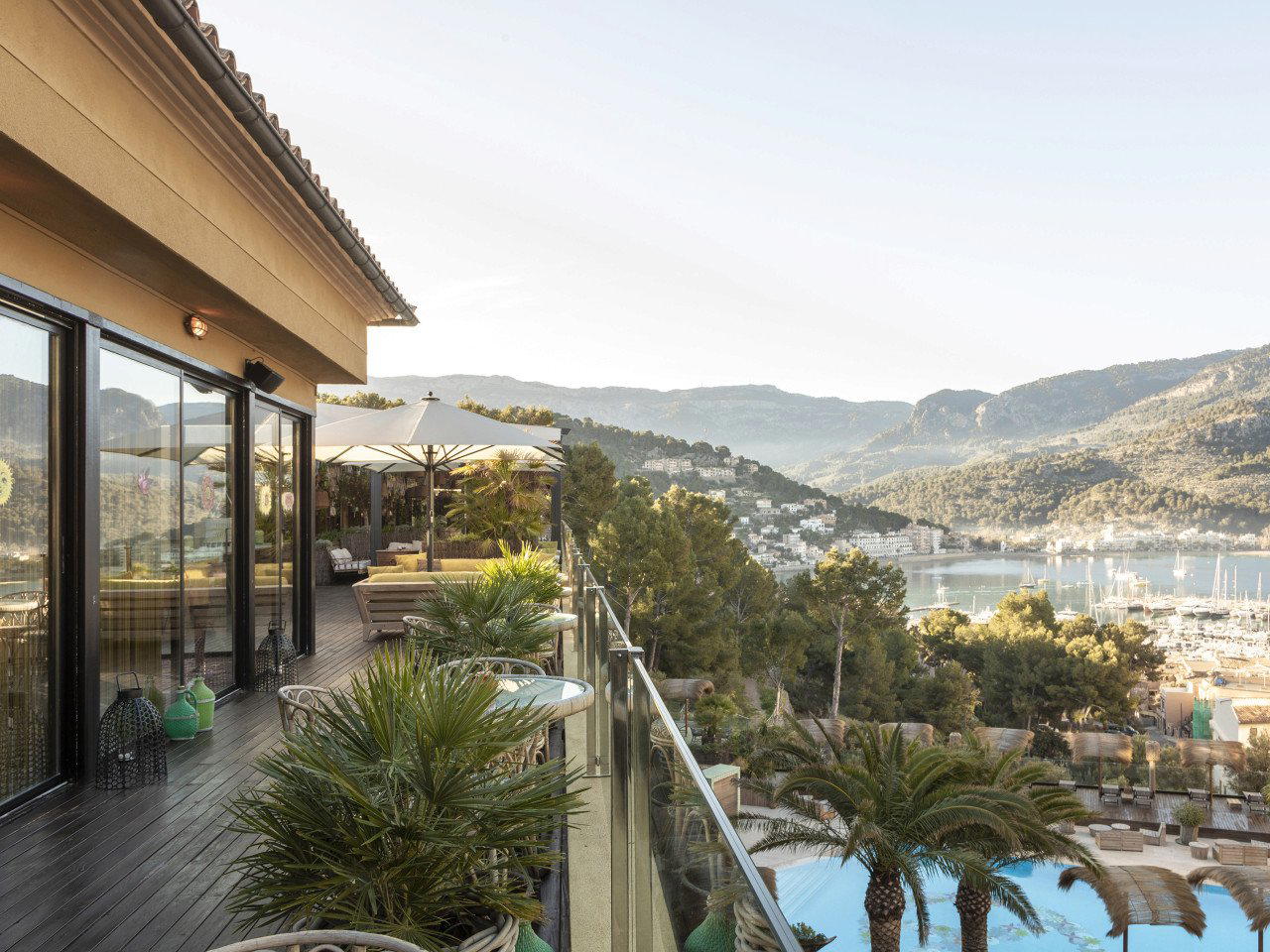
Restaurants in Sencelles
Browse all →
Details
- Rustic
- Quiet
- Scenic
- Family
- Group Outing
- Wine Education
- Special Occasion
- Vineyard Tour
- Estate Grounds
- Historic Building
- Private Tasting
- Sustainable
- Vineyard
- Cabernet Sauvignon
- Merlot
- Syrah
- Chardonnay
- Prensal
- Still Red
- Still White
- Still Rosé
- Guided Tasting
- Premium Tasting
- Tasting With Food Pairing
- Winery Tour And Tasting
- Spanish
- Catalan
- English
- German
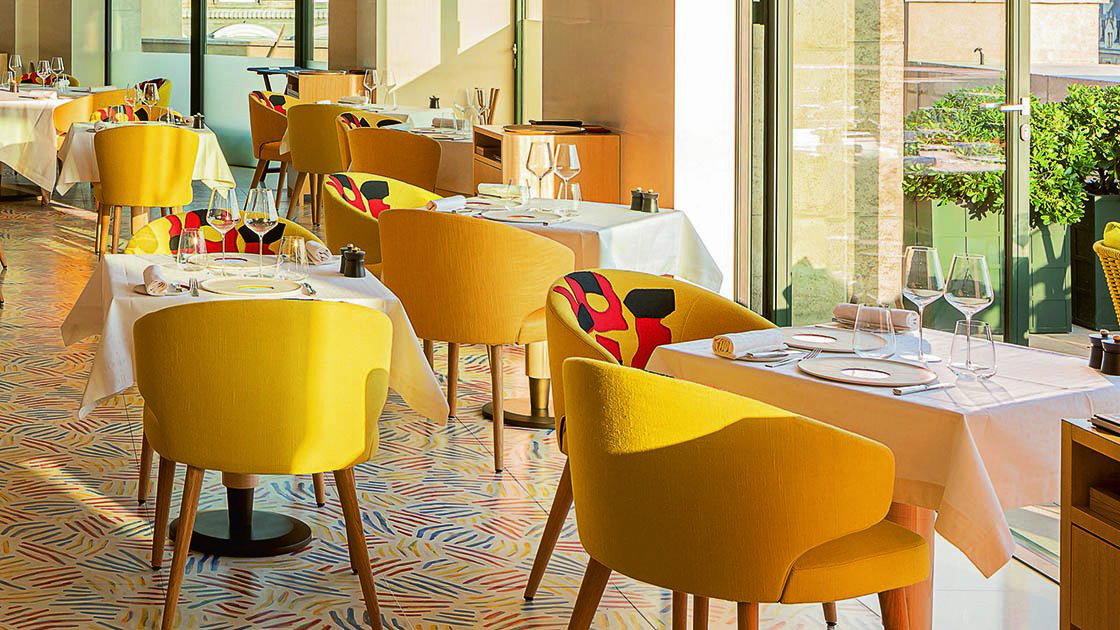
Family-run winery with an unhurried, rustic countryside feel among the vines.