Bar dos Maias belongs in the conversation about Porto’s smaller drinking rooms around Rua das Flores, where the decision is less about spectacle and more about how a bar fits into a central evening route. With, location-led stop than a credentials-driven cocktail destination.
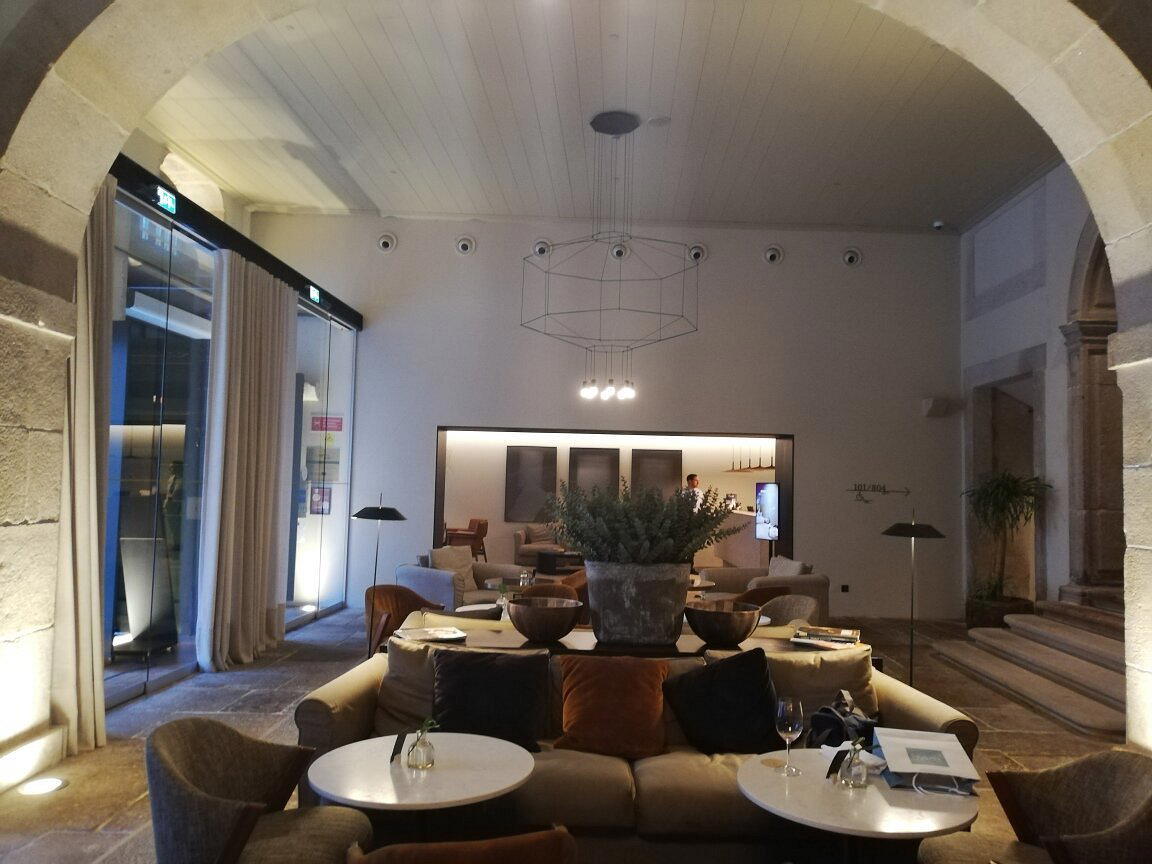
Rua das Flores and the Porto drinking route
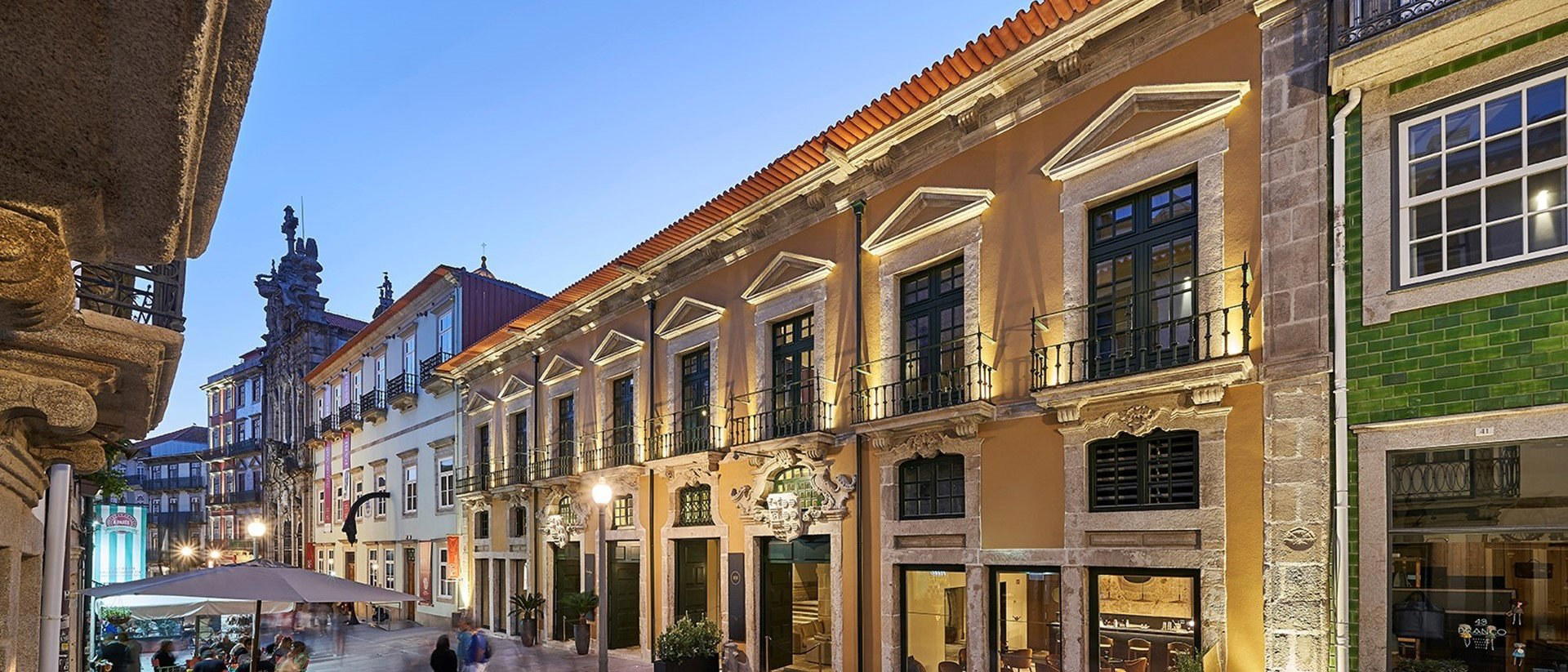
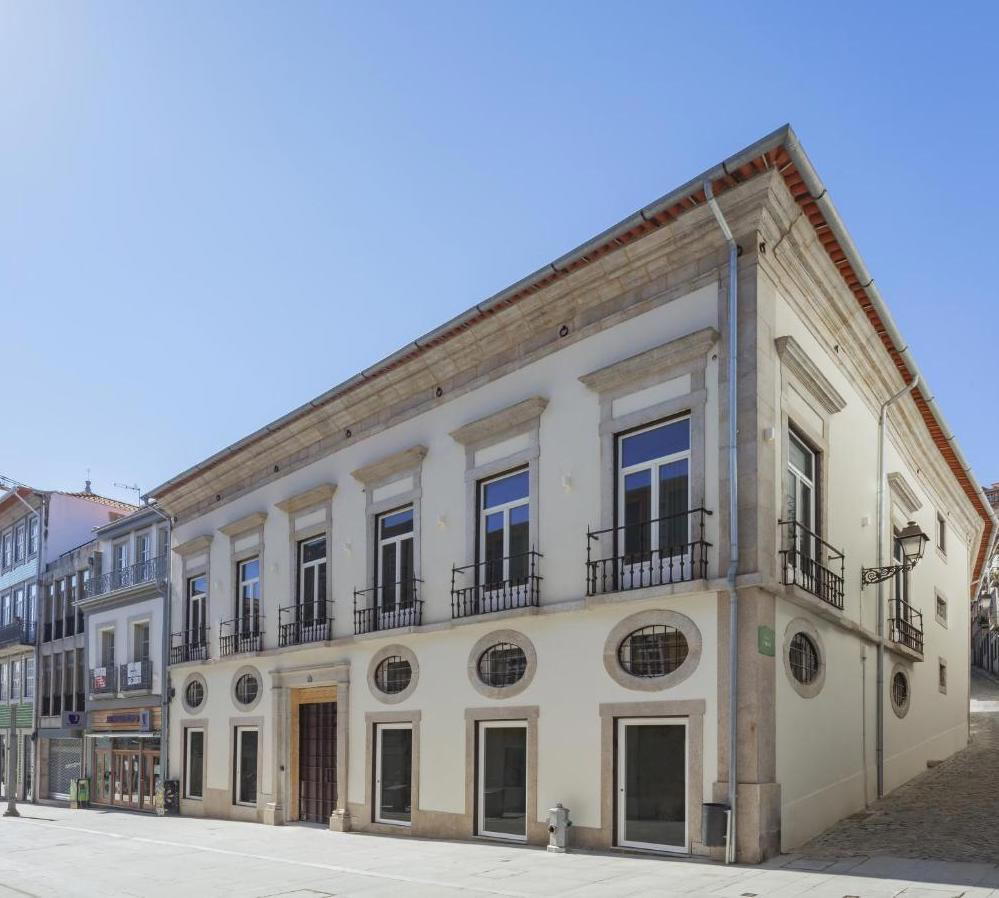
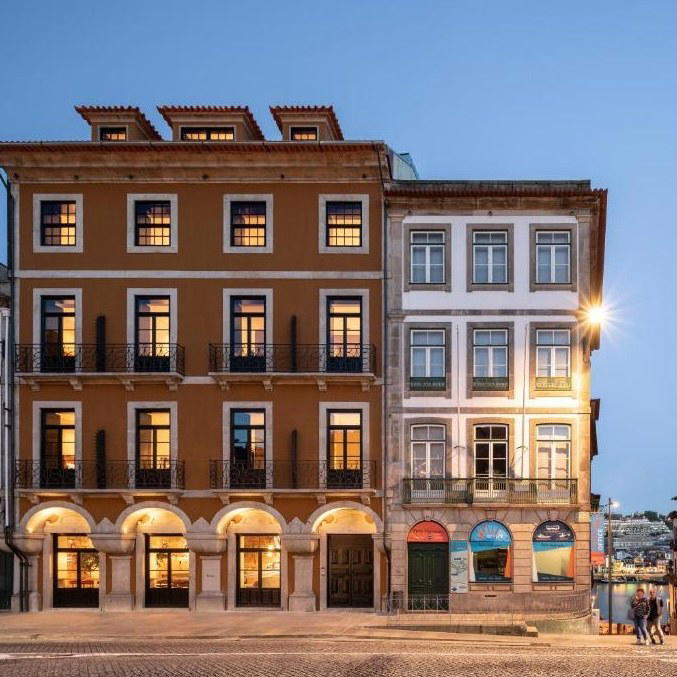
Rua das Flores changes character over the course of an evening. By day it is one of central Porto’s most walked historic streets, linking the station-side flow around São Bento with the denser lanes that fall toward the river. After dark, the same address pattern becomes useful for a different reason: it lets travellers build a drinking route without committing to one single neighbourhood. Bar dos Maias, at R. das Flores 27, 4050-416 Porto, sits inside that central pattern rather than on the city’s more performative nightlife edges.
That matters because Porto’s bar culture is not a single category. Wine bars lean on Douro access and bottle-shop seriousness. Craft beer rooms speak to a younger, international circuit. Cocktail bars range from polished hotel-adjacent rooms to compact independent addresses where the programme is harder to read from the outside. With Bar dos Maias, the available record gives the address but not the apparatus: no listed awards, no published price range, no named bartender, no menu detail, no public booking method, and no phone or website in the venue data. The editorial read, then, has to begin with position, not mythology.
For a traveller using Porto well, that lack of published detail is not automatically a weakness. It changes the decision. This is not a venue to approach as a trophy reservation or an award-chasing cocktail counter. It is a central Porto bar to consider when the night is being shaped by proximity, mood, and the desire to compare one drinking format against another. The address places it close enough to the city’s historic core to work before or after dinner, especially for readers already moving through the Baixa and river-facing parts of town.
The cocktail question in a city built around wine
Porto asks every bar to define itself against wine, even when the bar is not a wine bar. The city’s global drinking identity is tied to port lodges across the Douro in Vila Nova de Gaia, to Douro table wines, and to the bottle lists that restaurants and specialist shops use as shorthand for regional seriousness. Cocktail programmes in this setting have a narrower task than in London, Lisbon, or New York. They need to justify themselves without pretending wine is not the gravity field.
That makes the cocktail programme the right lens for Bar dos Maias, but also the area where caution is required. A responsible page should not invent clarified serves, local botanicals, port-based cocktails, or a house martini without a source. What can be said is more useful for planning: in Porto, a central bar without published awards or menu data should be evaluated on arrival, with the first order used as a diagnostic. Look at whether the list is concise or sprawling, whether classics are treated as templates or afterthoughts, and whether Portuguese ingredients appear as structure rather than garnish.
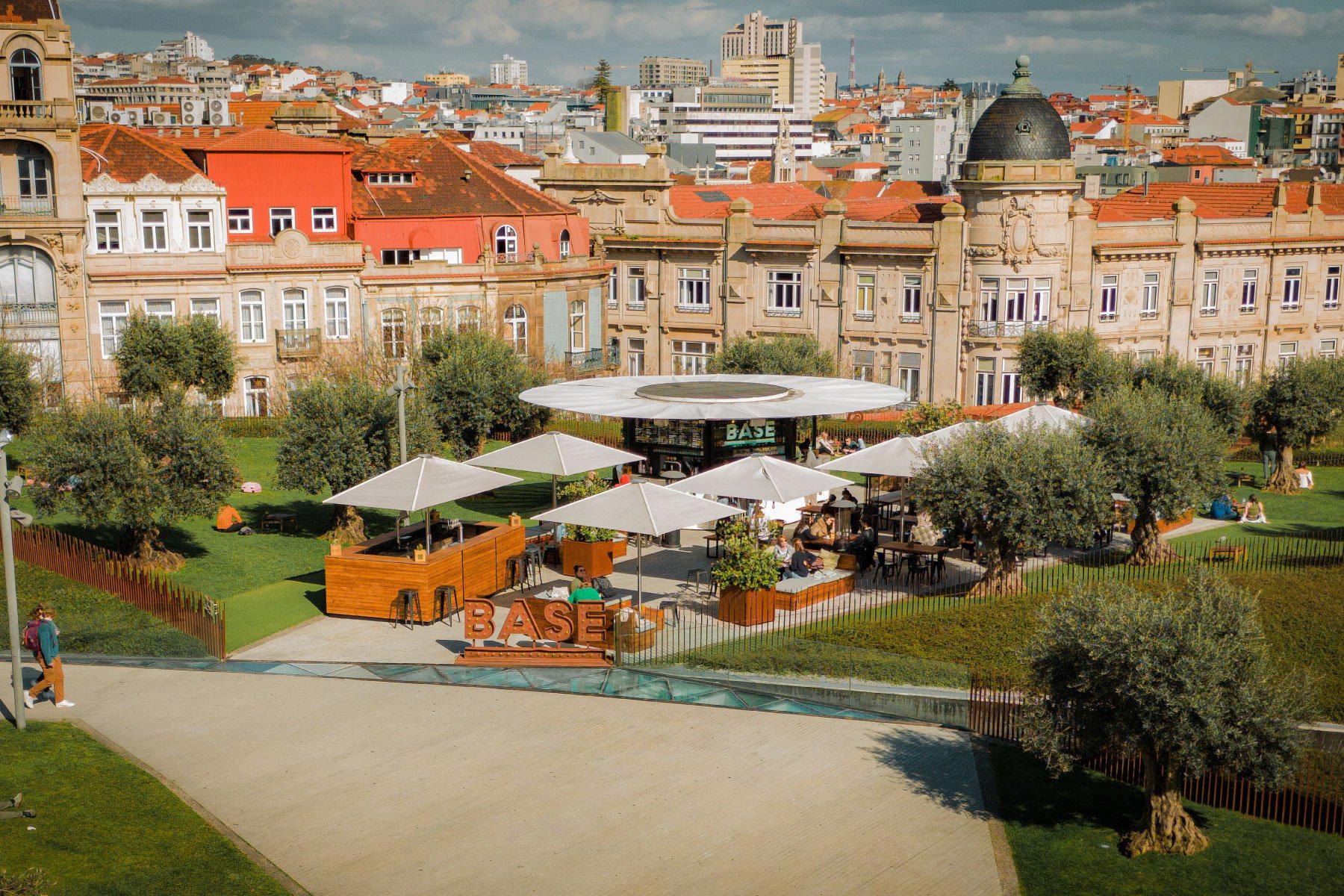
Readers seeking a more clearly documented drinking category can bracket the night with nearby alternatives. For wine-led comparison, Dogma Wine Bar and A Cave do Bon Vivant sit closer to the bottle-driven side of Porto’s evening economy. For beer rather than cocktails, Catraio Craft Beer Shop & Bar gives a different reading of the city’s independent bar culture. Base Porto belongs to the open-air social side of the equation. The point is not to rank them, but to make the category clear before the first drink is ordered.
How to read a low-publicity bar in Porto
In high-information cities, bars often arrive pre-interpreted: award lists, reservation systems, menu photography, guest-shift announcements, and bartender CVs tell the drinker what to expect before the door opens. Porto is more uneven. Some rooms publish enough to be assessed remotely. Others operate with lighter digital footprints, which can suit the city’s compact geography but leaves editorial judgment dependent on verifiable anchors.
The concrete anchor is the address on Rua das Flores. The missing fields are equally instructive: no cuisine type, no chef or bar lead, no awards, no price range, no hours, no seating count, no booking method. That profile points away from destination-only planning and toward flexible use. It is better suited to a central evening where the reader can walk in, read the room, and decide whether to stay for a second round.
There is a broader Porto lesson here. The city rewards drinkers who understand format before reputation. A wine bar can be serious without ceremony. A craft beer shop can be more useful than a glossy lounge if the group wants breadth and pace. A cocktail room earns confidence through balance, dilution, temperature, and restraint, but those qualities cannot be confirmed from a sparse public record. When data is thin, the smarter move is to keep the plan modular: start central, leave room to change direction, and use the first venue as a calibration point for the rest of the night.
Atmosphere: central, compact, and dependent on timing
The atmosphere to expect is shaped first by the street. Rua das Flores carries steady pedestrian movement because it is both a practical connector and a historic route. Bars here do not need remote-destination drama; they benefit from being woven into the city’s natural evening circulation.
Early evening on a central Porto street often means aperitif traffic and visitors moving between dinner bookings. Later hours can shift toward a looser bar rhythm, especially near the Baixa corridors.
This is also where Porto differs from larger cocktail capitals. In Lisbon, a bar such as Red Frog in Lisbon can be read within a more established speakeasy and cocktail-awards conversation. In Porto, the more interesting question is how a central bar behaves inside a wine-first city. Does it offer a disciplined cocktail list, or does it function as a general late-evening stop? With Bar dos Maias, the answer has to be tested in person because the public data does not settle it.
What to order when the menu is not published
When a cocktail menu is unavailable in the record, the first order should be practical rather than performative. Start with a classic that exposes technique: a daiquiri, negroni, martini, old fashioned, or sour, depending on what the bar actually offers. These drinks reveal the basics quickly: balance, temperature, dilution, citrus handling, and whether the bar team treats familiar recipes with care. If the menu leans local, a port, aguardente, vinho verde, or Portuguese vermouth element can be interesting, but only if it does structural work in the drink.
Food should not be assumed. Readers planning dinner around the same area should separate the meal decision from the bar decision and use Our full Porto restaurants guide for a wider city plan. That matters in Porto, where dinner timing can determine whether a bar feels like a prelude, a holding pattern, or the final stop of the night.
The better comparison set may be national rather than only local. Coastal bars such as Bar e Duna da Cresmina in Cascais E Estoril and Bar do Guincho in Alcabideche are shaped by setting in a way central Porto bars are not. Estoril in Estoril sits in another resort-adjacent context. Garrafeira Baga in Coimbra and Mosto Wine Shop & Bar in Lagos point back toward Portugal’s hybrid shop-and-drink culture. Even Café La Trova in Miami, far outside Portugal, is useful as a contrast: there the bar identity is inseparable from a documented music-and-cocktail format, while this Porto address asks to be read with fewer public signals.
Planning the visit
Plan around the verified address: R. das Flores 27, 4050-416 Porto. The venue data does not list a phone number, website, price range, hours, dress code, or reservation method, so it should not be treated as a fixed anchor unless those details are confirmed independently on the day. In practical terms, that means building it into a walkable central route rather than scheduling an entire evening around a guaranteed booking.
For visitors staying near São Bento, Aliados, Ribeira, or the lower Baixa, the location is convenient enough to check in person. For those crossing from Gaia after lodge visits, it can function as a city-centre counterpoint to port tastings, provided the group is comfortable with uncertainty around opening times and availability. Dress expectations are not published, so central Porto smart-casual is the safest baseline: comfortable enough for the streets, polished enough for a bar before or after dinner.
The absence of awards in the record should be read plainly. It does not prove quality one way or the other; it means the venue is not being recommended here on Michelin, 50 Best, James Beard, or comparable public recognition. The reason to consider it is geographic and exploratory: a Rua das Flores bar in a city where the drinking scene is split between wine authority, casual social spaces, and a smaller cocktail conversation.
How It Stacks Up
| Venue | Price | Awards |
|---|---|---|
| Bar dos MaiasThis venue (the venue you are viewing) | Not listed | Not listed |
| Dogma Wine Bar | $30–50 | Star Wine List · Falstaff Wine Bar - 88 Falstaff Points |
| A Cave do Bon Vivant | $20–30 | Star Wine List · Falstaff Wine Bar - 91 Falstaff Points |
| Prova | $20–30 | Star Wine List · Falstaff Wine Bar - 95 Falstaff Points |
| Enoteca 17.56 | $50–100 | Star Wine List |
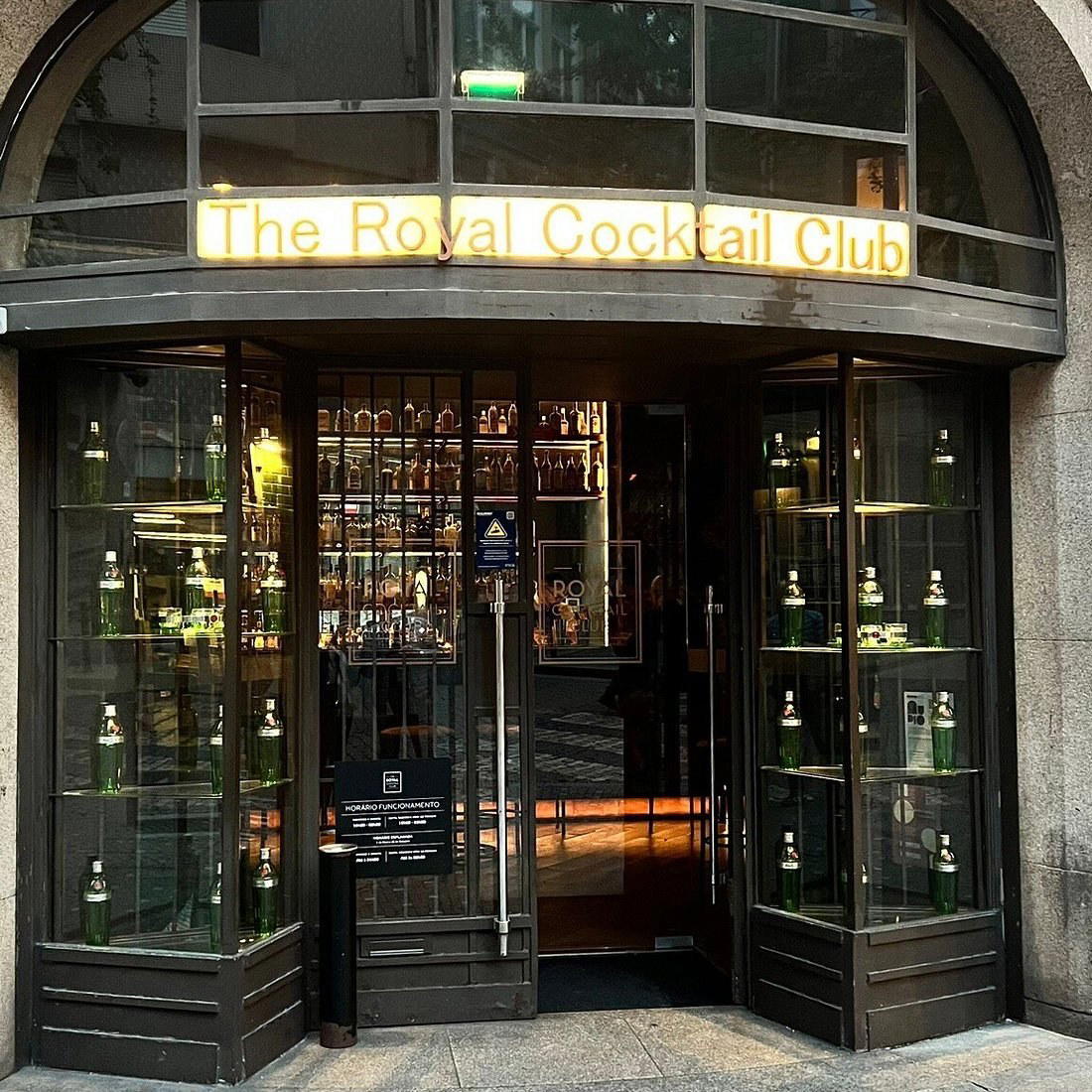
| Royal Cocktail Club | $10–20 | Top 500 Bars Best Bars #359 · Falstaff Bar - 95 Falstaff Points |
Continue exploring
More in Porto
Bars in Porto
All bars in Porto →
Restaurants in Porto
All restaurants in Porto →

Details
- Elegant
- Classic
- Cozy
- Romantic
- Date Night
- After Work
- Casual Hangout
- Solo
- Group Outing
- Special Occasion
- Terrace
- Courtyard
- Historic Building
- Design Destination
- Hotel Bar
- Seated Bar
- Lounge Seating
- Outdoor Terrace
- Classic Cocktails
- Conventional Wine
- Street Scene
- Garden
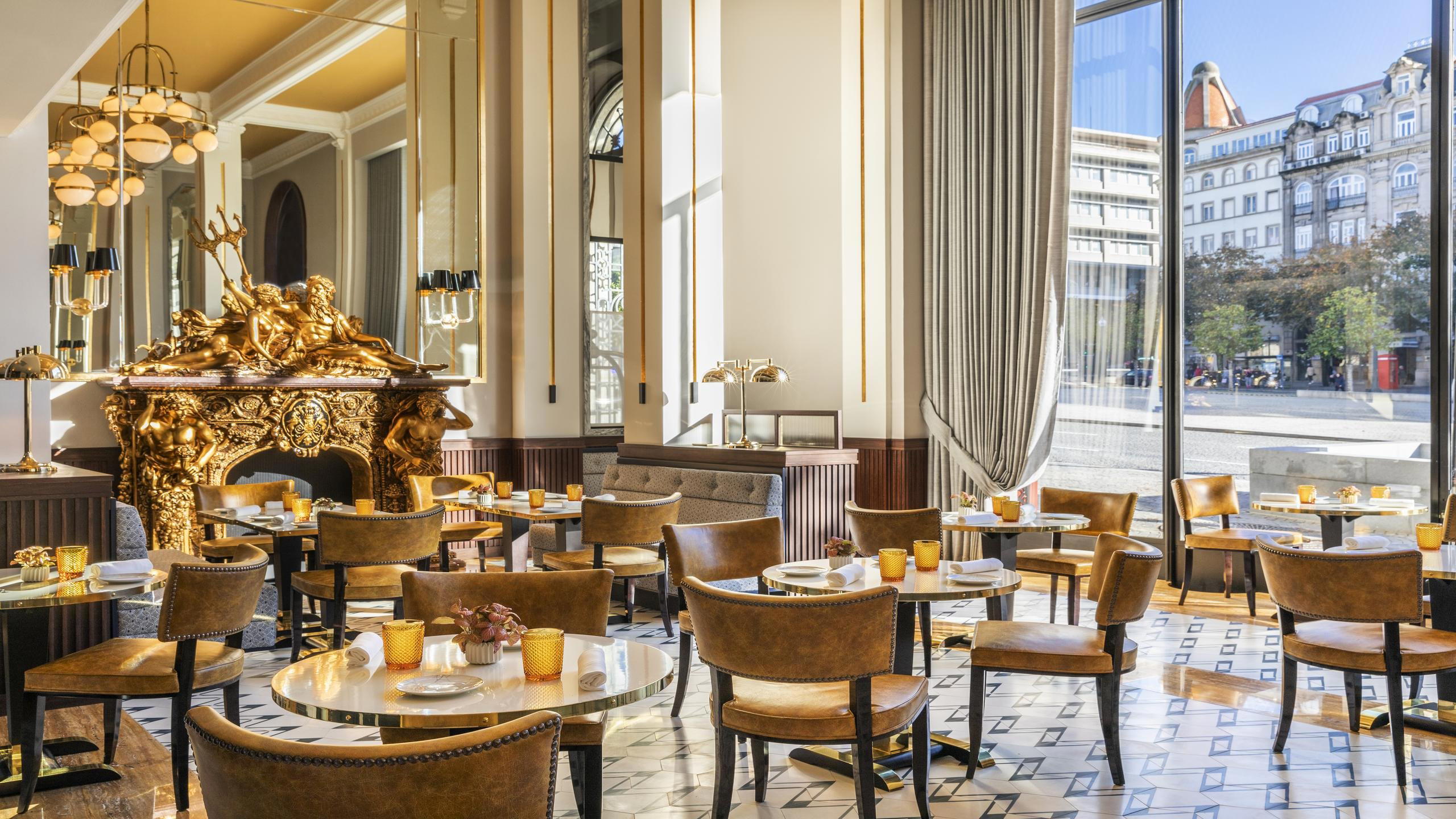
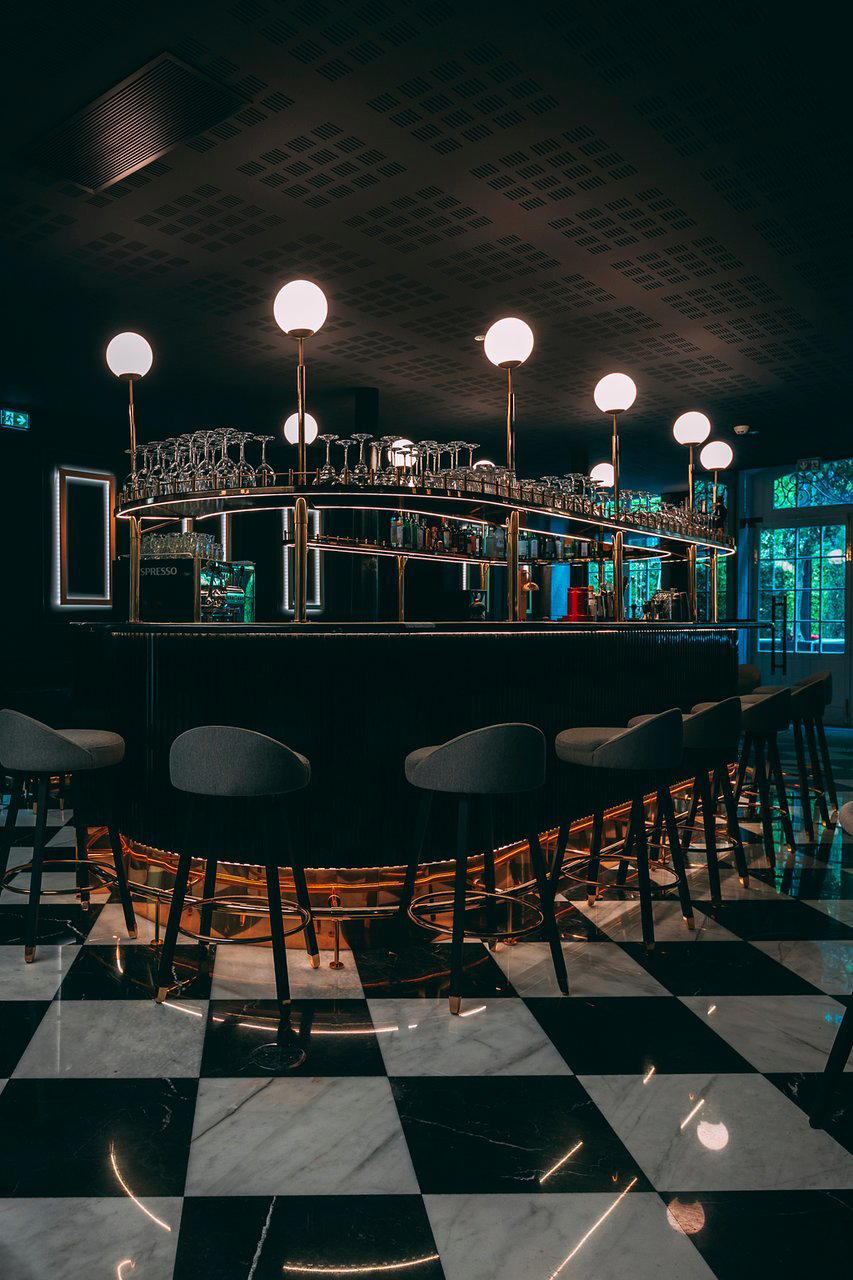
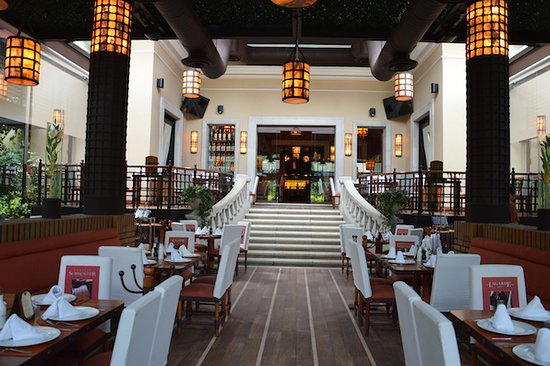
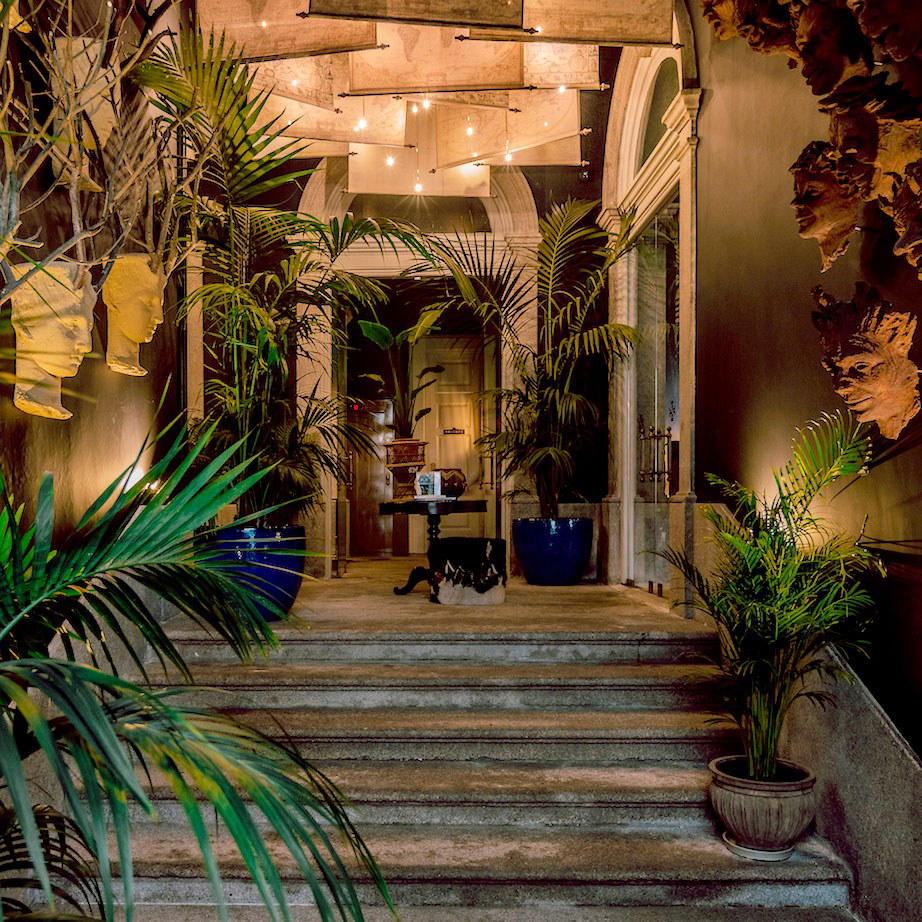
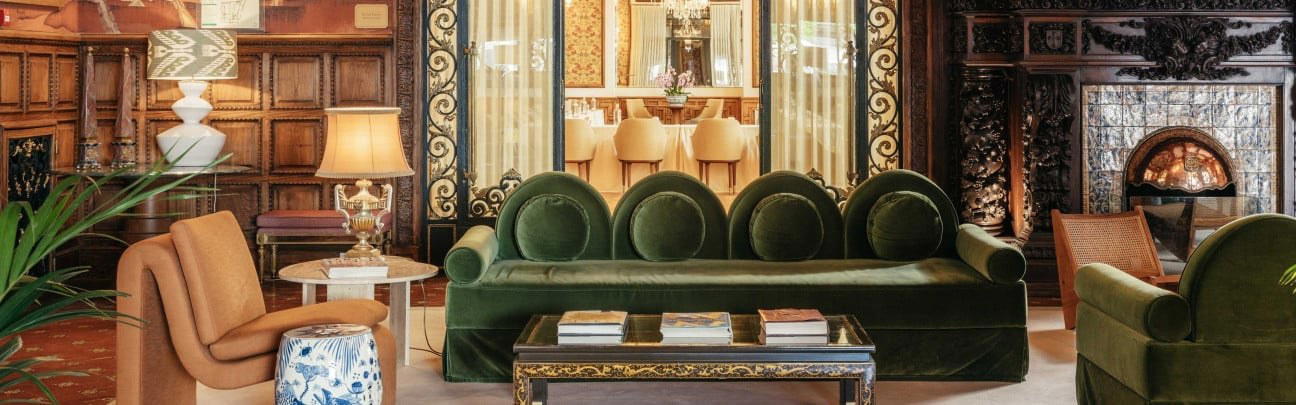
Refined and relaxed hotel-bar atmosphere inside a beautifully restored historic building, with spacious, classy interiors and a calm garden patio; street-side seating is ideal for people‑watching, while overall the setting feels like a quiet oasis despite occasional complaints about slow or inattentive service.