
Falstaff Winery - Listed
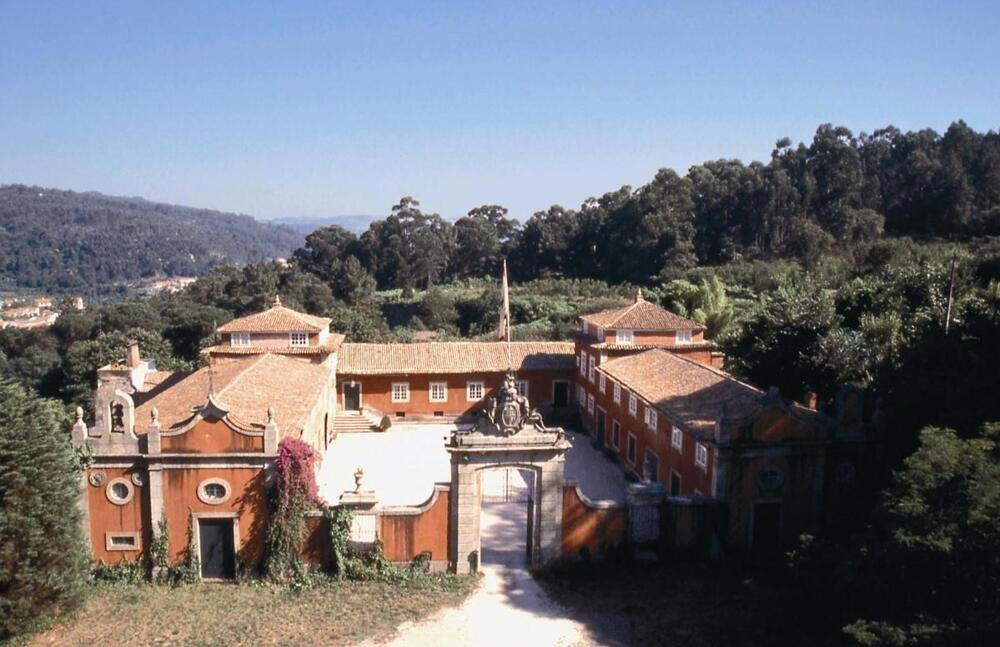
Quimta de Linhares is a small Vinho Verde DOC estate in Porto’s orbit, shaped by south and southwest-facing vineyards in the Sousa sub-region. The draw is not architectural theatre but terroir: granite-derived sandy soils, native varieties such as Avesso, Azal Branco and Alvarinho, and a quiet rural setting built around fresh, aromatic wines.

Pearl is the En Primeur Club membership app — saves, bookings, and concierge access live there. Same editors, same standards.

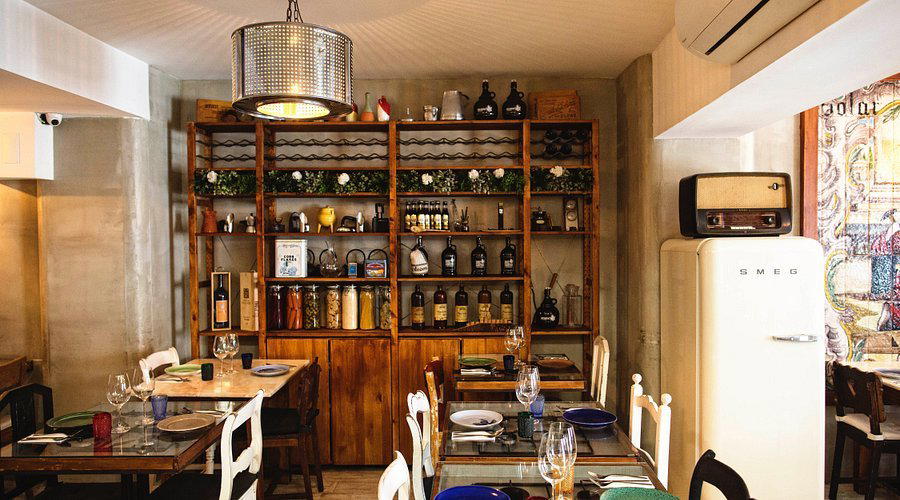
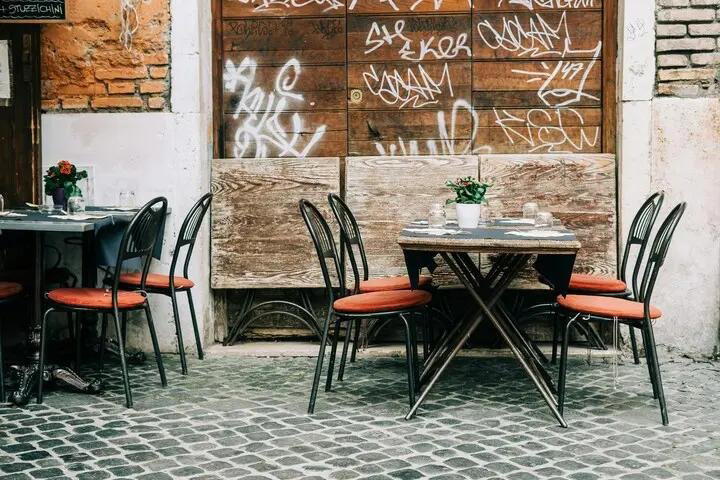
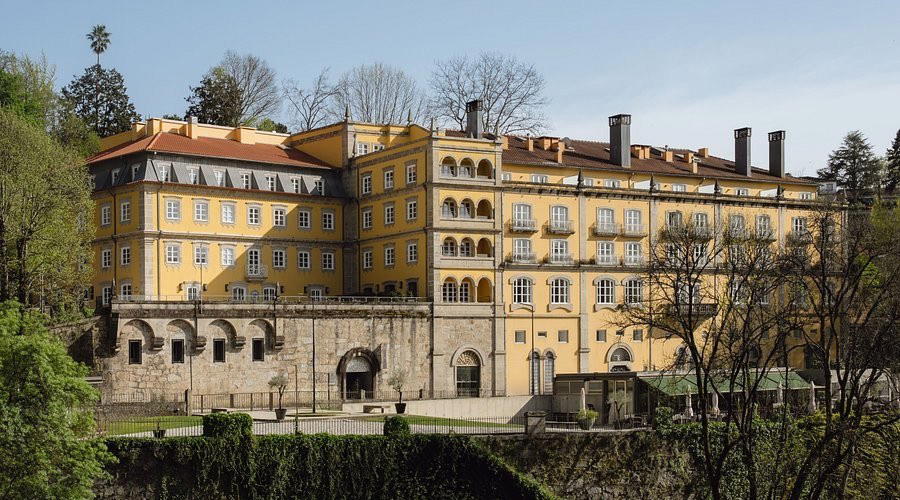
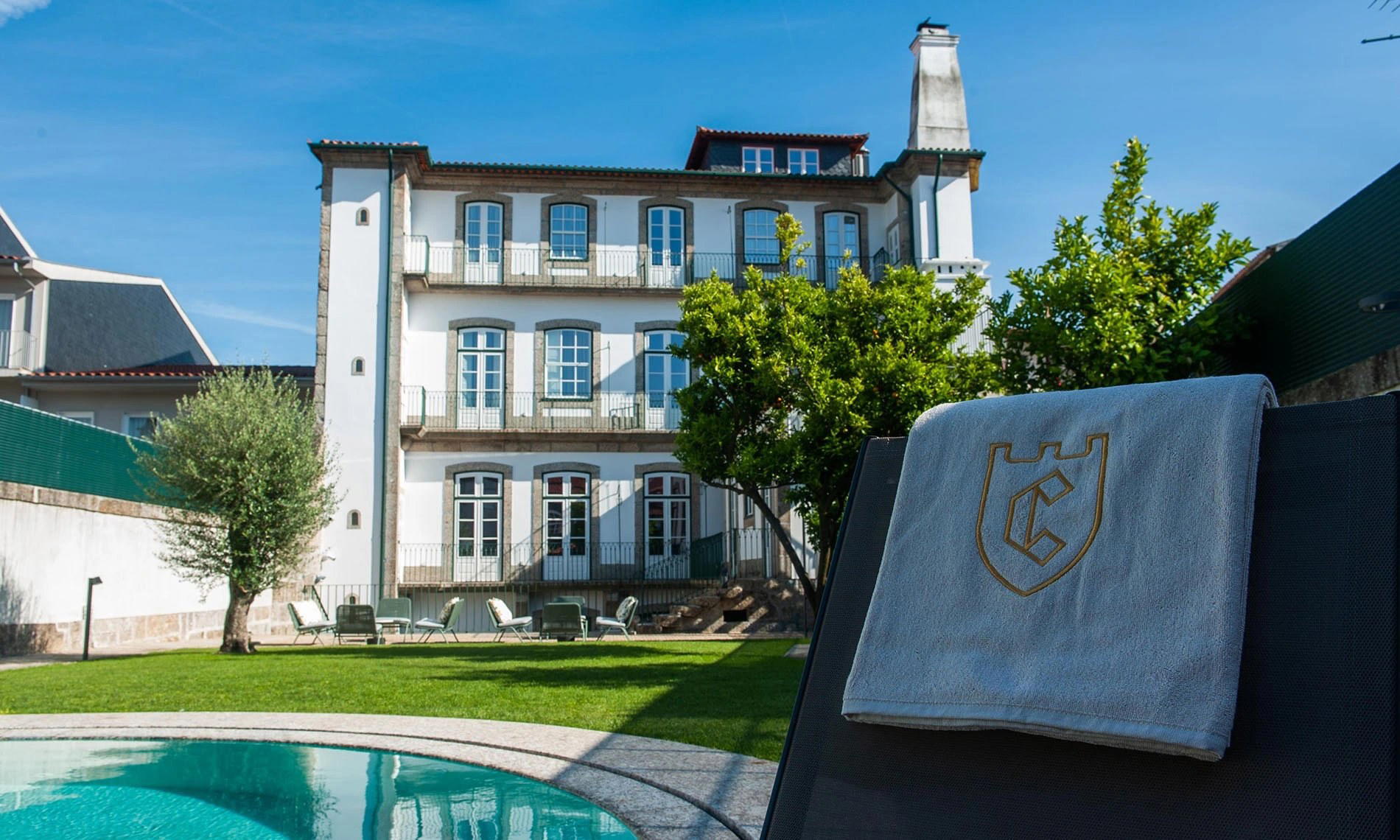
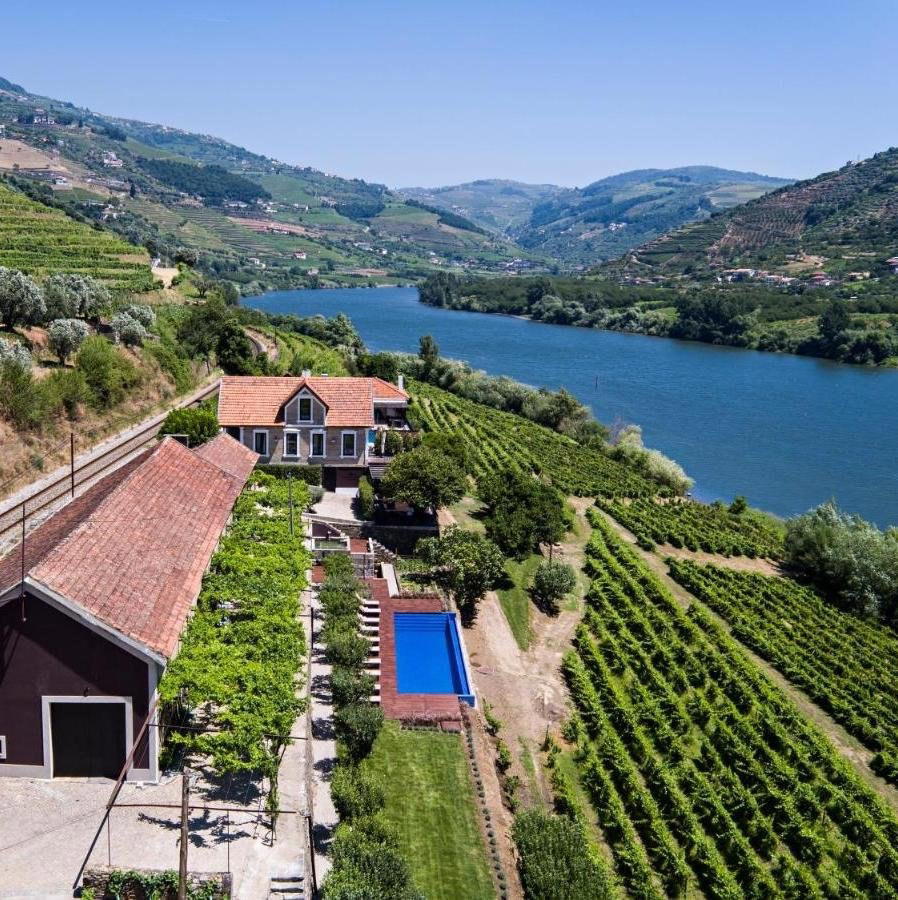
Gentle vineyard slopes and a quiet rural atmosphere set the tone before the glass does. Quimta de Linhares in Porto is best understood as a Vinho Verde estate with a natural countryside mood, not as an architectural showpiece or a heavily programmed destination. The appeal is simple and direct: sun-exposed vineyards on gentle slopes, a tranquil setting and fresh, aromatic wines. Those elements give the place its identity, and they are enough to explain why it belongs on the radar for travellers who want their wine stop to feel grounded in landscape.
For visitors looking beyond the city’s more familiar drinking routes, Quimta de Linhares offers a calmer way to think about Vinho Verde in place. The draw is not a documented tasting format, restaurant programme or named hospitality package; it is the combination of rural scenery, classic estate character and a focused wine setting. In that sense, the experience should be approached with the right expectations. This is a venue to consider for atmosphere, quietness and a sense of wine country, rather than for a checklist of confirmed visitor services.
Fresh, aromatic Vinho Verde in a rural setting
The strongest editorial reason to pay attention here is the estate atmosphere. The picture is of a rural Vinho Verde property with sun-exposed vineyards on gentle slopes. That points the experience toward freshness, aromatics and quiet landscape rather than spectacle or luxury design. It also places the wines in a setting that feels coherent with the general idea of Vinho Verde: bright, fresh and connected to a green, open countryside mood.
What can be said with confidence is that Quimta de Linhares is a rustic, scenic and quiet Porto wine address for travellers who want a countryside frame around Vinho Verde. The restraint matters. Rather than overstating what is not documented, the better reading is to let the confirmed character of the place carry the recommendation.
Porto visitors building a wine-focused itinerary can use Quimta de Linhares as a counterweight to more city-led drinking. For broader planning, use general Porto dining and wine resources to decide how much of the day to reserve for a countryside visit rather than treating the estate as a quick add-on. A rural wine stop tends to reward a slower pace, especially when the main point is the surrounding calm as much as the contents of the glass.
A small-feeling estate mood, not a spectacle winery
Quimta de Linhares is described with a rustic scenic character, which makes it better suited to visitors seeking a quiet countryside atmosphere than those looking for a large entertainment-driven wine venue. The emphasis is on a small-feeling estate mood: vineyards, slopes, rural stillness and a wine focus that does not need to be dressed up as spectacle.
Plan with that uncertainty in mind: the grounded reason to go is the rural Vinho Verde setting and fresh aromatic wine focus, not a guaranteed lifestyle programme. Anyone who needs a precisely structured visit should check practical details directly before committing time, while those who are comfortable with a simpler countryside premise may find the lack of excess part of the appeal.
For travellers turning a Porto stay into a broader Portugal wine route, contrast is useful, but the comparison should remain general. Quimta de Linhares stands out here as a peaceful Porto option where the emphasis is on landscape, quiet and Vinho Verde rather than urban dining or architectural drama. It works well as a change of tempo: less about being dazzled, more about allowing the setting to reset the pace of the day.
How to place it inside a Porto trip
Quimta de Linhares works well when the day is planned around a calmer wine-country mood. Porto’s dining, bar and hotel scenes operate on a different rhythm from a rural estate visit, so the smarter itinerary leaves space rather than overpacking the day. Treat the visit as part of a slower arc, with enough room around it for travel, unhurried scenery and the simple pleasure of being away from the city’s denser routines.
The editorial verdict is simple: choose Quimta de Linhares for a tranquil Vinho Verde estate atmosphere, sun-exposed vineyard scenery and a fresh, aromatic wine focus. Do not choose it on the assumption of awards, a specific tasting format, named grape varieties, restaurant-style service or a broad hospitality programme. Its value lies in the quieter promise already visible in the description: a rustic Porto wine address where countryside, freshness and restraint do most of the work.
Recognition history
Dated appearances from independent guides and award organizations, with the underlying list record or original source where available.
Falstaff Winery - Listed
Falstaff
Continue exploring
More in Porto
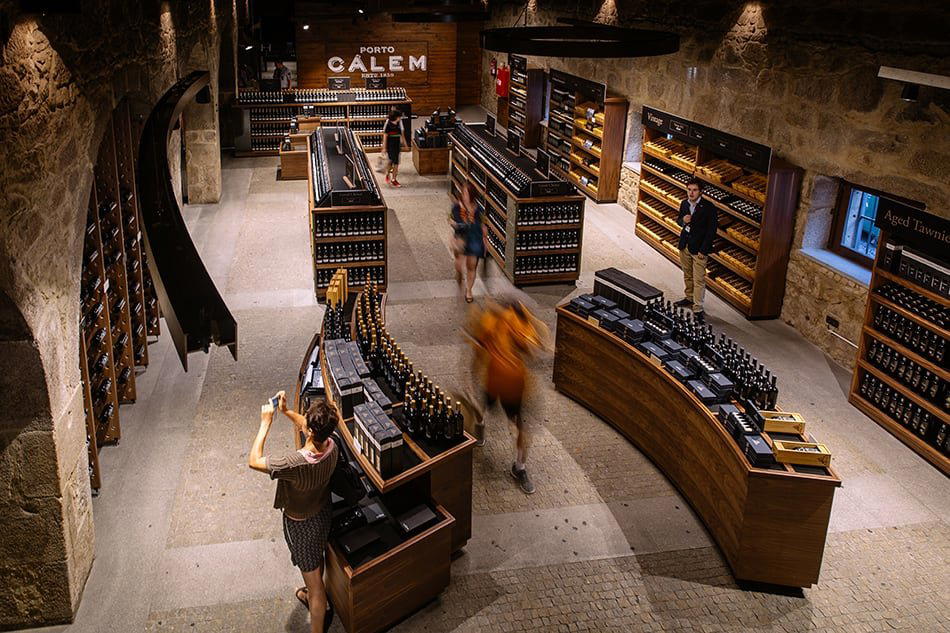
Wineries in Porto
All wineries in Porto →

Bars in Porto
All bars in Porto →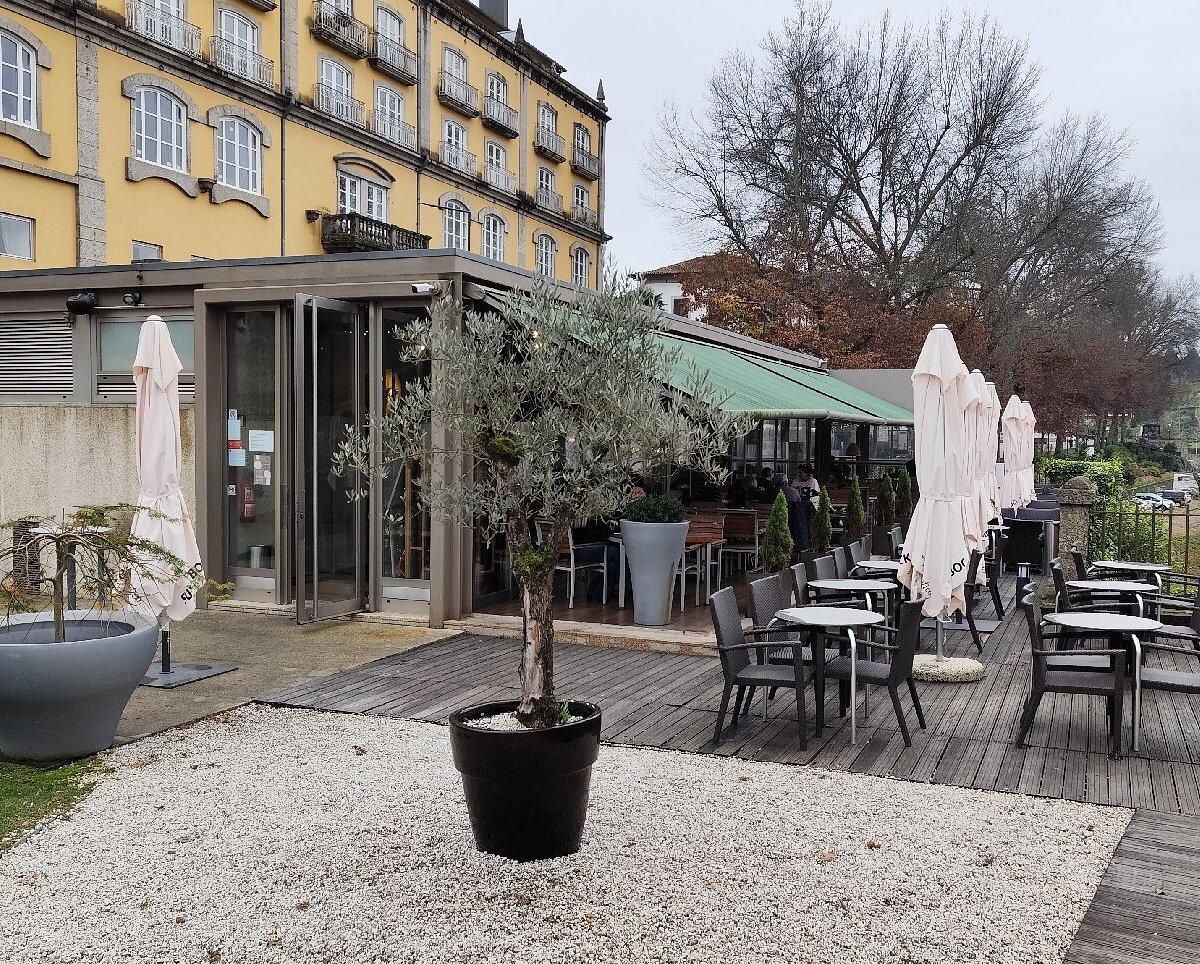
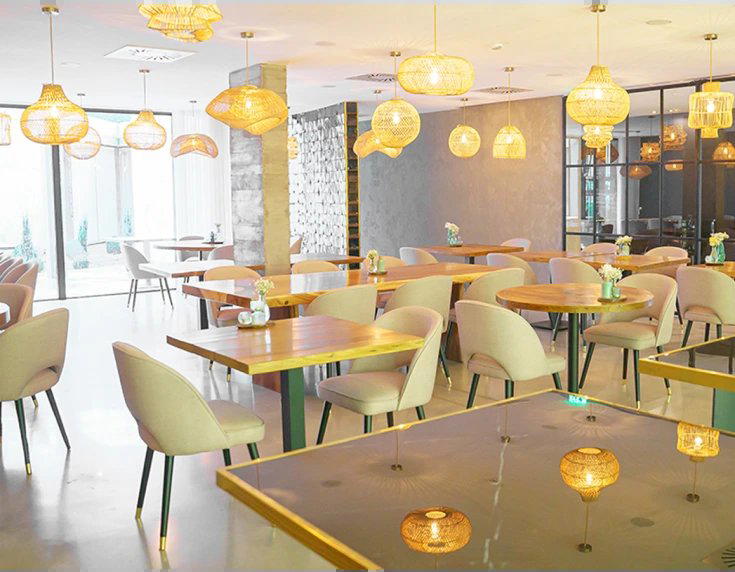


Restaurants in Porto
All restaurants in Porto →
Details
- Rustic
- Scenic
- Quiet
- Classic
- Solo Exploration
- Wine Education
- Group Outing
- Estate Grounds
- Vineyard Tour
- Vineyard
- Garden
- Avesso
- Alvarinho
- Azal Branco
- Arinto
- Espadeiro
- Vinhão
- Padeiro
- Still White
- Still Red
- Standard Tasting
- Vineyard Focused Tasting
Rural Vinho Verde estate with sun-exposed vineyards on gentle slopes, offering a natural, tranquil countryside atmosphere focused on fresh, aromatic wines rather than architectural spectacle.