BAR 1597
BAR 1597 sits in Penrith’s bar scene, where Lake District visitors and local drinkers meet in a town better known for coaching inns than high-concept cocktails. With no public awards, pricing, menu, or booking data in the record, it should be read through context: a Penrith drinks stop whose value depends on the night’s programme, service rhythm, and how it compares with nearby alternatives.
Pearl is the En Primeur Club membership app — saves, bookings, and concierge access live there. Same editors, same standards.
- Address
- Penrith, United Kingdom
- Directions
- Get directions
 Saves & bookings on Pearl
Penrith after dark, seen through the glass
Penrith has a particular evening register. The town does not perform the late-night theatre of Manchester or Edinburgh; it works on a tighter scale, with pubs, hotel bars, restaurant counters, and small drinking rooms carrying the after-dinner hours for residents, walkers, weekend guests, and rail travellers moving between the Lakes and the Eden Valley. In that setting, BAR 1597 belongs to a category that matters more than it first appears: the small-town cocktail address, where the measure of the room is not a national awards list but the clarity of the drinks, the confidence of the bartender, and whether the room gives Penrith a reason to stay out rather than drift back to a hotel lounge.
The physical experience of entering a Penrith bar is shaped by the town itself: compact streets, a practical evening pace, and the sense that drinking here is tied to weather, walking routes, dinner reservations, and the last train as much as to nightlife. Large-city cocktail culture often announces itself through concept, lighting design, and technical language. In a market town, the stronger test is simpler. Does the drinks list read as an edited programme rather than a stock inventory? Does the bar understand the difference between a classic made cleanly and a signature drink built for novelty? Does service adjust between a quiet early drink and a later room with groups? That is the lens through which this address should be read.
The cocktail programme is the point
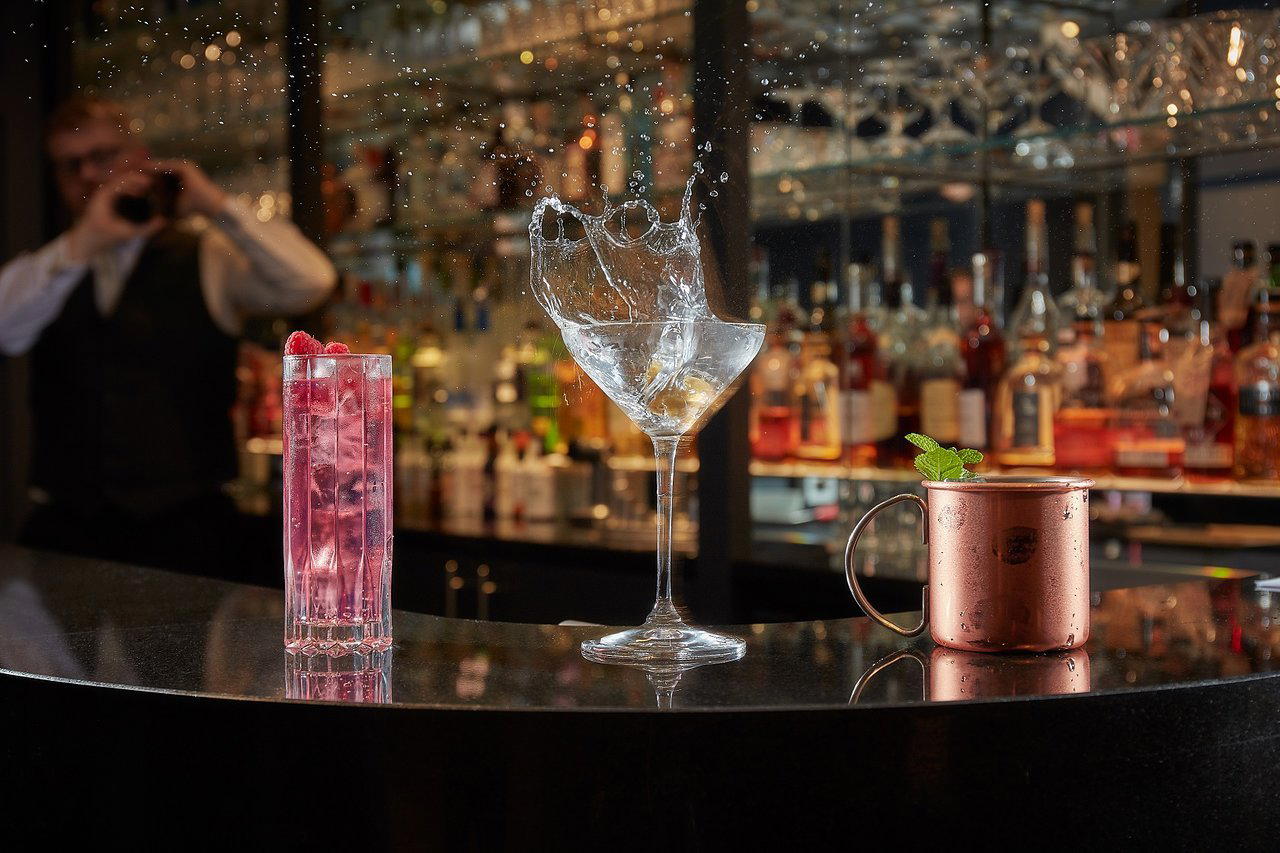
Modern British cocktail culture has split into two visible lanes. One lane prizes laboratory technique: clarification, carbonation, house ferments, low-waste syrups, and complex mise en place hidden behind a clean pour. The other lane keeps faith with the public-facing rituals of the bar: shaken sours, spirit-forward stirred drinks, highballs, aperitif serves, and the short conversation that helps a guest land on the right glass. A Penrith bar can borrow from either tradition, but it cannot rely on metropolitan novelty alone. The room has to serve mixed audiences, from visitors finishing a day in the fells to locals who know when a bar is overreaching.
The useful question is what kind of cocktail culture Penrith can sustain. A serious programme in this setting should show discipline before decoration: a concise list, balanced classics, some evidence of house preparation, and enough non-cocktail intelligence to avoid treating beer, wine, and alcohol-free drinks as afterthoughts. Without published menu data in the record, specific drinks should not be assumed. The better approach is to arrive with a clear ordering strategy: start by asking what the bar is making with intent that evening, then use the response to judge whether the programme is built around technique, seasonality, or familiar crowd-pleasers.
That distinction matters because Penrith is not a city where a weak cocktail programme can hide inside novelty. In London, a drinker can move from Portobello Star in London to a dozen other serious rooms in a single evening. In Edinburgh, Panda & Sons in Edinburgh sits inside a capital with a mature cocktail audience and a strong bar-tendering culture. Manchester drinkers can measure a room against Schofield's in Manchester, while Belfast has the hotel-bar grandeur of Merchant Hotel in Belfast. Penrith works differently. Its bar scene is smaller, so the burden on each serious address is heavier: it must give the town range, not just another place to drink.
How Penrith changes the brief
The Lake District’s hospitality economy often pulls attention toward country-house hotels, destination restaurants, and pubs with rooms. Penrith, positioned as a gateway town rather than a lakeside postcard, has a more functional role. People pass through, meet here, stay overnight before a drive, or use the town as a base. That creates a bar audience with mixed intentions. Some want one well-made drink before dinner. Some want a late table after a long day outdoors. Some want the reliability of a pub, others the tighter calibration of a cocktail room. The bar that succeeds here has to understand this mix without flattening its identity.
That is why comparison with nearby categories is useful. A traditional pub offers familiarity, draught range, and social ease. A restaurant bar trades on pre-dinner appetite and staff knowledge of the kitchen. A hotel bar brings seating comfort and a certain insulation from the street. A cocktail-led room needs a sharper reason to exist: better ice, cleaner balance, more precise dilution, a list that avoids padding, and staff who can translate the menu without turning the exchange into a lecture. If BAR 1597 is being considered for an evening in Penrith, the relevant comparison is not only another bar; it is the whole set of after-dark options in a town where one poor choice can define the night.
For a nearby point of reference inside the same city page set, George & Dragon gives readers another Penrith bar entry to compare against. Wider planning should also include Our full Penrith bars guide, especially when the evening depends on whether the mood calls for cocktails, beer, wine, or a longer meal. Penrith rewards this kind of planning because its scale is compact but its visitor patterns are irregular; midweek, poor weather, school holidays, and rail schedules can all change the feel of a room.
What the absence of data tells a careful traveller
Luxury travel writing often treats missing information as an inconvenience. In practice, it is intelligence. The absence of published price range, hours, booking method, address, phone number, website, awards, and seat count in the available record means the reader should avoid assumptions that would be safe in a larger, heavily documented bar. That does not make the venue weak; it means the evidence base is local rather than institutional. The visit should be planned with verification rather than blind confidence.
For cocktail drinkers, that changes the practical approach. Do not build the evening around a specific named serve unless a current menu is confirmed from the venue directly. Do not assume late hours, walk-in availability, or a full food offer. Do not assume a dress code, tasting format, or reservation system. In towns like Penrith, hospitality hours can respond to staffing, season, and local demand more visibly than in larger cities. A cautious plan leaves room for a second option and places the bar either before a meal or after dinner rather than at the centre of a tightly timed itinerary.
That approach is not pessimistic; it is how seasoned travellers protect an evening. In New York, a bar such as Bar Contra in New York City sits inside a market where online presence, press attention, and competitive positioning tend to be heavily documented. In a Cumbrian market town, the signal may come from local rhythm instead: how busy the room is just after dinner, whether staff can explain the list, and whether the back bar suggests range or scatter. Those are judgments made on arrival, but the planning posture begins before leaving the hotel.
Where it fits into a Penrith evening
A cocktail stop in Penrith works especially well when it is treated as part of a sequence rather than the entire plan. Start with the broader shape of the night. If dinner is the anchor, use Our full Penrith restaurants guide to decide whether the drink should happen before or after the table. If the stay is built around lodging and comfort, Our full Penrith hotels guide helps judge whether a hotel bar may be the easier choice. If the trip includes producer visits or cellar interests, Our full Penrith wineries guide sets a different frame for the day’s drinking. For non-restaurant planning, Our full Penrith experiences guide can help shape a day that does not end in a rushed search for an open room.
The editorial case for a cocktail-led stop here is strongest for travellers who like to read a town through its smaller social rooms. Grand hotels and destination dining rooms tell one story about regional hospitality; bars tell another. They show where locals go without ceremony, where visitors extend the night, and how much technique a town expects from a mixed drink. BAR 1597 should be judged on those terms: not against the scale or media profile of capital-city bars, but against the quality of attention it brings to a compact Penrith night.
There is also a useful North-of-England comparison to make. Mojo Leeds in Leeds belongs to a larger urban drinking culture, where volume, music, and late-night energy often shape the bar brief. Penrith’s smaller scale pushes in the opposite direction. The more persuasive bar is the one that can carry conversation, pacing, and drink quality without depending on crowd heat. That is a demanding format in its own way. A room does not need a large city to reveal whether the bartender is in control of the glass.
Planning notes
Treat listed times on third-party platforms as provisional unless they are clearly current. If the evening has fixed dinner plans, leave enough margin to move elsewhere if the room is full, closed, or operating a reduced programme. If price sensitivity matters, check the current menu before arrival, since no price range is recorded.
Choose this kind of bar when the night calls for a composed drink in Penrith and the group is open to judging the room on arrival. Choose a pub or hotel bar if guaranteed seating, food, or familiar formats matter more. Choose a restaurant-led evening if the drink is secondary to the table. That hierarchy keeps expectations clean, which is the difference between a good local discovery and a misplanned night.
Comparable Venues Nearby
Comparable venues nearby, for context on price, style, and recognition.
| Venue | Cuisine | Price | Notes |
|---|---|---|---|
| BAR 1597This venue — the venue you are viewing | hotel_bar | $$ | Not listed |
| George & Dragon | pub | $$ | Clifton |
| Bar Daskal | wine_bar | $$ | Borough |
| The Lioness of Leith | pub | $$ | Leith |
| The Azulito Bar | cocktail_bar | $$ | Soho |
At a Glance
- Modern
- Industrial
- Rustic
- Cozy
- Lively
- After Work
- Casual Hangout
- Group Outing
- Solo
- Historic Building
- Design Destination
- Hotel Bar
- Terrace
- Seated Bar
- Lounge Seating
- Outdoor Terrace
- Craft Beer
- Classic Cocktails
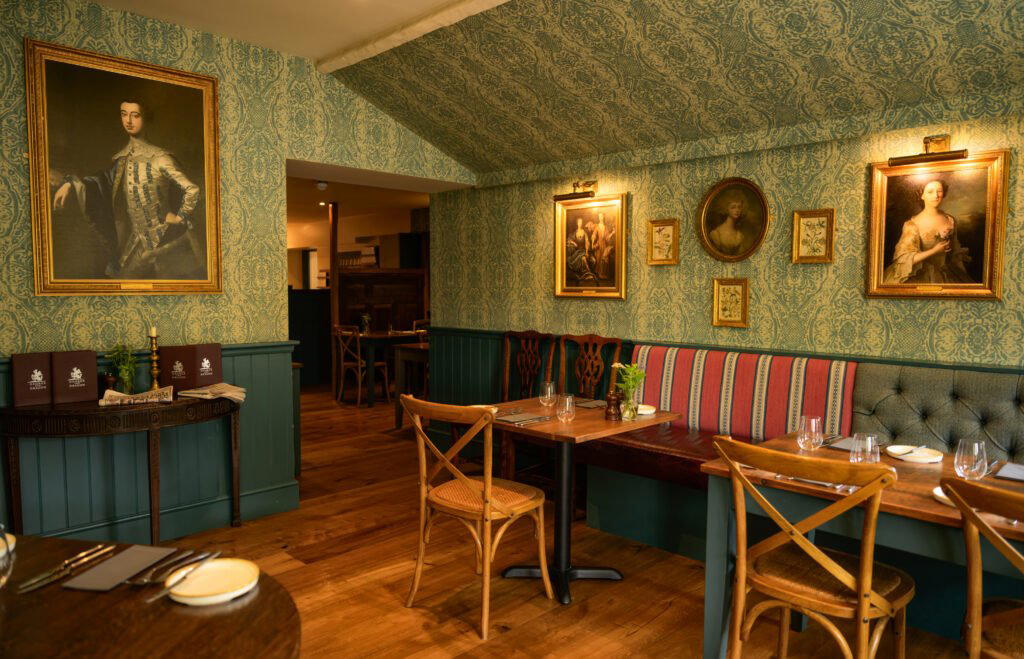
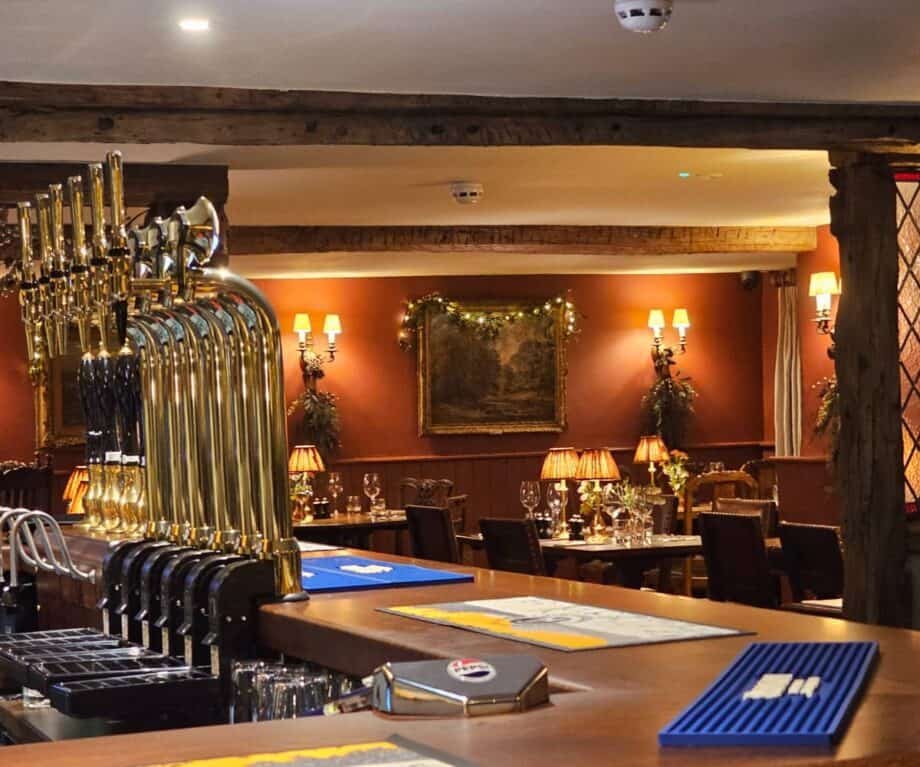
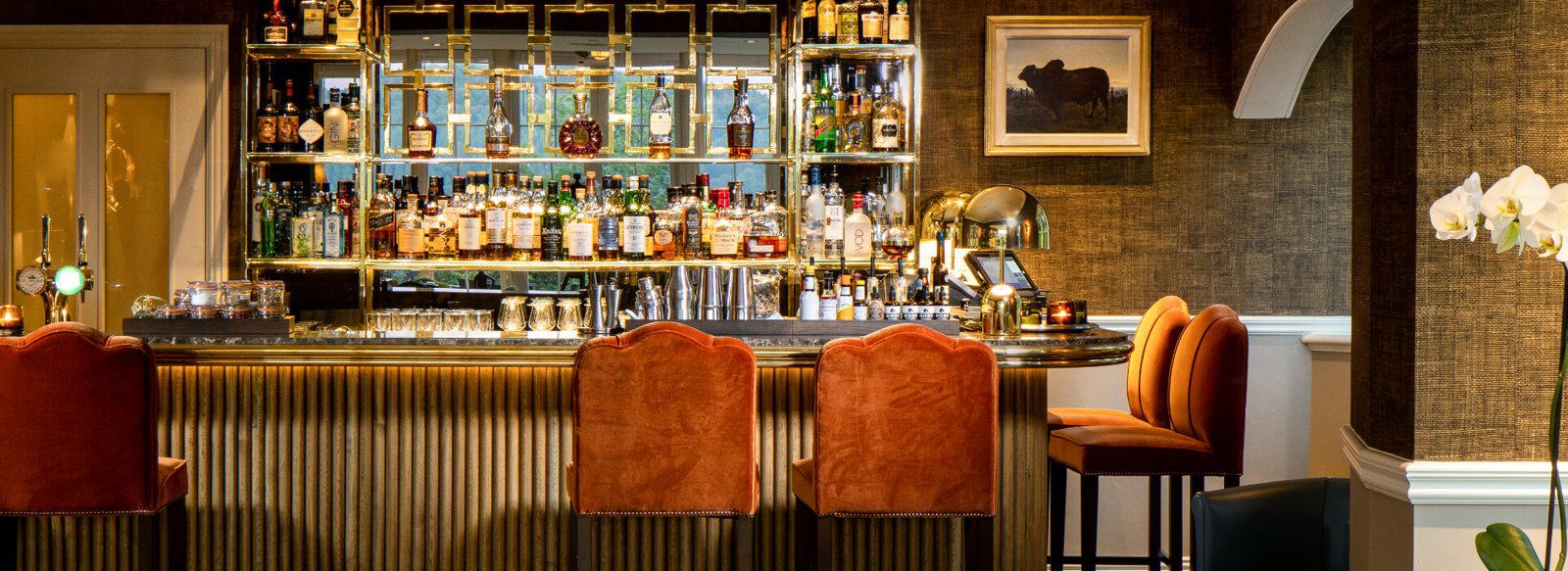
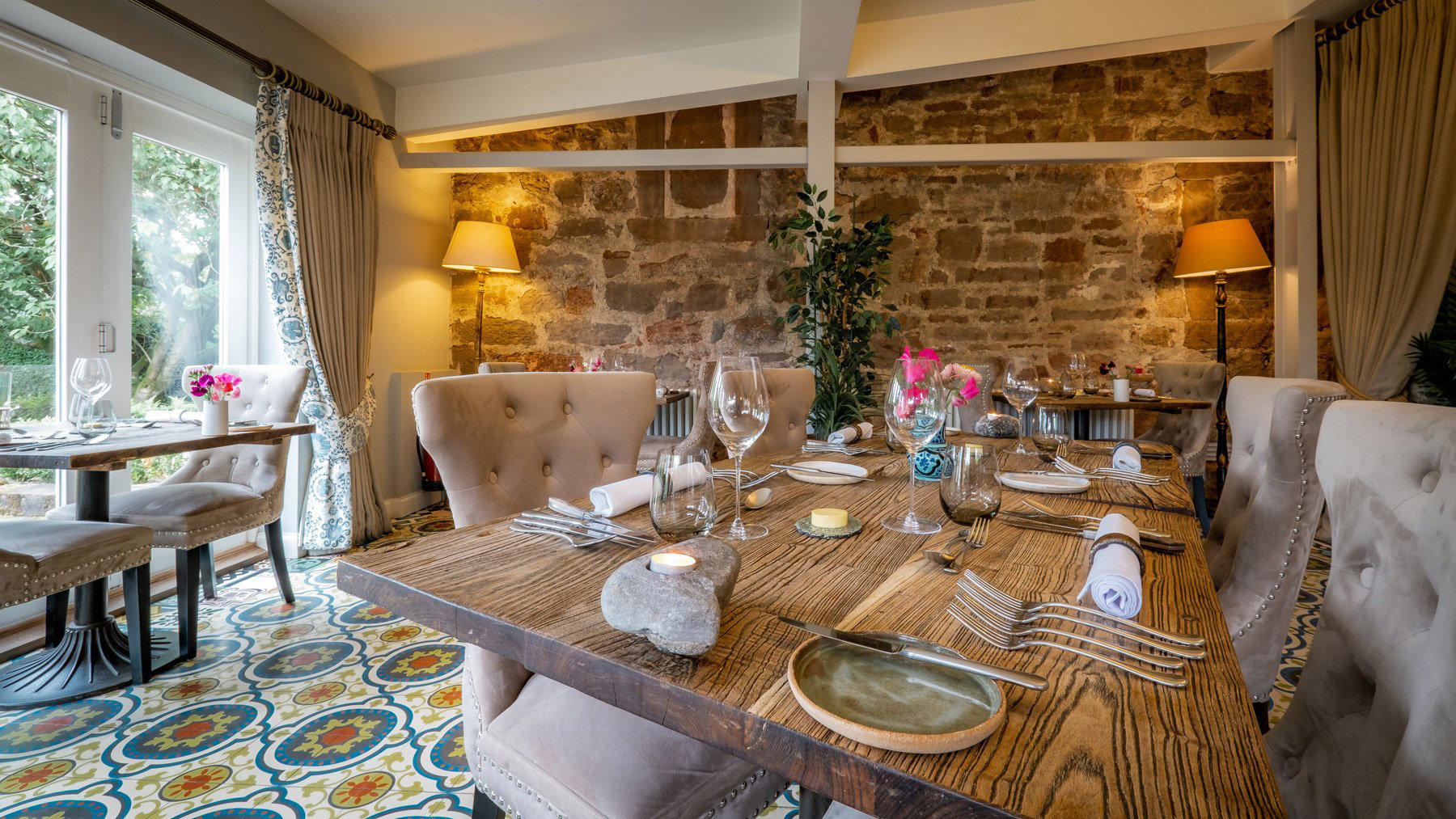
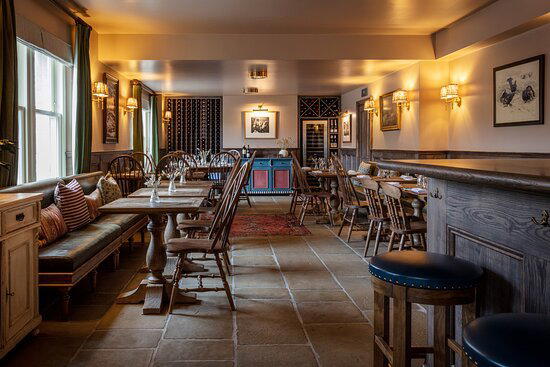
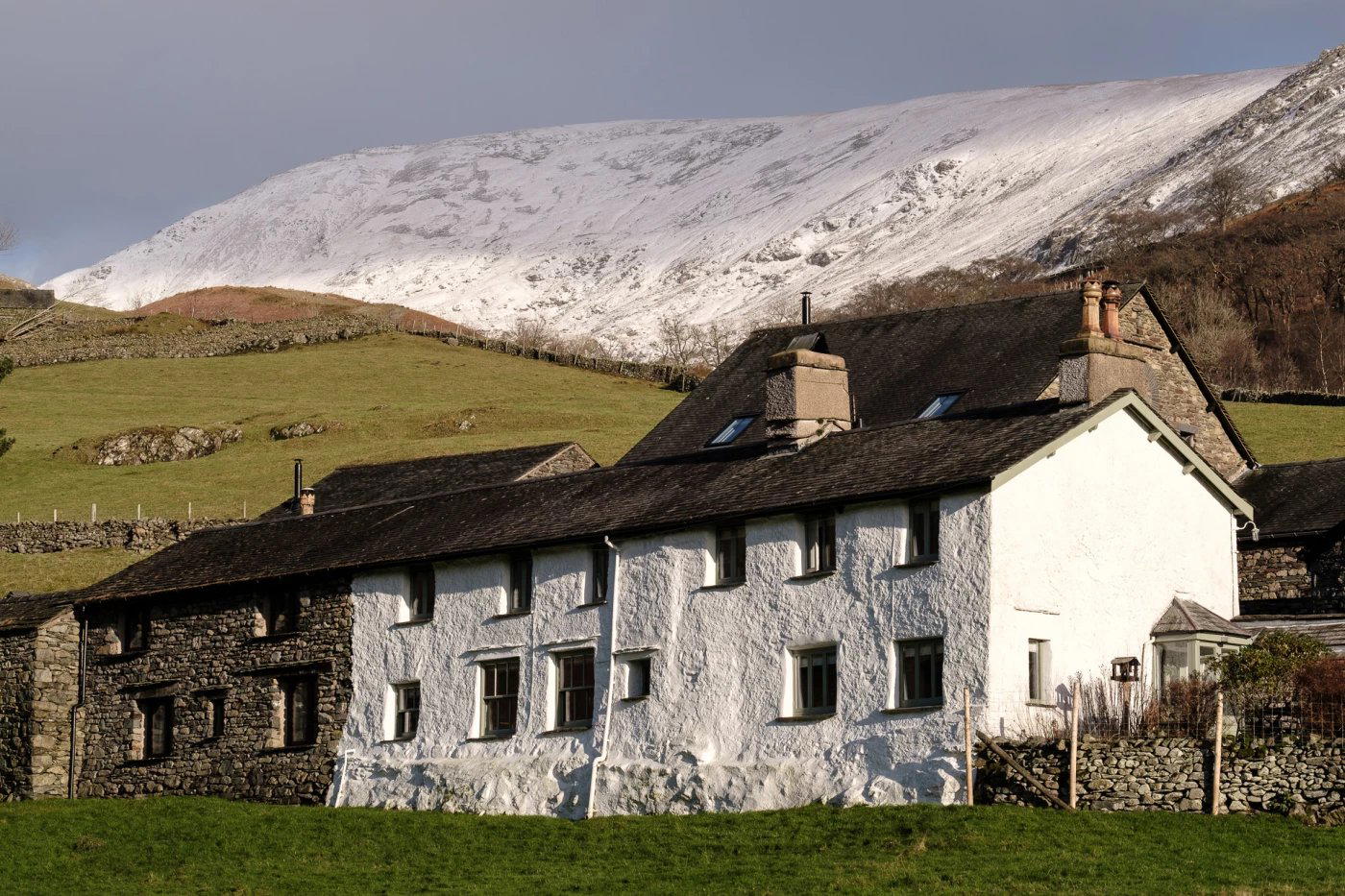
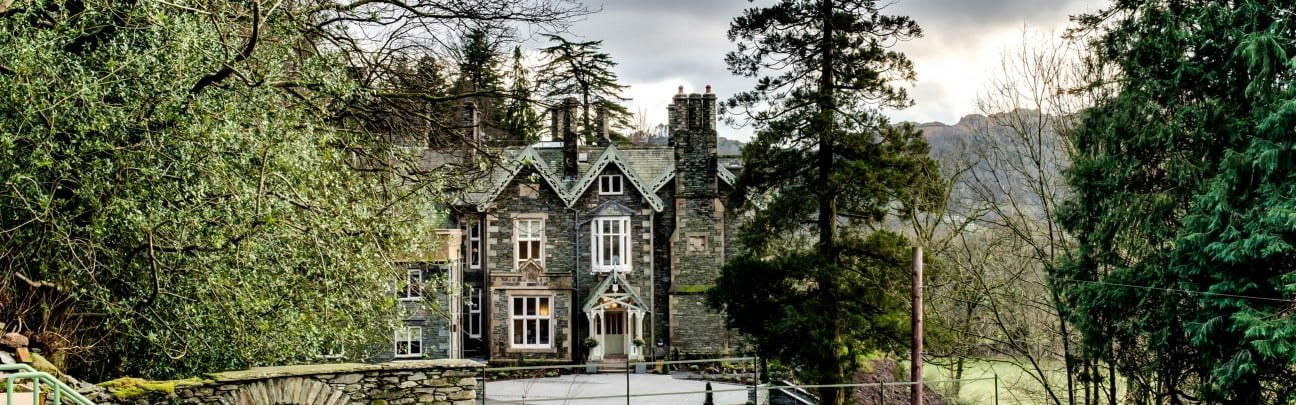
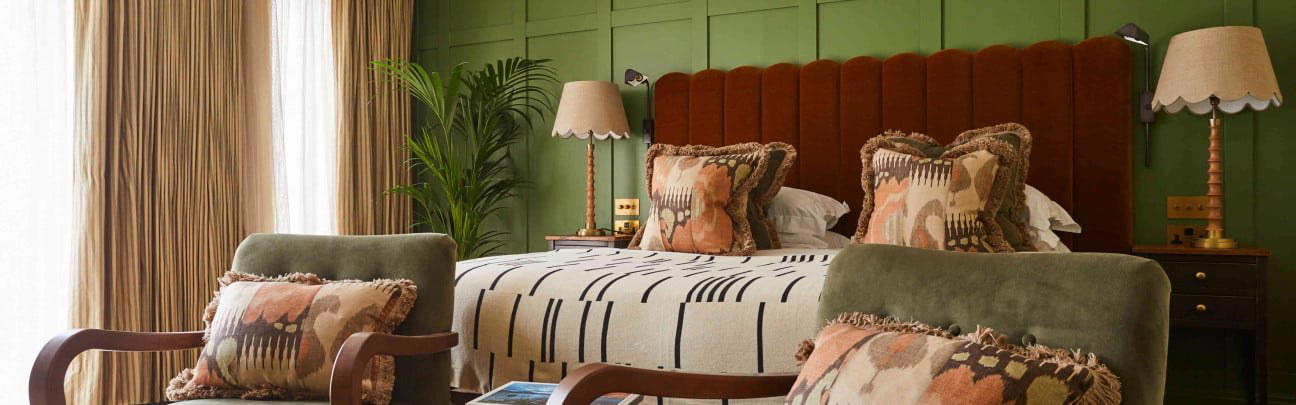
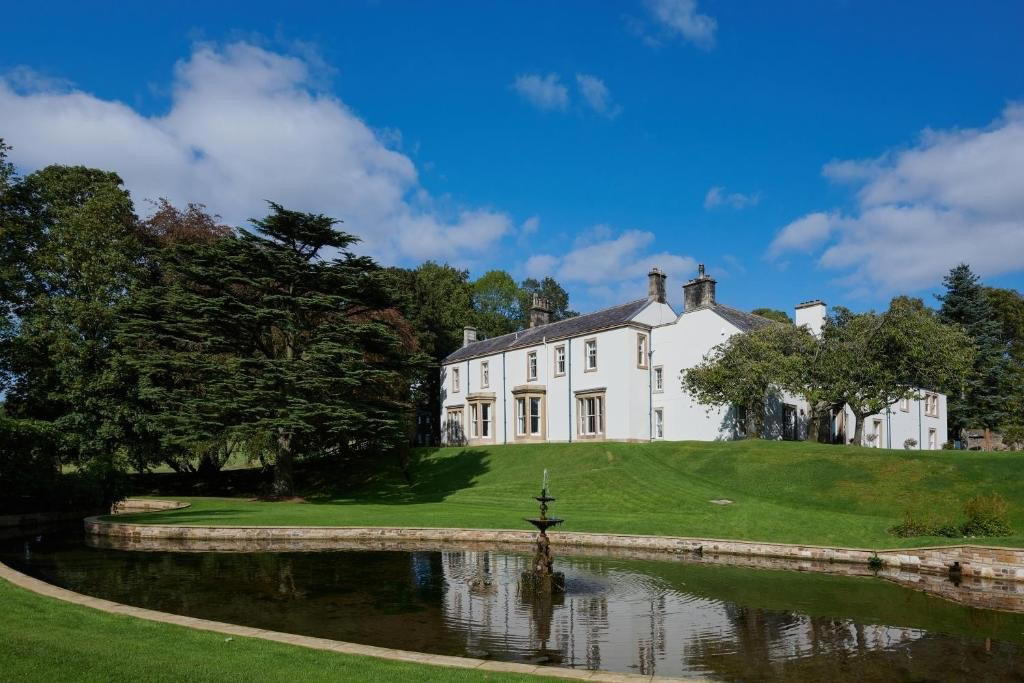
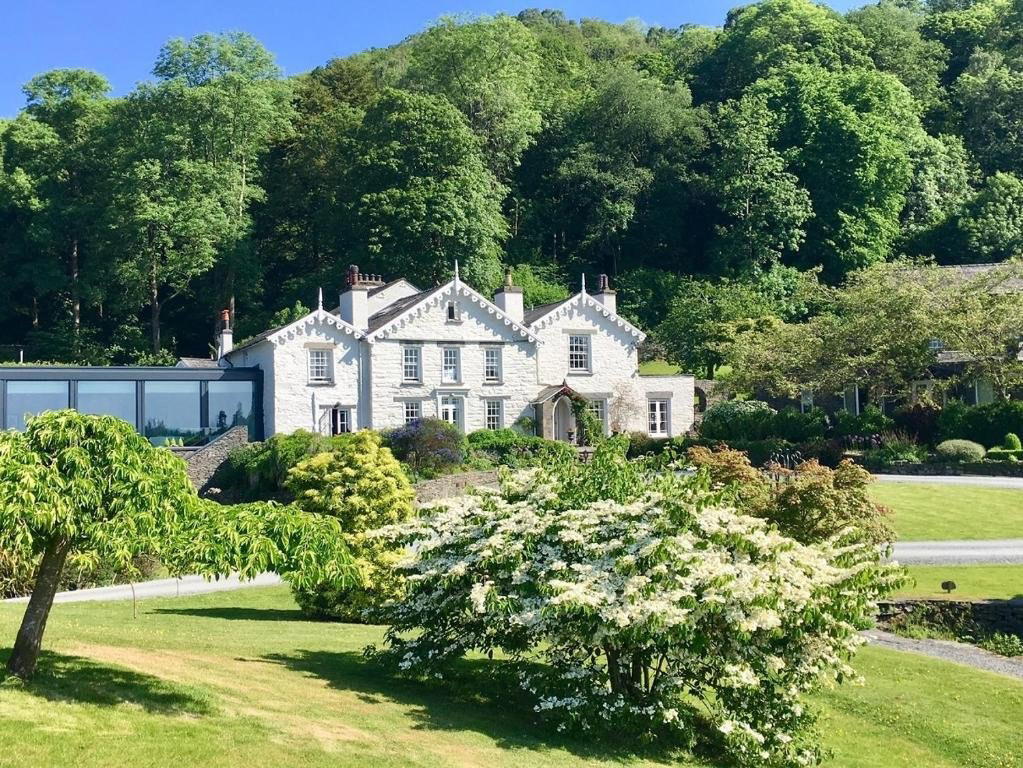
Set within a 17th‑century building but fitted out with a modern industrial interior and rustic touches, Bar 1597 feels warm and welcoming rather than formal, with a cosy, sociable atmosphere suited to casual meet‑ups.