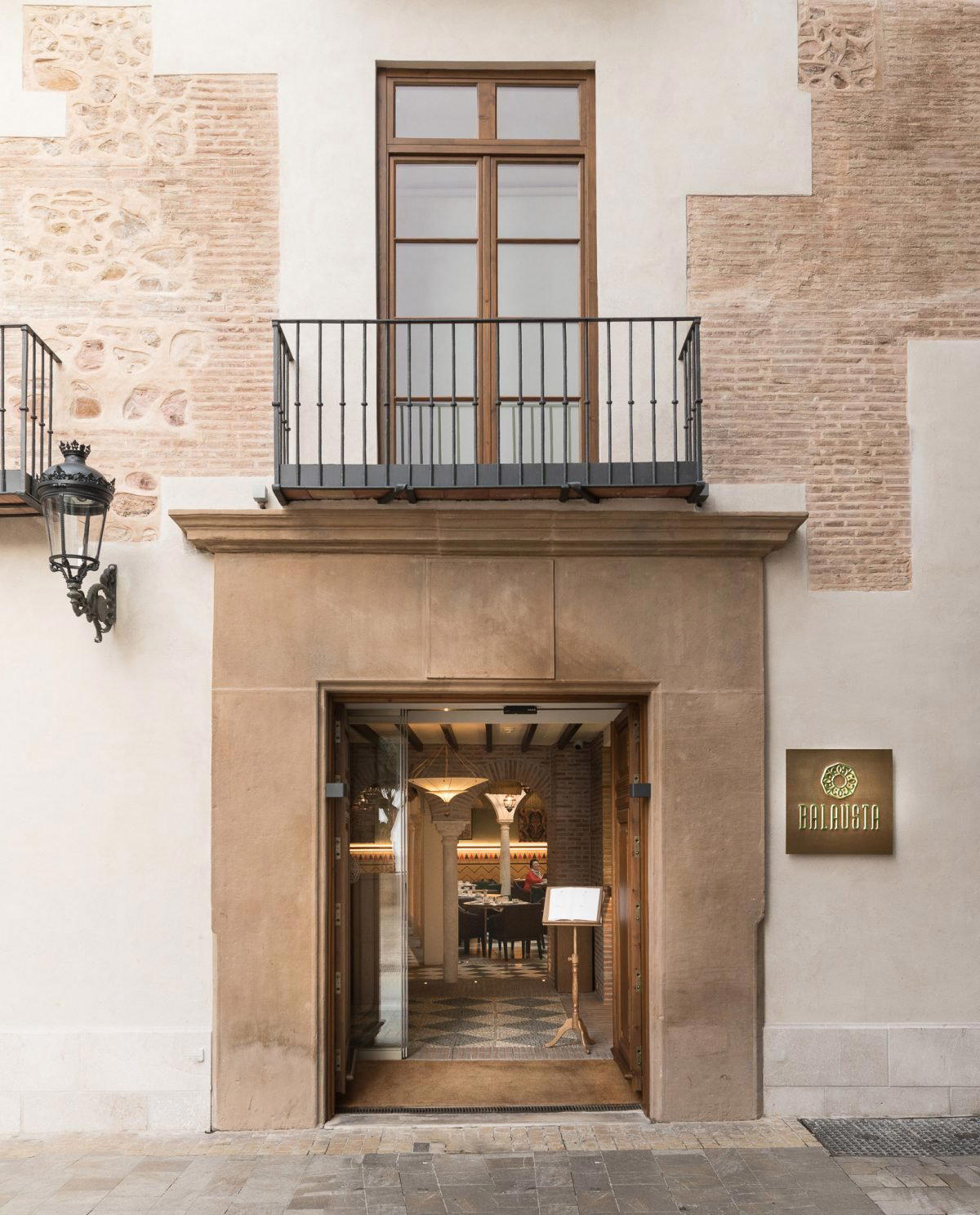
Balausta Bar is a Centro Málaga drinking address inside Balausta restaurant on Calle Granada, placing it in the city’s growing category of restaurant-linked cocktail rooms rather than the late-night pub circuit.

Pearl is the En Primeur Club membership app — saves, bookings, and concierge access live there. Same editors, same standards.
- Address
- C. Granada, 61, Distrito Centro, 29015 Málaga (within Balausta restaurant)
- Directions
- Get directions
Inside Málaga’s restaurant-bar turn
Calle Granada is one of Centro Málaga’s useful dining corridors: close to the old city’s cathedral-side foot traffic, but also threaded with the smaller addresses that make an evening feel planned rather than improvised. Balausta Bar sits at C. Granada, 61, within Balausta restaurant, and that placement matters. Málaga’s bar culture has long had a split personality: vermouth and beer in traditional taverns, wine-led rooms with Andalusian bottles, and, more recently, cocktail programmes attached to serious kitchens. This address belongs to the last group, where the drink is not an afterthought to dinner but part of the same controlled hospitality frame.
The useful way to read this kind of bar is not through size, spectacle, or a long list of claims. The public record gives no phone number, website, opening hours, price range, awards, named bartender, or published signature serves, so the editorial case has to rest on verifiable context: location, format, and the role of a restaurant-linked bar in Málaga’s changing centre. That absence of listed detail is itself practical intelligence. Travellers who plan around fixed opening times, online reservations, or menu research should treat this as a venue to confirm locally rather than a fully transparent pre-booking proposition.
Why the cocktail programme matters here
Spain’s cocktail scene has moved beyond the old split between classic hotel bars and casual late-night rooms. Barcelona has the historic counter tradition of Boadas in Barcelona; Madrid has a more theatrical contemporary register at Salmon Guru in Madrid. Málaga’s version is quieter and more integrated with dinner. In a city where seafood bars, sweet wine, and terrace drinking have long defined the evening, the restaurant bar provides a different kind of precision: drinks positioned before or after a meal, staff moving between aperitif logic and dining-room pacing, and a guest flow shaped by the restaurant rather than the street alone.
That makes the bar’s location within Balausta restaurant the central fact. A standalone cocktail room can build its identity around counter culture, late-night tempo, or bartender theatre. A bar inside a restaurant has another task: it has to make sense beside food. Even without a published cocktail list in the record, the format points toward drinks that need to work with an aperitif hour and a dining reservation, not only with midnight drinking. In Málaga, that is a meaningful distinction. The city’s centre is dense with casual drinking options, so a restaurant-attached bar is selected less for volume and more for control, setting, and the convenience of keeping the evening under one roof.
Centro Málaga as the real frame
Centro is not a single drinking mood. Around the old town, visitors can move quickly from tapas counters to wine bars, terrace tables, and late bars, often within a few minutes on foot. The stronger addresses are the ones that understand their lane. Wine-focused rooms such as Vertical Cervantes and Vinoteca Los Patios de Beatas speak to Málaga’s appetite for bottle-led evenings, while restaurant-linked bars answer a different question: where to begin or end a meal without changing the register of the night.
For travellers building a serious Málaga itinerary, this is where the address earns attention. It is not competing with high-energy cocktail destinations in larger Spanish cities on public awards data, because no awards are listed in the available record. It is competing locally with the practical question of whether a drink should be woven into dinner or treated as a separate stop. That difference matters in Centro, where the old-town street pattern rewards short transitions and punishes over-planning. A bar inside a restaurant on Calle Granada gives the evening a compact structure: arrive in the centre, start with a drink, move into dinner, or use the bar as a controlled final stop before the night loosens elsewhere.
How it compares with Spain’s broader bar map
Spain’s drinking culture now has several distinct formats. Heritage counters preserve classic technique; chef-adjacent spaces make drinks serve the rhythm of food; wine bars build identity through regions and producers; hybrid neighbourhood rooms borrow from all three. Málaga is especially suited to the hybrid model because its visitors often arrive with restaurant plans rather than bar crawls. The comparison set is therefore less about copying Madrid or Barcelona and more about understanding how a southern coastal city absorbs cocktail technique into an evening built around eating.
Across Spain, the range is instructive. GU San Sebastián in San Sebastián sits in a city where pintxo culture shapes the cadence of drinking. Idilio Cocina y Vino in Palma de Mallorca points toward the Mediterranean restaurant-wine hybrid. Pub Urbano Comix in Seville belongs to another Andalusian nightlife context, where informality and late hours shape expectations. Somos Raro in València and Bar Stick in Errenteria show how regional bar identities can be tighter than national labels suggest. Even beyond Spain, a Cuban-rooted room such as Café La Trova in Miami proves the point: the drink only makes full sense when read through place, music, service rhythm, and the meal around it.
Seen through that lens, the Málaga address is less a destination built on published accolades and more a clue to how the city is maturing. Cocktail culture here does not need to imitate the maximalist rooms of Madrid or the historic counters of Barcelona. Its credible lane is compact, food-aware, and geographically convenient. That is exactly the kind of role a bar inside a Centro restaurant can play.
What to order, and what not to assume
That limits any responsible recommendation. No specific drink should be described without a published source, and no regular order can be claimed as fact. The sensible editorial guidance is to treat the bar as an aperitif or post-dinner address and ask what the team is currently pouring, especially if the plan includes dinner at the same site.
In a restaurant-bar format, the strongest order is often contextual rather than fixed. Before dinner, shorter, lower-sugar drinks tend to make more sense than heavy late-night builds. After dinner, guests can move toward a more spirit-forward choice if the bar is operating in that register on the night. This is category guidance, not a claim about the house list. The public data does not support naming a house martini, local vermouth serve, or signature cocktail, so the useful move is to ask for the drink that fits the meal slot and the current menu rather than chasing an unverified classic.
Planning a visit on Calle Granada
The address is C. Granada, 61, Distrito Centro, 29015 Málaga, inside Balausta restaurant. That makes planning simple but not frictionless: confirm the day’s service before building an evening around it, especially during holidays, high-season weekends, and festival periods when Centro’s dining rooms can fill earlier than expected. If the aim is only a drink, check whether the bar is serving independently of restaurant tables at that time.
For a broader itinerary, use the bar as one node in a Centro route rather than the whole plan. Wine drinkers can compare it with Vertical Cervantes or Vinoteca Los Patios de Beatas, while travellers mapping dinner more widely should keep Our full Málaga restaurants guide open for the surrounding area. The key practical advantage is the old-centre location: Calle Granada keeps the evening walkable, with the bar positioned for a drink before dinner, a controlled after-dinner stop, or a short pause between restaurant bookings.
At-a-Glance Comparison
| Venue | Price | Awards |
|---|---|---|
| Balausta BarThis venue — the venue you are viewing | $50–100 | Not listed |
| Boadas | $10–20 | World's 50 Best #36 · Falstaff Bar - 92 Falstaff Points |
| Two Schmucks | Not listed | World's 50 Best |
| Salmon Guru | Not listed | World's 50 Best |
| Angelita | Not listed | World's 50 Best |
| Dry Martini | Not listed | World's 50 Best |
Continue exploring
More in Málaga
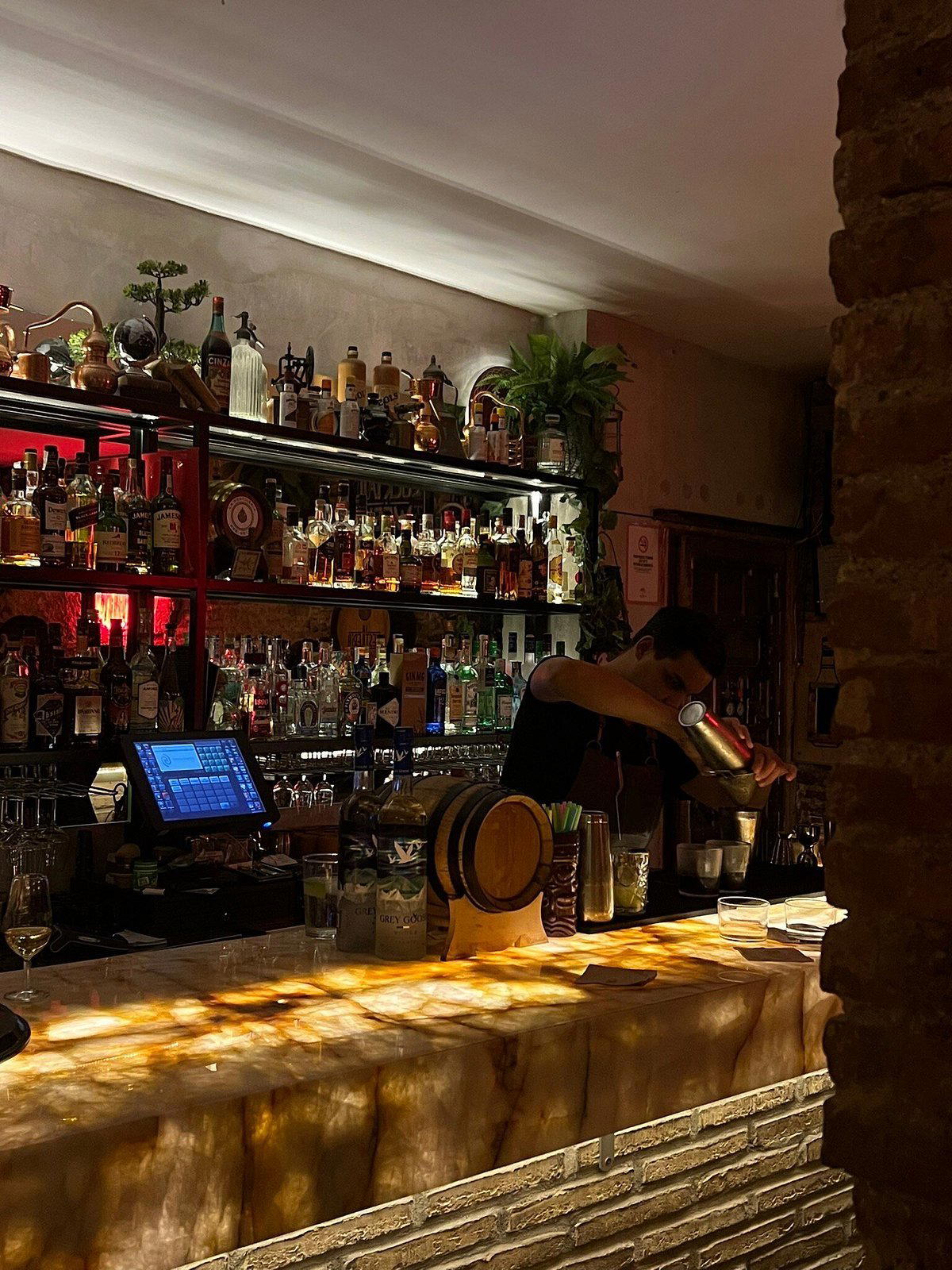
Bars in Málaga
Browse all →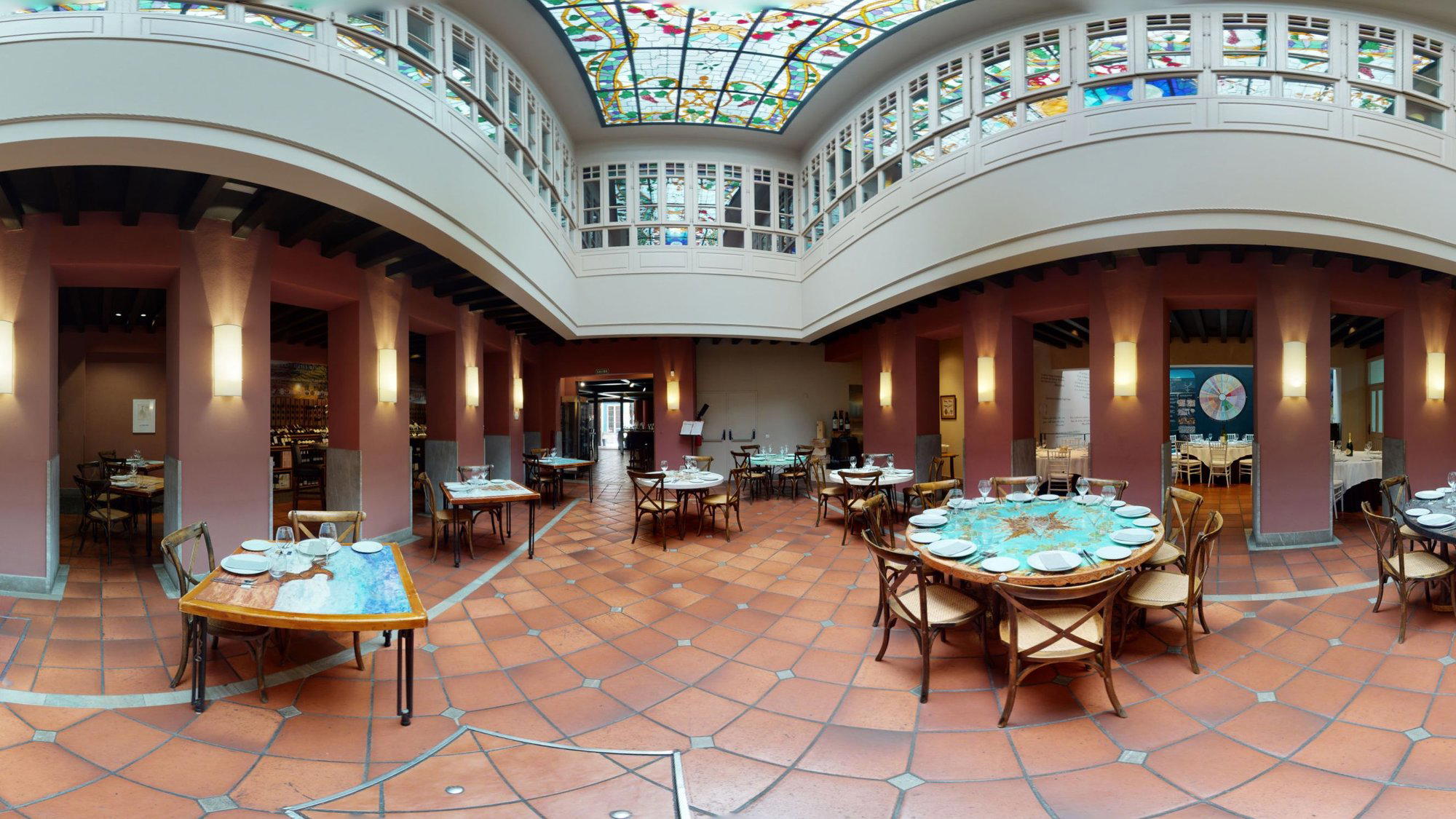
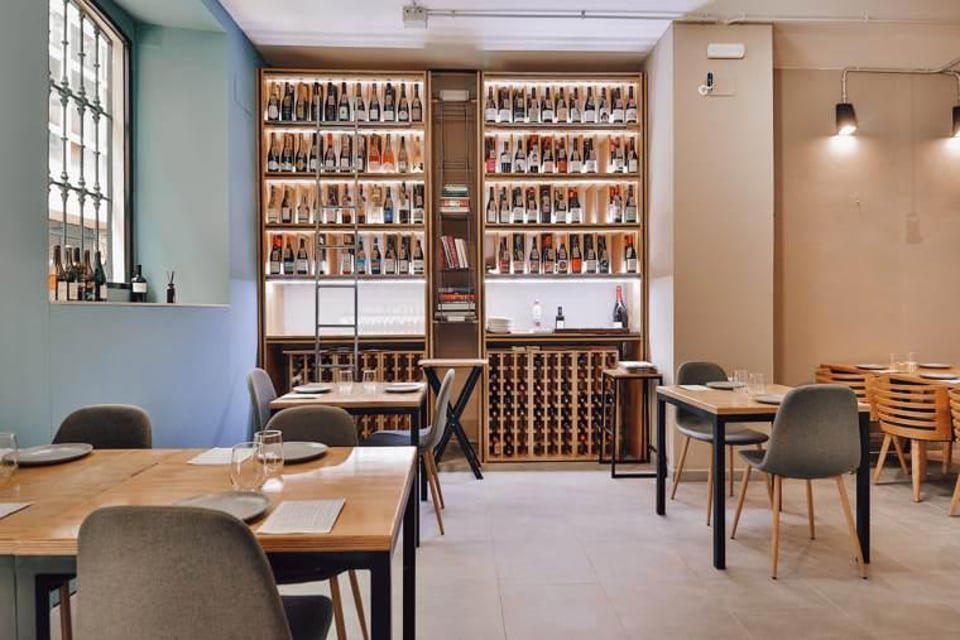
Restaurants in Málaga
Browse all →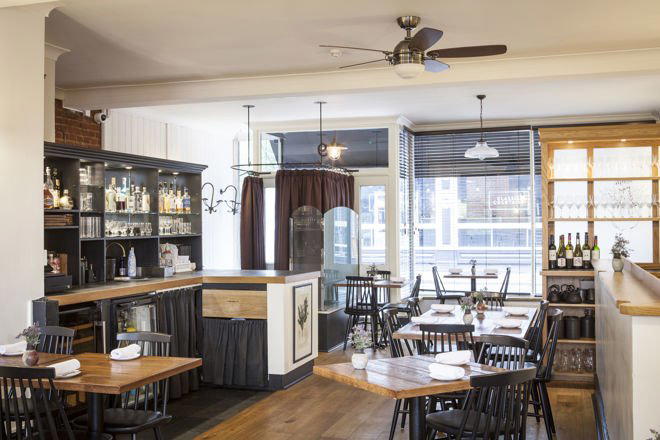
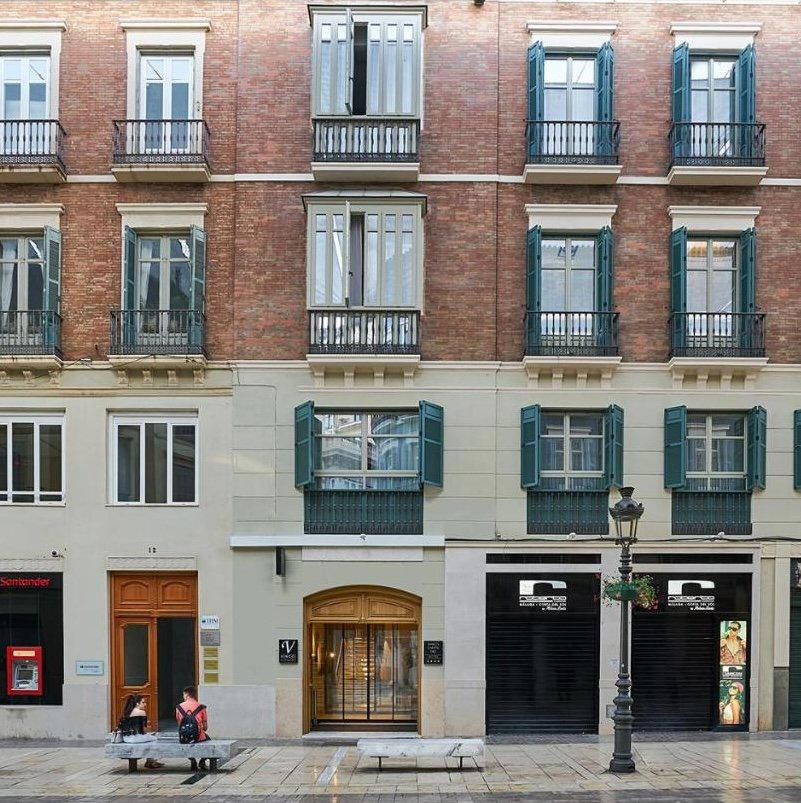
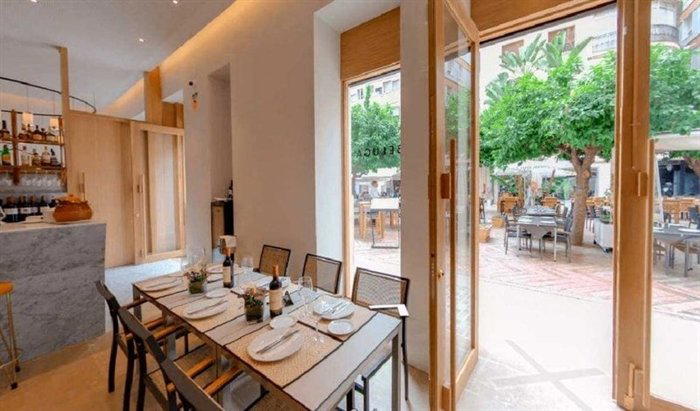
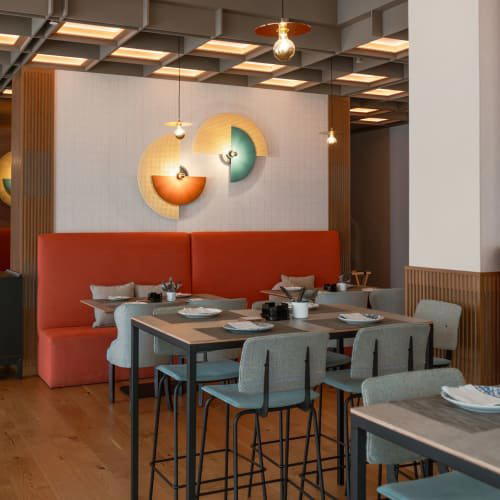
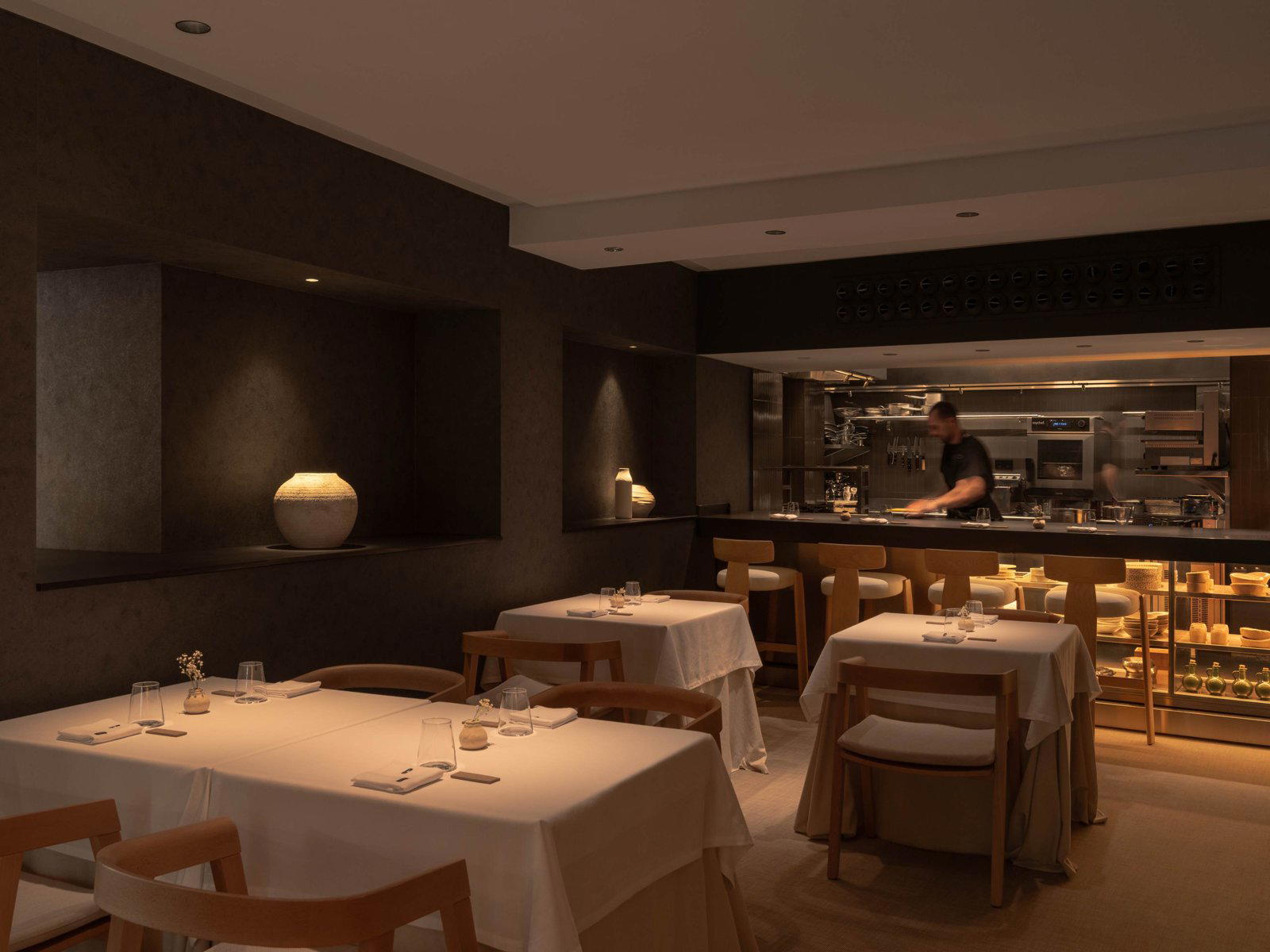
Hotels in Málaga
Browse all →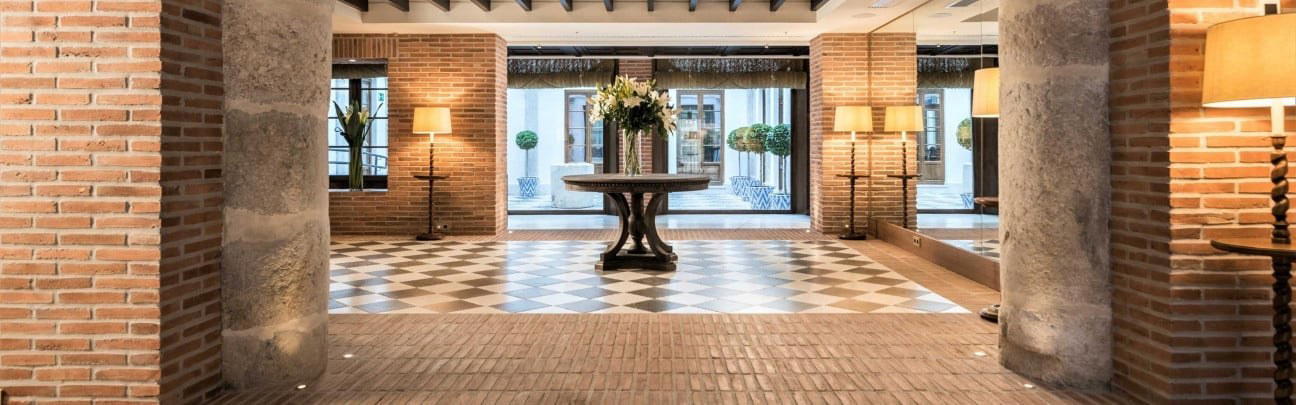

Details
- Elegant
- Romantic
- Classic
- Sophisticated
- Date Night
- Special Occasion
- Celebration
- After Work
- Historic Building
- Courtyard
- Live Music
- Design Destination
- Hotel Bar
- Seated Bar
- Lounge Seating
- Outdoor Terrace
- Classic Cocktails
- Craft Cocktails
Naturally lit interior courtyard with porticoed architecture, elegant and relaxed atmosphere with refined Spanish design elements typical of grand Andalusian palaces.