Twenty-Six Floors Above Sukhumvit Bangkok's bar scene has always understood verticality as a statement. Rooftop venues along the Sukhumvit corridor have multiplied over the past decade, but the ones that hold attention tend to offer something beyond elevation: a point of view, a curatorial discipline, a reason to stay past the second drink. Baan Borneo Club, on the 26th floor of a building off Soi Sukhumvit 39, positions itself within this tradition. The address — a soi that runs through one of Bangkok's most internationally connected residential pockets, between Phrom Phong and Thong Lo — places it outside the dense tourist circuit while remaining immediately accessible to the city's upper-middle drinking crowd. The name carries deliberate weight. Borneo, as a reference point, invokes the deep-forested interior of Southeast Asia: untamed, storied, remote from the polished surfaces of modern Bangkok. At 26 floors above street level, that juxtaposition is the premise. You ascend to find something rooted rather than generic, which is a harder brief to execute than it sounds in a city where rooftop bars frequently converge on the same playlist and the same pour. The Architecture of the Back Bar Bangkok's premium bar tier has been quietly fragmenting over the past five years. The category once clustered around two poles, hotel rooftop operations with their sweeping skylines and corporate menus, and ground-level craft cocktail programs with their sourced ingredients and technique-forward lists. What has emerged more recently is a third space: venues that sit physically high but operate editorially close to the craft end, where the spirits collection itself becomes an argument. Baan Borneo Club reads as part of this third current. A bar's back bar is a curatorial document. What sits on those shelves, and more precisely, what doesn't, tells you more about a venue's ambitions than any menu copy. Rare and allocated spirits, bottles pulled from Southeast Asian producers who don't appear in hotel bars, aged expressions from distilleries that require active sourcing relationships: these are the signals that separate a collecting bar from a pouring bar. The most serious examples in Asia maintain the kind of depth that makes the list itself worth studying before you order. Bangkok venues like Asia Today and Bar Sathorn have built recognition on exactly this discipline, and the city's drinkers have responded by treating the back bar as the first thing they evaluate on arrival. The Borneo theme suggests a specific regional lens: the spirits, botanicals, and raw materials of the Malay Archipelago. That framing, if pursued with consistency, opens access to a genuinely underrepresented category. Arrack, tapai-based ferments, local gin programs using Bornean flora, aged rum expressions from regional producers, these are the ingredients of a spirits collection that could distinguish a venue from anything operating at the same price tier in the city. The editorial promise of the name is that the collection reflects that geography rather than defaulting to the standard Western-spirits lineup dressed in tropical garnish. Where Soi 39 Sits in Bangkok's Drinking Map Sukhumvit's eastern sois have their own internal hierarchy. Soi 11 carries the density of late-night venues and international foot traffic. Soi 55 (Thong Lo) has evolved into Bangkok's most design-conscious strip, where bar formats range from Japanese whisky specialists to natural-wine-adjacent bottle shops. Soi 38 and 39 occupy a quieter register: residential in character, with fewer walk-in venues and a clientele that tends to arrive with intention rather than impulse. That demographic profile tends to support bars with depth over bars with volume. Compare this with BKK Social Club, which operates further west with a more hotel-integrated identity, or Bar Us, whose downtown position attracts a different evening arc entirely. A 26th-floor address on Soi 39 means the view faces east and north across the low-rise residential grid rather than the dense commercial towers of central Sukhumvit. In Bangkok bar terms, that translates to a quieter visual field, less compressed skyline, more sky. The atmosphere that produces is different from what you get at Octave Rooftop Lounge and Bar in Khlong Toei, where the city's density presses in from every angle. The Soi 39 elevation offers a more considered remove. Reading the Regional Context Thailand's bar awards circuit has become meaningfully competitive. Asia's 50 Best Bars, Michelin's Bangkok bar selection, and the local industry's own shortlists have collectively raised the floor for what a serious Bangkok venue is expected to deliver. Venues without a coherent identity, whether expressed through spirits curation, cocktail format, or environment, find it increasingly difficult to hold attention as the city's drinkers grow more educated. For comparison, the restaurant side of Sukhumvit has long operated at this level: EAT ME Restaurant in Bang Rak has maintained critical standing through consistent culinary identity rather than novelty cycles. The bar venues that sustain recognition in Bangkok tend to share a common trait: they are easier to describe in terms of what they collect and how they think than in terms of what they look like. The visual dimension matters, particularly at elevation, but it doesn't do the work alone. Hansar Bangkok in Pathum Wan demonstrates how a hotel bar property can use a specific programmatic identity to hold its position across years rather than months. Baan Borneo Club sits in a category where the same logic applies. Planning Your Visit Soi Sukhumvit 39 is reachable from Phrom Phong BTS station, which puts the venue within a short taxi or motorcycle-taxi run from the Skytrain network. The 26th-floor position means the approach involves a lobby and a lift rather than a street-level entrance, which shapes the arrival experience before you reach the bar. For visitors building a Bangkok evening across multiple venues, the Sukhumvit 39 area connects naturally with the Thong Lo corridor to the east, where the bar and dining density is high enough to anchor a full itinerary. Broader planning, including context on where Baan Borneo Club fits within Bangkok's full drinking and dining map, is covered in our full Bangkok restaurants guide. Those building regional itineraries beyond Bangkok might also consider the bar programs at Sala Lanna in Chiang Mai, 333 at the Beach in Phuket, or Akoya Beach Lounge in Hua Hin for contrast with the city format. Internationally, Café La Trova in Miami offers an instructive parallel in how a venue can use a strong regional identity as its primary organising principle. Given the format and floor position, confirming before arrival is advisable, particularly on weekends when refined rooftop venues in the Sukhumvit corridor typically reach capacity by mid-evening. Frequently Asked Questions What drink is Baan Borneo Club famous for? The venue's Borneo-themed identity points toward a spirits-forward program drawing on Southeast Asian references, regional botanicals, local distillates, and the Malay Archipelago's broader fermentation traditions. Why do people go to Baan Borneo Club? The combination of a 26th-floor position off Soi Sukhumvit 39 and a regionally grounded spirits concept places it outside Bangkok's mainstream rooftop circuit, which tends toward high-volume hotel formats. The Sukhumvit 39 address draws a more residential, intentional crowd, and the Bornean framing offers a distinct curatorial angle in a city where bar identity has become a meaningful differentiator. Should I book Baan Borneo Club in advance? Bangkok's upper-floor bars in the Sukhumvit corridor frequently reach capacity on Thursday through Saturday evenings. For a 26th-floor venue with a specialist concept, arriving without a reservation on peak nights carries real availability risk. What makes Baan Borneo Club different from other rooftop bars in Bangkok? Most Bangkok rooftop venues are anchored by the view and supported by a conventional spirits list. Baan Borneo Club's regional identity, if the curation follows the naming premise, suggests a back bar oriented around Southeast Asian and Bornean spirits, botanicals, and distillation traditions that don't appear in the standard hotel rooftop format. That specificity of geographic reference, applied consistently through the collection, is what separates a concept bar from a scenery bar in Bangkok's current competitive environment.
Pearl is the En Primeur Club membership app — saves, bookings, and concierge access live there. Same editors, same standards.
- Address
- 59/1 Soi Sukhumvit 39, Khwaeng Khlong Tan Nuea, Watthana, Krung Thep Maha Nakhon 10110 (26th floor)
- Directions
- Get directions
 Saves & bookings on Pearl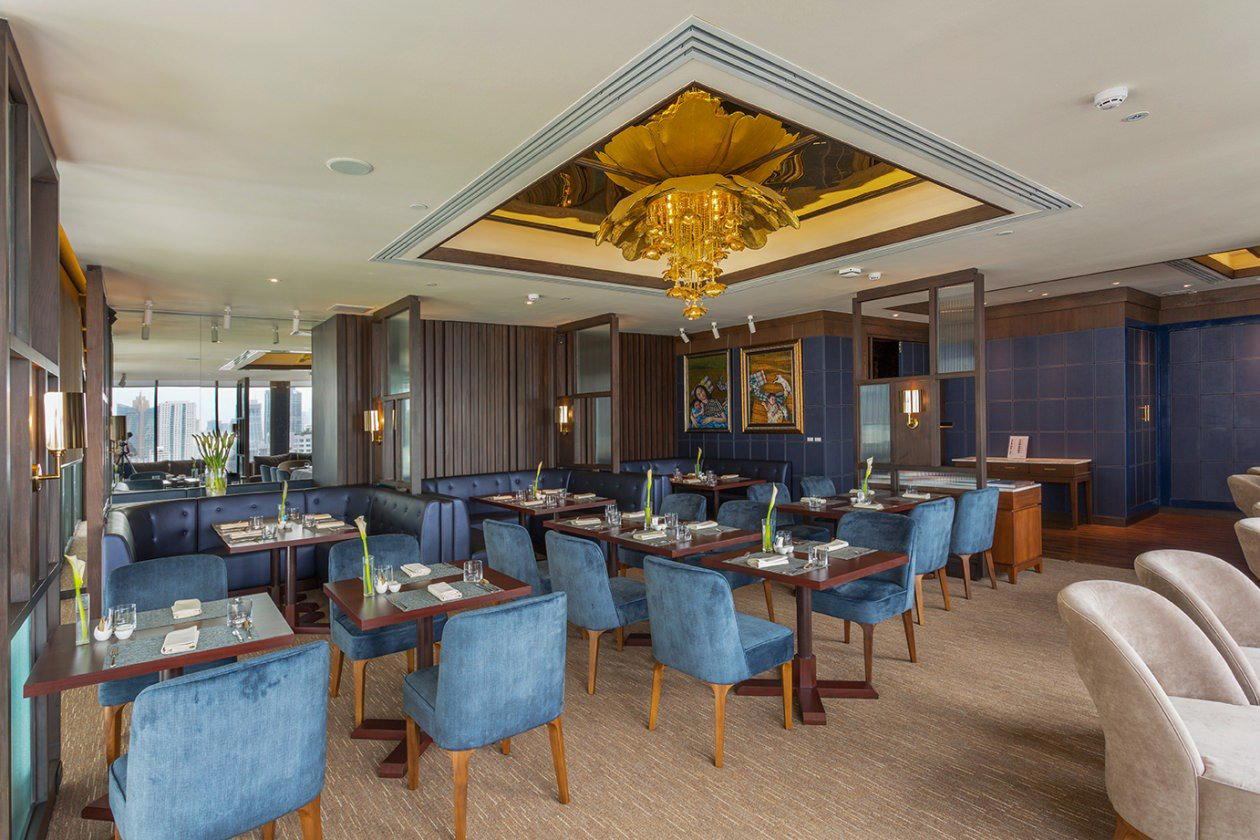
Twenty-Six Floors Above Sukhumvit
Bangkok's bar scene has always understood verticality as a statement. Rooftop venues along the Sukhumvit corridor have multiplied over the past decade, but the ones that hold attention tend to offer something beyond elevation: a point of view, a curatorial discipline, a reason to stay past the second drink. Baan Borneo Club, on the 26th floor of a building off Soi Sukhumvit 39, positions itself within this tradition. The address — a soi that runs through one of Bangkok's most internationally connected residential pockets, between Phrom Phong and Thong Lo — places it outside the dense tourist circuit while remaining immediately accessible to the city's upper-middle drinking crowd.
The name carries deliberate weight. Borneo, as a reference point, invokes the deep-forested interior of Southeast Asia: untamed, storied, remote from the polished surfaces of modern Bangkok. At 26 floors above street level, that juxtaposition is the premise. You ascend to find something rooted rather than generic, which is a harder brief to execute than it sounds in a city where rooftop bars frequently converge on the same playlist and the same pour.
The Architecture of the Back Bar
Bangkok's premium bar tier has been quietly fragmenting over the past five years. The category once clustered around two poles, hotel rooftop operations with their sweeping skylines and corporate menus, and ground-level craft cocktail programs with their sourced ingredients and technique-forward lists. What has emerged more recently is a third space: venues that sit physically high but operate editorially close to the craft end, where the spirits collection itself becomes an argument. Baan Borneo Club reads as part of this third current.
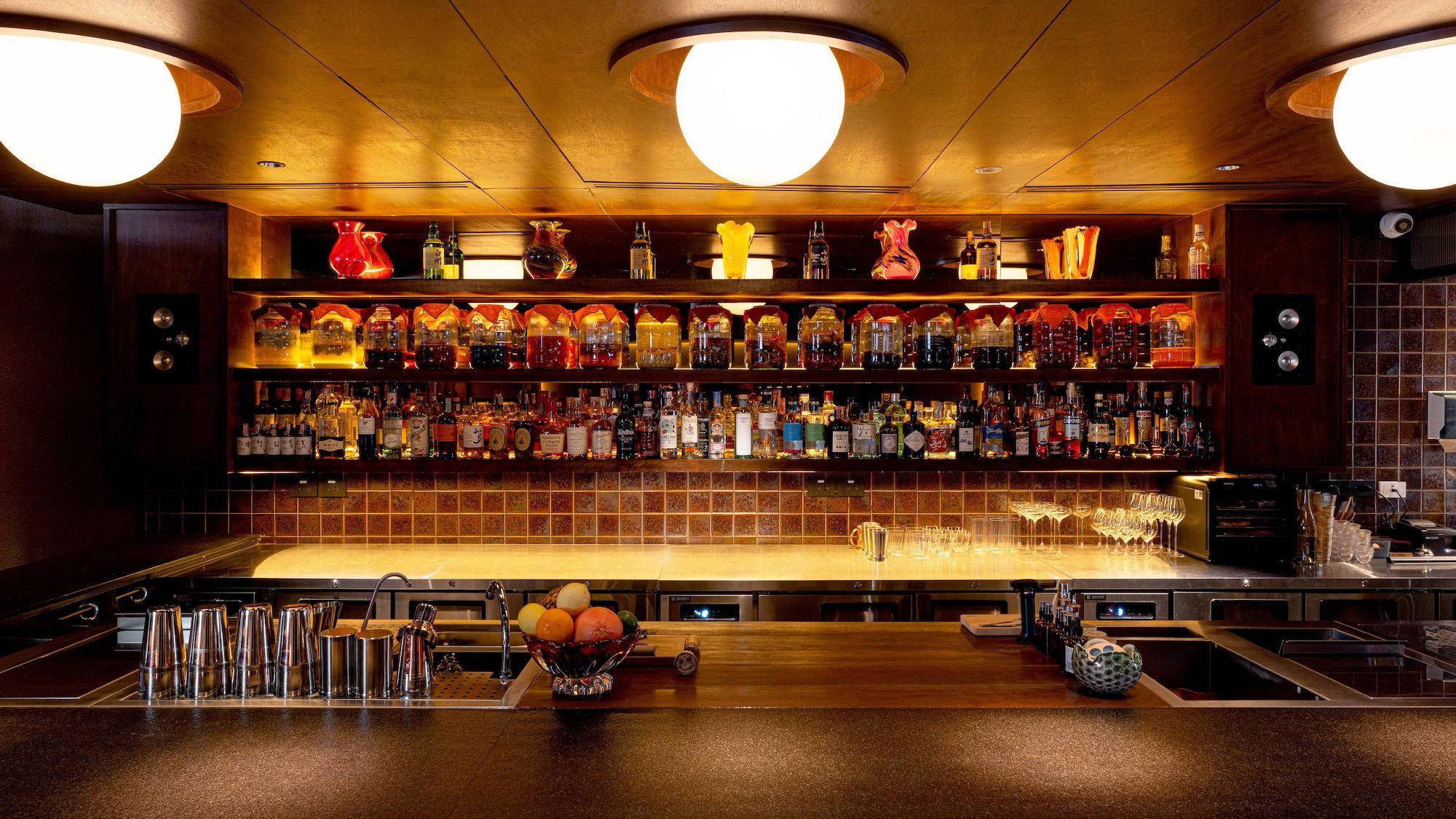
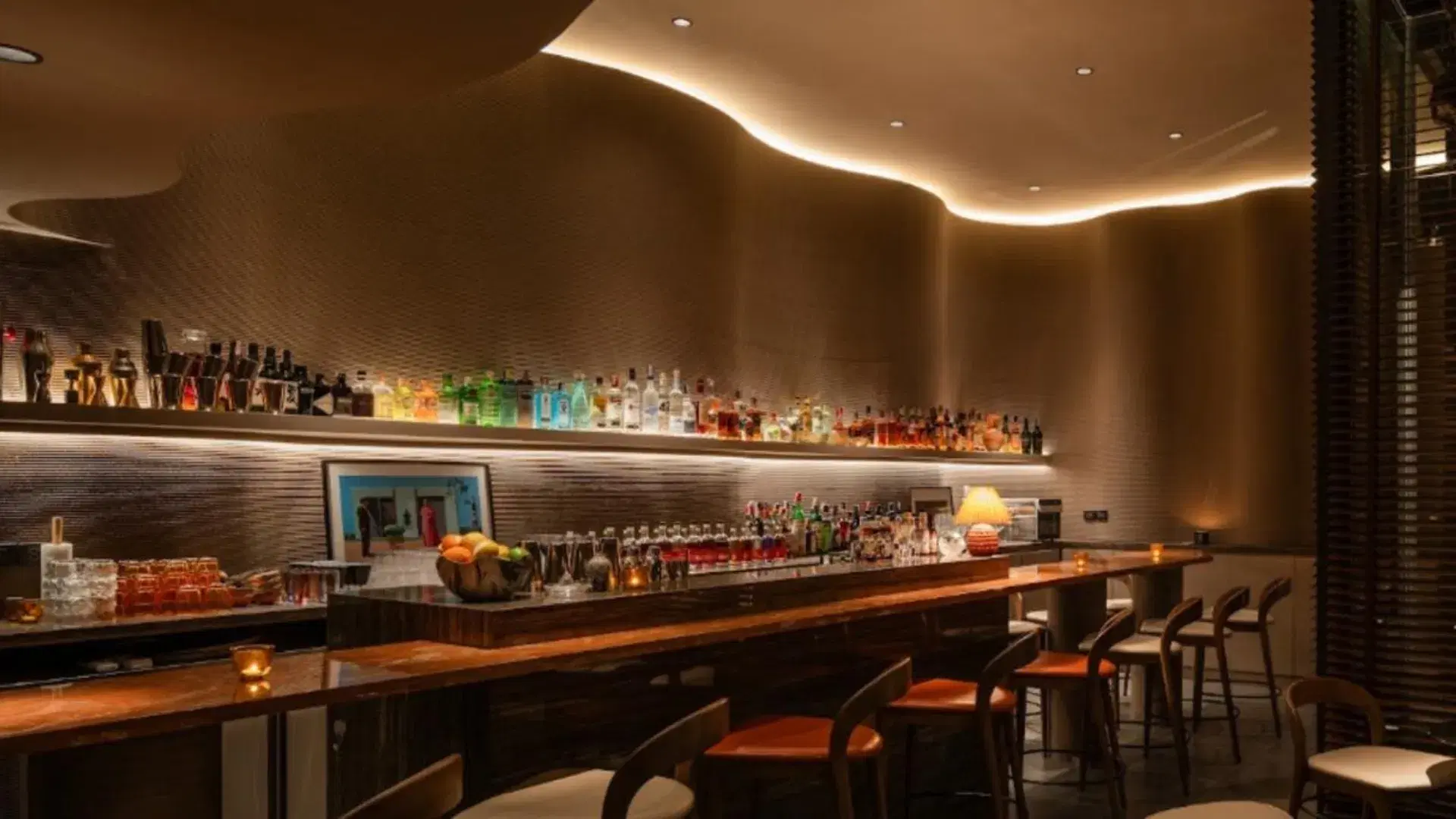
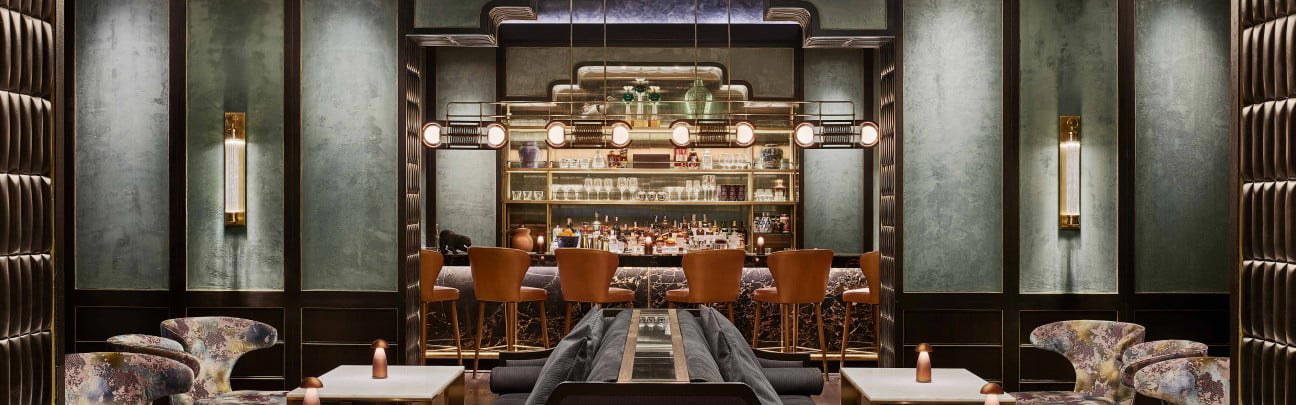
A bar's back bar is a curatorial document. What sits on those shelves, and more precisely, what doesn't, tells you more about a venue's ambitions than any menu copy. Rare and allocated spirits, bottles pulled from Southeast Asian producers who don't appear in hotel bars, aged expressions from distilleries that require active sourcing relationships: these are the signals that separate a collecting bar from a pouring bar. The most serious examples in Asia maintain the kind of depth that makes the list itself worth studying before you order. Bangkok venues like Asia Today and Bar Sathorn have built recognition on exactly this discipline, and the city's drinkers have responded by treating the back bar as the first thing they evaluate on arrival.
The Borneo theme suggests a specific regional lens: the spirits, botanicals, and raw materials of the Malay Archipelago. That framing, if pursued with consistency, opens access to a genuinely underrepresented category. Arrack, tapai-based ferments, local gin programs using Bornean flora, aged rum expressions from regional producers, these are the ingredients of a spirits collection that could distinguish a venue from anything operating at the same price tier in the city. The editorial promise of the name is that the collection reflects that geography rather than defaulting to the standard Western-spirits lineup dressed in tropical garnish.
Where Soi 39 Sits in Bangkok's Drinking Map
Sukhumvit's eastern sois have their own internal hierarchy. Soi 11 carries the density of late-night venues and international foot traffic. Soi 55 (Thong Lo) has evolved into Bangkok's most design-conscious strip, where bar formats range from Japanese whisky specialists to natural-wine-adjacent bottle shops. Soi 38 and 39 occupy a quieter register: residential in character, with fewer walk-in venues and a clientele that tends to arrive with intention rather than impulse. That demographic profile tends to support bars with depth over bars with volume. Compare this with BKK Social Club, which operates further west with a more hotel-integrated identity, or Bar Us, whose downtown position attracts a different evening arc entirely.
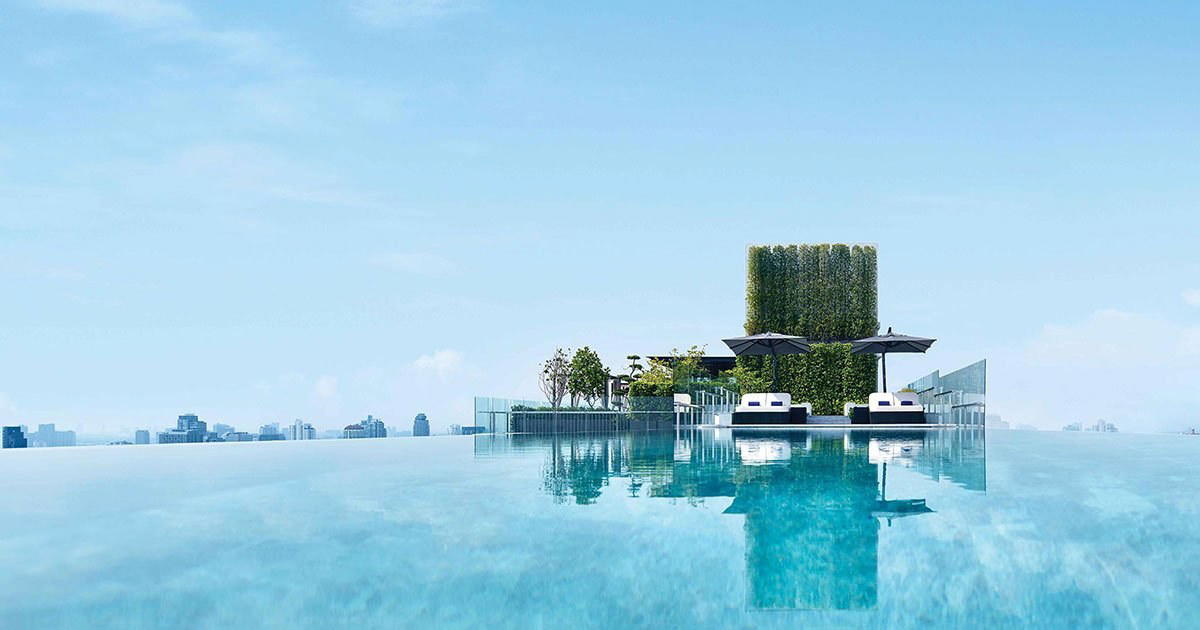
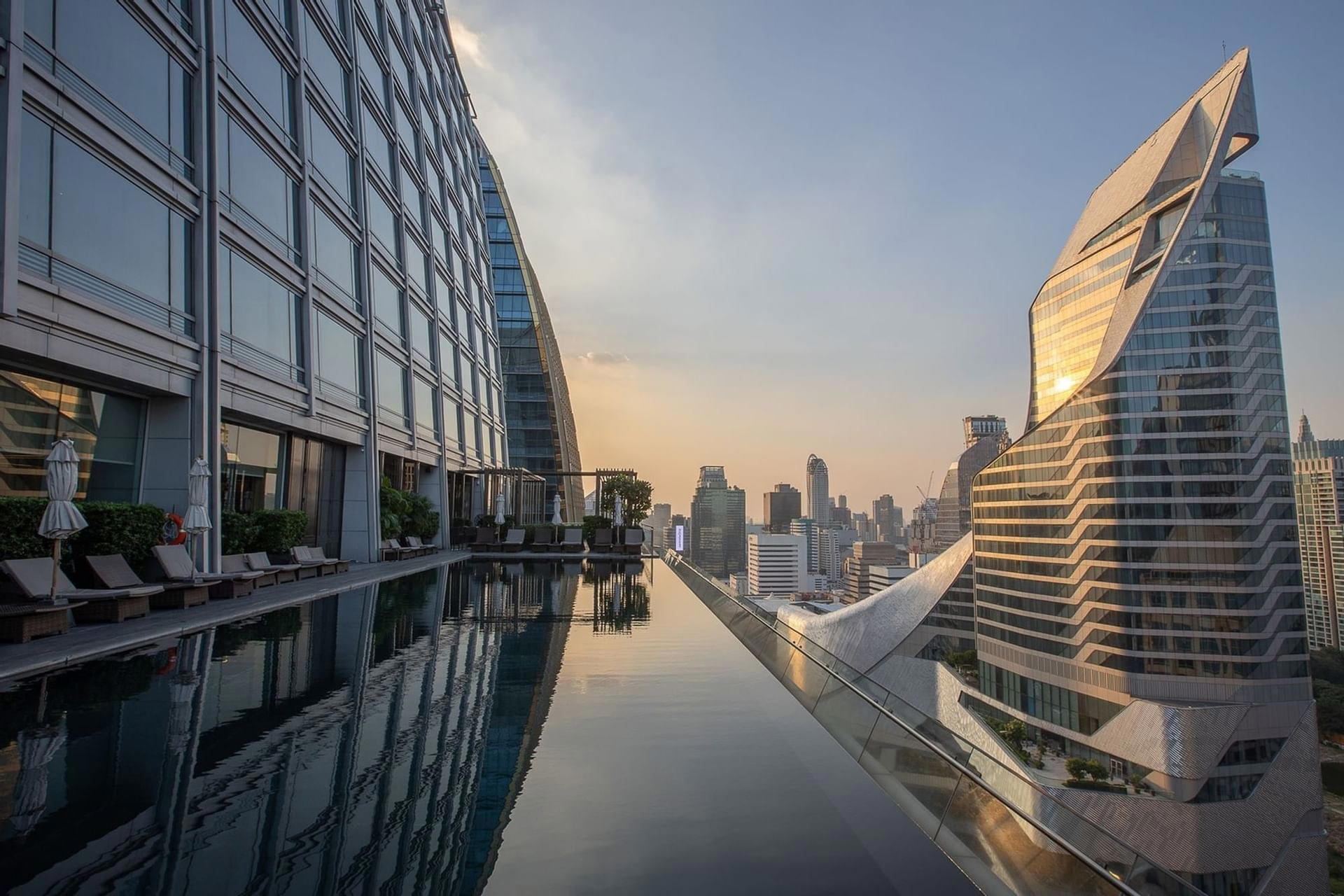
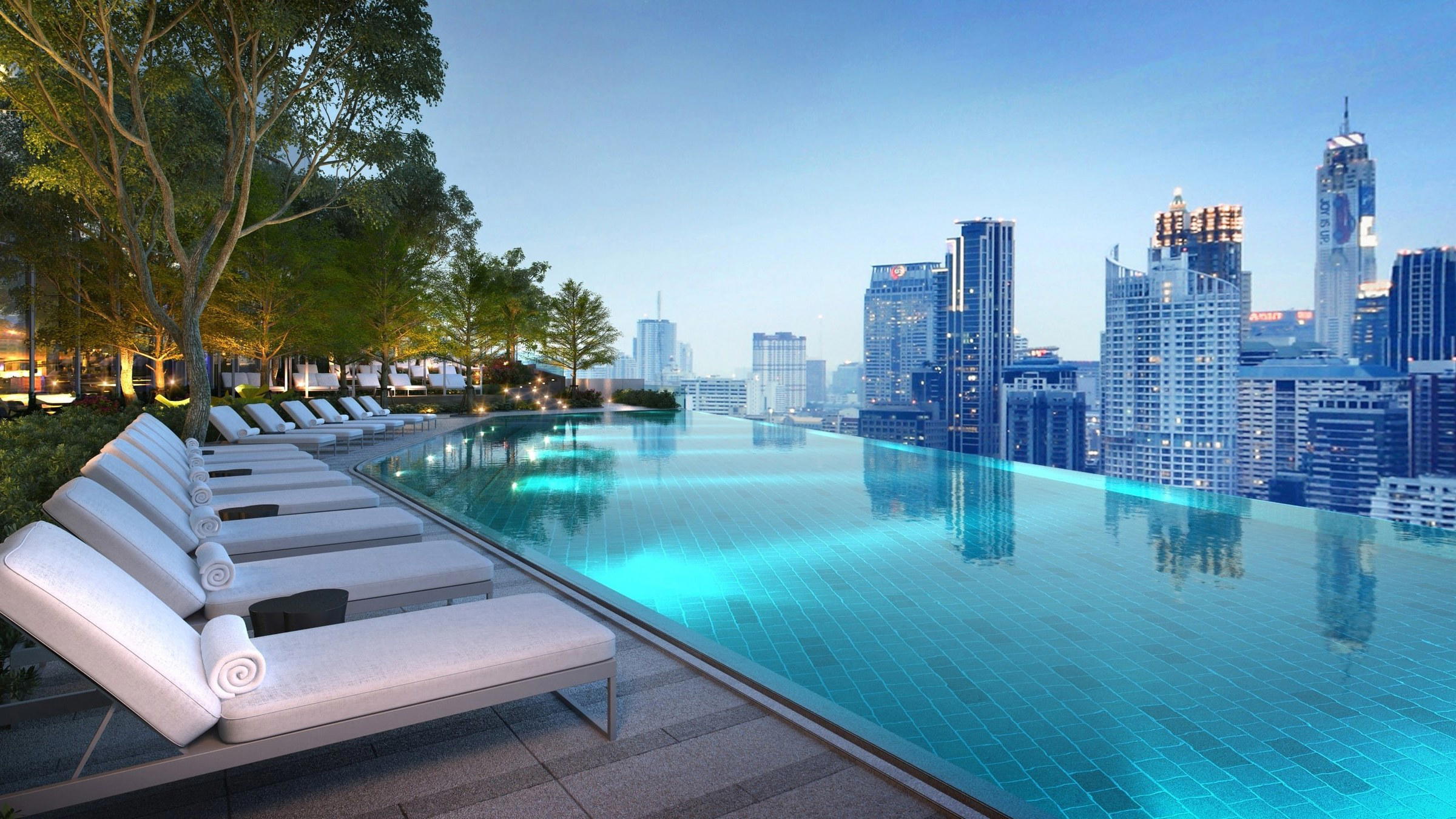
A 26th-floor address on Soi 39 means the view faces east and north across the low-rise residential grid rather than the dense commercial towers of central Sukhumvit. In Bangkok bar terms, that translates to a quieter visual field, less compressed skyline, more sky. The atmosphere that produces is different from what you get at Octave Rooftop Lounge and Bar in Khlong Toei, where the city's density presses in from every angle. The Soi 39 elevation offers a more considered remove.
Reading the Regional Context
Thailand's bar awards circuit has become meaningfully competitive. Asia's 50 Best Bars, Michelin's Bangkok bar selection, and the local industry's own shortlists have collectively raised the floor for what a serious Bangkok venue is expected to deliver. Venues without a coherent identity, whether expressed through spirits curation, cocktail format, or environment, find it increasingly difficult to hold attention as the city's drinkers grow more educated. For comparison, the restaurant side of Sukhumvit has long operated at this level: EAT ME Restaurant in Bang Rak has maintained critical standing through consistent culinary identity rather than novelty cycles.
The bar venues that sustain recognition in Bangkok tend to share a common trait: they are easier to describe in terms of what they collect and how they think than in terms of what they look like. The visual dimension matters, particularly at elevation, but it doesn't do the work alone. Hansar Bangkok in Pathum Wan demonstrates how a hotel bar property can use a specific programmatic identity to hold its position across years rather than months. Baan Borneo Club sits in a category where the same logic applies.
Planning Your Visit
Soi Sukhumvit 39 is reachable from Phrom Phong BTS station, which puts the venue within a short taxi or motorcycle-taxi run from the Skytrain network. The 26th-floor position means the approach involves a lobby and a lift rather than a street-level entrance, which shapes the arrival experience before you reach the bar. For visitors building a Bangkok evening across multiple venues, the Sukhumvit 39 area connects naturally with the Thong Lo corridor to the east, where the bar and dining density is high enough to anchor a full itinerary. Broader planning, including context on where Baan Borneo Club fits within Bangkok's full drinking and dining map, is covered in our full Bangkok restaurants guide. Those building regional itineraries beyond Bangkok might also consider the bar programs at Sala Lanna in Chiang Mai, 333 at the Beach in Phuket, or Akoya Beach Lounge in Hua Hin for contrast with the city format. Internationally, Café La Trova in Miami offers an instructive parallel in how a venue can use a strong regional identity as its primary organising principle.
Given the format and floor position, confirming before arrival is advisable, particularly on weekends when refined rooftop venues in the Sukhumvit corridor typically reach capacity by mid-evening.
At a Glance
- Elegant
- Sophisticated
- Scenic
- Intimate
- Classic
- Special Occasion
- Date Night
- Panoramic View
- Hotel Bar
- Lounge Seating
- Classic Cocktails
- Craft Cocktails
- Skyline
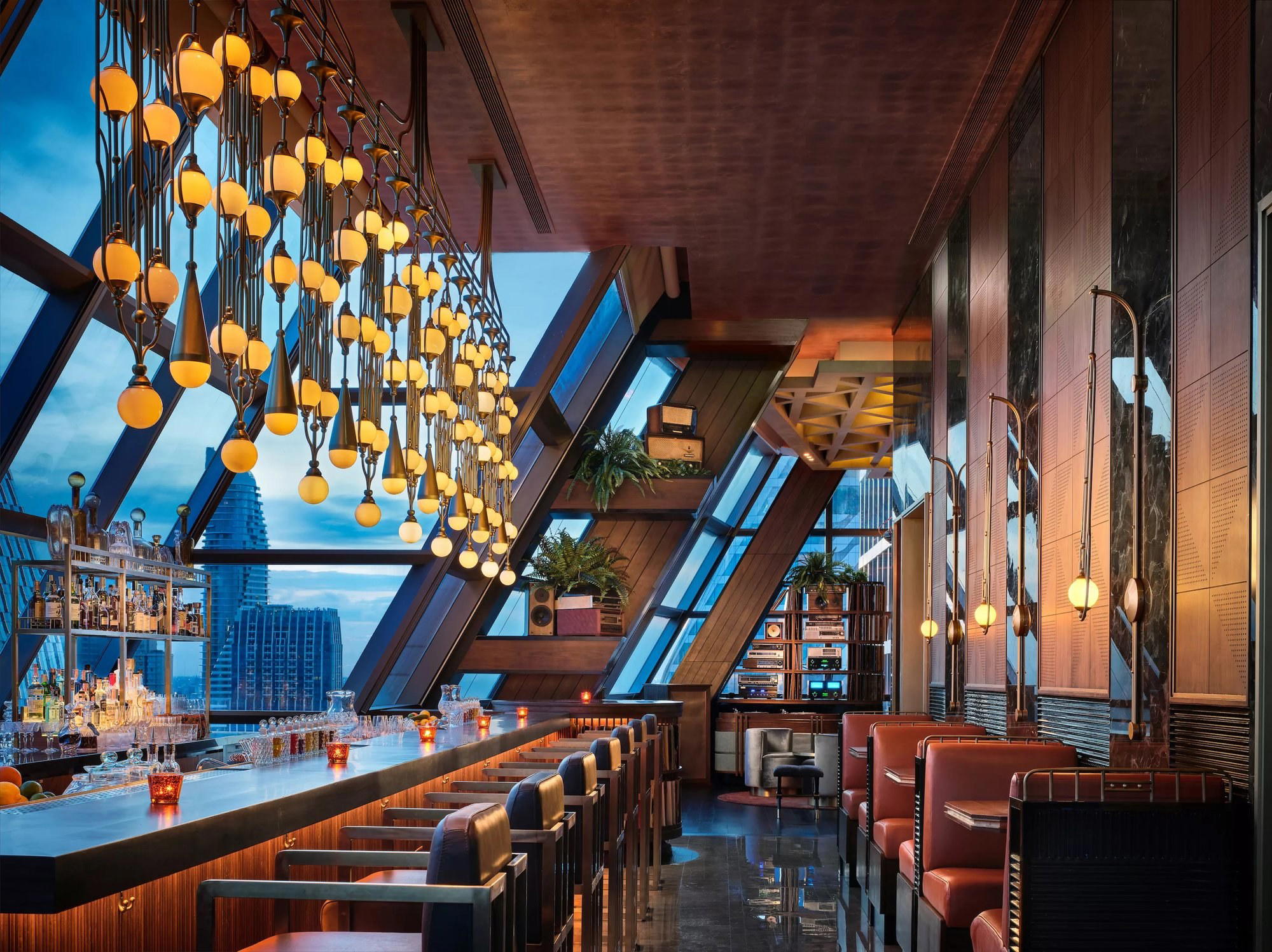
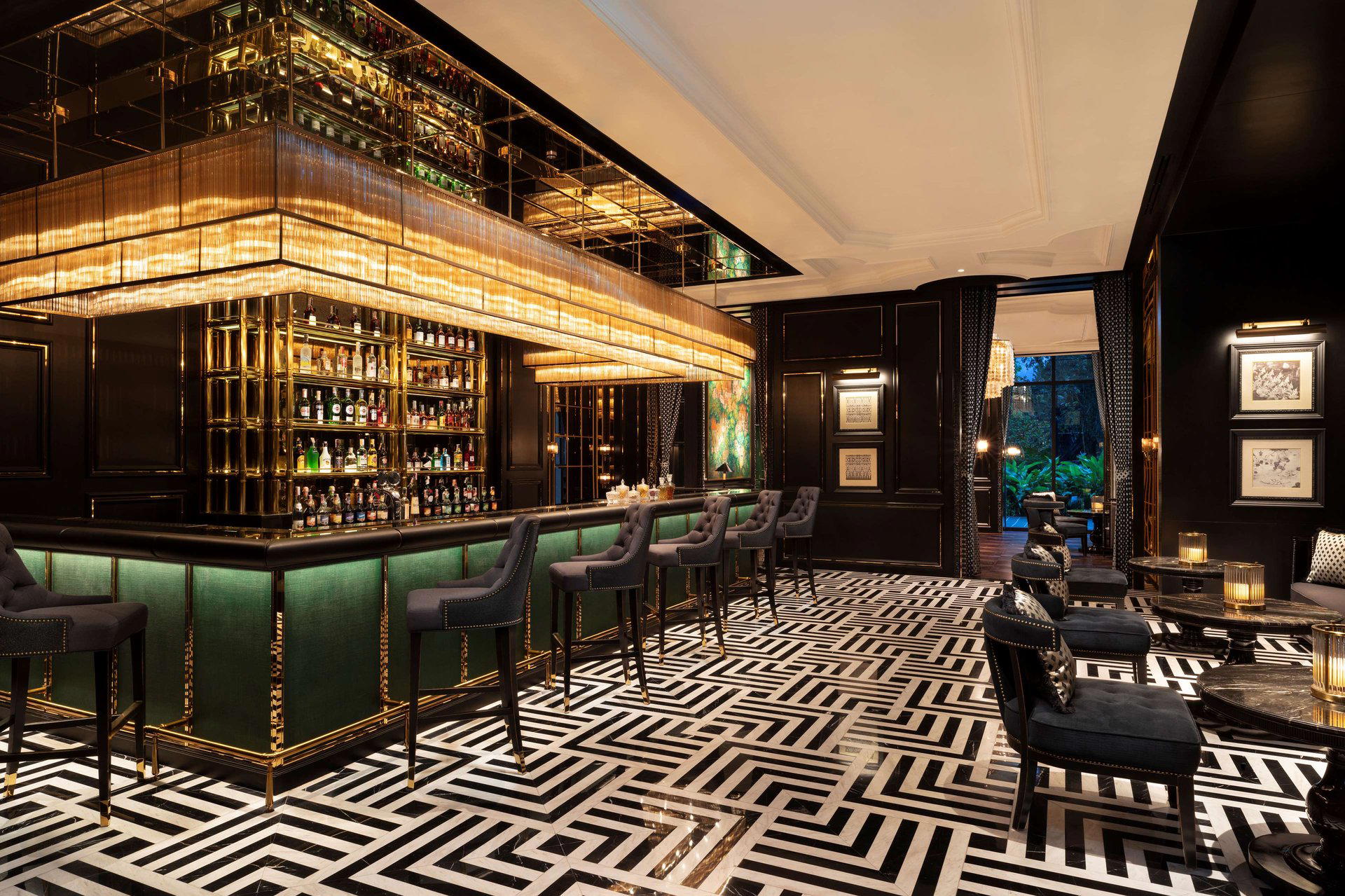
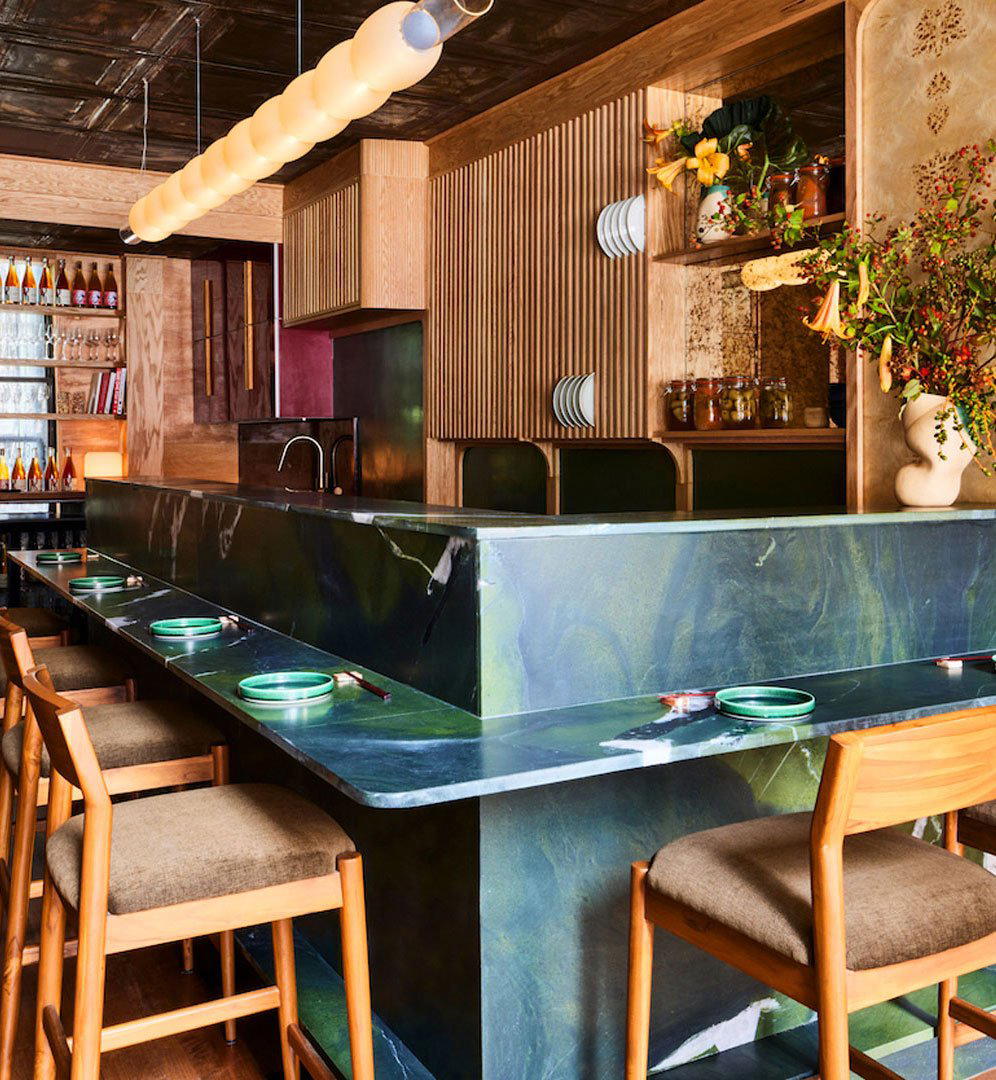
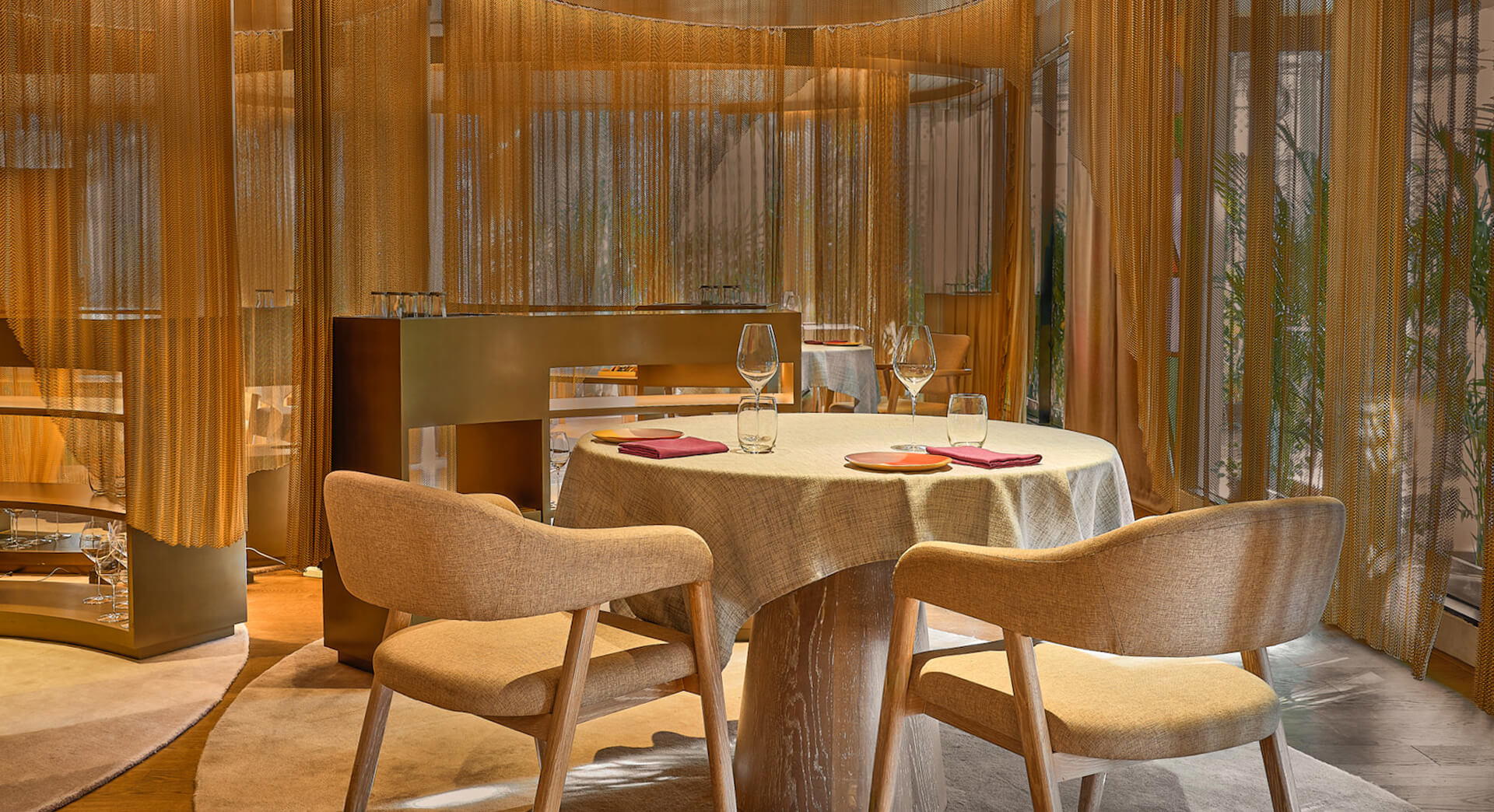
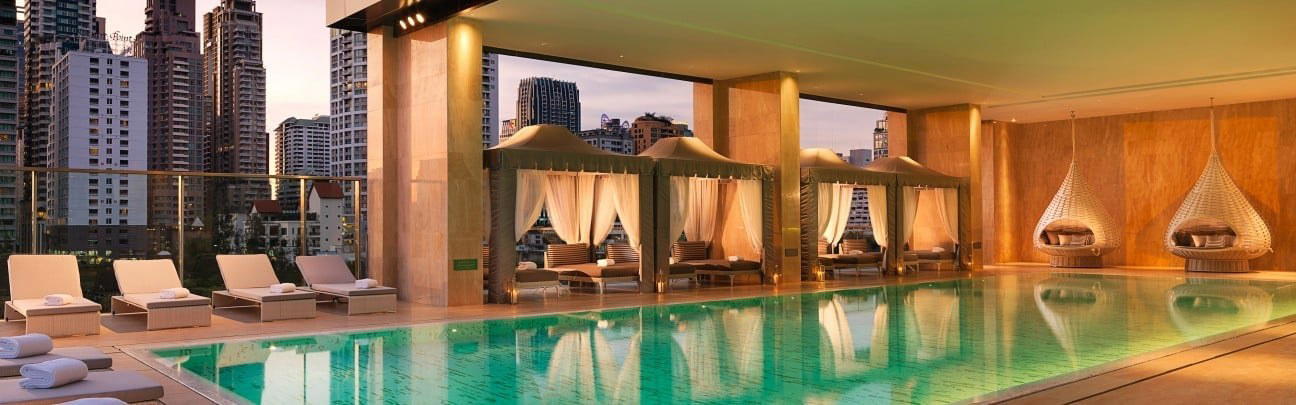
Swank and elegant with floor-to-ceiling windows providing endless metropolitan views, colonial-inspired design evoking British gentlemen's club sophistication.
Know Before You Go
- Getting there
- 59/1 Soi Sukhumvit 39, Khwaeng Khlong Tan Nuea, Watthana, Krung Thep Maha Nakhon 10110 (26th floor)