Water, Light, and the Architecture of a Doha Evening Out Doha's marina strip has become one of the more interesting case studies in how a city can build a bar and lounge culture almost from scratch within a single decade. Where much of the Gulf's nightlife infrastructure once concentrated inside hotel properties, a secondary circuit has emerged along the waterfront, where standalone venues and marina-adjacent spaces compete on setting as much as on what they serve. B-Lounge, positioned by the marina at address 1, sits inside that shift. The water is not incidental here. It is the frame around which the experience is constructed. The broader pattern across Doha's premium lounge tier is that physical environment has become the primary differentiator. In cities with longer bar traditions, like those that shaped venues such as Kumiko in Chicago or Bar Leather Apron in Honolulu, the room matters, but the program depth, the sourcing philosophy, and the staff expertise carry equal weight. In Doha, the scene is still calibrating. The venues that have found durable audiences tend to be the ones that get the spatial design right first, then layer programming on leading. What the Setting Actually Does Marina-positioned lounges in cities like Doha work because the transition from day to night is visible and dramatic. The light changes over the water in ways that interior venues cannot replicate, and the finest of these spaces are designed to let that shift do the atmospheric work. A lounge that faces the water has a built-in event happening every evening, regardless of what's on the menu or who's behind the bar. That framing matters when comparing B-Lounge to Doha's hotel-anchored alternatives. Venues like Nobu Doha operate within a hospitality infrastructure that provides a consistent backdrop, global brand recognition, and a particular kind of reliability. The waterfront lounge format trades some of that brand certainty for something more contingent: the energy of a specific location at a specific hour. On the right night, with the right light, that trade is worth making. The scene becomes the product. Doha's lounge circuit also includes properties like Al Shurfa Arabic Lounge and Ambar, each of which stakes a different claim on what an evening in the city can look and feel like. Al Shurfa leans into a regional design vocabulary, while Ambar positions itself within the broader regional bar culture. B-Lounge's waterfront address puts it in a different register, one where the exterior environment is always in the frame. The Wider Context: Bar Culture in a Developing Scene For travelers who have spent time in cities where bar culture has decades of sediment, from the cocktail programs at Jewel of the South in New Orleans to the spirit-forward menus at Julep in Houston, Doha's current offering asks for a different set of expectations. The city's bar circuit is developing, and the venues operating within it are working within specific regulatory and cultural parameters that shape format, menu depth, and atmosphere in ways that differ from Western bar capitals. What Doha has that many of those cities don't is the physical scale of ambition. The marina development, the waterfront infrastructure, the architectural investment in hospitality spaces: these are not incidental. They represent a deliberate positioning of the city as a destination for a particular kind of premium leisure. B-Lounge's location is a product of that investment, and the experience of being there is partly an experience of that broader civic project. Globally, some of the more interesting bar rooms are the ones that solve for atmosphere through spatial intelligence rather than through historical accumulation. The Parlour in Frankfurt and Superbueno in New York City both demonstrate that a well-considered room, even a newer one, can generate genuine atmosphere. The comparison is instructive: what matters is how the space is used, not merely how long it has existed. In Doha's bar circuit, The Cellar offers another reference point, operating with a format that prioritizes the wine-and-food pairing dimension. B-Lounge's marina positioning suggests a different priority set, one where the view and the ambient energy of the waterfront take precedence over program depth. Neither approach is superior in the abstract; they serve different evenings and different intentions. Planning a Visit B-Lounge is located by the marina in central Doha, accessible from the main waterfront corridor. For visitors staying in the city's West Bay or Pearl district, the marina is reachable by taxi in under fifteen minutes from most hotel clusters. As with several Doha venues operating within the leisure-focused waterfront zone, evenings here tend to animate after 9pm, when the temperature drops and the outdoor proximity to the water becomes an asset rather than a liability. The venue's marina position makes it a practical anchor for a longer evening that might begin with dinner elsewhere and move here for drinks and the waterfront setting. Specific booking policies, hours, and current menu format were not available at time of writing. Confirming details directly before visiting is advisable, as is the case with most venues in a scene that continues to evolve at pace. For a broader map of Doha's dining and drinking options, the full Doha restaurants and bars guide provides context across price points and venue types. Travelers comparing Doha's waterfront lounge circuit to equivalent settings elsewhere might also look at how marina and harbour bar cultures have developed in other cities. Café La Trova in Miami demonstrates how waterfront-adjacent venues can build identity through a combination of setting and a distinct cultural program. The lesson that crosses over: location creates the opportunity, but the discipline of the format determines whether the venue becomes a genuine destination or simply a pleasant stop. Frequently Asked Questions What do regulars order at B-Lounge? What can be said is that waterfront lounges in Doha's marina circuit generally build their repeat custom around the drinks list rather than food, with cocktails and long drinks suited to an outdoor or semi-outdoor setting being the functional anchor of the experience.What's the main draw of B-Lounge?The marina location is the central proposition. In a city where much premium bar activity still concentrates inside hotel properties, a waterfront address with direct access to the water creates a different kind of evening. The setting works particularly well in the cooler months, when outdoor exposure to the marina becomes comfortable and the ambient energy of the waterfront is at its strongest.Is B-Lounge reservation-only? In Doha's current bar and lounge circuit, walk-in availability tends to vary by day of week and season, with Thursday and Friday evenings running tightest. Contacting the venue directly ahead of a visit is the practical approach, particularly during peak months between October and April when the waterfront scene draws higher footfall.What's B-Lounge a strong choice for?The venue suits evenings where setting and atmosphere are the primary objective. If the goal is a program-led experience focused on cocktail depth or extensive food pairing, venues like The Cellar or Nobu Doha address that more directly. For a drinks-led evening where the view and the waterfront energy carry the night, B-Lounge's marina position makes a strong case.Does B-Lounge live up to the hype? The marina strip generates genuine footfall and the venue's positioning within it suggests a minimum level of viability, but the honest answer is that verifiable critical assessment of B-Lounge's offer is not yet available in the public record.How does B-Lounge compare to other waterfront venues in Doha?Doha's marina circuit includes a range of formats, from hotel-affiliated outlets to independent lounge concepts, and the distinctions between them are increasingly granular. B-Lounge's address by the marina puts it in direct competition with other venues that use the waterfront as their primary asset. What separates the stronger performers in this tier is usually the quality of the drinks program and the consistency of the service, both of which require on-the-ground verification that specific data for B-Lounge does not yet support at a confirmed level.

Pearl is the En Primeur Club membership app — saves, bookings, and concierge access live there. Same editors, same standards.
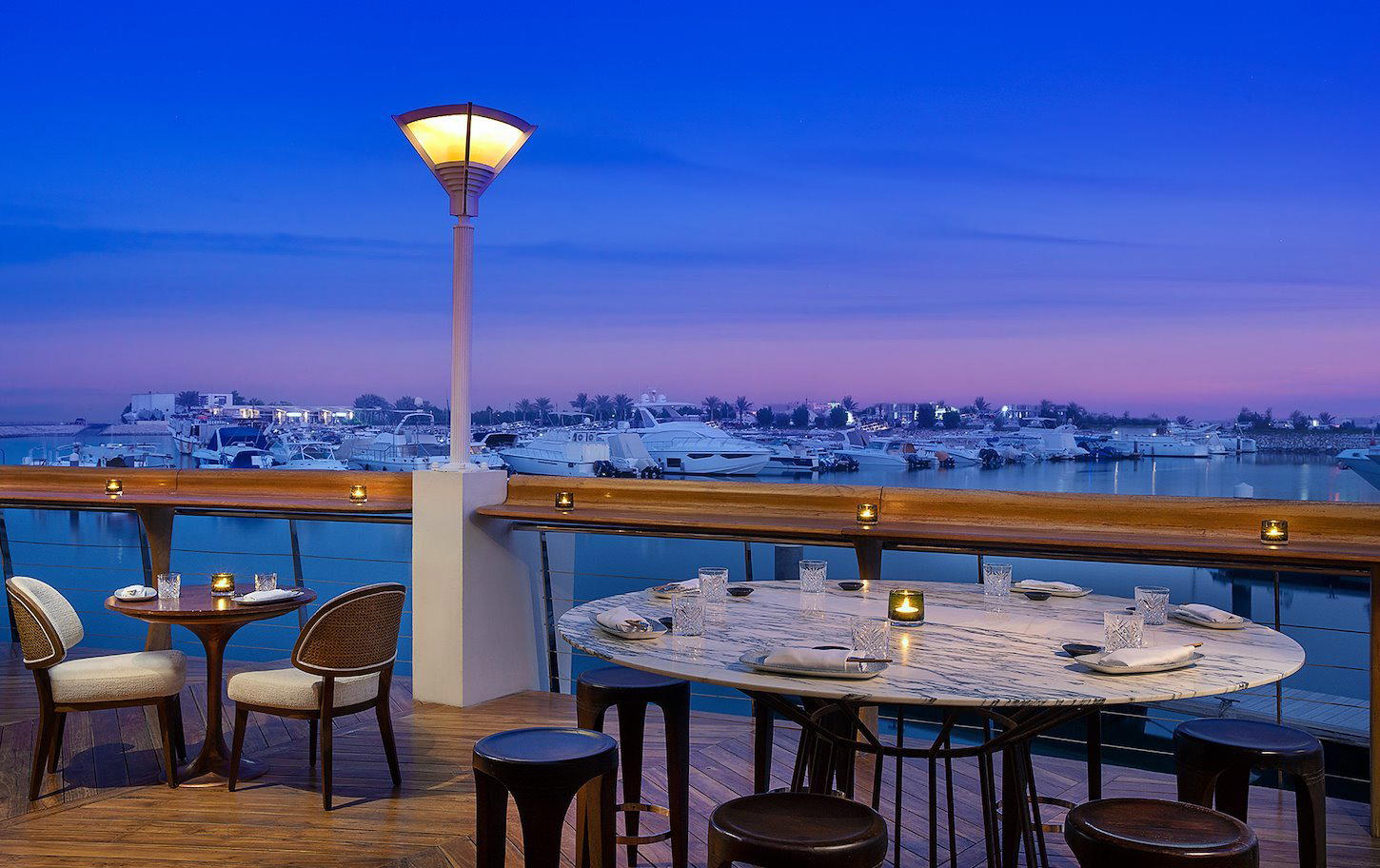
Water, Light, and the Architecture of a Doha Evening Out
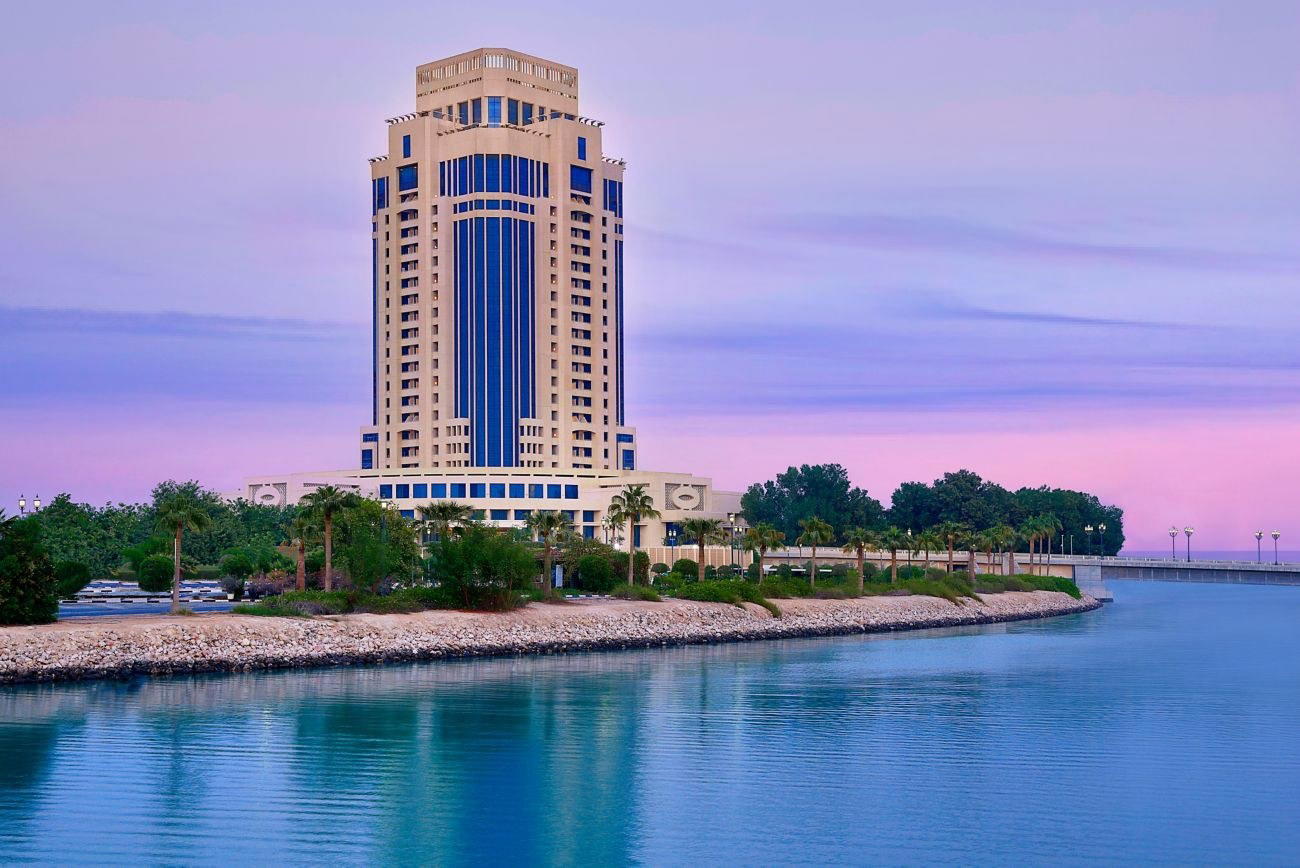
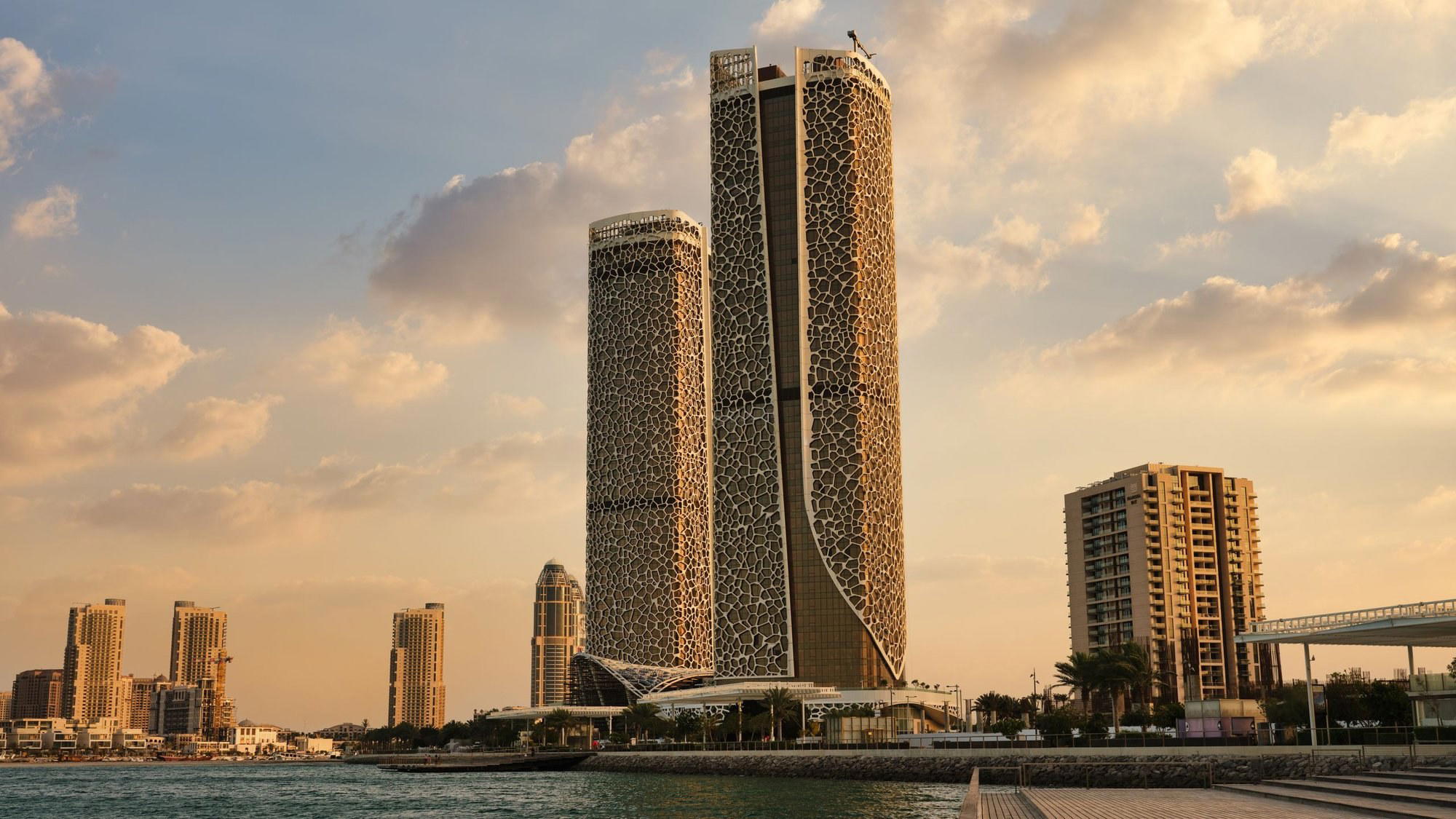
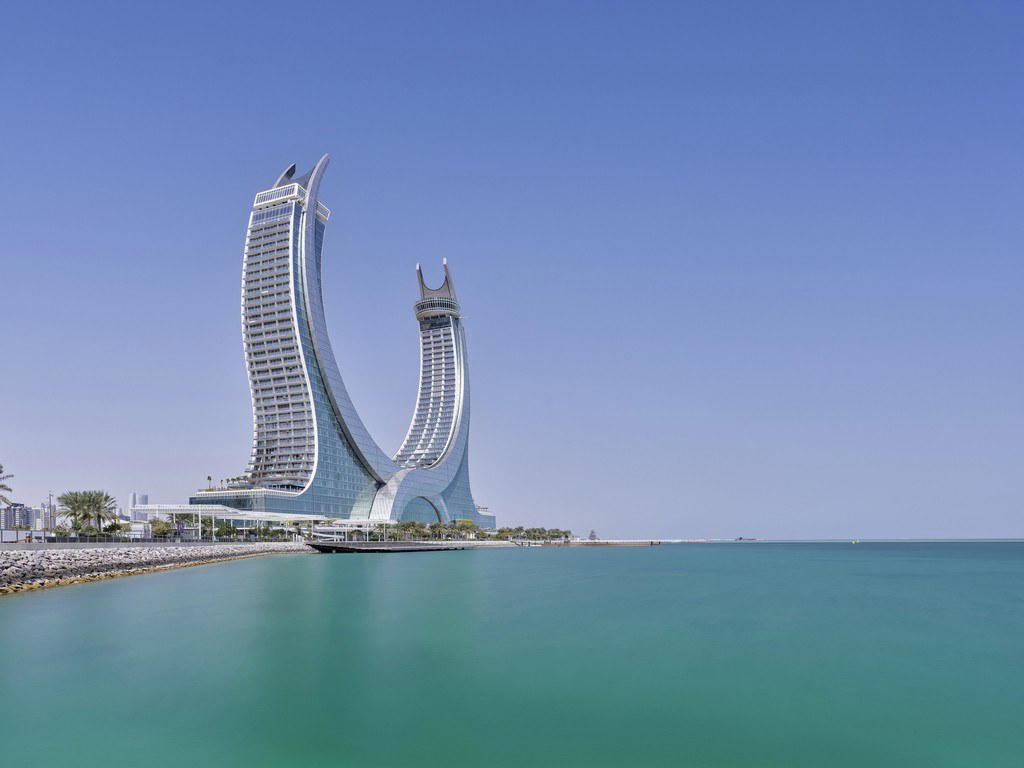
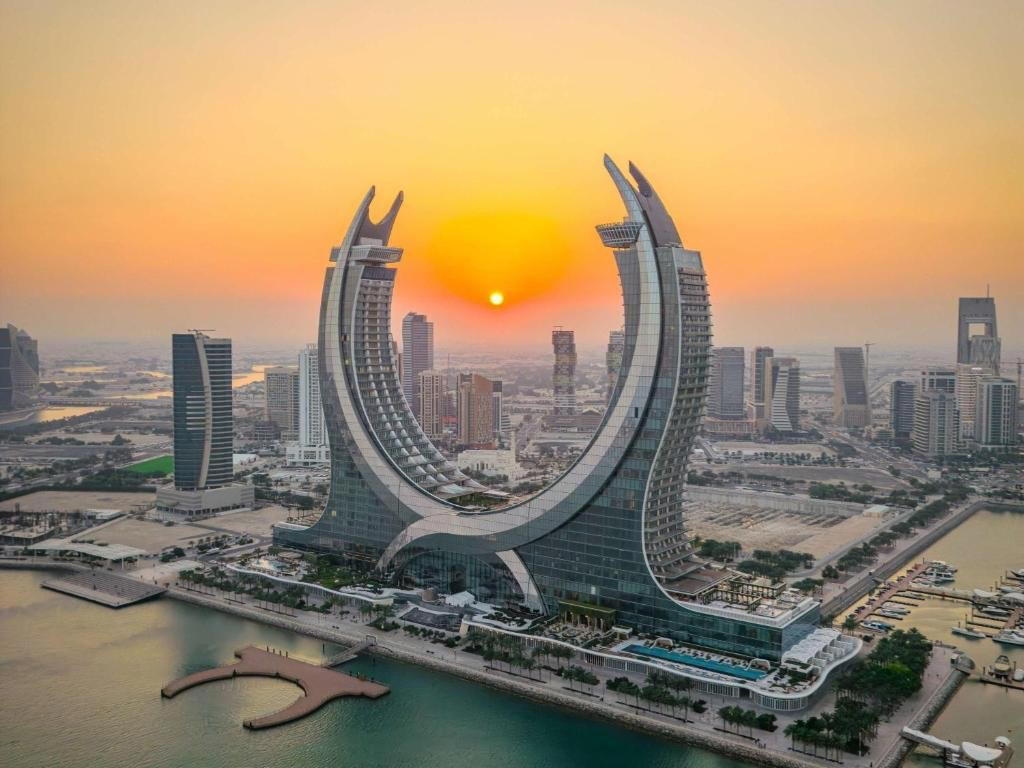
Doha's marina strip has become one of the more interesting case studies in how a city can build a bar and lounge culture almost from scratch within a single decade. Where much of the Gulf's nightlife infrastructure once concentrated inside hotel properties, a secondary circuit has emerged along the waterfront, where standalone venues and marina-adjacent spaces compete on setting as much as on what they serve. B-Lounge, positioned by the marina at address 1, sits inside that shift. The water is not incidental here. It is the frame around which the experience is constructed.
The broader pattern across Doha's premium lounge tier is that physical environment has become the primary differentiator. In cities with longer bar traditions, like those that shaped venues such as Kumiko in Chicago or Bar Leather Apron in Honolulu, the room matters, but the program depth, the sourcing philosophy, and the staff expertise carry equal weight. In Doha, the scene is still calibrating. The venues that have found durable audiences tend to be the ones that get the spatial design right first, then layer programming on leading.
What the Setting Actually Does
Marina-positioned lounges in cities like Doha work because the transition from day to night is visible and dramatic. The light changes over the water in ways that interior venues cannot replicate, and the finest of these spaces are designed to let that shift do the atmospheric work. A lounge that faces the water has a built-in event happening every evening, regardless of what's on the menu or who's behind the bar.
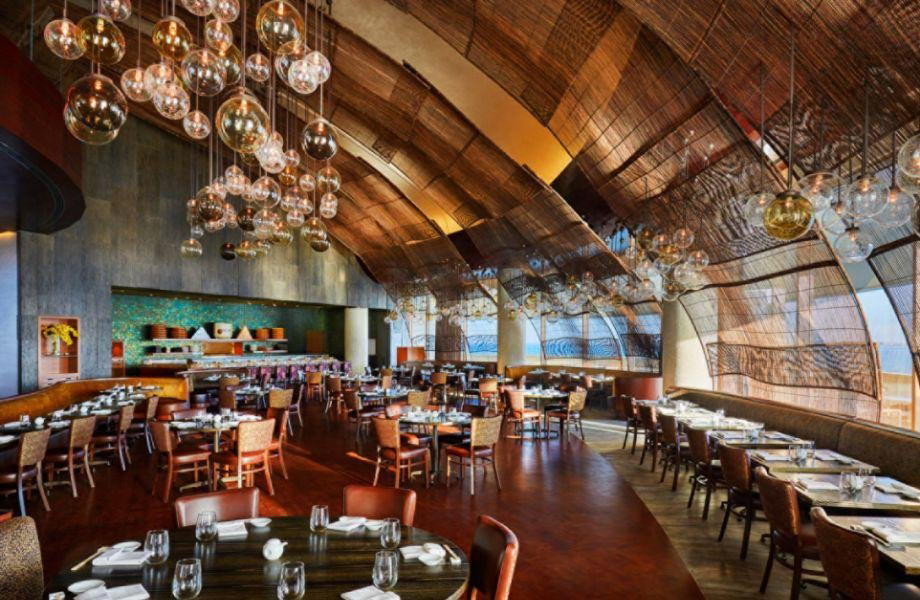
That framing matters when comparing B-Lounge to Doha's hotel-anchored alternatives. Venues like Nobu Doha operate within a hospitality infrastructure that provides a consistent backdrop, global brand recognition, and a particular kind of reliability. The waterfront lounge format trades some of that brand certainty for something more contingent: the energy of a specific location at a specific hour. On the right night, with the right light, that trade is worth making. The scene becomes the product.
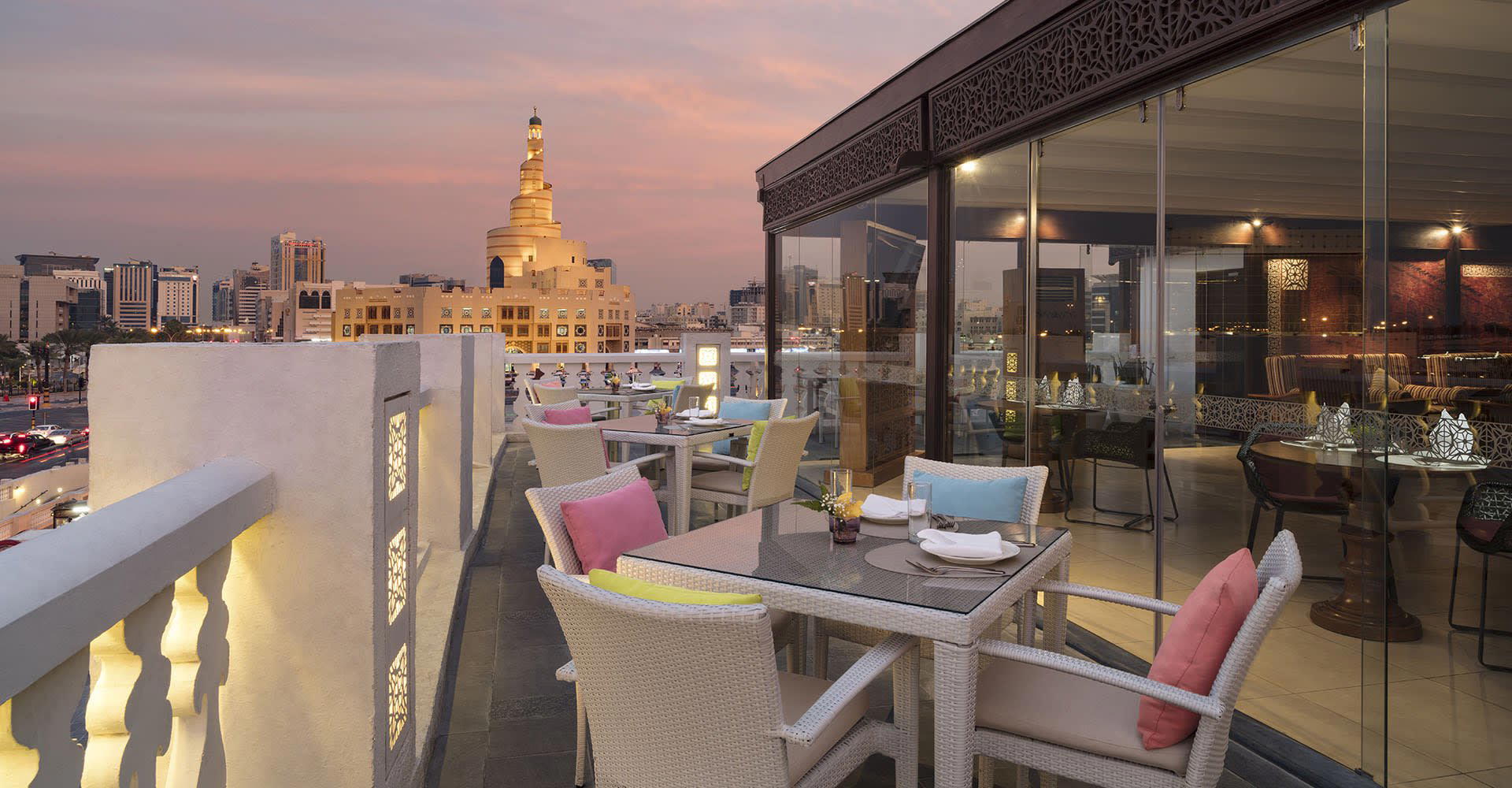
Doha's lounge circuit also includes properties like Al Shurfa Arabic Lounge and Ambar, each of which stakes a different claim on what an evening in the city can look and feel like. Al Shurfa leans into a regional design vocabulary, while Ambar positions itself within the broader regional bar culture. B-Lounge's waterfront address puts it in a different register, one where the exterior environment is always in the frame.
The Wider Context: Bar Culture in a Developing Scene
For travelers who have spent time in cities where bar culture has decades of sediment, from the cocktail programs at Jewel of the South in New Orleans to the spirit-forward menus at Julep in Houston, Doha's current offering asks for a different set of expectations. The city's bar circuit is developing, and the venues operating within it are working within specific regulatory and cultural parameters that shape format, menu depth, and atmosphere in ways that differ from Western bar capitals.
What Doha has that many of those cities don't is the physical scale of ambition. The marina development, the waterfront infrastructure, the architectural investment in hospitality spaces: these are not incidental. They represent a deliberate positioning of the city as a destination for a particular kind of premium leisure. B-Lounge's location is a product of that investment, and the experience of being there is partly an experience of that broader civic project.
Globally, some of the more interesting bar rooms are the ones that solve for atmosphere through spatial intelligence rather than through historical accumulation. The Parlour in Frankfurt and Superbueno in New York City both demonstrate that a well-considered room, even a newer one, can generate genuine atmosphere. The comparison is instructive: what matters is how the space is used, not merely how long it has existed.
In Doha's bar circuit, The Cellar offers another reference point, operating with a format that prioritizes the wine-and-food pairing dimension. B-Lounge's marina positioning suggests a different priority set, one where the view and the ambient energy of the waterfront take precedence over program depth. Neither approach is superior in the abstract; they serve different evenings and different intentions.
Planning a Visit
B-Lounge is located by the marina in central Doha, accessible from the main waterfront corridor. For visitors staying in the city's West Bay or Pearl district, the marina is reachable by taxi in under fifteen minutes from most hotel clusters. As with several Doha venues operating within the leisure-focused waterfront zone, evenings here tend to animate after 9pm, when the temperature drops and the outdoor proximity to the water becomes an asset rather than a liability. The venue's marina position makes it a practical anchor for a longer evening that might begin with dinner elsewhere and move here for drinks and the waterfront setting.
Specific booking policies, hours, and current menu format were not available at time of writing. Confirming details directly before visiting is advisable, as is the case with most venues in a scene that continues to evolve at pace. For a broader map of Doha's dining and drinking options, the full Doha restaurants and bars guide provides context across price points and venue types.
Travelers comparing Doha's waterfront lounge circuit to equivalent settings elsewhere might also look at how marina and harbour bar cultures have developed in other cities. Café La Trova in Miami demonstrates how waterfront-adjacent venues can build identity through a combination of setting and a distinct cultural program. The lesson that crosses over: location creates the opportunity, but the discipline of the format determines whether the venue becomes a genuine destination or simply a pleasant stop.
Continue exploring
More in Doha
Bars in Doha
All bars in Doha →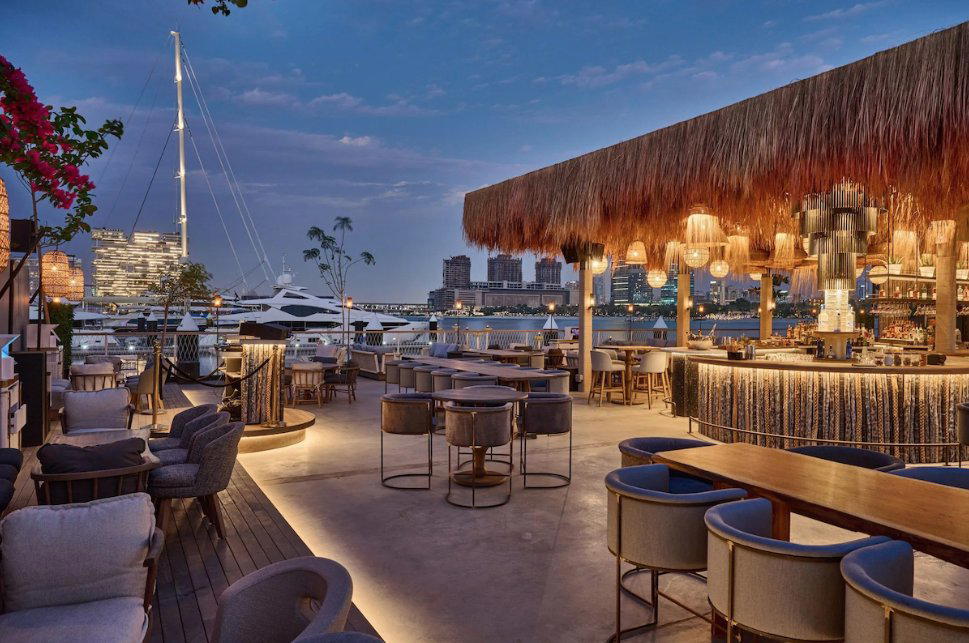
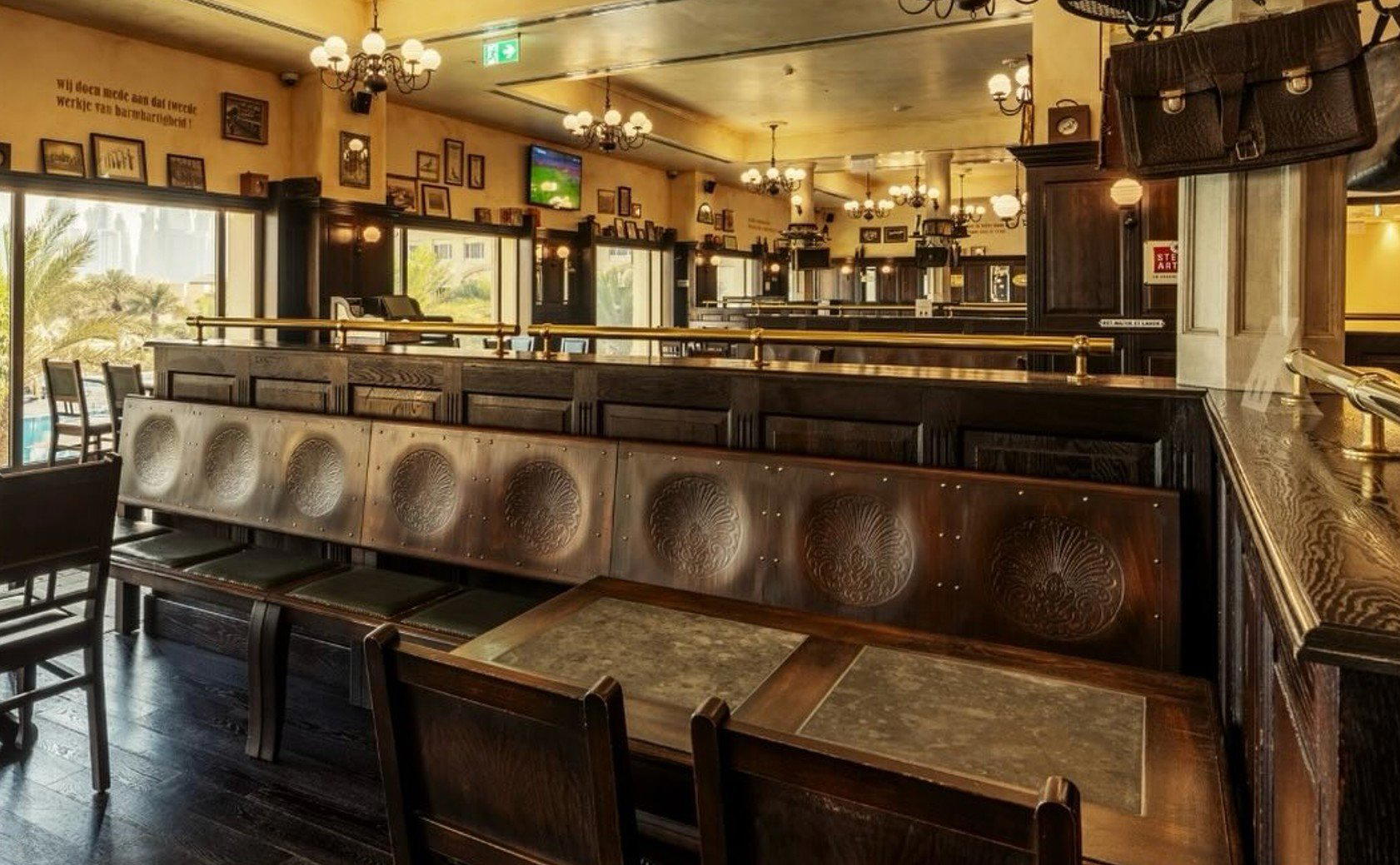
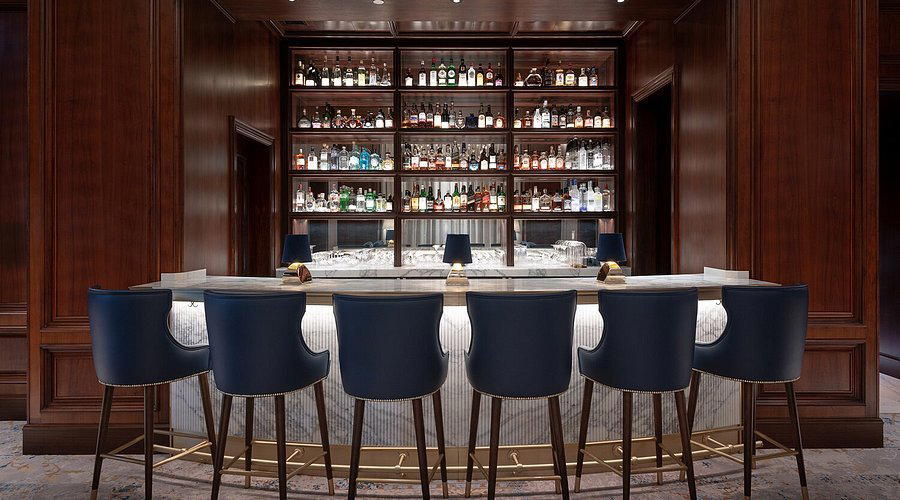
Restaurants in Doha
All restaurants in Doha →
B-Lounge
The wine
- Wine program
- Curated wine list
- Craft cocktails
- Classic cocktails
- Zero-proof drinks
Signature drinks: craft cocktails, frozé brunch cocktails.
Details
- Lively
- Trendy
- Scenic
- Sophisticated
- Elegant
- Group Outing
- After Work
- Date Night
- Special Occasion
- Casual Hangout
- Waterfront
- Terrace
- Hotel Bar
- Design Destination
- Seated Bar
- Lounge Seating
- Outdoor Terrace
- Craft Cocktails
- Classic Cocktails
- Zero Proof
- Waterfront
Current opening hours
- Monday
- 12 PM–12 AM
- Tuesday
- 12 PM–12 AM
- Wednesday
- 12 PM–12 AM
- Thursday
- 12 PM–12 AM
- Friday
- 1 PM–12 AM
- Saturday
- 12 PM–12 AM
- Sunday
- 12 PM–12 AM
Hours can change for holidays and private events. Last verified .
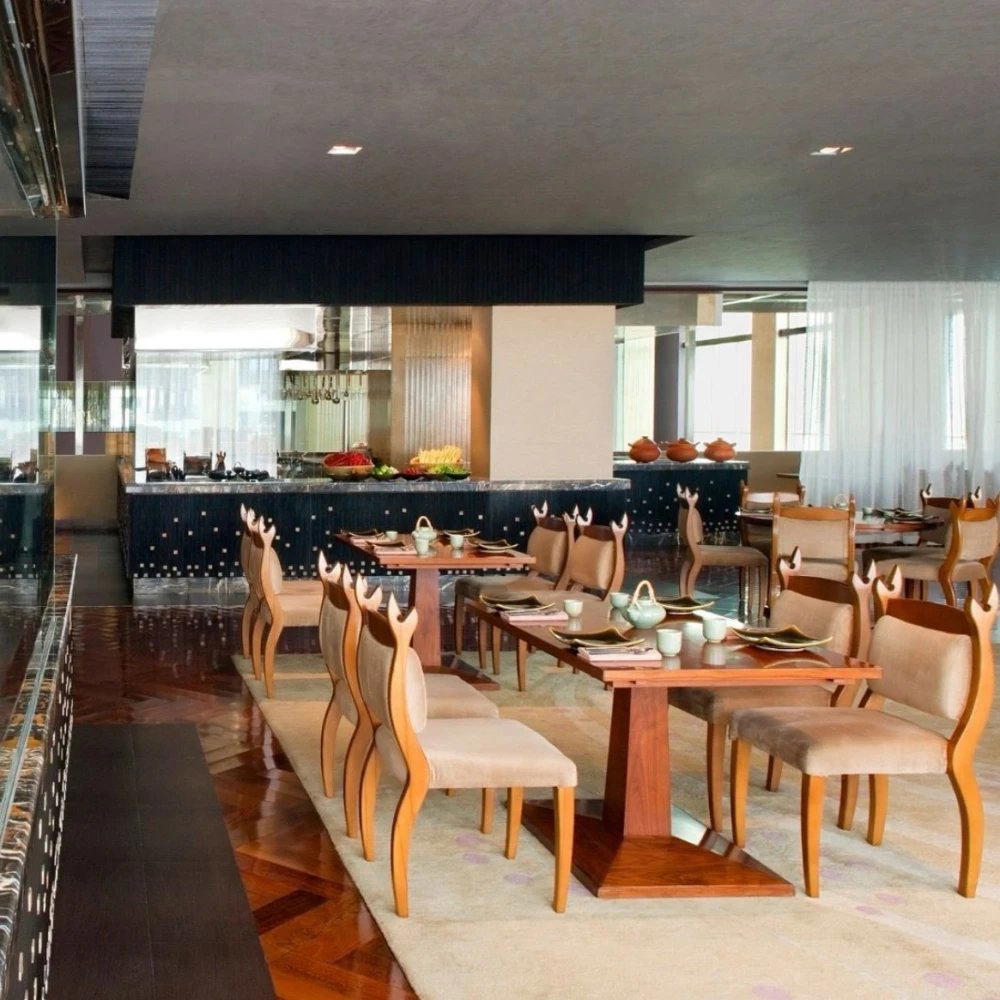
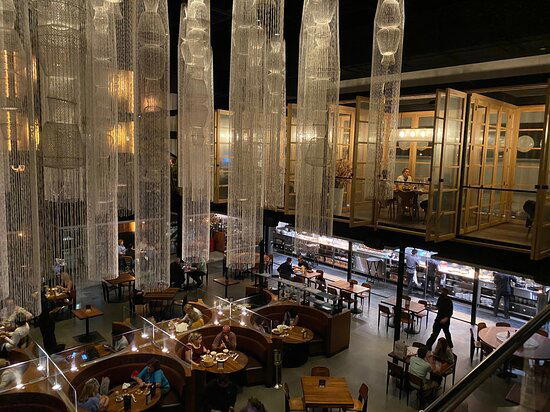
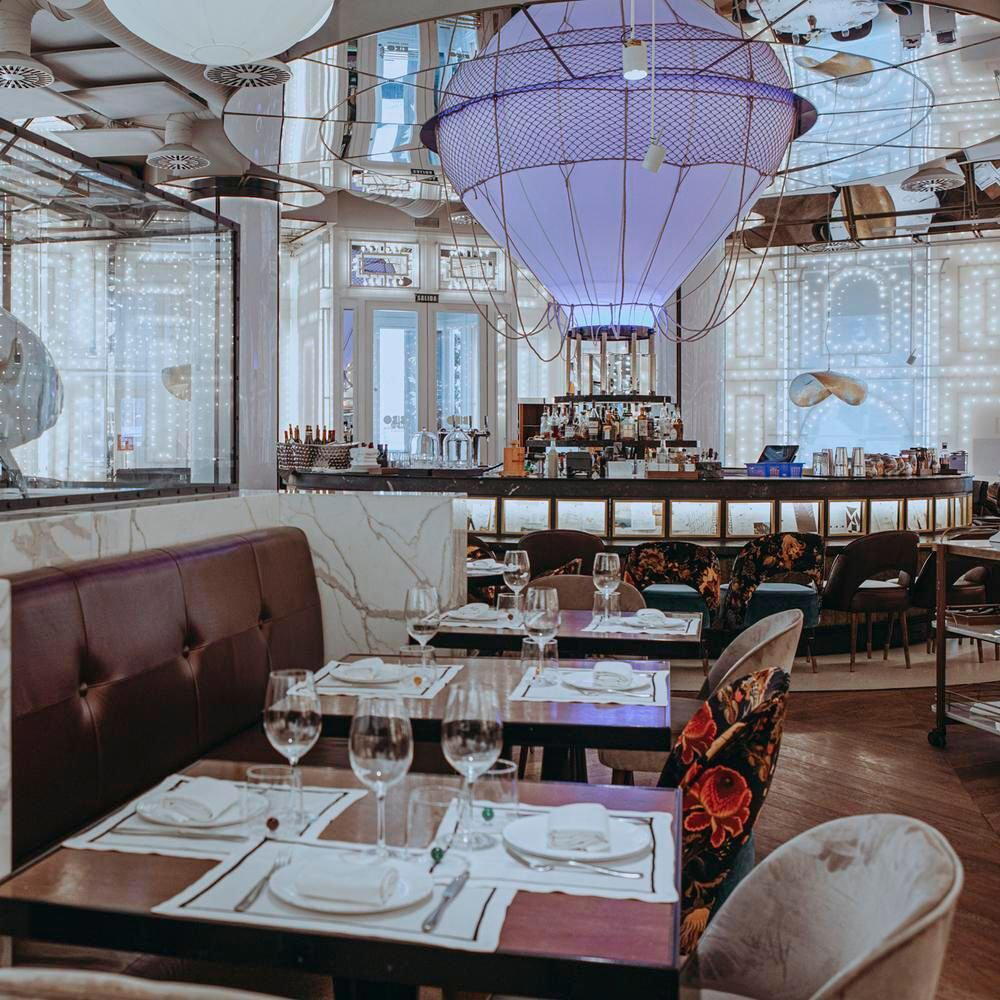
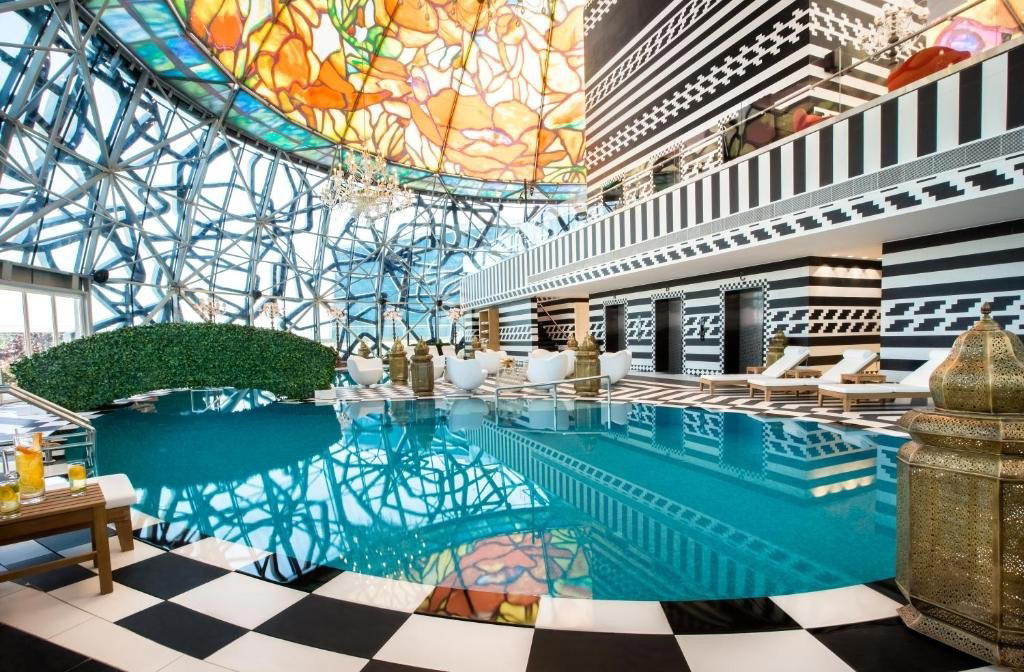
Lively, stylish, and music-forward with a refined lounge feel, marina/sea views, and a boho-luxury Asian-fusion presentation.