Belgian Café gives Doha a European pub reference point rather than another hotel-lounge gloss: an Upper Ground Floor address in Zone 61, with the appeal tied to beer culture, casual service rhythms, and a back-bar mindset rather than ceremony.

Pearl is the En Primeur Club membership app — saves, bookings, and concierge access live there. Same editors, same standards.
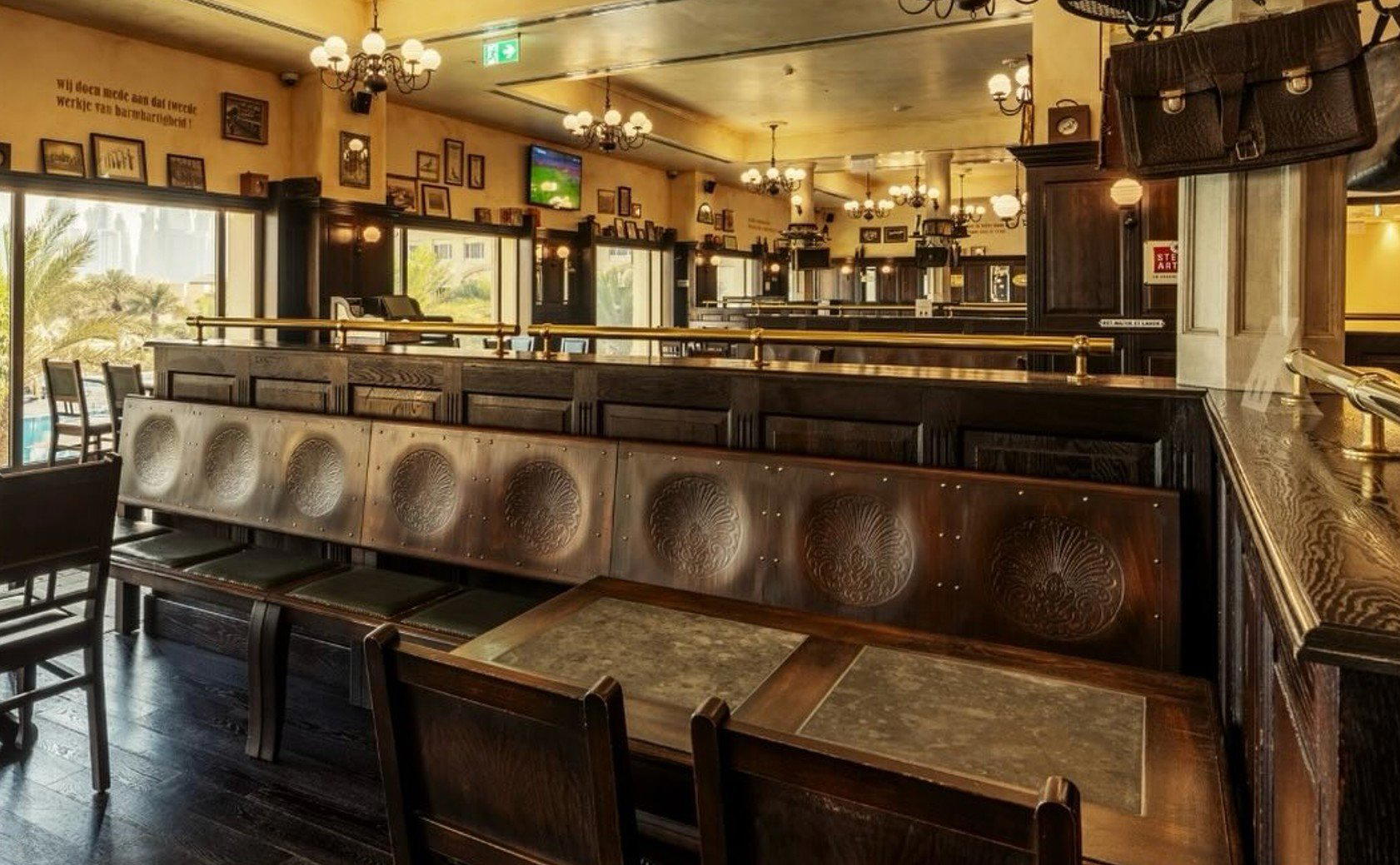
Doha's European-pub register, read through the bar
Approaching an Upper Ground Floor venue in Doha changes the usual bar psychology. The city often sells drinking spaces through skyline views, hotel lobbies, and late-evening polish; a Belgian-style café suggests a different code before the first glass arrives. The promise is not spectacle. It is table-level sociability, a room built around repeat rounds, and a drinks list that should be judged by depth, recognition, and whether the back bar understands its own lane.
Belgian Café sits at Bldg. No. 25, Zone 61, Street 900, Doha, a practical address rather than a waterfront slogan. That matters in a city where many drinking rooms are defined by the hotel they occupy or the view they can sell. Here, the stronger editorial reading is category-based: Doha has a growing spread of polished cocktail lounges, Arabic terrace formats, hotel bars, poolside rooms, and casual European drinking spaces, and the Belgian-café idea belongs to the last group. It is less about rarefied mixology than about the social architecture of the bar: what people order in rounds, how long they stay, and whether the room encourages conversation rather than performance.
The assigned spirits angle matters because it reframes a European pub format away from simple beer nostalgia. A serious Belgian-leaning bar, when handled with discipline, depends on curation: recognizable brewing traditions, glassware logic, bottle variety, and enough spirits support to serve guests who arrive with different drinking habits. The safer, more useful point is this: in Doha, a Belgian café competes not only with other casual bars but with a broader premium-drinking field where guests can choose a terrace, a Japanese-leaning lounge, a hotel cocktail program, or a restaurant bar before deciding on a pub-style room.
What a Belgian café means in a Gulf city
Belgian café culture travels better than many European bar formats because it is built around habits rather than scenery. The model normally values the seated table as much as the counter, gives equal social weight to food and drink, and treats a long evening as the point rather than a pre-dinner stop. In Doha, that places the format in useful contrast with venues that make architecture or DJ programming the headline. The room’s success depends on whether it can sustain a slow rhythm: early drinks, groups settling in, plates crossing the table, and a bar that does not collapse into a single sweet cocktail or house lager identity.
That distinction is important for visitors comparing Doha’s drinking scene. A venue such as Al Shurfa Arabic Lounge is read through terrace culture and regional hospitality cues. Ambar and Aqua sit in a different urban register, where design, hotel context, and occasion-setting carry more of the load. B-Lounge belongs to the polished international-lounge conversation. Against those peers, a Belgian-style café has a narrower but useful role: it gives the city a lower-ceremony drinking format without asking the guest to give up the idea of curation.
The back bar is therefore the test. In a serious spirits-led room, rarity can mean limited-release bottles, older bottlings, regionally specific aperitifs, or simply a list that has been built with intent rather than supplier convenience. In a Belgian café, depth may also be expressed through beer categories and the supporting spirits used for after-dinner service. In Doha, where many venues use imported identity as shorthand, the better bars prove themselves through consistency of stock, staff fluency, and the ability to guide a group with mixed drinking preferences.
The menu question: pub comfort or serious curation?
That absence shapes how a traveler should read the place. A Belgian café format often implies mussels, fries, stews, charcuterie, cheese, and beer-friendly plates, but none of those can be stated here as venue facts. What can be said is that the category asks food to play a functional role: it should support drinking over time, absorb stronger pours, and let a table order in stages rather than force a formal tasting-menu sequence.
That separates the format from Doha’s chef-led restaurants, where the identity often comes through named culinary direction, tasting structures, imported luxury ingredients, and reservation choreography. For that broader comparison, Our full Doha restaurants guide gives the better citywide frame. Belgian Café belongs more naturally to the evening-planning conversation: where to go when the priority is a sociable drink with food in reach, not a chef narrative or a dining-room procession.
The lack of a listed chef is not a weakness in itself. Many bar-led venues do not depend on a public culinary figure. The risk is different: without a clear drinks proposition, a pub-style venue can drift into generic international-bar territory. In Doha, where licensing, hotel ecosystems, and expatriate demand shape much of the drinking culture, the venues with staying power usually answer a sharper question. Is this a place for rare bottles? For aperitifs before a late dinner? For a group that wants beer and spirits rather than a lounge soundtrack? The Belgian-café model has a credible answer when the list and the room work together.
How it compares with Doha's bar scene
Doha’s premium drinking scene is not a single category. It divides into hotel cocktail bars, rooftop or terrace rooms, restaurant lounges, poolside social spaces, and casual pubs. That segmentation matters because travelers often make the wrong comparison. A Belgian café should not be measured against a high-theatre cocktail counter in New York or a rum-soaked Cuban bar in Miami. It should be measured against the local need it serves: a low-friction place for repeat rounds, mixed groups, and a back bar with enough range to keep the evening from flattening.
For international reference, Café La Trova in Miami shows how a bar can build identity around a specific drinking culture, music rhythm, and service style. Happy Accidents in Albuquerque points in another direction, where technical cocktail thinking and local curiosity define the room. Roquette in Seattle offers a useful comparison for bottle-minded drinking, where selection and restraint can matter more than theatrical presentation. Belgian Café should be read closer to a cultural-drinking format than a laboratory cocktail bar: the question is whether the venue gives Doha a coherent European pub register inside a city that often favors polished lounge codes.
This is also why awards silence should be handled plainly. That does not disqualify it from a useful itinerary, but it changes the confidence level. Without those signals, the address, format, and category fit carry more weight. The editorial stance becomes conditional and practical: go for the European-pub mode in Doha, not for documented global acclaim.
The spirits collection lens
A spirits collection is not impressive because it is large. It is impressive when it has a point of view, visible care, and enough internal logic for a guest to trust the next recommendation. In a Belgian-café setting, that logic can take several forms: strong beer literacy supported by digestifs, brown spirits that suit long evenings, aperitif choices that work before food, and non-flashy bottles that regulars return to. That restraint is intentional.
What readers can use is a framework. If the room presents itself as a Belgian-style café, the bar should be assessed by three measures. First, does the drinks list offer enough range for a table with different preferences? Second, does the staff guide guests toward style and strength rather than pushing a single house favorite? Third, does the room feel built for time, with pacing that allows a drink-led evening to develop? Those tests are more useful than asking whether it has a fashionable cocktail name on the list.
Doha’s bar culture rewards planning because venue access, hotel context, and licensing norms can shape an evening more than in older drinking cities. For a wider sweep across the city, Our full Doha bars guide is the natural companion page. Travelers building a broader stay can place the bar alongside Our full Doha hotels guide, then decide whether the night calls for a hotel lounge, a terrace, or a pub-coded room. For visitors thinking beyond bars, Our full Doha experiences guide helps connect evening plans to the city’s cultural calendar, while Our full Doha wineries guide is better read as a category reference in a market where wine culture is shaped by hospitality settings rather than vineyard proximity.
Planning notes for the Upper Ground Floor address
The confirmed practical information is limited but useful: Belgian Café is listed at Bldg. No. 25, Zone 61, Street 900, Doha, on the Upper Ground Floor. That means advance planning should rely on current local listings or direct confirmation through the property or platform where the venue is currently managed, rather than assumptions carried over from older guides. In Doha, bar schedules and access conditions can change with hotel policy, private events, holidays, and licensing rhythms, so confirming same-day details is sensible when a specific evening depends on it.
Category suggests a casual-to-social drinking format, but Doha’s hospitality pricing can vary sharply by property, import costs, and promotion structure. Dress expectations should be treated the same way. A Belgian café format implies less ceremony than a formal lounge, yet Doha venues often maintain standards that differ from European pub norms. The practical reading is simple: use the room for a relaxed drinks-led night, but verify access, timing, and attire before making it the anchor of an evening.
Continue exploring
More in Doha
Bars in Doha
All bars in Doha →
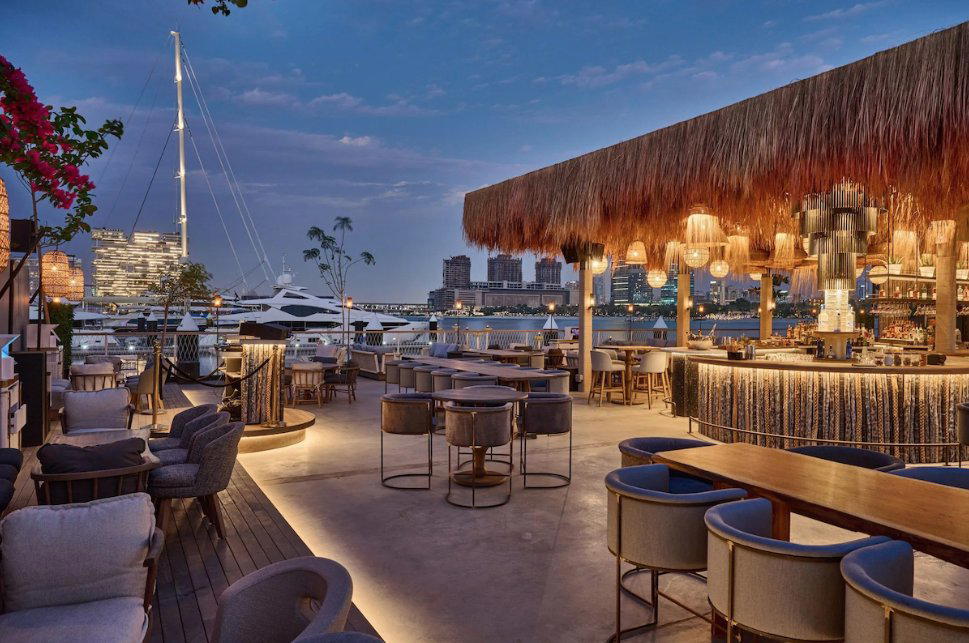
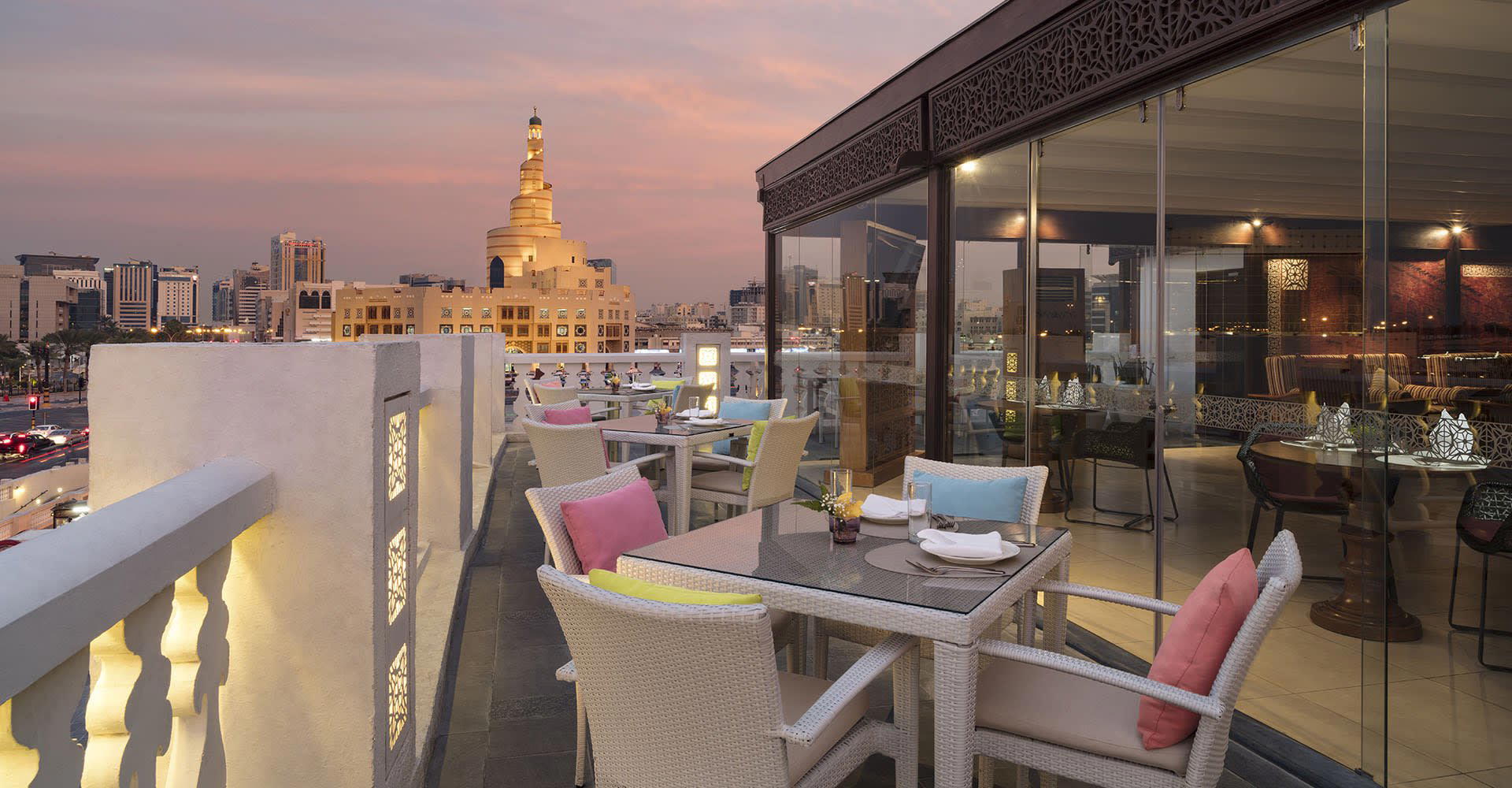
Restaurants in Doha
All restaurants in Doha →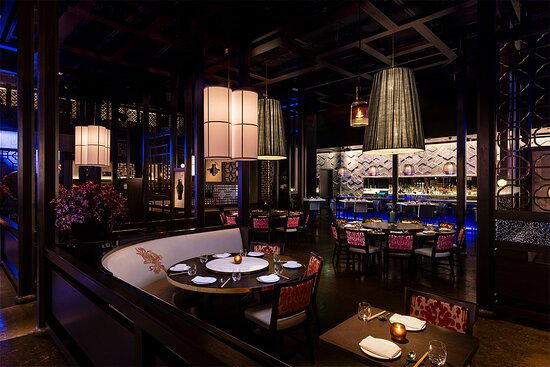
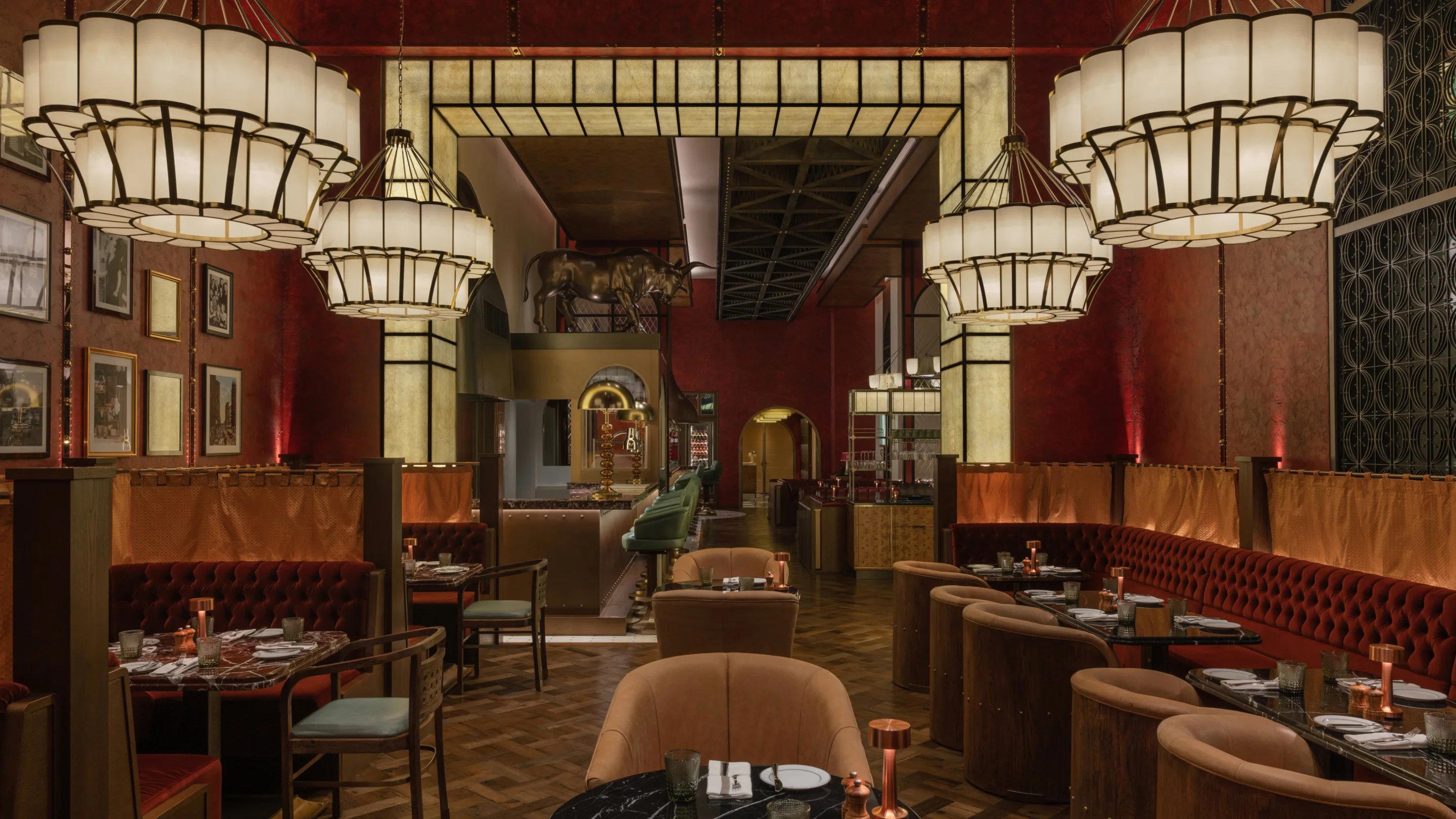
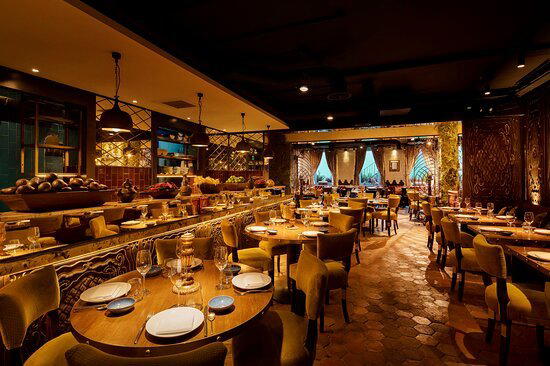
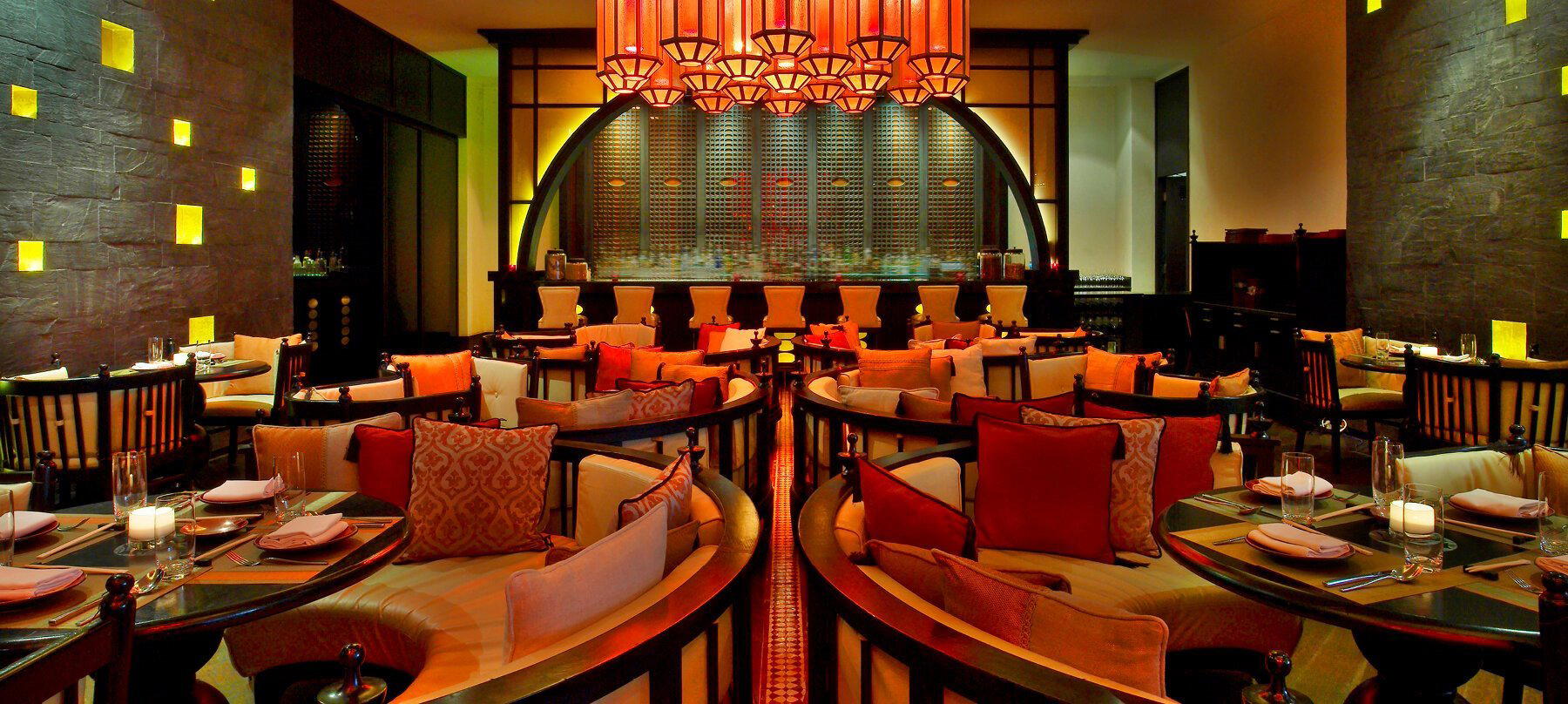
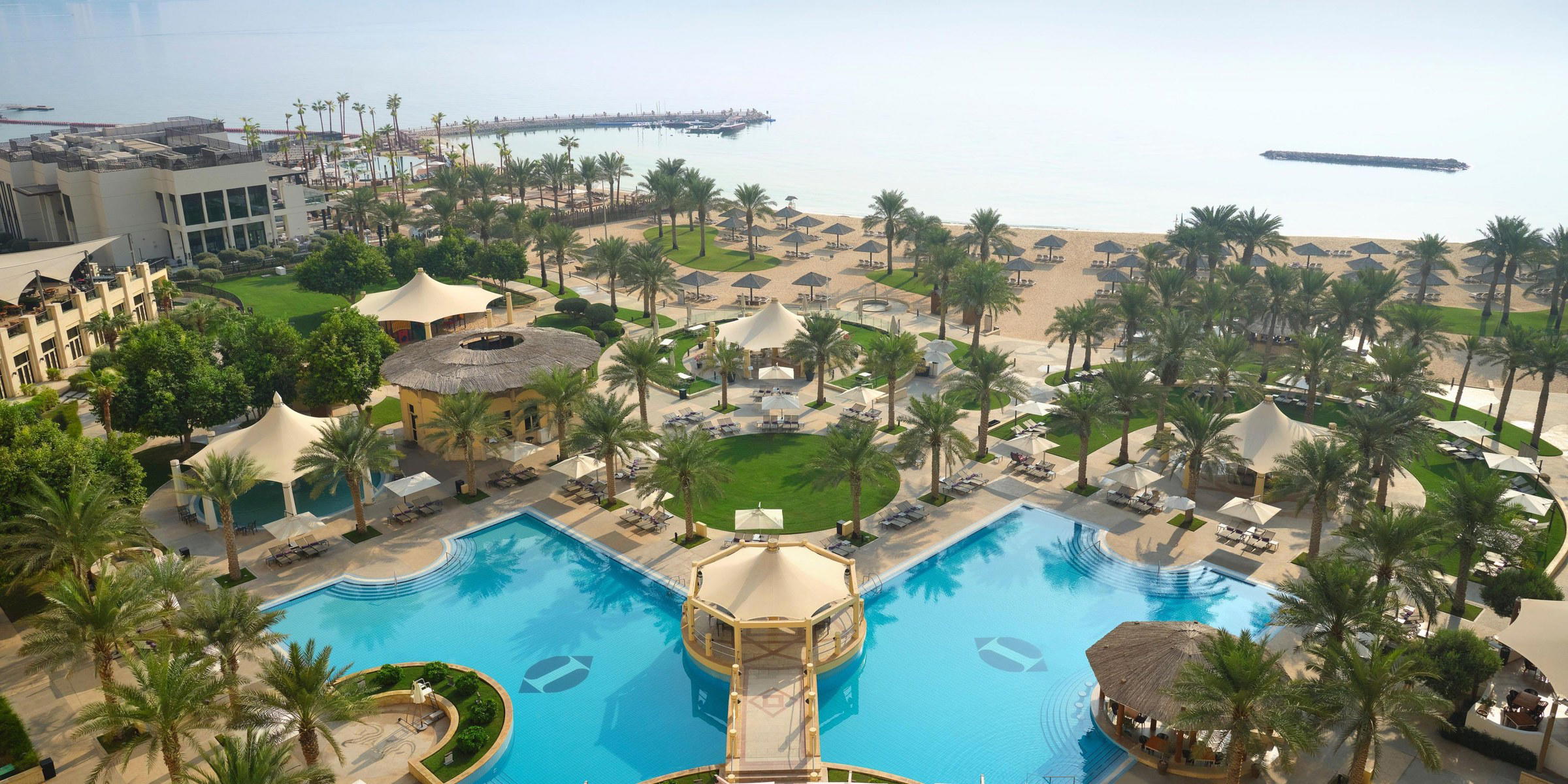
Details
- Lively
- Classic
- Rustic
- Energetic
- Cozy
- After Work
- Group Outing
- Casual Hangout
- Date Night
- Celebration
- Live Music
- Terrace
- Hotel Bar
- Standalone
- Seated Bar
- Lounge Seating
- Outdoor Terrace
- Booth Seating
- Craft Beer
- Conventional Wine
Current opening hours
- Monday
- 12:30 PM–2 AM
- Tuesday
- 12:30 PM–2 AM
- Wednesday
- 12:30 PM–2 AM
- Thursday
- 12:30 PM–2 AM
- Friday
- 12:30 PM–2 AM
- Saturday
- 12:30 PM–2 AM
- Sunday
- 12:30 PM–2 AM
Hours can change for holidays and private events. Last verified .
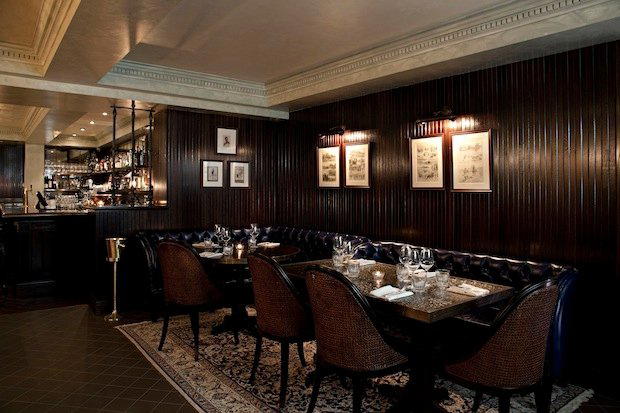
Rustic brasserie-style with a warm, lively, high-energy atmosphere that transitions from relaxed afternoons to lively evenings.