Skip to Main Content
← Collection
Vail, United States

Archetype Distillery

Price≈$35
Dress CodeSmart Casual
ServiceUpscale Casual
NoiseConversational
CapacitySmall

Where Mountain Après Culture Meets the Craft Spirits Movement Vail Village's retail and hospitality strip along Gore Creek Drive runs at a particular pitch: premium ski gear, resort-facing restaurants, and wine bars calibrated to après crowds with expense accounts. A working distillery at 183 Gore Creek Drive sits against that grain. Craft spirits production in ski resorts has followed a broader American pattern — small-batch distilleries have opened in mountain towns across Colorado, Utah, and Wyoming as the category matured through the 2010s, moving from novelty into a recognisable tier of the local hospitality economy. Archetype Distillery occupies that space in Vail, bringing a production-forward identity into a village where most venues are intermediaries between producer and glass. The physical setting matters here. Gore Creek Drive is a pedestrian-oriented stretch within the village core, which means arrival on foot is the default for most visitors. After a day on the mountain, the transition from ski boots to bar stool is genuinely short. That proximity to the village's main flow of foot traffic places Archetype in a different category from destination distilleries that require a drive — the kind of detour that, in a ski resort context, rarely happens. For a guide to where this fits within Vail's broader food and drink offering, see our full Vail restaurants guide. The Craft Distillery Format in a Resort Context Across the United States, craft distilleries have split into two broad operating models. The first is production-primary: a facility built around output, with a tasting room as an afterthought. The second is hospitality-primary: a bar or lounge that happens to distill, where the experience of drinking is the product and the production equipment is scenic backdrop. Archetype, given its Gore Creek address in the heart of a resort village rather than on an industrial edge, reads as firmly in the second camp. That positioning connects it to a generation of American craft spirits venues that understood the experience economy early, the idea that people will pay to watch something be made, and pay more to drink it where it was made. Colorado has built a credible craft spirits identity over the past fifteen years. The state's distilleries have drawn on local grain, high-altitude water sources, and a tourist economy that provides a steady stream of visitors willing to try something regional. That context gives Archetype a ready-made frame of reference for its guests: Colorado craft spirits carry enough regional meaning that provenance functions as part of the pitch, not just an asterisk on the label. The Cocktail Programme: Technique Over Tourism The critical question for any distillery tasting room operating in a premium resort environment is whether the cocktail programme takes its cues from what's being produced on-site, or simply defaults to the classics that sell well with ski crowds. The better distillery bars in the United States, venues like Raised by Wolves in San Diego or Kumiko in Chicago, demonstrate that craft spirits and serious cocktail technique are not mutually exclusive. At the opposite end of the spectrum, Trick Dog in San Francisco has shown for years that a programme built on intellectual rigour and precise execution can develop a loyal following well beyond the opening buzz. For Archetype, the distillery setting creates a structural advantage that a standalone bar doesn't have: the house spirits are the spine of the menu by default. When a venue produces its own base spirits, the cocktail programme has a built-in coherence that purchased-product bars have to construct editorially. The risk, of course, is the reverse, that the programme becomes a delivery mechanism for the spirits rather than a creative exercise in its own right. The bars that avoid that trap, from Julep in Houston to Jewel of the South in New Orleans, tend to treat their house product as an ingredient with a point of view, not a constraint. In a resort market, cocktail programmes also face a different kind of pressure than urban bars. The après crowd skews toward speed of service and familiar formats. The more considered programmes, those that reward a second or third visit, exist in tension with that dynamic. Bars like Bar Leather Apron in Honolulu and Café La Trova in Miami have resolved that tension by operating at a pace and depth that filters for guests who want to stay, not just stop. Whether Archetype's programme operates at that level of intentionality is the determining factor in how seriously it sits within the craft bar conversation. Vail's Drinking Culture and Where Distilleries Fit Resort drinking has its own rhythm. The window between mountain closing and dinner service, roughly 3pm to 7pm, drives significant volume, and venues that catch that flow don't necessarily need to be extraordinary to be busy. The more interesting question is what happens outside that window, and which venues in a ski town build a guest base that returns on its own terms rather than by geographic convenience. In comparable mountain markets, the craft spirits producers that develop genuine followings tend to be the ones that offer something educational alongside the experiential: guided tastings, production tours, or spirits programmes with enough depth that a visitor comes back to work through the range rather than just tick the box. American craft spirits bars with strong programme discipline, from Superbueno in New York City to Nickel City in Austin, have demonstrated that a clear identity around a spirit category or production method is more durable than broad appeal. Happy Accidents in Albuquerque and The Parlour in Frankfurt point to the same pattern internationally: the bars with longevity are those with a discernible point of view, not those that optimise for footfall. For Archetype, operating in a market with high visitor turnover and relatively low repeat custom, that question of identity is particularly consequential. Planning a Visit Archetype Distillery is at 183 Gore Creek Drive, Suite 7, within Vail Village's pedestrian zone. The Gore Creek Drive address makes it accessible from the main village core without a vehicle, which in a ski resort context is a practical advantage. Visitors should check current hours directly before visiting, as resort-town operations frequently shift seasonally. The suite designation within the Gore Creek Drive building suggests a smaller, more intimate footprint than a standalone venue, consistent with the specialist, low-capacity format that serious craft spirits tasting rooms tend to favour. Frequently Asked Questions Is Archetype Distillery more formal or casual? Given its location in Vail Village rather than a dedicated production facility, and the resort context of Gore Creek Drive, Archetype reads as a casual-to-relaxed setting by default. Vail as a market trends toward resort-smart rather than formal, the après crowd sets the baseline tone. That said, distillery tasting rooms with serious programmes tend to create pockets of more focused engagement around guided tastings or flights, which can shift the experience toward something more considered even within a casual room. No dress code is documented in available data. What's the must-try cocktail at Archetype Distillery? The editorial logic of a craft distillery, however, points toward the house-produced spirits as one coherent starting point: a cocktail built around what Archetype actually distills on-site will tell you more about the programme than a classic built on purchased product. Ask the bar team what's produced in-house and work from there. Does Archetype Distillery offer production tours or tastings beyond the bar menu? Many craft distilleries operating in resort markets offer structured tastings or behind-the-scenes production access as a way to differentiate from standard bar programming. Distillery-specific tasting formats tend to be the highest-value entry point into understanding a spirits programme, particularly for visitors with limited time in a resort setting.

Pearl is the En Primeur Club membership app — saves, bookings, and concierge access live there. Same editors, same standards.

Plan your visit on PearlPlan Your Visit
Address
183 Gore Creek Dr # 7, Vail, CO 81657
Phone
(970) 333-6565
Directions
Get directions
Saves & bookings on Pearl
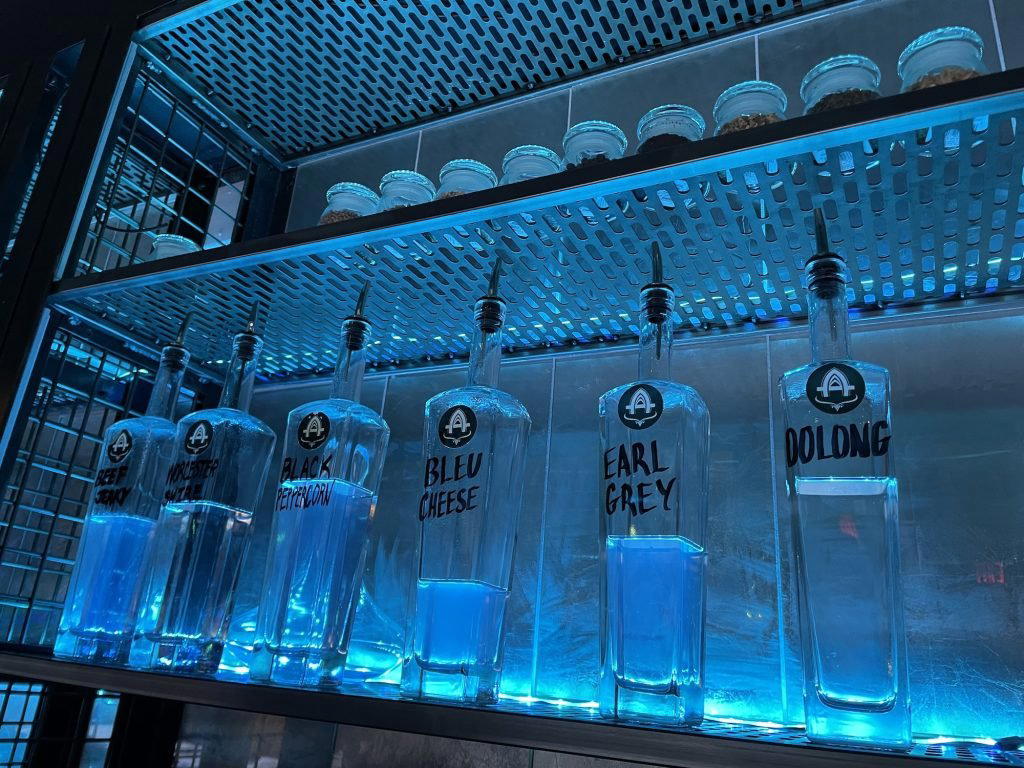
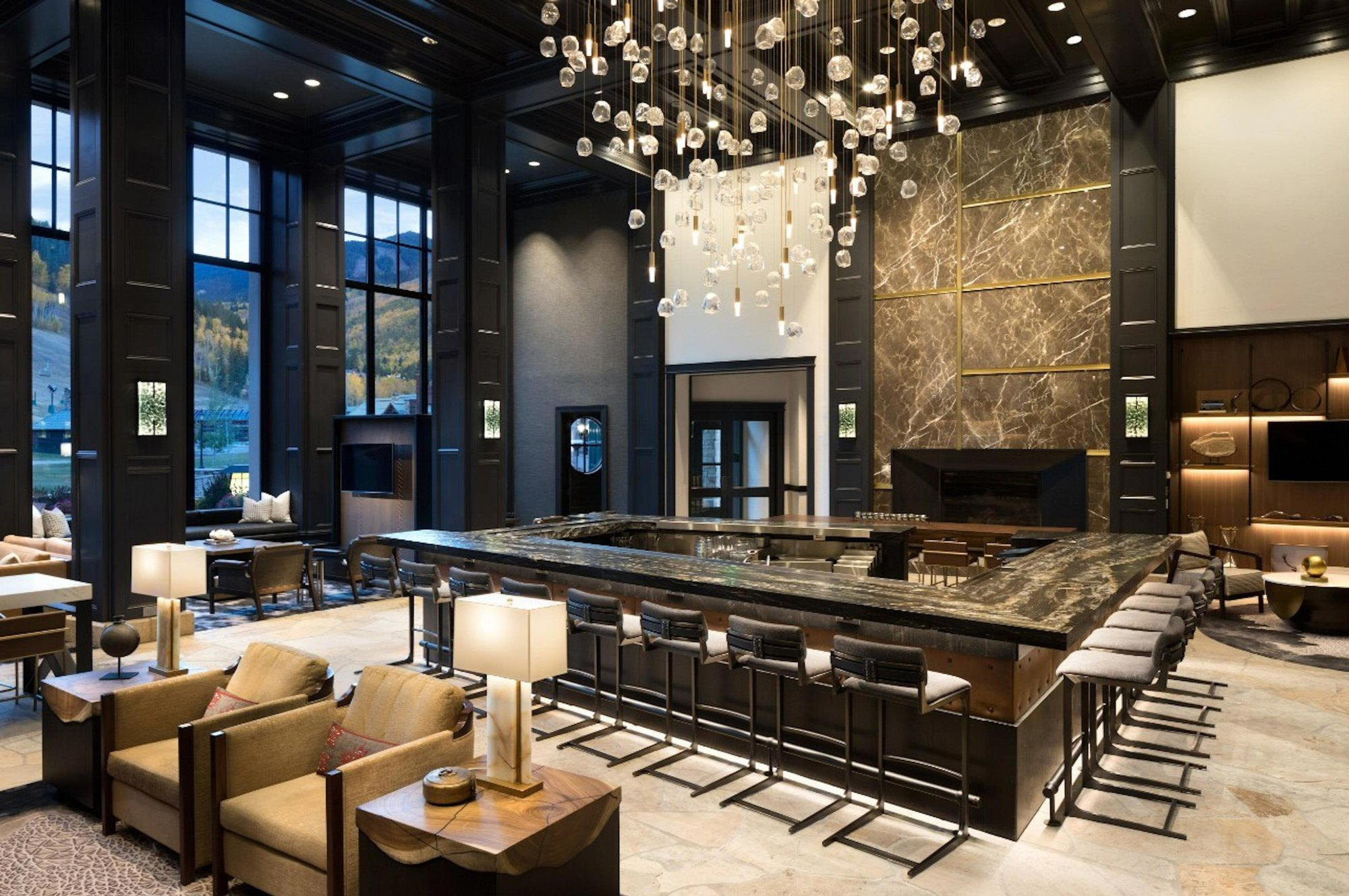
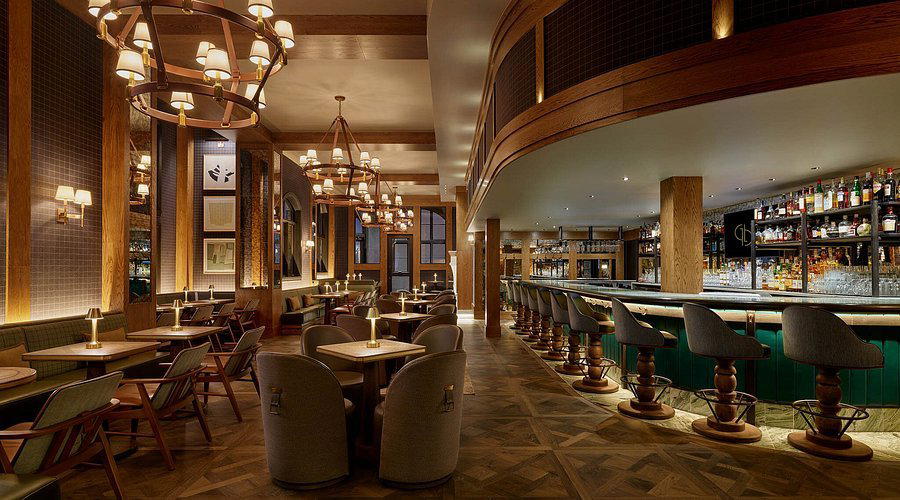
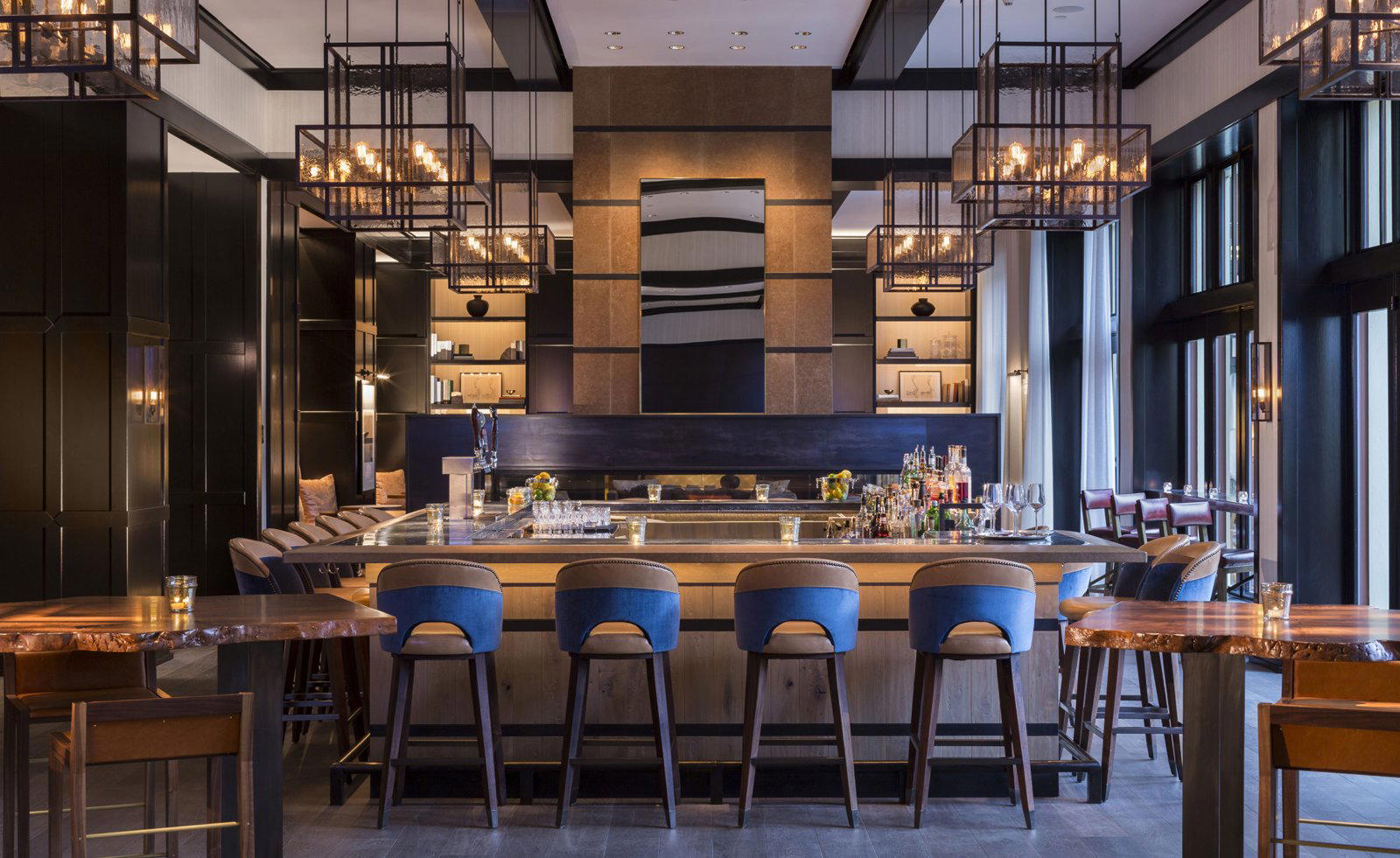
Archetype Distillery bar in Vail, United States
About

Where Mountain Après Culture Meets the Craft Spirits Movement

Vail Village's retail and hospitality strip along Gore Creek Drive runs at a particular pitch: premium ski gear, resort-facing restaurants, and wine bars calibrated to après crowds with expense accounts. A working distillery at 183 Gore Creek Drive sits against that grain. Craft spirits production in ski resorts has followed a broader American pattern — small-batch distilleries have opened in mountain towns across Colorado, Utah, and Wyoming as the category matured through the 2010s, moving from novelty into a recognisable tier of the local hospitality economy. Archetype Distillery occupies that space in Vail, bringing a production-forward identity into a village where most venues are intermediaries between producer and glass.

The physical setting matters here. Gore Creek Drive is a pedestrian-oriented stretch within the village core, which means arrival on foot is the default for most visitors. After a day on the mountain, the transition from ski boots to bar stool is genuinely short. That proximity to the village's main flow of foot traffic places Archetype in a different category from destination distilleries that require a drive — the kind of detour that, in a ski resort context, rarely happens. For a guide to where this fits within Vail's broader food and drink offering, see our full Vail restaurants guide.

The Craft Distillery Format in a Resort Context

Across the United States, craft distilleries have split into two broad operating models. The first is production-primary: a facility built around output, with a tasting room as an afterthought. The second is hospitality-primary: a bar or lounge that happens to distill, where the experience of drinking is the product and the production equipment is scenic backdrop. Archetype, given its Gore Creek address in the heart of a resort village rather than on an industrial edge, reads as firmly in the second camp. That positioning connects it to a generation of American craft spirits venues that understood the experience economy early, the idea that people will pay to watch something be made, and pay more to drink it where it was made.

Colorado has built a credible craft spirits identity over the past fifteen years. The state's distilleries have drawn on local grain, high-altitude water sources, and a tourist economy that provides a steady stream of visitors willing to try something regional. That context gives Archetype a ready-made frame of reference for its guests: Colorado craft spirits carry enough regional meaning that provenance functions as part of the pitch, not just an asterisk on the label.

The Cocktail Programme: Technique Over Tourism

The critical question for any distillery tasting room operating in a premium resort environment is whether the cocktail programme takes its cues from what's being produced on-site, or simply defaults to the classics that sell well with ski crowds. The better distillery bars in the United States, venues like Raised by Wolves in San Diego or Kumiko in Chicago, demonstrate that craft spirits and serious cocktail technique are not mutually exclusive. At the opposite end of the spectrum, Trick Dog in San Francisco has shown for years that a programme built on intellectual rigour and precise execution can develop a loyal following well beyond the opening buzz.

For Archetype, the distillery setting creates a structural advantage that a standalone bar doesn't have: the house spirits are the spine of the menu by default. When a venue produces its own base spirits, the cocktail programme has a built-in coherence that purchased-product bars have to construct editorially. The risk, of course, is the reverse, that the programme becomes a delivery mechanism for the spirits rather than a creative exercise in its own right. The bars that avoid that trap, from Julep in Houston to Jewel of the South in New Orleans, tend to treat their house product as an ingredient with a point of view, not a constraint.

In a resort market, cocktail programmes also face a different kind of pressure than urban bars. The après crowd skews toward speed of service and familiar formats. The more considered programmes, those that reward a second or third visit, exist in tension with that dynamic. Bars like Bar Leather Apron in Honolulu and Café La Trova in Miami have resolved that tension by operating at a pace and depth that filters for guests who want to stay, not just stop. Whether Archetype's programme operates at that level of intentionality is the determining factor in how seriously it sits within the craft bar conversation.

Vail's Drinking Culture and Where Distilleries Fit

Resort drinking has its own rhythm. The window between mountain closing and dinner service, roughly 3pm to 7pm, drives significant volume, and venues that catch that flow don't necessarily need to be extraordinary to be busy. The more interesting question is what happens outside that window, and which venues in a ski town build a guest base that returns on its own terms rather than by geographic convenience. In comparable mountain markets, the craft spirits producers that develop genuine followings tend to be the ones that offer something educational alongside the experiential: guided tastings, production tours, or spirits programmes with enough depth that a visitor comes back to work through the range rather than just tick the box.

American craft spirits bars with strong programme discipline, from Superbueno in New York City to Nickel City in Austin, have demonstrated that a clear identity around a spirit category or production method is more durable than broad appeal. Happy Accidents in Albuquerque and The Parlour in Frankfurt point to the same pattern internationally: the bars with longevity are those with a discernible point of view, not those that optimise for footfall. For Archetype, operating in a market with high visitor turnover and relatively low repeat custom, that question of identity is particularly consequential.

Planning a Visit

Archetype Distillery is at 183 Gore Creek Drive, Suite 7, within Vail Village's pedestrian zone. The Gore Creek Drive address makes it accessible from the main village core without a vehicle, which in a ski resort context is a practical advantage. Visitors should check current hours directly before visiting, as resort-town operations frequently shift seasonally. The suite designation within the Gore Creek Drive building suggests a smaller, more intimate footprint than a standalone venue, consistent with the specialist, low-capacity format that serious craft spirits tasting rooms tend to favour.
Signature Pours
Archangel Vodka cocktailsArchrival Gin cocktails
Frequently asked questions

At a Glance
Vibe
  • Modern
  • Sophisticated
  • Intimate
Best For
  • Date Night
  • Group Outing
  • Casual Hangout
Experience
  • Historic Building
Format
  • Seated Bar
  • Lounge Seating
Drink Program
  • Craft Cocktails
  • Gin
Views
  • Mountain
  • Street Scene
Dress CodeSmart Casual
Noise LevelConversational
CapacitySmall
Service StyleUpscale Casual
Visit details

Current opening hours

Monday
Closed
Tuesday
Closed
Wednesday
Closed
Thursday
Closed
Friday
4–10 PM
Saturday
4–10 PM
Sunday
3–6 PM

Hours can change for holidays and private events. Last verified .

Polished and distinctive spirit experience with a focus on craftsmanship and community in a modern tasting room setting.