Al Soor
The Street, the Lobby, and What Kuwait City Has Built Without Alcohol Al-Soor Street runs along the old city wall line, a corridor that connects Kuwait City's commercial core to its waterfront and carries the kind of quiet institutional weight that older urban arteries tend to accumulate. A lobby bar on this street is not an incidental placement. In a city where the hotel lobby has long functioned as a social venue — a neutral, air-conditioned space where business meetings, family gatherings, and informal encounters all converge — the address says something about the intended audience. Al Soor draws from that tradition, positioning itself where foot traffic is intentional rather than accidental. Kuwait operates under a total alcohol prohibition, which means the entire premium beverage conversation in the country runs through a different register than it does in Dubai, Beirut, or most of the cities where cocktail culture gets written about internationally. That constraint has, over time, produced something genuinely interesting: a serious and increasingly sophisticated approach to zero-proof drink-making, where depth of flavour, layering, and technique become the only available tools. The leading bars in this space are not producing mocktail menus as an afterthought. They are engineering drinks from the ground up with the same attention to balance, acidity, and dilution that defines the programmes at venues like Kumiko in Chicago or Bar Leather Apron in Honolulu, where technical rigour is the baseline expectation. The Cocktail Programme: Craft in a Dry Context The structural challenge for any serious drink programme in Kuwait is that the category hierarchy flips. In a conventional cocktail bar, spirits provide the backbone and non-alcoholic components provide modulation. Remove the spirits, and the entire architecture has to be rebuilt. The bars that have solved this problem most convincingly in the Gulf region tend to draw on three things: fresh and preserved citrus, house-made syrups with genuine complexity, and cold-brew or extract bases that provide the bitter, tannin-forward notes that spirits typically supply. Al Soor's lobby setting places it in a category of hotel bars where presentation and environment carry as much weight as the liquid itself. This is a pattern visible at reference points like La Bar du Plaza Athénée in Paris or Dear Irving in New York City, where the room and the drink are designed as a single experience. In Kuwait's context, that integration matters particularly because the social function of the bar, a place to sit, converse, and mark an occasion, has to be carried entirely by atmosphere and craft rather than shared by the ritual of alcohol service. The Gulf's non-alcoholic drink movement has drawn increasing attention from the broader cocktail world over the past several years, as zero-proof programming has shifted from a niche accommodation to a mainstream discipline. Venues like Experimental Bistro in Taipei and Raised by Wolves in San Diego have built reputations partly on the technical ambition of their non-alcoholic offerings. Kuwait's better bars have been operating in that space by necessity for decades, which gives them a depth of institutional knowledge that newer zero-proof programmes elsewhere are still developing. Kuwait City's Bar Scene: Context and Comparisons Understanding where Al Soor sits requires understanding what the premium hospitality market in Kuwait City actually looks like. The city's upper tier of food and beverage is concentrated in hotel properties, where international standards, import logistics, and the social acceptability of hotel venues all converge. A lobby bar in this context occupies a position similar to what a hotel bar occupies in a restricted-licence city elsewhere: it becomes the default premium option for a category of occasion that might otherwise split across more diverse venue types. The comparison set for Al Soor is less the cocktail bars of cities with open alcohol markets and more the serious non-alcoholic and hospitality-focused programmes that have emerged in various contexts globally. Jewel of the South in New Orleans and Julep in Houston operate in a completely different regulatory environment but share the emphasis on hospitality depth and drink quality that defines the better end of the hotel bar tier. Café La Trova in Miami and Superbueno in New York City illustrate how cultural specificity can become a programme's defining characteristic, a model applicable to the Gulf context, where regional ingredients and flavour traditions offer genuine differentiation potential. The broader question for Kuwait City's bar scene is how that differentiation gets expressed. Venues drawing on Khaleeji flavour traditions, dried lime (loomi), rose water, saffron, tamarind, cardamom, have a genuine advantage that imported cocktail formats cannot replicate. The bars that have leaned into these ingredients rather than mimicking Western templates have tended to produce particularly coherent programmes. For more on how Kuwait City's hospitality venues map against each other, see our full Kuwait City restaurants guide. Planning a Visit Al Soor is located in the lobby of its host property on Al-Soor Street, which places it in central Kuwait City with good access from the main commercial districts. As a lobby bar, it operates within the service hours of the property, generally covering afternoon through late evening, though specific hours are best confirmed directly with the venue before visiting. The lobby format means dress expectations tend toward smart-casual without the formality of a stand-alone fine dining bar; the environment is open and accessible rather than appointment-only. Reservations are not typically required for lobby bar seating, though larger groups during peak evening periods would benefit from advance contact. Contact details and booking options are available through the property directly. Internationally-minded travellers comparing Kuwait City's bar options against venues they know from other cities, whether The Parlour in Frankfurt or any of the technically-driven programmes in North America and Asia, should adjust their framework accordingly. The absence of alcohol is not a limitation to be worked around; it is the context that has shaped the discipline, and the bar operates within that discipline on its own terms. Frequently Asked Questions What is the atmosphere like at the bar?The bar occupies a lobby position on Al-Soor Street, which in Kuwait City places it in the category of hotel venues that function as general social spaces rather than destination-only bars. The atmosphere reflects that dual role: accessible for informal visits but operating at the standard expected of a premium central-city address. Because Kuwait City's upper hospitality tier is concentrated in hotel properties, lobby bars here carry more social weight than their equivalents in cities with more dispersed premium venue options.What should I drink at the bar?The bar operates in Kuwait's zero-alcohol environment, so the drink programme is built entirely around non-alcoholic craft. Coherent programmes in this space in the Gulf region draw on regional ingredients, dried lime, cardamom, saffron, rose water, tamarind, alongside technical approaches to layering and balance. If the bar's programme follows that model, those are the drinks worth prioritising over anything that reads as a direct soft drink substitute.What is the defining thing about the bar?Its position in Kuwait City's hotel bar tier, in a market shaped entirely by alcohol prohibition, is what defines it most clearly. Kuwait's premium beverage scene has developed serious non-alcoholic craft by necessity rather than trend, giving the better venues in the city a depth of practice that newer zero-proof programmes in other markets are still building. The bar on Al-Soor Street sits within that tradition, in a central location that makes it a practical as well as experiential reference point for the city.Do I need a reservation for the bar?Lobby bars in Kuwait City's hotel properties generally do not require advance reservations for individual or small-group visits. For larger parties or during high-traffic evening periods, contacting the property directly is advisable. Specific booking options and availability should be confirmed with the venue, as contact details are available through the host property.How does the bar fit into Kuwait City's wider non-alcoholic cocktail scene?Kuwait City has developed one of the more mature non-alcoholic drink cultures in the region, driven by decades of operating without alcohol rather than by the recent global zero-proof trend. The bar, as a central hotel bar on Al-Soor Street, sits within that longer tradition. Travellers familiar with technically ambitious non-alcoholic programmes elsewhere, such as those at Kumiko in Chicago, will find that Kuwait's better bars approach the discipline from a position of necessity-bred expertise rather than novelty, which tends to produce more grounded and less gimmicky results.
Pearl is the En Primeur Club membership app — saves, bookings, and concierge access live there. Same editors, same standards.
- Address
- Al-Soor St, Al Kuwayt (lobby)
- Phone
- +965 2200 6200
- Website
- fourseasons.com
- Directions
- Get directions
 Saves & bookings on Pearl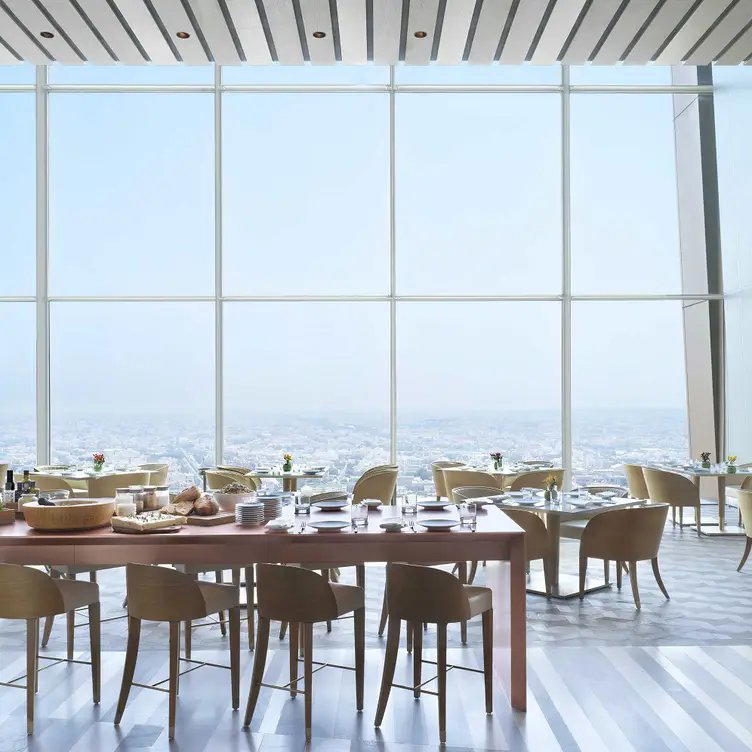
The Street, the Lobby, and What Kuwait City Has Built Without Alcohol
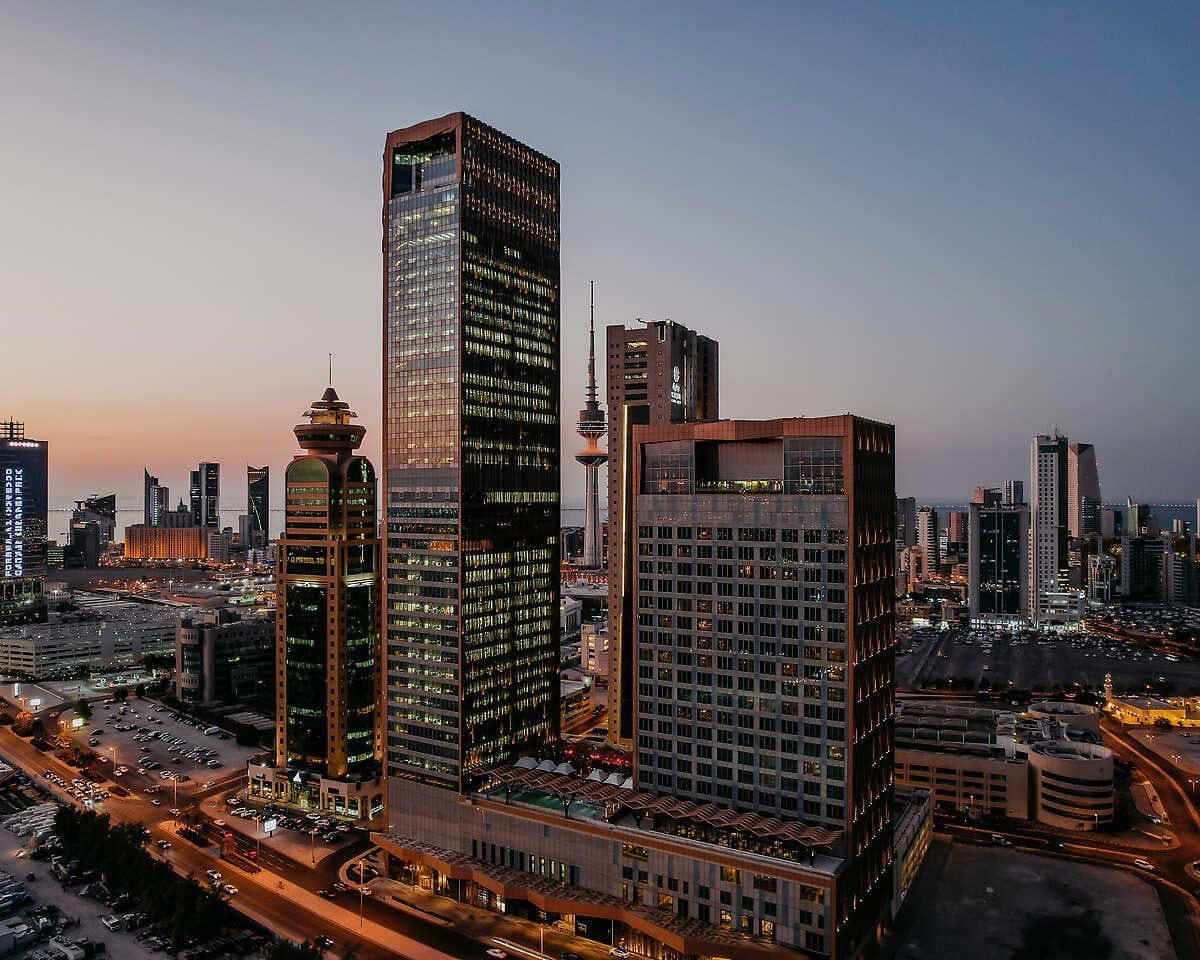
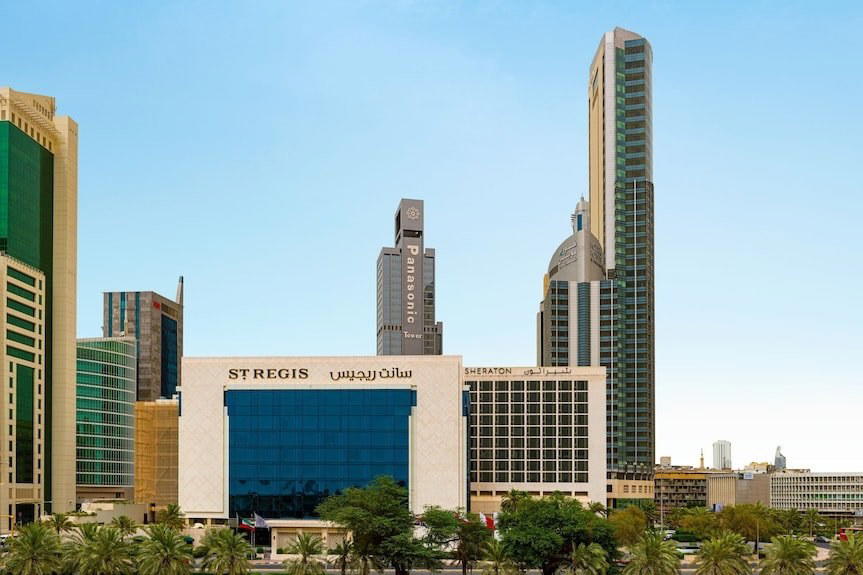
Al-Soor Street runs along the old city wall line, a corridor that connects Kuwait City's commercial core to its waterfront and carries the kind of quiet institutional weight that older urban arteries tend to accumulate. A lobby bar on this street is not an incidental placement. In a city where the hotel lobby has long functioned as a social venue — a neutral, air-conditioned space where business meetings, family gatherings, and informal encounters all converge — the address says something about the intended audience. Al Soor draws from that tradition, positioning itself where foot traffic is intentional rather than accidental.
Kuwait operates under a total alcohol prohibition, which means the entire premium beverage conversation in the country runs through a different register than it does in Dubai, Beirut, or most of the cities where cocktail culture gets written about internationally. That constraint has, over time, produced something genuinely interesting: a serious and increasingly sophisticated approach to zero-proof drink-making, where depth of flavour, layering, and technique become the only available tools. The leading bars in this space are not producing mocktail menus as an afterthought. They are engineering drinks from the ground up with the same attention to balance, acidity, and dilution that defines the programmes at venues like Kumiko in Chicago or Bar Leather Apron in Honolulu, where technical rigour is the baseline expectation.
The Cocktail Programme: Craft in a Dry Context
The structural challenge for any serious drink programme in Kuwait is that the category hierarchy flips. In a conventional cocktail bar, spirits provide the backbone and non-alcoholic components provide modulation. Remove the spirits, and the entire architecture has to be rebuilt. The bars that have solved this problem most convincingly in the Gulf region tend to draw on three things: fresh and preserved citrus, house-made syrups with genuine complexity, and cold-brew or extract bases that provide the bitter, tannin-forward notes that spirits typically supply.
Al Soor's lobby setting places it in a category of hotel bars where presentation and environment carry as much weight as the liquid itself. This is a pattern visible at reference points like La Bar du Plaza Athénée in Paris or Dear Irving in New York City, where the room and the drink are designed as a single experience. In Kuwait's context, that integration matters particularly because the social function of the bar, a place to sit, converse, and mark an occasion, has to be carried entirely by atmosphere and craft rather than shared by the ritual of alcohol service.
The Gulf's non-alcoholic drink movement has drawn increasing attention from the broader cocktail world over the past several years, as zero-proof programming has shifted from a niche accommodation to a mainstream discipline. Venues like Experimental Bistro in Taipei and Raised by Wolves in San Diego have built reputations partly on the technical ambition of their non-alcoholic offerings. Kuwait's better bars have been operating in that space by necessity for decades, which gives them a depth of institutional knowledge that newer zero-proof programmes elsewhere are still developing.
Kuwait City's Bar Scene: Context and Comparisons
Understanding where Al Soor sits requires understanding what the premium hospitality market in Kuwait City actually looks like. The city's upper tier of food and beverage is concentrated in hotel properties, where international standards, import logistics, and the social acceptability of hotel venues all converge. A lobby bar in this context occupies a position similar to what a hotel bar occupies in a restricted-licence city elsewhere: it becomes the default premium option for a category of occasion that might otherwise split across more diverse venue types.
The comparison set for Al Soor is less the cocktail bars of cities with open alcohol markets and more the serious non-alcoholic and hospitality-focused programmes that have emerged in various contexts globally. Jewel of the South in New Orleans and Julep in Houston operate in a completely different regulatory environment but share the emphasis on hospitality depth and drink quality that defines the better end of the hotel bar tier. Café La Trova in Miami and Superbueno in New York City illustrate how cultural specificity can become a programme's defining characteristic, a model applicable to the Gulf context, where regional ingredients and flavour traditions offer genuine differentiation potential.
The broader question for Kuwait City's bar scene is how that differentiation gets expressed. Venues drawing on Khaleeji flavour traditions, dried lime (loomi), rose water, saffron, tamarind, cardamom, have a genuine advantage that imported cocktail formats cannot replicate. The bars that have leaned into these ingredients rather than mimicking Western templates have tended to produce particularly coherent programmes. For more on how Kuwait City's hospitality venues map against each other, see our full Kuwait City restaurants guide.
Planning a Visit
Al Soor is located in the lobby of its host property on Al-Soor Street, which places it in central Kuwait City with good access from the main commercial districts. As a lobby bar, it operates within the service hours of the property, generally covering afternoon through late evening, though specific hours are best confirmed directly with the venue before visiting. The lobby format means dress expectations tend toward smart-casual without the formality of a stand-alone fine dining bar; the environment is open and accessible rather than appointment-only. Reservations are not typically required for lobby bar seating, though larger groups during peak evening periods would benefit from advance contact. Contact details and booking options are available through the property directly.
Internationally-minded travellers comparing Kuwait City's bar options against venues they know from other cities, whether The Parlour in Frankfurt or any of the technically-driven programmes in North America and Asia, should adjust their framework accordingly. The absence of alcohol is not a limitation to be worked around; it is the context that has shaped the discipline, and the bar operates within that discipline on its own terms.
Continue exploring
More in Kuwait City
Bars in Kuwait City
Browse all →
Restaurants in Kuwait City
Browse all →
At a Glance
- Elegant
- Sophisticated
- Classic
- Cozy
- After Work
- Casual Hangout
- Group Outing
- Special Occasion
- Hotel Bar
- Design Destination
- Standalone
- Seated Bar
- Lounge Seating
- Zero Proof
- Craft Cocktails
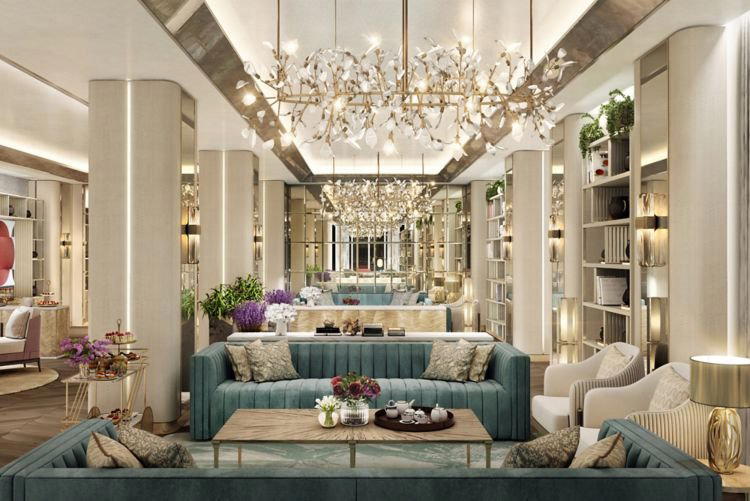
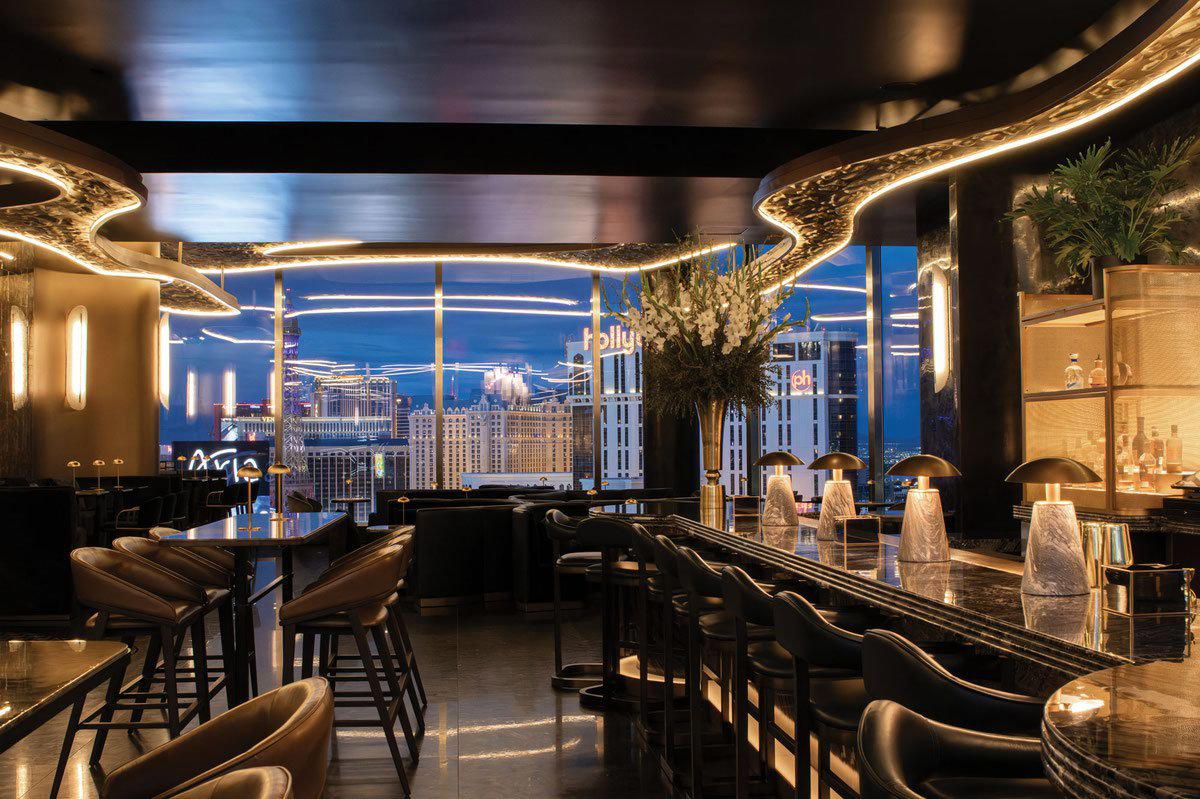
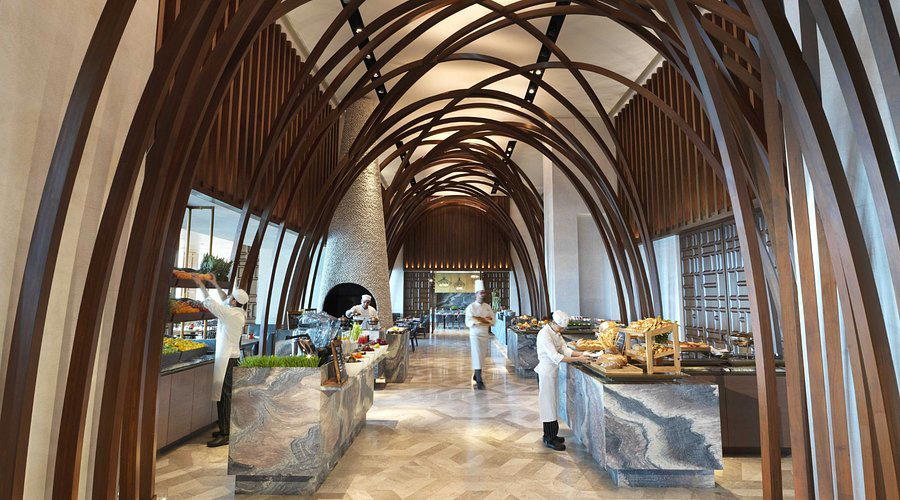
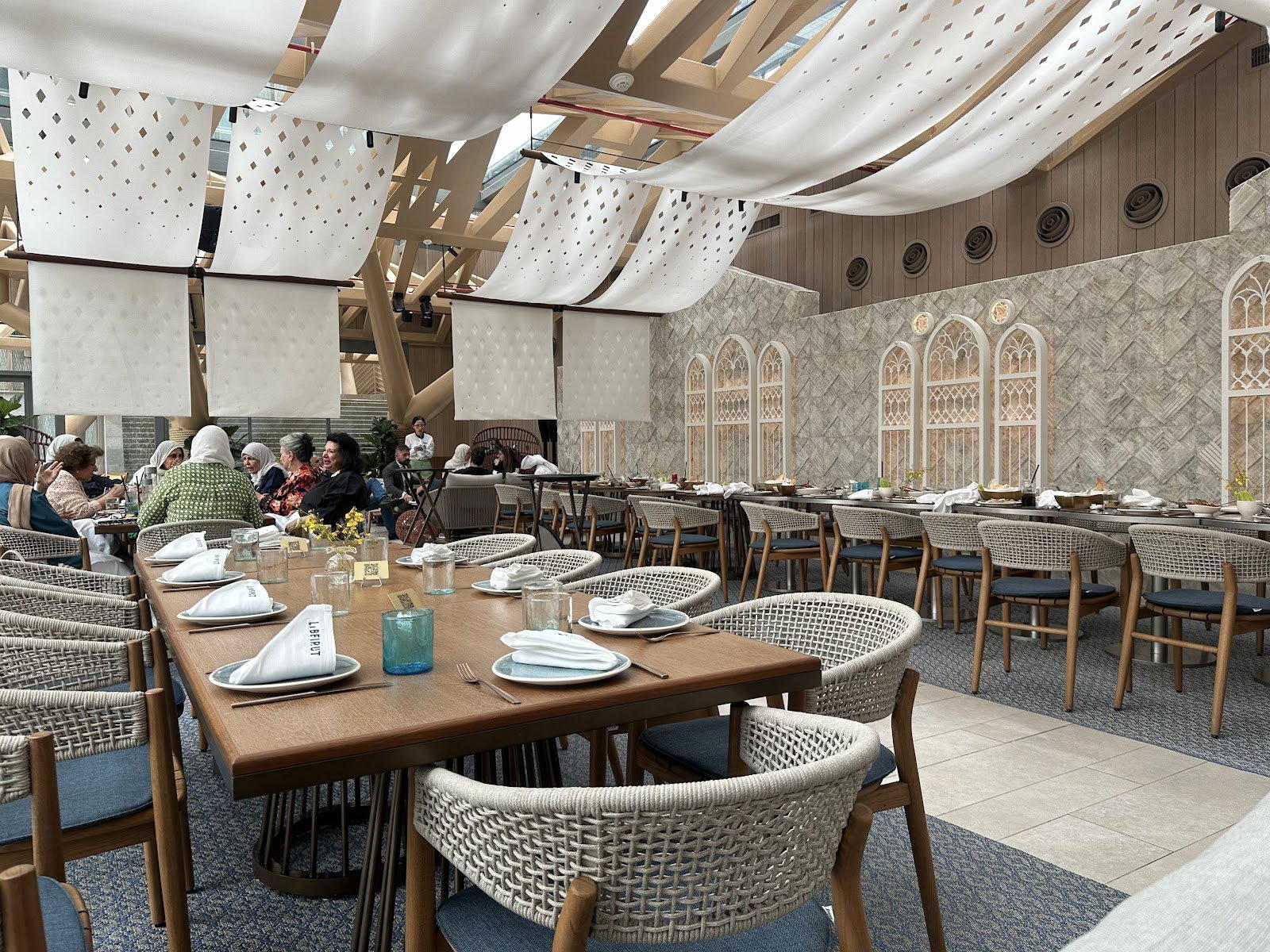
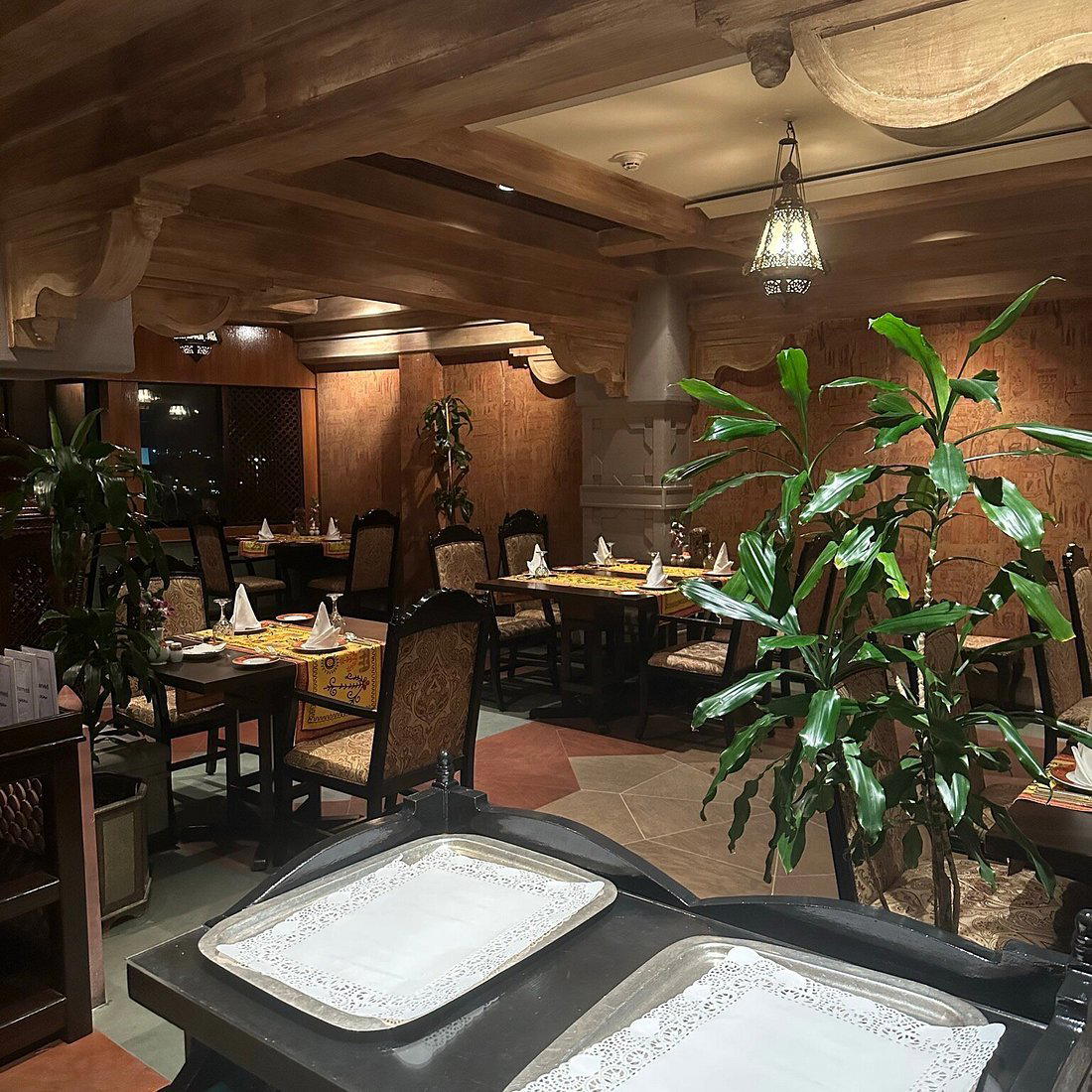
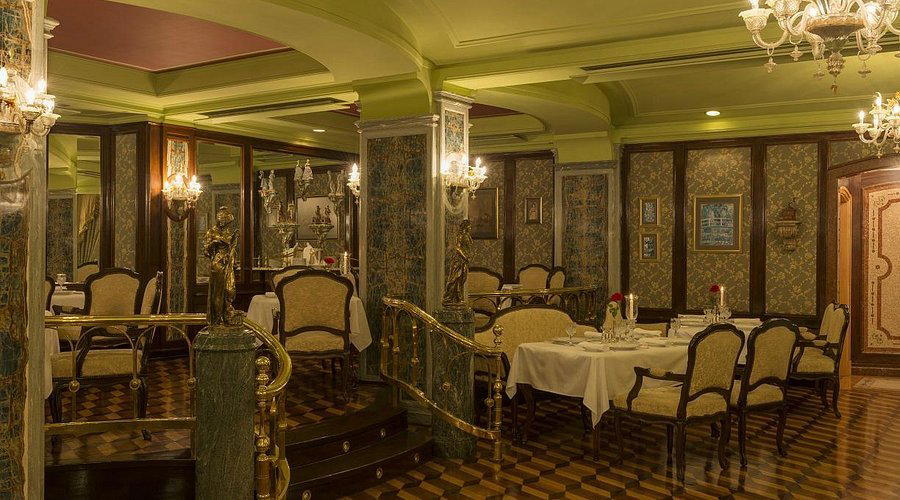
Elegant contemporary lobby lounge with high ceilings and a refined, luxurious feel; press materials also describe it as a chic, resort-like sanctuary.