Weinhof Winter

Falstaff Winery - Listed
Weinhof Winter is a small Saale-Unstrut winery in Kaiserpfalz with a rustic wine-garden feel, vineyard-facing hospitality, and a clear focus on PIWI varieties. The useful lens here is terroir through modern grapes: Souvignier Gris, Solaris, Muscaris, Regent, and Cabernet Cortis, with a 2018 Souvignier Gris Barrique earning Silver at the Frankfurt International Trophy 2020.

Pearl is the En Primeur Club membership app, where members save venues, book tables and use the concierge.

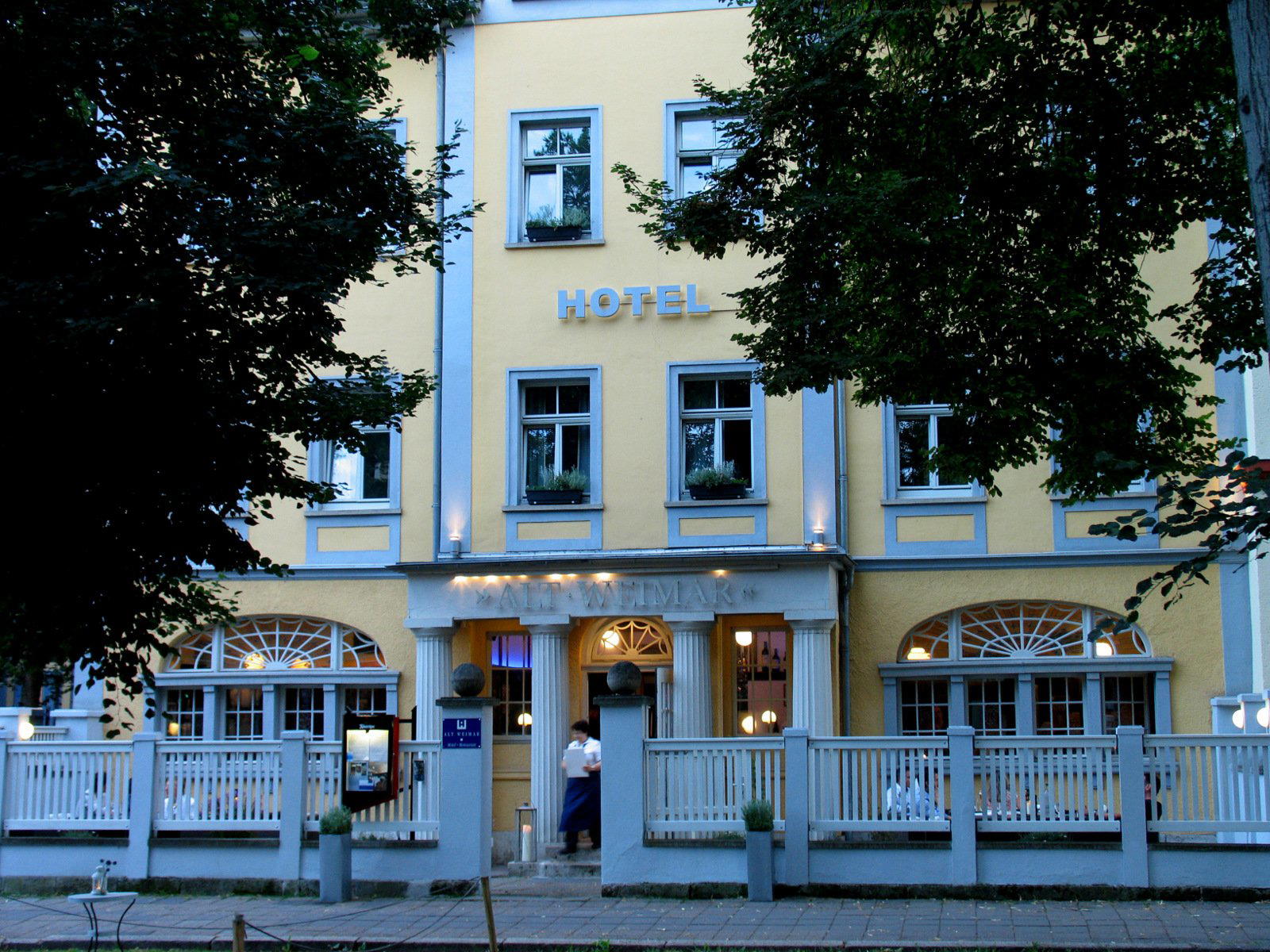
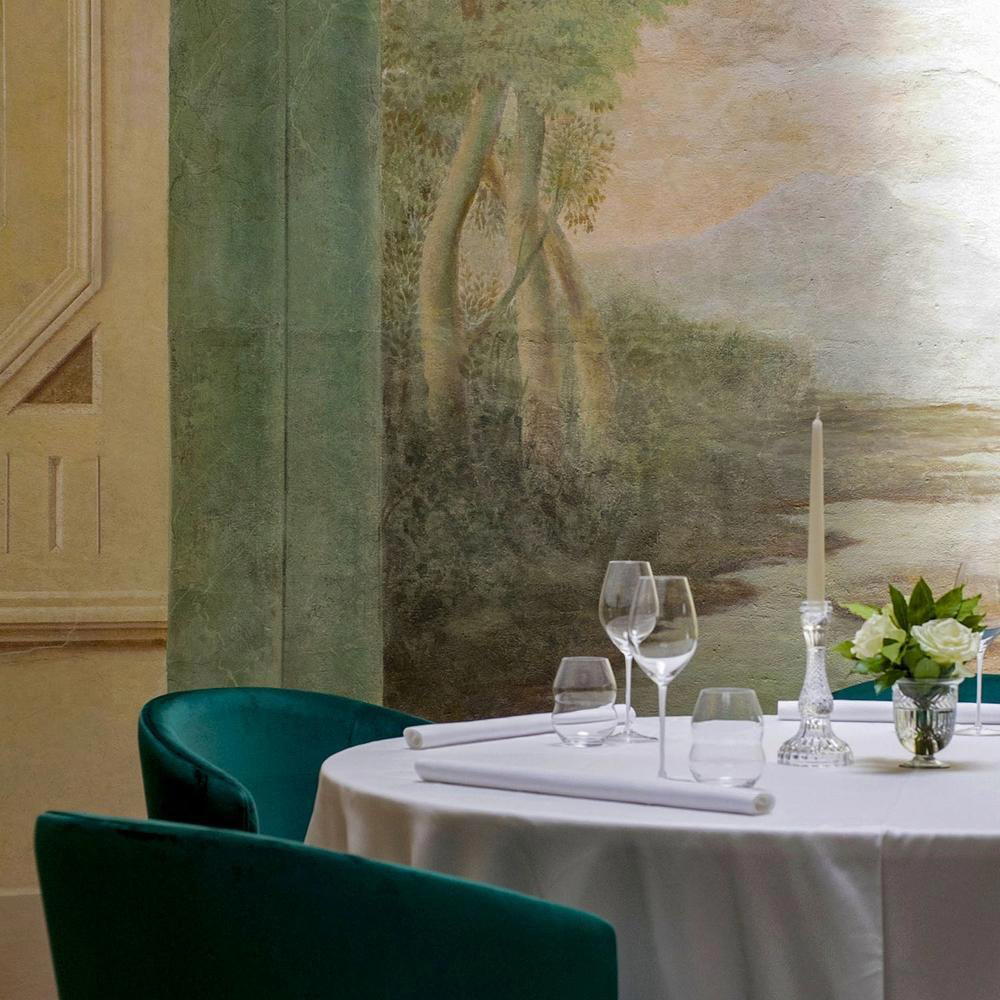
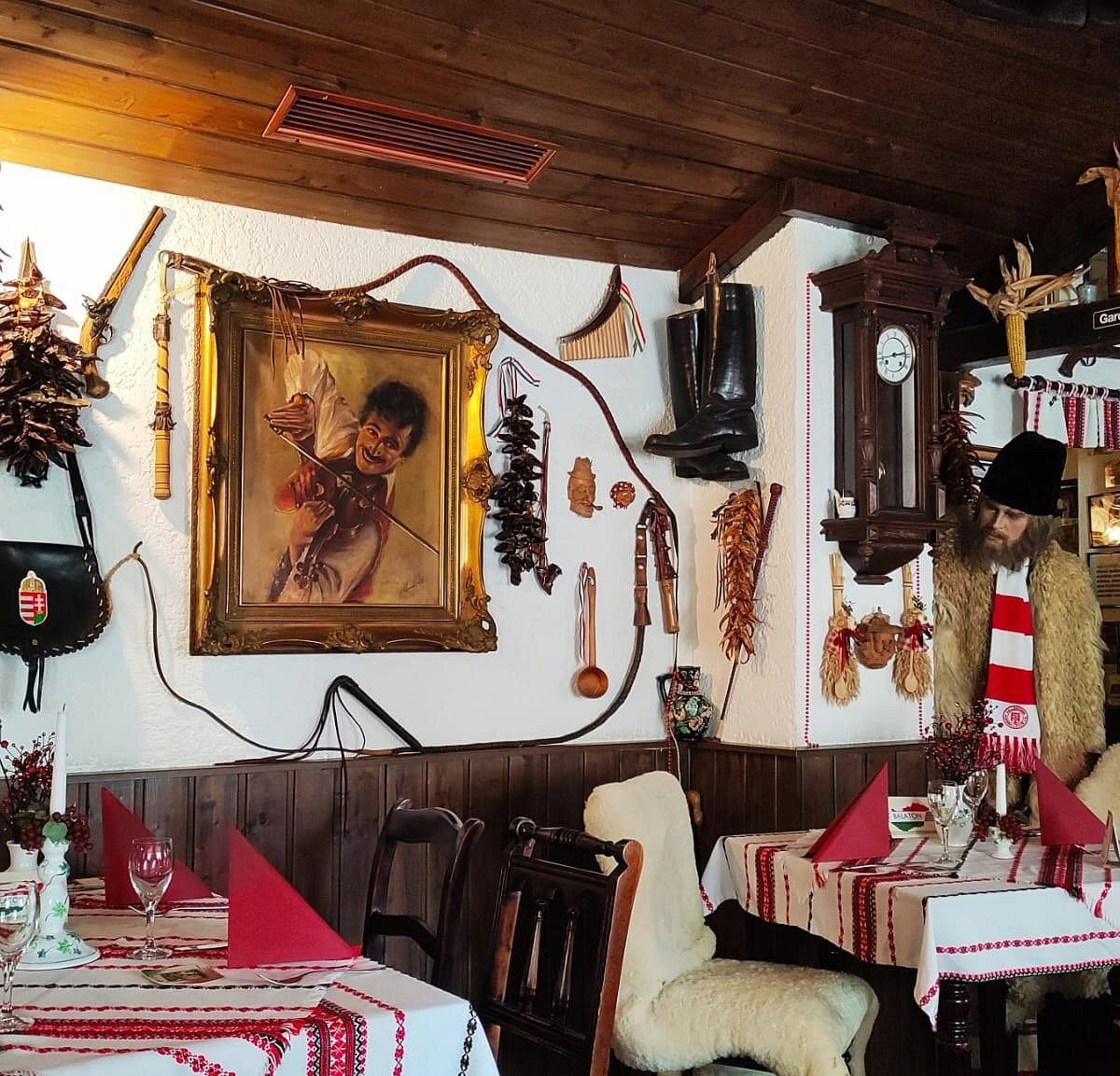
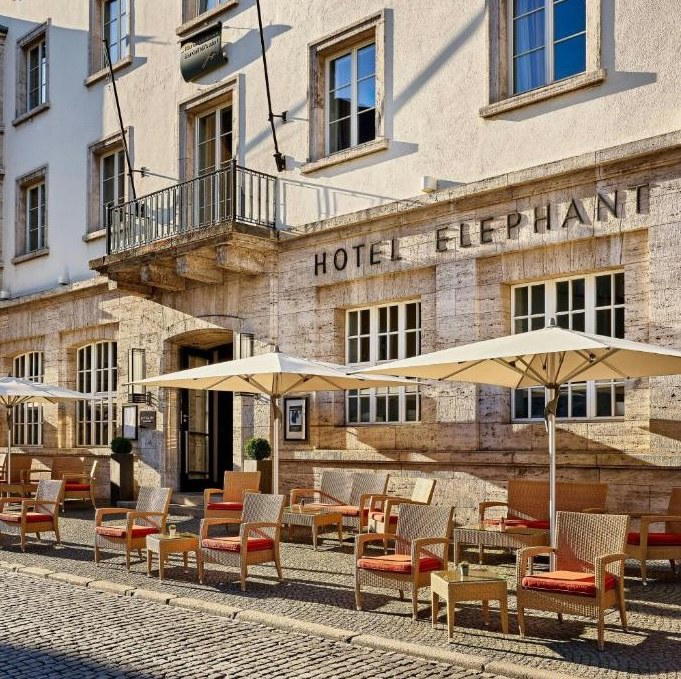
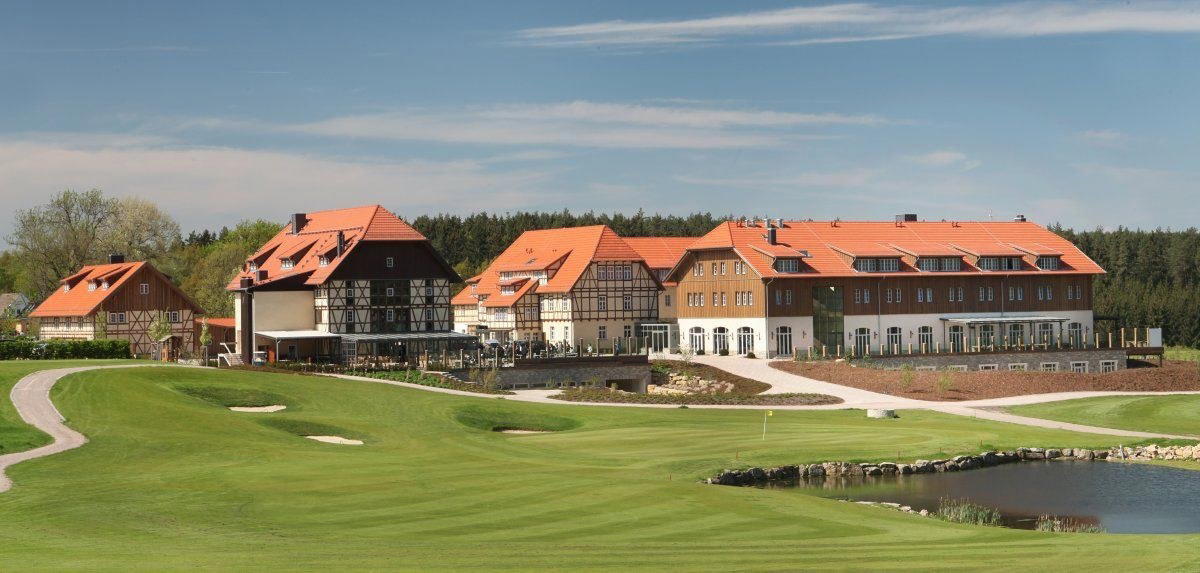
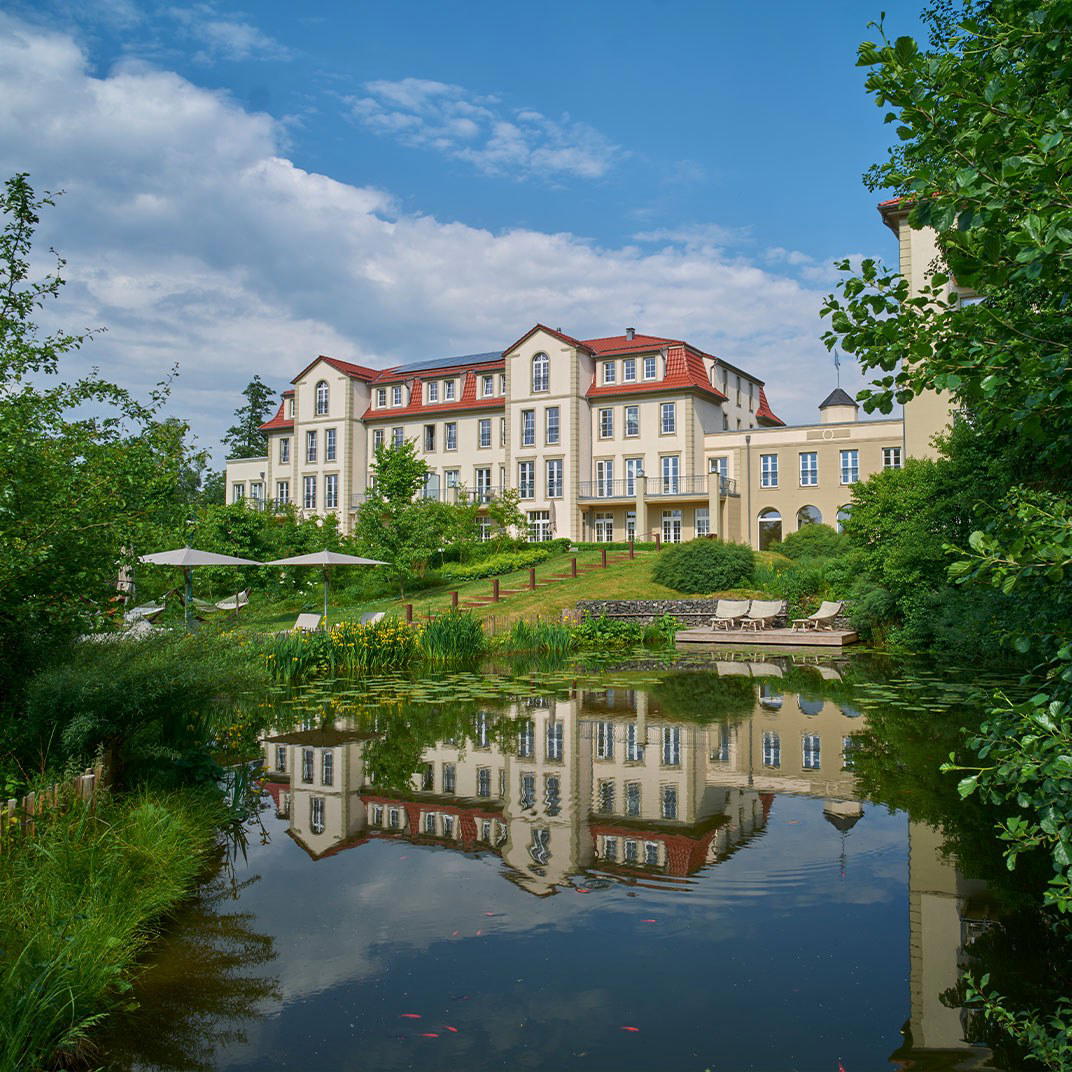
Weinhof Winter is best approached as a small, rustic wine stop in Kaiserpfalz rather than as a polished luxury venue. The picture is deliberately modest: an informal wine-garden atmosphere, a small tasting room, and a larger cellar event space. That makes the venue feel quiet, cozy, and, with the emphasis falling on local wine culture rather than spectacle.
The strongest grounded hook is its PIWI-focused, terroir-driven identity. PIWI varieties are disease-resistant grapes, and the term often appears in conversations about contemporary, lower-intervention vineyard choices. For Weinhof Winter, the important point is not a list of specific grapes, a named bottle, or an award claim; it is the broader orientation toward PIWI-focused wine culture in Kaiserpfalz. The venue’s appeal rests on that local, place-conscious angle.
PIWI grapes make the terroir argument here
At Weinhof Winter, PIWI is the defining lens through which to understand the experience. The information supports a focus on PIWI-driven, terroir-minded local wine culture, but it does not confirm a specific grape roster, vintage, bottle, cellar technique, score, or award. A careful reading should therefore keep the emphasis broad: this is a Kaiserpfalz wine venue whose identity is tied to resistant grape varieties and to the way local conditions can be expressed through them.
That matters because a venue like this is not best judged by the markers used for grander tasting rooms. The draw is the setting and the local wine conversation: rustic, informal, quiet, and close to the producer’s world. The small tasting room suggests an intimate scale, while the larger cellar event space gives the venue a way to host gatherings without changing its basic character. Nothing in the record supports treating it as a formal fine-dining room or an award-led destination.
The safest way to frame the house style is as PIWI-focused and terroir-driven. Visitors should expect a grounded local wine setting rather than a heavily scripted prestige experience.
A small-cellar visit, not a production-line tasting
The hospitality picture is compact and informal. Weinhof Winter has a small tasting room and a larger cellar event space, set within a rustic wine-garden atmosphere. That combination suits guests who prefer a quiet, hidden-gem feel to a more urban or highly designed format. It also makes the venue easier to understand as part of Kaiserpfalz’s local wine culture: practical, modest, and centered on the wines rather than on luxury staging.
Best planning advice is simple: treat Weinhof Winter as a small wine venue in Kaiserpfalz and confirm current practical details directly before visiting.
Price is listed as $, which places the venue in a relatively accessible bracket. That price signal should be read alongside the informal setting: rustic, cozy, and quiet rather than formal or high-gloss. It is a place to consider when the aim is to encounter local PIWI-focused wine culture in Kaiserpfalz without needing the trappings of a destination restaurant or major estate visit.
How to read the wider German and Austrian context
Within a broader wine-travel context, Weinhof Winter is most useful as a Kaiserpfalz example of a small, PIWI-focused, terroir-driven venue. The comparison should stay general: other dining or wine options in Kaiserpfalz may offer different atmospheres, but Weinhof Winter’s identity is rooted in its rustic wine-garden feel, its small tasting room, its larger cellar event space, and its emphasis on local wine culture.
That narrow focus is part of the appeal. Rather than presenting a long list of accolades, dishes, bottles, or services, the honest reading is that Weinhof Winter offers a quiet, informal setting for engaging with PIWI-oriented wine in Kaiserpfalz. For travelers who value small-scale atmosphere and a grounded sense of place, that may be exactly the point.
Recognition history
Dated appearances from independent guides and award organizations, with the underlying list record or original source where available.
Falstaff Winery - Listed
Falstaff
Continue exploring
More in Kaiserpfalz
Wineries in Kaiserpfalz
All wineries in Kaiserpfalz →Bars in Kaiserpfalz
Browse all →
Restaurants in Kaiserpfalz
Browse all →
Details
- Rustic
- Quiet
- Cozy
- Group Outing
- Wine Education
- Family
- Special Occasion
- Historic Building
- Sustainable
- Vineyard
- Souvignier Gris
- Solaris
- Muscaris
- Regent
- Cabernet Cortis
- Still White
- Still Red
- Tasting Room
- Guided Tasting
- Vineyard Tour
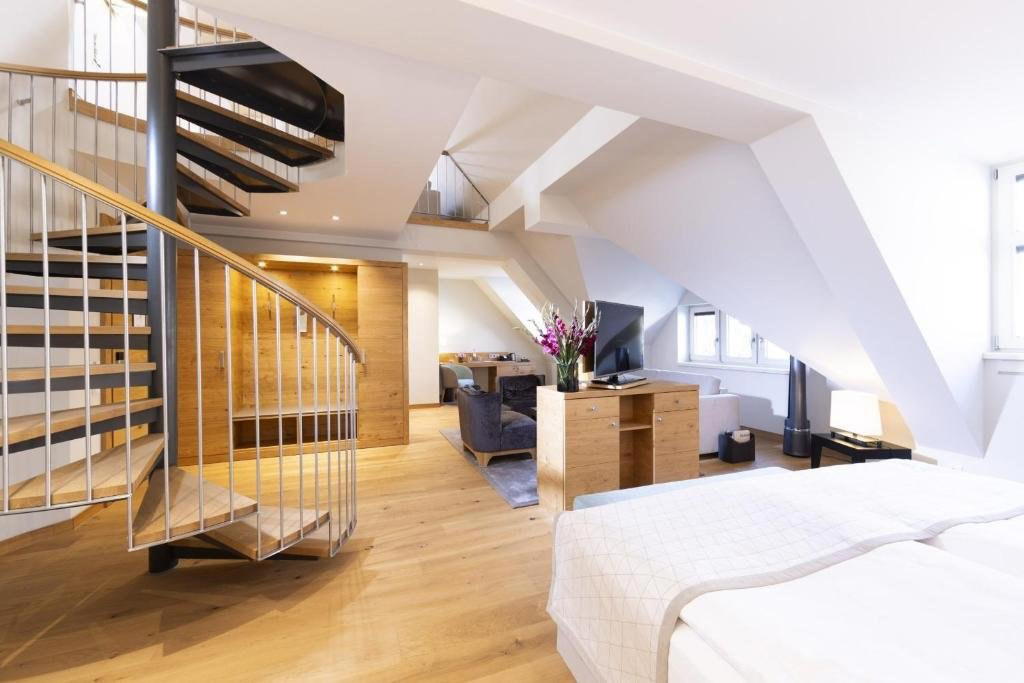
Rustic, informal wine-garden atmosphere with a small tasting room and a larger cellar event space; the setting emphasizes PIWI-focused, terroir-driven local wine culture.