Weingut Weiser-Künstler

A small Mosel Riesling estate in Traben-Trarbach, Weingut Weiser-Künstler is built around old ungrafted vines, steep slate sites, and a restrained cellar style. The appeal is not scale or spectacle, but the precision of three vineyard voices: Ellergrub, Gaispfad, and Steffensberg, translated through dry, off-dry, and sweet Riesling.
Pearl is the En Primeur Club membership app — saves, bookings, and concierge access live there. Same editors, same standards.
- Address
- Traben-Trarbach, Moselle, Rhineland-Palatinate, Deutschland
 Saves & bookings on Pearl
Traben-Trarbach is the setting for Weingut Weiser-Künstler, and the estate is best introduced with restraint rather than overstatement. The reliable profile is deliberately narrow: a small, understated, quietly sophisticated wine estate with a strong emphasis on craftsmanship and a restrained, poetic winemaking style. Its identity is also closely tied to Traben-Trarbach’s Jugendstil heritage, which gives the venue a sense of place without requiring unsupported claims about specific vineyards, formats, bottle styles, or visiting arrangements.
For EP Club readers, that makes Weingut Weiser-Künstler a venue to approach as a rather than a spectacle. What can be said is simpler and more useful: this is a small and intimate Traben-Trarbach estate whose appeal rests on subtlety, craft, and a quiet relationship to local heritage.
Three slate sites, one Riesling argument
Those details are not part of the record supplied so they should not be treated as confirmed facts here. Rather than repeat technical language, the safer editorial reading is that Weingut Weiser-Künstler is presented as a craft-focused wine estate in Traben-Trarbach with a restrained and poetic approach to winemaking.
That more limited description still gives travelers a useful frame. The venue is not being positioned as a large hospitality complex or a highly theatrical destination. Its character is described as small, intimate, sophisticated, and quietly hidden. Visitors who value understated places, careful making, and a strong sense of local identity are the natural audience for this kind of venue.
The connection to Traben-Trarbach’s Jugendstil heritage is also central to the profile. It helps distinguish the estate from a generic wine stop by tying it to the city’s broader cultural atmosphere. The guide can therefore emphasize mood, craft, and place, while avoiding unsupported precision about what is poured, how tastings are conducted, or which production choices define the wines.
Why the estate matters in the Mosel conversation
It is reasonable to describe the winery as part of the wine culture of Traben-Trarbach.
The confirmed editorial case is quieter: the winery matters here because it represents a small-scale, craft-led, sophisticated expression of winemaking in Traben-Trarbach. The estate’s style is described as restrained and poetic rather than showy. That matters for readers deciding whether a venue fits their taste. If the goal is a discreet, intimate wine-related stop with a strong sense of place, the available facts support that expectation.
This distinction is important in a premium venue guide. A venue can be compelling without inflated detail. In this case, particularly credible description is also the minimal: small, understated, craft-focused, quietly sophisticated, and closely tied to Traben-Trarbach’s Jugendstil identity. That is enough to signal character while staying within the facts.
How to read a visit here
Travelers should treat the public planning details as something to confirm directly before making plans. The only price information supplied is $11 per person.
Within a Traben-Trarbach itinerary, the winery is best understood as a refined, intimate stop for travelers drawn to craftsmanship and local atmosphere. Its quiet profile is part of the appeal. The estate is not described here through luxury signals, elaborate facilities, or a long list of services. Instead, the useful planning note is that it belongs to a more understated mode: discreet, sophisticated, and grounded in the city’s heritage.
For readers comparing options, keep the comparison local and general. The focus remains the winery and the particular kind of experience its profile suggests.
The editorial case for the winery is therefore narrow but clear: a small, hidden-gem wine estate in Traben-Trarbach, priced at $11 per person, with an understated and quietly sophisticated character, a strong emphasis on craftsmanship, a restrained poetic winemaking style, and a close connection to the city’s Jugendstil heritage.
Recognition history
Dated appearances from independent guides and award organizations, with the underlying list record or original source where available.
Falstaff Winery - Listed
Falstaff
Continue exploring
More in Traben-Trarbach
Wineries in Traben-Trarbach
Browse all →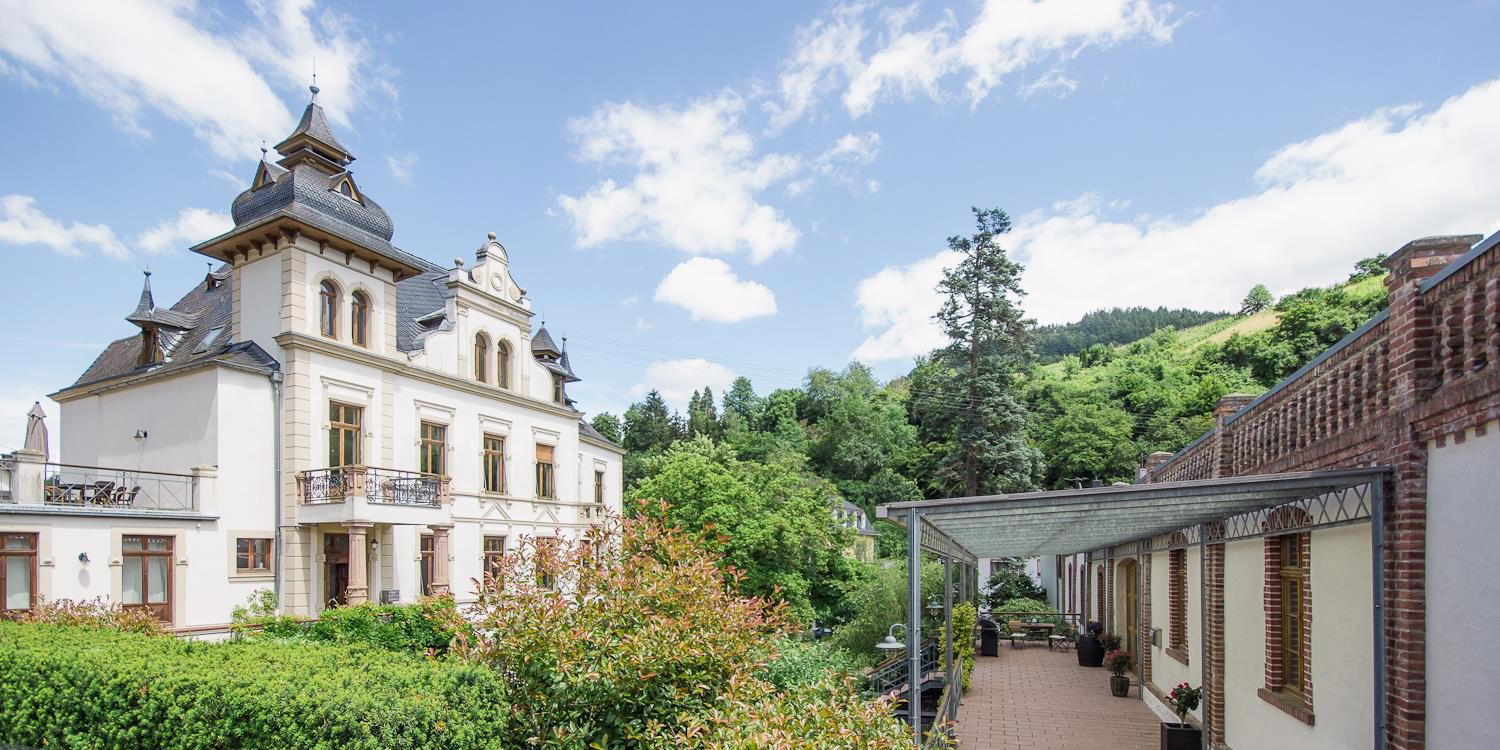
Bars in Traben-Trarbach
Browse all →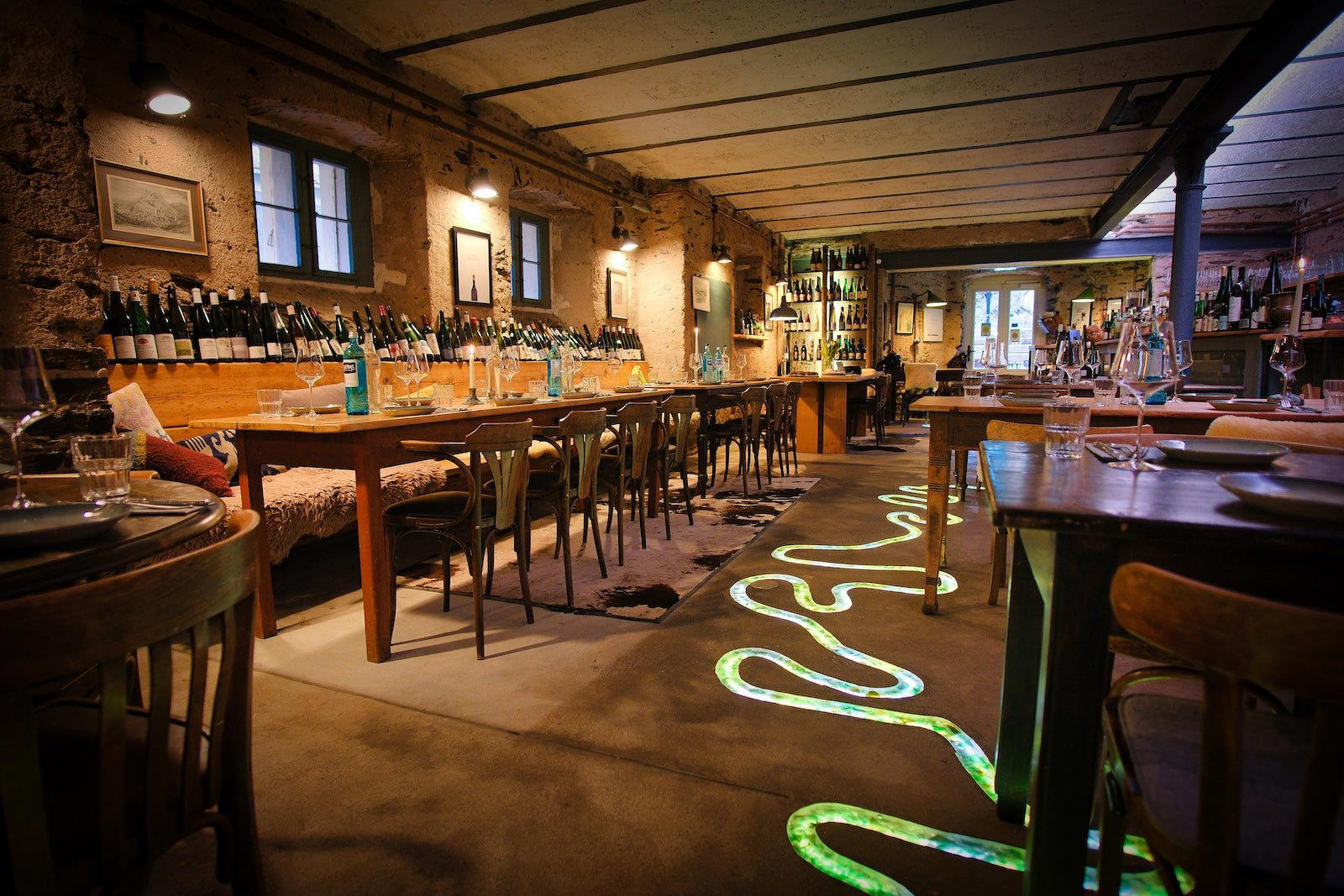
Restaurants in Traben-Trarbach
Browse all →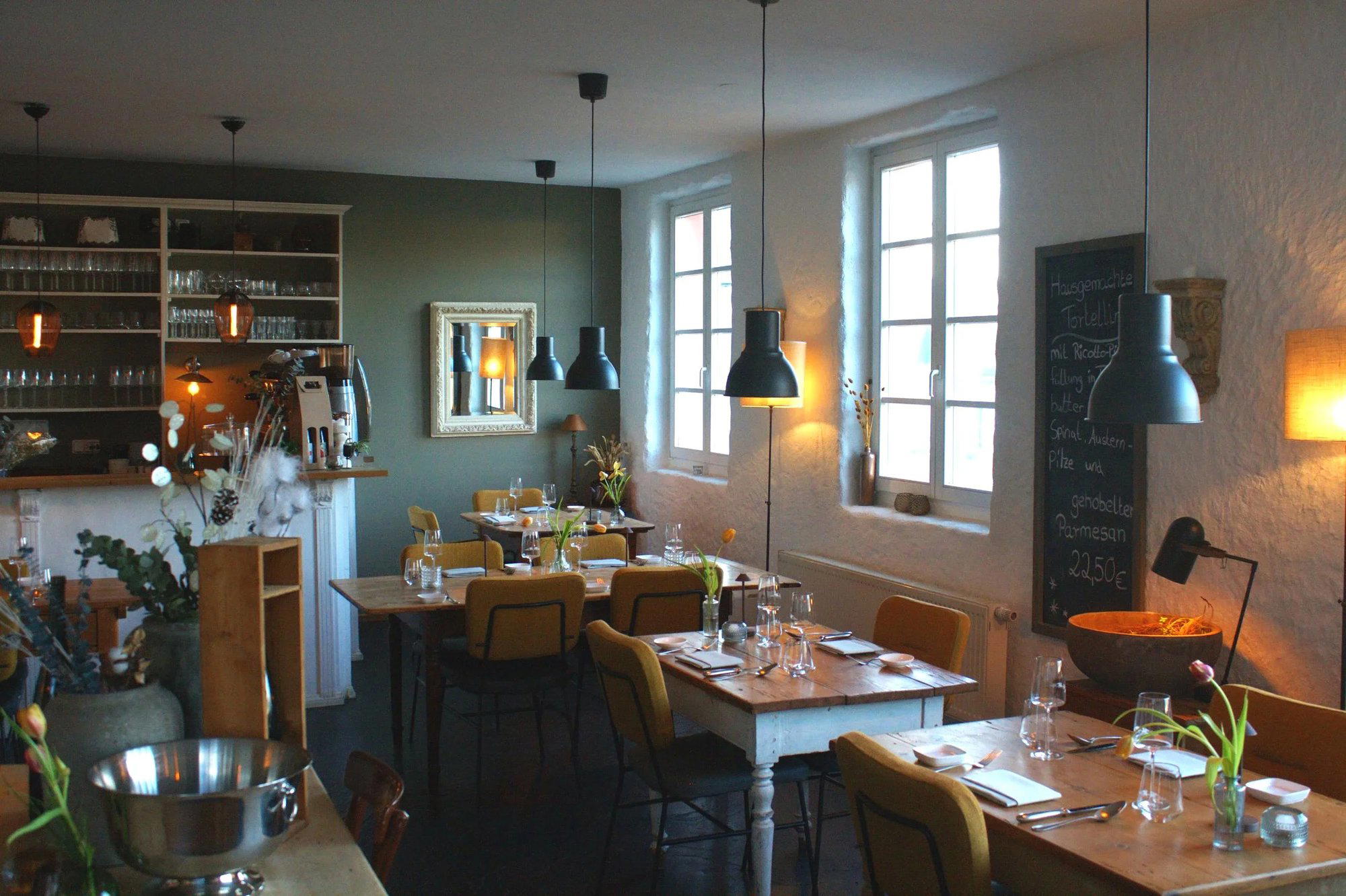
At a Glance
- Quiet
- Sophisticated
- Intimate
- Classic
- Solo Exploration
- Wine Education
- Special Occasion
- Group Outing
- Private Tasting
- Design Destination
- Historic Building
- Organic
- Dry Farmed
- Vineyard
- Mosel
- Riesling
- Still White
- Dessert
- Guided Tasting
- Private Tasting
Small, understated, and quietly sophisticated, with a strong emphasis on craftsmanship and a restrained, poetic winemaking style; the estate is closely tied to Traben-Trarbach’s Jugendstil heritage.