
Weingut Storchenhof is a small, heritage-led wine estate in Rust, set inside a protected historic property with roots reaching back to the 16th century and ownership traceable to 1626. Its appeal lies less in spectacle than in continuity: family wine culture, a rustic estate setting, and a compact visitor format suited to travelers who value place over performance.
Pearl is the En Primeur Club membership app — saves, bookings, and concierge access live there. Same editors, same standards.
- Address
- Rust, Burgenland, Österreich
- Directions
- Get directions
 Saves & bookings on Pearl
Weingut Storchenhof in Rust is best understood through its setting rather than through a long list of publicly service details. The picture is simple: it is a classic, rustic, intimate wine-estate address rooted in a 16th-century building in Rust, with a modest $ price marker. That gives the venue a clear identity without needing to overstate the specifics. Its appeal is the historic estate atmosphere: the sense of an older place, shaped by local wine culture, where the building and mood matter as much as any formal description of the visit.
For travelers planning time in Rust, that distinction is useful. Some venues can be described through confirmed menus, named producers, detailed hours, or structured experiences. For Weingut Storchenhof, the reliable information is narrower. The grounded draw is the classic and rustic atmosphere, the hidden-gem feel, and the intimate historic setting. Anything beyond that should be checked directly before making plans.
Rust wine culture seen through a 16th-century estate atmosphere
The strongest reason to pay attention to Weingut Storchenhof is its relationship to Rust and to an older architectural setting. The venue is associated with a 16th-century building, which gives it a different character from a modern hospitality space. Rather than presenting the estate as a fully documented visitor attraction with confirmed tours, tastings, or a detailed wine program, it is more accurate to describe the atmosphere: classic, rustic, and historically rooted.
That atmosphere matters because Rust is a place where wine culture and built heritage can feel closely connected. The point is not to claim a specific cellar practice, named bottling, vineyard site, or hospitality format. The point is that winery offers a historic frame for experiencing Rust’s wine identity.
Visitors should therefore treat the venue as a character-led stop rather than a checklist-led one. Those may be important practical questions, but they should be confirmed with the venue directly. What can be said confidently is that the mood is classic and rustic, with an intimate hidden-gem quality in Rust.
A modest, intimate address rather than a heavily defined attraction
The $ price marker suggests a modest positioning, but it should not be converted into invented details about exact tasting fees, bottle prices, lunch offers, or package formats. The safer reading is that winery sits on the accessible end of the guide’s price scale. For planning purposes, that is helpful, but it is not a substitute for checking current prices directly.
The dress and atmosphere notes are more specific: classic, rustic, historic, intimate, and rooted in a 16th-century estate environment. That makes the winery a good fit for travelers who prefer understated places with local character. It is not necessary to add claims about elaborate pairings, private tours, named wines, special access, or large hospitality programming. None of those details are here.
This more careful framing also helps avoid a common mistake in venue planning: assuming that every wine-estate listing operates in the same way. A historic estate atmosphere does not automatically mean walk-in availability, guided tours, food service, set tastings, event hosting, or a formal visitor center. If those details matter to your itinerary, confirm them before you go. The story is the setting, price level, and mood, not a comprehensive operational profile.
Within Rust, the winery can be placed alongside other local dining and wine-related options generically, but its specific identity is its own. It is a rustic historic estate address with a hidden-gem feel, not a venue that should be defined by comparisons or borrowed claims from other places. Strong planning approach is to use it as one part of a broader Rust itinerary while keeping expectations grounded.
How to place Storchenhof inside a Rust wine itinerary
A sensible Rust itinerary can combine historic atmosphere, local dining, and time spent exploring the city’s broader wine culture. The winery belongs in that plan as a place to consider when you want a classic, rustic setting rather than a highly polished or strongly branded experience. The information points toward intimacy and heritage, not toward scale or spectacle.
Because the confirmed data is limited, particularly practical advice is also the simplest: verify current arrangements directly before visiting. Check whether visits are possible, whether any tasting or purchase format is available, what the current hours are, and what payment methods are accepted.
The editorial case for the winery is still clear. Choose it for the atmosphere of Rust, the historic 16th-century setting, the classic rustic tone, and the modest $ positioning. Avoid building expectations around unconfirmed services, exact formats, named wines, or operational details. Seen that way, it remains a compelling Rust address precisely because its identity is simple: intimate, historic, rustic, and rooted in place.
Recognition history
Dated appearances from independent guides and award organizations, with the underlying list record or original source where available.
Falstaff Winery - Listed
Falstaff
Continue exploring
More in Rust
Wineries in Rust
Browse all →
Bars in Rust
Browse all →
Restaurants in Rust
Browse all →

At a Glance
- Classic
- Rustic
- Intimate
- Solo Exploration
- Special Occasion
- Wine Education
- Historic Building
- Estate Grounds
- Street Scene
- Still White
- Still Red
- Appointment Tasting
- Private Tasting
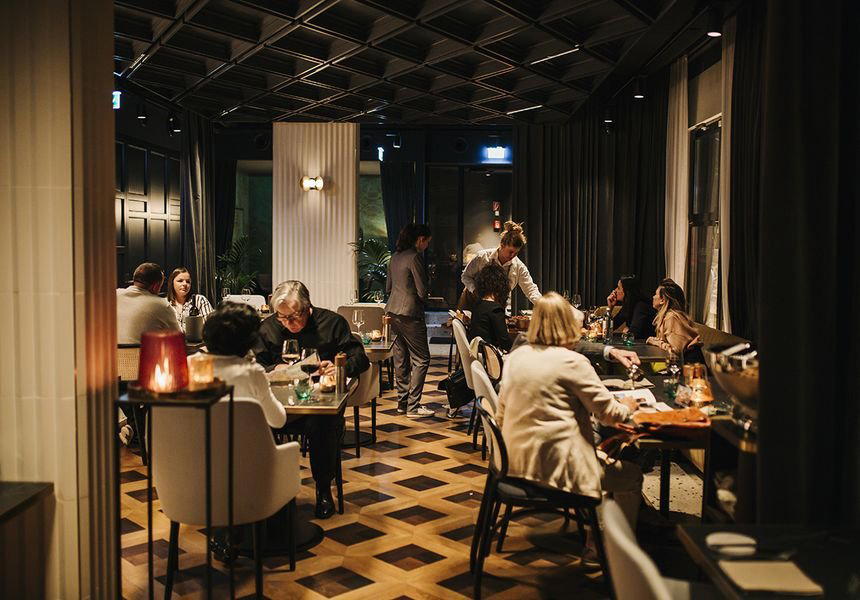
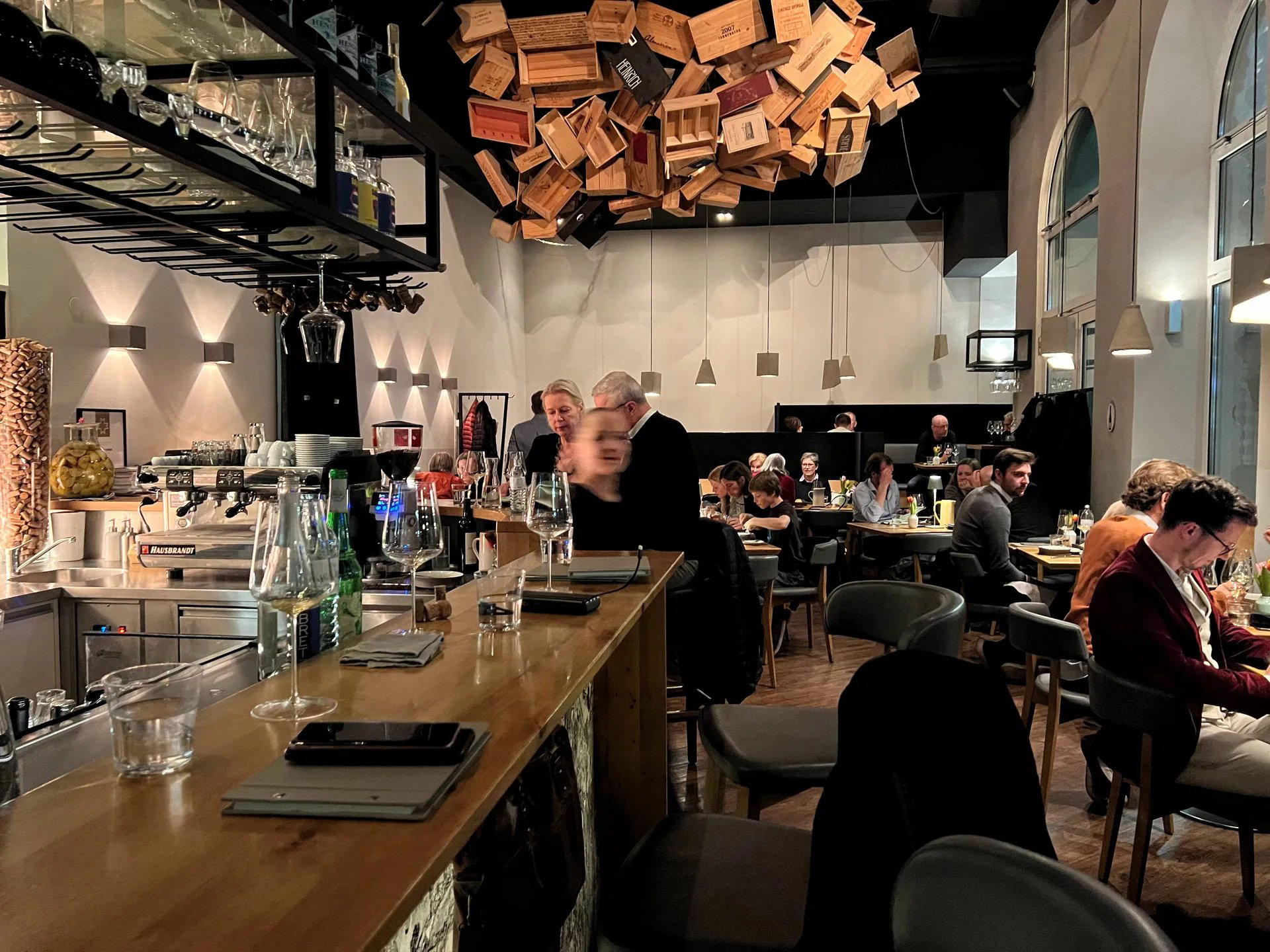
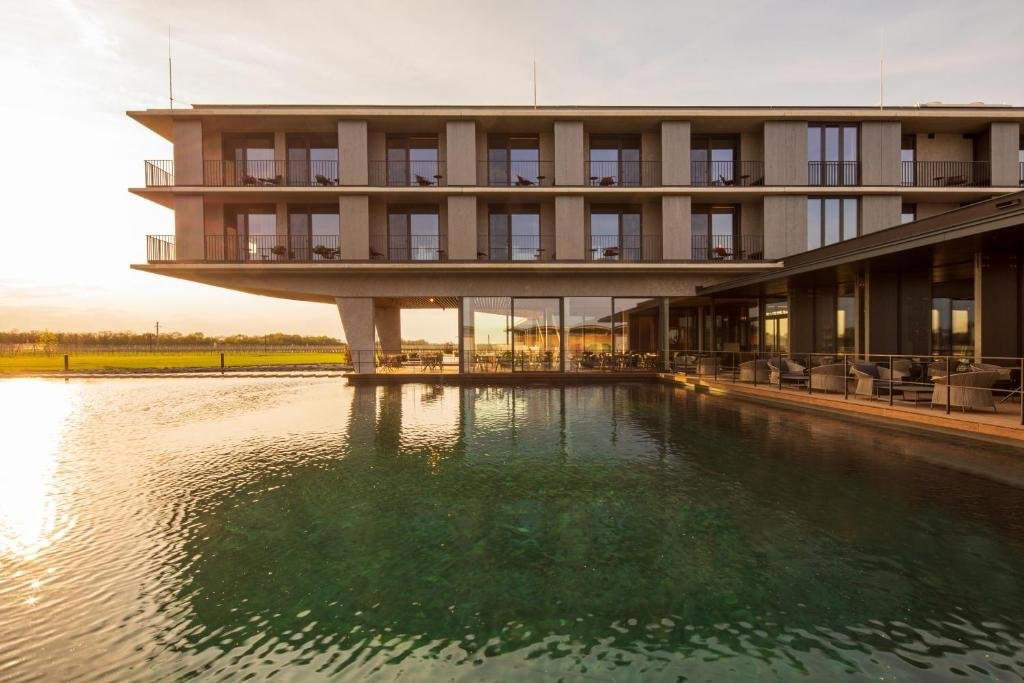
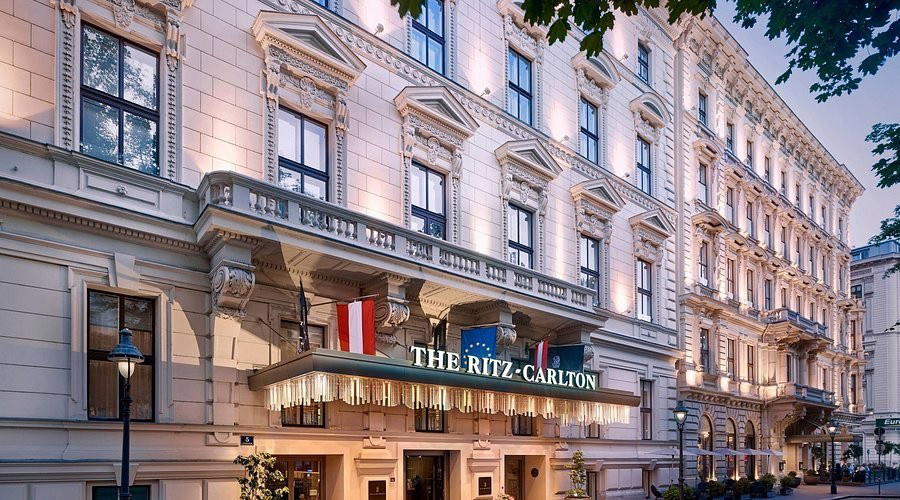
Classic and rustic, with a historic estate atmosphere rooted in a 16th-century building in Rust.