
Falstaff Winery - 4 Stars
Weingut Hannes Reeh operates from Andau, a village at Austria's eastern edge where the Pannonian Plain meets the shores of the Neusiedlersee. It is a reference point for understanding what this flat, wind-scoured corner of Burgenland can express in the glass.

Pearl is the En Primeur Club membership app — saves, bookings, and concierge access live there. Same editors, same standards.
- Address
- Augasse 11, 7163 Andau
- Phone
- +43 2176 27011
- Website
- hannesreeh.at
- Directions
- Get directions
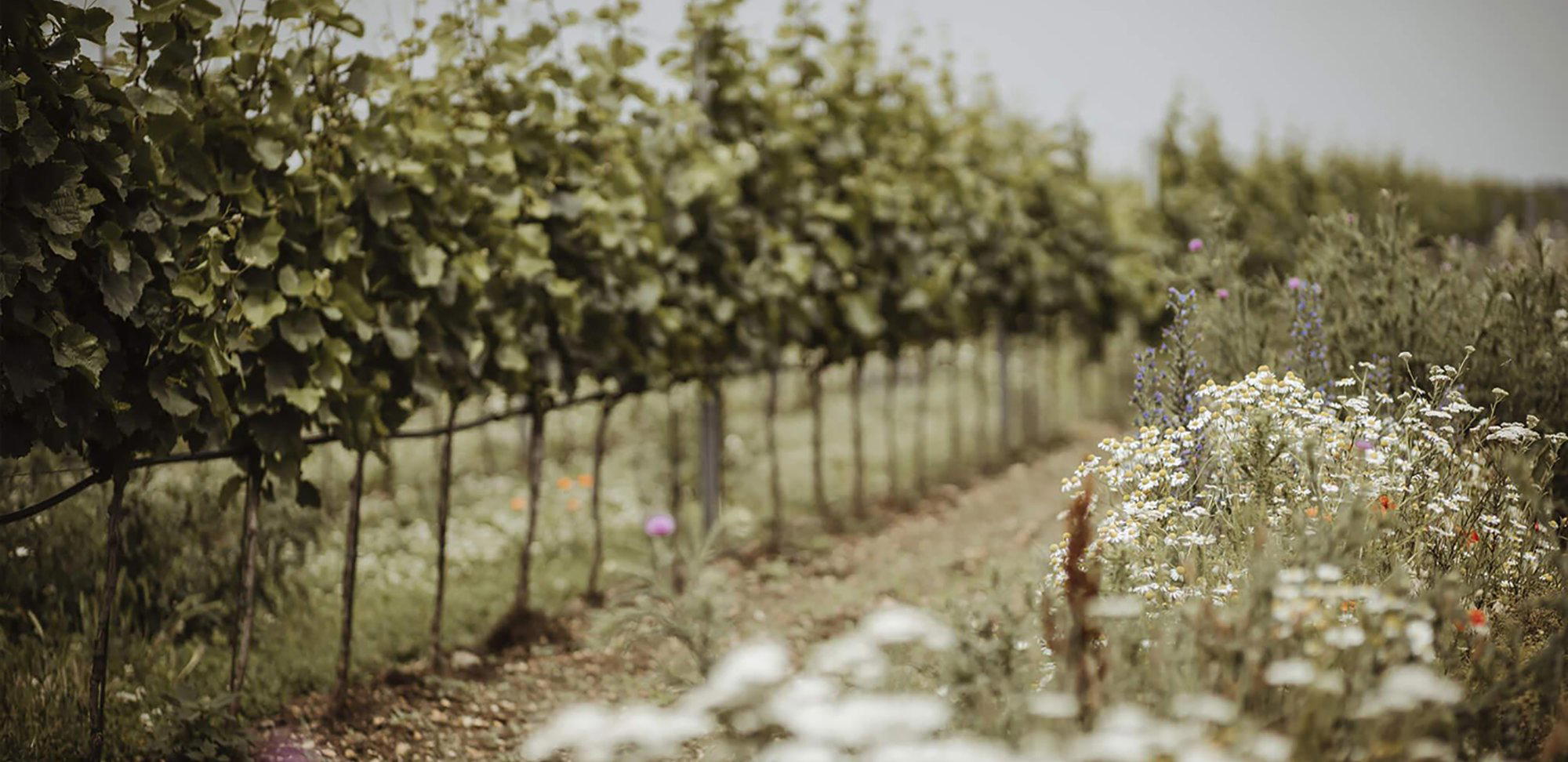
Where the Plain Meets the Vine
Andau sits at one of Europe's more extreme viticultural edges. The village is deep in the Pannonian Plain, where the landscape flattens completely and the wind arrives unchecked from the east, carrying the drying heat of the Hungarian steppe across the border. The Neusiedlersee, the vast shallow lake a few kilometres to the west, moderates that heat slightly and generates the autumn mists that define late-harvest conditions here. It is not a subtle environment, and the wines it produces tend to reflect that directness. The leading producers in this pocket of Burgenland do not reach for elegance by moderating what the land gives them — they build wine that respects the force of the climate while finding the structure underneath it. The address places it among a generation of producers who have positioned Andau as something more than a footnote to the better-known estates around Gols or the Leithaberg.
The Pannonian Signature in the Glass
The terroir argument for this corner of Burgenland rests on a specific combination of factors. The soils around Andau are predominantly sandy — a legacy of ancient lake sediments and aeolian deposits from the Pannonian basin. Sandy soils drain quickly, stress the vine into concentrated fruit production, and historically provided a natural defence against phylloxera, allowing some old ungrafted vines to persist longer here than in European regions with heavier clay profiles. The heat summation across the growing season is among the highest in Austria, pushing ripeness with a consistency that cooler Austrian wine regions like the Wachau or Kamptal cannot match.
This is a region built for red varieties. Zweigelt, Blaufränkisch, and St. Laurent perform differently here than they do in the volcanic soils of the Eisenberg or the limestone-influenced terraces further north. The heat delivers concentration and ripe tannin; the sandy soils tend to produce wines with a particular texture, often described as plush and approachable in youth while retaining enough structure to age. For white production, the proximity to the Neusiedlersee creates the conditions for Botrytis cinerea, the noble rot that has made sweet wines from this broader lake region among the most referenced in Europe, as producers like Weingut Kracher in Illmitz have demonstrated over decades.
Andau's producers occupy a slightly different niche than the lake's northern shore estates. The focus here tilts toward dry reds and the expression of Pannonian heat in structured, fruit-forward wines rather than the aristocratic sweetness that defines Illmitz and Apetlon. Understanding where Hannes Reeh sits in that framework matters: this is a winery making its case within the dry red tradition of eastern Burgenland, working with the same fundamental conditions that inform the output of neighbours like Weingut Scheiblhofer, Weingut Johann Schwarz, and Zantho (Weingut Zantho).
Andau in the Context of Austrian Wine
Austria's wine geography rewards careful mapping. The country's prestige hierarchy is often narrated through the Wachau and its steeply terraced Riesling and Grüner Veltliner, Weingut Emmerich Knoll in Dürnstein being a canonical reference point, or through the Kamptal estates such as Weingut Bründlmayer in Langenlois. Burgenland, by contrast, makes its argument through entirely different varieties and climate logic, and within Burgenland, the eastern flatlands around the Neusiedlersee operate almost as a separate country from the Mittelburgenland's Blaufränkisch heartland or the Südburgenland's cooler slopes, where Weingut Wohlmuth in Kitzeck provides a useful stylistic contrast.
The Gols and Andau cluster, running along the eastern shore of the lake, has drawn increasing critical attention over the past two decades. Producers like Weingut Pittnauer in Gols have helped to shift the conversation about what natural farming and lower-intervention approaches can yield in a Pannonian climate. Weingut Heinrich Hartl in Oberwaltersdorf represents the broader Niederösterreich comparison point, showing how different the stylistic register becomes once you move away from the lake's moderating influence.
Planning a Visit
Andau is a small agricultural village, and visitors should approach it on those terms. The nearest city with significant transport links is Eisenstadt, the Burgenland capital, from which Andau requires a car journey eastward through the flat vine-and-field landscape. Given the absence of published hours or a booking platform in current listings, the practical approach is to contact the estate directly before travelling, particularly for tastings outside of harvest season. The broader Andau producer community makes the village worthwhile as a half-day or full-day wine route rather than a single-stop destination, and pairing a visit to Hannes Reeh with calls on neighbouring estates turns the flat, sun-baked geography into a coherent itinerary. Autumn, when the harvest is underway and the Neusiedlersee mists begin to form, is the most atmospherically loaded time to be in this part of Burgenland.
At-a-Glance Comparison
Comparable venues nearby, for context on price, style, and recognition.
| Venue | Cuisine | Price | Awards | Notes |
|---|---|---|---|---|
| Weingut Hannes ReehThis venue — the venue you are viewing | Zweigelt, Merlot | Not listed | Falstaff Winery - 4 Stars | Not listed |
| Weingut Johann Schwarz | Zweigelt, Blaufränkisch | Not listed | Falstaff Winery - Listed | Andau |
| Weingut Scheiblhofer Distillery | Zweigelt, Blaufränkisch | $1–10 | Not listed | Andau |
| Zantho (Weingut Zantho) | Zweigelt, Sankt Laurent | Not listed | Falstaff Winery - 2 Stars | Andau |
| Weingut Leo Hillinger | Grüner Veltliner, Sauvignon Blanc | Not listed | Falstaff Winery - 3 Stars | Jois |
| Ginmacher Distillery | Winery | Not listed | Not listed | Brunn am Gebirge |
Recognition history
Dated appearances from independent guides and award organizations, with the underlying list record or original source where available.
Falstaff Winery - 4 Stars
Falstaff
Continue exploring
More in Andau
Wineries in Andau
Browse all →
Bars in Andau
Browse all →
Restaurants in Andau
Browse all →
Details
- Rustic
- Scenic
- Wine Education
- Solo Exploration
- Vineyard Tour
- Estate Grounds
- Sustainable
- Vineyard
- Zweigelt
- Merlot
- Cabernet Sauvignon
- Cabernet Franc
- Chardonnay
- Weißburgunder
- Syrah
- Grüner Veltliner
- Still Red
- Still White
- Still Rosé
- Cave Tasting
- German
- English
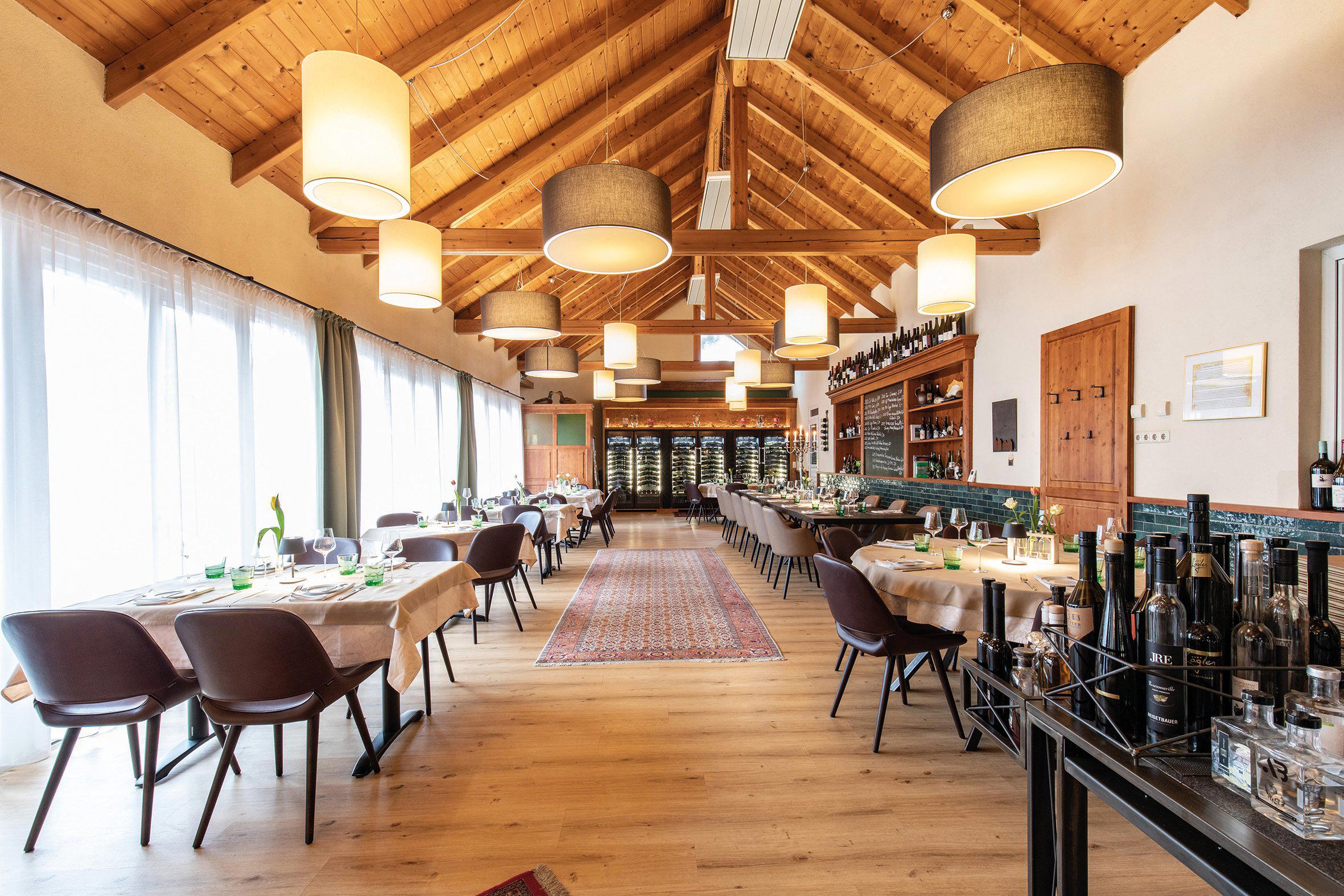
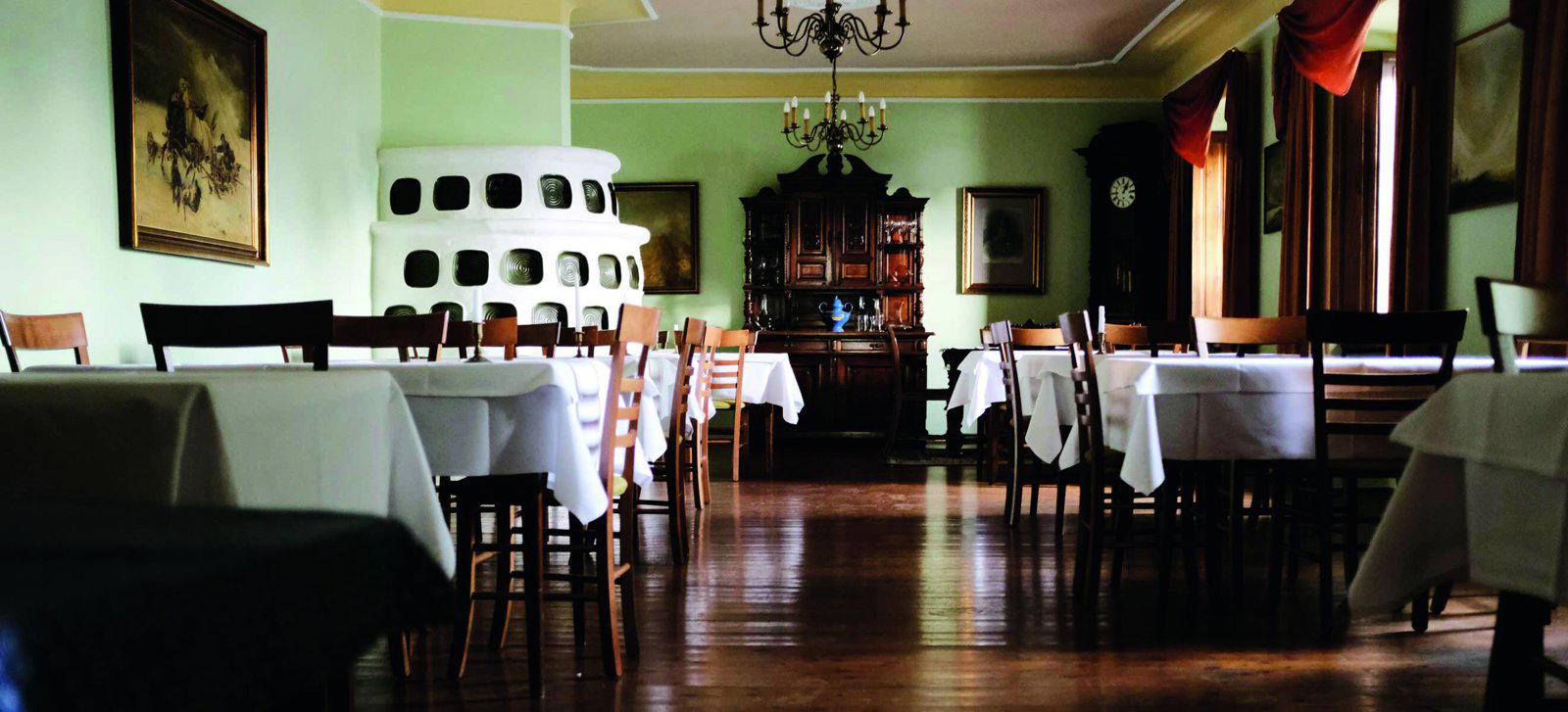
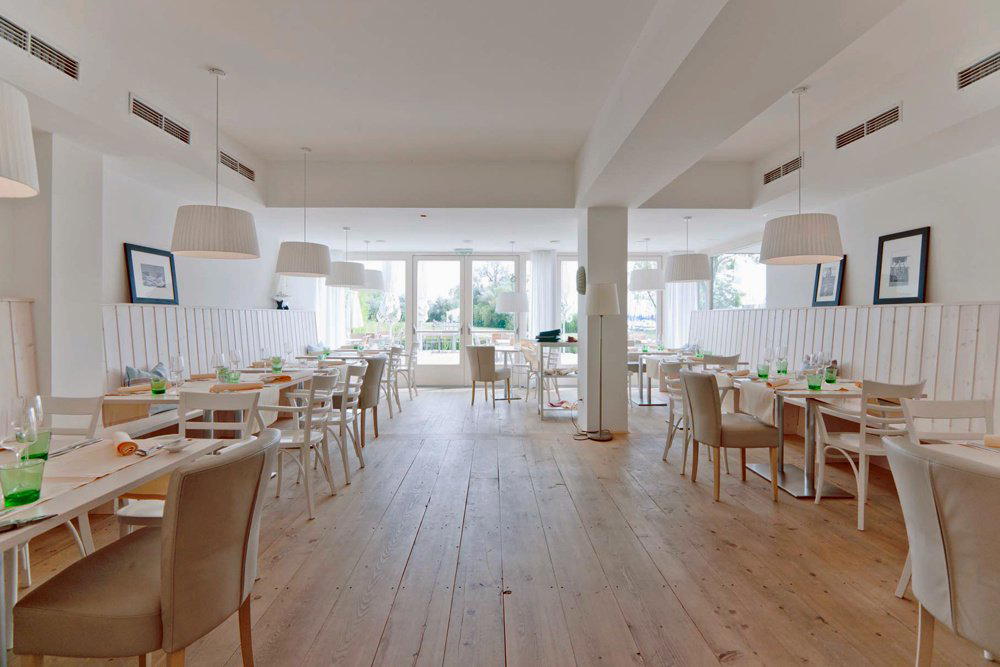
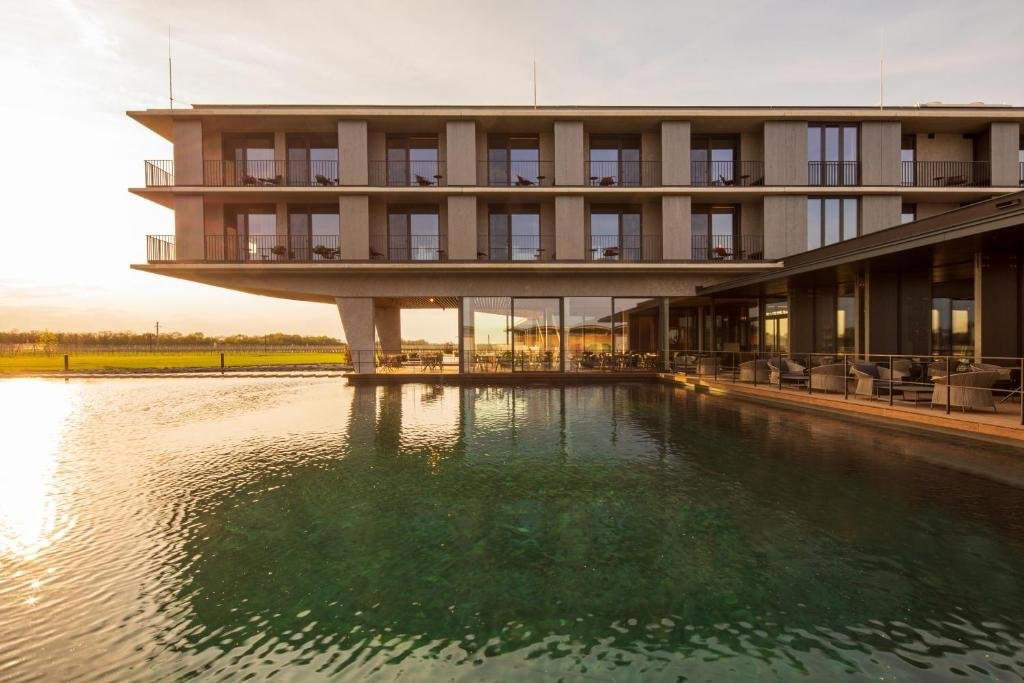
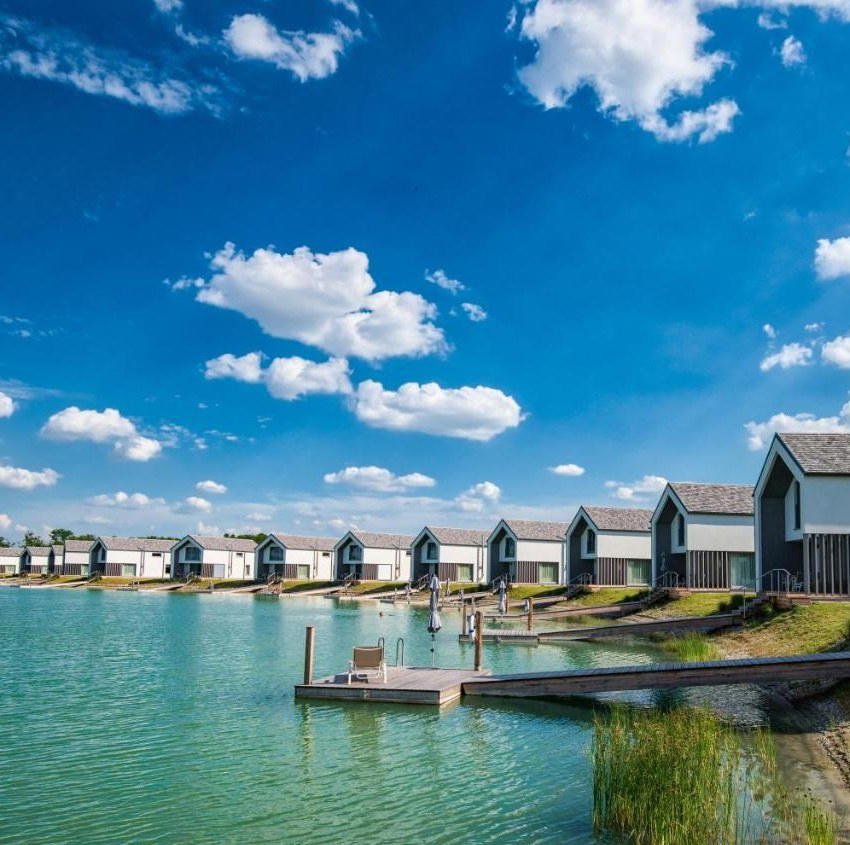
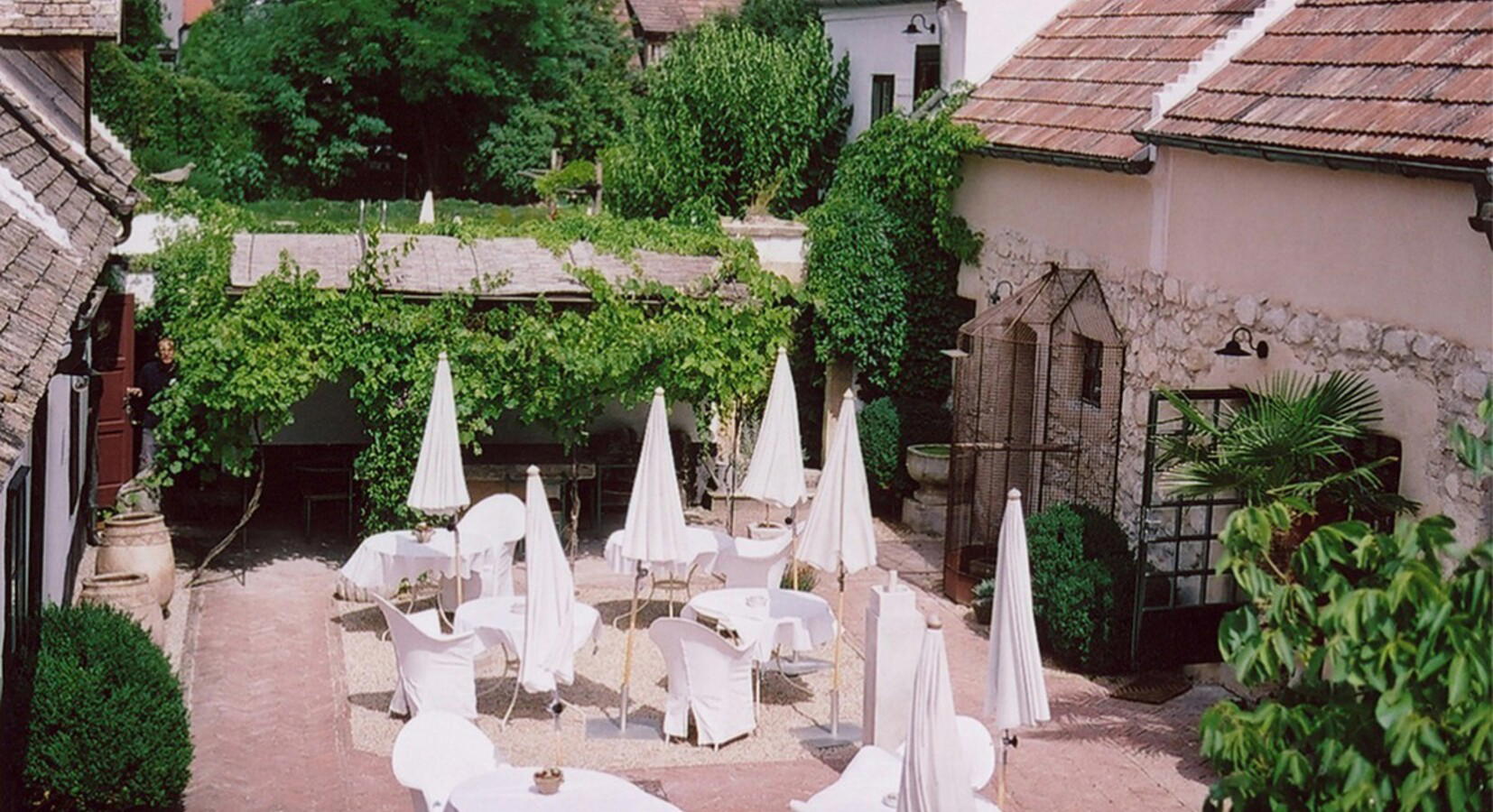
Rustic and authentic winery atmosphere in the sunny steppe landscape.